 BirdPedy
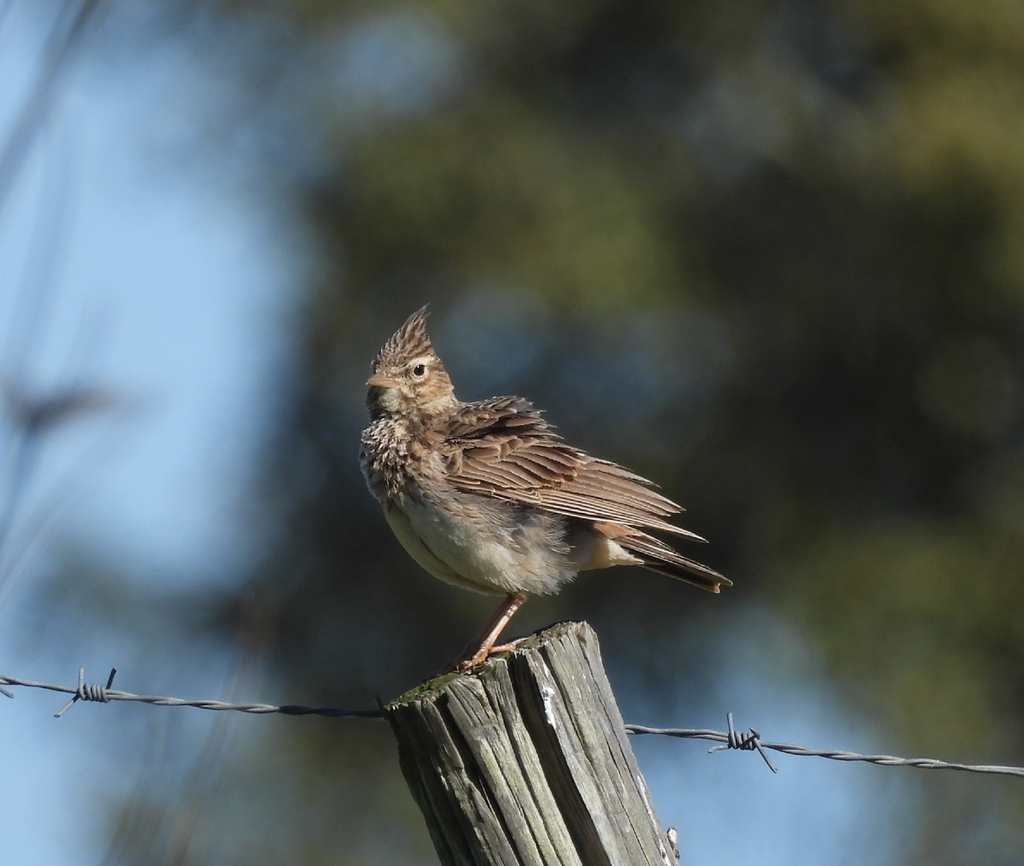
Cogujada montesinaThekla's Lark
En 42 provincias en abril y en 39 en eneroIn 42 provinces in April and 39 in January
Reporte de rarezaRarity report
Por qué es comúnWhy it is commonHomóloga de la anterior pero con predilección por terrenos más accidentados, laderas pedregosas y matorral mediterráneo. Aunque ubicua en su hábitat, es menos frecuente en zonas humanizadas que la común.Counterpart of the previous one but with a preference for more rugged terrain, rocky slopes, and Mediterranean scrub. Though ubiquitous in its habitat, it is less frequent in humanized areas than the common one.
Cada carrizo es un mes: su altura, las provincias con registros de 2020 a 2024.Each reed is a month: its height, the provinces with records from 2020 to 2024.- Provincias con registrosProvinces with records
- 42 de 52of 52
- En la appIn the app
- Todo el añoAll year
- EnvergaduraWingspan
- 28-32 cm28-32 cm
- LongitudLength
- 17 cm17 cm
- Lista Roja de EspañaSpanish Red List
- LC Preocupación menorLeast Concern

Información generalGeneral Information
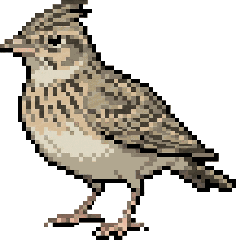
Aláudido de mediano tamaño, rechoncho y crestado. En Europa se encuentra exclusivamente en la Península Ibérica, Baleares y algunos puntos de Francia. Prefiere las zonas cálidas, donde ocupa estepas y páramos con cierta cobertura arbustiva o arbolado disperso. Resulta abundante en dehesas y en diversas formaciones de matorral (espartales, jarales, tomillares, romerales, etc.).The 'sister' species of the Crested Lark, but with a more restricted European range focused on Iberia. It is an indicator of healthy Mediterranean scrub and rocky plateaus. While the Crested Lark follows the road and the plow, the Thekla's Lark remains in the thyme and rosemary bushes of the hillsides. Its presence alongside the Crested Lark is a classic identification challenge for Spanish birders.
IdentificaciónIdentification
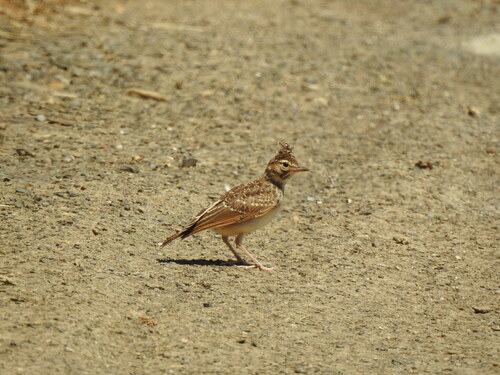
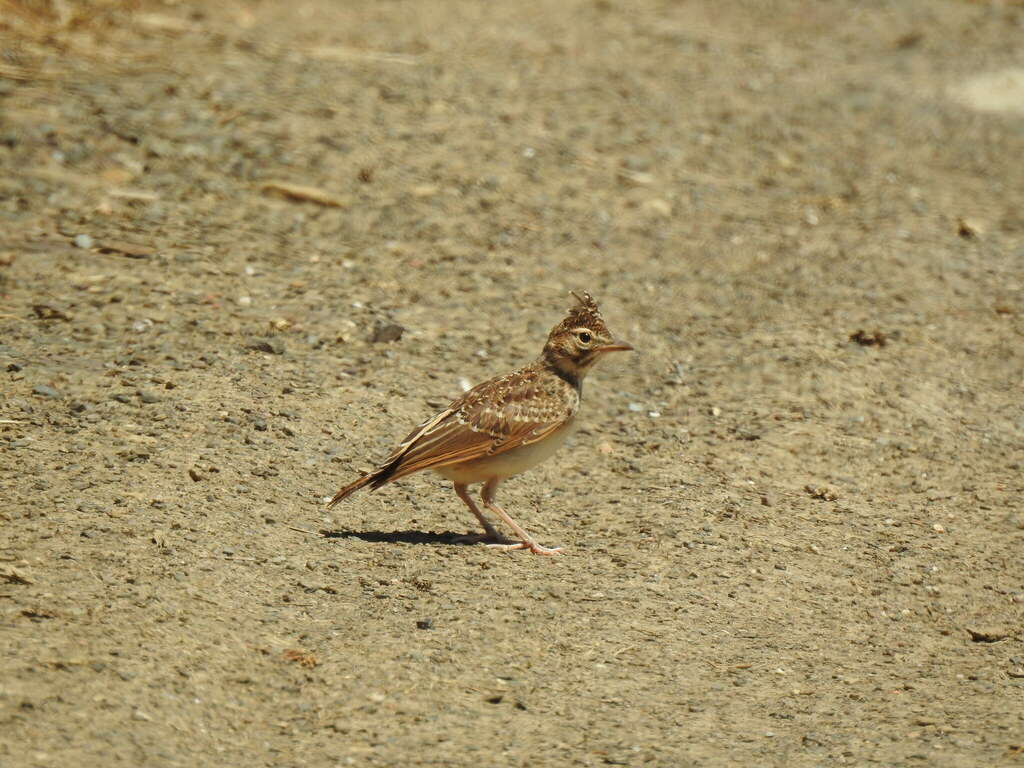
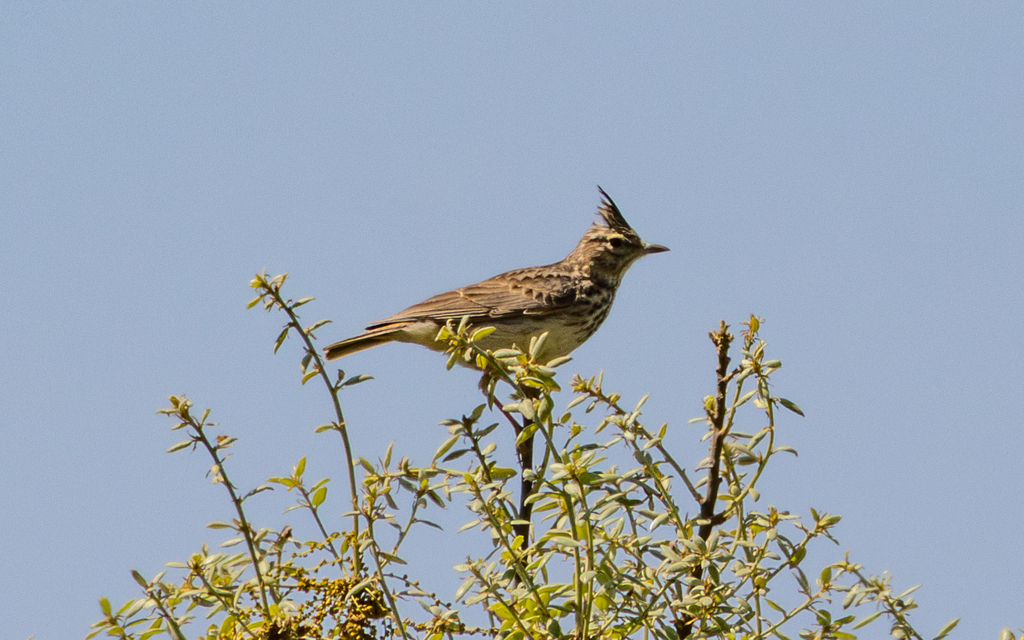
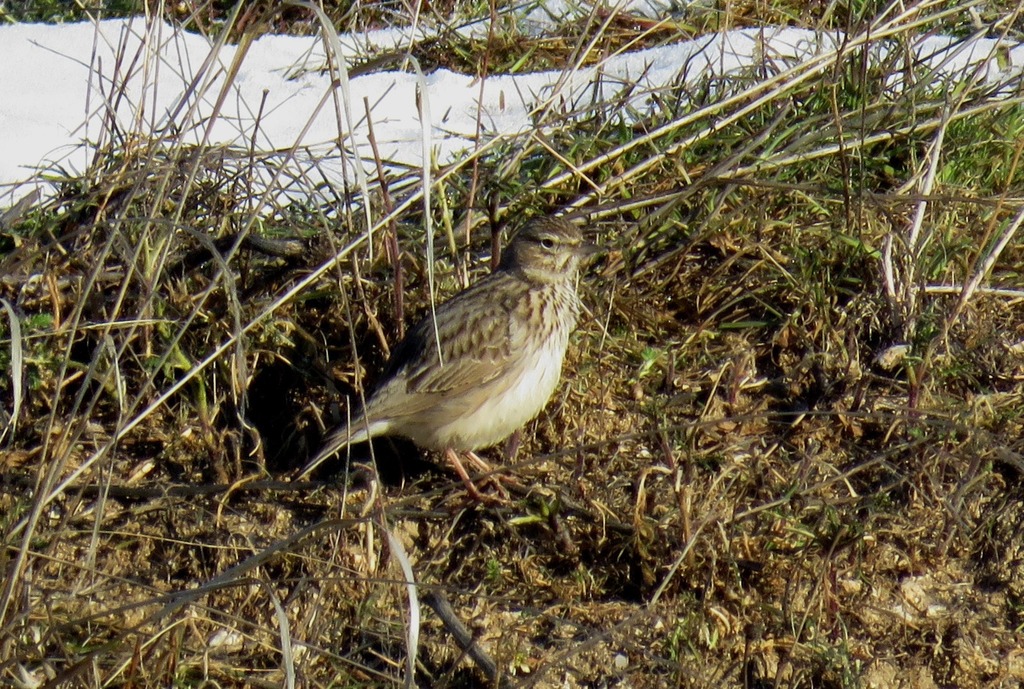
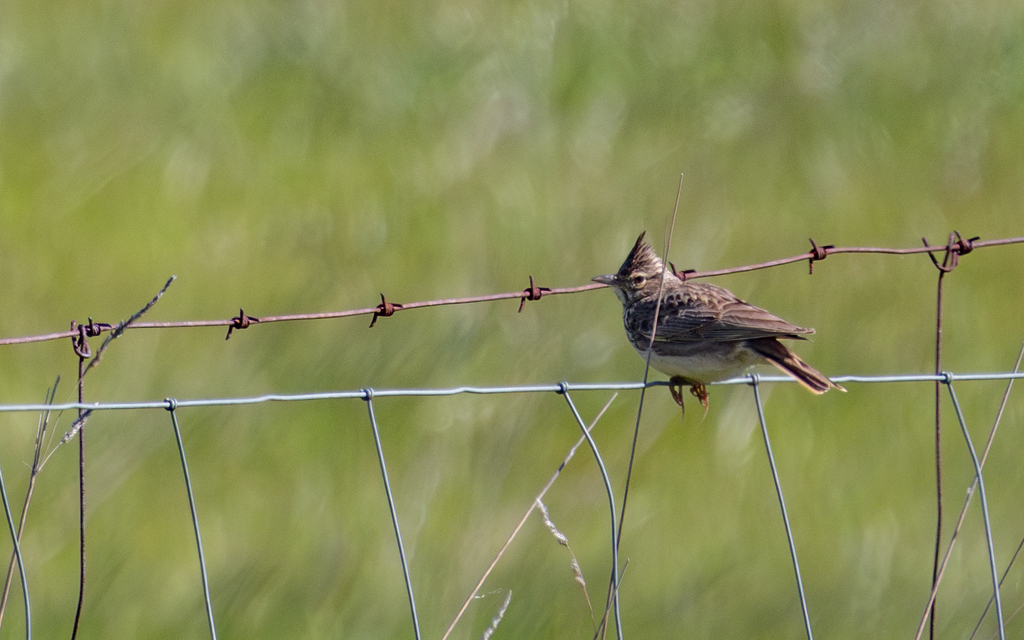
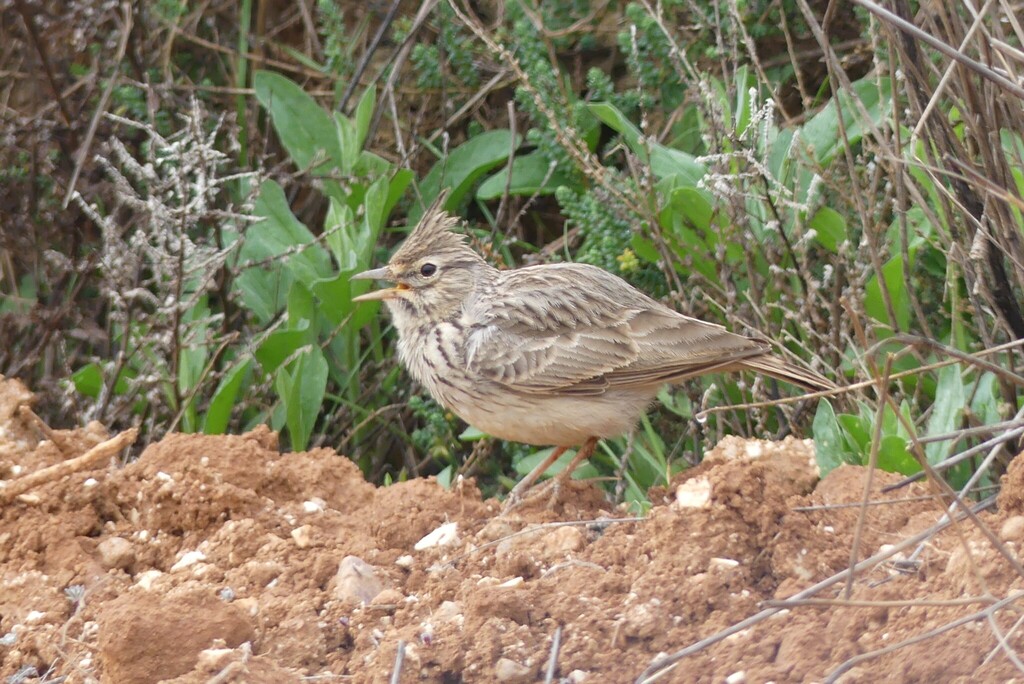
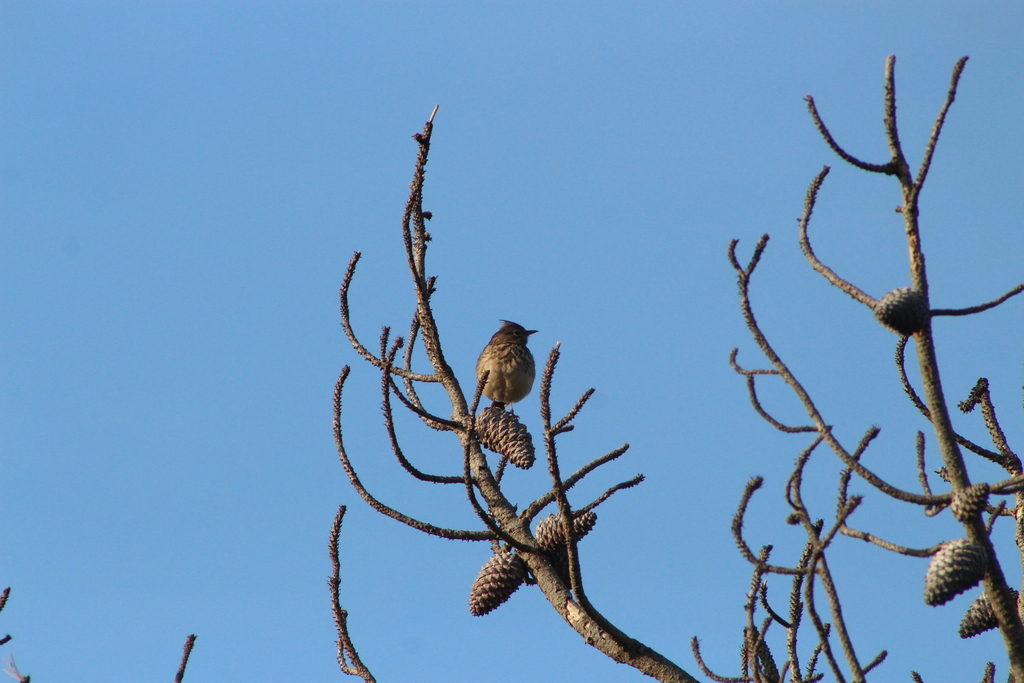
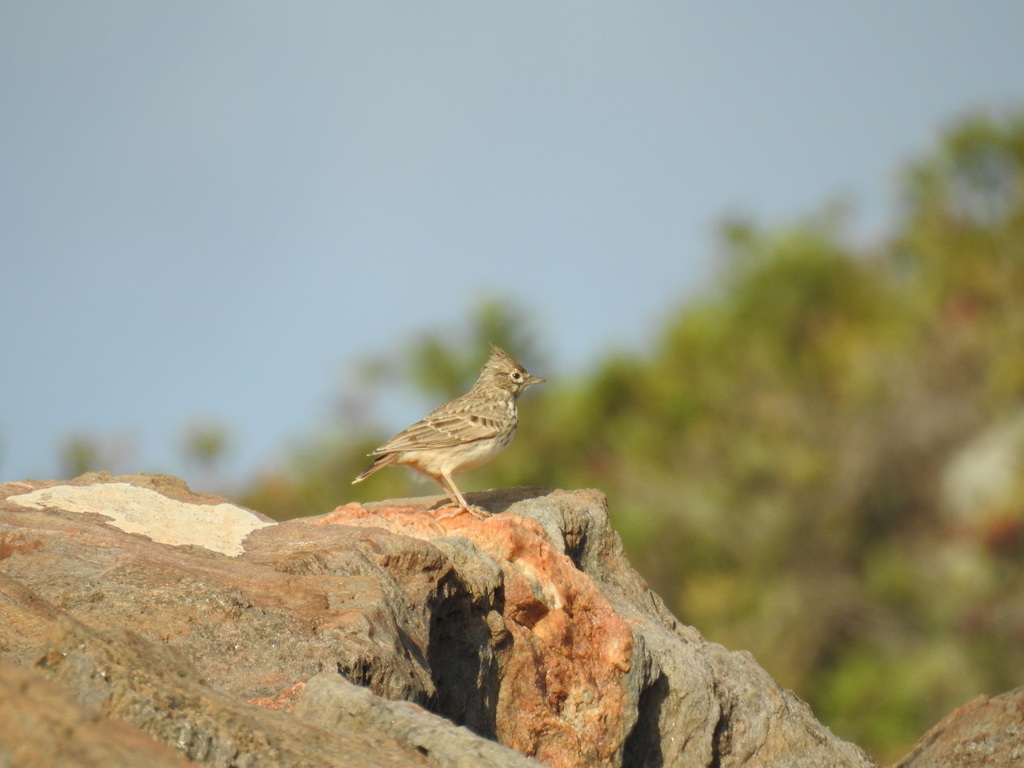
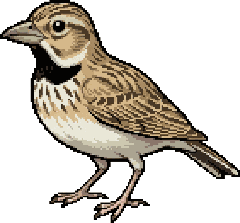
La cogujada montesina es un pájaro de mediano tamaño, muy similar a la cogujada común, de la que resulta difícil de distinguir. Con ella comparte su aspecto rechoncho y la presencia de una pequeña cresta. Se diferencia por su aspecto más estilizado y grisáceo, su pico y cresta algo más cortos, y, especialmente, por el moteado más marcado y nítido del pecho. En vuelo presenta el obispillo de tono pardo-anaranjado, que contrasta con el dorso y la parte inferior de las alas, blanquecinas en la cogujada montesina y ocres en la común. Suele posarse en arbustos y árboles, algo que raramente hace la cogujada común.Exceptially similar to the Crested Lark, but slightly more slender and grayish with a shorter crest and bill. The most reliable ID features are the much more distinct and well-defined streaks on its breast (Crested is more blurred) and the gray-toned rump/underwings (Crested is more orange-toned). Unlike the Crested Lark, it often perches on bushes and trees. It prefers more natural, wilder scrublands over the human-modified areas favored by its cousin.
DistribuciónDistribution
En nuestro país habita la subespecie theklae, distribuida extensamente por la región mediterránea y Baleares, y se encuentra ausente de las zonas cantábrica, gallega, pirinaica, Sierra Morena, el valle del Guadalquivir, y el suroeste de Extremadura., así como el archipiélago canario.Widespread in Mediterranean Spain and the Balearics. Absent from the north (Galicia, Asturias, Pyrenees), the Guadalquivir valley, and the Canary Islands. Subspecies 'theklae'.
Textos reproducidos con permiso de laTexts translated and reproduced with permission from the Guía de Aves de España © SEO/BirdLife
Estado de conservaciónConservation Status
- EX
- RE
- CR
- EN
- VU
- NT
- LC
Preocupación menorLeast Concern
Qué significa cada categoríaWhat each category means
- LC
- Preocupación menor: Taxón evaluado que no califica para categorías amenazadas. Especies abundantes y ampliamente distribuidasLeast Concern - Evaluated taxon that does not qualify for threatened categories. Widespread and abundant taxa
- NT
- Casi amenazada: No califica actualmente como amenazada, pero está cerca de calificar o es probable que califique en el futuro cercanoNear Threatened - Does not currently qualify as threatened, but is close to qualifying or likely to qualify in the near future
- VU
- Vulnerable: Enfrenta un alto riesgo de extinción en estado silvestre según los criterios A a E de IUCNVulnerable - Facing a high risk of extinction in the wild based on IUCN criteria A to E
- EN
- En peligro: Enfrenta un riesgo muy alto de extinción en estado silvestre según los criterios A a E de IUCNEndangered - Facing a very high risk of extinction in the wild based on IUCN criteria A to E
- CR
- En peligro crítico: Enfrenta un riesgo extremadamente alto de extinción en estado silvestre según los criterios A a E de IUCNCritically Endangered - Facing an extremely high risk of extinction in the wild based on IUCN criteria A to E
- DD
- Datos insuficientes: Información inadecuada para evaluar el riesgo de extinción basándose en distribución o estado poblacionalData Deficient - Inadequate information to assess extinction risk based on distribution and/or population status
- NE
- No evaluada: No ha sido evaluada aún contra los criterios de la Lista Roja de IUCNNot Evaluated - Has not yet been assessed against the IUCN Red List criteria
- RE
- Extinta regionalmente: El taxón ya no existe en la región específica, aunque puede sobrevivir en otros lugaresRegionally Extinct - Taxon no longer exists in the specific region, though it may survive elsewhere
- EX
- Extinta - No existe duda razonable de que ha muerto el último individuo del taxónExtinct - No reasonable doubt that the last individual of the taxon has died
TaxonomíaTaxonomy
- OrdenOrder
- Passeriformes
- FamiliaFamily
- Alaudidae
Presencia en EspañaPresence in Spain
- HabitualRegular
- ResidenteResident
En la app: todo el año.In the app: all year.
Dónde verlaWhere to see it
3.015 cuadrículas de 10 km con registros de 2020 a 2024. Toca un mes para ver dónde se ha visto.3,015 10 km squares with records from 2020 to 2024. Pick a month to see where it has been seen.
Cargando el mapa…Loading the map…
Dónde es regularWhere it is regular
Provincias con registros en al menos 3 de los 5 años algún mes, de más a menos frecuente, y sus mejores meses.Provinces with records in at least 3 of the 5 years in some month, from most to least frequent, and their best months.
- AlmeríaAlmeríamarzo, enero, diciembreMarch, January, December
- AlbaceteAlbacetenoviembre, octubre, diciembreNovember, October, December
- BadajozBadajozmayo, abril, junioMay, April, June
- CáceresCáceresseptiembre, octubre, mayoSeptember, October, May
- ZaragozaZaragozajunio, septiembre, octubreJune, September, October
- MurciaMurciamayo, septiembre, junioMay, September, June
- ToledoToledojunio, septiembre, agostoJune, September, August
- LleidaLleidamayo, febrero, abrilMay, February, April
- BalearesBalearic Islandsseptiembre, octubre, mayoSeptember, October, May
- CuencaCuencaseptiembre, octubre, abrilSeptember, October, April
Ver las 41 provinciasSee all 41 provinces
- JaénJaénoctubre, septiembre, junioOctober, September, June
- TeruelTeruelmayo, junio, septiembreMay, June, September
- SegoviaSegoviamayo, octubre, abrilMay, October, April
- GuadalajaraGuadalajaramayo, abril, marzoMay, April, March
- HuelvaHuelvaseptiembre, agosto, octubreSeptember, August, October
- CórdobaCórdobamayo, junio, julioMay, June, July
- AlicanteAlicantejunio, mayo, abrilJune, May, April
- ValladolidValladolidjunio, julio, agostoJune, July, August
- MálagaMálagajunio, septiembre, octubreJune, September, October
- ÁvilaÁvilaoctubre, mayo, eneroOctober, May, January
- GranadaGranadamayo, junio, octubreMay, June, October
- HuescaHuescamayo, junio, abrilMay, June, April
- SoriaSoriamayo, abril, septiembreMay, April, September
- SalamancaSalamancamarzo, abril, mayoMarch, April, May
- Ciudad RealCiudad Realoctubre, marzo, mayoOctober, March, May
- La RiojaLa Riojaoctubre, mayo, abrilOctober, May, April
- CádizCádizagosto, mayo, octubreAugust, May, October
- ZamoraZamorajunio, septiembre, febreroJune, September, February
- SevillaSevillaagosto, junio, octubreAugust, June, October
- MadridMadridjunio, mayo, abrilJune, May, April
- CastellónCastellónmayo, junio, abrilMay, June, April
- PalenciaPalenciafebrero, marzo, mayoFebruary, March, May
- NavarraNavarramayo, febrero, abrilMay, February, April
- CeutaCeutafebreroFebruary
- ValenciaValenciamayo, junio, julioMay, June, July
- GironaGironamayo, octubre, septiembreMay, October, September
- TarragonaTarragonajunio, mayo, abrilJune, May, April
- BurgosBurgosjulio, mayo, marzoJuly, May, March
- LeónLeónabril, junio, julioApril, June, July
- ÁlavaÁlavamayo, junioMay, June
- BarcelonaBarcelonaoctubre, mayo, junioOctober, May, June
Datos: registros en GBIF de 2020 a 2024 de Observation.org, eBird, iNaturalist y el ICO, descargados el 23/10/2026.Data: GBIF records from 2020 to 2024 from Observation.org, eBird, iNaturalist and the ICO, downloaded on 23/10/2026. GBIF.org (23 October 2026) GBIF Occurrence Download · doi:10.15468/dl.r5sf2a · CC BY-NC 4.0
GaleríaGallery
© Duarte Frade · CC BY · iNaturalist 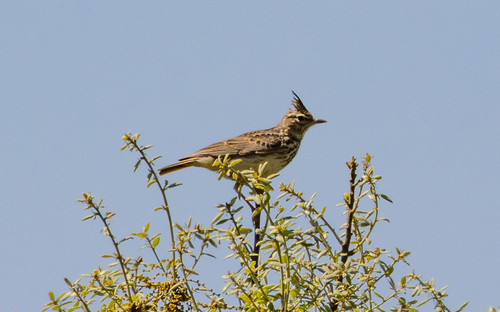
© Diego González Dopico · CC BY · iNaturalist 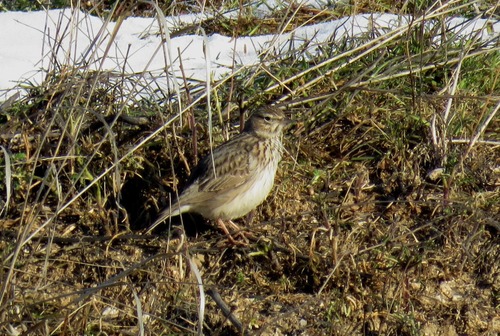
© Sara Navarro · CC BY · iNaturalist 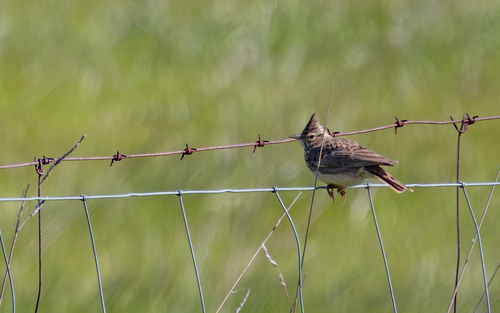
© Diego González Dopico · CC BY · iNaturalist 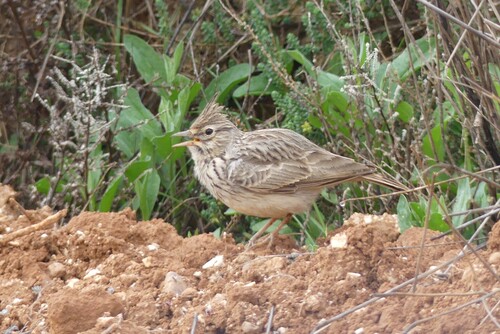
© Julien Fougeroux · CC BY · iNaturalist 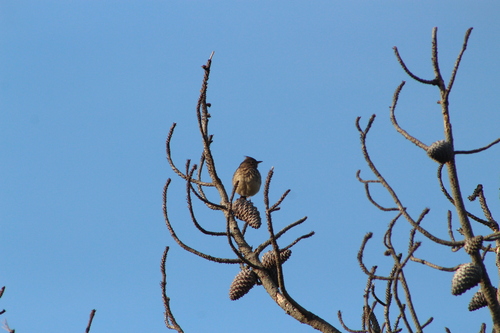
© Pedro Eça · CC BY · iNaturalist 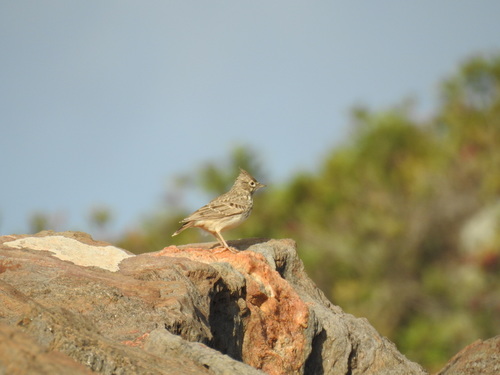
© Yves Bas · CC BY · iNaturalist 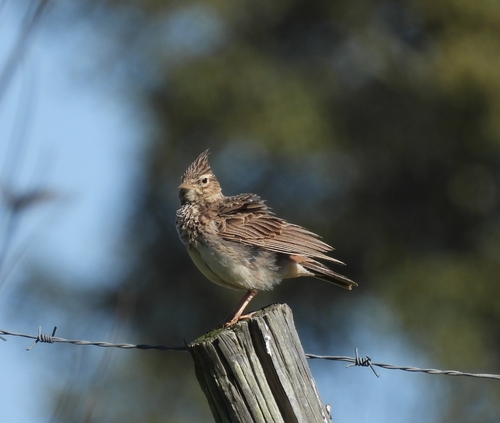
© David Pereira · CC BY · iNaturalist
Especies relacionadasRelated species
Otras aves de la familia Alaudidae y de órdenes cercanos.Other birds from the Alaudidae family and nearby orders.
- ComúnCommon
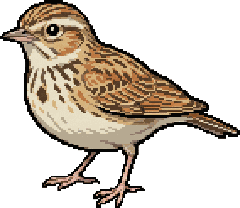 Alondra totovíaWoodlarkLullula arborea
- ComúnCommon
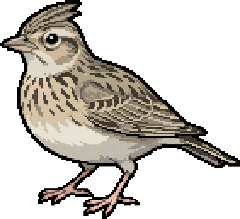 Alondra comúnEurasian SkylarkAlauda arvensis
- LegendarioLegendary
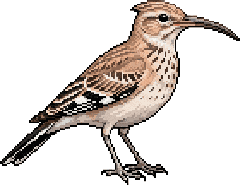 Alondra ibisGreater Hoopoe-LarkAlaemon alaudipes
- LegendarioLegendary
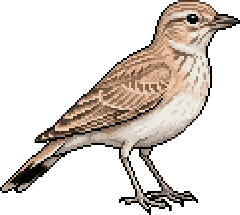 Terrera colinegraBar-tailed LarkAmmomanes cinctura
- LegendarioLegendary
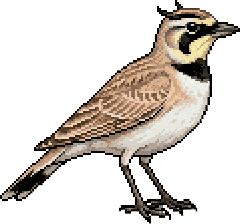 Alondra cornudaHorned LarkEremophila alpestris
- LegendarioLegendary
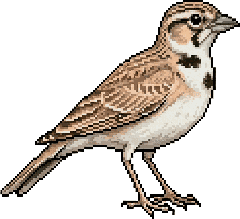 Calandria bimaculadaBimaculated LarkMelanocorypha bimaculata
- RaroRare
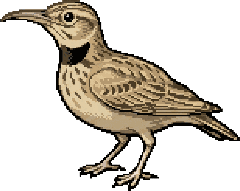 Alondra ricotíDupont's LarkChersophilus duponti
- Poco comúnUncommon
 Calandria comúnCalandra LarkMelanocorypha calandra
 Gratis, sin anuncios ni comprasFree, no ads, no purchases