 BirdPedy
Alondra comúnEurasian Skylark
En 51 provincias en octubre y en 41 en agostoIn 51 provinces in October and 41 in August
Reporte de rarezaRarity report
Por qué es comúnWhy it is commonMuy abundante en campos de cultivo, pastizales de montaña y llanuras cerealistas. Sus efectivos aumentan masivamente en invierno con aves europeas, siendo una de las alondras más frecuentes de España.Very abundant in farmland and cereal plains. Numbers increase massively in winter, one of the most frequent larks.
Cada carrizo es un mes: su altura, las provincias con registros de 2020 a 2024.Each reed is a month: its height, the provinces with records from 2020 to 2024.- Provincias con registrosProvinces with records
- 51 de 52of 52
- En la appIn the app
- Todo el añoAll year
- EnvergaduraWingspan
- 30-36 cm30-36 cm
- LongitudLength
- 18-19 cm18-19 cm
- Lista Roja de EspañaSpanish Red List
- VU VulnerableVulnerable

Información generalGeneral Information
Aláudido típico, común y bien distribuido por las latitudes templadas de Europa y Asia. En España ocupa de forma continua la mitad norte peninsular, donde resulta común en zonas desarboladas, como páramos, pastizales, cultivos de cereal, saladares y formaciones de matorral bajo (tomillares, cantuesales, brezales…), tanto en cotas bajas como en áreas de montaña.A bird of the open horizons, common and well-distributed across the cooler, wetter parts of Europe. In Spain, it is a common breeder in the northern half, occupying mountain pastures, cereal fields, and meadows. In winter, Spanish populations swell enormously as millions of birds from northern Europe arrive to spend the cold months in our fields and marshes.
IdentificaciónIdentification
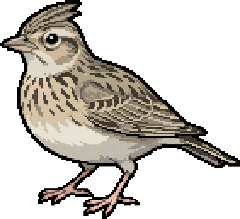
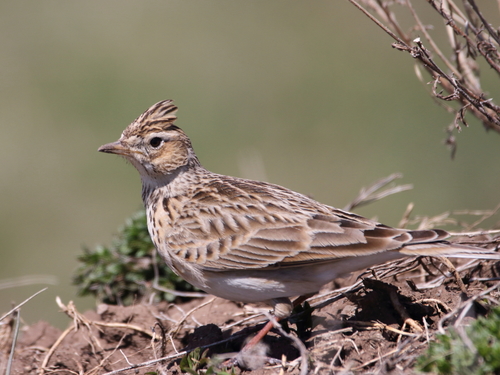
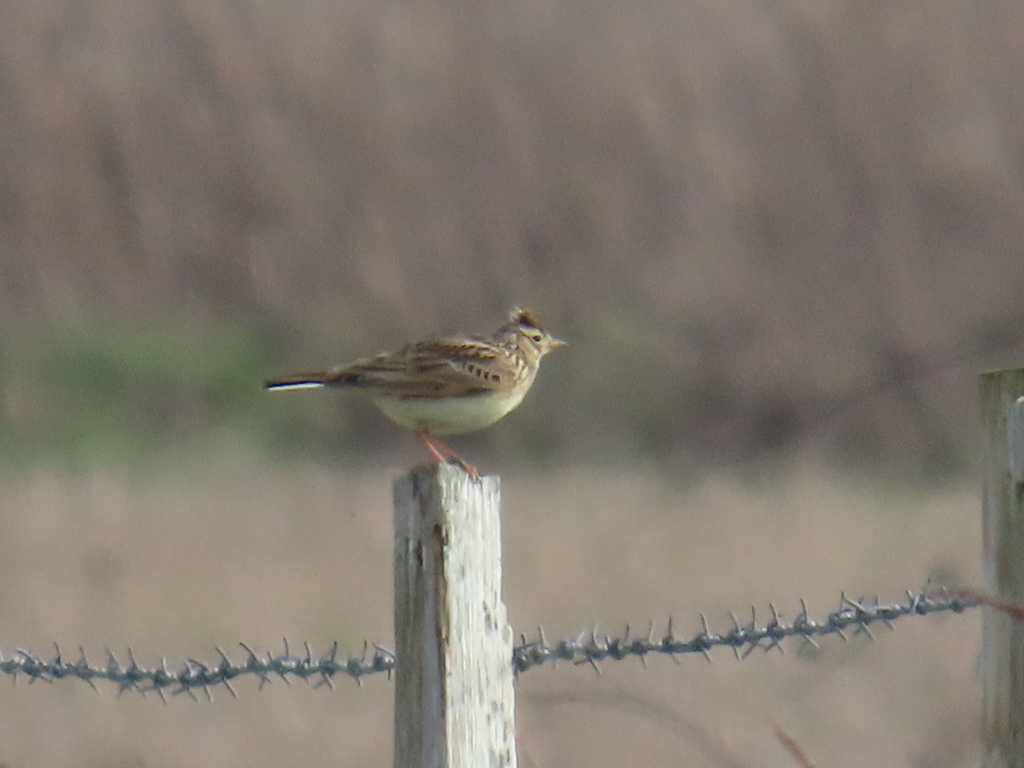
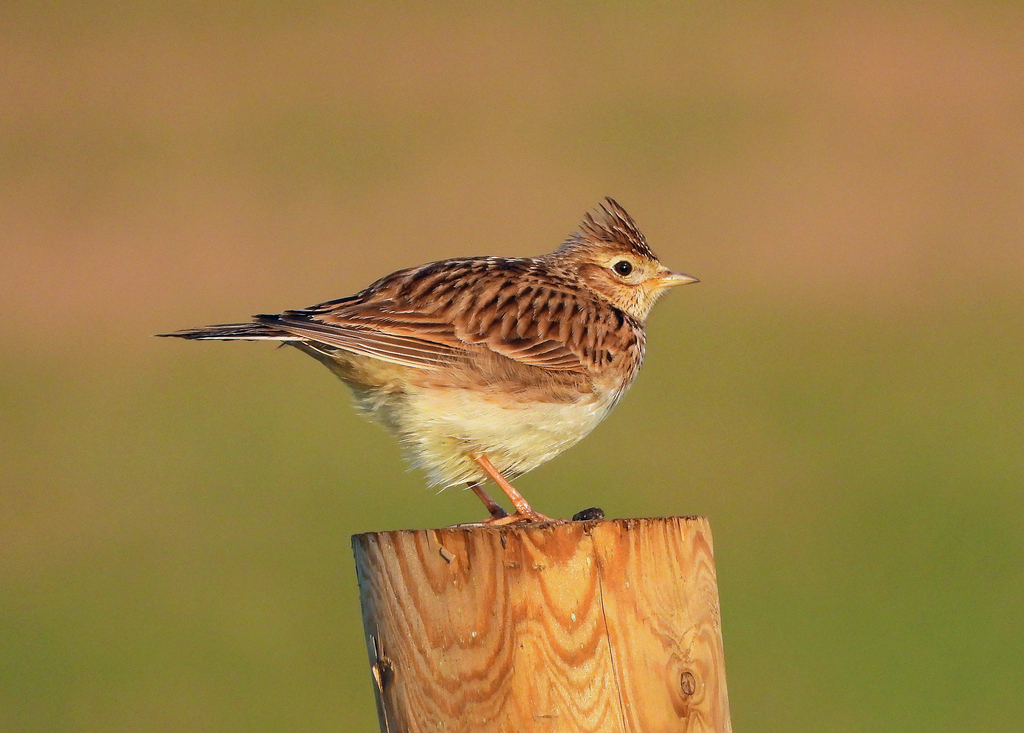
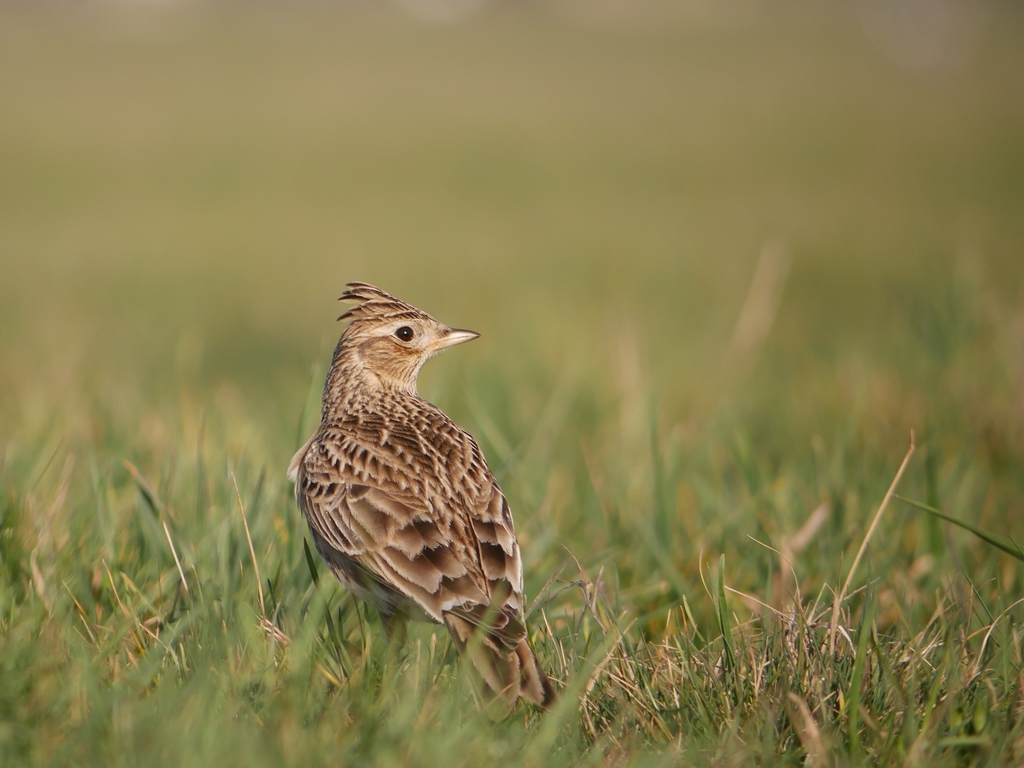
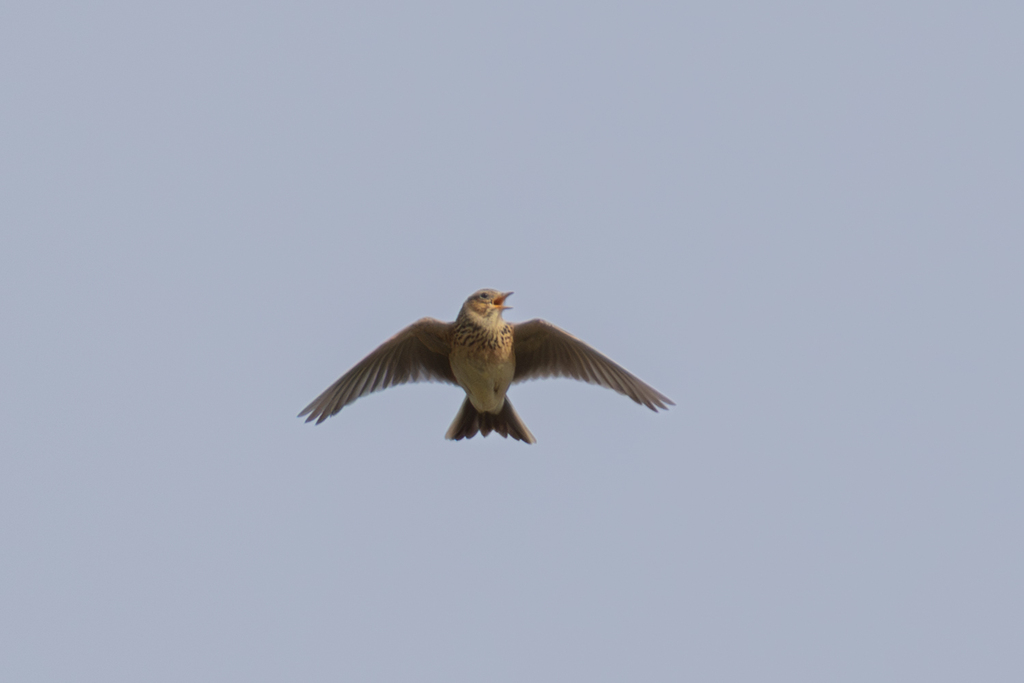
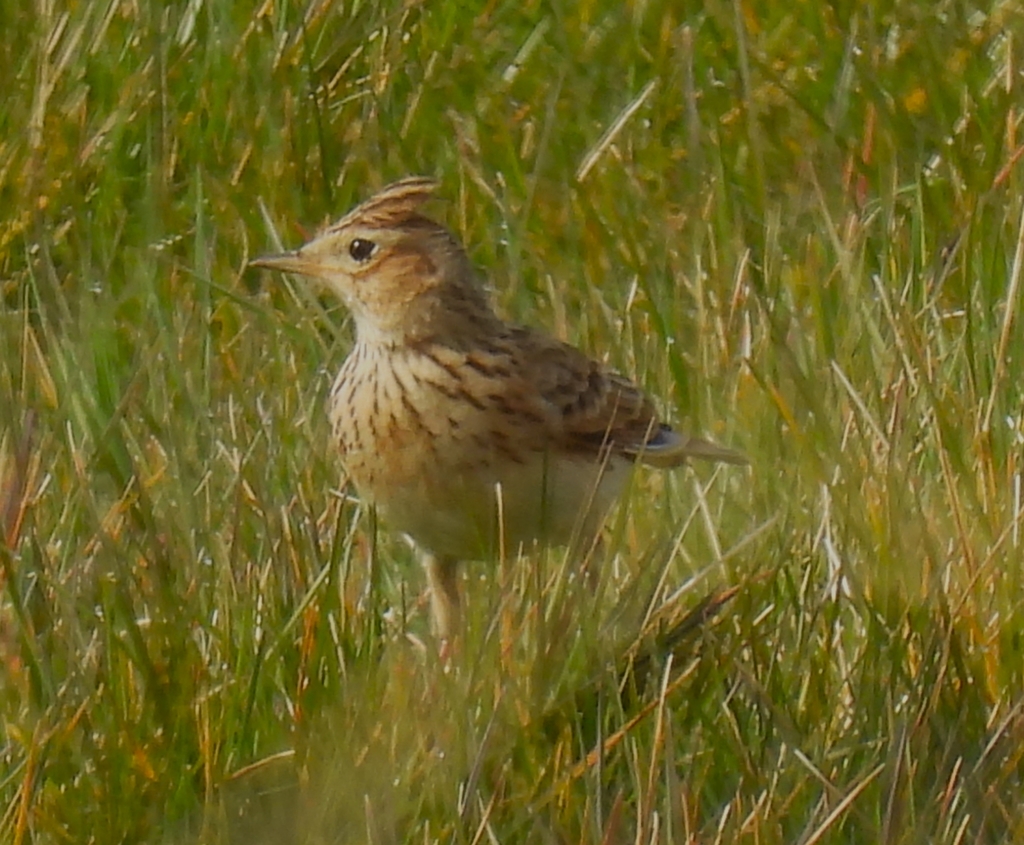
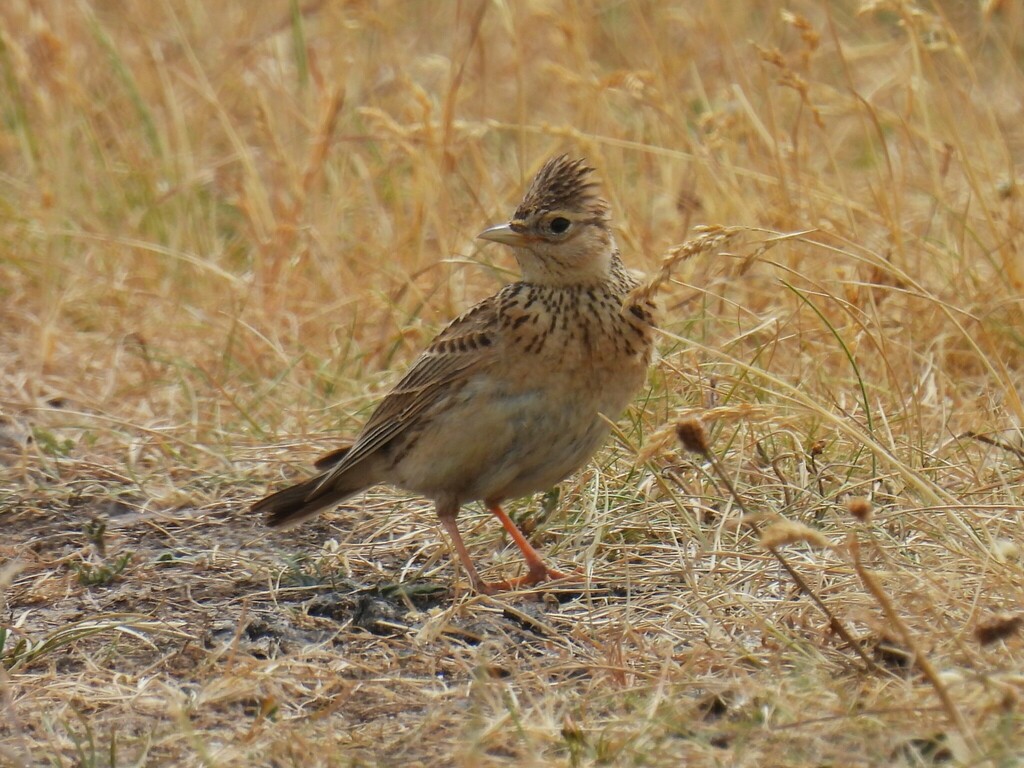
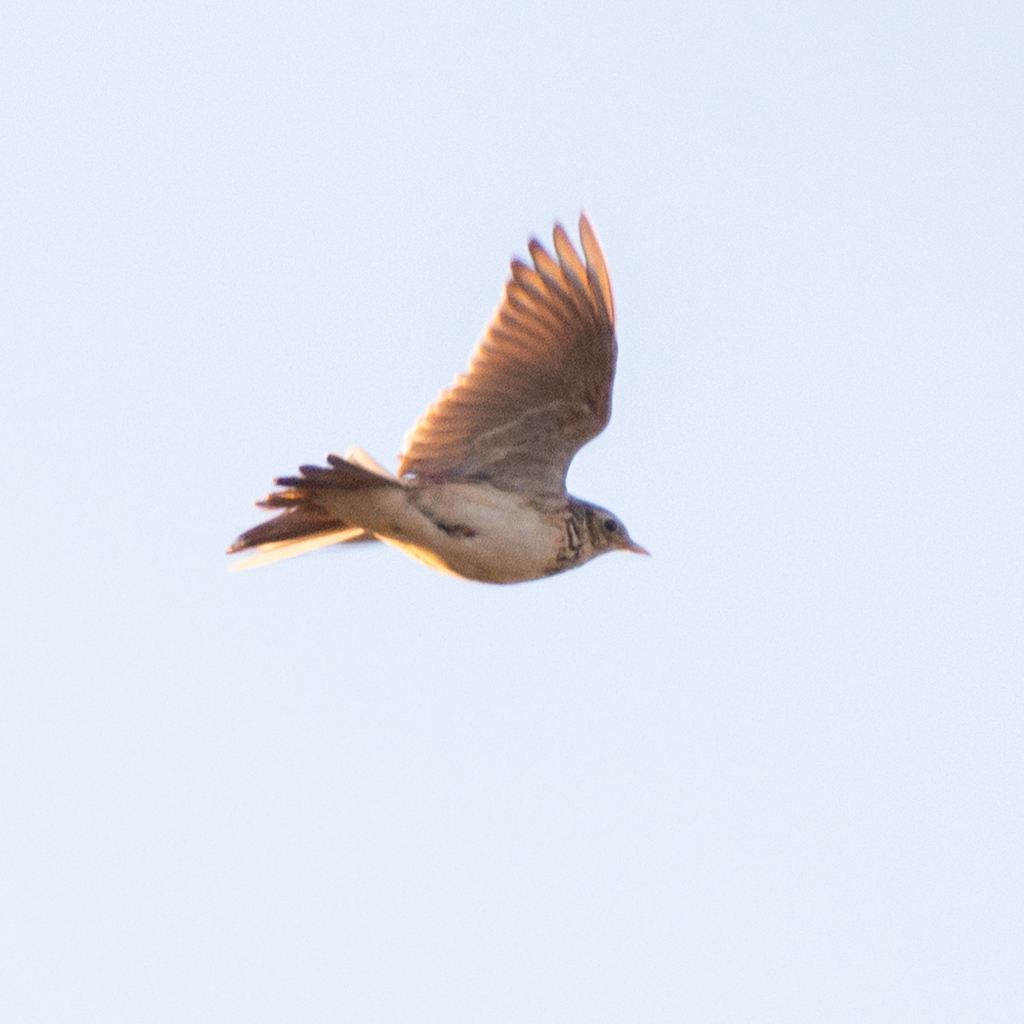
La alondra común es un aláudido típico, de tonos pardos y estriado oscuro, con pico fuerte, cuerpo alargado y robusto, patas, alas y cola alargadas, y hábitos terrestres. La especie combina la presencia de una pequeña cresta, una máscara facial pálida, pecho estriado, borde blanco terminal en las alas (como en la calandria) y rectrices externas de la cola blancas. Su vuelo es rápido, con intenso batido de alas. Tiene una gran capacidad de maniobra en el aire, con posibilidades de cernidos prolongados y ascensiones y descensos vertiginosos.The ultimate lark, featuring a stocky build, a small rounded crest, and a long tail with white outer feathers. It is heavily streaked in browns and buffs. In flight, it shows a prominent white trailing edge to the wing (like Calandra but smaller). It is legendary for its 'skylarking'—a continuous, liquid song delivered during a hovering ascent to immense heights, lasting for several minutes at a time.
DistribuciónDistribution
Se halla distribuida de forma continua por la mitad norte peninsular, rarificándose en las zonas más térmicas. Por ello resulta más escasa en la mitad sur, el litoral mediterráneo y la depresión del Ebro. En cambio, presenta sus mejores poblaciones en las zonas agrícolas y pastizales de la meseta Norte y el sur de Aragón. Está ausente de Baleares, Canarias, Ceuta y Melilla.Continuously distributed in the northern half of the Peninsula (subspecies 'arvensis'). Becomes much scarcer in the south and the Mediterranean coast, restricted to mountains. Absent from Balearics and Canaries. Best populations are in the northern Meseta.
Textos reproducidos con permiso de laTexts translated and reproduced with permission from the Guía de Aves de España © SEO/BirdLife
Estado de conservaciónConservation Status
- EX
- RE
- CR
- EN
- VU
- NT
- LC
VulnerableVulnerable
Qué significa cada categoríaWhat each category means
- LC
- Preocupación menor: Taxón evaluado que no califica para categorías amenazadas. Especies abundantes y ampliamente distribuidasLeast Concern - Evaluated taxon that does not qualify for threatened categories. Widespread and abundant taxa
- NT
- Casi amenazada: No califica actualmente como amenazada, pero está cerca de calificar o es probable que califique en el futuro cercanoNear Threatened - Does not currently qualify as threatened, but is close to qualifying or likely to qualify in the near future
- VU
- Vulnerable: Enfrenta un alto riesgo de extinción en estado silvestre según los criterios A a E de IUCNVulnerable - Facing a high risk of extinction in the wild based on IUCN criteria A to E
- EN
- En peligro: Enfrenta un riesgo muy alto de extinción en estado silvestre según los criterios A a E de IUCNEndangered - Facing a very high risk of extinction in the wild based on IUCN criteria A to E
- CR
- En peligro crítico: Enfrenta un riesgo extremadamente alto de extinción en estado silvestre según los criterios A a E de IUCNCritically Endangered - Facing an extremely high risk of extinction in the wild based on IUCN criteria A to E
- DD
- Datos insuficientes: Información inadecuada para evaluar el riesgo de extinción basándose en distribución o estado poblacionalData Deficient - Inadequate information to assess extinction risk based on distribution and/or population status
- NE
- No evaluada: No ha sido evaluada aún contra los criterios de la Lista Roja de IUCNNot Evaluated - Has not yet been assessed against the IUCN Red List criteria
- RE
- Extinta regionalmente: El taxón ya no existe en la región específica, aunque puede sobrevivir en otros lugaresRegionally Extinct - Taxon no longer exists in the specific region, though it may survive elsewhere
- EX
- Extinta - No existe duda razonable de que ha muerto el último individuo del taxónExtinct - No reasonable doubt that the last individual of the taxon has died
TaxonomíaTaxonomy
- OrdenOrder
- Passeriformes
- FamiliaFamily
- Alaudidae
Presencia en EspañaPresence in Spain
- HabitualRegular
- InvernanteWinter visitor
- ResidenteResident
En la app: todo el año.In the app: all year.
Dónde verlaWhere to see it
3.385 cuadrículas de 10 km con registros de 2020 a 2024. Toca un mes para ver dónde se ha visto.3,385 10 km squares with records from 2020 to 2024. Pick a month to see where it has been seen.
Cargando el mapa…Loading the map…
Dónde es regularWhere it is regular
Provincias con registros en al menos 3 de los 5 años algún mes, de más a menos frecuente, y sus mejores meses.Provinces with records in at least 3 of the 5 years in some month, from most to least frequent, and their best months.
- TeruelTeruelmayo, junio, octubreMay, June, October
- SoriaSoriamayo, marzo, junioMay, March, June
- BurgosBurgosmarzo, mayo, abrilMarch, May, April
- LugoLugooctubre, abril, junioOctober, April, June
- ZaragozaZaragozanoviembre, diciembre, eneroNovember, December, January
- OurenseOurensejunio, marzo, octubreJune, March, October
- PalenciaPalenciafebrero, enero, diciembreFebruary, January, December
- SegoviaSegoviamayo, junio, abrilMay, June, April
- LeónLeónmarzo, febrero, abrilMarch, February, April
- ToledoToledonoviembre, diciembre, eneroNovember, December, January
Ver las 50 provinciasSee all 50 provinces
- AsturiasAsturiasoctubre, noviembre, abrilOctober, November, April
- NavarraNavarranoviembre, octubre, diciembreNovember, October, December
- ZamoraZamoradiciembre, noviembre, febreroDecember, November, February
- LleidaLleidanoviembre, enero, febreroNovember, January, February
- BadajozBadajoznoviembre, enero, febreroNovember, January, February
- ÁvilaÁvilajunio, mayo, abrilJune, May, April
- SalamancaSalamancanoviembre, febrero, octubreNovember, February, October
- GuadalajaraGuadalajaraabril, marzo, mayoApril, March, May
- CastellónCastellónnoviembre, octubre, diciembreNovember, October, December
- La RiojaLa Riojanoviembre, enero, diciembreNovember, January, December
- Ciudad RealCiudad Realnoviembre, enero, febreroNovember, January, February
- ValladolidValladolidenero, noviembre, febreroJanuary, November, February
- CáceresCáceresnoviembre, diciembre, eneroNovember, December, January
- HuescaHuescanoviembre, febrero, eneroNovember, February, January
- A CoruñaA Coruñamayo, junio, abrilMay, June, April
- GuipúzcoaGuipúzcoaoctubre, noviembre, febreroOctober, November, February
- AlbaceteAlbaceteenero, diciembre, febreroJanuary, December, February
- CuencaCuencaenero, febrero, diciembreJanuary, February, December
- ÁlavaÁlavamayo, junio, noviembreMay, June, November
- PontevedraPontevedramayo, junio, octubreMay, June, October
- SevillaSevilladiciembre, enero, noviembreDecember, January, November
- ValenciaValencianoviembre, diciembre, eneroNovember, December, January
- CádizCádiznoviembre, enero, octubreNovember, January, October
- GironaGironanoviembre, octubre, julioNovember, October, July
- CantabriaCantabriajunio, octubre, noviembreJune, October, November
- VizcayaVizcayaoctubre, noviembre, marzoOctober, November, March
- AlmeríaAlmeríaenero, diciembre, noviembreJanuary, December, November
- MurciaMurcianoviembre, octubre, diciembreNovember, October, December
- BalearesBalearic Islandsnoviembre, enero, diciembreNovember, January, December
- GranadaGranadanoviembre, febrero, junioNovember, February, June
- BarcelonaBarcelonanoviembre, octubre, eneroNovember, October, January
- HuelvaHuelvanoviembre, enero, diciembreNovember, January, December
- AlicanteAlicantenoviembre, diciembre, octubreNovember, December, October
- TarragonaTarragonanoviembre, octubre, eneroNovember, October, January
- CórdobaCórdobanoviembre, diciembre, febreroNovember, December, February
- MadridMadriddiciembre, noviembre, febreroDecember, November, February
- MálagaMálaganoviembre, octubre, eneroNovember, October, January
- JaénJaénoctubre, noviembre, diciembreOctober, November, December
- Las PalmasLas PalmasnoviembreNovember
- Santa Cruz de TenerifeSanta Cruz de TenerifefebreroFebruary
Datos: registros en GBIF de 2020 a 2024 de Observation.org, eBird, iNaturalist y el ICO, descargados el 23/10/2026.Data: GBIF records from 2020 to 2024 from Observation.org, eBird, iNaturalist and the ICO, downloaded on 23/10/2026. GBIF.org (23 October 2026) GBIF Occurrence Download · doi:10.15468/dl.r5sf2a · CC BY-NC 4.0
GaleríaGallery
© Ani Sarkisyan · CC BY · iNaturalist 
© Paul Lewis · CC BY · iNaturalist 
© Viktor · CC BY · iNaturalist 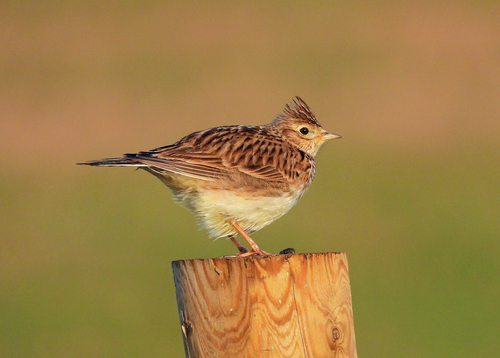
© Paul Lewis · CC BY · iNaturalist 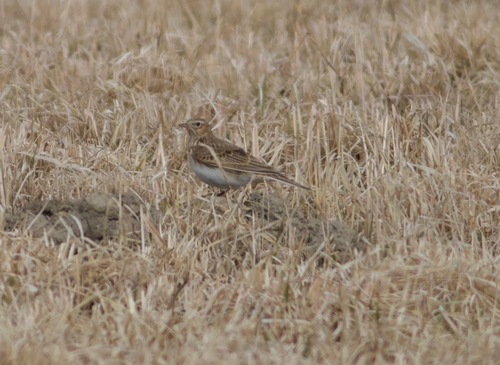
© Vsevolod Rudyi · CC BY · iNaturalist 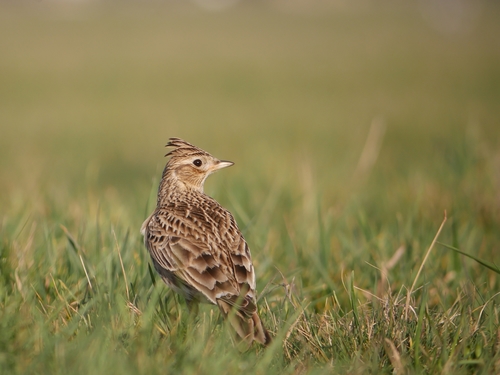
© Alexis Tinker-Tsavalas · CC BY · iNaturalist 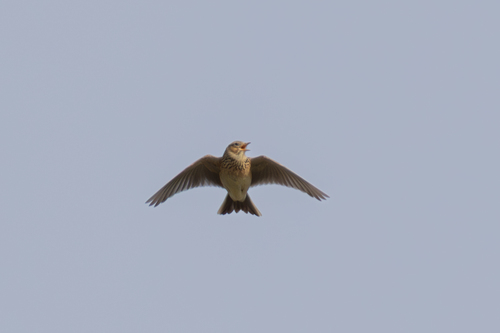
© William Stephens · CC BY · iNaturalist 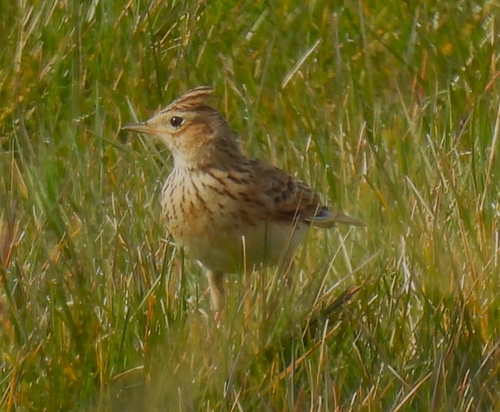
© Phil James · CC BY · iNaturalist 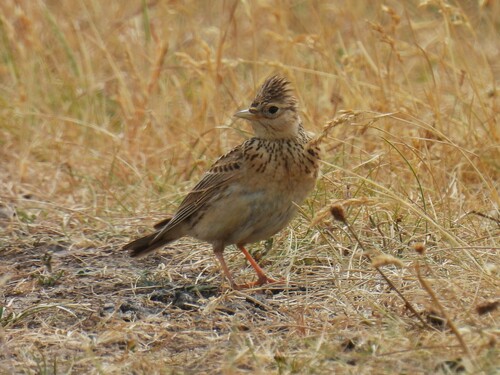
© Phil James · CC BY · iNaturalist 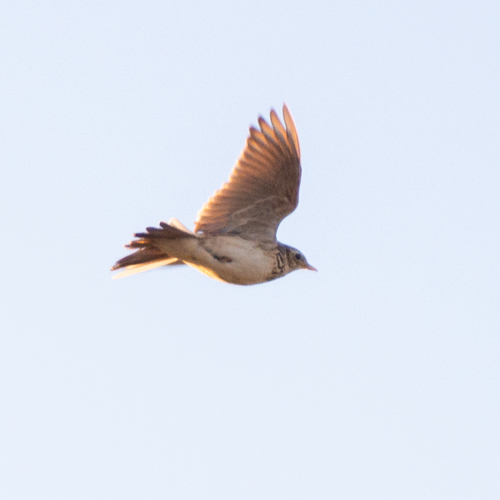
© euqirneto · CC BY · iNaturalist

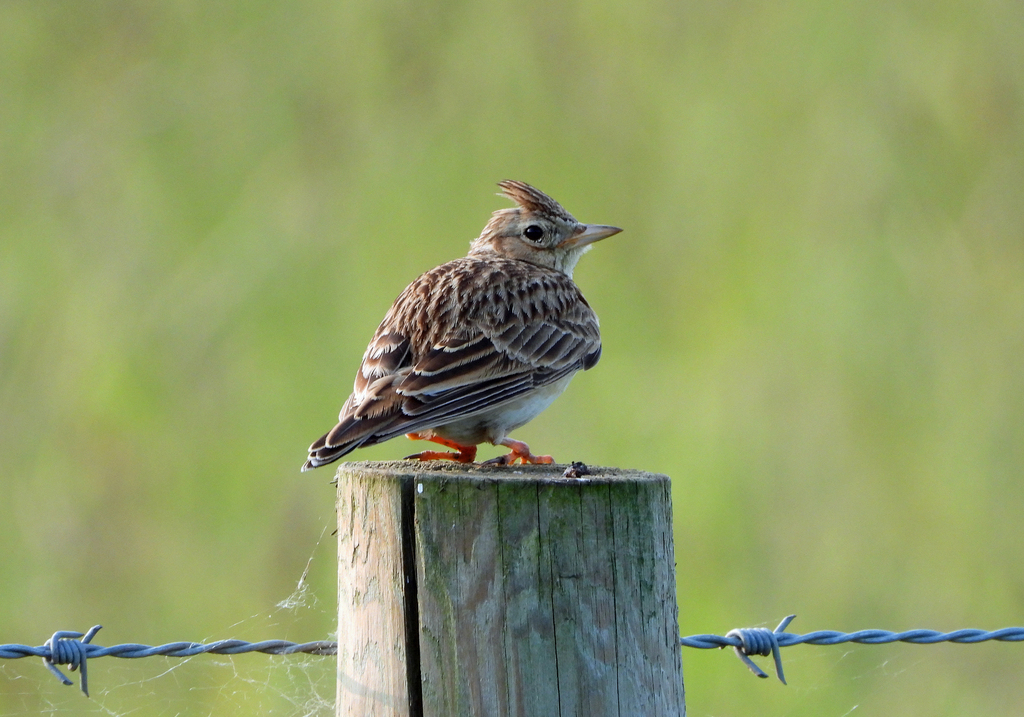
Especies relacionadasRelated species
Otras aves de la familia Alaudidae y de órdenes cercanos.Other birds from the Alaudidae family and nearby orders.
- LegendarioLegendary
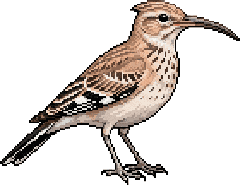 Alondra ibisGreater Hoopoe-LarkAlaemon alaudipes
- LegendarioLegendary
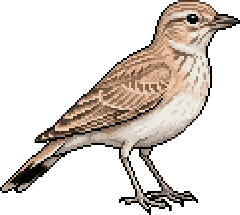 Terrera colinegraBar-tailed LarkAmmomanes cinctura
- LegendarioLegendary
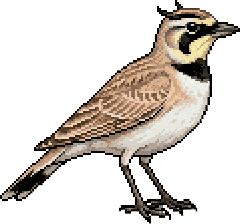 Alondra cornudaHorned LarkEremophila alpestris
- LegendarioLegendary
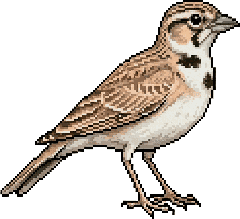 Calandria bimaculadaBimaculated LarkMelanocorypha bimaculata
- RaroRare
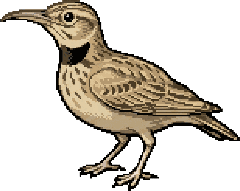 Alondra ricotíDupont's LarkChersophilus duponti
- Poco comúnUncommon
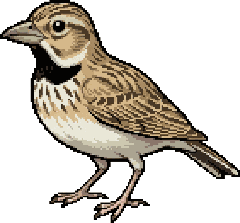 Calandria comúnCalandra LarkMelanocorypha calandra
- Poco comúnUncommon
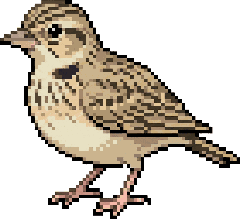 Terrera comúnGreater Short-toed LarkCalandrella brachydactyla
- Poco comúnUncommon
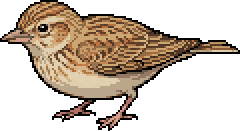 Terrera marismeñaLesser Short-toed LarkAlaudala rufescens
 Gratis, sin anuncios ni comprasFree, no ads, no purchases