 BirdPedy
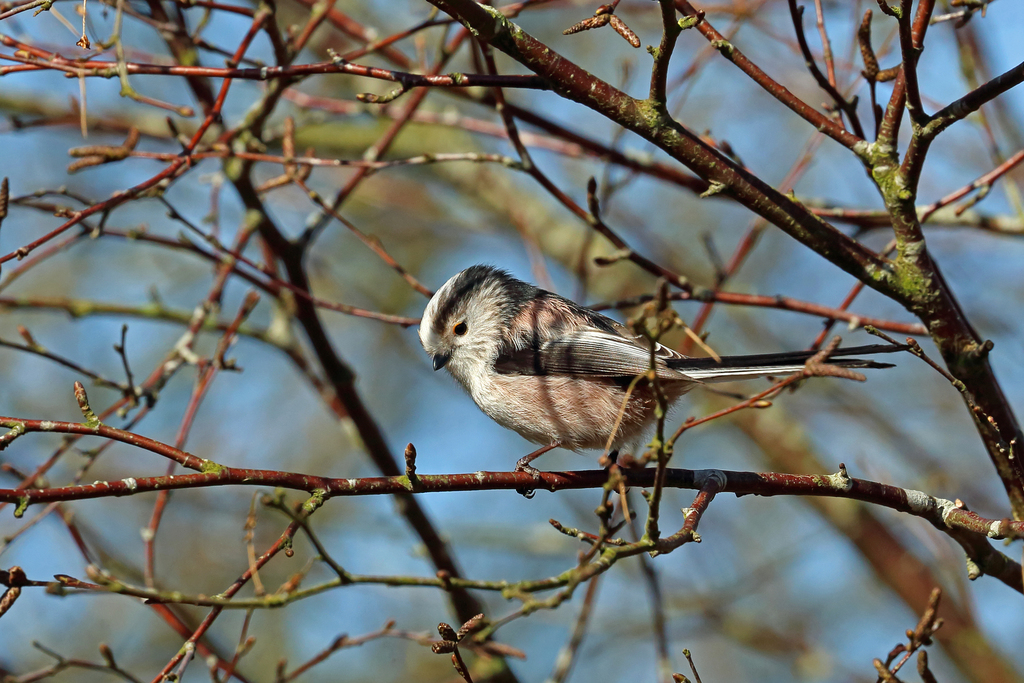
Mito comúnLong-tailed Tit
En 48 provincias en enero y en 48 en eneroIn 48 provinces in January and 48 in January
Reporte de rarezaRarity report
Por qué es comúnWhy it is commonMuy social y fácil de observar en pequeños grupos familiares que recorren ruidosamente sotos, riberas y zonas arboladas de casi toda España peninsular.Very social and easy to see in small family groups that move noisily through riverside woods, riverbanks and wooded areas across almost all of mainland Spain.
Cada carrizo es un mes: su altura, las provincias con registros de 2020 a 2024.Each reed is a month: its height, the provinces with records from 2020 to 2024.- Provincias con registrosProvinces with records
- 48 de 52of 52
- En la appIn the app
- Todo el añoAll year
- EnvergaduraWingspan
- 16-19 cm16-19 cm
- LongitudLength
- 12-14 cm12-14 cm
- Lista Roja de EspañaSpanish Red List
- LC Preocupación menorLeast Concern

Información generalGeneral Information
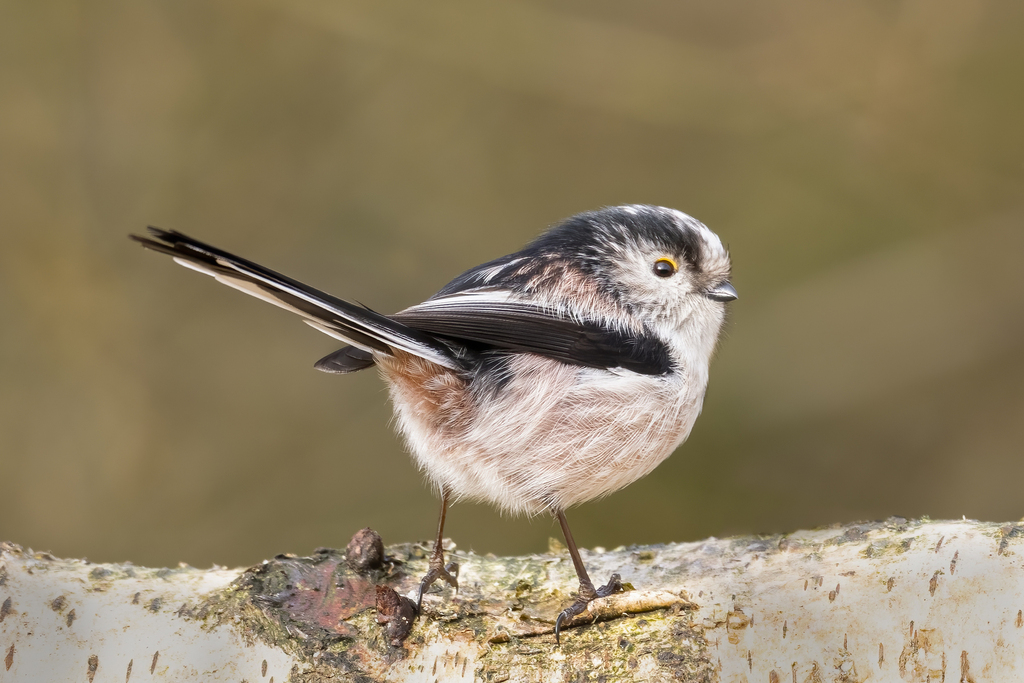
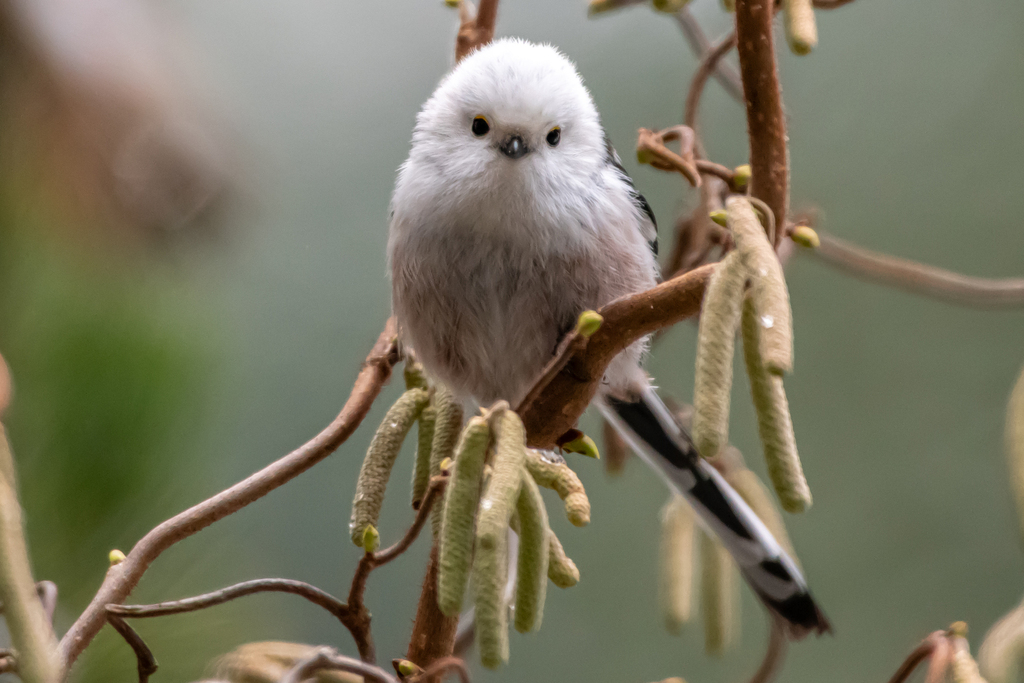
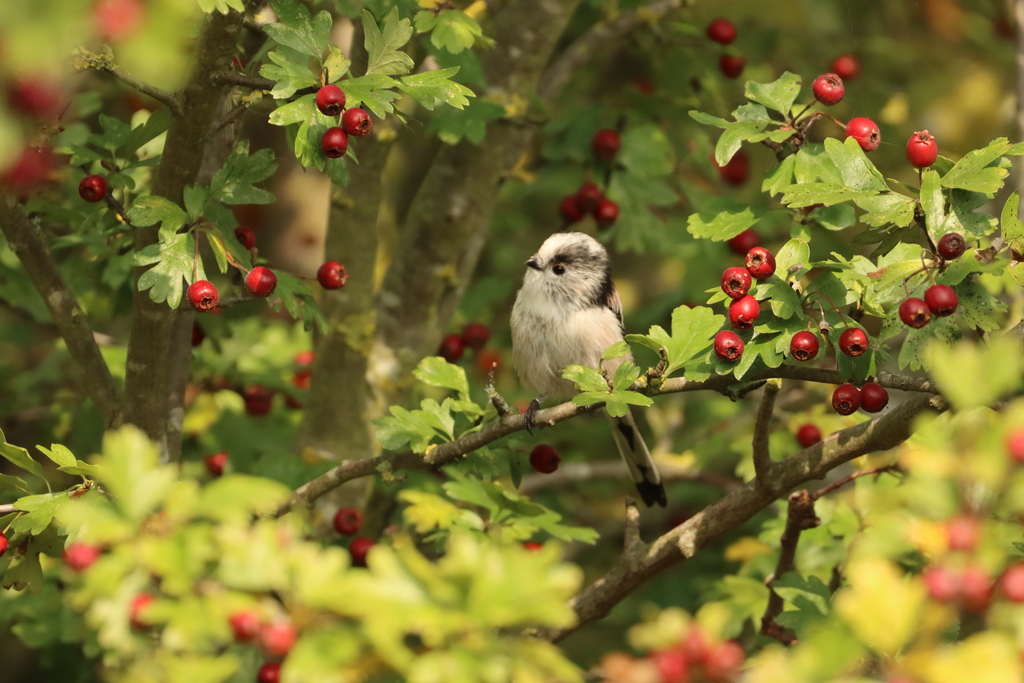
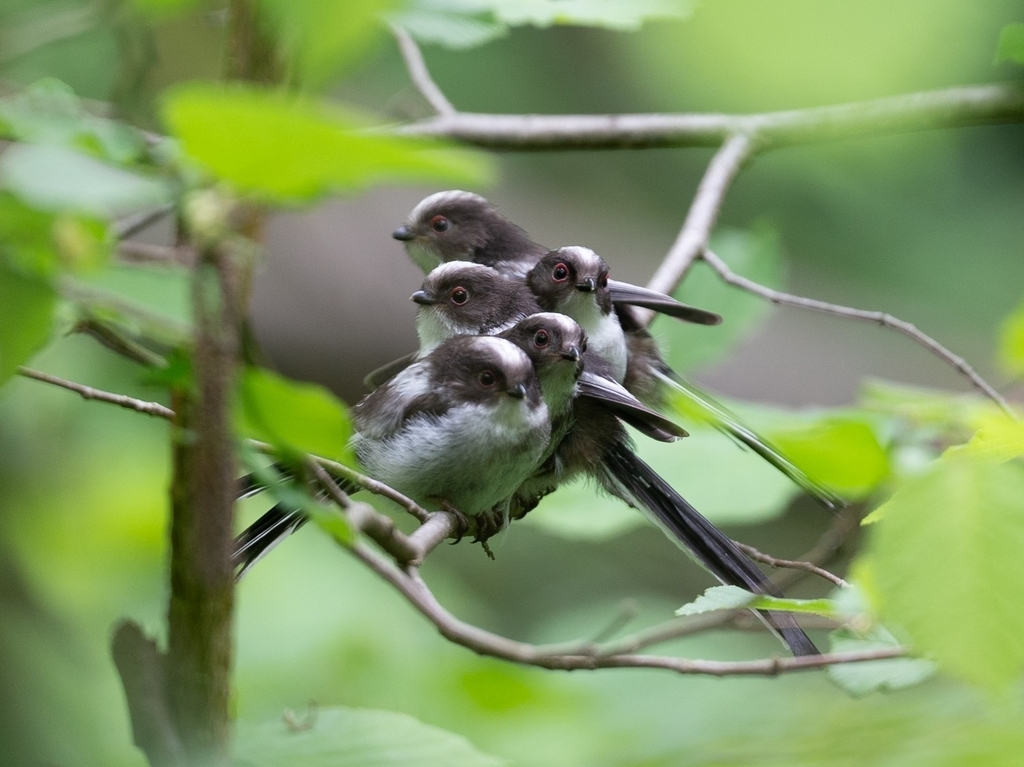
El mito es un diminuto e inquieto pajarillo insectívoro caracterizado por su larga cola. Se distribuye por casi toda España, y es relativamente frecuente, sobre todo en ambientes forestales y, en menor medida, parques urbanos de cierta extensión. Se agrupa en bandos no demasiado numerosos, pero muy ruidosos y confiados ante el observador.The Long-tailed Tit is one of the most charming birds of the forest. They are famous for their engineering—building an incredibly sophisticated, domed nest made of moss, animal hair, and thousands of pieces of lichen, held together with spider webs. It is an elastic nest that expands as the chicks grow! They are highly social and will even help raise the chicks of their relatives, a classic example of cooperative breeding in nature.
IdentificaciónIdentification
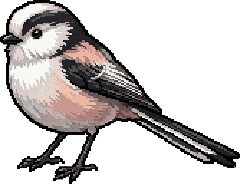
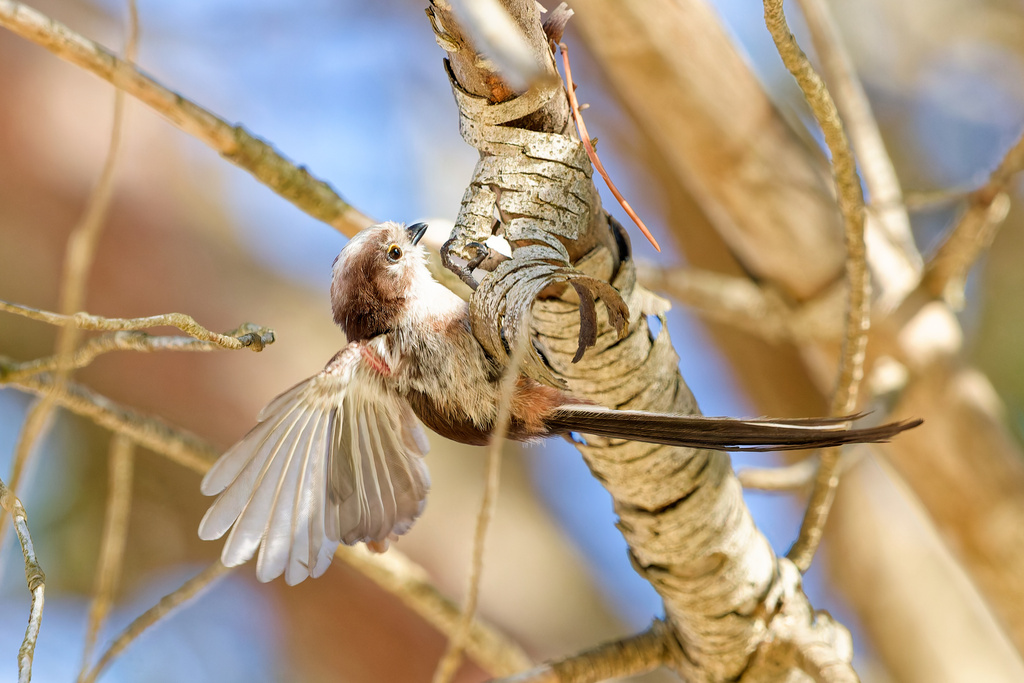
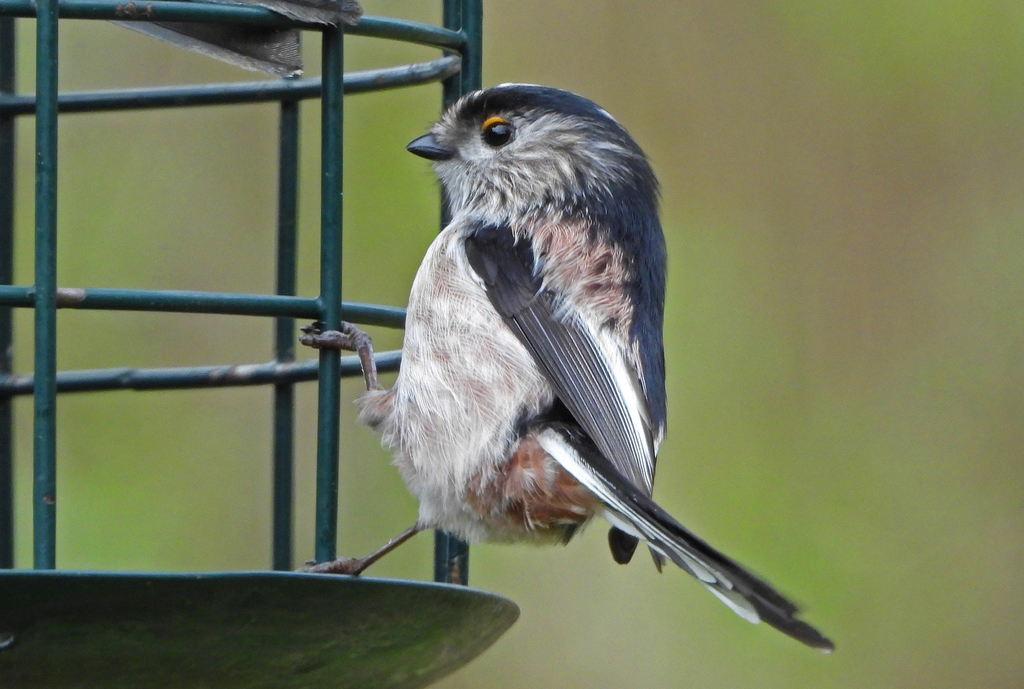
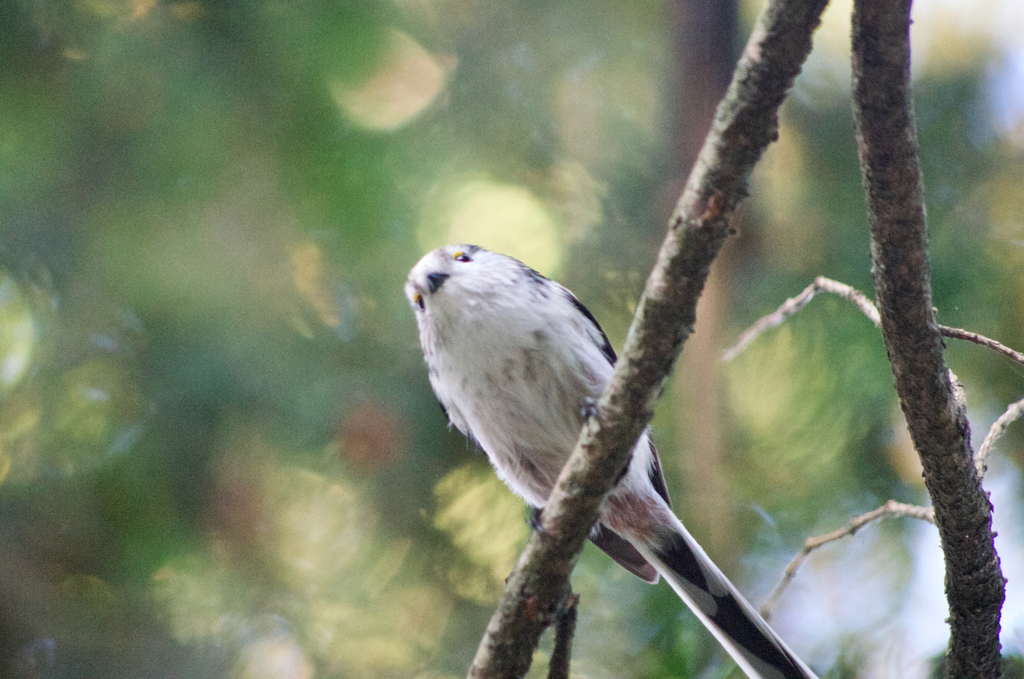
El mito común es fácil de identificar por la notable longitud de su cola (7-9 centímetros), que contrasta con su pequeño cuerpecillo, de cortas y redondeadas alas. En un primer vistazo resulta un ave con una apariencia general oscura. Sin embargo, observada con atención se aprecia una banda clara que recorre toda la cabeza, así como una pechuga grisácea con tintes rojizos, que contrasta con los tonos negros y grises del dorso, la cola y las alas.An unmistakable 'ball of fluff' on a very long tail. Its body is tiny and round with a mix of black, white, and pinkish-purple plumage. The tail is diagnostic: long, narrow, and black with white edges, making up more than half the bird's total length. They are never alone, moving in highly social, noisy family 'convoys' through the canopy. Their flight is bouncy and jerky.
DistribuciónDistribution
Es frecuente por todo el territorio, aunque menos frecuente en los valles del Ebro y del Duero, La Mancha y otras zonas con climas muy secos y con escasa vegetación arbórea. En Baleares es un sedentario escaso y falta en el archipiélago canario, Ceuta y Melilla. En la Península Ibérica se reconocen dos subespecies: A. c. macedonicus , que aparece en la mitad norte, y A. c. irbii, en la mitad sur.Widespread across the entire Peninsula and Mallorca. Absent from Canary Islands, Ceuta, and Melilla. Two subspecies in Spain: 'macedonicus' (north) and 'irbii' (south).
Textos reproducidos con permiso de laTexts translated and reproduced with permission from the Guía de Aves de España © SEO/BirdLife
Estado de conservaciónConservation Status
- EX
- RE
- CR
- EN
- VU
- NT
- LC
Preocupación menorLeast Concern
Qué significa cada categoríaWhat each category means
- LC
- Preocupación menor: Taxón evaluado que no califica para categorías amenazadas. Especies abundantes y ampliamente distribuidasLeast Concern - Evaluated taxon that does not qualify for threatened categories. Widespread and abundant taxa
- NT
- Casi amenazada: No califica actualmente como amenazada, pero está cerca de calificar o es probable que califique en el futuro cercanoNear Threatened - Does not currently qualify as threatened, but is close to qualifying or likely to qualify in the near future
- VU
- Vulnerable: Enfrenta un alto riesgo de extinción en estado silvestre según los criterios A a E de IUCNVulnerable - Facing a high risk of extinction in the wild based on IUCN criteria A to E
- EN
- En peligro: Enfrenta un riesgo muy alto de extinción en estado silvestre según los criterios A a E de IUCNEndangered - Facing a very high risk of extinction in the wild based on IUCN criteria A to E
- CR
- En peligro crítico: Enfrenta un riesgo extremadamente alto de extinción en estado silvestre según los criterios A a E de IUCNCritically Endangered - Facing an extremely high risk of extinction in the wild based on IUCN criteria A to E
- DD
- Datos insuficientes: Información inadecuada para evaluar el riesgo de extinción basándose en distribución o estado poblacionalData Deficient - Inadequate information to assess extinction risk based on distribution and/or population status
- NE
- No evaluada: No ha sido evaluada aún contra los criterios de la Lista Roja de IUCNNot Evaluated - Has not yet been assessed against the IUCN Red List criteria
- RE
- Extinta regionalmente: El taxón ya no existe en la región específica, aunque puede sobrevivir en otros lugaresRegionally Extinct - Taxon no longer exists in the specific region, though it may survive elsewhere
- EX
- Extinta - No existe duda razonable de que ha muerto el último individuo del taxónExtinct - No reasonable doubt that the last individual of the taxon has died
TaxonomíaTaxonomy
- OrdenOrder
- Passeriformes
- FamiliaFamily
- Aegithalidae
Presencia en EspañaPresence in Spain
- HabitualRegular
- ResidenteResident
En la app: todo el año.In the app: all year.
Revisión científica de BirdPedyBirdPedy scientific review
Revisada por BirdPedy el 28/10/2026 ·Reviewed by BirdPedy on 28 October 2026 · Cómo revisamosHow we review
HábitatsHabitats
BirdPedy usa 14 categorías de hábitat propias, con definiciones fijas, y apoya cada una en el texto de la ficha de seo.org [1] o, cuando no basta, en el III Atlas u otra fuente sobre España. En esta especie hay decisiones que se apartan de la ficha o que merecen explicación.
Añadimos “Bosque de coníferas”: cría en pinares; el III Atlas los da como sus hábitats más favorables [2].
BirdPedy uses 14 habitat categories of its own, with fixed definitions, and supports each one with the text of the seo.org account [1] or, when that is not enough, with the III Atlas or another source on Spain. For this species, some decisions depart from the account or deserve an explanation.
We add “Coniferous forest”: it breeds in pine forests; the III Atlas gives them as its most favourable habitats [2].
ReferenciasReferences
- SEO/BirdLife. Guía de aves de seo.org, ficha: Mito común (consultada el 23/10/2026).SEO/BirdLife. Bird guide on seo.org, Long-tailed Tit account (accessed 23 October 2026). seo.org
- Molina, B. et al. (eds.) (2022). III Atlas de las aves en época de reproducción en España, ficha: Mito común. SEO/BirdLife. Madrid.Molina, B. et al. (eds.) (2022). III Atlas de las aves en época de reproducción en España (Atlas of breeding birds in Spain), Long-tailed Tit account. SEO/BirdLife. Madrid. atlasaves.seo.org
Dónde verlaWhere to see it
3.913 cuadrículas de 10 km con registros de 2020 a 2024. Toca un mes para ver dónde se ha visto.3,913 10 km squares with records from 2020 to 2024. Pick a month to see where it has been seen.
Cargando el mapa…Loading the map…
Dónde es regularWhere it is regular
Provincias con registros en al menos 3 de los 5 años algún mes, de más a menos frecuente, y sus mejores meses.Provinces with records in at least 3 of the 5 years in some month, from most to least frequent, and their best months.
- OurenseOurensenoviembre, diciembre, octubreNovember, December, October
- GuadalajaraGuadalajarafebrero, noviembre, octubreFebruary, November, October
- CuencaCuencaoctubre, noviembre, diciembreOctober, November, December
- SoriaSoriadiciembre, febrero, noviembreDecember, February, November
- LeónLeóndiciembre, noviembre, octubreDecember, November, October
- SegoviaSegoviaenero, diciembre, noviembreJanuary, December, November
- JaénJaénseptiembre, diciembre, eneroSeptember, December, January
- ÁlavaÁlavadiciembre, febrero, eneroDecember, February, January
- GironaGironanoviembre, febrero, octubreNovember, February, October
- BarcelonaBarcelonadiciembre, febrero, eneroDecember, February, January
Ver las 48 provinciasSee all 48 provinces
- MadridMadridfebrero, noviembre, diciembreFebruary, November, December
- CórdobaCórdobaoctubre, noviembre, febreroOctober, November, February
- AlbaceteAlbaceteoctubre, noviembre, febreroOctober, November, February
- BurgosBurgosnoviembre, diciembre, eneroNovember, December, January
- La RiojaLa Riojaenero, febrero, noviembreJanuary, February, November
- PontevedraPontevedranoviembre, febrero, octubreNovember, February, October
- LugoLugonoviembre, diciembre, febreroNovember, December, February
- A CoruñaA Coruñafebrero, diciembre, noviembreFebruary, December, November
- GranadaGranadaseptiembre, octubre, noviembreSeptember, October, November
- VizcayaVizcayaseptiembre, noviembre, octubreSeptember, November, October
- ÁvilaÁvilafebrero, diciembre, eneroFebruary, December, January
- HuescaHuescaoctubre, noviembre, diciembreOctober, November, December
- GuipúzcoaGuipúzcoafebrero, enero, diciembreFebruary, January, December
- TeruelTeruelnoviembre, diciembre, octubreNovember, December, October
- HuelvaHuelvaoctubre, noviembre, septiembreOctober, November, September
- AsturiasAsturiasfebrero, enero, noviembreFebruary, January, November
- PalenciaPalenciaoctubre, noviembre, diciembreOctober, November, December
- SalamancaSalamancanoviembre, enero, diciembreNovember, January, December
- CantabriaCantabrianoviembre, marzo, octubreNovember, March, October
- ValladolidValladolidnoviembre, febrero, eneroNovember, February, January
- LleidaLleidaagosto, diciembre, eneroAugust, December, January
- AlicanteAlicantenoviembre, junio, octubreNovember, June, October
- NavarraNavarrafebrero, enero, diciembreFebruary, January, December
- ValenciaValenciaoctubre, noviembre, diciembreOctober, November, December
- ZaragozaZaragozaoctubre, enero, febreroOctober, January, February
- CáceresCáceresfebrero, agosto, octubreFebruary, August, October
- MurciaMurcianoviembre, febrero, eneroNovember, February, January
- ZamoraZamoraenero, octubre, noviembreJanuary, October, November
- CastellónCastellónoctubre, diciembre, eneroOctober, December, January
- BadajozBadajozagosto, octubre, noviembreAugust, October, November
- MálagaMálagadiciembre, noviembre, octubreDecember, November, October
- ToledoToledofebrero, enero, octubreFebruary, January, October
- Ciudad RealCiudad Realagosto, octubre, noviembreAugust, October, November
- TarragonaTarragonanoviembre, octubre, eneroNovember, October, January
- AlmeríaAlmeríafebrero, junio, mayoFebruary, June, May
- SevillaSevillanoviembre, agosto, octubreNovember, August, October
- CádizCádizdiciembre, septiembre, julioDecember, September, July
- BalearesBalearic Islandsfebrero, noviembre, diciembreFebruary, November, December
Datos: registros en GBIF de 2020 a 2024 de Observation.org, eBird, iNaturalist y el ICO, descargados el 23/10/2026.Data: GBIF records from 2020 to 2024 from Observation.org, eBird, iNaturalist and the ICO, downloaded on 23/10/2026. GBIF.org (23 October 2026) GBIF Occurrence Download · doi:10.15468/dl.r5sf2a · CC BY-NC 4.0
GaleríaGallery

© caroline legg · CC BY · iNaturalist 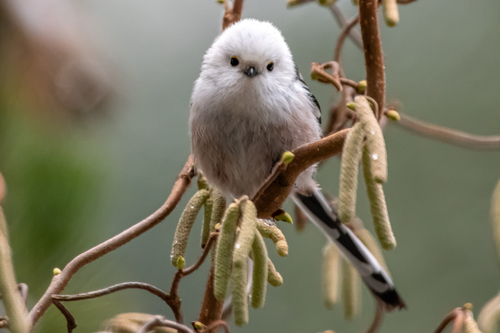
© Codrin Bucur · CC BY · iNaturalist 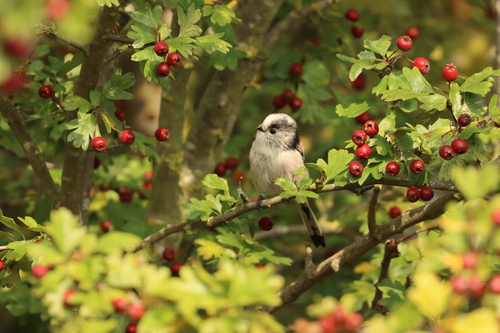
© Dave · CC BY · iNaturalist 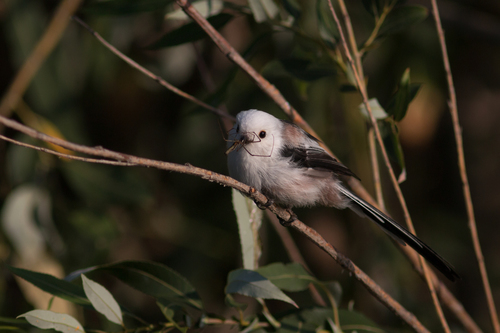
© Алина Урусова · CC BY · iNaturalist 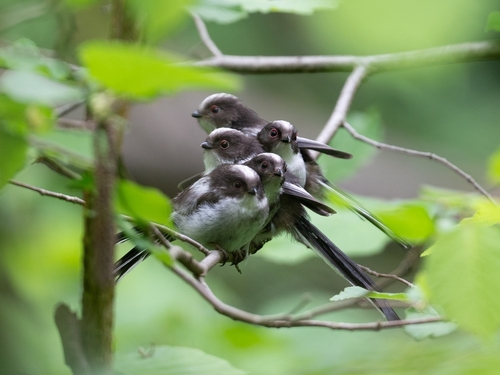
© Miha Jurić · CC BY · iNaturalist 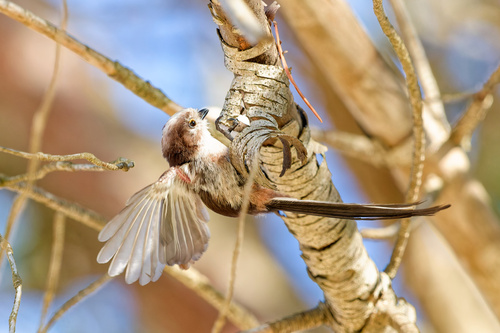
© Donsky · CC BY · iNaturalist 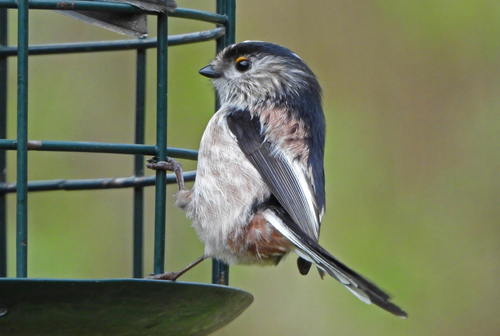
© Paul Lewis · CC BY · iNaturalist 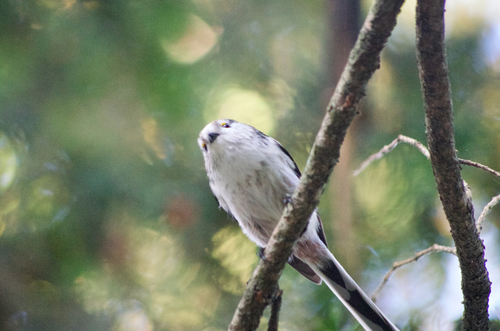
© Codrin Bucur · CC BY · iNaturalist 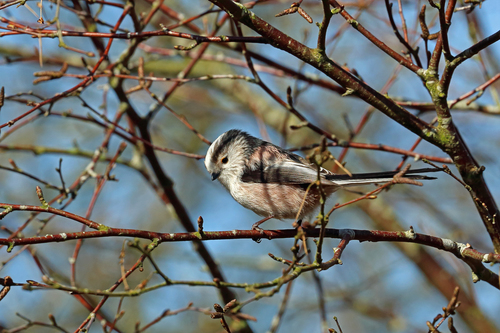
© Nigel Voaden · CC BY · iNaturalist

Especies relacionadasRelated species
Aves cercanas en la clasificación taxonómica.Birds that sit close by in the taxonomic order.
- Poco comúnUncommon
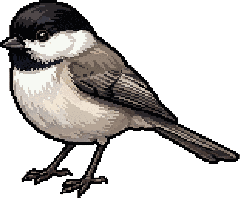 Carbonero palustreMarsh TitPoecile palustris
- ComúnCommon
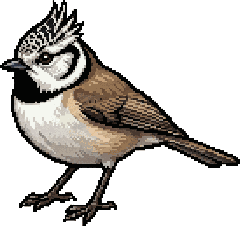 Herrerillo capuchinoEuropean Crested TitLophophanes cristatus
- ComúnCommon
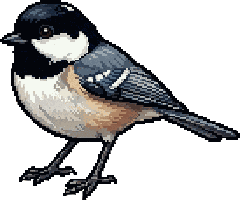 Carbonero garrapinosCoal TitPeriparus ater
- ComúnCommon
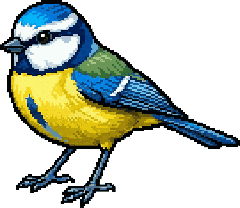 Herrerillo comúnEurasian Blue TitCyanistes caeruleus
- RaroRare
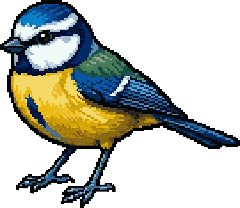 Herrerillo canarioAfrican Blue TitCyanistes teneriffae
- ComúnCommon
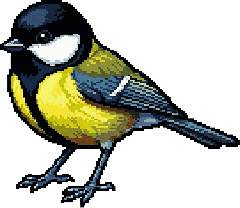 Carbonero comúnGreat TitParus major
- ComúnCommon
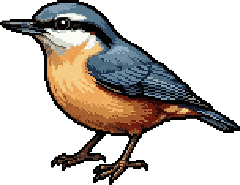 Trepador azulWood NuthatchSitta europaea
- RaroRare
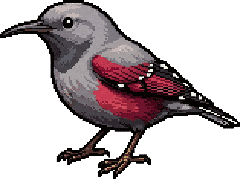 TreparriscosWallcreeperTichodroma muraria
 Gratis, sin anuncios ni comprasFree, no ads, no purchases