 BirdPedy
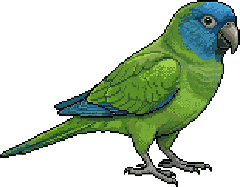
Aratinga cabeciazulBlue-crowned Parakeet
En 3 provincias en enero y en 2 en abrilIn 3 provinces in January and 2 in April
Reporte de rarezaRarity report
Por qué es raroWhy it is rareEntre 2020 y 2024 se vio en España en 67 ocasiones distintas, que suman 150 días, todos los años (datos de Observation.org, eBird, iNaturalist y el ICO publicados en GBIF). En la guía de aves de SEO/BirdLife figura como habitual en España.Between 2020 and 2024 it was seen in Spain on 67 separate occasions, adding up to 150 days, every year (data from Observation.org, eBird, iNaturalist and ICO published on GBIF). SEO/BirdLife's bird guide lists it as regular in Spain.
Cada carrizo es un mes: su altura, las provincias con registros de 2020 a 2024.Each reed is a month: its height, the provinces with records from 2020 to 2024.- Provincias con registrosProvinces with records
- 3 de 52of 52
- En la appIn the app
- Todo el añoAll year
- EnvergaduraWingspan
- 38-41 cm38-41 cm
- LongitudLength
- 33-38 cm33-38 cm
- Lista Roja de EspañaSpanish Red List
- NE No evaluada en EspañaNot assessed in Spain

Información generalGeneral Information
La aratinga cabeciazul es una especie exótica originaria de Sudamérica e introducida en España como resultado del tráfico de especies. La suelta no controlada o posibles escapes han permitido su aparición en algunas ciudades como Barcelona, Girona, Tarragona, Valencia, Alicante, Murcia, Málaga, Cádiz, Sevilla o Madrid, habiendo llegado también a los archipiélagos balear y canario.The Blue-crowned Parakeet is a 'blue-crowned' traveler. Since its introduction from South America, it has formed small wild groups in several Spanish cities including Barcelona and Málaga. Its vibrant green and soft blue head are a spectacular sight among the palm trees. While not a native species, its presence adds to the growing diversity of our 'new' urban ecosystems. It represents our lasting fascination with the parrot family and the silent arrivals of exotics to our shores. It is a symbol of the tropical soul in the city.
IdentificaciónIdentification
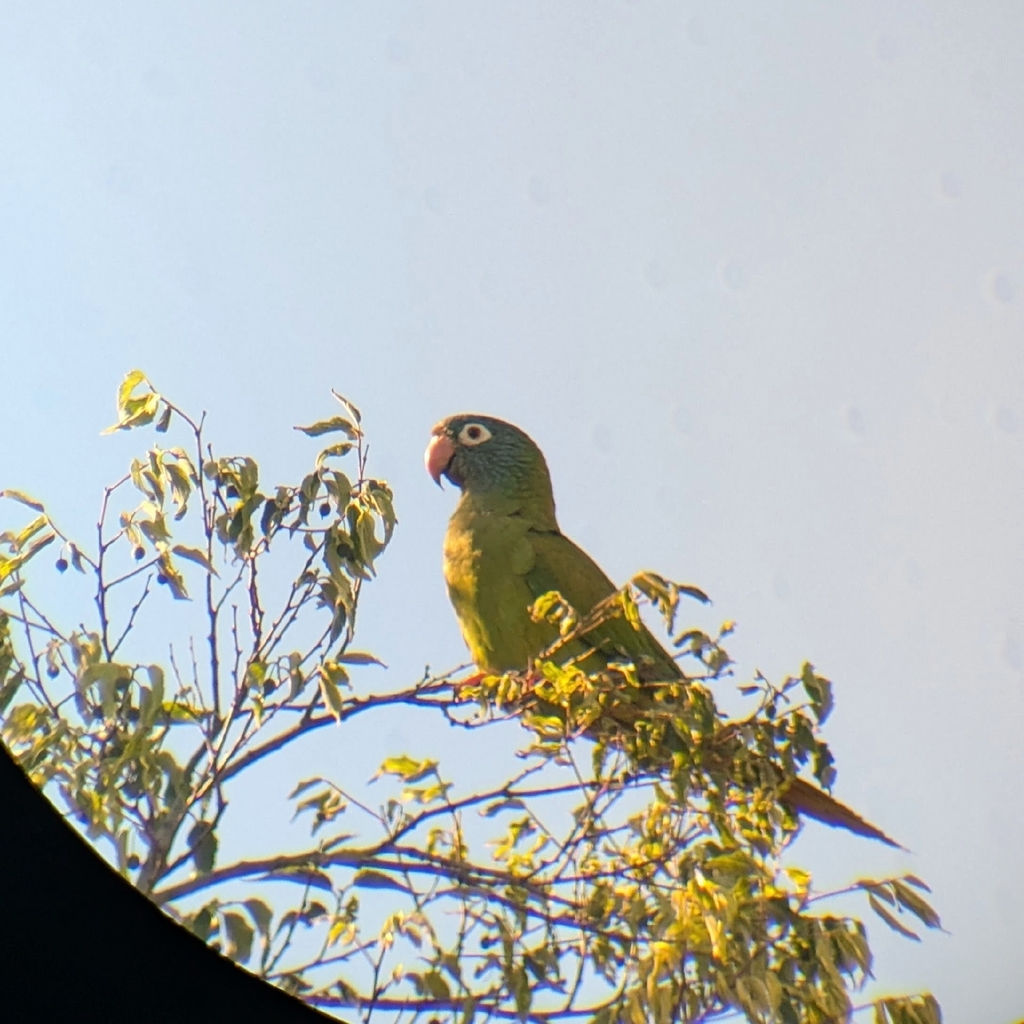
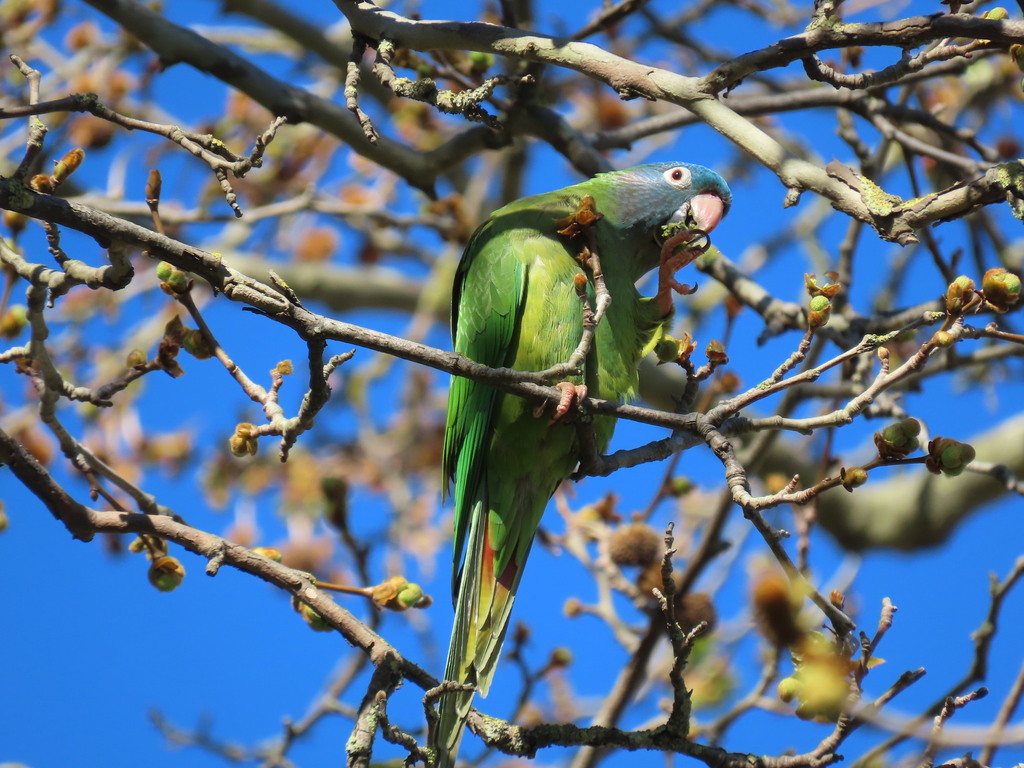
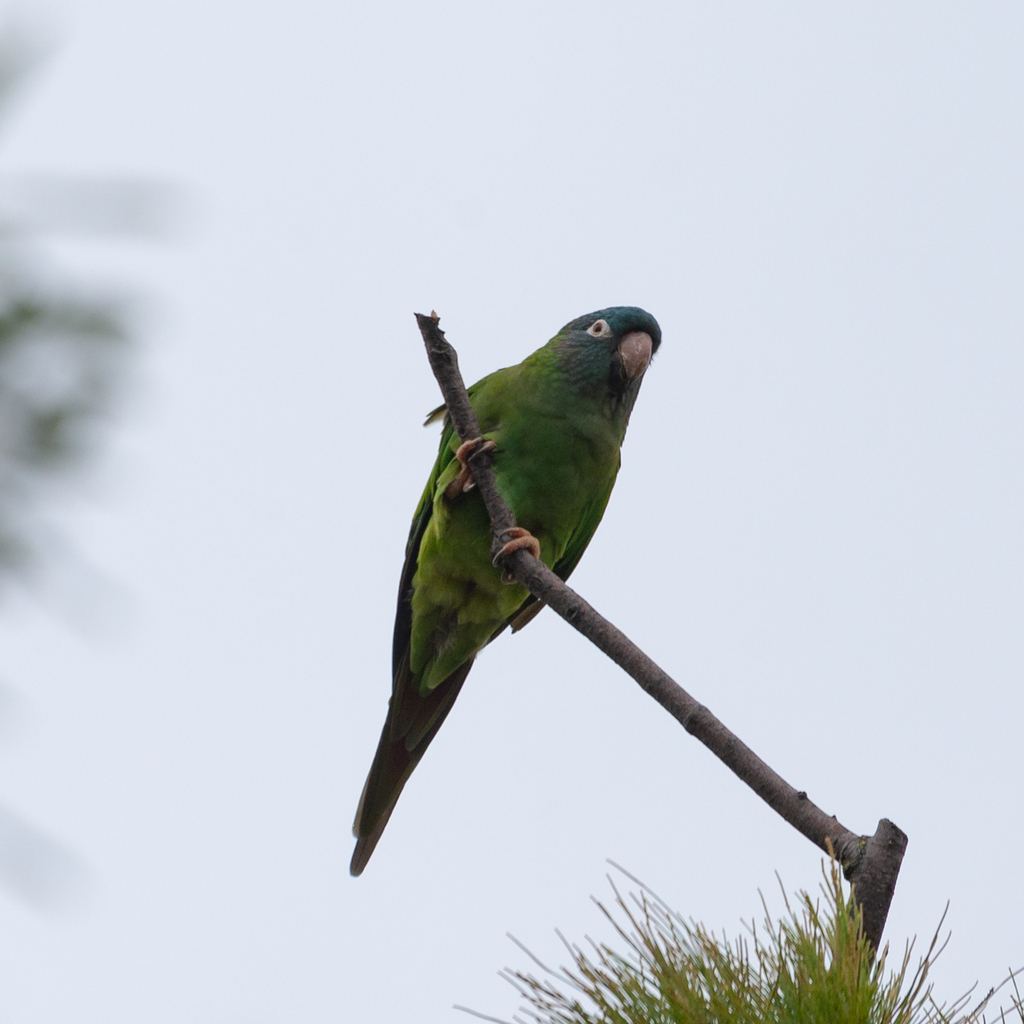
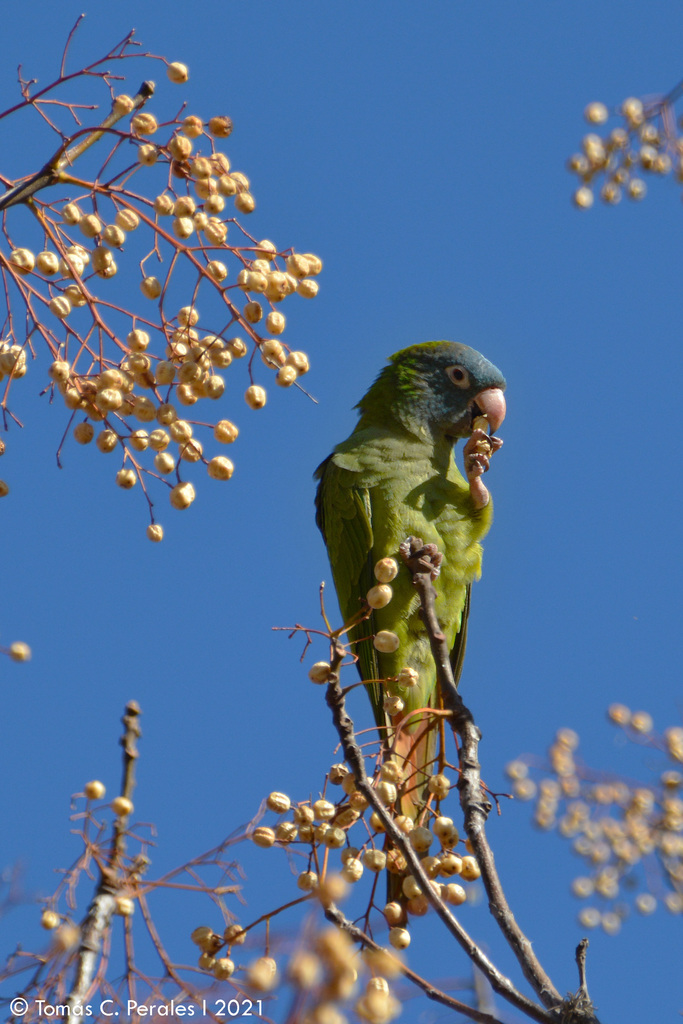
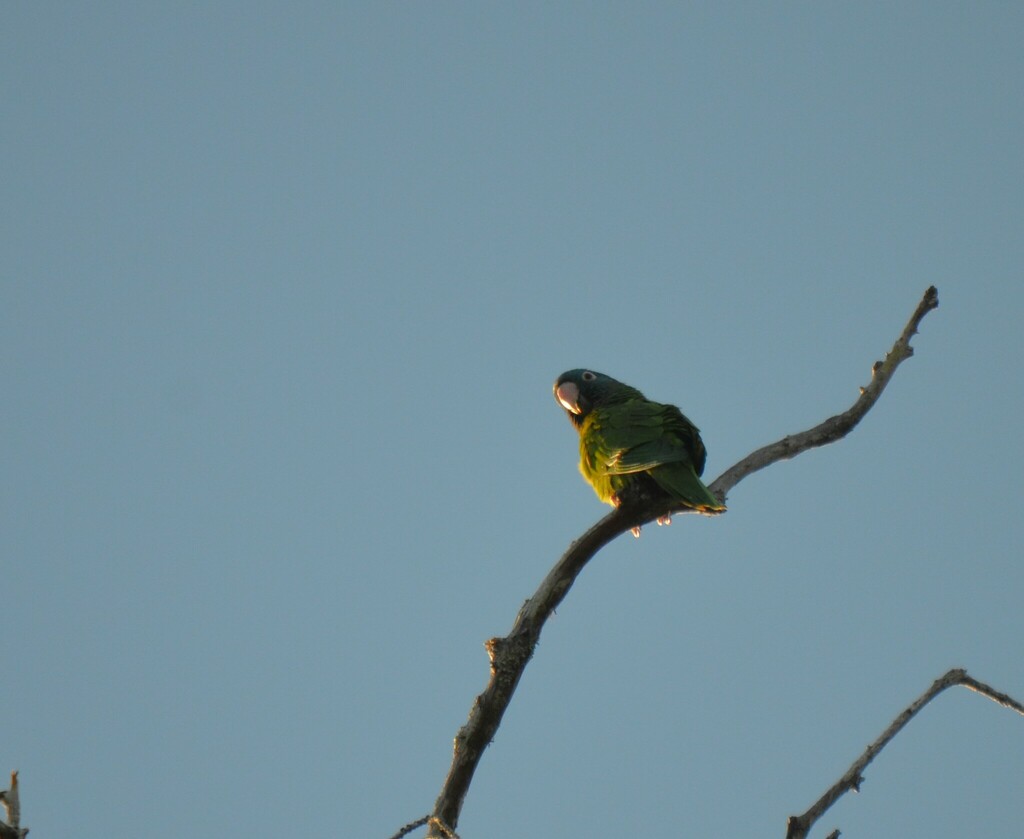
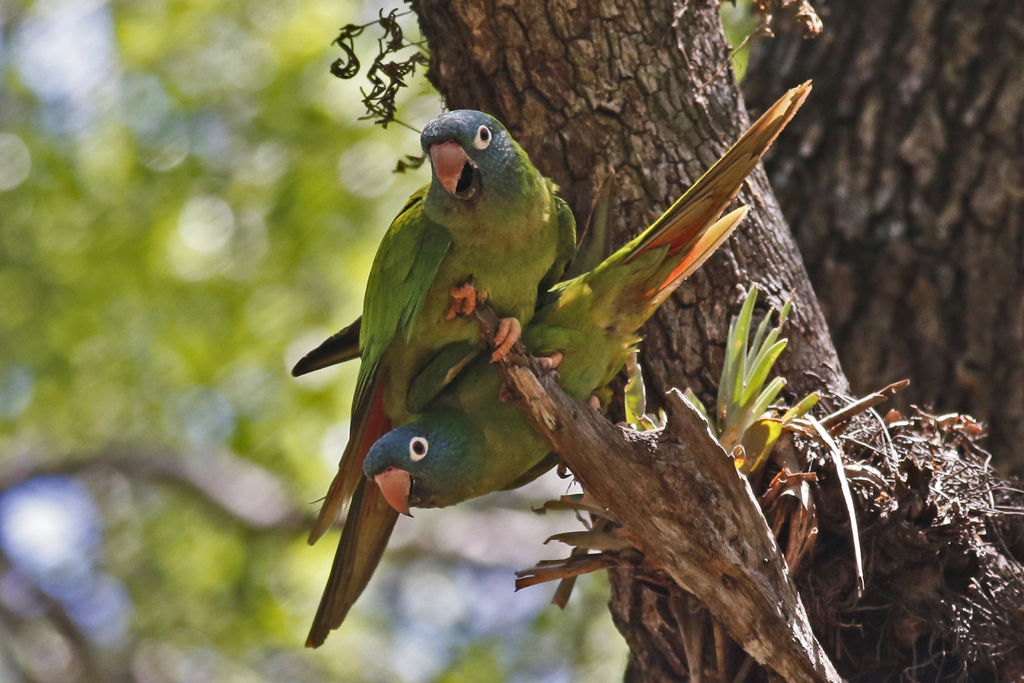
La aratinga cabeciazul presenta un tono general verde brillante, más claro en el pecho y el vientre. La cabeza es de un azul opaco, con el anillo orbital desnudo blanco No hay diferencias apreciables a simple vista entre ambos sexos.A stunning and medium-sized parrot from the heart of South America. It is mostly vibrant green with a diagnostic, beautiful pale blue wash across the entire forehead and crown. It features a bold white eye-ring and a long, pointed tail. It is highly social and often seen in fast-flying, noisy flocks in its home range. It is a favorite in the pet trade.
DistribuciónDistribution
Observada por primera vez en el año 1990 en la ciudad de Barcelona, desde entonces se han registrado numerosas citas de la especie en diversas provincias: Girona, Tarragona, Valencia, Alicante, Murcia, Málaga, Cádiz, Sevilla, Madrid y las islas de Mallorca, Fuerteventura, Tenerife y Gran Canaria. Durante la elaboración del III Atlas de las aves en época de reproducción en España, solo se señala su reproducción como probable en Barcelona, Málaga y Madrid. En Las Palmas de Gran Canaria, donde se registró la cría de la especie en 2001 y en los años siguientes pareció existir una pequeña población reproductora, no hay nuevos registros que indiquen que haya seguido criando.Localized visitor/visitor (introduced). Small groups in Barcelona, Málaga, Madrid, and the islands. Potential for future establishment.
Textos reproducidos con permiso de laTexts translated and reproduced with permission from the Guía de Aves de España © SEO/BirdLife
Estado de conservaciónConservation Status
- EX
- RE
- CR
- EN
- VU
- NT
- LC
NE
No evaluada en EspañaNot assessed in Spain
Sin categoría en el Libro Rojo de las Aves de España 2021No category in the Red Book of the Birds of Spain 2021
Qué significa cada categoríaWhat each category means
- LC
- Preocupación menor: Taxón evaluado que no califica para categorías amenazadas. Especies abundantes y ampliamente distribuidasLeast Concern - Evaluated taxon that does not qualify for threatened categories. Widespread and abundant taxa
- NT
- Casi amenazada: No califica actualmente como amenazada, pero está cerca de calificar o es probable que califique en el futuro cercanoNear Threatened - Does not currently qualify as threatened, but is close to qualifying or likely to qualify in the near future
- VU
- Vulnerable: Enfrenta un alto riesgo de extinción en estado silvestre según los criterios A a E de IUCNVulnerable - Facing a high risk of extinction in the wild based on IUCN criteria A to E
- EN
- En peligro: Enfrenta un riesgo muy alto de extinción en estado silvestre según los criterios A a E de IUCNEndangered - Facing a very high risk of extinction in the wild based on IUCN criteria A to E
- CR
- En peligro crítico: Enfrenta un riesgo extremadamente alto de extinción en estado silvestre según los criterios A a E de IUCNCritically Endangered - Facing an extremely high risk of extinction in the wild based on IUCN criteria A to E
- DD
- Datos insuficientes: Información inadecuada para evaluar el riesgo de extinción basándose en distribución o estado poblacionalData Deficient - Inadequate information to assess extinction risk based on distribution and/or population status
- NE
- No evaluada: No ha sido evaluada aún contra los criterios de la Lista Roja de IUCNNot Evaluated - Has not yet been assessed against the IUCN Red List criteria
- RE
- Extinta regionalmente: El taxón ya no existe en la región específica, aunque puede sobrevivir en otros lugaresRegionally Extinct - Taxon no longer exists in the specific region, though it may survive elsewhere
- EX
- Extinta - No existe duda razonable de que ha muerto el último individuo del taxónExtinct - No reasonable doubt that the last individual of the taxon has died
TaxonomíaTaxonomy
- OrdenOrder
- Psittaciformes
- FamiliaFamily
- Psittacidae
- SinónimosSynonyms
- Aratinga acuticaudata
Presencia en EspañaPresence in Spain
- HabitualRegular
- ResidenteResident
En la app: todo el año.In the app: all year.
Dónde verlaWhere to see it
7 cuadrículas de 10 km con registros de 2020 a 2024. Toca un mes para ver dónde se ha visto.7 10 km squares with records from 2020 to 2024. Pick a month to see where it has been seen.
Cargando el mapa…Loading the map…
Dónde es regularWhere it is regular
Provincias con registros en al menos 3 de los 5 años algún mes, de más a menos frecuente, y sus mejores meses.Provinces with records in at least 3 of the 5 years in some month, from most to least frequent, and their best months.
- BarcelonaBarcelonanoviembre, diciembre, abrilNovember, December, April
- SevillaSevillanoviembreNovember
Datos: registros en GBIF de 2020 a 2024 de Observation.org, eBird, iNaturalist y el ICO, descargados el 23/10/2026.Data: GBIF records from 2020 to 2024 from Observation.org, eBird, iNaturalist and the ICO, downloaded on 23/10/2026. GBIF.org (23 October 2026) GBIF Occurrence Download · doi:10.15468/dl.r5sf2a · CC BY-NC 4.0
GaleríaGallery

© Bill Keim · CC BY · iNaturalist 
© Pedro N. Ramalho · CC BY · iNaturalist 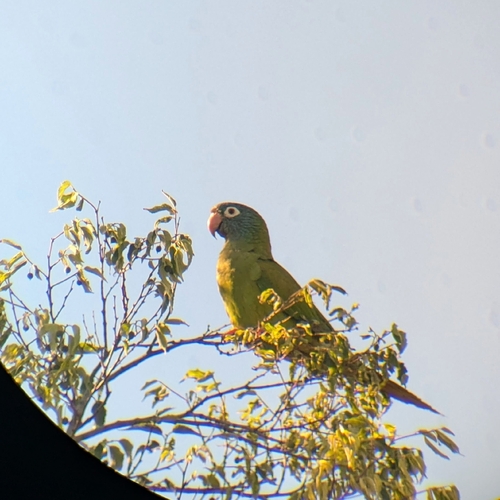
© Loïc Mathieu · CC BY · iNaturalist 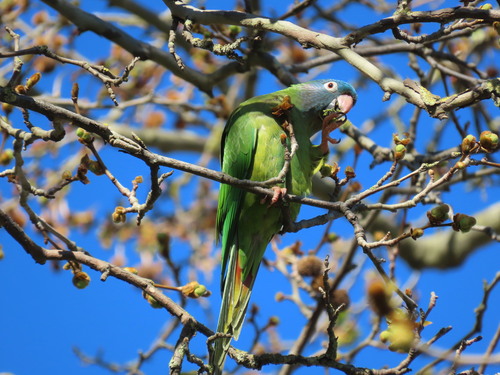
© David Boso · CC BY · iNaturalist 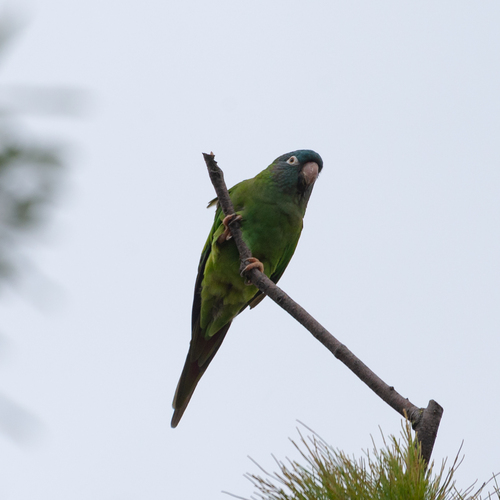
© euqirneto · CC BY · iNaturalist 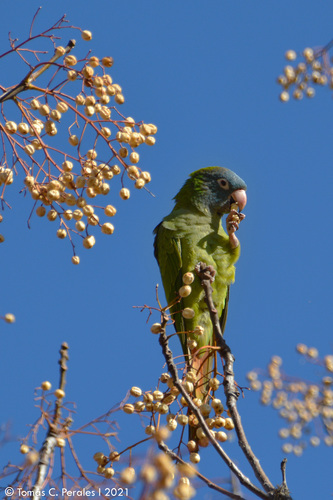
© Tomás Carranza Perales · CC BY · iNaturalist 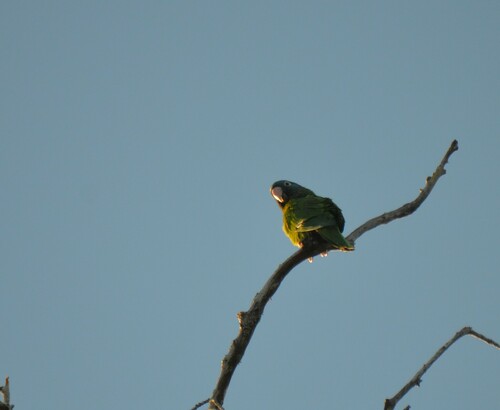
© Josiah Londerée · CC BY · iNaturalist 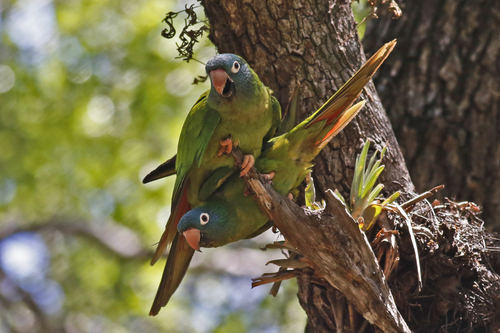
© Bill Keim · CC BY · iNaturalist
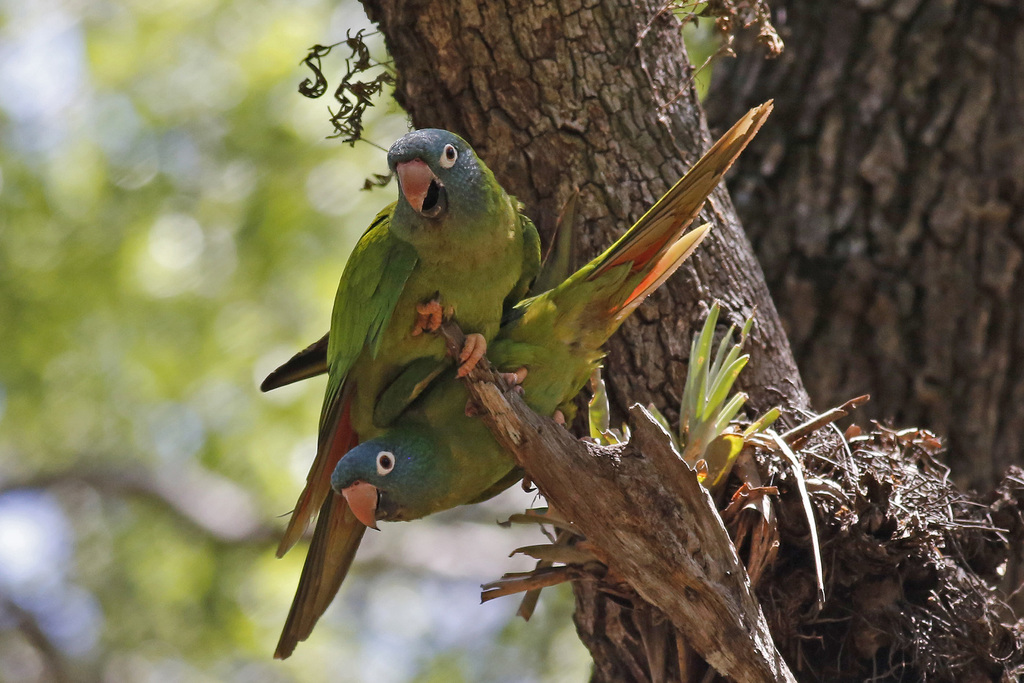

Especies relacionadasRelated species
Otras aves de la familia Psittacidae y de órdenes cercanos.Other birds from the Psittacidae family and nearby orders.
- RaroRare
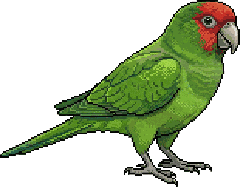 Aratinga mitradaMitred ParakeetPsittacara mitratus
- RaroRare
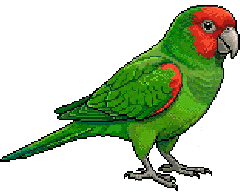 Aratinga de GuayaquilRed-masked ParakeetPsittacara erythrogenys
- Poco comúnUncommon
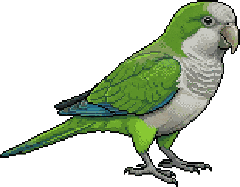 Cotorra argentinaMonk ParakeetMyiopsitta monachus
- RaroRare
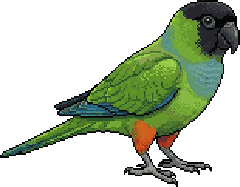 Aratinga ñandayNanday ParakeetAratinga nenday
- Poco comúnUncommon
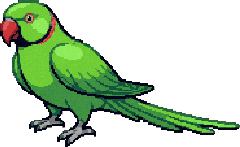 Cotorra de KramerRose-ringed ParakeetPsittacula krameri
- RaroRare
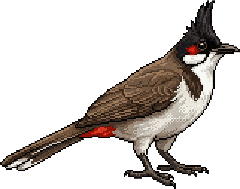 Bulbul orfeoRed-whiskered BulbulPycnonotus jocosus
- RaroRare
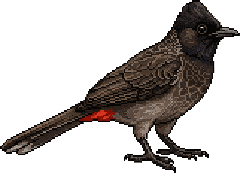 Bulbul cafreRed-vented BulbulPycnonotus cafer
- RaroRare
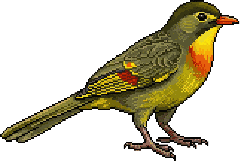 Leiótrix piquirrojoRed-billed LeiothrixLeiothrix lutea
 Gratis, sin anuncios ni comprasFree, no ads, no purchases