 BirdPedy
Zampullín comúnLittle Grebe
En 50 provincias en abril y en 48 en febreroIn 50 provinces in April and 48 in February
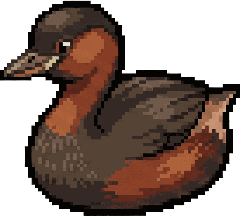
Reporte de rarezaRarity report
Por qué es comúnWhy it is commonEspecie sedentaria e invernante con presencia generalizada en todo tipo de humedales dulces de la península y Baleares. Su carácter ubicuo supera el 50% de las cuadrículas UTM 10x10, mostrando una gran plasticidad ecológica.Sedentary and wintering species with a generalized presence in all types of freshwater wetlands. Its ubiquitous nature and high frequency make it a common species.
Cada carrizo es un mes: su altura, las provincias con registros de 2020 a 2024.Each reed is a month: its height, the provinces with records from 2020 to 2024.- Provincias con registrosProvinces with records
- 50 de 52of 52
- En la appIn the app
- Todo el añoAll year
- EnvergaduraWingspan
- 40-45 cm40-45 cm
- LongitudLength
- 25-29 cm25-29 cm
- Lista Roja de EspañaSpanish Red List
- LC Preocupación menorLeast Concern

Información generalGeneral Information
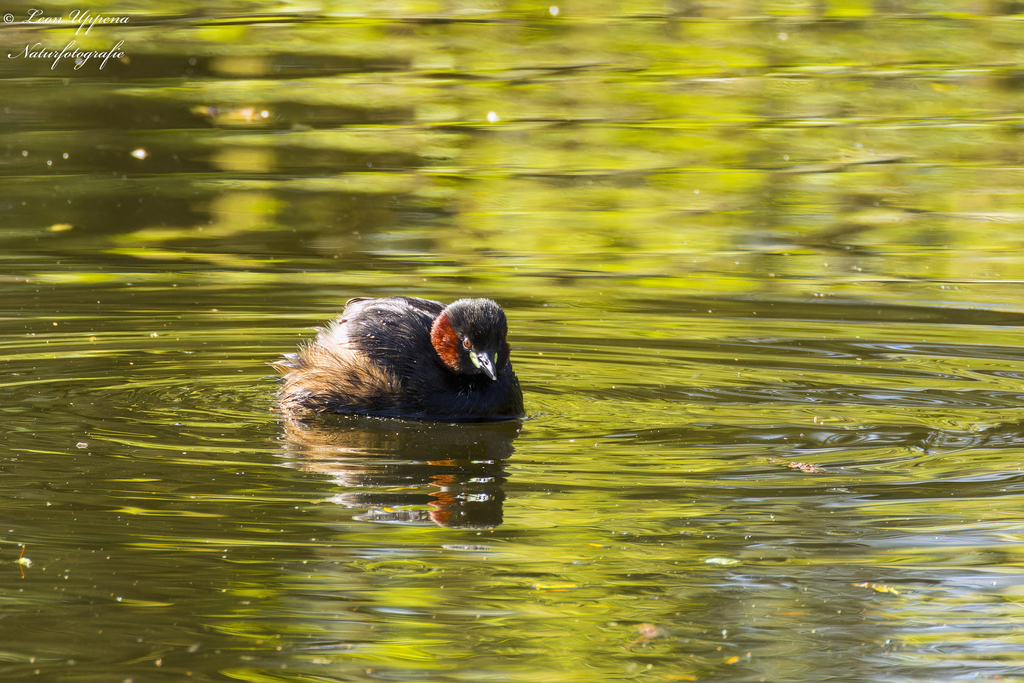
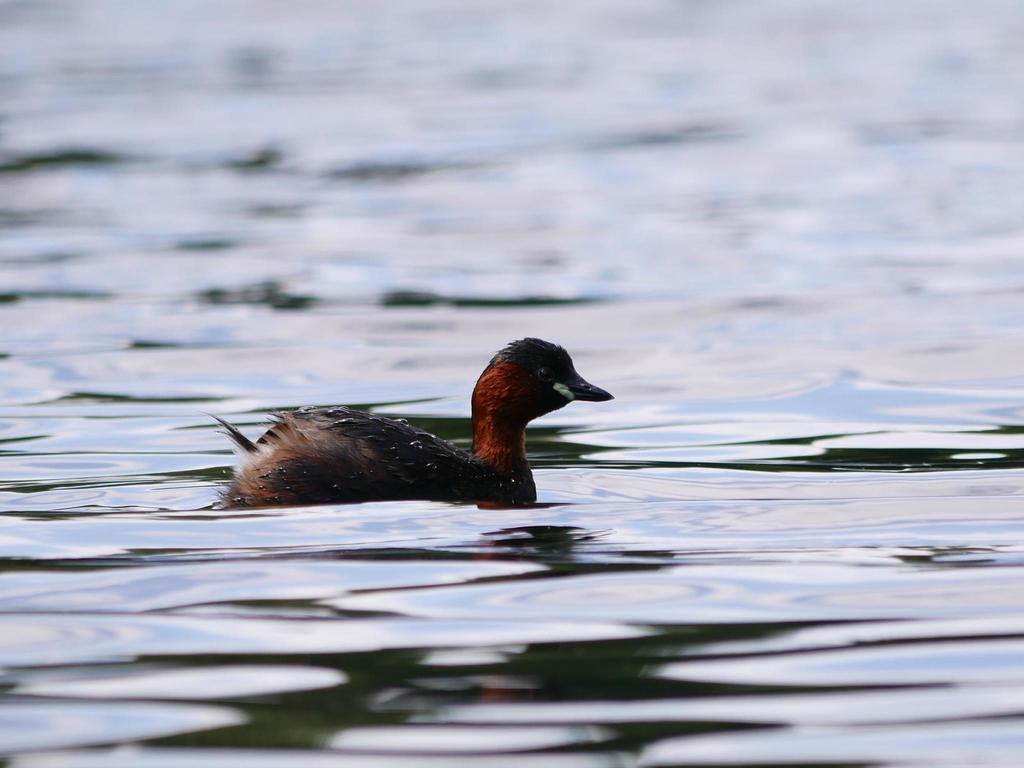
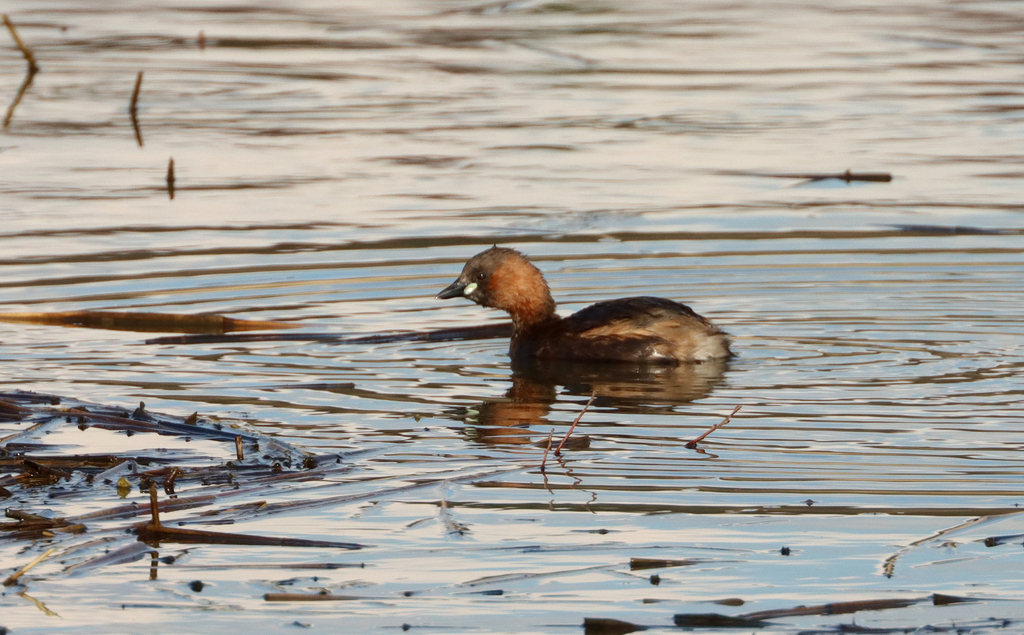
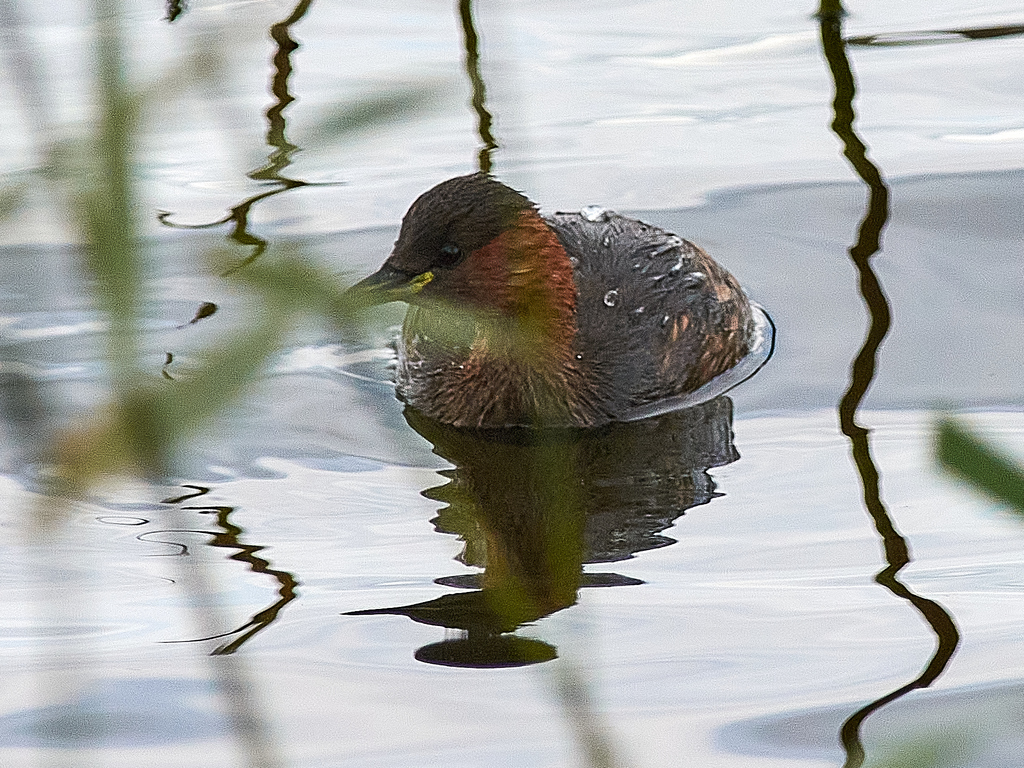
Es el integrante menor de la familia de los zampullines y somormujos, y también una de las aves acuáticas más extendidas como nidificantes en una gran variedad de humedales del interior. Resulta fácilmente reconocible por su silueta compacta y recogida, con cuello arqueado, pico corto, apuntado y recto, y “popa” redondeada. Con frecuencia se zambulle para bucear.The smallest member of the grebe and diver family, and one of the most widespread waterbirds nesting in a variety of inland wetlands. Easily recognizable by its compact silhouette, arched neck, short pointed bill, and rounded rear. It frequently dives to forage.
IdentificaciónIdentification
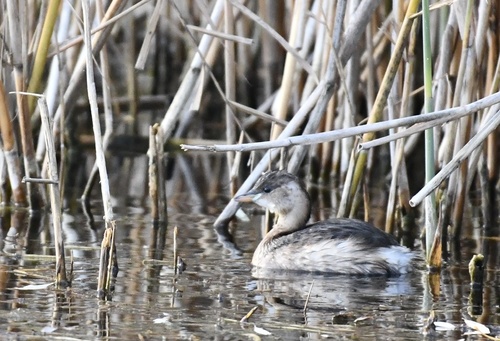
Se trata del más pequeño de los zampullines. Es un ave rechoncha, con cuello mediano y arqueado, y pico corto y recto. En verano muestra coloración general oscura, con el cuerpo, la cabeza y la nuca negros, mientras que la garganta y el cuello presentan una tonalidad castaña. En esta estación destaca la pequeña mancha amarilla que aparece en la comisura del pico. En invierno, las zonas inferiores, incluyendo las mejillas, la garganta y el cuello, tienen color crema, mientras que la cabeza y el dorso son de un tono pardo oscuro. En esta época, el pico resulta amarillento casi en su totalidad. Tanto en invierno como en verano, la zona caudal o popa posee tonos blanquecinos y aspecto “algodonoso”. No existen diferencias entre sexos. Los juveniles recuerdan a los adultos en invierno, de los que tan solo se distinguen por presentar en cada mejilla dos líneas negras sobre el fondo crema. Como otros miembros de su familia, se zambulle con frecuencia para bucear.The smallest of the grebes. It is a plump bird with a medium-length, arched neck and a short, straight bill. In summer, it shows a dark overall coloration, with a black body, head, and nape, while the throat and neck display a chestnut tone. A small yellow patch at the gape of the bill is prominent in this season. In winter, the lower parts, including cheeks, throat, and neck, are cream-colored, while the head and back are dark brown. The bill becomes almost entirely yellowish at this time. In both seasons, the tail area or 'stern' has whitish tones and a 'cottony' appearance. There are no differences between sexes. Juveniles resemble winter adults but are distinguished by two black lines on a cream background on each cheek. Like other family members, it dives frequently to forage.
DistribuciónDistribution
Aparece por todo el país, siempre que existan hábitats adecuados, salvo en medios húmedos situados a gran altitud. Falta en las islas Canarias. En España habita la subespecie ruficollis, la misma que ocupa el resto de Europa y el norte de África.Found throughout the country wherever suitable habitats exist, except in high-altitude wetlands. Absent from the Canary Islands. The subspecies 'ruficollis' inhabits Spain, the same one found in the rest of Europe and North Africa.
Textos reproducidos con permiso de laTexts translated and reproduced with permission from the Guía de Aves de España © SEO/BirdLife
Estado de conservaciónConservation Status
- EX
- RE
- CR
- EN
- VU
- NT
- LC
Preocupación menorLeast Concern
Qué significa cada categoríaWhat each category means
- LC
- Preocupación menor: Taxón evaluado que no califica para categorías amenazadas. Especies abundantes y ampliamente distribuidasLeast Concern - Evaluated taxon that does not qualify for threatened categories. Widespread and abundant taxa
- NT
- Casi amenazada: No califica actualmente como amenazada, pero está cerca de calificar o es probable que califique en el futuro cercanoNear Threatened - Does not currently qualify as threatened, but is close to qualifying or likely to qualify in the near future
- VU
- Vulnerable: Enfrenta un alto riesgo de extinción en estado silvestre según los criterios A a E de IUCNVulnerable - Facing a high risk of extinction in the wild based on IUCN criteria A to E
- EN
- En peligro: Enfrenta un riesgo muy alto de extinción en estado silvestre según los criterios A a E de IUCNEndangered - Facing a very high risk of extinction in the wild based on IUCN criteria A to E
- CR
- En peligro crítico: Enfrenta un riesgo extremadamente alto de extinción en estado silvestre según los criterios A a E de IUCNCritically Endangered - Facing an extremely high risk of extinction in the wild based on IUCN criteria A to E
- DD
- Datos insuficientes: Información inadecuada para evaluar el riesgo de extinción basándose en distribución o estado poblacionalData Deficient - Inadequate information to assess extinction risk based on distribution and/or population status
- NE
- No evaluada: No ha sido evaluada aún contra los criterios de la Lista Roja de IUCNNot Evaluated - Has not yet been assessed against the IUCN Red List criteria
- RE
- Extinta regionalmente: El taxón ya no existe en la región específica, aunque puede sobrevivir en otros lugaresRegionally Extinct - Taxon no longer exists in the specific region, though it may survive elsewhere
- EX
- Extinta - No existe duda razonable de que ha muerto el último individuo del taxónExtinct - No reasonable doubt that the last individual of the taxon has died
TaxonomíaTaxonomy
- OrdenOrder
- Podicipediformes
- FamiliaFamily
- Podicipedidae
Presencia en EspañaPresence in Spain
- HabitualRegular
- InvernanteWinter visitor
- ResidenteResident
En la app: todo el año.In the app: all year.
Dónde verlaWhere to see it
2.055 cuadrículas de 10 km con registros de 2020 a 2024. Toca un mes para ver dónde se ha visto.2,055 10 km squares with records from 2020 to 2024. Pick a month to see where it has been seen.
Cargando el mapa…Loading the map…
Dónde es regularWhere it is regular
Provincias con registros en al menos 3 de los 5 años algún mes, de más a menos frecuente, y sus mejores meses.Provinces with records in at least 3 of the 5 years in some month, from most to least frequent, and their best months.
- LeónLeónoctubre, septiembre, marzoOctober, September, March
- AlicanteAlicantefebrero, diciembre, eneroFebruary, December, January
- MelillaMelillaeneroJanuary
- GuipúzcoaGuipúzcoadiciembre, enero, febreroDecember, January, February
- ÁlavaÁlavaenero, marzo, agostoJanuary, March, August
- Ciudad RealCiudad Realfebrero, enero, diciembreFebruary, January, December
- CantabriaCantabriaenero, diciembre, febreroJanuary, December, February
- VizcayaVizcayaagosto, julio, eneroAugust, July, January
- AlmeríaAlmeríaoctubre, diciembre, julioOctober, December, July
- ValenciaValenciaagosto, marzo, noviembreAugust, March, November
Ver las 49 provinciasSee all 49 provinces
- HuelvaHuelvamarzo, enero, abrilMarch, January, April
- TarragonaTarragonaagosto, octubre, febreroAugust, October, February
- ToledoToledoseptiembre, octubre, eneroSeptember, October, January
- A CoruñaA Coruñaenero, diciembre, febreroJanuary, December, February
- BalearesBalearic Islandsfebrero, enero, marzoFebruary, January, March
- GironaGironadiciembre, febrero, eneroDecember, February, January
- MurciaMurciaseptiembre, enero, agostoSeptember, January, August
- CastellónCastellónfebrero, septiembre, marzoFebruary, September, March
- SevillaSevillafebrero, septiembre, eneroFebruary, September, January
- ZamoraZamoraoctubre, septiembre, diciembreOctober, September, December
- AlbaceteAlbaceteseptiembre, noviembre, agostoSeptember, November, August
- MálagaMálagamarzo, diciembre, eneroMarch, December, January
- NavarraNavarramarzo, enero, febreroMarch, January, February
- La RiojaLa Riojaagosto, noviembre, eneroAugust, November, January
- SegoviaSegoviaseptiembre, agosto, marzoSeptember, August, March
- SalamancaSalamancadiciembre, agosto, septiembreDecember, August, September
- CáceresCáceresseptiembre, enero, octubreSeptember, January, October
- MadridMadridnoviembre, diciembre, septiembreNovember, December, September
- LugoLugoenero, febrero, marzoJanuary, February, March
- BarcelonaBarcelonamarzo, diciembre, eneroMarch, December, January
- TeruelTeruelmarzo, abril, eneroMarch, April, January
- ValladolidValladolidagosto, septiembre, noviembreAugust, September, November
- GranadaGranadaagosto, enero, julioAugust, January, July
- CádizCádizenero, diciembre, febreroJanuary, December, February
- HuescaHuescamarzo, enero, diciembreMarch, January, December
- LleidaLleidaoctubre, enero, diciembreOctober, January, December
- BurgosBurgosseptiembre, agosto, noviembreSeptember, August, November
- ÁvilaÁvilamarzo, septiembre, agostoMarch, September, August
- OurenseOurenseenero, marzo, abrilJanuary, March, April
- CuencaCuencajunio, febrero, octubreJune, February, October
- AsturiasAsturiasfebrero, enero, diciembreFebruary, January, December
- PontevedraPontevedraenero, octubre, febreroJanuary, October, February
- ZaragozaZaragozaseptiembre, agosto, noviembreSeptember, August, November
- PalenciaPalenciamarzo, abril, febreroMarch, April, February
- CórdobaCórdobaenero, noviembre, diciembreJanuary, November, December
- JaénJaénagosto, julio, octubreAugust, July, October
- SoriaSoriaseptiembre, enero, marzoSeptember, January, March
- GuadalajaraGuadalajaradiciembre, agosto, abrilDecember, August, April
- BadajozBadajozagosto, septiembre, marzoAugust, September, March
Datos: registros en GBIF de 2020 a 2024 de Observation.org, eBird, iNaturalist y el ICO, descargados el 23/10/2026.Data: GBIF records from 2020 to 2024 from Observation.org, eBird, iNaturalist and the ICO, downloaded on 23/10/2026. GBIF.org (23 October 2026) GBIF Occurrence Download · doi:10.15468/dl.r5sf2a · CC BY-NC 4.0
GaleríaGallery
© rober025 · CC BY · iNaturalist 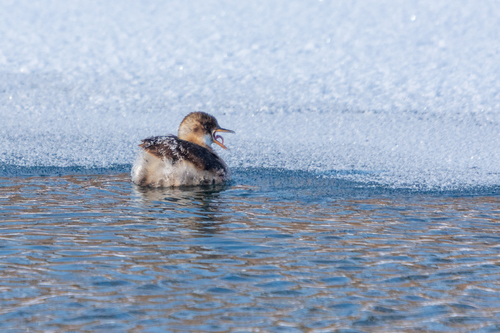
© Людмила Алимова · CC BY · iNaturalist 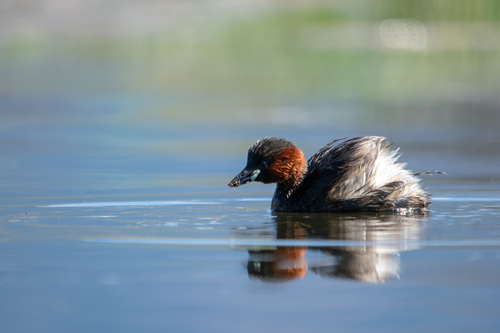
© Gergely Nigg · CC BY · iNaturalist 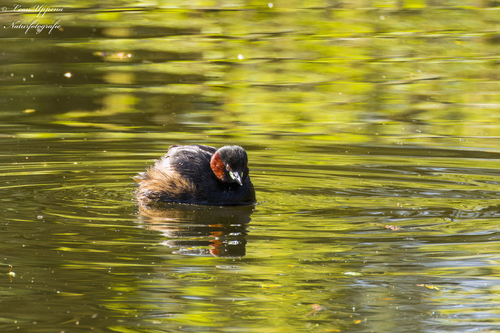
© bristolian · CC BY · iNaturalist 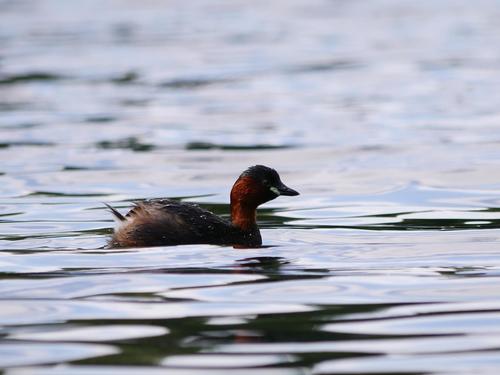
© Alexis Tinker-Tsavalas · CC BY · iNaturalist 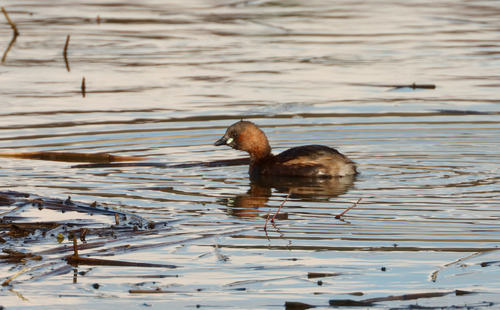
© Dave · CC BY · iNaturalist 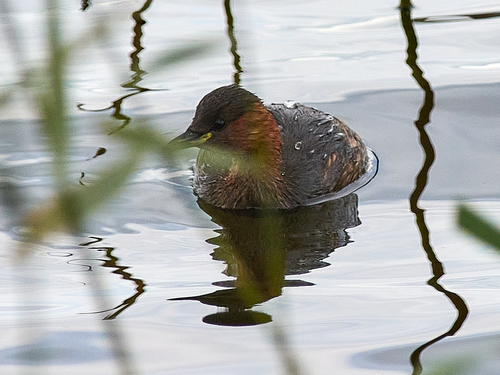
© Сергей Неклюдов · CC BY · iNaturalist


Especies relacionadasRelated species
Otras aves de la familia Podicipedidae y de órdenes cercanos.Other birds from the Podicipedidae family and nearby orders.
- ComúnCommon
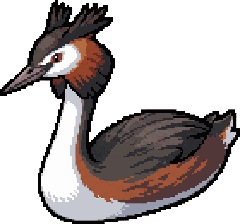 Somormujo lavancoGreat Crested GrebePodiceps cristatus
- Poco comúnUncommon
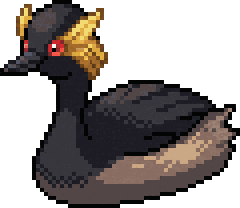 Zampullín cuellinegroBlack-necked GrebePodiceps nigricollis
- LegendarioLegendary
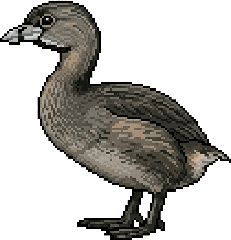 Zampullín picogruesoPied-billed GrebePodilymbus podiceps
- LegendarioLegendary
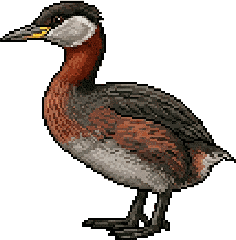 Somormujo cuellirrojoRed-necked GrebePodiceps grisegena
- RaroRare
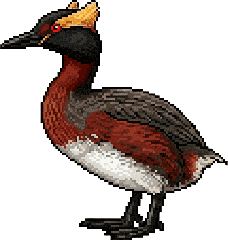 Zampullín cuellirrojoHorned GrebePodiceps auritus
- RaroRarePetrel de BulwerBulwer's PetrelBulweria bulwerii
- Poco comúnUncommon
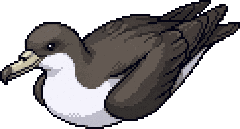 Pardela cenicienta atlánticaCory's Shearwater (Atlantic)Calonectris borealis
- Poco comúnUncommon
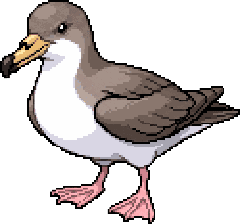 Pardela cenicienta mediterráneaScopoli's ShearwaterCalonectris diomedea
 Gratis, sin anuncios ni comprasFree, no ads, no purchases