 BirdPedy
Somormujo lavancoGreat Crested Grebe
En 49 provincias en diciembre y en 47 en marzoIn 49 provinces in December and 47 in March
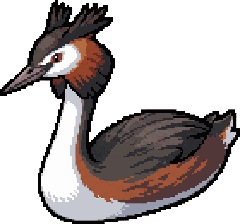
Reporte de rarezaRarity report
Por qué es comúnWhy it is commonResidente e invernante de amplia distribución en embalses y humedales profundos. Presenta una tendencia poblacional estable o al alza, siendo frecuente su observación en la mayor parte de las cuencas hidrográficas peninsulares.Resident and wintering bird with a wide distribution in reservoirs and deep wetlands. Stable or increasing population, frequently observed.
Cada carrizo es un mes: su altura, las provincias con registros de 2020 a 2024.Each reed is a month: its height, the provinces with records from 2020 to 2024.- Provincias con registrosProvinces with records
- 49 de 52of 52
- En la appIn the app
- Todo el añoAll year
- EnvergaduraWingspan
- 85-90 cm85-90 cm
- LongitudLength
- 46-51 cm46-51 cm
- Lista Roja de EspañaSpanish Red List
- LC Preocupación menorLeast Concern

Información generalGeneral Information
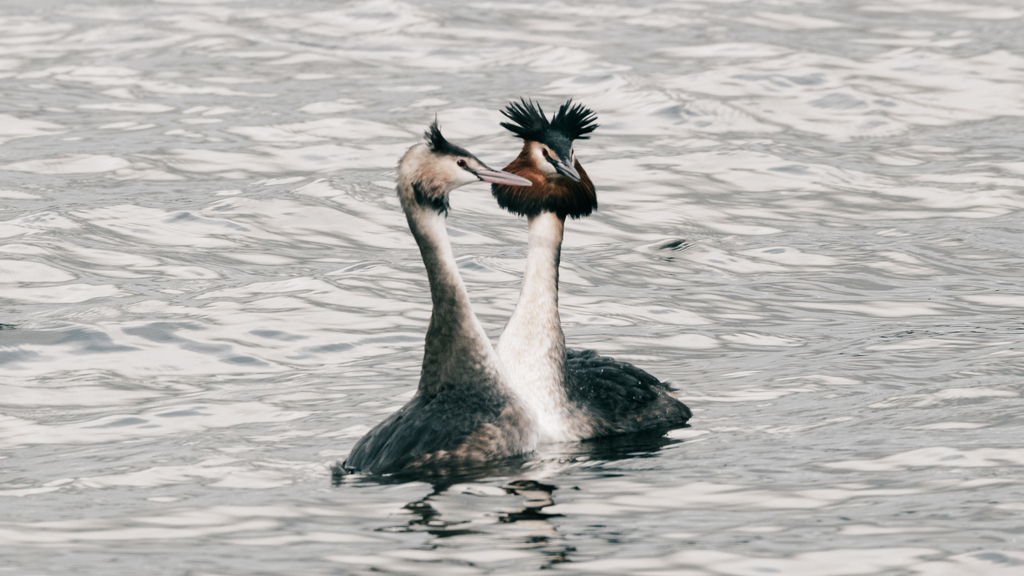
Inconfundible por su largo cuello, es el mayor integrante de la familia de los zampullines y somormujos en España. Presenta un estereotipado cortejo nupcial, época en la que su plumaje adquiere un llamativo diseño facial, con penachos y expansiones de plumas muy característicos. Habitante habitual de una gran variedad de humedales, incluidos embalses y otros enclaves artificiales, esta ave acuática puede ser observada en nuestro país tanto en el periodo de cría como durante la invernada.Unmistakable due to its long neck, it is the largest member of the grebe family in Spain. It features a stereotyped nuptial courtship, during which its plumage acquires a striking facial design with characteristic tufts. A common inhabitant of a wide variety of wetlands, including reservoirs and other man-made sites, it can be observed in our country during both the breeding and wintering periods.
IdentificaciónIdentification
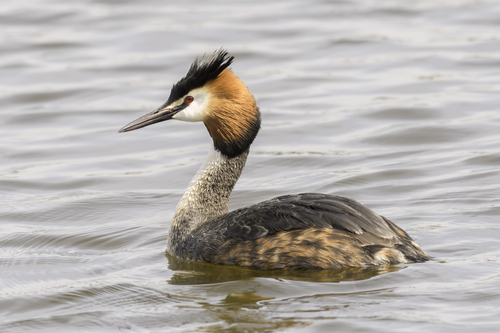
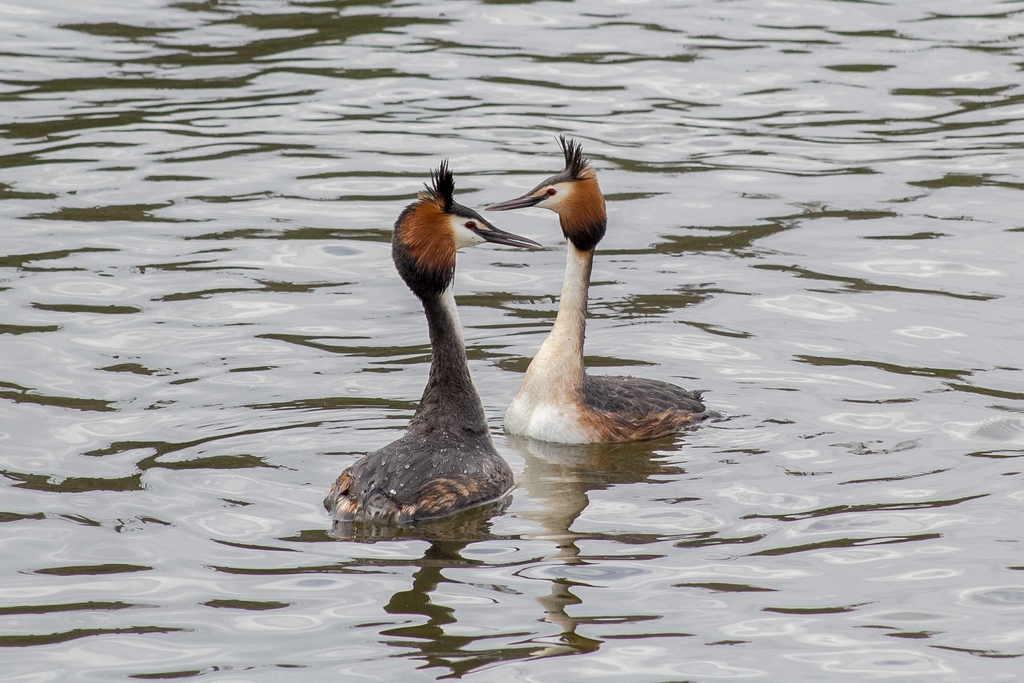
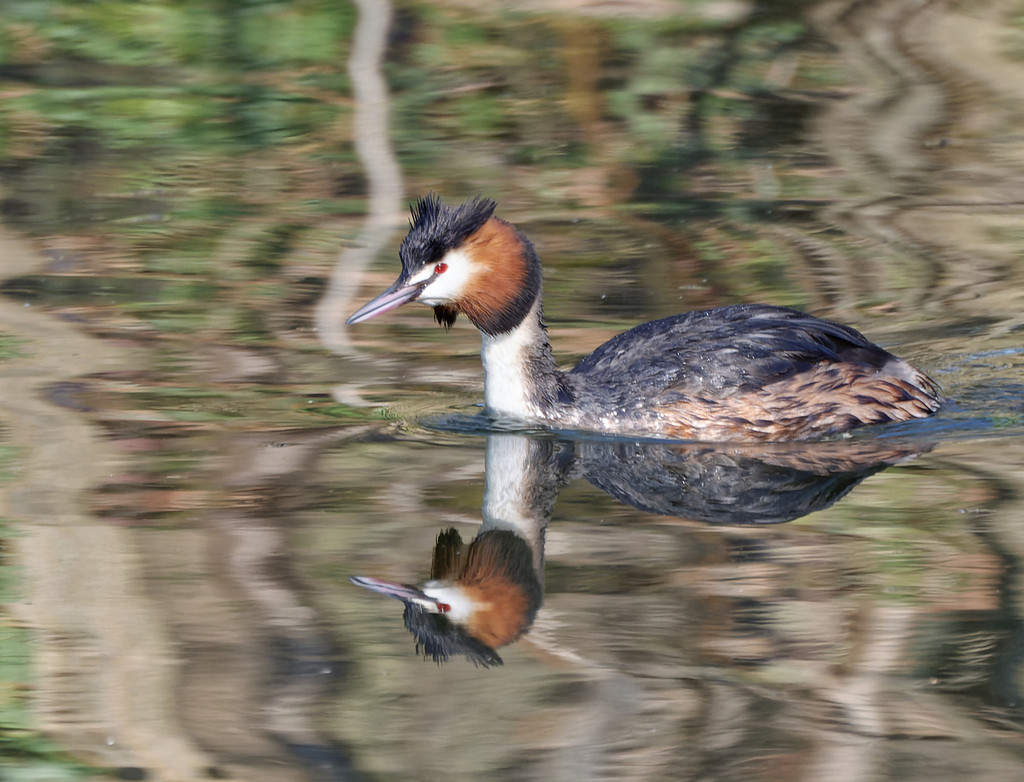
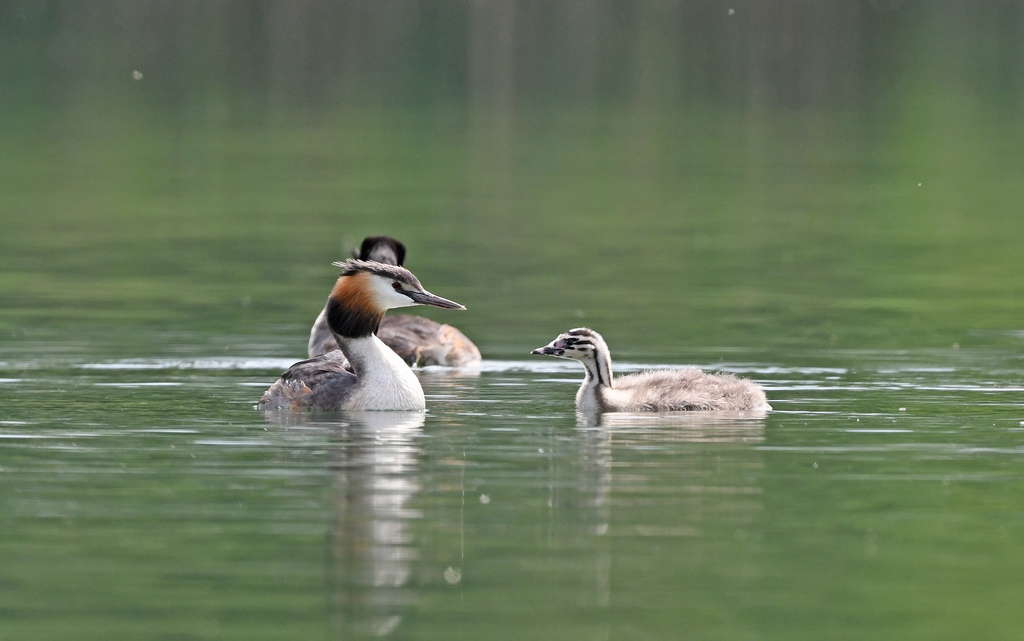
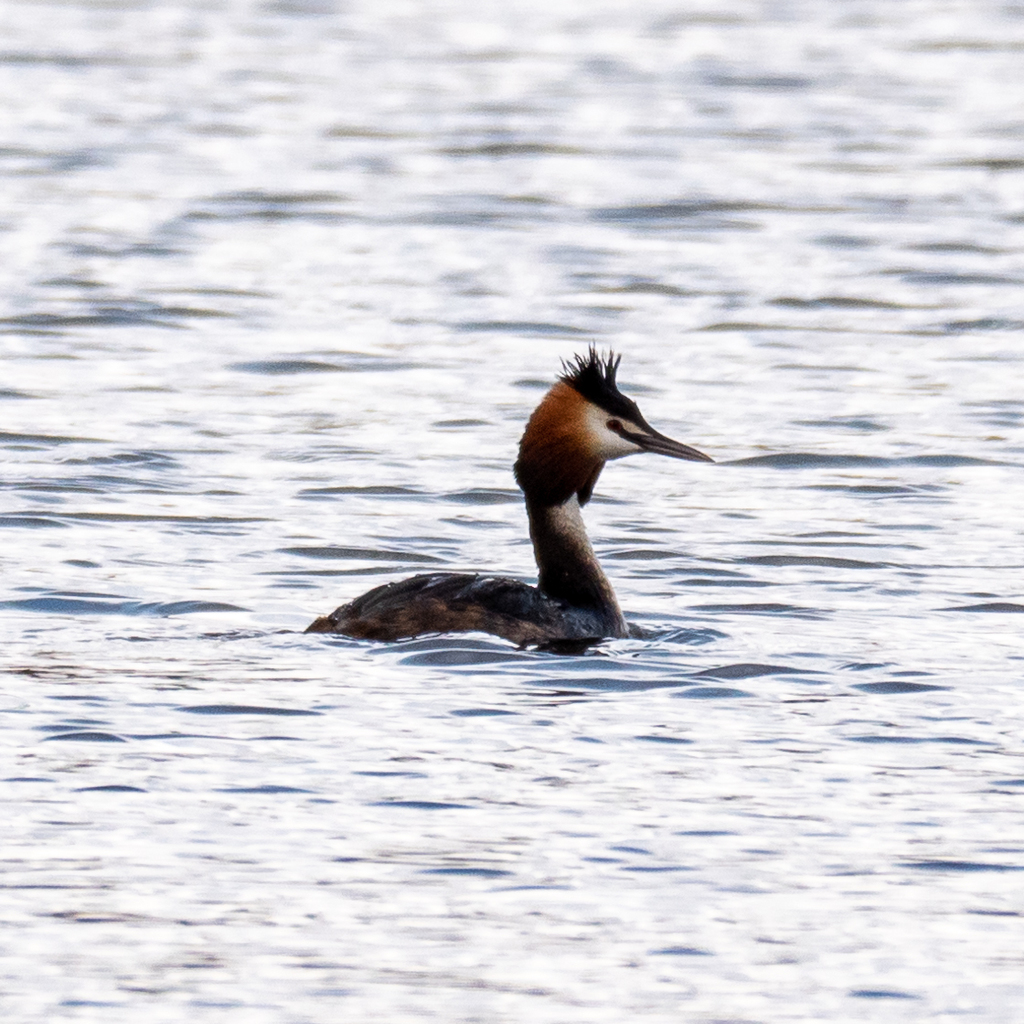
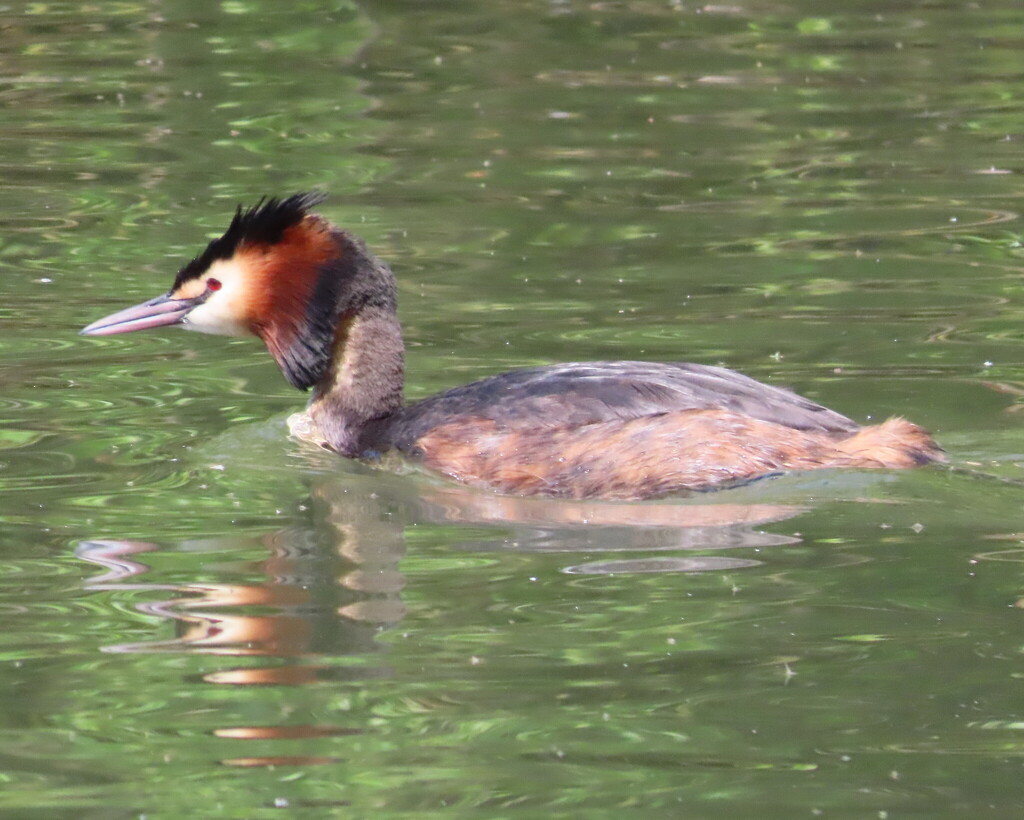
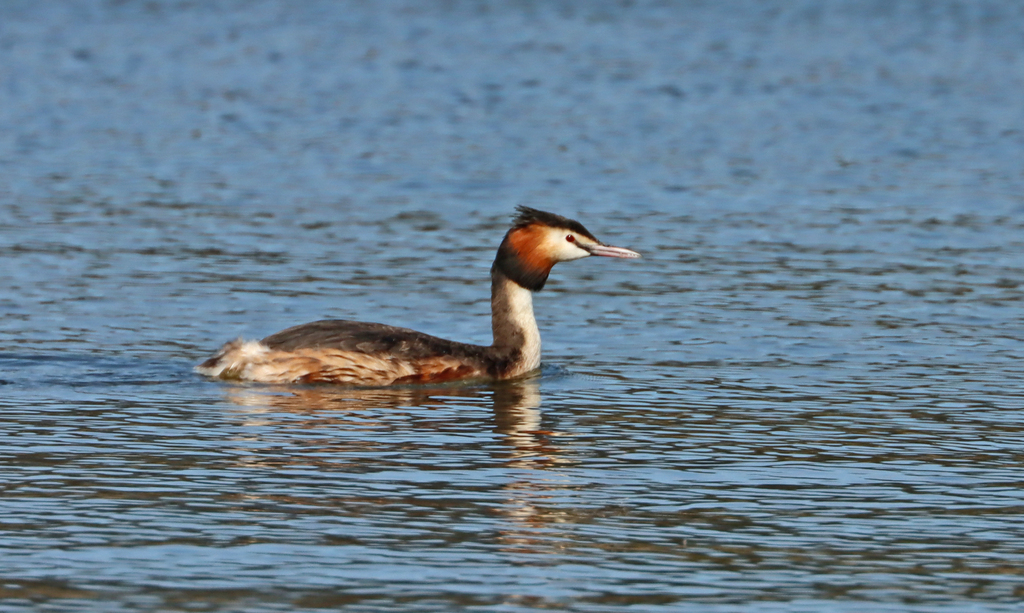
El somormujo lavanco es el mayor de los somormujos y zampullines que pueden verse en España, con el tamaño de un ánade grande. Se trata de un ave elegante, de cuello estilizado, pico largo y apuntado, y cuerpo alargado. En verano luce un plumaje vistoso, con la parte superior de la cabeza negra, en la que destacan dos grupos de plumas a modo de penachos. De las mejillas salen plumas llamativas, alargadas, de tonos rojizos y negros. La zona que rodea los ojos es blanca, al igual que el cuello, el pecho y el vientre, lo que contrasta con el dorso oscuro y los flancos rojizos. En plumaje invernal llama mucho menos la atención, con un tono general oscuro en el dorso y los laterales, aunque presenta el cuello, la cabeza (excepto el píleo oscuro) y las partes inferiores de color blanco. Con cualquier plumaje, el largo cuello constituye un buen rasgo diagnóstico. En vuelo se observa su esbelta complexión, con su largo cuello estirado, y su batir rápido de alas hace ver las zonas alares blancas a modo de destellos. No existen diferencias entre sexos. Los juveniles resultan similares a los adultos en invierno, aunque poseen en la cara un dibujo de líneas negras que los distingue.The largest of the grebes seen in Spain, about the size of a Mallard. An elegant bird with a slender neck, long pointed bill, and elongated body. In summer, it displays a striking plumage with a black crown featuring two crest-like tufts. Striking, elongated plumes in reddish and black tones extend from the cheeks. The area around the eyes is white, as are the neck, chest, and belly, contrasting with the dark back and reddish flanks. In winter plumage, it is much less conspicuous, with an overall dark tone on the back and sides, though the neck, head (except for the dark cap), and underparts remain white. In any plumage, the long neck is a key diagnostic feature. In flight, its slender build is apparent, and the rapid wingbeats reveal white wing patches. There are no differences between sexes. Juveniles are similar to winter adults but have a pattern of black lines on the face.
DistribuciónDistribution
Se encuentra en prácticamente todas las comunidades, salvo en las islas Canarias, Ceuta y Melilla. Lógicamente, esta ave acuática está mejor y más ampliamente distribuida por las zonas con un mayor número de humedales aptos para ella. En nuestro país vive la subespecie cristatus, presente en Europa y Asia.Found in practically all regions except the Canary Islands, Ceuta, and Melilla. Widespread in areas with suitable wetlands. The subspecies 'cristatus' is present in Spain, also found in Europe and Asia.
Textos reproducidos con permiso de laTexts translated and reproduced with permission from the Guía de Aves de España © SEO/BirdLife
Estado de conservaciónConservation Status
- EX
- RE
- CR
- EN
- VU
- NT
- LC
Preocupación menorLeast Concern
Qué significa cada categoríaWhat each category means
- LC
- Preocupación menor: Taxón evaluado que no califica para categorías amenazadas. Especies abundantes y ampliamente distribuidasLeast Concern - Evaluated taxon that does not qualify for threatened categories. Widespread and abundant taxa
- NT
- Casi amenazada: No califica actualmente como amenazada, pero está cerca de calificar o es probable que califique en el futuro cercanoNear Threatened - Does not currently qualify as threatened, but is close to qualifying or likely to qualify in the near future
- VU
- Vulnerable: Enfrenta un alto riesgo de extinción en estado silvestre según los criterios A a E de IUCNVulnerable - Facing a high risk of extinction in the wild based on IUCN criteria A to E
- EN
- En peligro: Enfrenta un riesgo muy alto de extinción en estado silvestre según los criterios A a E de IUCNEndangered - Facing a very high risk of extinction in the wild based on IUCN criteria A to E
- CR
- En peligro crítico: Enfrenta un riesgo extremadamente alto de extinción en estado silvestre según los criterios A a E de IUCNCritically Endangered - Facing an extremely high risk of extinction in the wild based on IUCN criteria A to E
- DD
- Datos insuficientes: Información inadecuada para evaluar el riesgo de extinción basándose en distribución o estado poblacionalData Deficient - Inadequate information to assess extinction risk based on distribution and/or population status
- NE
- No evaluada: No ha sido evaluada aún contra los criterios de la Lista Roja de IUCNNot Evaluated - Has not yet been assessed against the IUCN Red List criteria
- RE
- Extinta regionalmente: El taxón ya no existe en la región específica, aunque puede sobrevivir en otros lugaresRegionally Extinct - Taxon no longer exists in the specific region, though it may survive elsewhere
- EX
- Extinta - No existe duda razonable de que ha muerto el último individuo del taxónExtinct - No reasonable doubt that the last individual of the taxon has died
TaxonomíaTaxonomy
- OrdenOrder
- Podicipediformes
- FamiliaFamily
- Podicipedidae
Presencia en EspañaPresence in Spain
- HabitualRegular
- InvernanteWinter visitor
- ResidenteResident
En la app: todo el año.In the app: all year.
Dónde verlaWhere to see it
1.203 cuadrículas de 10 km con registros de 2020 a 2024. Toca un mes para ver dónde se ha visto.1,203 10 km squares with records from 2020 to 2024. Pick a month to see where it has been seen.
Cargando el mapa…Loading the map…
Dónde es regularWhere it is regular
Provincias con registros en al menos 3 de los 5 años algún mes, de más a menos frecuente, y sus mejores meses.Provinces with records in at least 3 of the 5 years in some month, from most to least frequent, and their best months.
- ÁlavaÁlavaoctubre, marzo, febreroOctober, March, February
- CantabriaCantabriaenero, febrero, diciembreJanuary, February, December
- HuescaHuescamarzo, enero, diciembreMarch, January, December
- SalamancaSalamancaseptiembre, noviembre, diciembreSeptember, November, December
- La RiojaLa Riojaseptiembre, agosto, eneroSeptember, August, January
- BurgosBurgosseptiembre, noviembre, octubreSeptember, November, October
- PalenciaPalenciaseptiembre, octubre, marzoSeptember, October, March
- AlicanteAlicanteseptiembre, agosto, julioSeptember, August, July
- TarragonaTarragonafebrero, diciembre, octubreFebruary, December, October
- BadajozBadajozagosto, septiembre, eneroAugust, September, January
Ver las 48 provinciasSee all 48 provinces
- ZamoraZamoramarzo, febrero, septiembreMarch, February, September
- LeónLeónnoviembre, marzo, septiembreNovember, March, September
- OurenseOurensemarzo, febrero, eneroMarch, February, January
- MadridMadridseptiembre, marzo, agostoSeptember, March, August
- ToledoToledoenero, julio, octubreJanuary, July, October
- Ciudad RealCiudad Realmayo, junio, abrilMay, June, April
- ValenciaValenciajulio, agosto, marzoJuly, August, March
- CastellónCastellónmarzo, febrero, abrilMarch, February, April
- SoriaSoriaseptiembre, agosto, octubreSeptember, August, October
- CuencaCuencaseptiembre, febrero, diciembreSeptember, February, December
- A CoruñaA Coruñafebrero, enero, marzoFebruary, January, March
- AlmeríaAlmeríajulio, agosto, octubreJuly, August, October
- CáceresCáceresagosto, septiembre, julioAugust, September, July
- TeruelTeruelabril, junio, eneroApril, June, January
- SevillaSevillamayo, abril, marzoMay, April, March
- MurciaMurciaseptiembre, octubre, julioSeptember, October, July
- LleidaLleidanoviembre, octubre, septiembreNovember, October, September
- ValladolidValladolidagosto, septiembre, mayoAugust, September, May
- NavarraNavarraagosto, junio, septiembreAugust, June, September
- ÁvilaÁvilaseptiembre, agosto, eneroSeptember, August, January
- BalearesBalearic Islandsmarzo, febrero, eneroMarch, February, January
- BarcelonaBarcelonamarzo, mayo, septiembreMarch, May, September
- AsturiasAsturiasfebrero, enero, marzoFebruary, January, March
- GironaGironafebrero, enero, marzoFebruary, January, March
- GranadaGranadajunio, noviembre, febreroJune, November, February
- GuadalajaraGuadalajaradiciembre, noviembre, octubreDecember, November, October
- AlbaceteAlbacetemayo, julio, junioMay, July, June
- HuelvaHuelvaenero, agosto, abrilJanuary, August, April
- JaénJaénagosto, mayo, julioAugust, May, July
- SegoviaSegoviadiciembre, noviembre, octubreDecember, November, October
- ZaragozaZaragozaagosto, mayo, noviembreAugust, May, November
- GuipúzcoaGuipúzcoaenero, junio, diciembreJanuary, June, December
- CórdobaCórdobaagosto, febrero, julioAugust, February, July
- LugoLugomarzo, mayo, abrilMarch, May, April
- CádizCádizdiciembre, enero, febreroDecember, January, February
- VizcayaVizcayafebrero, enero, marzoFebruary, January, March
- MálagaMálagaenero, febrero, mayoJanuary, February, May
- PontevedraPontevedraenero, abril, septiembreJanuary, April, September
Datos: registros en GBIF de 2020 a 2024 de Observation.org, eBird, iNaturalist y el ICO, descargados el 23/10/2026.Data: GBIF records from 2020 to 2024 from Observation.org, eBird, iNaturalist and the ICO, downloaded on 23/10/2026. GBIF.org (23 October 2026) GBIF Occurrence Download · doi:10.15468/dl.r5sf2a · CC BY-NC 4.0
GaleríaGallery
© caroline legg · CC BY · iNaturalist 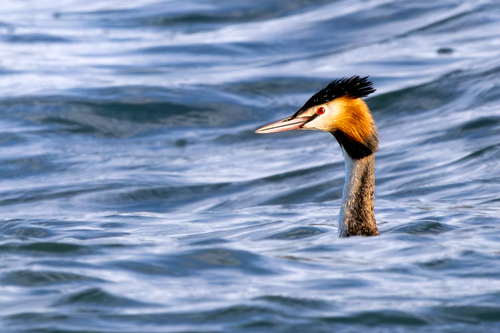
© Diego González Dopico · CC BY · iNaturalist 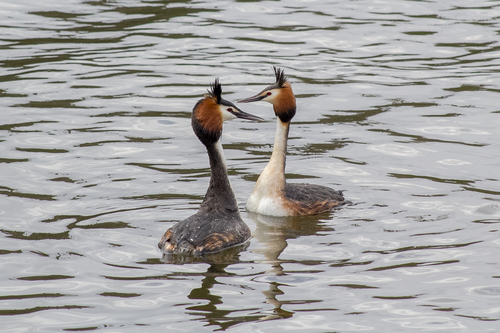
© Safina Rezeda · CC BY · iNaturalist 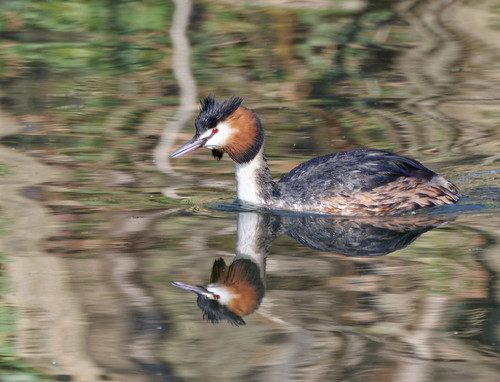
© Donald Davesne · CC BY · iNaturalist 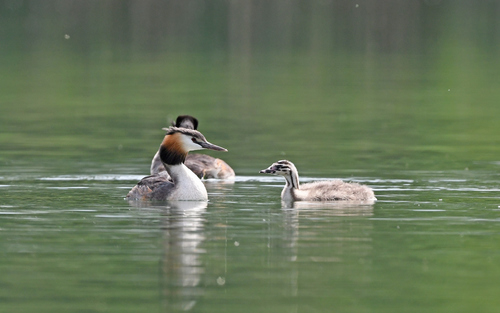
© Christoph Moning · CC BY · iNaturalist 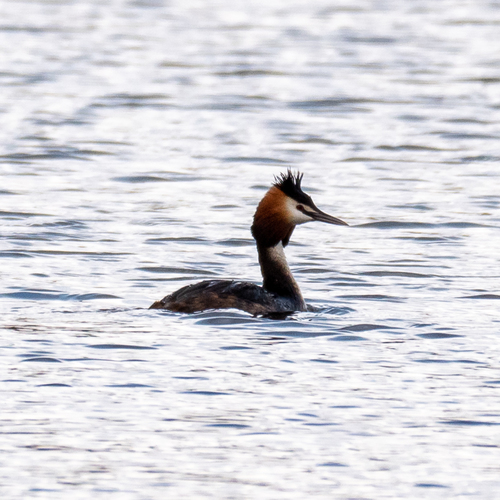
© Piotr Lukasik · CC BY · iNaturalist 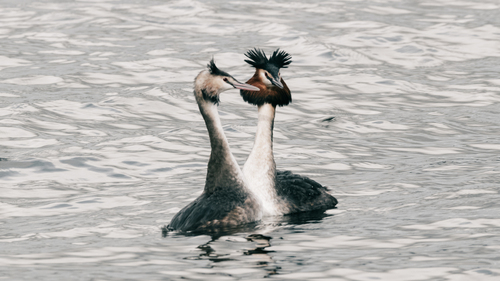
© Tim Worwood · CC BY · iNaturalist 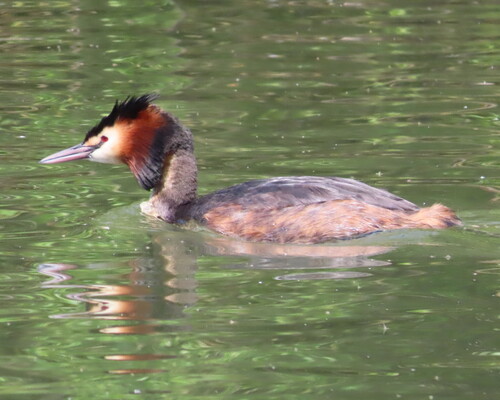
© Helen Bovill · CC BY · iNaturalist 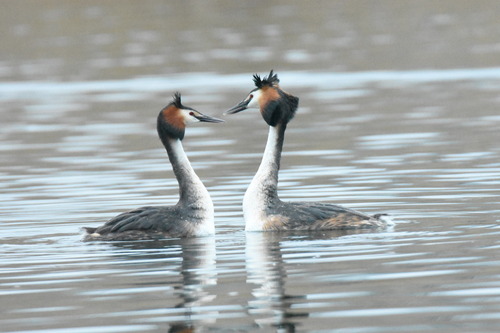
© Thorsten Hackbarth · CC BY · iNaturalist 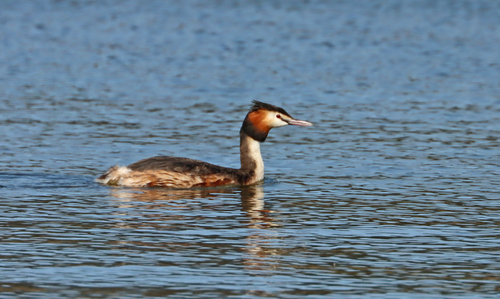
© Dave · CC BY · iNaturalist

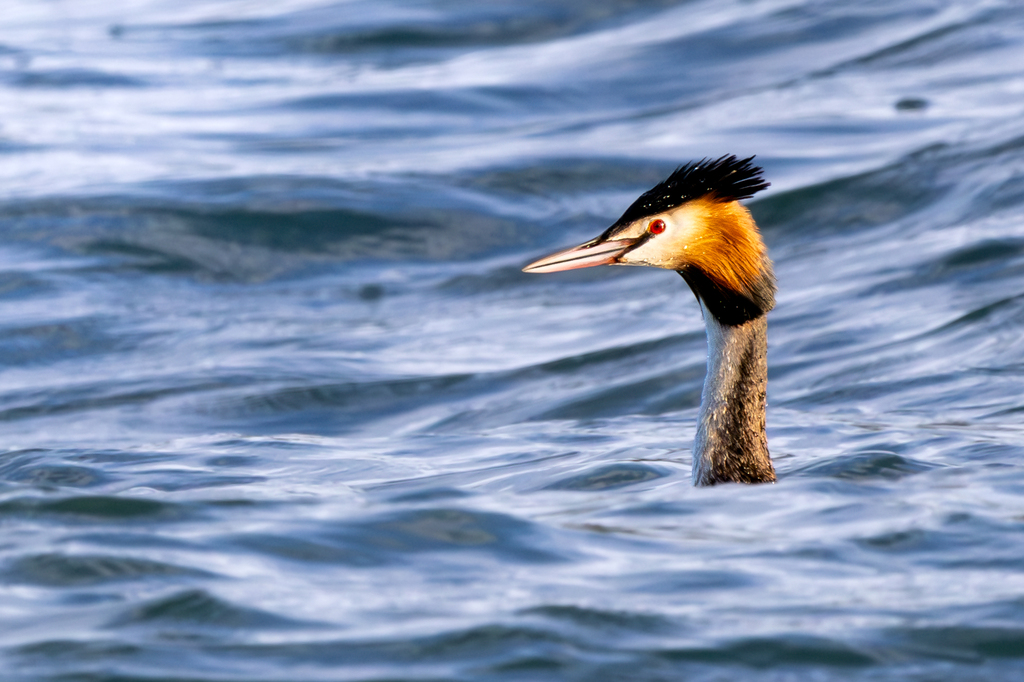

Especies relacionadasRelated species
Otras aves de la familia Podicipedidae y de órdenes cercanos.Other birds from the Podicipedidae family and nearby orders.
- Poco comúnUncommon
 Zampullín cuellinegroBlack-necked GrebePodiceps nigricollis
- LegendarioLegendary
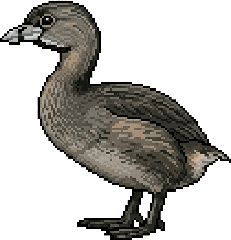 Zampullín picogruesoPied-billed GrebePodilymbus podiceps
- LegendarioLegendary
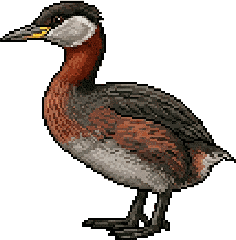 Somormujo cuellirrojoRed-necked GrebePodiceps grisegena
- RaroRare
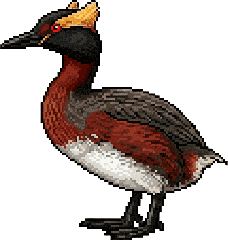 Zampullín cuellirrojoHorned GrebePodiceps auritus
- ComúnCommon
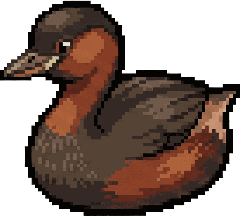 Zampullín comúnLittle GrebeTachybaptus ruficollis
- RaroRarePetrel de BulwerBulwer's PetrelBulweria bulwerii
- Poco comúnUncommon
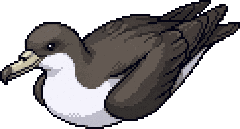 Pardela cenicienta atlánticaCory's Shearwater (Atlantic)Calonectris borealis
- Poco comúnUncommon
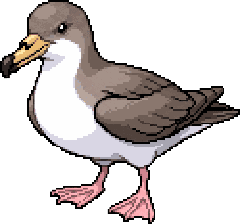 Pardela cenicienta mediterráneaScopoli's ShearwaterCalonectris diomedea
 Gratis, sin anuncios ni comprasFree, no ads, no purchases