 BirdPedy
Zampullín cuellirrojoHorned Grebe
En 7 provincias en enero y sin registros 6 meses del añoIn 7 provinces in January, and no records in 6 months of the year
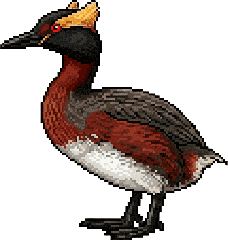
Reporte de rarezaRarity report
Por qué es raroWhy it is rarePrecioso somormujo de ojos rojizos inconfundibles. Invernante escaso que prefiere las rías gallegas y aguas costeras del Cantábrico, mostrando una distribución marcadamente septentrional.Beautiful grebe with unmistakable reddish eyes. A scarce winter visitor that prefers the Galician rías and the coastal waters of the Cantabrian Sea, with a markedly northern distribution.
Cada carrizo es un mes: su altura, las provincias con registros de 2020 a 2024.Each reed is a month: its height, the provinces with records from 2020 to 2024.- Provincias con registrosProvinces with records
- 9 de 52of 52
- En la appIn the app
- Noviembre a febreroNovember to February
- EnvergaduraWingspan
- 59-65 cm59-65 cm
- LongitudLength
- 31-38 cm31-38 cm
- Lista Roja de EspañaSpanish Red List
- DD Datos insuficientesData Deficient

Información generalGeneral Information
Las abrigadas aguas costeras de las marismas de Santoña y de algún otro enclave del litoral cantábrico y gallego acogen ocasionalmente en invierno a un zampullín que resulta bastante parecido al mucho más común zampullín cuellinegro. Se trata del zampullín cuellirrojo, denominación que hace alusión a su bello plumaje nupcial, un ave acuática que antaño resultaba muy rara en nuestro territorio, pero que en los últimos años parece haberse convertido en invernante regular, especialmente en las marismas de Santoña, donde llega siempre en pequeñísimo número.The Horned Grebe (Slavonian Grebe) has become a regular winter highlight in places like the Santoña marshes. It is a specialist of sheltered marine waters. Its clean, black-and-white winter face makes it look like a high-contrast version of our Black-necked Grebe. Watching it dive in the clear waters of our northern rías is a delight for any winter birdwatcher. It is a tiny but elegant traveler from the Icelandic and Scandinavian lochs.
IdentificaciónIdentification
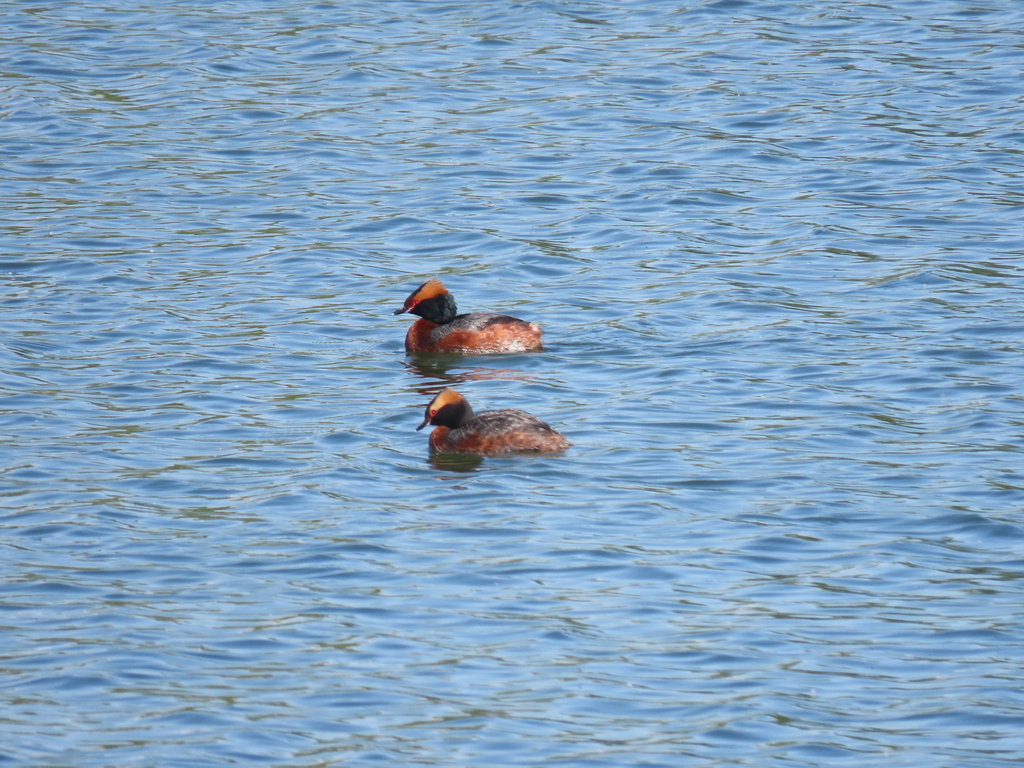
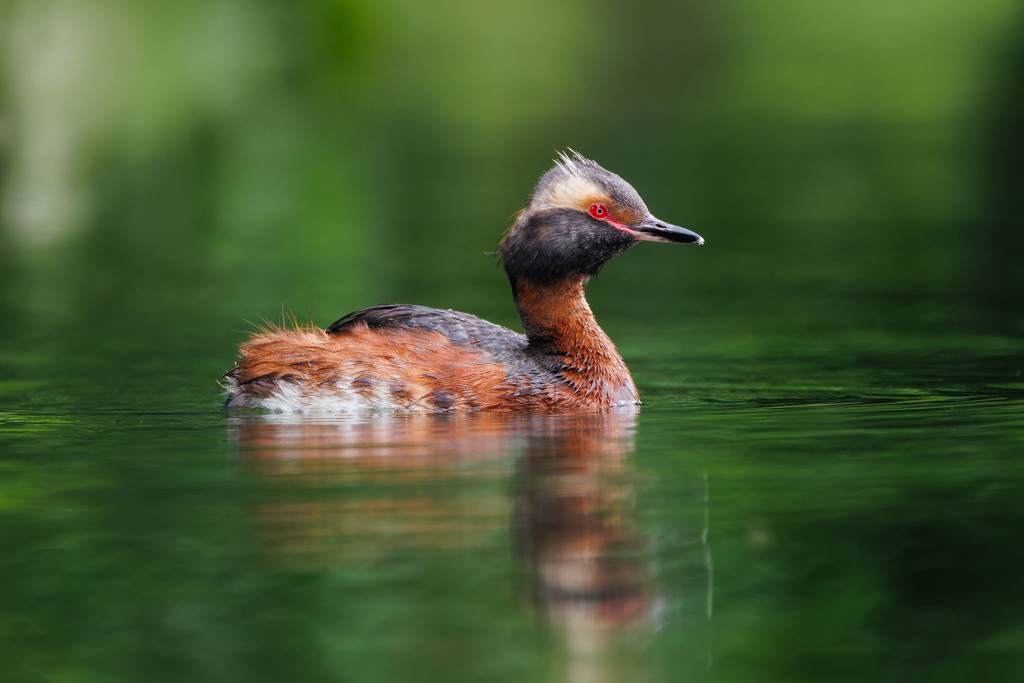
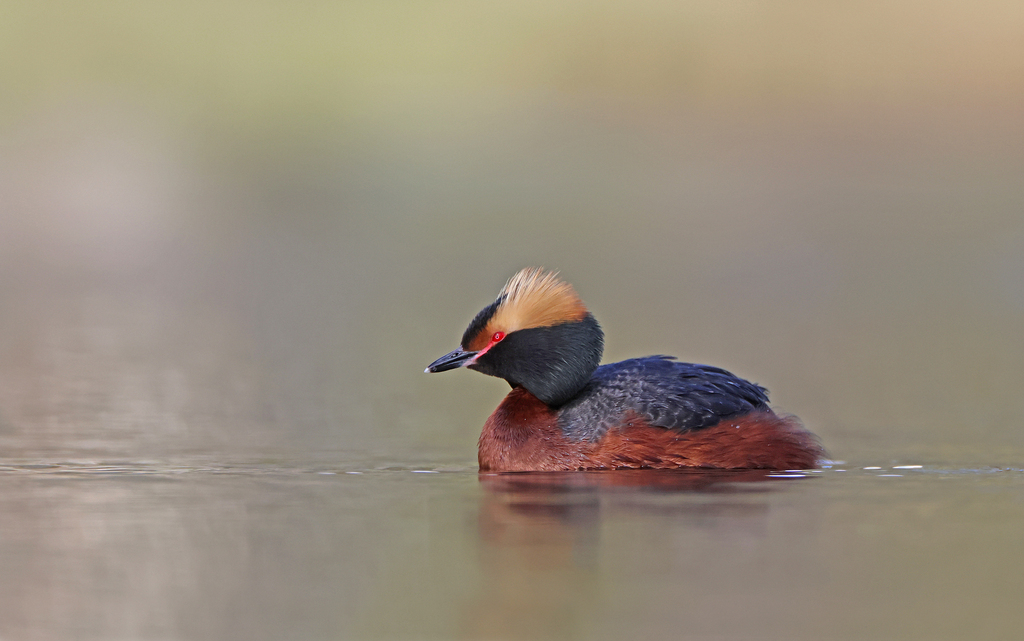
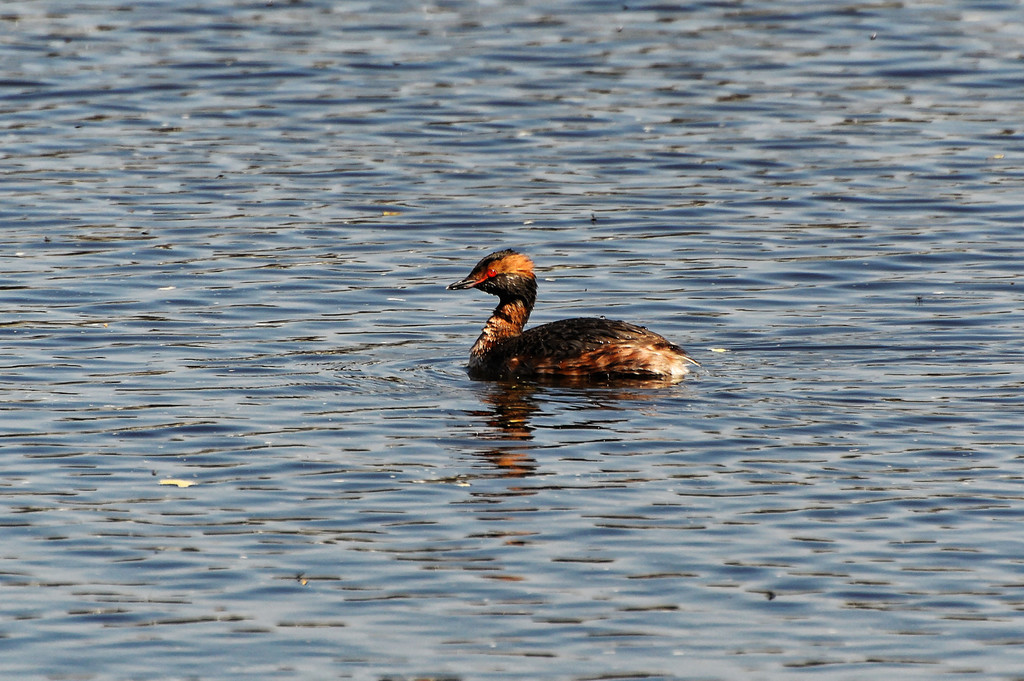
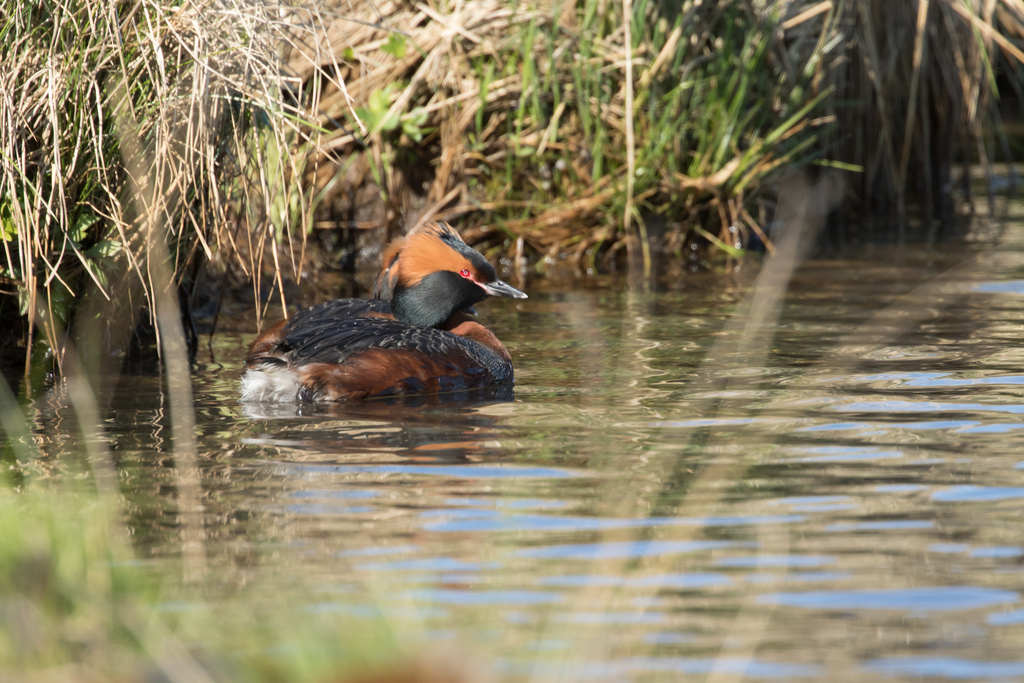
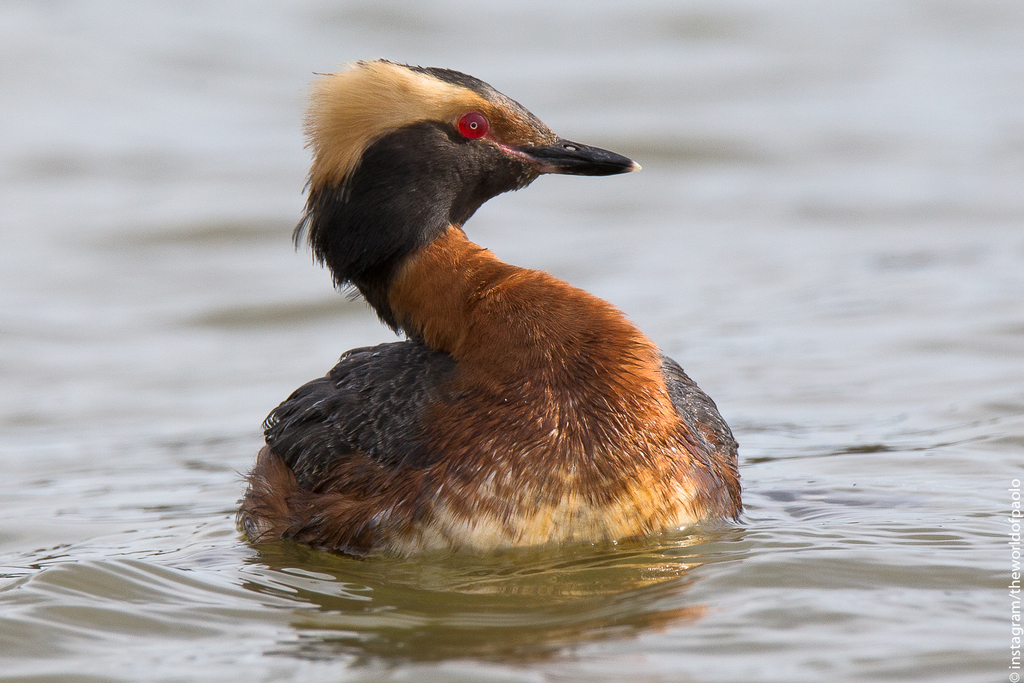
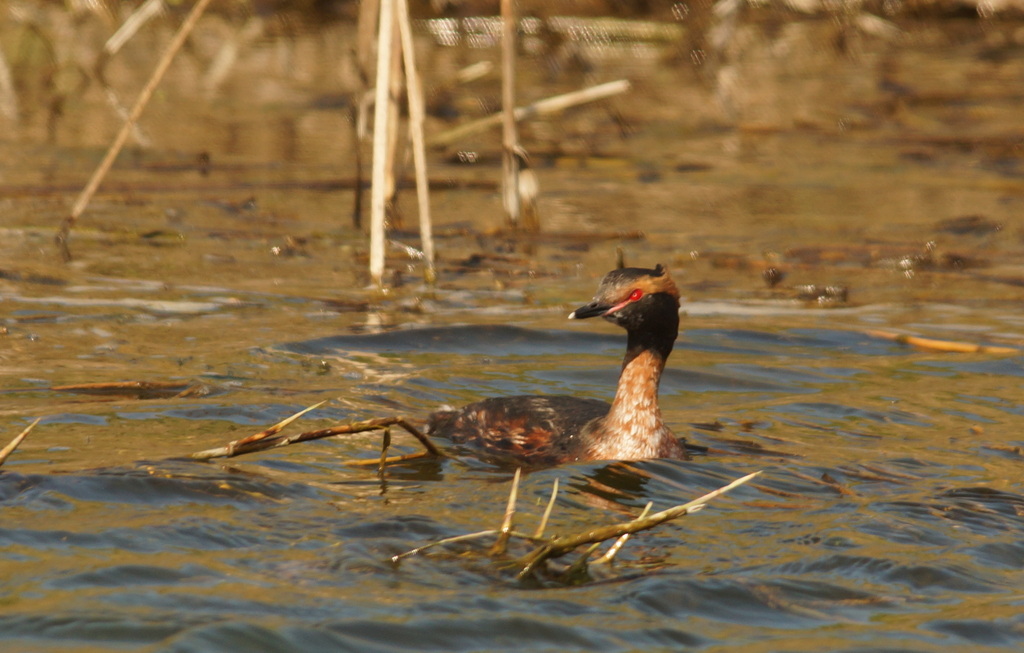
El zampullín cuellirrojo, de pico recto y oscuro, presenta un plumaje muy contrastado y llamativo durante el periodo reproductor, con las partes inferiores de color rojizo, el dorso oscuro y la negra cabeza surcada por un vistoso antifaz amarillo. En plumaje invernal resulta bastante parecido al muy similar zampullín cuellinegro, pero se diferencia de él por el perfil de la cabeza, que es más triangular y con la frente achatada (la cabeza del cuellinegro es más redondeada), así como por el pico más pálido y por presentar una delimitación mucho más nítida entre los colores blanco y negro de la cabeza (que en el cuellinegro aparece difuminada). Además, la parte posterior del cuerpo, o popa, remata de forma más progresiva y no resulta tan empinada como en el zampullín cuellinegro. No existen diferencias entre sexos, y los juveniles son similares a los adultos en invierno, aunque su cabeza es más redondeada.A small grebe with a distinctive flat-headed, triangular profile. In summer, it is spectacular with saturated reddish-brown underparts and bright orange 'horns' or tufts behind the eyes. In winter, it is characterized by a very clean and sharp black-and-white pattern on the head, with the black cap ending precisely at eye level. It is a rare but now regular winter visitor to the sheltered bays of the northern coast.
DistribuciónDistribution
El zampullín cuellirrojo está presente únicamente en invierno en nuestro territorio. En el pasado aparecía de modo ocasional, pero últimamente resulta más regular, aunque siempre en muy bajo número, en la costa cantábrica, sobre todo en las marismas de Santoña. También aparece, pero de forma mucho más esporádica, en Galicia y Cataluña.Regular but scarce winter visitor. Main nucleus in the Santoña marshes (Cantabria). Also occasional in Galicia and Catalonia. Increasing regularity in recent years.
Textos reproducidos con permiso de laTexts translated and reproduced with permission from the Guía de Aves de España © SEO/BirdLife
Estado de conservaciónConservation Status
- EX
- RE
- CR
- EN
- VU
- NT
- LC
DD
Datos insuficientesData Deficient
Qué significa cada categoríaWhat each category means
- LC
- Preocupación menor: Taxón evaluado que no califica para categorías amenazadas. Especies abundantes y ampliamente distribuidasLeast Concern - Evaluated taxon that does not qualify for threatened categories. Widespread and abundant taxa
- NT
- Casi amenazada: No califica actualmente como amenazada, pero está cerca de calificar o es probable que califique en el futuro cercanoNear Threatened - Does not currently qualify as threatened, but is close to qualifying or likely to qualify in the near future
- VU
- Vulnerable: Enfrenta un alto riesgo de extinción en estado silvestre según los criterios A a E de IUCNVulnerable - Facing a high risk of extinction in the wild based on IUCN criteria A to E
- EN
- En peligro: Enfrenta un riesgo muy alto de extinción en estado silvestre según los criterios A a E de IUCNEndangered - Facing a very high risk of extinction in the wild based on IUCN criteria A to E
- CR
- En peligro crítico: Enfrenta un riesgo extremadamente alto de extinción en estado silvestre según los criterios A a E de IUCNCritically Endangered - Facing an extremely high risk of extinction in the wild based on IUCN criteria A to E
- DD
- Datos insuficientes: Información inadecuada para evaluar el riesgo de extinción basándose en distribución o estado poblacionalData Deficient - Inadequate information to assess extinction risk based on distribution and/or population status
- NE
- No evaluada: No ha sido evaluada aún contra los criterios de la Lista Roja de IUCNNot Evaluated - Has not yet been assessed against the IUCN Red List criteria
- RE
- Extinta regionalmente: El taxón ya no existe en la región específica, aunque puede sobrevivir en otros lugaresRegionally Extinct - Taxon no longer exists in the specific region, though it may survive elsewhere
- EX
- Extinta - No existe duda razonable de que ha muerto el último individuo del taxónExtinct - No reasonable doubt that the last individual of the taxon has died
TaxonomíaTaxonomy
- OrdenOrder
- Podicipediformes
- FamiliaFamily
- Podicipedidae
Presencia en EspañaPresence in Spain
- HabitualRegular
- InvernanteWinter visitor
En la app: noviembre a febrero.In the app: November to February.
Dónde verlaWhere to see it
17 cuadrículas de 10 km con registros de 2020 a 2024. Toca un mes para ver dónde se ha visto.17 10 km squares with records from 2020 to 2024. Pick a month to see where it has been seen.
Cargando el mapa…Loading the map…
Dónde es regularWhere it is regular
Provincias con registros en al menos 3 de los 5 años algún mes, de más a menos frecuente, y sus mejores meses.Provinces with records in at least 3 of the 5 years in some month, from most to least frequent, and their best months.
- CantabriaCantabriaenero, diciembre, febreroJanuary, December, February
Datos: registros en GBIF de 2020 a 2024 de Observation.org, eBird, iNaturalist y el ICO, descargados el 23/10/2026.Data: GBIF records from 2020 to 2024 from Observation.org, eBird, iNaturalist and the ICO, downloaded on 23/10/2026. GBIF.org (23 October 2026) GBIF Occurrence Download · doi:10.15468/dl.r5sf2a · CC BY-NC 4.0
GaleríaGallery
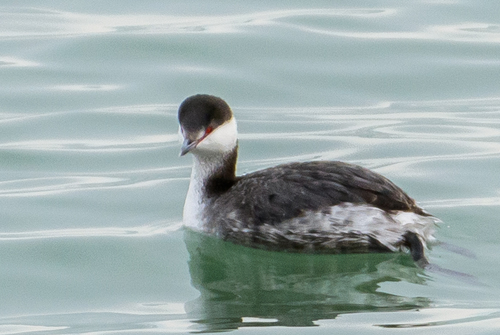
© Andrew Hrycyna · CC BY · iNaturalist 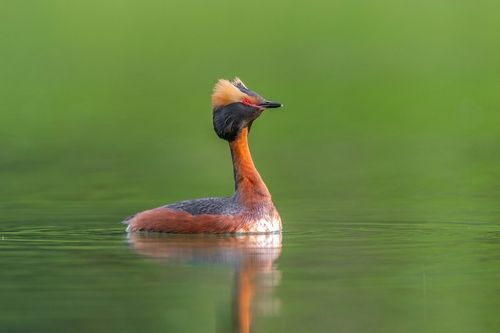
© egorbirder · CC BY · iNaturalist 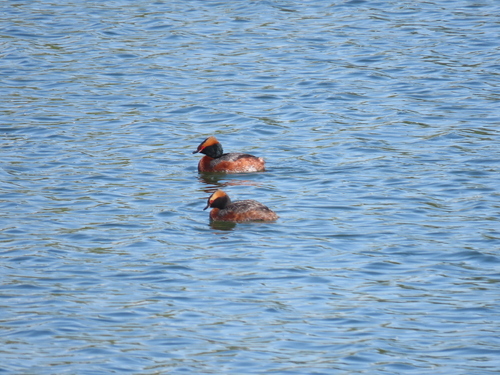
© Дмитрий Кошелев · CC BY · iNaturalist 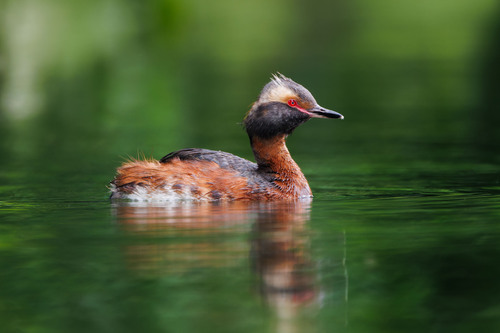
© Михаил Голомысов · CC BY · iNaturalist 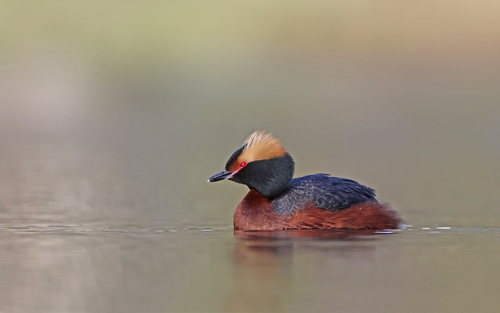
© Christoph Moning · CC BY · iNaturalist 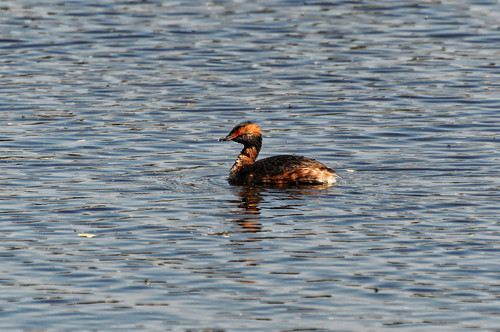
© Donald Davesne · CC BY · iNaturalist 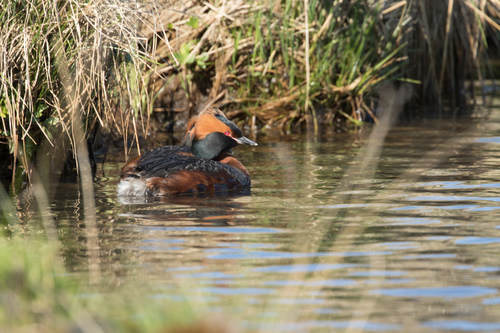
© Claude Kolwelter · CC BY · iNaturalist 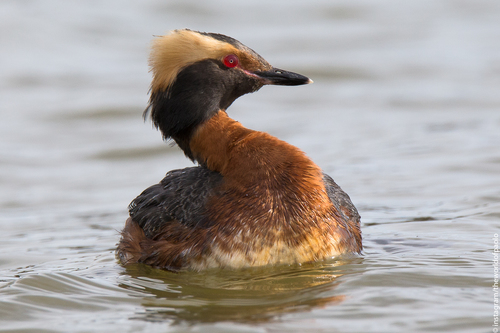
© Paolo Zucca · CC BY · iNaturalist 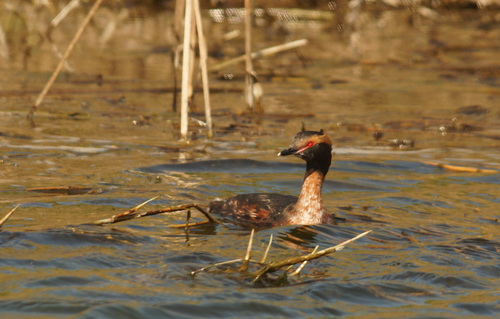
© SIA · CC BY · iNaturalist
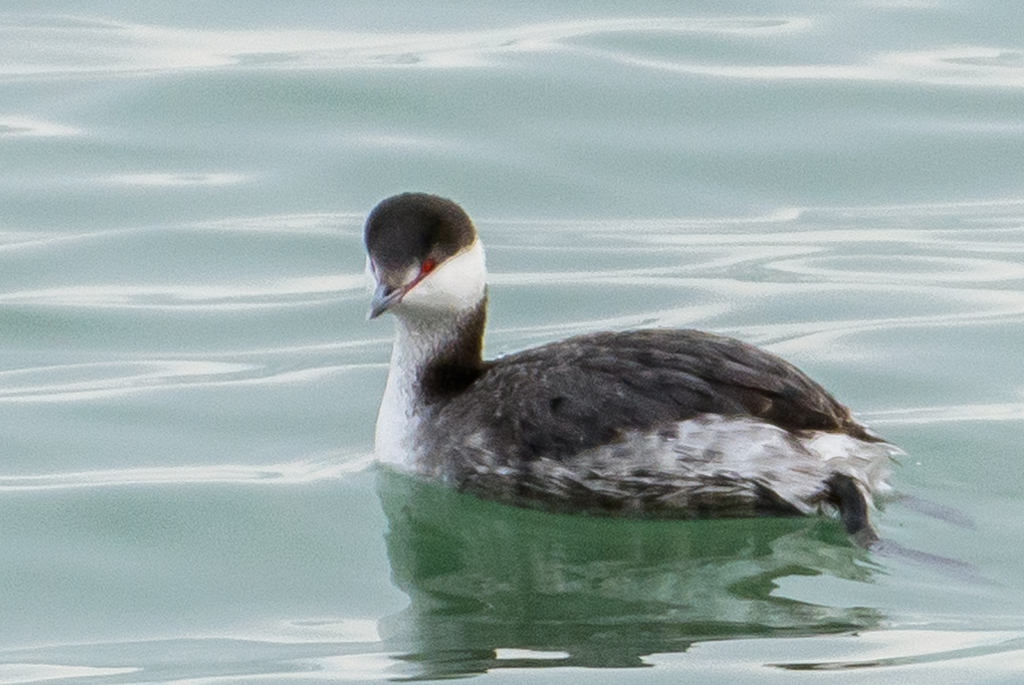
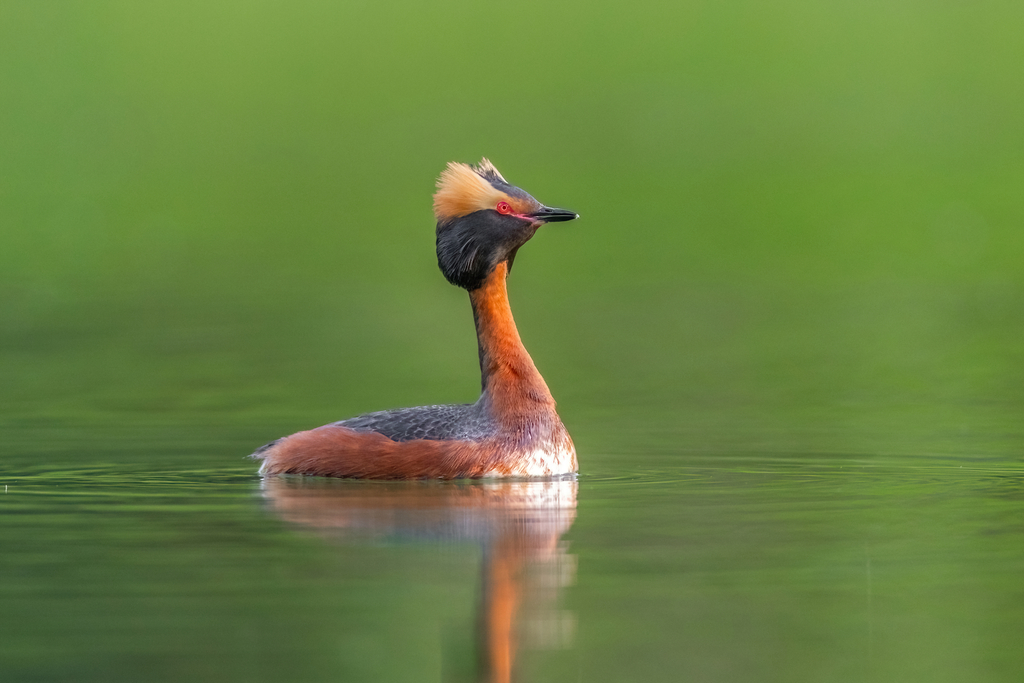
Especies relacionadasRelated species
Otras aves de la familia Podicipedidae y de órdenes cercanos.Other birds from the Podicipedidae family and nearby orders.
- ComúnCommon
 Zampullín comúnLittle GrebeTachybaptus ruficollis
- ComúnCommon
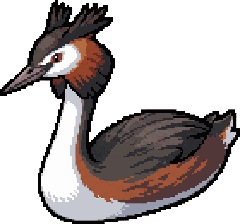 Somormujo lavancoGreat Crested GrebePodiceps cristatus
- Poco comúnUncommon
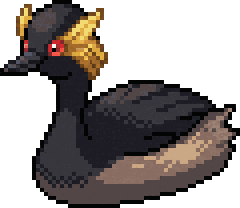 Zampullín cuellinegroBlack-necked GrebePodiceps nigricollis
- LegendarioLegendary
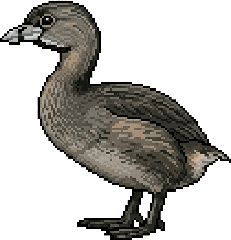 Zampullín picogruesoPied-billed GrebePodilymbus podiceps
- LegendarioLegendary
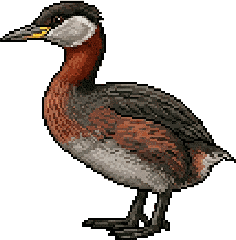 Somormujo cuellirrojoRed-necked GrebePodiceps grisegena
- RaroRare
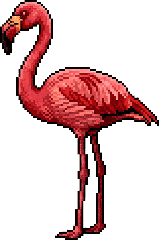 Flamenco enanoLesser FlamingoPhoeniconaias minor
- ÉpicoEpic
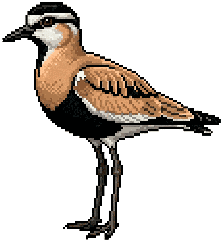 Avefría sociableSociable LapwingVanellus gregarius
- LegendarioLegendary
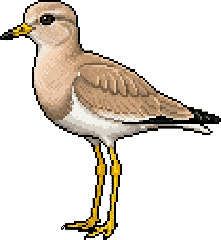 Avefría coliblancaWhite-tailed LapwingVanellus leucurus
 Gratis, sin anuncios ni comprasFree, no ads, no purchases