 BirdPedy
Reyezuelo sencilloGoldcrest
En 44 provincias en enero y en 25 en mayoIn 44 provinces in January and 25 in May
Reporte de rarezaRarity report
Por qué es poco comúnWhy it is uncommonUna de las aves más pequeñas de Europa. Sedentario ligado a bosques de coníferas (abetales, pinares de montaña) del tercio norte y sistemas montañosos, con efectivos invernales crecientes.One of the smallest birds in Europe. Resident in conifer forests (fir woods, mountain pine forests) in the northern third and the mountain ranges, with growing numbers in winter.
Cada carrizo es un mes: su altura, las provincias con registros de 2020 a 2024.Each reed is a month: its height, the provinces with records from 2020 to 2024.- Provincias con registrosProvinces with records
- 47 de 52of 52
- En la appIn the app
- Todo el añoAll year
- EnvergaduraWingspan
- 13-16 cm13-16 cm
- LongitudLength
- 9 cm9 cm
- Lista Roja de EspañaSpanish Red List
- DD Datos insuficientesData Deficient

Información generalGeneral Information
Muy similar en aspecto y tamaño al reyezuelo listado, el sencillo presenta un diseño facial menos llamativo, con tan solo un par de listas negras que enmarcan una banda amarilla o naranja en el píleo. Se trata de una especie muy forestal, que se reproduce tanto en bosques de coníferas como caducifolios de la mitad norte peninsular, en áreas frescas y de montaña. En Canarias existen dos subespecies que habitan tanto bosques de laurisilva como de pino canario.The Goldcrest is a tiny specialist of the high mountains and the north. It is almost exclusively found in forests of pine, fir, and spruce. In the Canary Islands, it is represented by unique endemic subspecies that are increasingly becoming a focus area for taxonomic research. It is a remarkably hardy bird, surviving mountain winters by constantly foraging for tiny insects in the needles of trees.
IdentificaciónIdentification
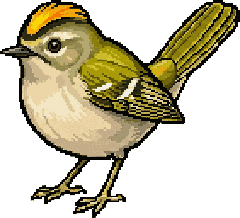
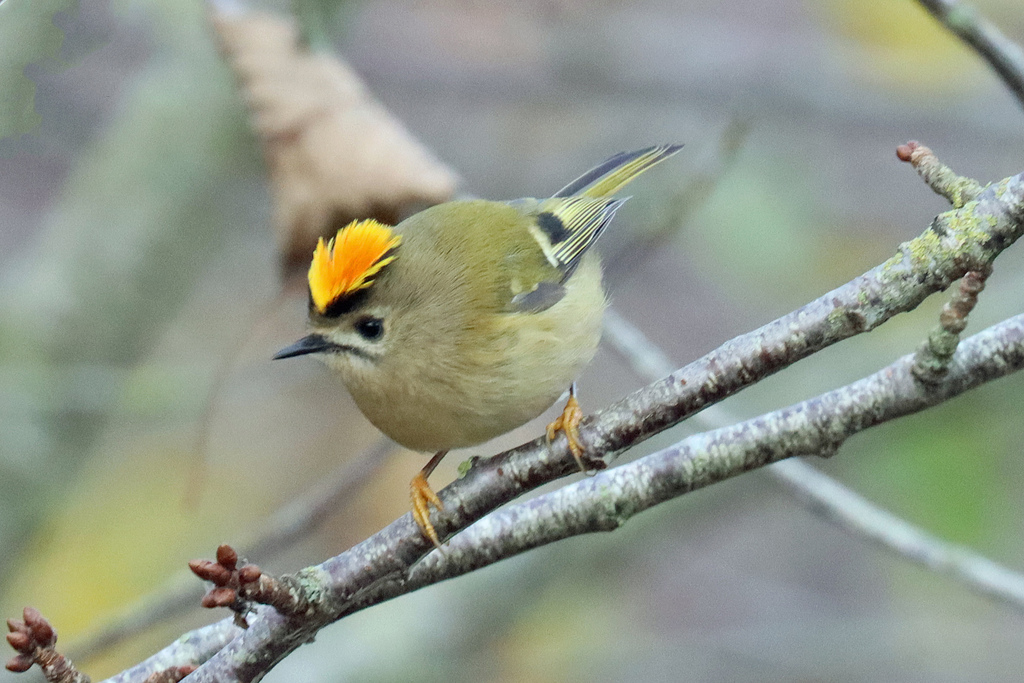
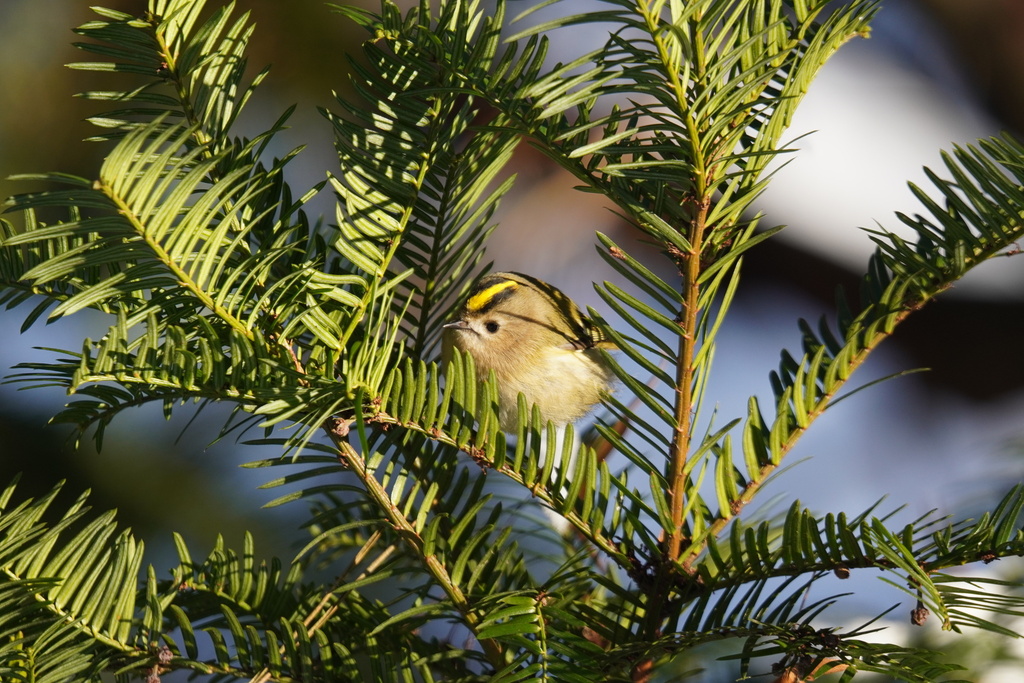
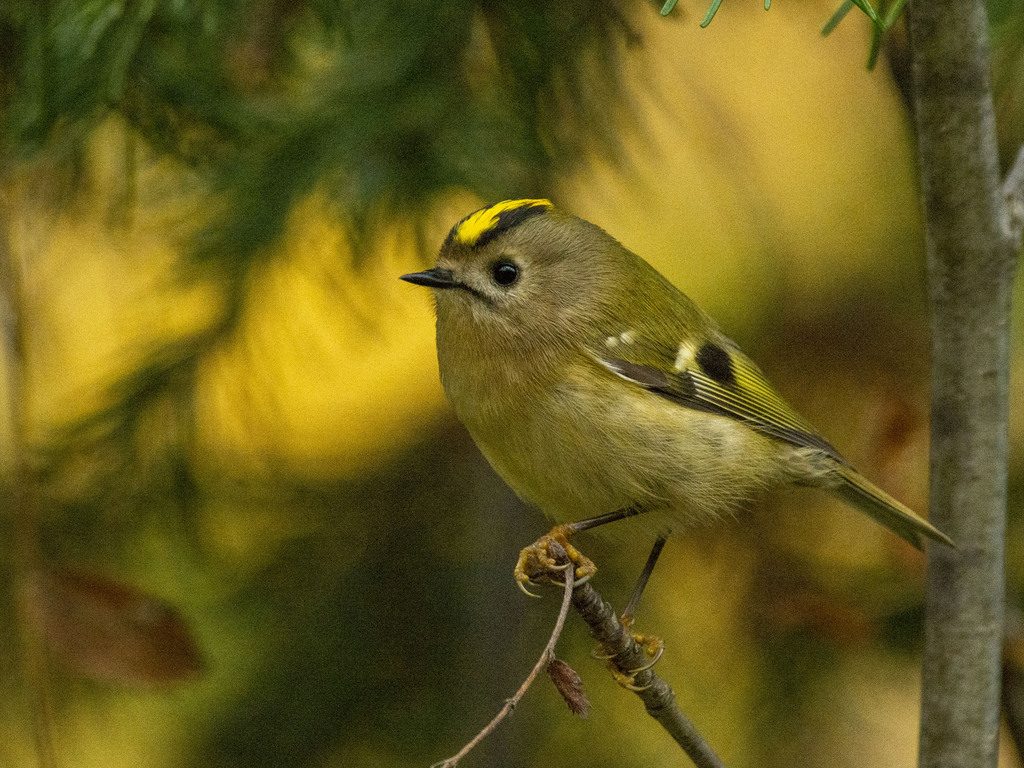
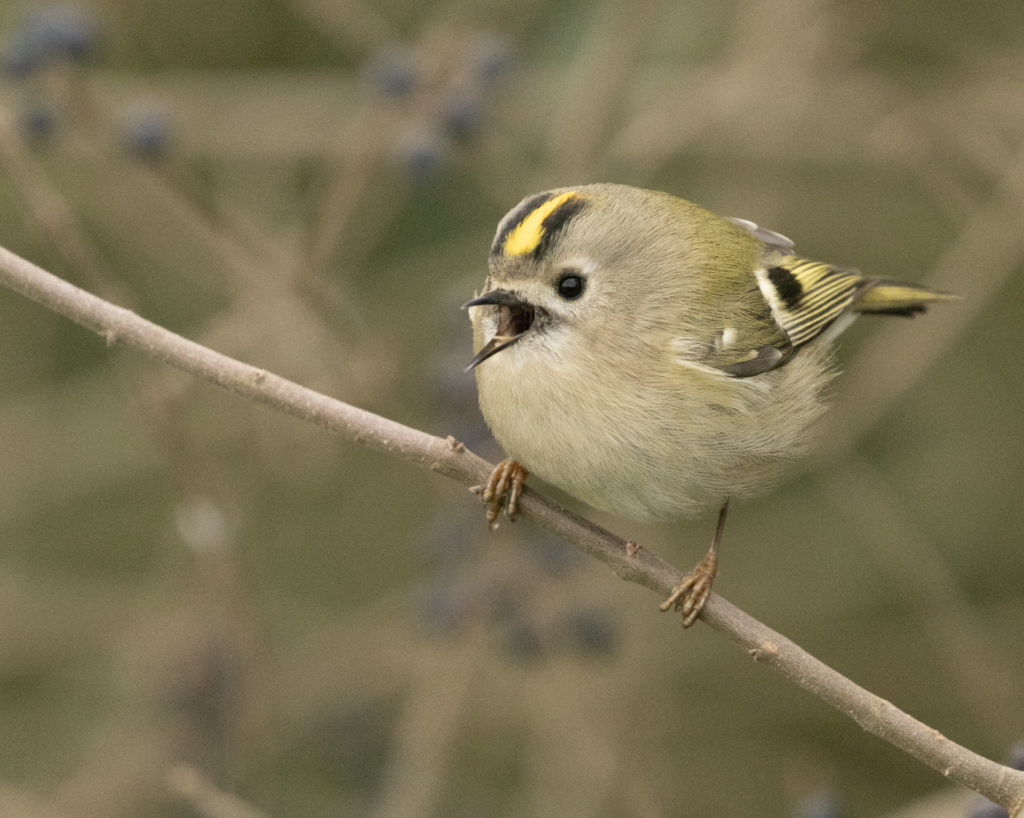
El reyezuelo sencillo es, junto al listado, una de las aves más pequeñas de Europa. Presenta el dorso verdoso, con alas más oscuras sobre las que destaca una franja blanquecina. Se diferencia de su pariente por carecer de la lista superciliar clara, así como de la lista ocular negra. Dos tiras negras que no se unen en la frente surcan su píleo, flanqueando una tercera banda frontal más ancha de color naranja en los machos y amarillo en las hembras. Los jóvenes carecen de todas estas listas.The smallest bird in Europe, tied with the Firecrest. It has a tiny, round body, no neck, and a delicate fine bill. Its plumage is a soft olive-green with two white wing bars. Its most striking feature is its crown: bright yellow (females) or orange-centered (males) bordered by black. It lacks the bold face markings of the Firecrest, having a relatively 'blank' expression with a pale eye-ring. It is a specialist of coniferous forests.
DistribuciónDistribution
Como reproductor, aparece restringido a zonas montañosas y húmedas de la mitad norte de la Península Ibérica: Cordillera Cantábrica, Pirineos, Sistema Ibérico y Sistema Central. También está presente en los bosques de Canarias. Durante el invierno ocupa zonas más atemperadas de la Península y Baleares. En la Península se encuentra la subespecie regulus y en Canarias se han reconocido dos subespecies: teneriffae (La Gomera y Tenerife) y ellenthalerae (La Palma y El Hierro).Restricted as a breeder to the northern mountains (Pyrenees, Cantabrian, Iberian/Central Systems) and Canary Islands. Spreads to lowlands in winter. Subspecies 'regulus' (mainland), and Canary endemics 'teneriffae' (Tenerife/Gomera) and 'ellenthalerae' (Palma/Hierro).
Textos reproducidos con permiso de laTexts translated and reproduced with permission from the Guía de Aves de España © SEO/BirdLife
Estado de conservaciónConservation Status
- EX
- RE
- CR
- EN
- VU
- NT
- LC
DD
Datos insuficientesData Deficient
Qué significa cada categoríaWhat each category means
- LC
- Preocupación menor: Taxón evaluado que no califica para categorías amenazadas. Especies abundantes y ampliamente distribuidasLeast Concern - Evaluated taxon that does not qualify for threatened categories. Widespread and abundant taxa
- NT
- Casi amenazada: No califica actualmente como amenazada, pero está cerca de calificar o es probable que califique en el futuro cercanoNear Threatened - Does not currently qualify as threatened, but is close to qualifying or likely to qualify in the near future
- VU
- Vulnerable: Enfrenta un alto riesgo de extinción en estado silvestre según los criterios A a E de IUCNVulnerable - Facing a high risk of extinction in the wild based on IUCN criteria A to E
- EN
- En peligro: Enfrenta un riesgo muy alto de extinción en estado silvestre según los criterios A a E de IUCNEndangered - Facing a very high risk of extinction in the wild based on IUCN criteria A to E
- CR
- En peligro crítico: Enfrenta un riesgo extremadamente alto de extinción en estado silvestre según los criterios A a E de IUCNCritically Endangered - Facing an extremely high risk of extinction in the wild based on IUCN criteria A to E
- DD
- Datos insuficientes: Información inadecuada para evaluar el riesgo de extinción basándose en distribución o estado poblacionalData Deficient - Inadequate information to assess extinction risk based on distribution and/or population status
- NE
- No evaluada: No ha sido evaluada aún contra los criterios de la Lista Roja de IUCNNot Evaluated - Has not yet been assessed against the IUCN Red List criteria
- RE
- Extinta regionalmente: El taxón ya no existe en la región específica, aunque puede sobrevivir en otros lugaresRegionally Extinct - Taxon no longer exists in the specific region, though it may survive elsewhere
- EX
- Extinta - No existe duda razonable de que ha muerto el último individuo del taxónExtinct - No reasonable doubt that the last individual of the taxon has died
TaxonomíaTaxonomy
- OrdenOrder
- Passeriformes
- FamiliaFamily
- Regulidae
Presencia en EspañaPresence in Spain
- HabitualRegular
- InvernanteWinter visitor
- ResidenteResident
En la app: todo el año.In the app: all year.
Dónde verlaWhere to see it
1.188 cuadrículas de 10 km con registros de 2020 a 2024. Toca un mes para ver dónde se ha visto.1,188 10 km squares with records from 2020 to 2024. Pick a month to see where it has been seen.
Cargando el mapa…Loading the map…
Dónde es regularWhere it is regular
Provincias con registros en al menos 3 de los 5 años algún mes, de más a menos frecuente, y sus mejores meses.Provinces with records in at least 3 of the 5 years in some month, from most to least frequent, and their best months.
- Santa Cruz de TenerifeSanta Cruz de Tenerifenoviembre, diciembre, julioNovember, December, July
- LleidaLleidaagosto, julio, junioAugust, July, June
- HuescaHuescajulio, agosto, mayoJuly, August, May
- GironaGironaoctubre, noviembre, diciembreOctober, November, December
- BarcelonaBarcelonadiciembre, enero, noviembreDecember, January, November
- ÁvilaÁvilamayo, abril, junioMay, April, June
- LeónLeónenero, junio, noviembreJanuary, June, November
- SegoviaSegoviafebrero, junio, diciembreFebruary, June, December
- CantabriaCantabriajunio, mayo, julioJune, May, July
- CastellónCastellónnoviembre, diciembre, eneroNovember, December, January
Ver las 34 provinciasSee all 34 provinces
- OurenseOurensediciembre, enero, noviembreDecember, January, November
- NavarraNavarraenero, noviembre, diciembreJanuary, November, December
- PalenciaPalenciajulio, agosto, noviembreJuly, August, November
- ÁlavaÁlavaenero, agosto, diciembreJanuary, August, December
- SoriaSoriafebrero, octubre, diciembreFebruary, October, December
- TarragonaTarragonanoviembre, diciembre, eneroNovember, December, January
- LugoLugonoviembre, junio, eneroNovember, June, January
- La RiojaLa Riojadiciembre, octubre, julioDecember, October, July
- ValladolidValladoliddiciembre, enero, noviembreDecember, January, November
- ZaragozaZaragozaenero, noviembre, diciembreJanuary, November, December
- AsturiasAsturiasnoviembre, agosto, mayoNovember, August, May
- TeruelTerueljulio, junio, eneroJuly, June, January
- GuadalajaraGuadalajaraoctubre, enero, junioOctober, January, June
- BalearesBalearic Islandsdiciembre, noviembre, eneroDecember, November, January
- GuipúzcoaGuipúzcoaenero, febrero, noviembreJanuary, February, November
- SalamancaSalamancafebrero, diciembre, eneroFebruary, December, January
- MadridMadridoctubre, enero, noviembreOctober, January, November
- VizcayaVizcayaenero, febrero, mayoJanuary, February, May
- BurgosBurgosdiciembre, enero, julioDecember, January, July
- ZamoraZamoranoviembre, febrero, octubreNovember, February, October
- AlicanteAlicantediciembre, eneroDecember, January
- CáceresCáceresfebrero, diciembre, eneroFebruary, December, January
- ValenciaValenciaenero, noviembre, febreroJanuary, November, February
- ToledoToledoeneroJanuary
Datos: registros en GBIF de 2020 a 2024 de Observation.org, eBird, iNaturalist y el ICO, descargados el 23/10/2026.Data: GBIF records from 2020 to 2024 from Observation.org, eBird, iNaturalist and the ICO, downloaded on 23/10/2026. GBIF.org (23 October 2026) GBIF Occurrence Download · doi:10.15468/dl.r5sf2a · CC BY-NC 4.0
GaleríaGallery

© gailhampshire · CC BY · iNaturalist 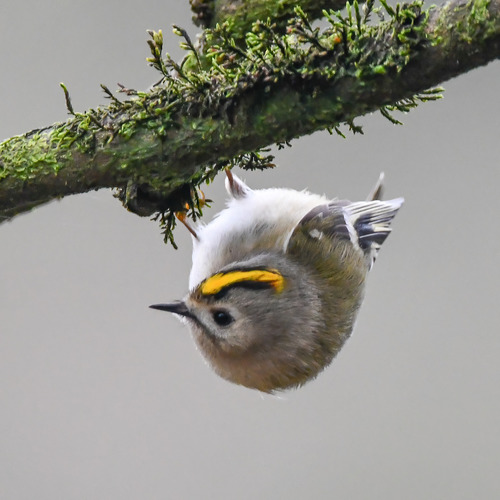
© Frank Sengpiel · CC BY · iNaturalist 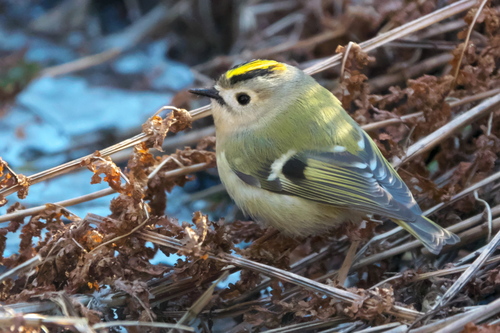
© Andrey Gulivanov · CC BY · iNaturalist 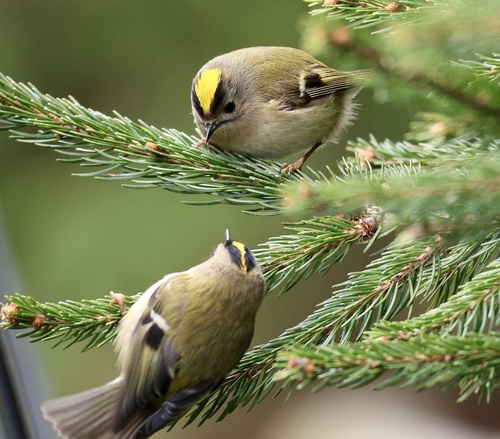
© harry beaman · CC BY · iNaturalist 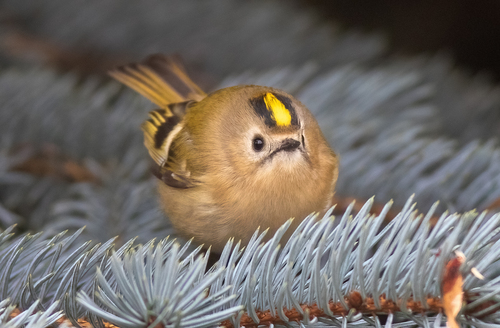
© egorbirder · CC BY · iNaturalist 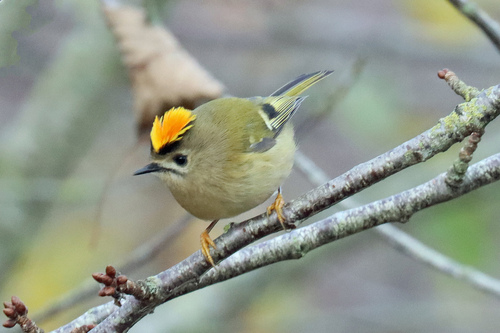
© Roy Lowry · CC BY · iNaturalist 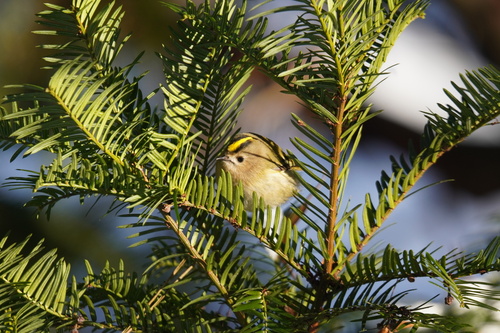
© baarttek · CC BY · iNaturalist 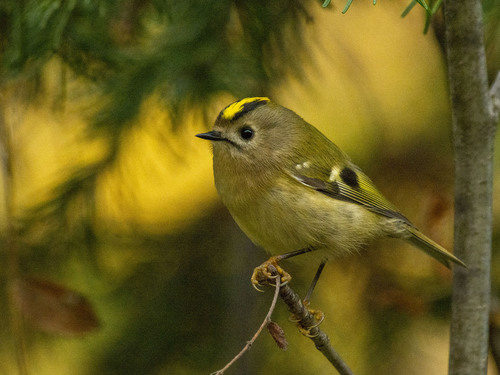
© Борис Георги · CC BY · iNaturalist 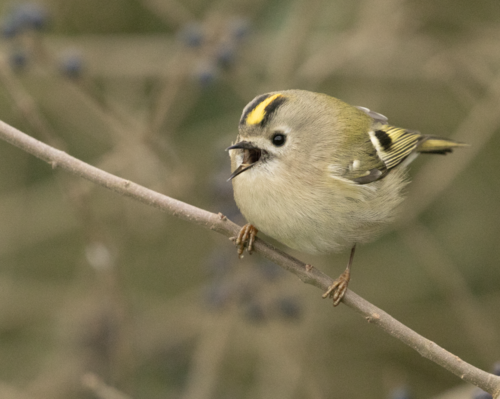
© Paolo Zucca · CC BY · iNaturalist
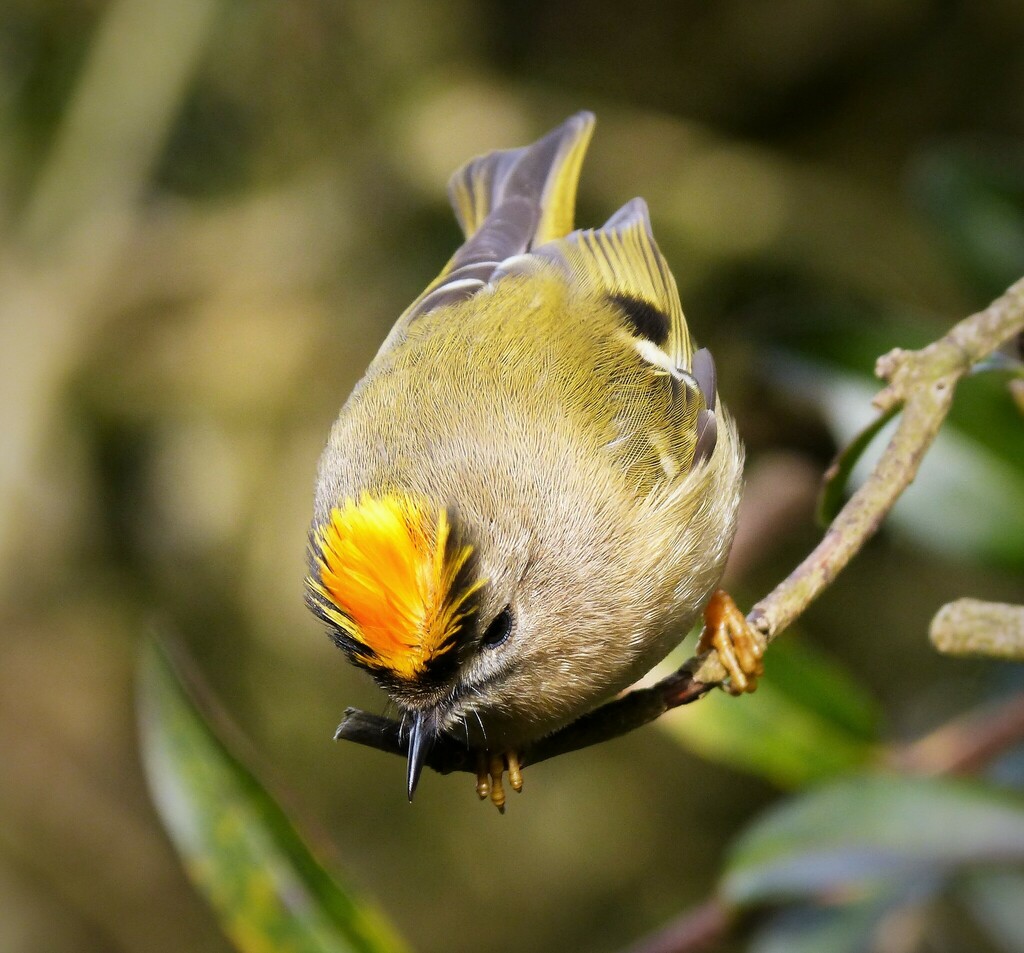


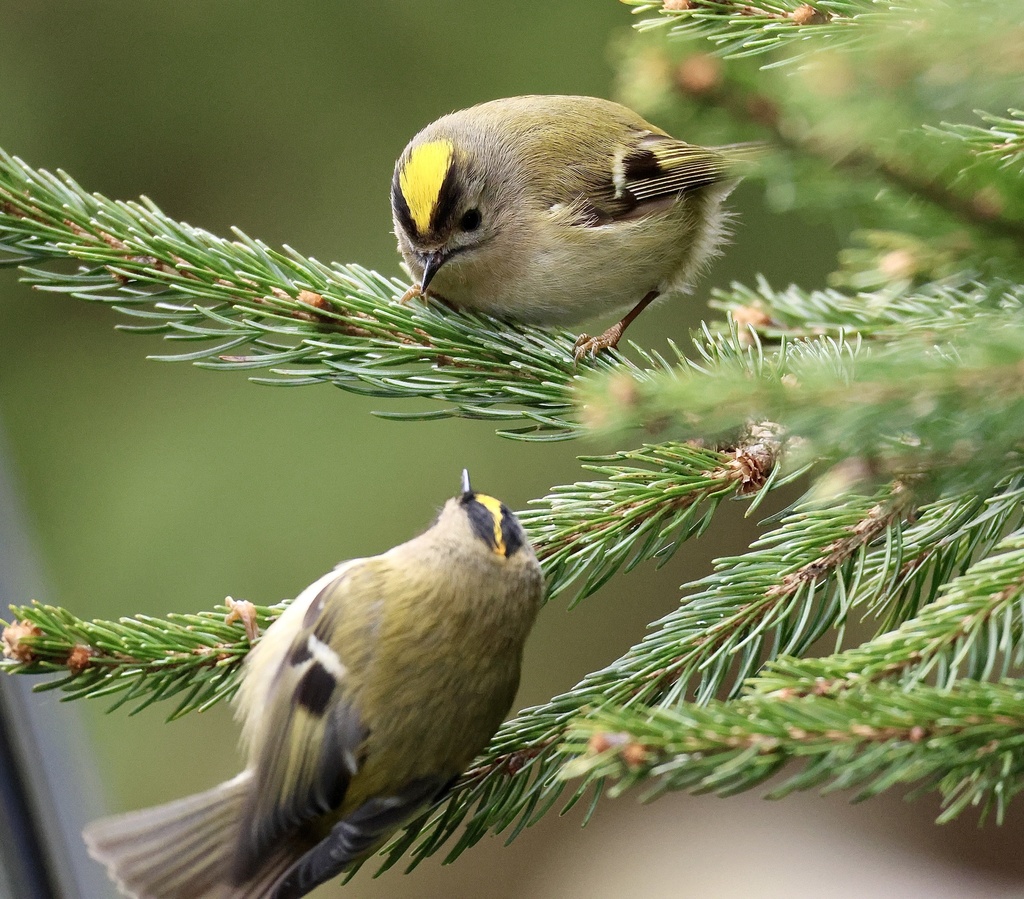
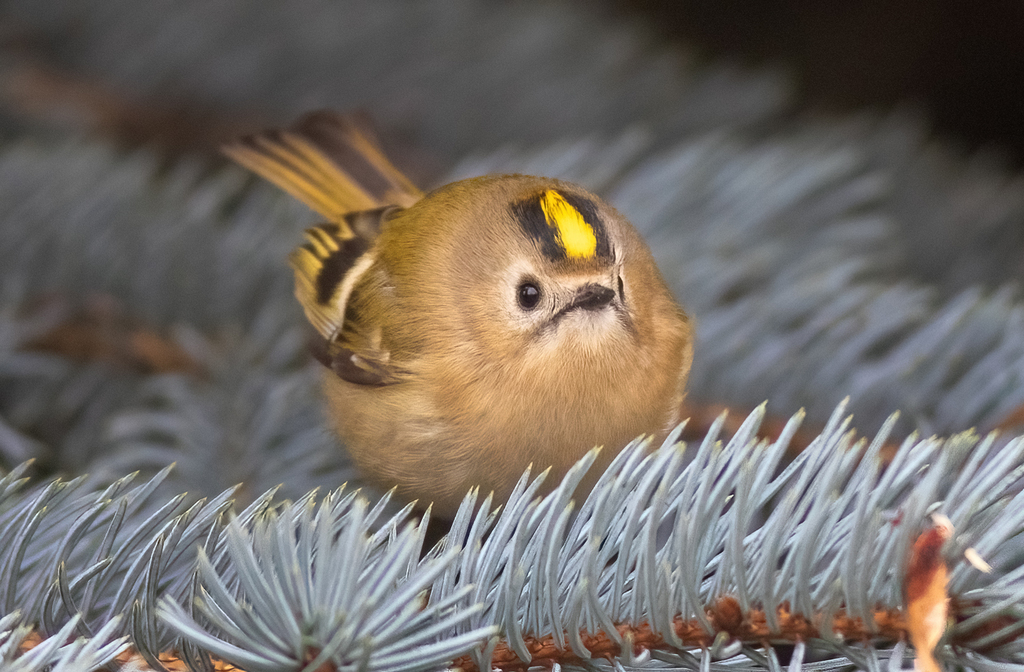
Especies relacionadasRelated species
Otras aves de la familia Regulidae y de órdenes cercanos.Other birds from the Regulidae family and nearby orders.
- ComúnCommon
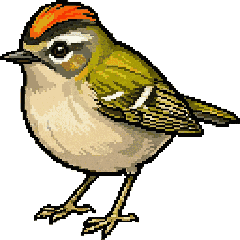 Reyezuelo listadoCommon FirecrestRegulus ignicapilla
- ComúnCommon
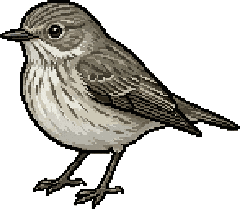 Papamoscas grisSpotted FlycatcherMuscicapa striata
- Poco comúnUncommon
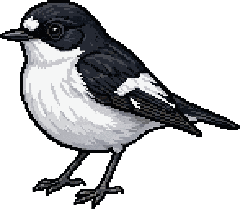 Papamoscas cerrojilloEuropean Pied FlycatcherFicedula hypoleuca
- Poco comúnUncommon
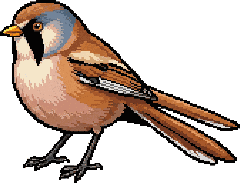 BigotudoBearded ReedlingPanurus biarmicus
- ComúnCommon
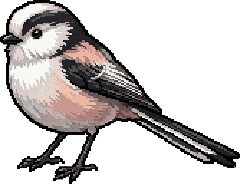 Mito comúnLong-tailed TitAegithalos caudatus
- Poco comúnUncommon
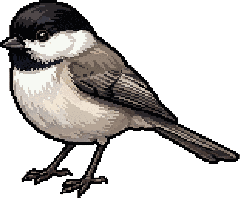 Carbonero palustreMarsh TitPoecile palustris
- ComúnCommon
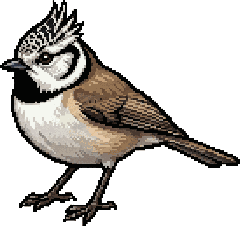 Herrerillo capuchinoEuropean Crested TitLophophanes cristatus
- ComúnCommon
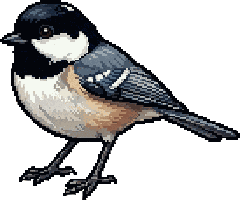 Carbonero garrapinosCoal TitPeriparus ater
 Gratis, sin anuncios ni comprasFree, no ads, no purchases