 BirdPedy
Reyezuelo listadoCommon Firecrest
En 49 provincias en febrero y en 48 en eneroIn 49 provinces in February and 48 in January
Reporte de rarezaRarity report
Por qué es comúnWhy it is commonBien distribuido por gran parte de las masas forestales españolas, desde sotos fluviales hasta bosques mixtos y pinares. Su carácter generalista lo sitúa como una especie común.Well distributed across much of Spain's woodland, from riverside woods to mixed forests and pine woods. Being a generalist makes it a common species.
Cada carrizo es un mes: su altura, las provincias con registros de 2020 a 2024.Each reed is a month: its height, the provinces with records from 2020 to 2024.- Provincias con registrosProvinces with records
- 49 de 52of 52
- En la appIn the app
- Todo el añoAll year
- EnvergaduraWingspan
- 13-16 cm13-16 cm
- LongitudLength
- 9 cm9 cm
- Lista Roja de EspañaSpanish Red List
- LC Preocupación menorLeast Concern

Información generalGeneral Information
Con una longitud de apenas nueve centímetros, los reyezuelos se cuentan entre las aves más diminutas de nuestra avifauna. De las dos especies presentes en nuestro país, el reyezuelo listado es el más extendido, ya que ocupa una amplia variedad de bosques frescos y húmedos de la mitad norte peninsular, mientras que aparece de forma más localizada en la mitad sur, donde se recluye en los bosques de los principales macizos montañosos. Está también presente en Baleares.The Common Firecrest is a more widespread and adaptable version of its cousin the Goldcrest. While it also loves conifers, it is equally at home in humid deciduous forests and even urban parks. It is a truly tiny marvel of biodiversity, weighing barely 5 grams. Its jerky, nervous movements and high-pitched calls make it a constant presence in any healthy Mediterranean or Atlantic forest.
IdentificaciónIdentification
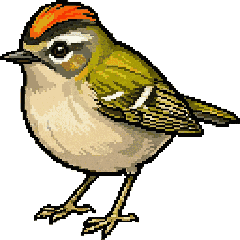
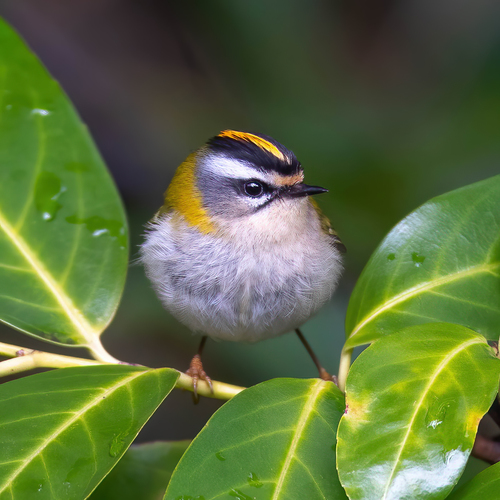
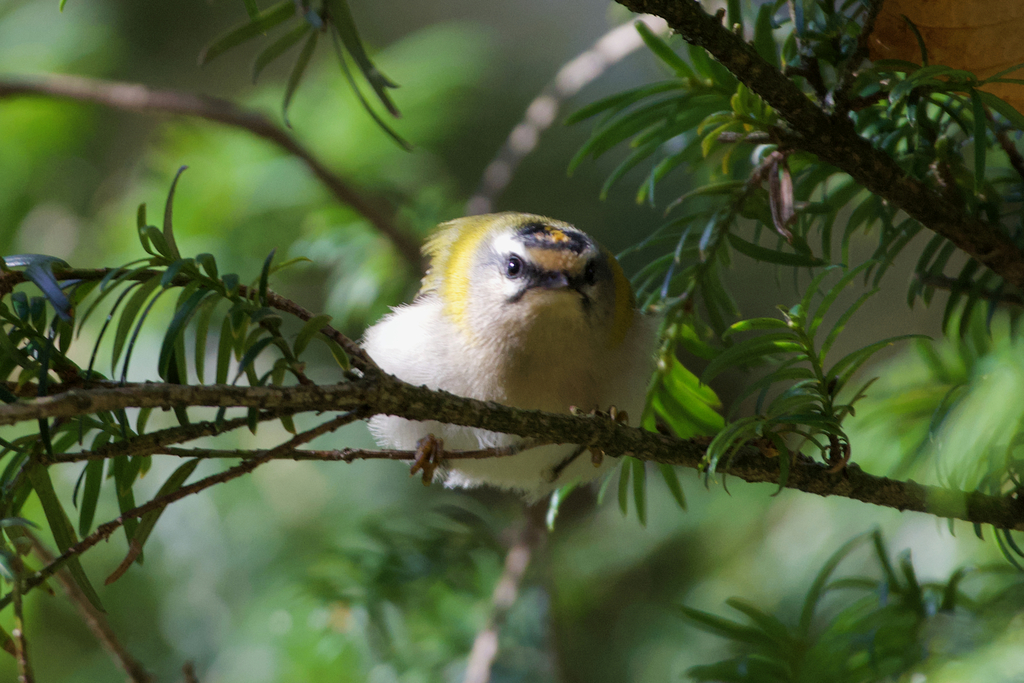
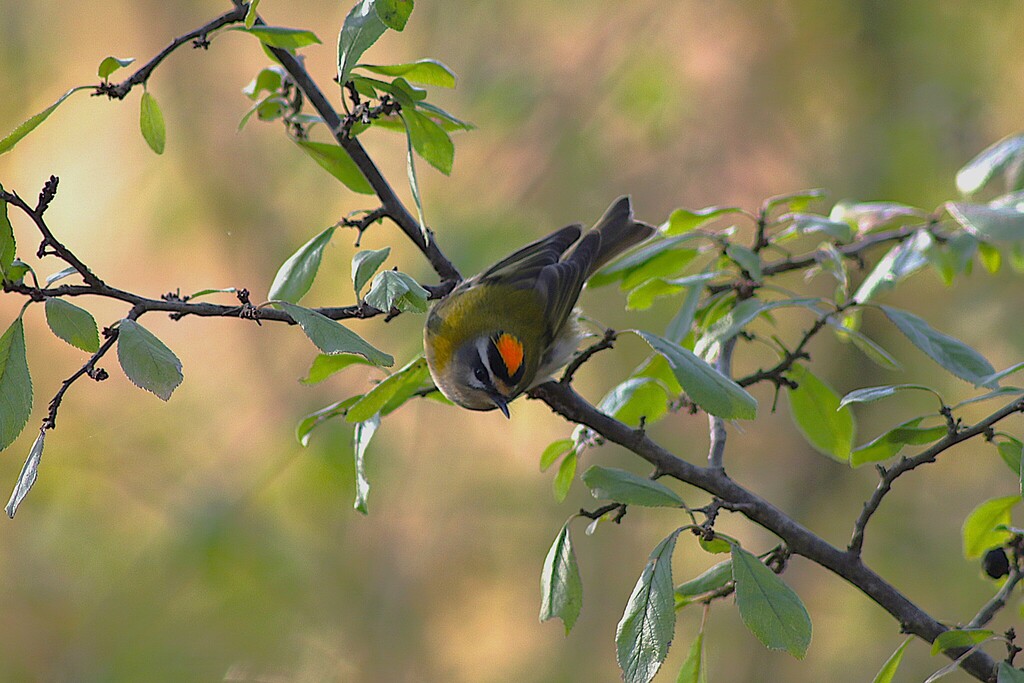
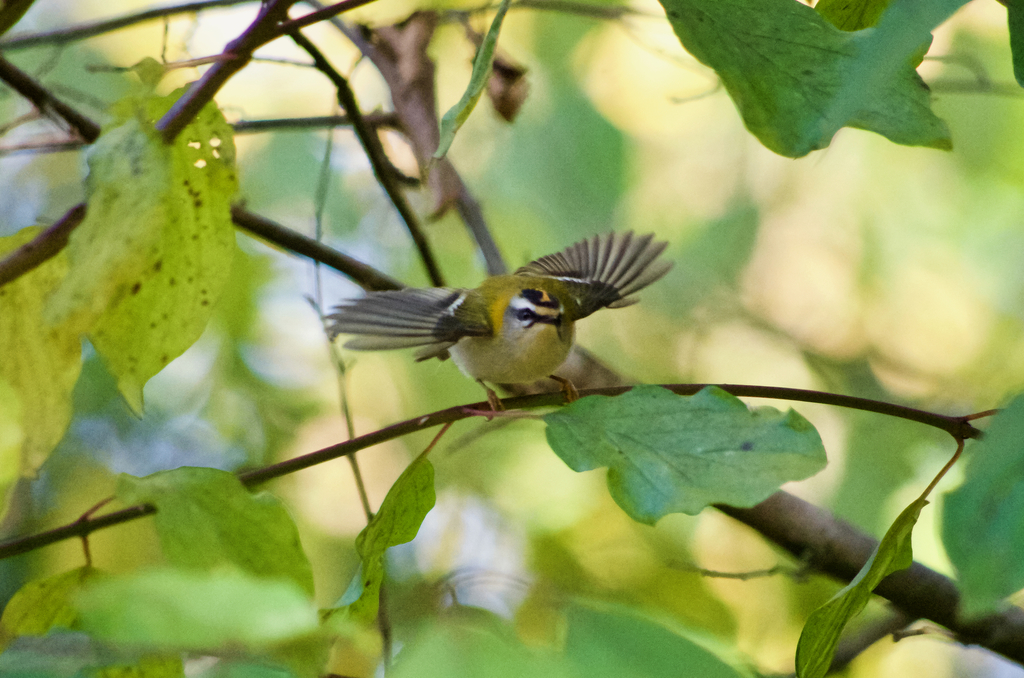
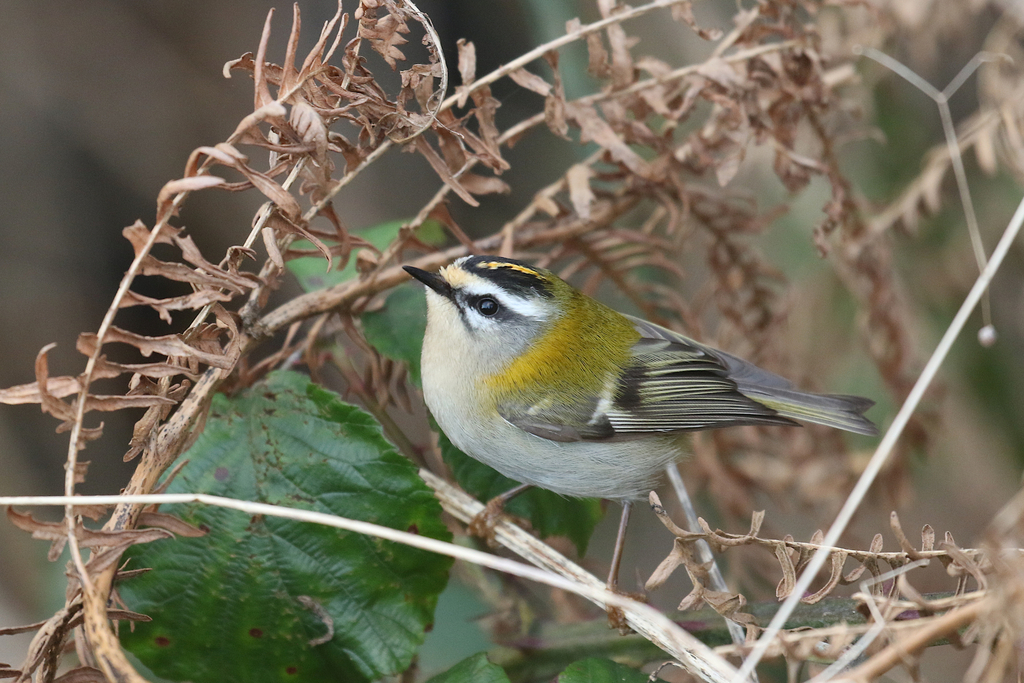
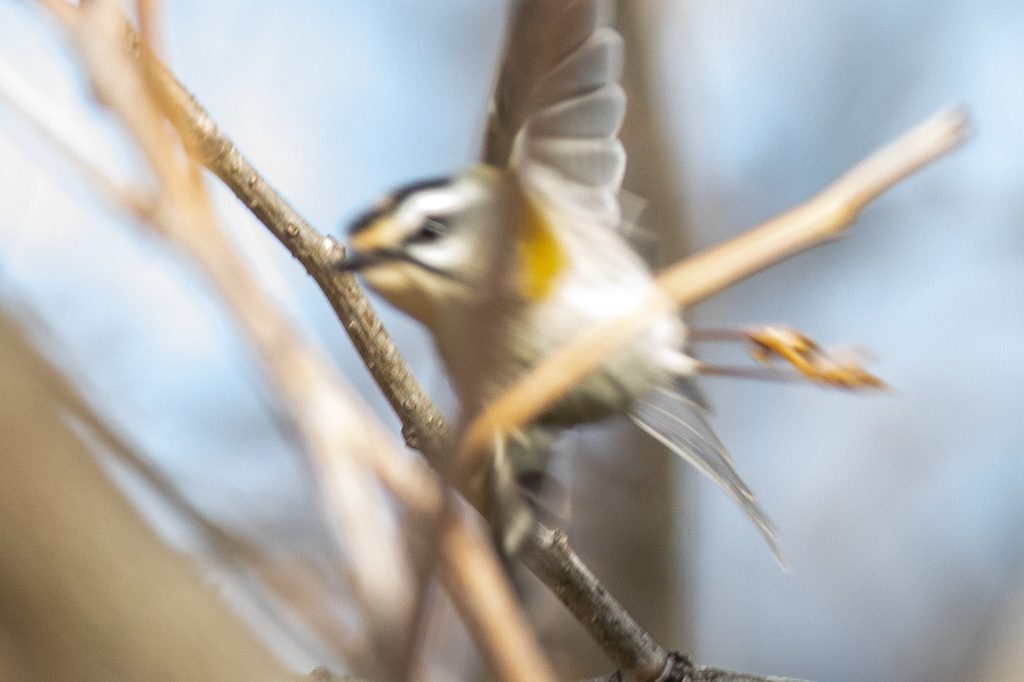
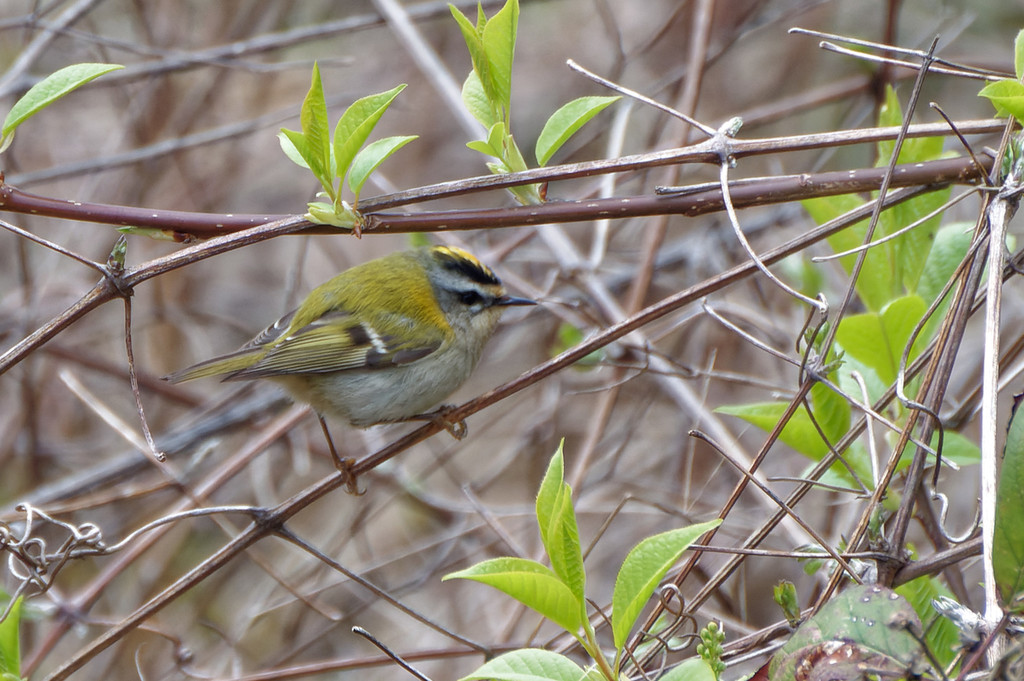
El reyezuelo listado es una de las aves más diminutas de la avifauna europea. En un primer vistazo, aparece como un pájaro de aspecto general rechoncho, con tonalidades verdosas y cabeza adornada por un característico diseño de listas. Presenta el dorso verde brillante, en contraste con las alas oscuras, surcadas por dos bandas blanquecinas. Las partes inferiores son pálidas, aunque muestran ligeros tonos anaranjados en el pecho del macho. La especie posee un diseño cefálico característico en el que destaca el píleo naranja en los machos, o amarillo en las hembras, flanqueado por una banda negra y una marcada ceja blanca. Asimismo, luce una lista ocular negra y un semianillo blanco que circunda la parte inferior del ojo.One of Europe's smallest birds, similar in size to the Goldcrest but much more 'striking.' It features a bold black-and-white facial pattern with a brilliant white eyebrow (supercilium) and black eye-line. Its crown is a fiery orange in males and yellow in females. Its back is a vibrant moss-green with a bronzy shoulder patch. It is highly active, constantly hovering at the tips of branches to catch tiny insects.
DistribuciónDistribution
El reyezuelo listado aparece de manera continua por zonas frescas y húmedas de la mitad norte peninsular: Galicia, Cordillera Cantábrica, Sistema Ibérico, Montes Vascos, Pirineos, Sistema Central y otras sierras interiores. En la mitad sur, su presencia se restringe a zonas de montaña de bosques húmedos o de gran altitud en el interior y sur peninsular, especialmente en Cádiz. Está también ampliamente extendido por las islas Baleares, pero falta en Canarias, Ceuta y Melilla. En Baleares habita la subespecie balearicus, mientras que en la Península se encuentra la subespecie ignicapilla.Widespread in the northern half and the major mountain systems of the south. Common in the Balearics. Absent from Canary Islands. Subspecies 'balearicus' in the Balearics; 'ignicapilla' on the mainland.
Textos reproducidos con permiso de laTexts translated and reproduced with permission from the Guía de Aves de España © SEO/BirdLife
Estado de conservaciónConservation Status
- EX
- RE
- CR
- EN
- VU
- NT
- LC
Preocupación menorLeast Concern
Qué significa cada categoríaWhat each category means
- LC
- Preocupación menor: Taxón evaluado que no califica para categorías amenazadas. Especies abundantes y ampliamente distribuidasLeast Concern - Evaluated taxon that does not qualify for threatened categories. Widespread and abundant taxa
- NT
- Casi amenazada: No califica actualmente como amenazada, pero está cerca de calificar o es probable que califique en el futuro cercanoNear Threatened - Does not currently qualify as threatened, but is close to qualifying or likely to qualify in the near future
- VU
- Vulnerable: Enfrenta un alto riesgo de extinción en estado silvestre según los criterios A a E de IUCNVulnerable - Facing a high risk of extinction in the wild based on IUCN criteria A to E
- EN
- En peligro: Enfrenta un riesgo muy alto de extinción en estado silvestre según los criterios A a E de IUCNEndangered - Facing a very high risk of extinction in the wild based on IUCN criteria A to E
- CR
- En peligro crítico: Enfrenta un riesgo extremadamente alto de extinción en estado silvestre según los criterios A a E de IUCNCritically Endangered - Facing an extremely high risk of extinction in the wild based on IUCN criteria A to E
- DD
- Datos insuficientes: Información inadecuada para evaluar el riesgo de extinción basándose en distribución o estado poblacionalData Deficient - Inadequate information to assess extinction risk based on distribution and/or population status
- NE
- No evaluada: No ha sido evaluada aún contra los criterios de la Lista Roja de IUCNNot Evaluated - Has not yet been assessed against the IUCN Red List criteria
- RE
- Extinta regionalmente: El taxón ya no existe en la región específica, aunque puede sobrevivir en otros lugaresRegionally Extinct - Taxon no longer exists in the specific region, though it may survive elsewhere
- EX
- Extinta - No existe duda razonable de que ha muerto el último individuo del taxónExtinct - No reasonable doubt that the last individual of the taxon has died
TaxonomíaTaxonomy
- OrdenOrder
- Passeriformes
- FamiliaFamily
- Regulidae
Presencia en EspañaPresence in Spain
- HabitualRegular
- InvernanteWinter visitor
- ResidenteResident
En la app: todo el año.In the app: all year.
Dónde verlaWhere to see it
3.280 cuadrículas de 10 km con registros de 2020 a 2024. Toca un mes para ver dónde se ha visto.3,280 10 km squares with records from 2020 to 2024. Pick a month to see where it has been seen.
Cargando el mapa…Loading the map…
Dónde es regularWhere it is regular
Provincias con registros en al menos 3 de los 5 años algún mes, de más a menos frecuente, y sus mejores meses.Provinces with records in at least 3 of the 5 years in some month, from most to least frequent, and their best months.
- VizcayaVizcayaseptiembre, marzo, febreroSeptember, March, February
- LugoLugomarzo, mayo, junioMarch, May, June
- A CoruñaA Coruñamarzo, febrero, junioMarch, February, June
- GuipúzcoaGuipúzcoamarzo, febrero, junioMarch, February, June
- OurenseOurensenoviembre, febrero, diciembreNovember, February, December
- AsturiasAsturiasmarzo, febrero, abrilMarch, February, April
- ÁlavaÁlavamarzo, diciembre, febreroMarch, December, February
- PontevedraPontevedramarzo, abril, noviembreMarch, April, November
- SoriaSoriafebrero, octubre, diciembreFebruary, October, December
- BarcelonaBarcelonaagosto, junio, mayoAugust, June, May
Ver las 49 provinciasSee all 49 provinces
- GuadalajaraGuadalajarajunio, febrero, diciembreJune, February, December
- CantabriaCantabriamarzo, mayo, abrilMarch, May, April
- La RiojaLa Riojaenero, diciembre, febreroJanuary, December, February
- BurgosBurgosoctubre, marzo, noviembreOctober, March, November
- CuencaCuencaoctubre, abril, diciembreOctober, April, December
- HuescaHuescaoctubre, mayo, septiembreOctober, May, September
- NavarraNavarramarzo, febrero, noviembreMarch, February, November
- GironaGironanoviembre, octubre, febreroNovember, October, February
- SegoviaSegoviafebrero, octubre, diciembreFebruary, October, December
- LeónLeóndiciembre, enero, octubreDecember, January, October
- BalearesBalearic Islandsoctubre, septiembre, noviembreOctober, September, November
- CastellónCastellónjunio, octubre, mayoJune, October, May
- SalamancaSalamancanoviembre, diciembre, eneroNovember, December, January
- CeutaCeutaseptiembre, octubre, agostoSeptember, October, August
- JaénJaénoctubre, diciembre, eneroOctober, December, January
- PalenciaPalenciaenero, octubre, septiembreJanuary, October, September
- MadridMadridnoviembre, octubre, diciembreNovember, October, December
- GranadaGranadamayo, marzo, octubreMay, March, October
- LleidaLleidajunio, agosto, diciembreJune, August, December
- TeruelTeruelnoviembre, octubre, diciembreNovember, October, December
- ÁvilaÁvilafebrero, mayo, junioFebruary, May, June
- AlbaceteAlbacetediciembre, octubre, febreroDecember, October, February
- AlicanteAlicantejunio, julio, mayoJune, July, May
- MálagaMálagadiciembre, octubre, junioDecember, October, June
- ZaragozaZaragozaoctubre, enero, noviembreOctober, January, November
- CáceresCáceresnoviembre, diciembre, octubreNovember, December, October
- ValladolidValladolidnoviembre, octubre, eneroNovember, October, January
- ZamoraZamoraoctubre, noviembre, diciembreOctober, November, December
- TarragonaTarragonaoctubre, noviembre, diciembreOctober, November, December
- Ciudad RealCiudad Realnoviembre, octubre, eneroNovember, October, January
- HuelvaHuelvanoviembre, enero, octubreNovember, January, October
- ToledoToledoenero, diciembre, noviembreJanuary, December, November
- CórdobaCórdobaoctubre, noviembre, diciembreOctober, November, December
- CádizCádizseptiembre, octubre, mayoSeptember, October, May
- ValenciaValenciamayo, junio, noviembreMay, June, November
- BadajozBadajoznoviembre, diciembre, eneroNovember, December, January
- AlmeríaAlmeríajunio, mayo, febreroJune, May, February
- MurciaMurciajunio, febrero, octubreJune, February, October
- SevillaSevillaenero, noviembre, diciembreJanuary, November, December
Datos: registros en GBIF de 2020 a 2024 de Observation.org, eBird, iNaturalist y el ICO, descargados el 23/10/2026.Data: GBIF records from 2020 to 2024 from Observation.org, eBird, iNaturalist and the ICO, downloaded on 23/10/2026. GBIF.org (23 October 2026) GBIF Occurrence Download · doi:10.15468/dl.r5sf2a · CC BY-NC 4.0
GaleríaGallery
© egorbirder · CC BY · iNaturalist 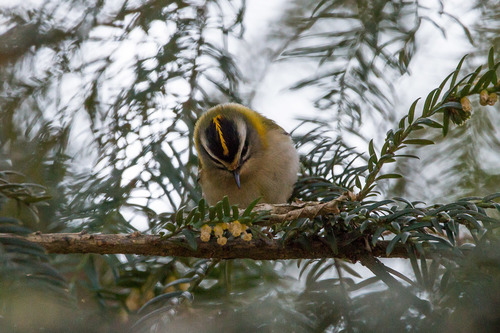
© Nathan Mesnildrey · CC BY · iNaturalist 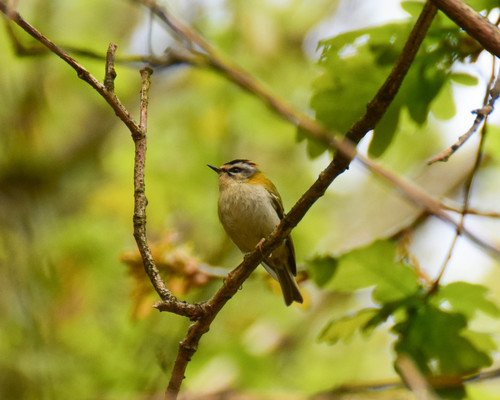
© Nuno Fialho · CC BY · iNaturalist 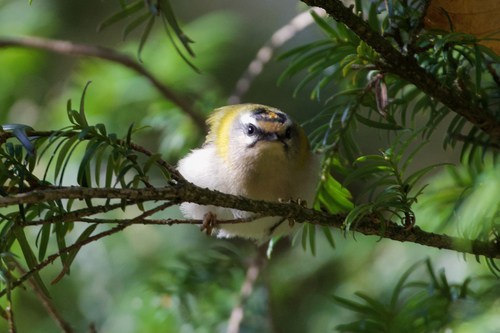
© Codrin Bucur · CC BY · iNaturalist 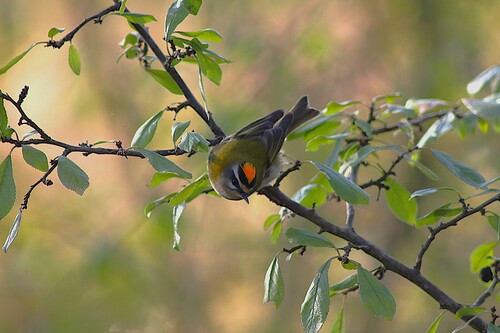
© Fabien52851 · CC BY · iNaturalist 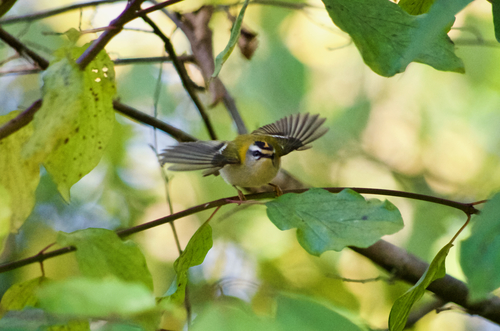
© Codrin Bucur · CC BY · iNaturalist 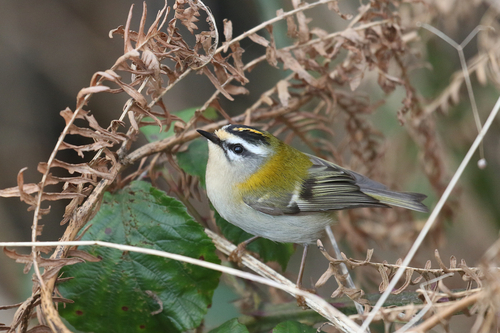
© Shane Austin · CC BY · iNaturalist 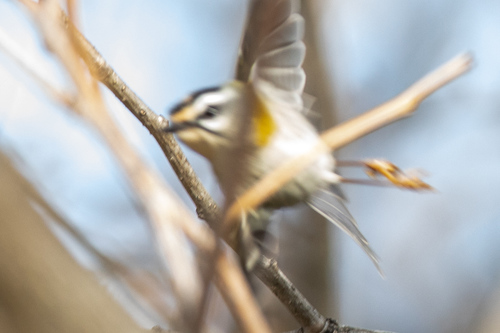
© egorbirder · CC BY · iNaturalist 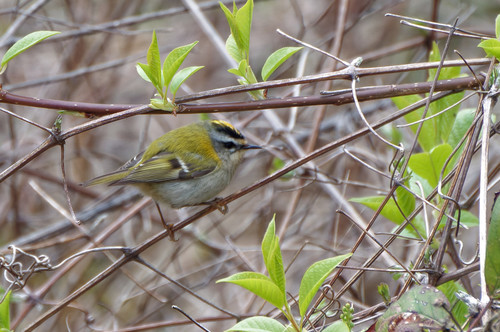
© Donald Davesne · CC BY · iNaturalist


Especies relacionadasRelated species
Otras aves de la familia Regulidae y de órdenes cercanos.Other birds from the Regulidae family and nearby orders.
- Poco comúnUncommon
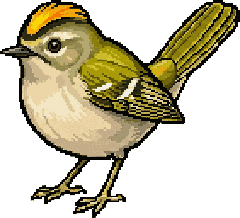 Reyezuelo sencilloGoldcrestRegulus regulus
- ComúnCommon
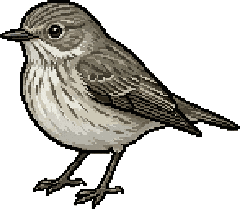 Papamoscas grisSpotted FlycatcherMuscicapa striata
- Poco comúnUncommon
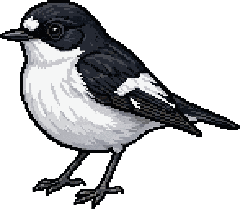 Papamoscas cerrojilloEuropean Pied FlycatcherFicedula hypoleuca
- Poco comúnUncommon
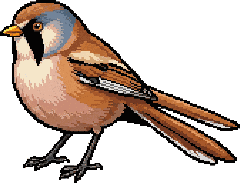 BigotudoBearded ReedlingPanurus biarmicus
- ComúnCommon
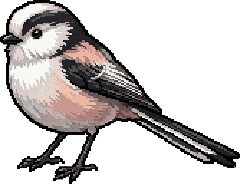 Mito comúnLong-tailed TitAegithalos caudatus
- Poco comúnUncommon
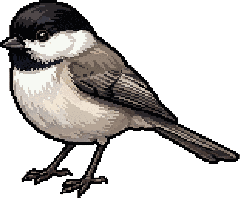 Carbonero palustreMarsh TitPoecile palustris
- ComúnCommon
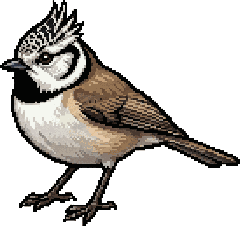 Herrerillo capuchinoEuropean Crested TitLophophanes cristatus
- ComúnCommon
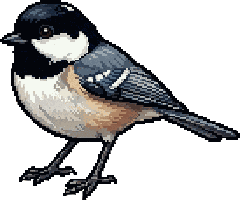 Carbonero garrapinosCoal TitPeriparus ater
 Gratis, sin anuncios ni comprasFree, no ads, no purchases