 BirdPedy
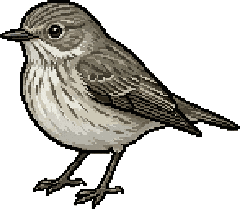
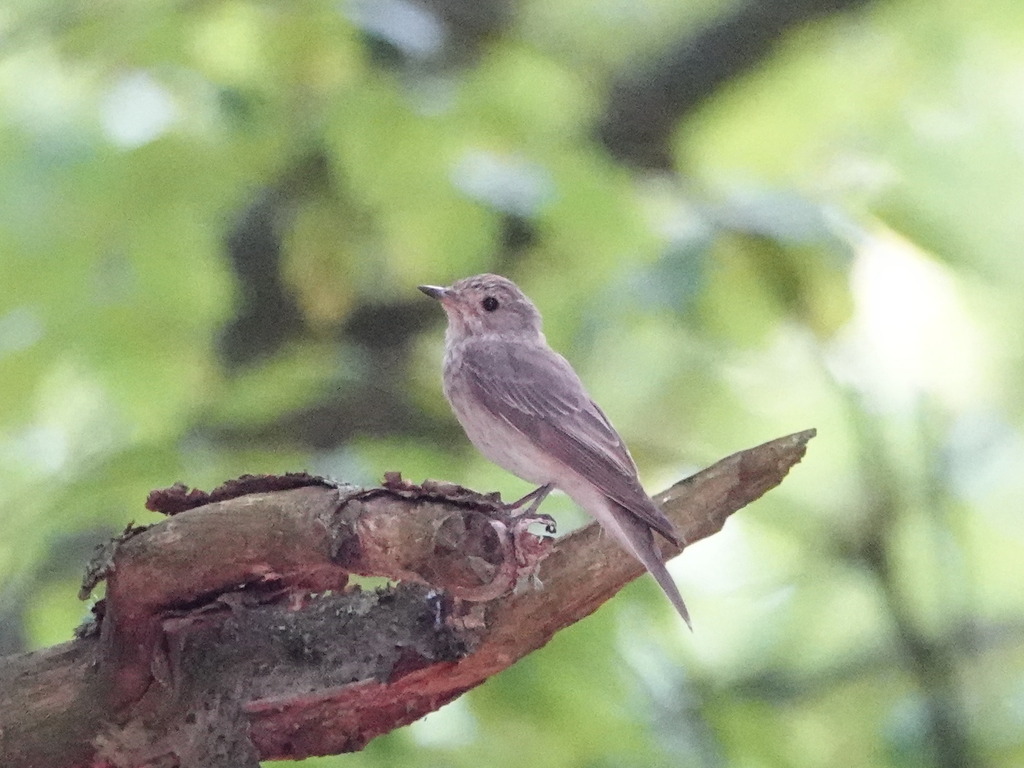
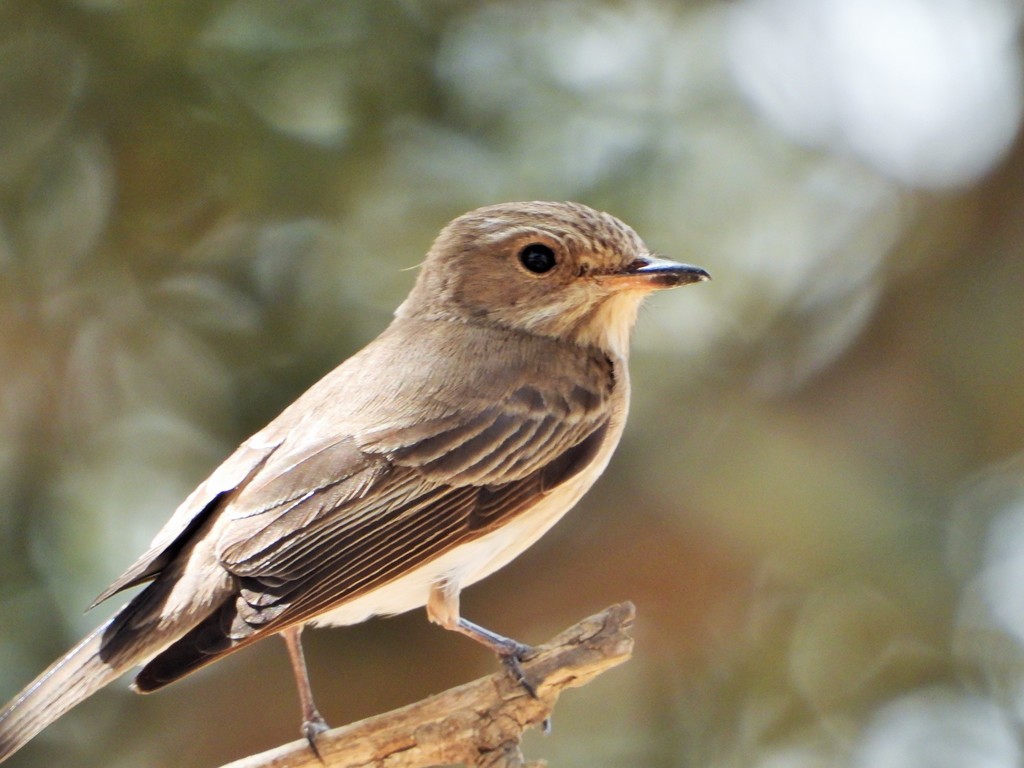
Papamoscas grisSpotted Flycatcher
En 52 provincias en mayo y en 6 en eneroIn 52 provinces in May and 6 in January
Reporte de rarezaRarity report
Por qué es comúnWhy it is commonEstival migradora muy frecuente y familiar en parques, jardines, dehesas y claros de bosque de toda España. Experto cazador de insectos desde posaderos prominentes.Very frequent and familiar summer migrant in parks, gardens, dehesas and forest clearings throughout Spain. An expert at catching insects from prominent perches.
Cada carrizo es un mes: su altura, las provincias con registros de 2020 a 2024.Each reed is a month: its height, the provinces with records from 2020 to 2024.- Provincias con registrosProvinces with records
- 52 de 52of 52
- En la appIn the app
- Abril a septiembreApril to September
- EnvergaduraWingspan
- 23-25,5 cm23-25.5 cm
- LongitudLength
- 14-15 cm14-15 cm
- Lista Roja de EspañaSpanish Red List
- LC Preocupación menorLeast Concern

Información generalGeneral Information
El papamoscas gris presenta una distribución más meridional que su pariente el papamoscas cerrojillo y también ocupa hábitats más variados, generalmente en áreas de menor altitud. Es un ave netamente insectívora, que captura a sus pequeñas presas en vuelo.The Spotted Flycatcher is a classic trans-Saharan migrant. It arrives late in the spring (May) and is a common sight in any area from mountain woods to urban gardens and historical walls. It is less flamboyant than the Pied Flycatcher but is a master of aerial hunting. It is exceptionally loyal to its nesting sites, often returning to the same garden or porch for many years. It is a beneficial bird that consumes thousands of flies and mosquitoes.
IdentificaciónIdentification
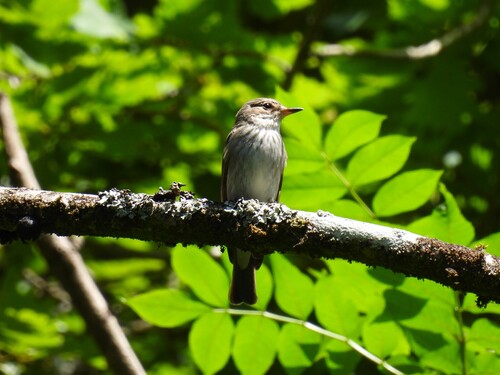
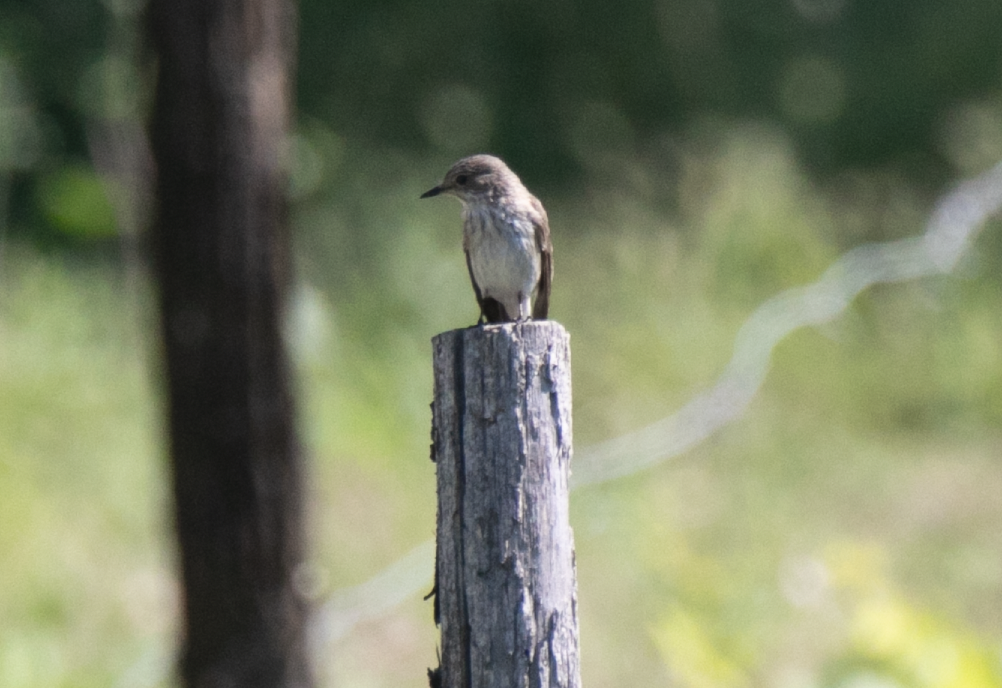
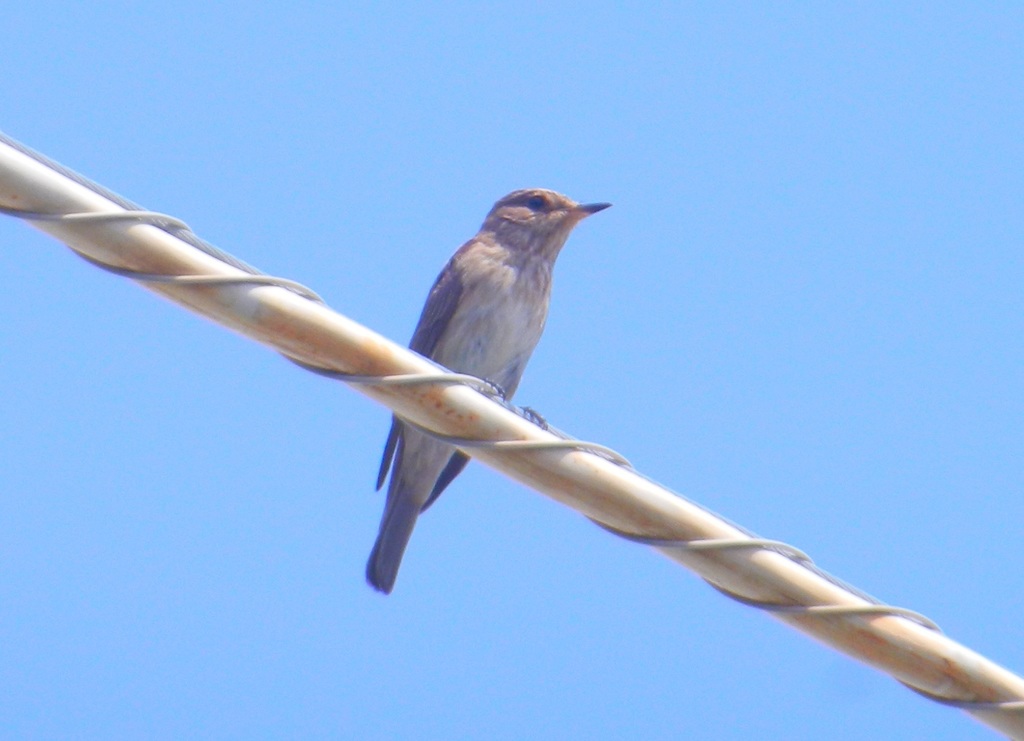
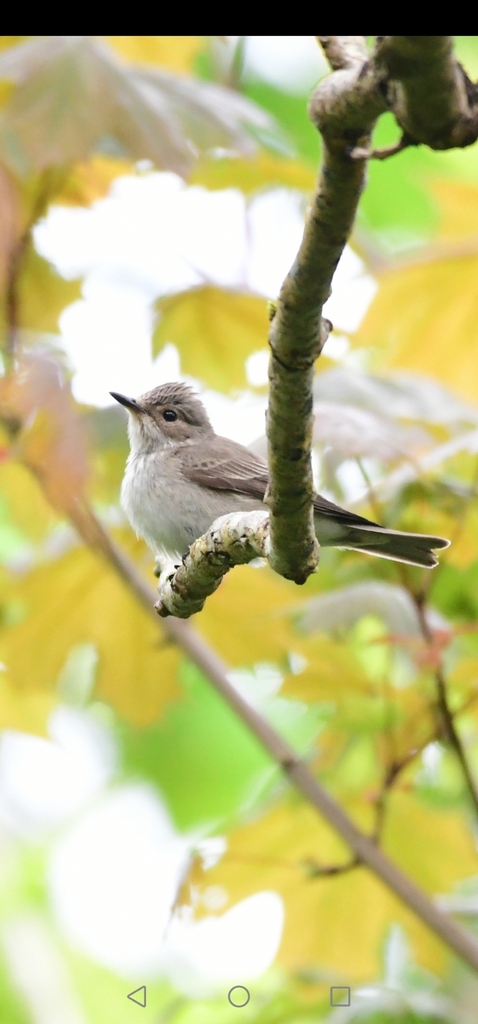
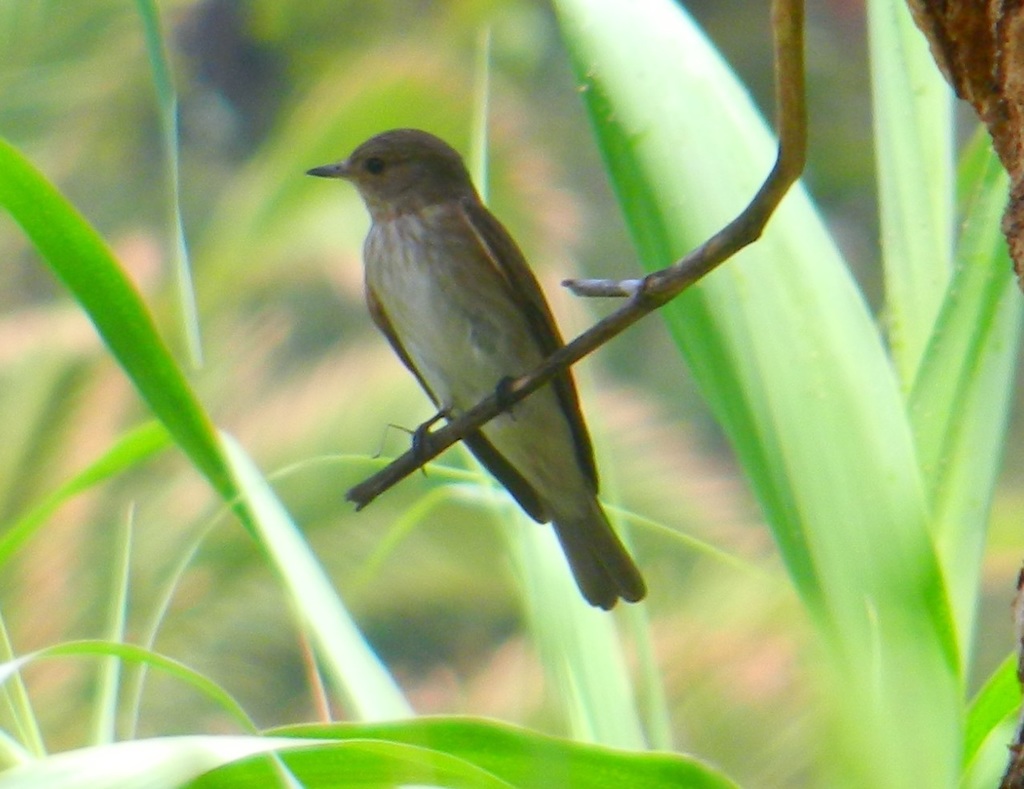
Algo más grande que el papamoscas cerrojillo, el gris posee cabeza voluminosa y pico fino, de insectívoro típico. La coloración de los adultos es bastante homogénea, y en ella predominan los tonos grisáceos en el dorso y los blanquecinos en el vientre. Sin diferencias significativas entre ambos sexos, no existe ningún rasgo especialmente llamativo en su diseño, apenas un tenue listado en la cabeza, la garganta y el pecho. Los jóvenes, por su parte, exhiben una coloración algo parduzca y menos lisa, en general, que los adultos.A medium-sized flycatcher with a large head and a typical 'perching and pouncing' behavior. Its plumage is incredibly plain: uniform grayish-brown on the back and whitish below with faint but diagnostic dark streaking on the crown, throat, and breast. It has a fine, black bill and dark eyes. It is most easily identified by its behavior, sitting upright on a prominent perch and darting out to catch insects in mid-air.
DistribuciónDistribution
En España, el papamoscas gris se distribuye ampliamente por la región mediterránea y la franja cantábrica, ausentándose en el noroeste (Zamora, gran parte de León y toda Galicia). Su presencia es mucho más escasa en la meseta meridional, si bien sí se adentra en el territorio peninsular en el valle del Ebro, Sierra Morena y las cordilleras Béticas. Falta en Canarias, pero se reproduce en Ceuta y Melilla. En la Península se reproduce la subespecie striataWidespread breeder across the Mediterranean and northern coastal regions. Scarce or missing in the northwest (Galicia) and the most arid parts of the Meseta. Summer visitor. Subspecies 'striata'.
Textos reproducidos con permiso de laTexts translated and reproduced with permission from the Guía de Aves de España © SEO/BirdLife
Estado de conservaciónConservation Status
- EX
- RE
- CR
- EN
- VU
- NT
- LC
Preocupación menorLeast Concern
Qué significa cada categoríaWhat each category means
- LC
- Preocupación menor: Taxón evaluado que no califica para categorías amenazadas. Especies abundantes y ampliamente distribuidasLeast Concern - Evaluated taxon that does not qualify for threatened categories. Widespread and abundant taxa
- NT
- Casi amenazada: No califica actualmente como amenazada, pero está cerca de calificar o es probable que califique en el futuro cercanoNear Threatened - Does not currently qualify as threatened, but is close to qualifying or likely to qualify in the near future
- VU
- Vulnerable: Enfrenta un alto riesgo de extinción en estado silvestre según los criterios A a E de IUCNVulnerable - Facing a high risk of extinction in the wild based on IUCN criteria A to E
- EN
- En peligro: Enfrenta un riesgo muy alto de extinción en estado silvestre según los criterios A a E de IUCNEndangered - Facing a very high risk of extinction in the wild based on IUCN criteria A to E
- CR
- En peligro crítico: Enfrenta un riesgo extremadamente alto de extinción en estado silvestre según los criterios A a E de IUCNCritically Endangered - Facing an extremely high risk of extinction in the wild based on IUCN criteria A to E
- DD
- Datos insuficientes: Información inadecuada para evaluar el riesgo de extinción basándose en distribución o estado poblacionalData Deficient - Inadequate information to assess extinction risk based on distribution and/or population status
- NE
- No evaluada: No ha sido evaluada aún contra los criterios de la Lista Roja de IUCNNot Evaluated - Has not yet been assessed against the IUCN Red List criteria
- RE
- Extinta regionalmente: El taxón ya no existe en la región específica, aunque puede sobrevivir en otros lugaresRegionally Extinct - Taxon no longer exists in the specific region, though it may survive elsewhere
- EX
- Extinta - No existe duda razonable de que ha muerto el último individuo del taxónExtinct - No reasonable doubt that the last individual of the taxon has died
TaxonomíaTaxonomy
- OrdenOrder
- Passeriformes
- FamiliaFamily
- Muscicapidae
- SinónimosSynonyms
- Muscicapa tyrrhenica
Presencia en EspañaPresence in Spain
- De pasoPassage migrant
- EstivalSummer visitor
- HabitualRegular
En la app: abril a septiembre.In the app: April to September.
Dónde verlaWhere to see it
3.396 cuadrículas de 10 km con registros de 2020 a 2024. Toca un mes para ver dónde se ha visto.3,396 10 km squares with records from 2020 to 2024. Pick a month to see where it has been seen.
Cargando el mapa…Loading the map…
Dónde es regularWhere it is regular
Provincias con registros en al menos 3 de los 5 años algún mes, de más a menos frecuente, y sus mejores meses.Provinces with records in at least 3 of the 5 years in some month, from most to least frequent, and their best months.
- BalearesBalearic Islandsjulio, agosto, junioJuly, August, June
- CeutaCeutaagosto, julio, septiembreAugust, July, September
- OurenseOurenseseptiembre, agosto, octubreSeptember, August, October
- MálagaMálagajulio, agosto, junioJuly, August, June
- GranadaGranadajulio, agosto, septiembreJuly, August, September
- AlicanteAlicantejulio, junio, agostoJuly, June, August
- JaénJaénagosto, septiembre, julioAugust, September, July
- CórdobaCórdobaseptiembre, julio, agostoSeptember, July, August
- ValenciaValenciajulio, junio, agostoJuly, June, August
- GuadalajaraGuadalajaraseptiembre, agosto, julioSeptember, August, July
Ver las 51 provinciasSee all 51 provinces
- GuipúzcoaGuipúzcoaagosto, julio, mayoAugust, July, May
- MurciaMurciajulio, agosto, mayoJuly, August, May
- ÁvilaÁvilaseptiembre, agosto, mayoSeptember, August, May
- ValladolidValladolidseptiembre, agosto, octubreSeptember, August, October
- MadridMadridseptiembre, agosto, octubreSeptember, August, October
- HuelvaHuelvaseptiembre, agosto, octubreSeptember, August, October
- La RiojaLa Riojaagosto, septiembre, julioAugust, September, July
- SalamancaSalamancaseptiembre, agosto, octubreSeptember, August, October
- CuencaCuencaseptiembre, agosto, julioSeptember, August, July
- ZamoraZamoraseptiembre, agosto, octubreSeptember, August, October
- Ciudad RealCiudad Realseptiembre, agosto, octubreSeptember, August, October
- AlmeríaAlmeríajunio, mayo, julioJune, May, July
- PalenciaPalenciaseptiembre, agosto, mayoSeptember, August, May
- HuescaHuescaagosto, julio, junioAugust, July, June
- ÁlavaÁlavaseptiembre, agosto, julioSeptember, August, July
- SoriaSoriaseptiembre, agosto, mayoSeptember, August, May
- SegoviaSegoviaseptiembre, agosto, julioSeptember, August, July
- ZaragozaZaragozaagosto, septiembre, julioAugust, September, July
- SevillaSevillaseptiembre, julio, agostoSeptember, July, August
- PontevedraPontevedraseptiembre, agosto, octubreSeptember, August, October
- LeónLeónseptiembre, agosto, octubreSeptember, August, October
- AlbaceteAlbaceteseptiembre, agosto, julioSeptember, August, July
- CádizCádizjulio, septiembre, junioJuly, September, June
- BurgosBurgosseptiembre, agosto, mayoSeptember, August, May
- TeruelTeruelagosto, septiembre, julioAugust, September, July
- CastellónCastellónagosto, septiembre, julioAugust, September, July
- LleidaLleidaagosto, septiembre, julioAugust, September, July
- BadajozBadajozseptiembre, octubre, agostoSeptember, October, August
- TarragonaTarragonamayo, junio, agostoMay, June, August
- NavarraNavarraseptiembre, agosto, mayoSeptember, August, May
- GironaGironaagosto, julio, septiembreAugust, July, September
- CáceresCáceresseptiembre, agosto, octubreSeptember, August, October
- ToledoToledoseptiembre, agosto, mayoSeptember, August, May
- VizcayaVizcayaseptiembre, julio, mayoSeptember, July, May
- AsturiasAsturiasseptiembre, agosto, julioSeptember, August, July
- BarcelonaBarcelonajulio, mayo, agostoJuly, May, August
- Las PalmasLas Palmasmayo, septiembre, octubreMay, September, October
- LugoLugoseptiembre, agosto, octubreSeptember, August, October
- CantabriaCantabriajulio, junio, mayoJuly, June, May
- A CoruñaA Coruñaseptiembre, agosto, octubreSeptember, August, October
- Santa Cruz de TenerifeSanta Cruz de Tenerifeseptiembre, octubreSeptember, October
Datos: registros en GBIF de 2020 a 2024 de Observation.org, eBird, iNaturalist y el ICO, descargados el 23/10/2026.Data: GBIF records from 2020 to 2024 from Observation.org, eBird, iNaturalist and the ICO, downloaded on 23/10/2026. GBIF.org (23 October 2026) GBIF Occurrence Download · doi:10.15468/dl.r5sf2a · CC BY-NC 4.0
GaleríaGallery
© Phil James · CC BY · iNaturalist 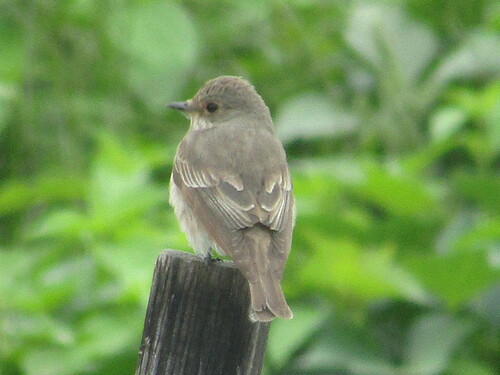
© SteveM4560 · CC BY · iNaturalist 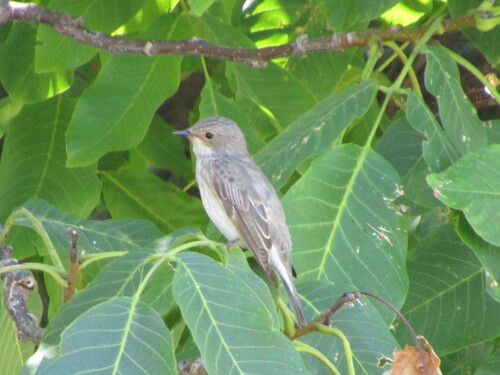
© SteveM4560 · CC BY · iNaturalist 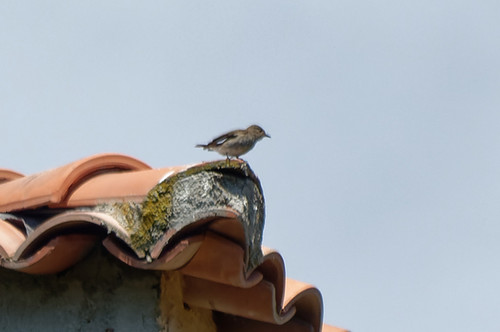
© Donald Davesne · CC BY · iNaturalist 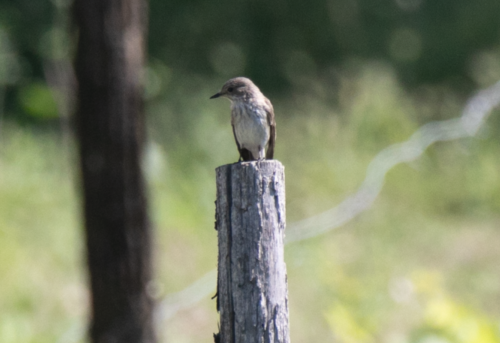
© Paolo Zucca · CC BY · iNaturalist 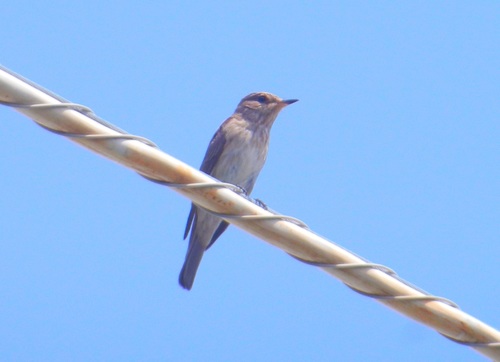
© francesco valle · CC BY · iNaturalist 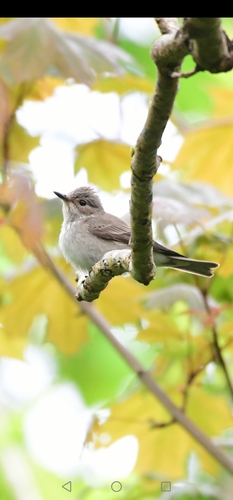
© Alexis Williams · CC BY · iNaturalist 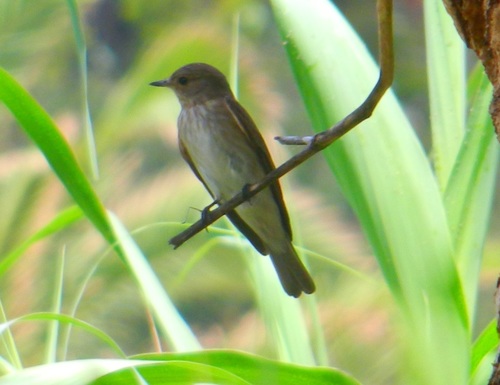
© francesco valle · CC BY · iNaturalist 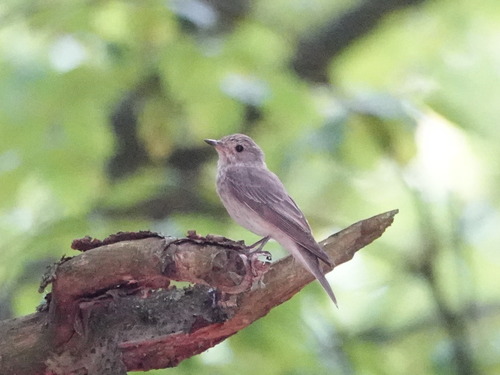
© Barnaby Walters · CC BY · iNaturalist 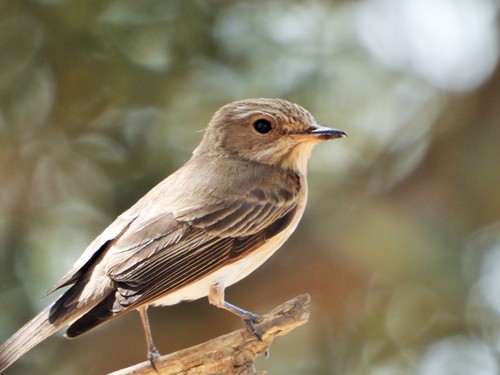
© amantedarmanin · CC BY · iNaturalist


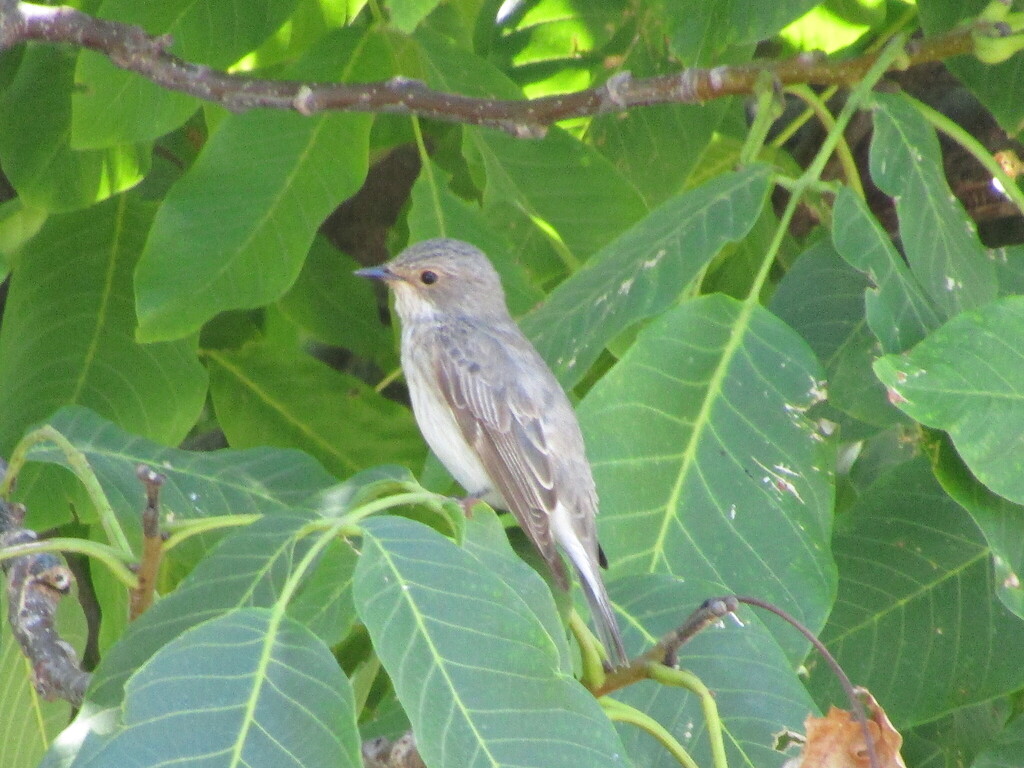

Especies relacionadasRelated species
Otras aves de la familia Muscicapidae y de órdenes cercanos.Other birds from the Muscicapidae family and nearby orders.
- Poco comúnUncommon
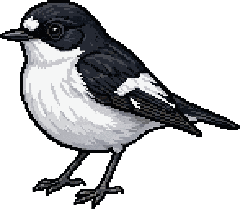 Papamoscas cerrojilloEuropean Pied FlycatcherFicedula hypoleuca
- LegendarioLegendary
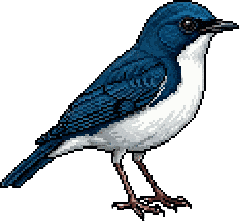 Ruiseñor azulSiberian Blue RobinLarvivora cyane
- ÉpicoEpic
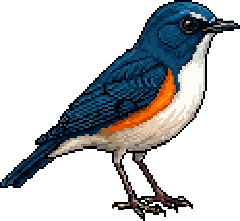 Ruiseñor coliazulRed-flanked BluetailTarsiger cyanurus
- ÉpicoEpic
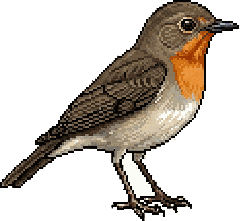 Papamoscas papirrojoRed-breasted FlycatcherFicedula parva
- LegendarioLegendary
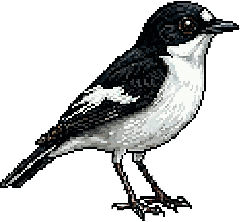 Papamoscas semiacollaradoSemi-collared FlycatcherFicedula semitorquata
- ÉpicoEpic
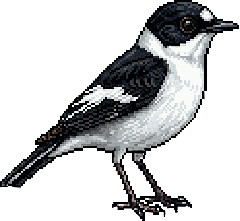 Papamoscas acollaradoCollared FlycatcherFicedula albicollis
- LegendarioLegendary
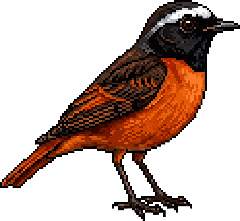 Colirrojo diademadoMoussier's RedstartPhoenicurus moussieri
- LegendarioLegendary
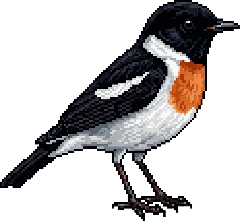 Tarabilla siberianaSiberian StonechatSaxicola maurus
 Gratis, sin anuncios ni comprasFree, no ads, no purchases