 BirdPedy
Acentor comúnDunnock
En 48 provincias en enero y en 33 en junioIn 48 provinces in January and 33 in June
Reporte de rarezaRarity report
Por qué es comúnWhy it is commonBien distribuido por el tercio norte y las principales cadenas montañosas españolas, donde ocupa matorrales densos y linderos forestales húmedos. Especie común de hábitos discretos.Well distributed through the northern third and Spanish mountain ranges. Occupies dense scrub and humid forest edges.
Cada carrizo es un mes: su altura, las provincias con registros de 2020 a 2024.Each reed is a month: its height, the provinces with records from 2020 to 2024.- Provincias con registrosProvinces with records
- 48 de 52of 52
- En la appIn the app
- Todo el añoAll year
- EnvergaduraWingspan
- 19-21 cm19-21 cm
- LongitudLength
- 13-14 cm13-14 cm
- Lista Roja de EspañaSpanish Red List
- LC Preocupación menorLeast Concern

Información generalGeneral Information
Ave frecuente en zonas de montaña con abundancia de matorral y de sotobosque. En la mitad norte peninsular aparece en ambientes más diversos, pero en el sur se restringe a los sistemas montañosos. España alberga una población residente, a la que se unen en invierno acentores europeos pertenecientes a otra subespecie.Known as the 'Hedge Sparrow,' though it is not a sparrow at all. It is famous in the biological world for its complex and varied mating systems (including polygamy). In Spain, it is a bird of the mountain ranges and the north, but in winter our population is joined by millions of migrants from northern Europe who spread across almost the entire country. It is a quiet, overlooked bird that is surprisingly common once its subtle song is learned.
IdentificaciónIdentification
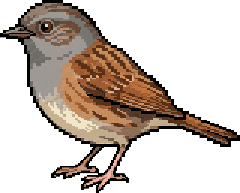
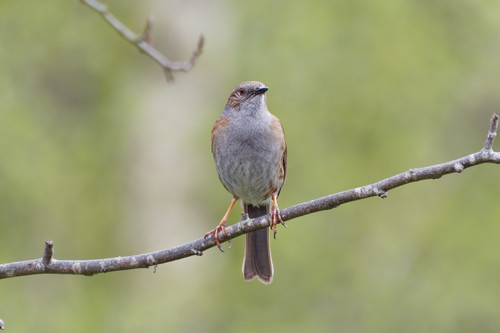
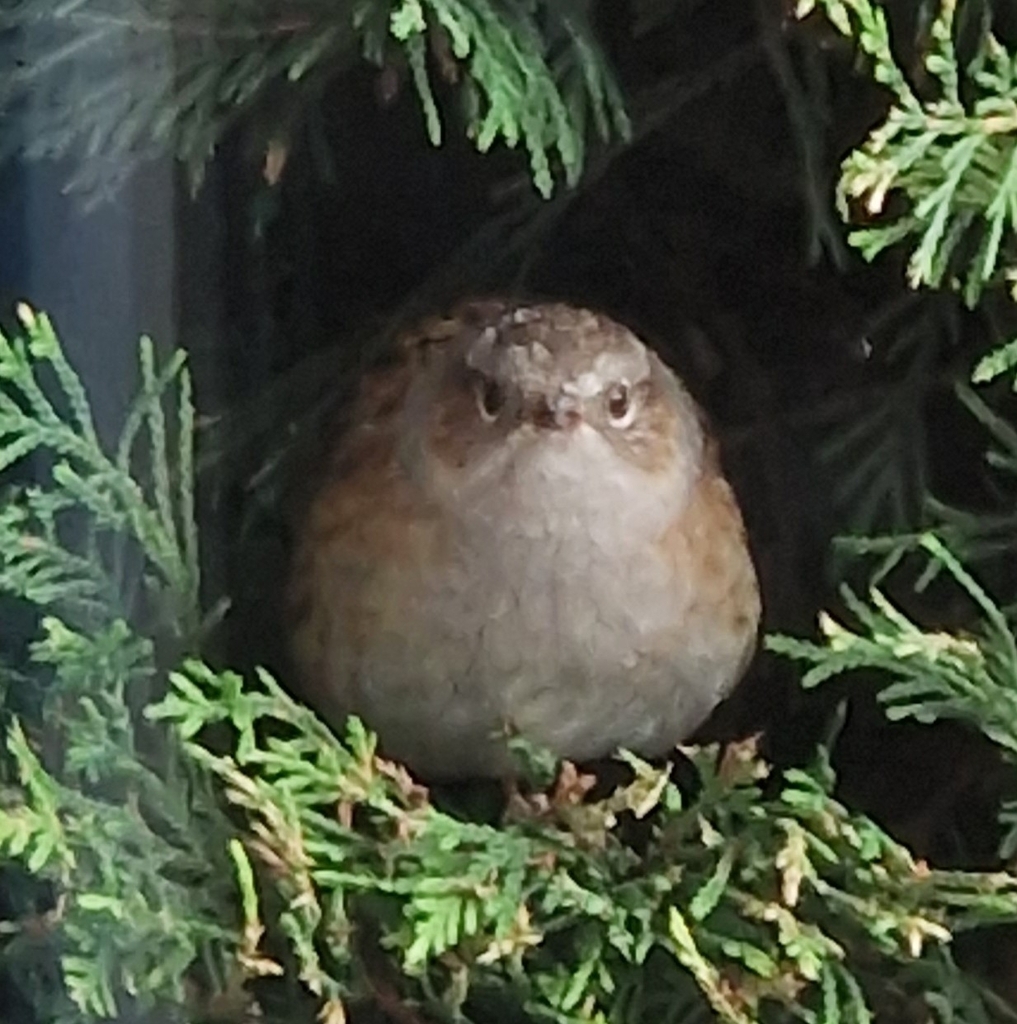
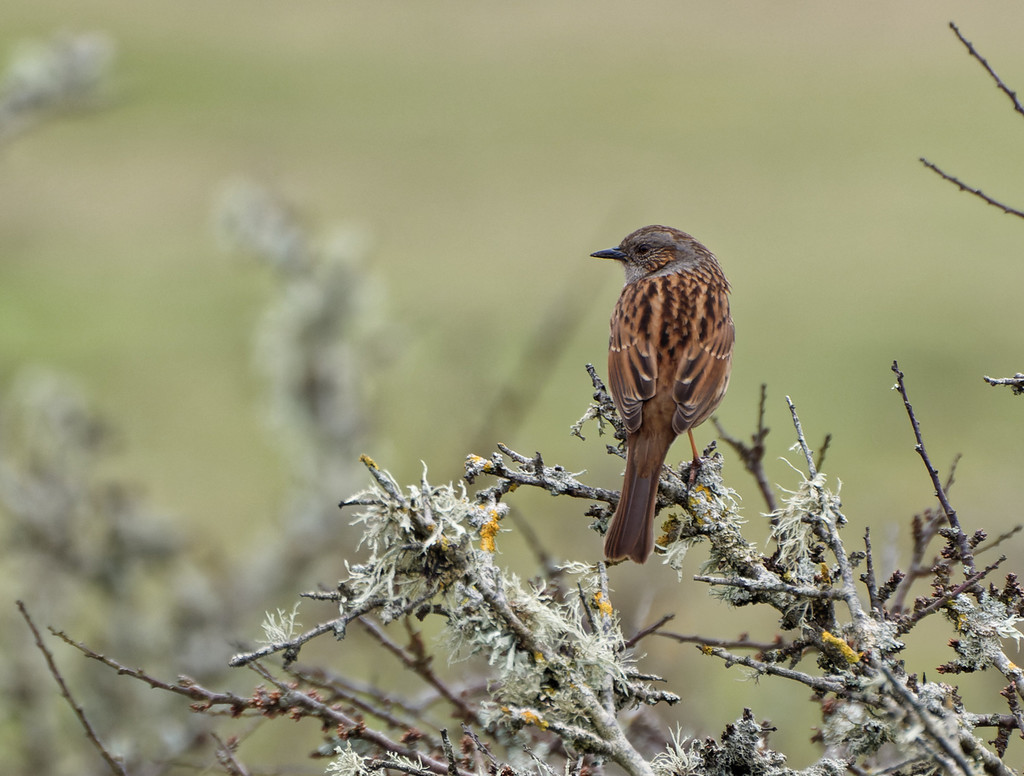
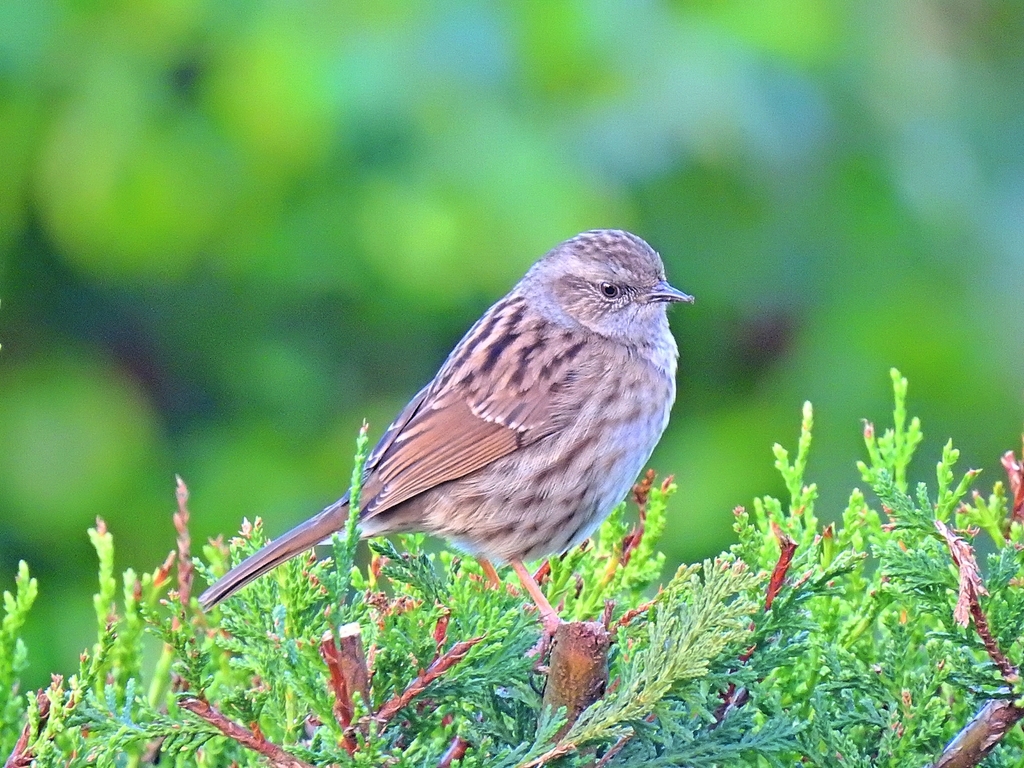
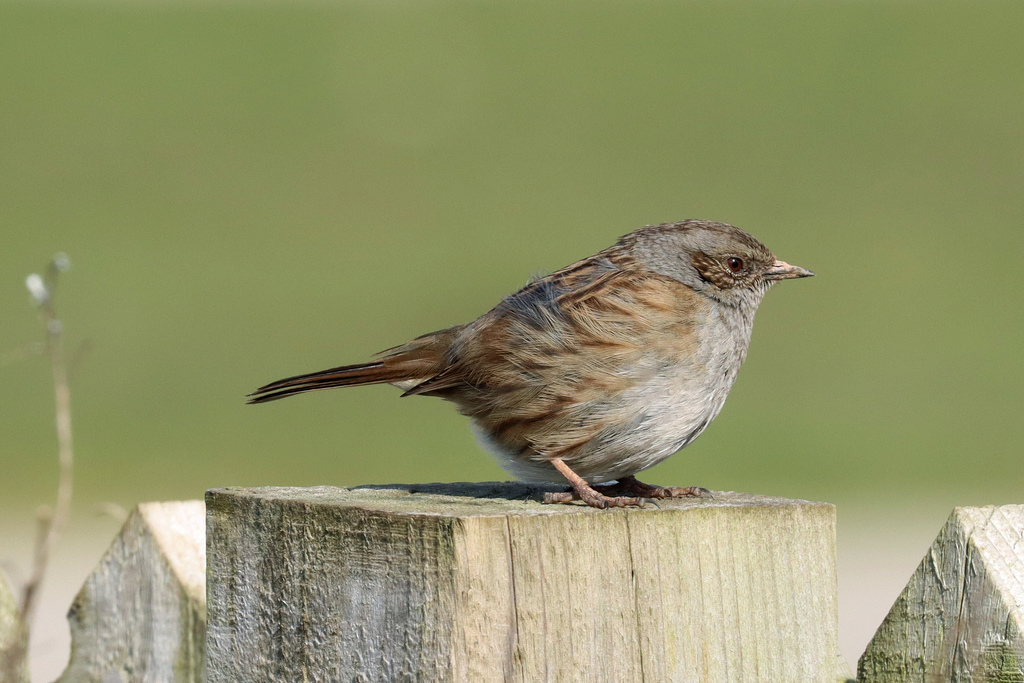
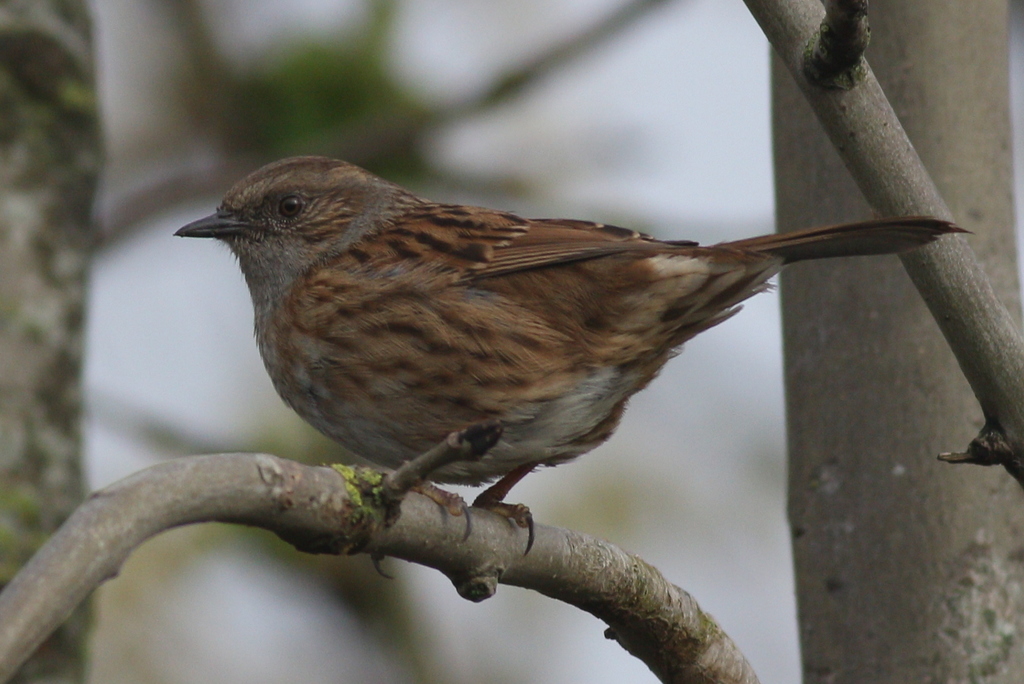
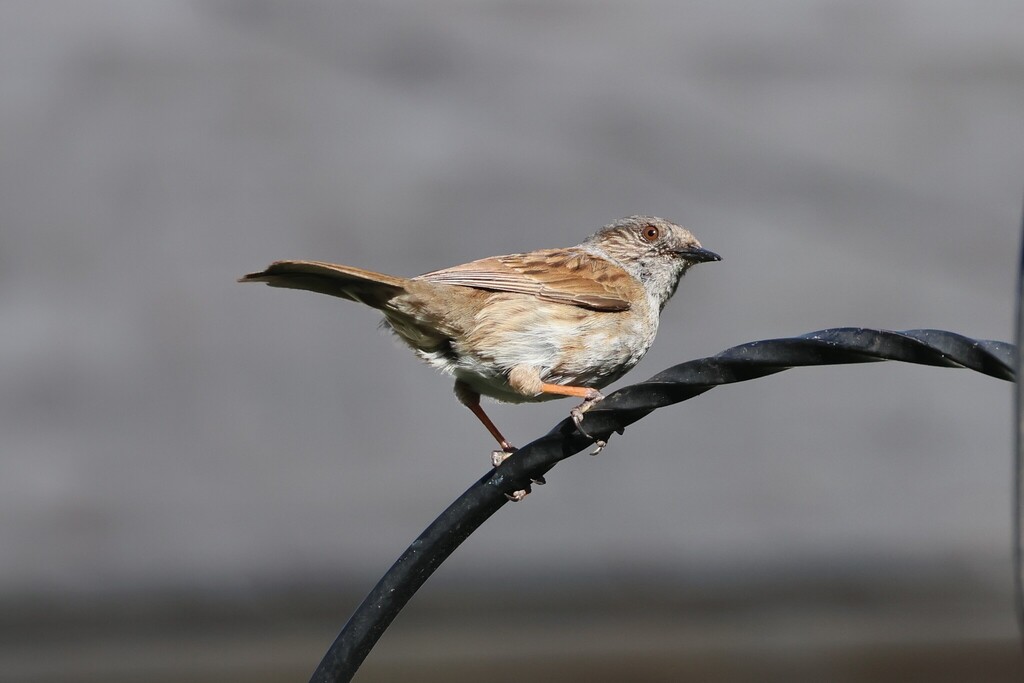
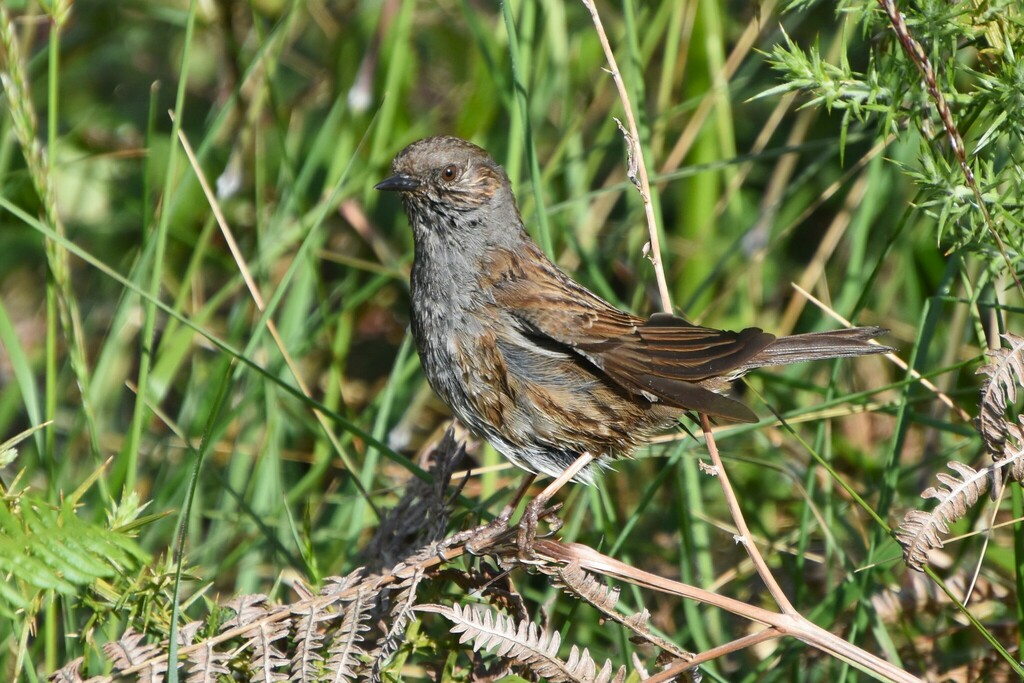
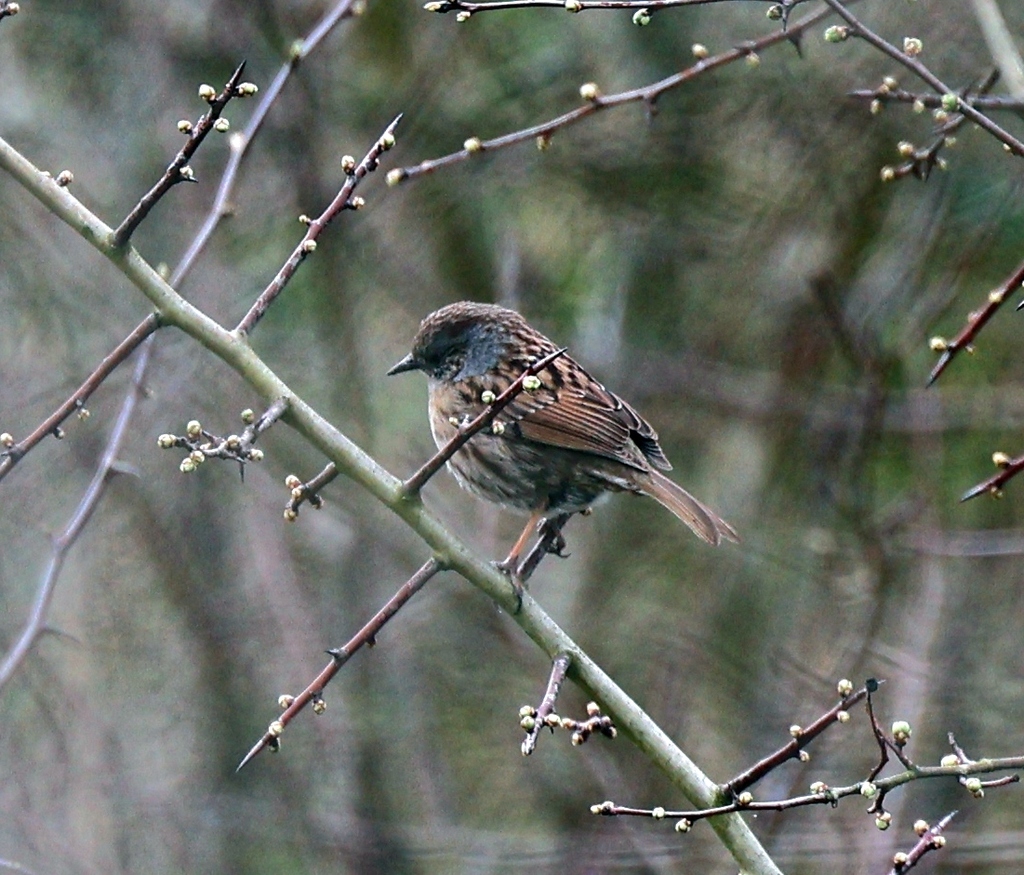
El acentor común es un pájaro del tamaño de un gorrión, con el pico fino y puntiagudo, y las patas fuertes y rojizas. De comportamiento huidizo, le gusta moverse entre la vegetación baja y caminar por el suelo. Tiene las partes superiores del plumaje marrones y con escamado pardo oscuro, semejantes al dorso de un gorrión común. La cabeza, la garganta y el pecho son de un color gris plomizo, más intenso en los machos, con la zona auricular y el píleo marrones. Las partes posteriores del vientre poseen un tono gris más claro, con los flancos marrones. Los jóvenes exhiben cabeza y garganta de color castaño, en lugar de gris, y muestran todo el plumaje fuertemente listado de pardo oscuro. La base de su pico es naranja amarillenta, mientras que los adultos presentan todo el pico negro.A sparrow-sized bird with a fine, pointed insectivore's bill. It looks like a 'refined' house sparrow with rich brown upper parts and a solid slate-gray head, throat, and breast. It is notoriously shy and discreet, typically seen scuttling through low bushes or feeding on the ground with a nervous, shuffling gate. It is rarely seen in the open, preferring the protection of gardens, hedges, and mountain scrub.
DistribuciónDistribution
Como reproductor, el acentor común es abundante y de distribución continua en el tercio norte peninsular, el Sistema Ibérico y el Sistema Central. También se encuentra presente de manera muy puntual en otros macizos montañosos, como Sierra Nevada, el Maestrazgo y Las Villuercas. En invierno llegan individuos procedentes del resto de Europa, que ocupan la práctica totalidad del territorio peninsular, además de Baleares y, ocasionalmente, Ceuta y Melilla. Falta en las islas Canarias. En España cría la subespecie mabotti e inverna la subespecie modularis.Abundant breeder in the northern third and major mountain systems (Central, Iberian, Sierra Nevada). In winter, spreads across the entire Peninsula and Balearics. Absent from Canaries. Two subspecies: 'mabotti' (breeding) and 'modularis' (wintering).
Textos reproducidos con permiso de laTexts translated and reproduced with permission from the Guía de Aves de España © SEO/BirdLife
Estado de conservaciónConservation Status
- EX
- RE
- CR
- EN
- VU
- NT
- LC
Preocupación menorLeast Concern
Qué significa cada categoríaWhat each category means
- LC
- Preocupación menor: Taxón evaluado que no califica para categorías amenazadas. Especies abundantes y ampliamente distribuidasLeast Concern - Evaluated taxon that does not qualify for threatened categories. Widespread and abundant taxa
- NT
- Casi amenazada: No califica actualmente como amenazada, pero está cerca de calificar o es probable que califique en el futuro cercanoNear Threatened - Does not currently qualify as threatened, but is close to qualifying or likely to qualify in the near future
- VU
- Vulnerable: Enfrenta un alto riesgo de extinción en estado silvestre según los criterios A a E de IUCNVulnerable - Facing a high risk of extinction in the wild based on IUCN criteria A to E
- EN
- En peligro: Enfrenta un riesgo muy alto de extinción en estado silvestre según los criterios A a E de IUCNEndangered - Facing a very high risk of extinction in the wild based on IUCN criteria A to E
- CR
- En peligro crítico: Enfrenta un riesgo extremadamente alto de extinción en estado silvestre según los criterios A a E de IUCNCritically Endangered - Facing an extremely high risk of extinction in the wild based on IUCN criteria A to E
- DD
- Datos insuficientes: Información inadecuada para evaluar el riesgo de extinción basándose en distribución o estado poblacionalData Deficient - Inadequate information to assess extinction risk based on distribution and/or population status
- NE
- No evaluada: No ha sido evaluada aún contra los criterios de la Lista Roja de IUCNNot Evaluated - Has not yet been assessed against the IUCN Red List criteria
- RE
- Extinta regionalmente: El taxón ya no existe en la región específica, aunque puede sobrevivir en otros lugaresRegionally Extinct - Taxon no longer exists in the specific region, though it may survive elsewhere
- EX
- Extinta - No existe duda razonable de que ha muerto el último individuo del taxónExtinct - No reasonable doubt that the last individual of the taxon has died
TaxonomíaTaxonomy
- OrdenOrder
- Passeriformes
- FamiliaFamily
- Prunellidae
Presencia en EspañaPresence in Spain
- HabitualRegular
- InvernanteWinter visitor
- ResidenteResident
En la app: todo el año.In the app: all year.
Dónde verlaWhere to see it
2.649 cuadrículas de 10 km con registros de 2020 a 2024. Toca un mes para ver dónde se ha visto.2,649 10 km squares with records from 2020 to 2024. Pick a month to see where it has been seen.
Cargando el mapa…Loading the map…
Dónde es regularWhere it is regular
Provincias con registros en al menos 3 de los 5 años algún mes, de más a menos frecuente, y sus mejores meses.Provinces with records in at least 3 of the 5 years in some month, from most to least frequent, and their best months.
- LugoLugoabril, marzo, mayoApril, March, May
- PontevedraPontevedramarzo, abril, mayoMarch, April, May
- A CoruñaA Coruñaabril, mayo, marzoApril, May, March
- AsturiasAsturiasmayo, junio, abrilMay, June, April
- LeónLeónjunio, mayo, septiembreJune, May, September
- OurenseOurensenoviembre, diciembre, octubreNovember, December, October
- HuescaHuescadiciembre, enero, noviembreDecember, January, November
- LleidaLleidaenero, noviembre, diciembreJanuary, November, December
- BarcelonaBarcelonadiciembre, enero, noviembreDecember, January, November
- SoriaSorianoviembre, diciembre, eneroNovember, December, January
Ver las 48 provinciasSee all 48 provinces
- GironaGironaenero, noviembre, febreroJanuary, November, February
- ÁvilaÁvilajunio, mayo, julioJune, May, July
- GuipúzcoaGuipúzcoanoviembre, enero, diciembreNovember, January, December
- PalenciaPalenciaagosto, julio, junioAugust, July, June
- VizcayaVizcayaenero, diciembre, noviembreJanuary, December, November
- CantabriaCantabriajunio, mayo, julioJune, May, July
- CuencaCuencadiciembre, enero, octubreDecember, January, October
- La RiojaLa Riojadiciembre, febrero, eneroDecember, February, January
- GuadalajaraGuadalajaraenero, diciembre, febreroJanuary, December, February
- JaénJaéndiciembre, noviembre, eneroDecember, November, January
- CáceresCáceresdiciembre, enero, noviembreDecember, January, November
- TeruelTerueloctubre, noviembre, eneroOctober, November, January
- NavarraNavarradiciembre, enero, noviembreDecember, January, November
- SalamancaSalamancajunio, julio, septiembreJune, July, September
- ÁlavaÁlavajunio, marzo, abrilJune, March, April
- CastellónCastellónnoviembre, enero, diciembreNovember, January, December
- ZaragozaZaragozaenero, diciembre, noviembreJanuary, December, November
- Ciudad RealCiudad Realdiciembre, enero, noviembreDecember, January, November
- ZamoraZamoraagosto, septiembre, julioAugust, September, July
- TarragonaTarragonadiciembre, enero, noviembreDecember, January, November
- MadridMadridjulio, junio, eneroJuly, June, January
- SegoviaSegoviajunio, noviembre, julioJune, November, July
- BadajozBadajoznoviembre, diciembre, eneroNovember, December, January
- GranadaGranadadiciembre, noviembre, eneroDecember, November, January
- BurgosBurgosjunio, marzo, eneroJune, March, January
- AlbaceteAlbaceteenero, noviembre, febreroJanuary, November, February
- ToledoToledonoviembre, enero, diciembreNovember, January, December
- ValladolidValladolidnoviembre, diciembre, eneroNovember, December, January
- BalearesBalearic Islandsdiciembre, noviembre, eneroDecember, November, January
- HuelvaHuelvanoviembre, diciembre, eneroNovember, December, January
- MálagaMálagadiciembre, noviembre, eneroDecember, November, January
- CórdobaCórdobadiciembre, noviembre, febreroDecember, November, February
- ValenciaValenciaenero, diciembre, febreroJanuary, December, February
- AlicanteAlicantediciembre, noviembre, febreroDecember, November, February
- SevillaSevillaenero, noviembre, diciembreJanuary, November, December
- CádizCádiznoviembre, diciembre, eneroNovember, December, January
- MurciaMurcianoviembre, enero, diciembreNovember, January, December
- AlmeríaAlmeríaenero, diciembreJanuary, December
Datos: registros en GBIF de 2020 a 2024 de Observation.org, eBird, iNaturalist y el ICO, descargados el 23/10/2026.Data: GBIF records from 2020 to 2024 from Observation.org, eBird, iNaturalist and the ICO, downloaded on 23/10/2026. GBIF.org (23 October 2026) GBIF Occurrence Download · doi:10.15468/dl.r5sf2a · CC BY-NC 4.0
GaleríaGallery
© Donald Davesne · CC BY · iNaturalist 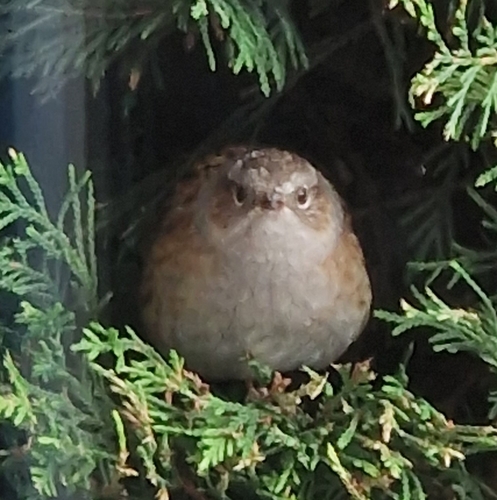
© karliatje · CC BY · iNaturalist 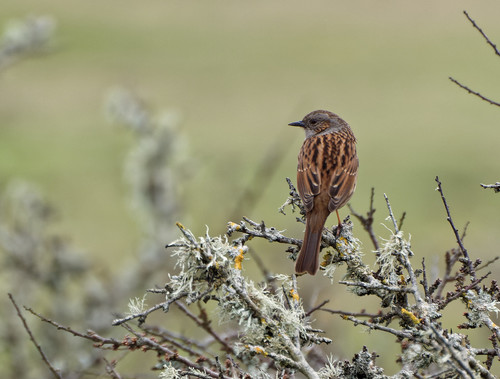
© Donald Davesne · CC BY · iNaturalist 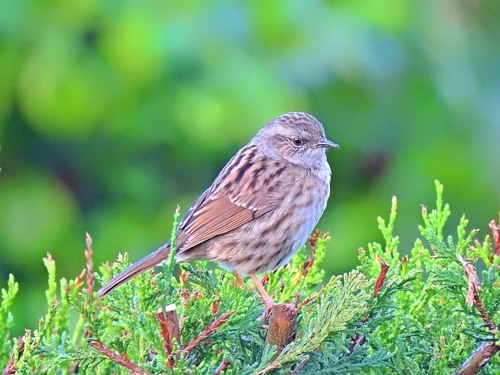
© Susan Marley · CC BY · iNaturalist 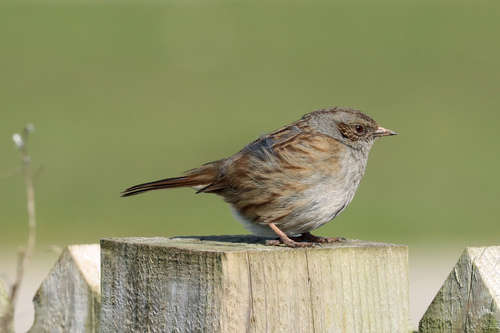
© Roy Lowry · CC BY · iNaturalist 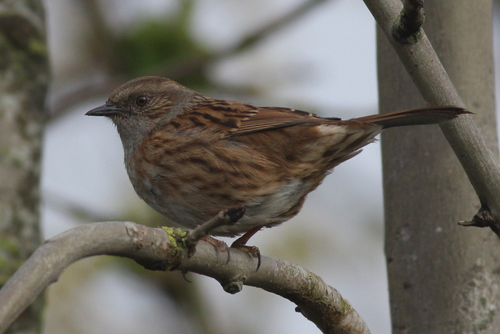
© Jan Ebr & Ivana Ebrová · CC BY · iNaturalist 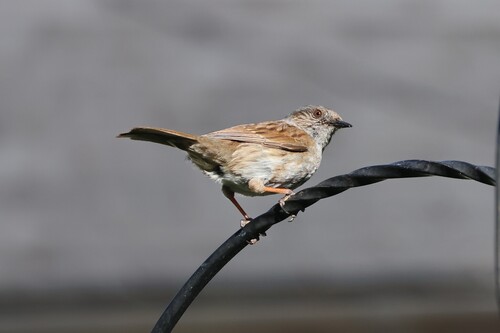
© Fionn Ó Marcaigh · CC BY · iNaturalist 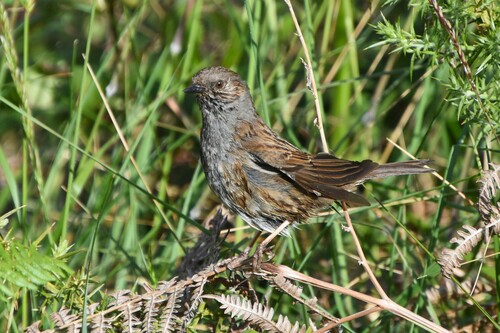
© Tristo · CC BY · iNaturalist 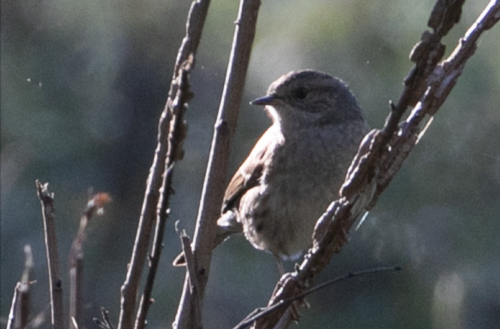
© Paolo Zucca · CC BY · iNaturalist 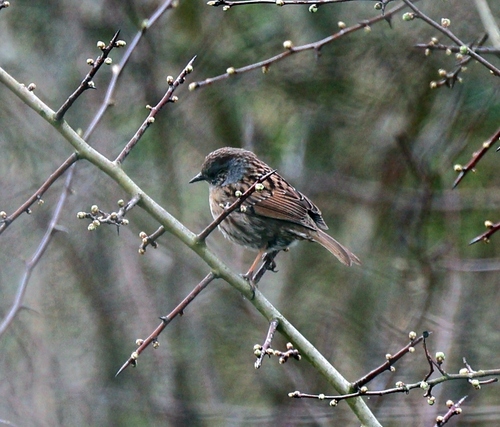
© Andrejus Gaidamavičius · CC BY · iNaturalist

Especies relacionadasRelated species
Otras aves de la familia Prunellidae y de órdenes cercanos.Other birds from the Prunellidae family and nearby orders.
- Poco comúnUncommon
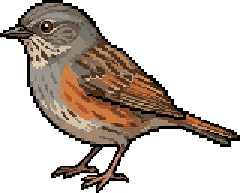 Acentor alpinoAlpine AccentorPrunella collaris
- RaroRare
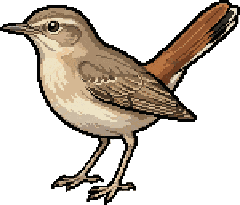 Alzacola rojizoRufous-tailed Scrub RobinCercotrichas galactotes
- ComúnCommon
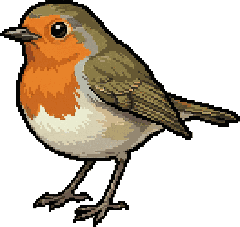 Petirrojo europeoEuropean RobinErithacus rubecula
- Poco comúnUncommonPetirrojo tinerfeñoTenerife RobinErithacus superbus
- Poco comúnUncommonPetirrojo de Gran CanariaGran Canaria RobinErithacus marionae
- ComúnCommon
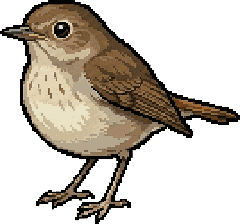 Ruiseñor comúnCommon NightingaleLuscinia megarhynchos
- Poco comúnUncommon
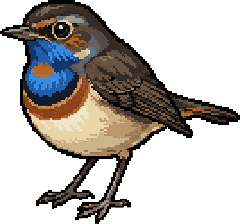 Ruiseñor pechiazulBluethroatLuscinia svecica
- ComúnCommon
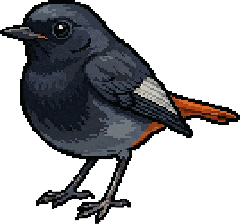 Colirrojo tizónBlack RedstartPhoenicurus ochruros
 Gratis, sin anuncios ni comprasFree, no ads, no purchases