 BirdPedy
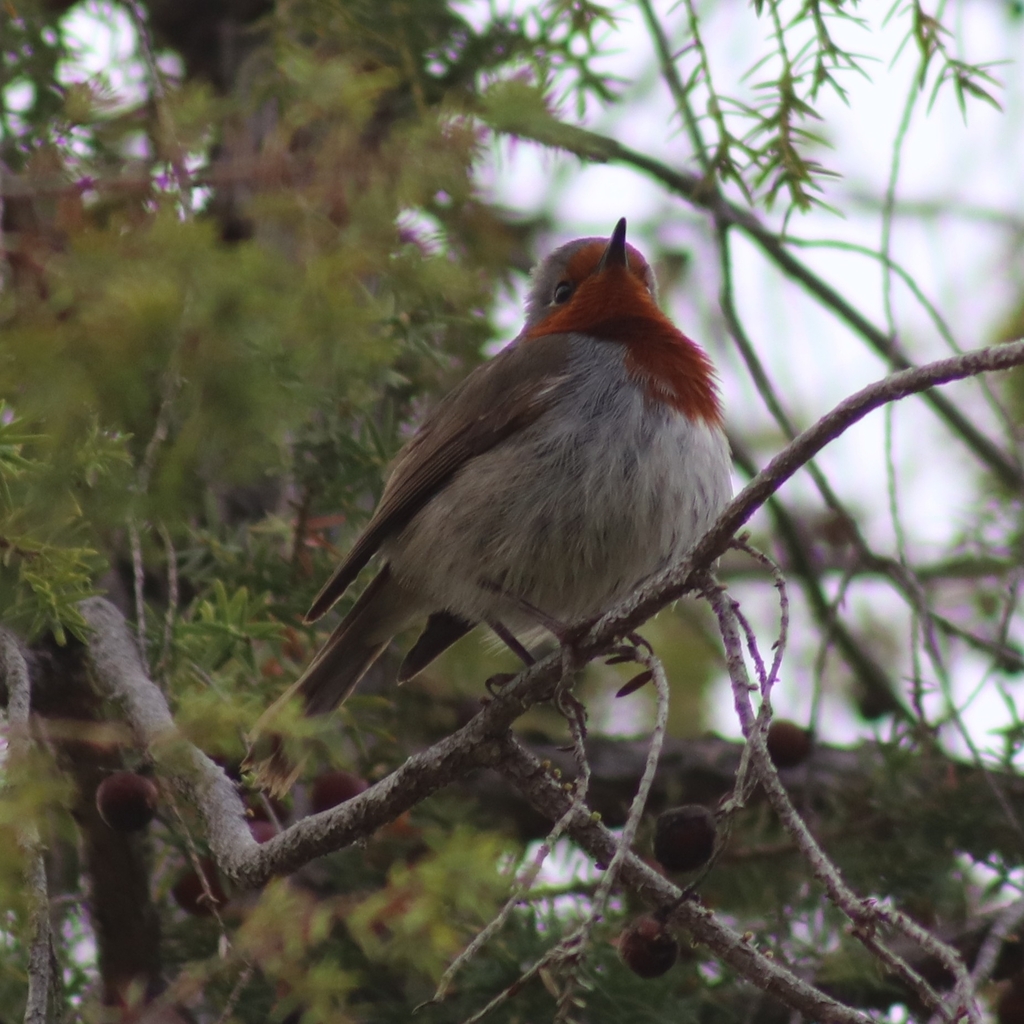
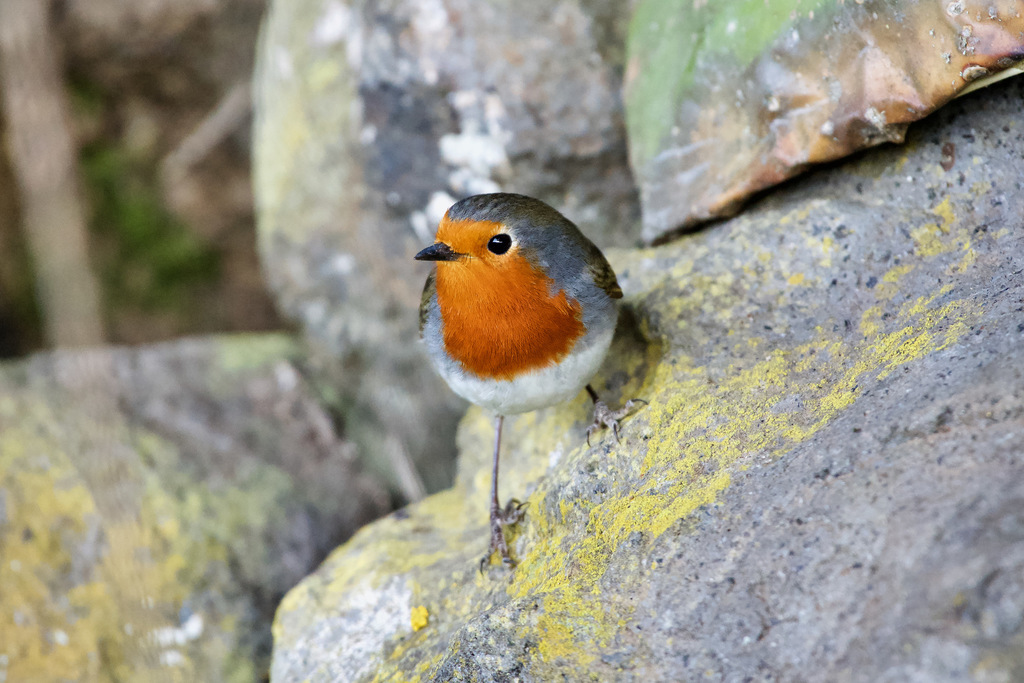
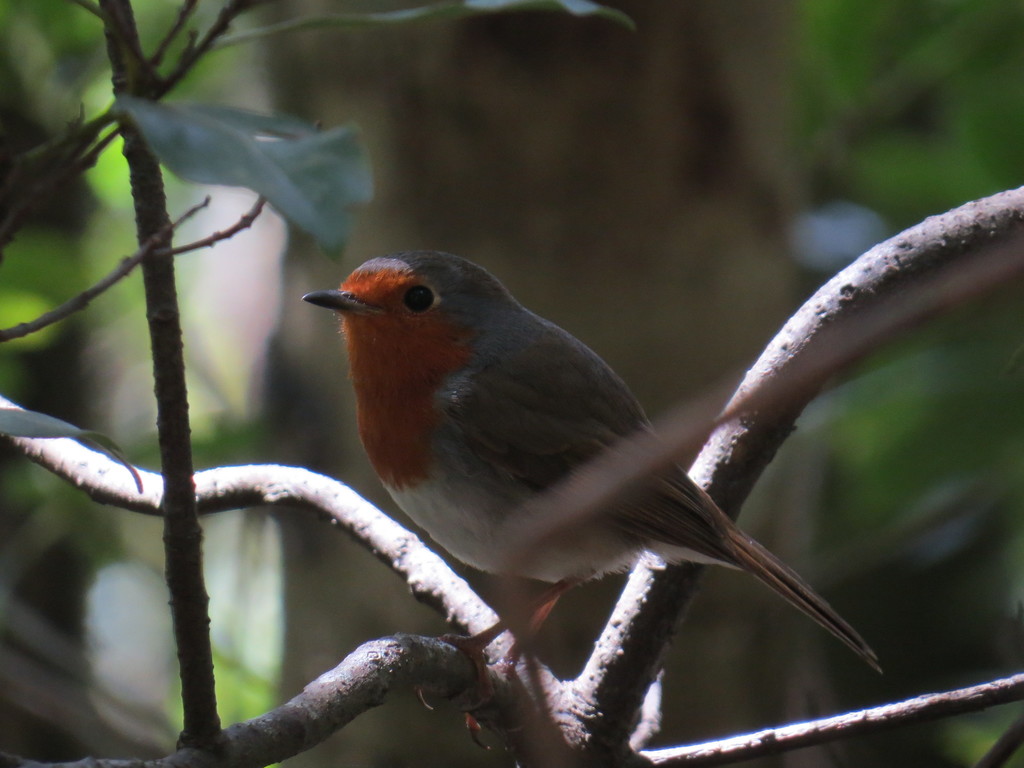
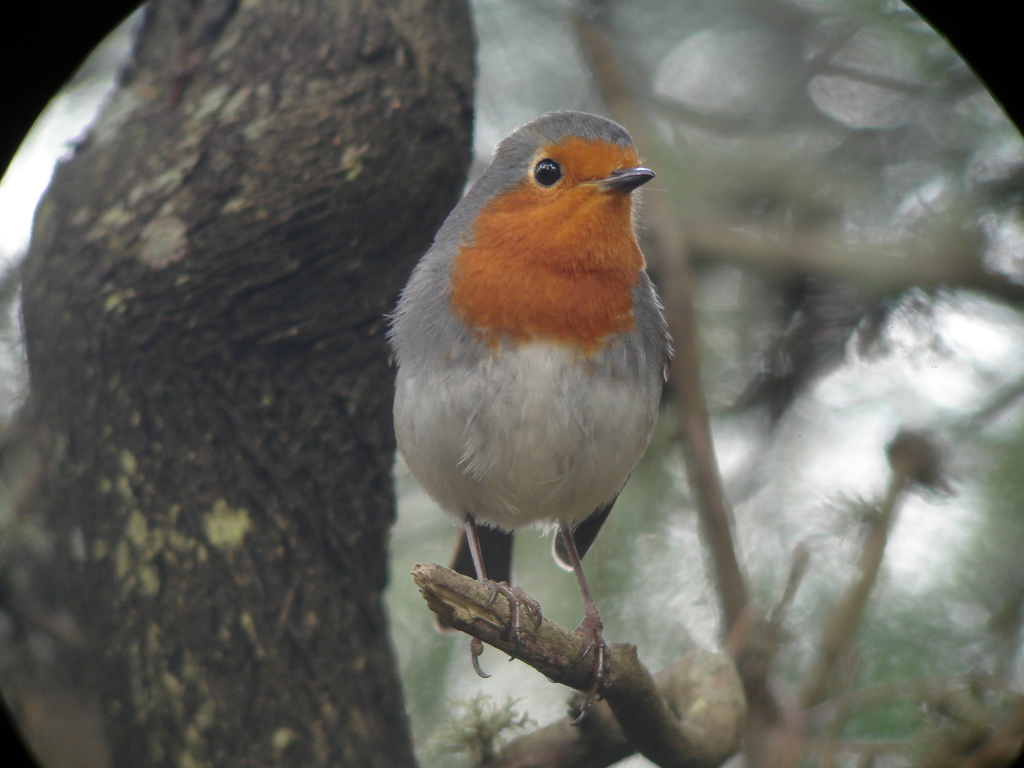
Petirrojo tinerfeñoTenerife Robin
Reporte de rarezaRarity report
Por qué es poco comúnWhy it is uncommonEndemismo de Tenerife, separado hace poco del petirrojo europeo. Restringido a una isla, pero abundante y confiado en la laurisilva, el fayal-brezal y los pinares húmedos.Endemic to Tenerife, split from the European Robin only recently. Restricted to one island, but abundant and confiding in laurel forest, heath woodland and damp pine forest.
- EnvergaduraWingspan
- No disponibleNot available
- LongitudLength
- No disponibleNot available
- Lista Roja de EspañaSpanish Red List
- LC Preocupación menorLeast Concern

Estado de conservaciónConservation Status
- EX
- RE
- CR
- EN
- VU
- NT
- LC
Preocupación menorLeast Concern
Sin categoría en el Libro Rojo de las Aves de España 2021No category in the Red Book of the Birds of Spain 2021
Qué significa cada categoríaWhat each category means
- LC
- Preocupación menor: Taxón evaluado que no califica para categorías amenazadas. Especies abundantes y ampliamente distribuidasLeast Concern - Evaluated taxon that does not qualify for threatened categories. Widespread and abundant taxa
- NT
- Casi amenazada: No califica actualmente como amenazada, pero está cerca de calificar o es probable que califique en el futuro cercanoNear Threatened - Does not currently qualify as threatened, but is close to qualifying or likely to qualify in the near future
- VU
- Vulnerable: Enfrenta un alto riesgo de extinción en estado silvestre según los criterios A a E de IUCNVulnerable - Facing a high risk of extinction in the wild based on IUCN criteria A to E
- EN
- En peligro: Enfrenta un riesgo muy alto de extinción en estado silvestre según los criterios A a E de IUCNEndangered - Facing a very high risk of extinction in the wild based on IUCN criteria A to E
- CR
- En peligro crítico: Enfrenta un riesgo extremadamente alto de extinción en estado silvestre según los criterios A a E de IUCNCritically Endangered - Facing an extremely high risk of extinction in the wild based on IUCN criteria A to E
- DD
- Datos insuficientes: Información inadecuada para evaluar el riesgo de extinción basándose en distribución o estado poblacionalData Deficient - Inadequate information to assess extinction risk based on distribution and/or population status
- NE
- No evaluada: No ha sido evaluada aún contra los criterios de la Lista Roja de IUCNNot Evaluated - Has not yet been assessed against the IUCN Red List criteria
- RE
- Extinta regionalmente: El taxón ya no existe en la región específica, aunque puede sobrevivir en otros lugaresRegionally Extinct - Taxon no longer exists in the specific region, though it may survive elsewhere
- EX
- Extinta - No existe duda razonable de que ha muerto el último individuo del taxónExtinct - No reasonable doubt that the last individual of the taxon has died
TaxonomíaTaxonomy
- OrdenOrder
- Passeriformes
- FamiliaFamily
- Muscicapidae
Revisión científica de BirdPedyBirdPedy scientific review
Revisada por BirdPedy el 28/10/2026 ·Reviewed by BirdPedy on 28 October 2026 · Cómo revisamosHow we review
TaxonomíaTaxonomy
La Lista de las aves de España de 2022 de SEO/BirdLife trata este petirrojo como una subespecie del europeo, aunque recoge que Sangster y otros autores proponen elevarlo a especie [1]. Ese trabajo, publicado en Zoologica Scripta en 2022, separa con un estudio de taxonomía integradora el petirrojo de Tenerife (Erithacus superbus) y el de Gran Canaria (Erithacus marionae) [2]. No tiene ficha en la guía de seo.org.
BirdPedy los trata como especies desde el 12 de octubre de 2026. Es una de las dos excepciones de su catálogo a la lista de SEO.
SEO/BirdLife’s Checklist of the birds of Spain 2022 treats this robin as a subspecies of the European Robin, although it notes that Sangster and co-authors propose raising it to species [1]. That study, published in Zoologica Scripta in 2022, uses integrative taxonomy to split the Tenerife Robin (Erithacus superbus) and the Gran Canaria Robin (Erithacus marionae) [2]. It has no account in the seo.org guide.
BirdPedy has treated them as species since 12 October 2026. It is one of the two exceptions to the SEO list in its catalogue.
MedidasMeasurements
La única longitud publicada es la de Dietzen, Michels y Wink (2015), medida en pieles de museo: 125,3 mm en Tenerife y 122,0 mm en Gran Canaria, frente a 129,3 mm del petirrojo europeo medido del mismo modo [3]. No se puede comparar con la medida de una guía de campo, y nadie publica su envergadura.
Por eso en BirdPedy su longitud y su envergadura figuran como “No disponible”, en lugar de las del petirrojo europeo, que tenían antes.
The only published length is that of Dietzen, Michels & Wink (2015), measured on museum skins: 125.3 mm in Tenerife and 122.0 mm in Gran Canaria, against 129.3 mm for the European Robin measured the same way [3]. It cannot be compared with a field guide measurement, and nobody publishes its wingspan.
That is why in BirdPedy its length and wingspan are shown as “Not available”, instead of the European Robin’s, which they used to carry.
ReferenciasReferences
- Rouco, M. et al. (2022). Lista de las aves de España. Edición de 2022. SEO/BirdLife. Madrid.Rouco, M. et al. (2022). Lista de las aves de España (Checklist of the birds of Spain). 2022 edition. SEO/BirdLife. Madrid. seo.org
- Sangster, G., Luksenburg, J. A., Päckert, M., Roselaar, C. S., Irestedt, M. y Ericson, P. G. P. (2022). Integrative taxonomy documents two additional cryptic Erithacus species on the Canary Islands (Aves). Zoologica Scripta 51(6): 629-642.Sangster, G., Luksenburg, J. A., Päckert, M., Roselaar, C. S., Irestedt, M. & Ericson, P. G. P. (2022). Integrative taxonomy documents two additional cryptic Erithacus species on the Canary Islands (Aves). Zoologica Scripta 51(6): 629-642. doi.org/10.1111/zsc.12561
- Dietzen, C., Michels, J. P. y Wink, M. (2015). Formal description of a new subspecies of the European Robin from Gran Canaria Island, Spain (Aves: Muscicapidae: Erithacus rubecula marionae subsp. nov.). The Open Ornithology Journal 8: 39-42.Dietzen, C., Michels, J. P. & Wink, M. (2015). Formal description of a new subspecies of the European Robin from Gran Canaria Island, Spain (Aves: Muscicapidae: Erithacus rubecula marionae subsp. nov.). The Open Ornithology Journal 8: 39-42. doi.org/10.2174/1874453201508010039
GaleríaGallery
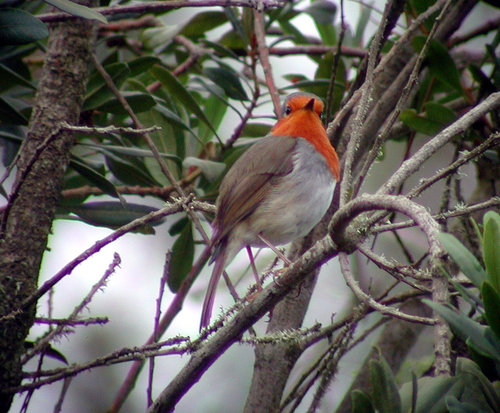
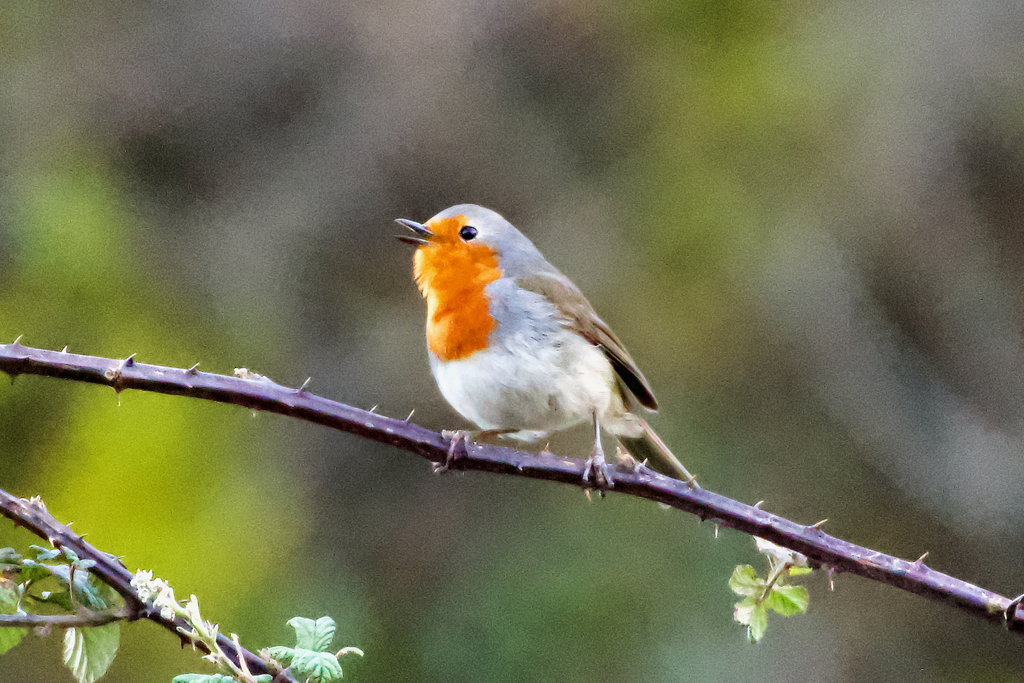
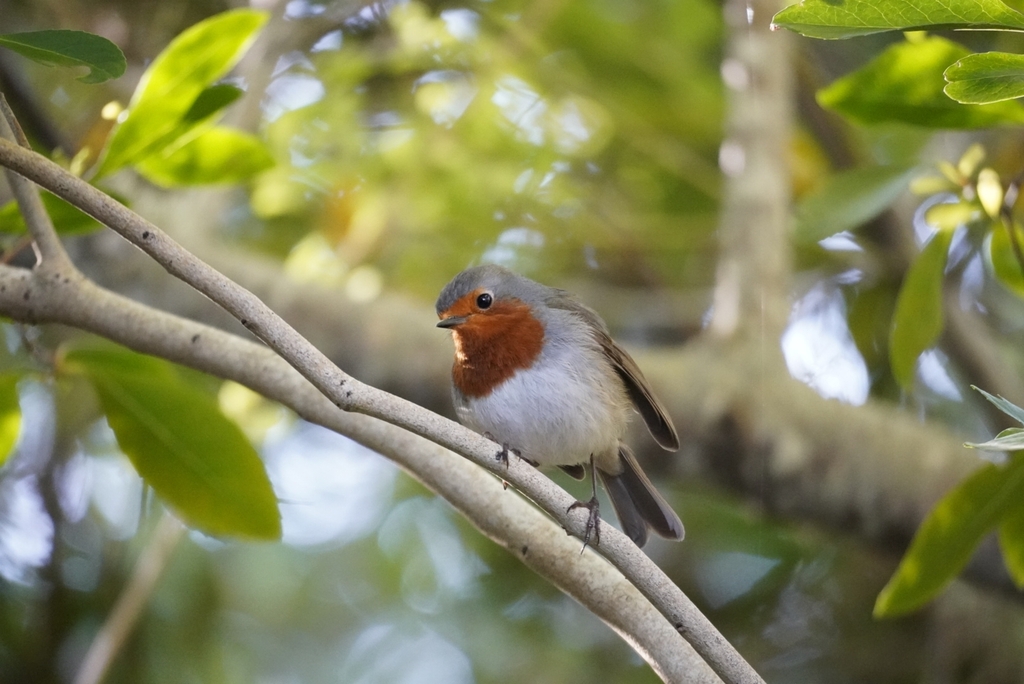
© Christoph Moning · CC BY · iNaturalist 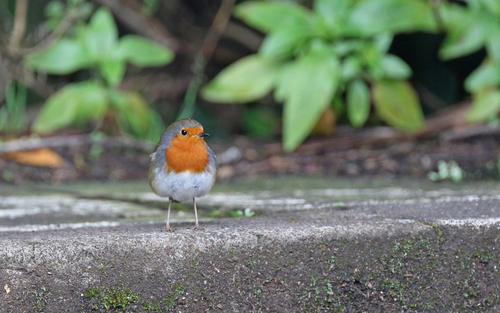
© Christoph Moning · CC BY · iNaturalist 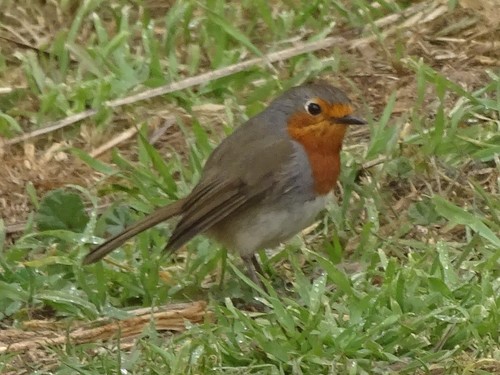
© Christian Berg · CC BY · iNaturalist 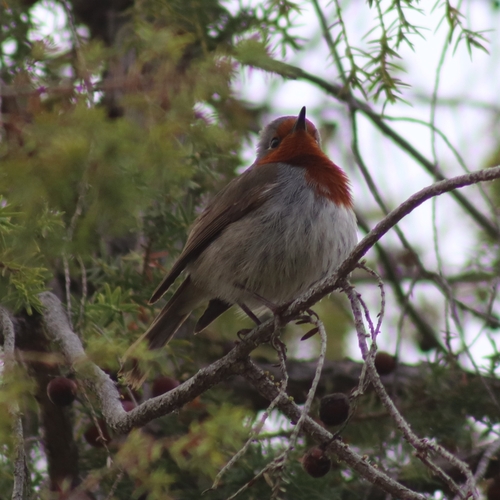
© Robert Martin · CC BY · iNaturalist 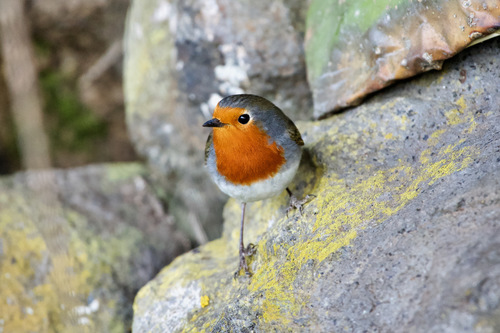
© Codrin Bucur · CC BY · iNaturalist 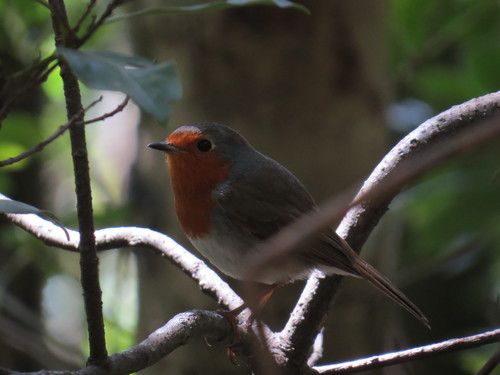
© Yves Bas · CC BY · iNaturalist 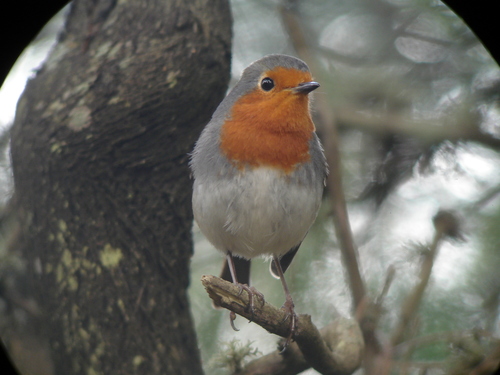
© Julien Renoult · CC BY · iNaturalist 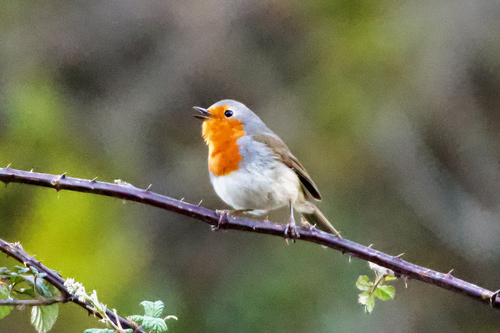
© Codrin Bucur · CC BY · iNaturalist 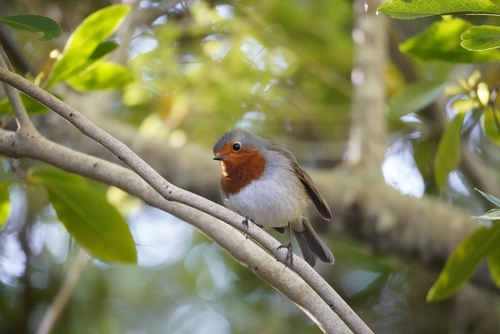
© Ana Garcia · CC BY · iNaturalist
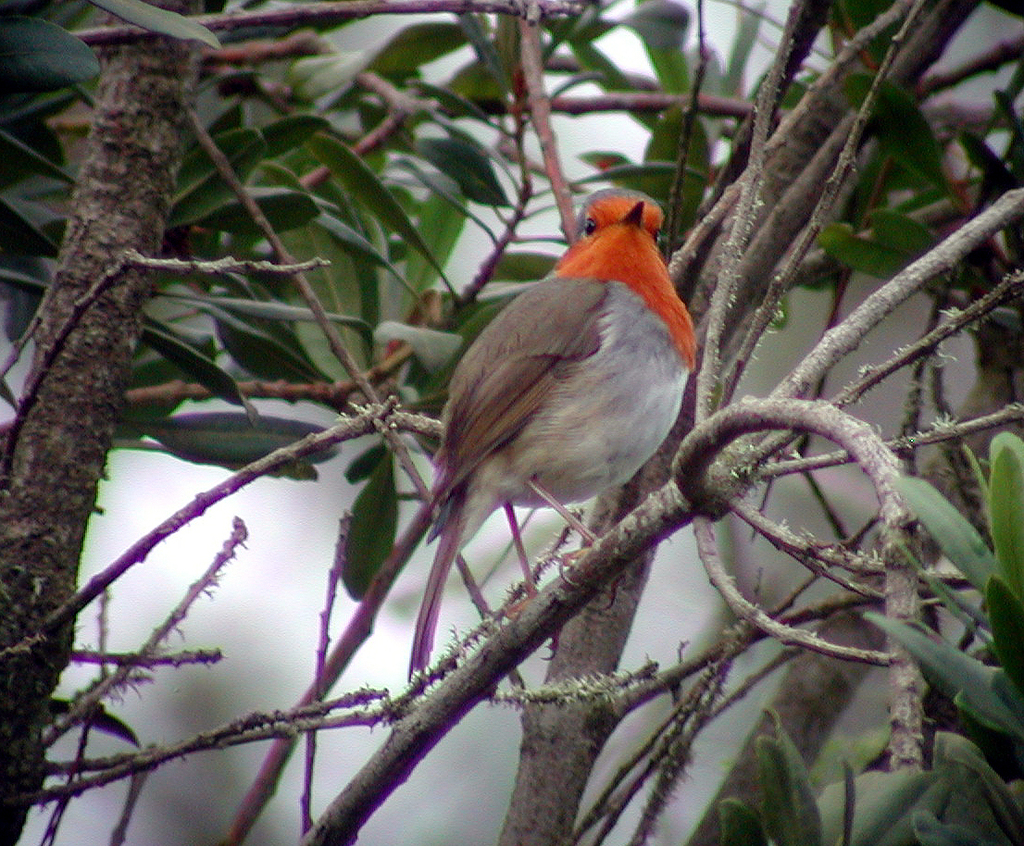
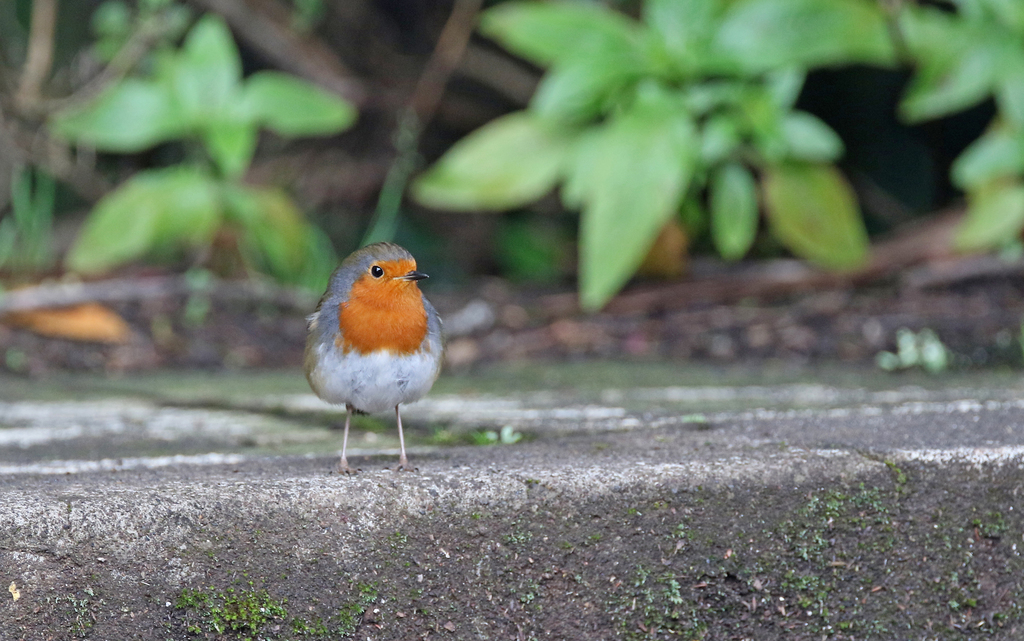
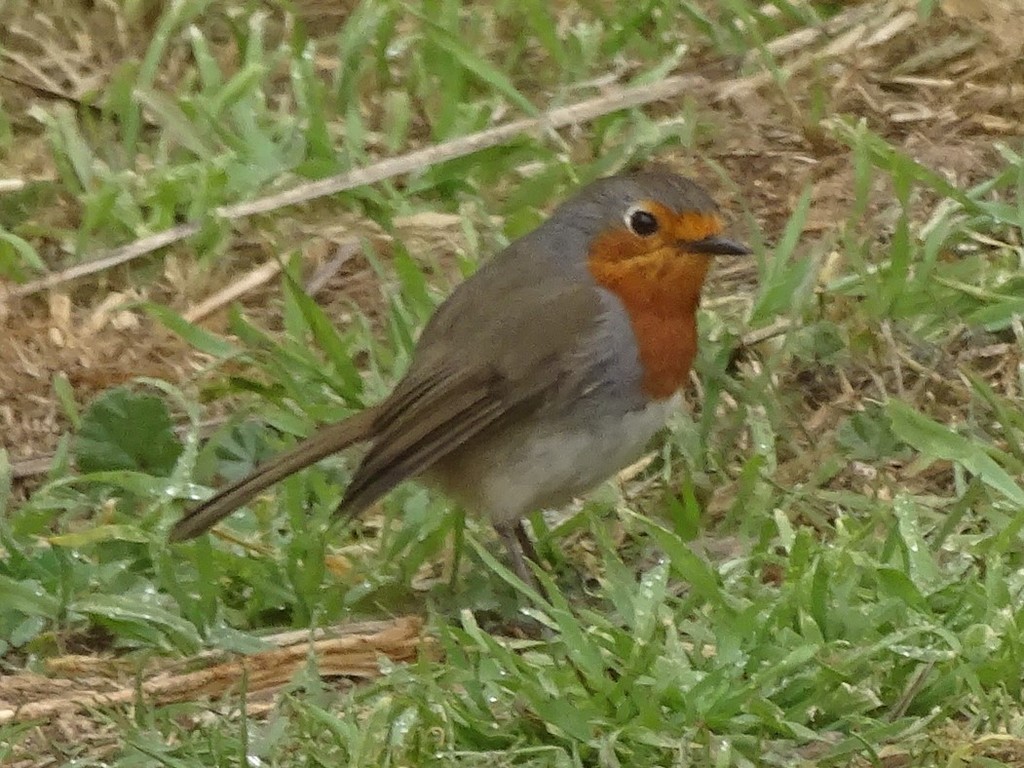
Especies relacionadasRelated species
Otras aves de la familia Muscicapidae y de órdenes cercanos.Other birds from the Muscicapidae family and nearby orders.
- Poco comúnUncommonPetirrojo de Gran CanariaGran Canaria RobinErithacus marionae
- ComúnCommon
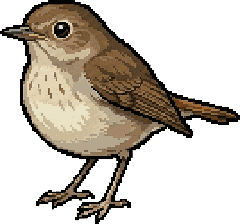 Ruiseñor comúnCommon NightingaleLuscinia megarhynchos
- Poco comúnUncommon
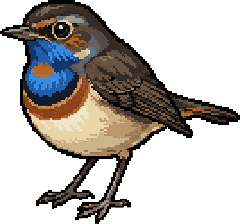 Ruiseñor pechiazulBluethroatLuscinia svecica
- ComúnCommon
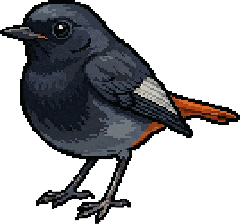 Colirrojo tizónBlack RedstartPhoenicurus ochruros
- Poco comúnUncommon
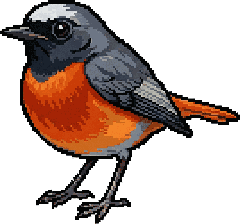 Colirrojo realCommon RedstartPhoenicurus phoenicurus
- Poco comúnUncommon
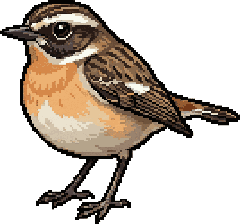 Tarabilla norteñaWhinchatSaxicola rubetra
- RaroRare
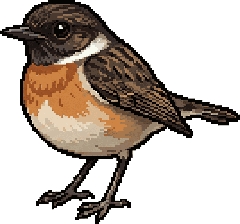 Tarabilla canariaCanary Islands StonechatSaxicola dacotiae
- ComúnCommon
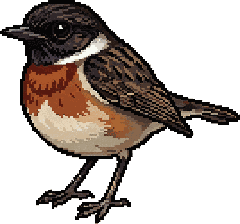 Tarabilla europeaEuropean StonechatSaxicola rubicola
 Gratis, sin anuncios ni comprasFree, no ads, no purchases