 BirdPedy
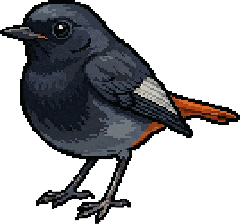
Colirrojo tizónBlack Redstart
En 52 provincias en enero y en 48 en junioIn 52 provinces in January and 48 in June
Reporte de rarezaRarity report
Por qué es comúnWhy it is commonSedentario y muy extendido por toda España. Ocupa desde los roquedos de alta montaña hasta cascos antiguos, pueblos y zonas industriales, superando con creces el umbral de presencia común.Sedentary and very widespread throughout Spain. Occupies from high mountain crags to old towns.
Cada carrizo es un mes: su altura, las provincias con registros de 2020 a 2024.Each reed is a month: its height, the provinces with records from 2020 to 2024.- Provincias con registrosProvinces with records
- 52 de 52of 52
- En la appIn the app
- Todo el añoAll year
- EnvergaduraWingspan
- 23-26 cm23-26 cm
- LongitudLength
- 14-15 cm14-15 cm
- Lista Roja de EspañaSpanish Red List
- LC Preocupación menorLeast Concern

Información generalGeneral Information
Pequeño pájaro de color pardo oscuro o negro y característica cola roja, atributo del que proviene su nombre popular. Ampliamente extendido por el centro y el sur de Europa, en España resulta relativamente común en la mitad norte y más escaso en la mitad sur, donde aparece acantonado en zonas de montaña. Se encuentra asociado a roquedos y terrenos despejados, secos y pedregosos. Muestra cierto grado de antropofilia, ocupando diversos tipos de construcciones humanas en entornos urbanos y rurales.The Black Redstart is the common redstart of our towns, villages, and mountains. It is a hardy bird that has successfully moved from its original mountain cliffs to colonize buildings and ruins. It is extremely common in the north and in Spanish cities. In winter, our population is joined by millions of migrants from central Europe, making it one of the most visible birds of the winter landscape. It is exceptionally adaptable.
IdentificaciónIdentification
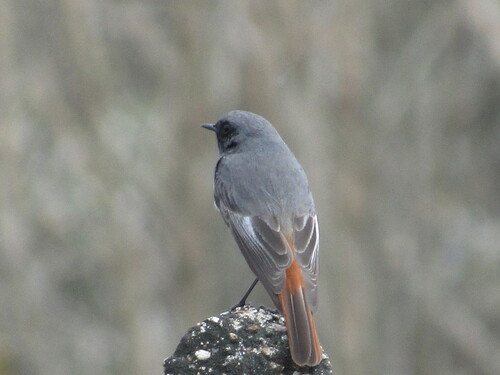
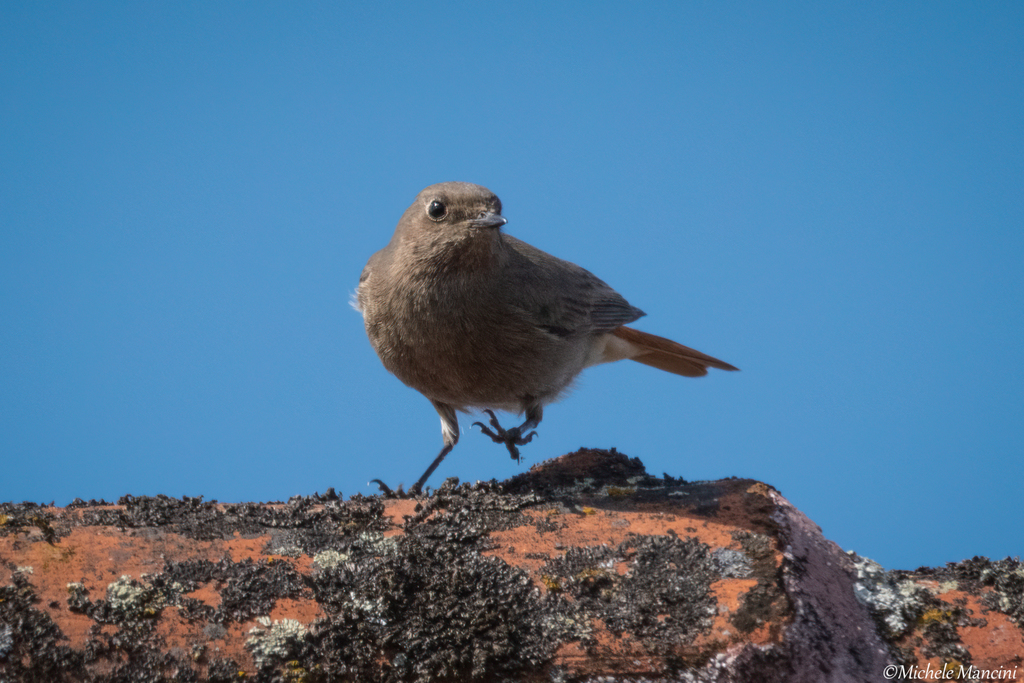
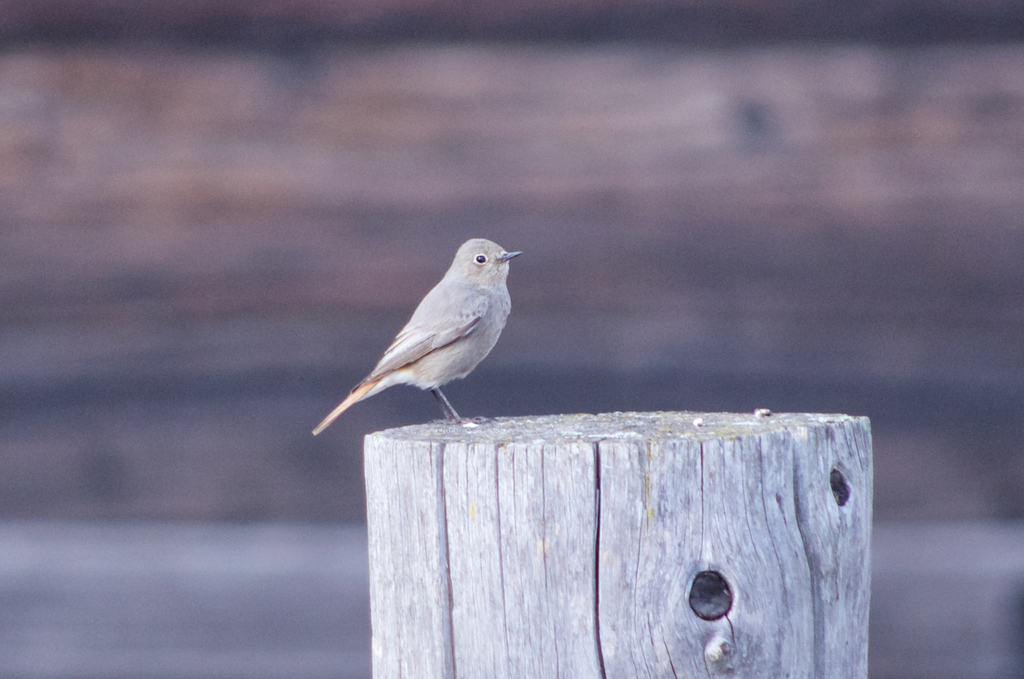
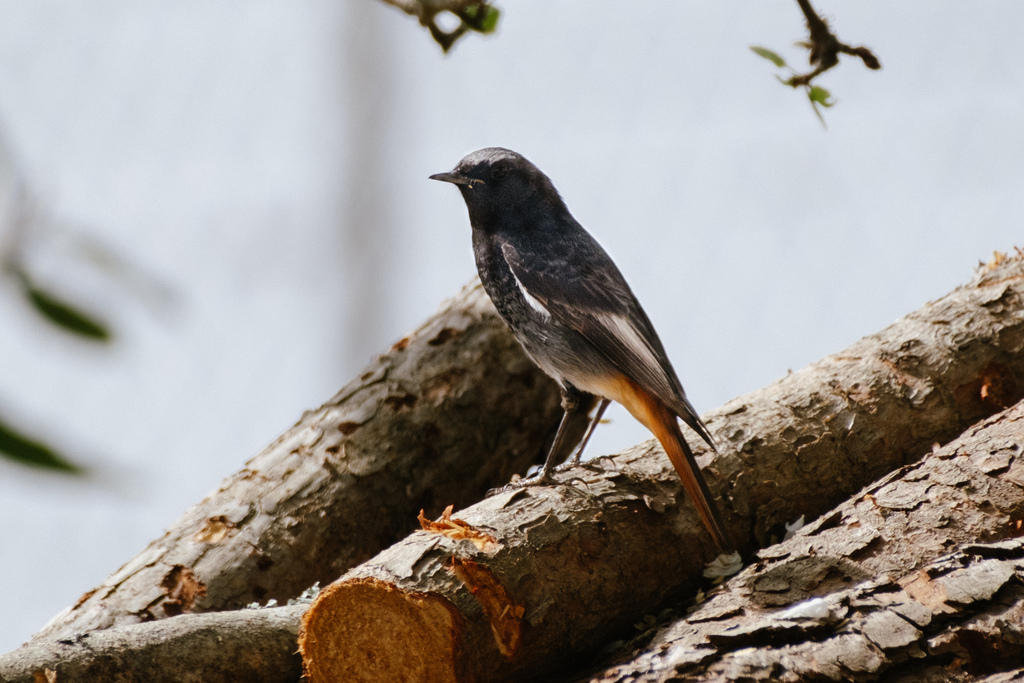
El colirrojo tizón es un ave de pequeño tamaño y diseño peculiar, con obispillo y cola de característico color rojo. El macho presenta el pecho y la cara de color negro azabache, y el resto del cuerpo oscuro, con una mancha blanca en las alas. Las hembras y los jóvenes son pardogrisáceos. Muy terrestre, acostumbra a posarse con figura erguida mientras agita su cola roja. Tiene vuelo amariposado, con batido rápido de alas.A small, active bird of rocky and urban environments. Males are unmistakable: soot-black to dark gray with a brilliant, shivering orange-red tail. They often show a white patch on the wings. Females and juveniles are a uniform smoky-brown with the same diagnostic orange-red tail. It has a very upright posture and is famously 'nervous,' constantly bobbing and shivering its tail. Its song features a unique, 'crushing' metallic sound like glass breaking.
DistribuciónDistribution
La especie se distribuye de forma continua por toda la mitad norte, donde falta en la depresión del Ebro. En la mitad sur está asociada a regiones montañosas. Se halla ausente de Baleares y Canarias. Su adaptación a la hora de criar a los entornos más humanizados ha favorecido la expansión de la especie. En España se encuentran las subespecies gibraltarensis, que ocupa el tercio norte peninsular y tiene el dorso gris, y aterrimus, restringida al centro y al sur, con tonalidades más negras.Widespread across the northern half; restricted to mountain ranges in the south. Absent from the Canaries. Two subspecies: 'gibraltarensis' (north/central) and the darker 'aterrimus' (south/central). Common winterer everywhere.
Textos reproducidos con permiso de laTexts translated and reproduced with permission from the Guía de Aves de España © SEO/BirdLife
Estado de conservaciónConservation Status
- EX
- RE
- CR
- EN
- VU
- NT
- LC
Preocupación menorLeast Concern
Qué significa cada categoríaWhat each category means
- LC
- Preocupación menor: Taxón evaluado que no califica para categorías amenazadas. Especies abundantes y ampliamente distribuidasLeast Concern - Evaluated taxon that does not qualify for threatened categories. Widespread and abundant taxa
- NT
- Casi amenazada: No califica actualmente como amenazada, pero está cerca de calificar o es probable que califique en el futuro cercanoNear Threatened - Does not currently qualify as threatened, but is close to qualifying or likely to qualify in the near future
- VU
- Vulnerable: Enfrenta un alto riesgo de extinción en estado silvestre según los criterios A a E de IUCNVulnerable - Facing a high risk of extinction in the wild based on IUCN criteria A to E
- EN
- En peligro: Enfrenta un riesgo muy alto de extinción en estado silvestre según los criterios A a E de IUCNEndangered - Facing a very high risk of extinction in the wild based on IUCN criteria A to E
- CR
- En peligro crítico: Enfrenta un riesgo extremadamente alto de extinción en estado silvestre según los criterios A a E de IUCNCritically Endangered - Facing an extremely high risk of extinction in the wild based on IUCN criteria A to E
- DD
- Datos insuficientes: Información inadecuada para evaluar el riesgo de extinción basándose en distribución o estado poblacionalData Deficient - Inadequate information to assess extinction risk based on distribution and/or population status
- NE
- No evaluada: No ha sido evaluada aún contra los criterios de la Lista Roja de IUCNNot Evaluated - Has not yet been assessed against the IUCN Red List criteria
- RE
- Extinta regionalmente: El taxón ya no existe en la región específica, aunque puede sobrevivir en otros lugaresRegionally Extinct - Taxon no longer exists in the specific region, though it may survive elsewhere
- EX
- Extinta - No existe duda razonable de que ha muerto el último individuo del taxónExtinct - No reasonable doubt that the last individual of the taxon has died
TaxonomíaTaxonomy
- OrdenOrder
- Passeriformes
- FamiliaFamily
- Muscicapidae
Presencia en EspañaPresence in Spain
- HabitualRegular
- InvernanteWinter visitor
- ResidenteResident
En la app: todo el año.In the app: all year.
Dónde verlaWhere to see it
4.702 cuadrículas de 10 km con registros de 2020 a 2024. Toca un mes para ver dónde se ha visto.4,702 10 km squares with records from 2020 to 2024. Pick a month to see where it has been seen.
Cargando el mapa…Loading the map…
Dónde es regularWhere it is regular
Provincias con registros en al menos 3 de los 5 años algún mes, de más a menos frecuente, y sus mejores meses.Provinces with records in at least 3 of the 5 years in some month, from most to least frequent, and their best months.
- CastellónCastellónnoviembre, enero, diciembreNovember, January, December
- AlmeríaAlmeríanoviembre, diciembre, eneroNovember, December, January
- MurciaMurcianoviembre, diciembre, eneroNovember, December, January
- BarcelonaBarcelonanoviembre, diciembre, eneroNovember, December, January
- JaénJaénnoviembre, diciembre, eneroNovember, December, January
- GranadaGranadanoviembre, enero, diciembreNovember, January, December
- MálagaMálaganoviembre, diciembre, eneroNovember, December, January
- CeutaCeutadiciembre, noviembre, eneroDecember, November, January
- AlbaceteAlbacetenoviembre, diciembre, eneroNovember, December, January
- ValenciaValencianoviembre, diciembre, eneroNovember, December, January
Ver las 52 provinciasSee all 52 provinces
- CórdobaCórdobanoviembre, diciembre, eneroNovember, December, January
- BalearesBalearic Islandsnoviembre, diciembre, eneroNovember, December, January
- GuadalajaraGuadalajaraoctubre, noviembre, marzoOctober, November, March
- AlicanteAlicantenoviembre, enero, febreroNovember, January, February
- SoriaSoriaoctubre, abril, marzoOctober, April, March
- ÁvilaÁviladiciembre, noviembre, eneroDecember, November, January
- HuescaHuescaoctubre, noviembre, julioOctober, November, July
- VizcayaVizcayajunio, mayo, julioJune, May, July
- GironaGironanoviembre, diciembre, eneroNovember, December, January
- SegoviaSegoviaoctubre, septiembre, marzoOctober, September, March
- GuipúzcoaGuipúzcoajunio, julio, mayoJune, July, May
- MelillaMelillaeneroJanuary
- TarragonaTarragonanoviembre, diciembre, eneroNovember, December, January
- LleidaLleidanoviembre, diciembre, eneroNovember, December, January
- CantabriaCantabriajunio, julio, mayoJune, July, May
- CuencaCuencaoctubre, noviembre, marzoOctober, November, March
- AsturiasAsturiasnoviembre, julio, septiembreNovember, July, September
- CádizCádiznoviembre, diciembre, eneroNovember, December, January
- ZaragozaZaragozanoviembre, diciembre, eneroNovember, December, January
- TeruelTeruelnoviembre, octubre, marzoNovember, October, March
- PalenciaPalenciamarzo, julio, junioMarch, July, June
- ValladolidValladolidmarzo, octubre, eneroMarch, October, January
- HuelvaHuelvanoviembre, diciembre, eneroNovember, December, January
- LugoLugooctubre, diciembre, noviembreOctober, December, November
- SalamancaSalamancadiciembre, noviembre, octubreDecember, November, October
- MadridMadridnoviembre, diciembre, eneroNovember, December, January
- CáceresCáceresnoviembre, diciembre, eneroNovember, December, January
- LeónLeónjulio, octubre, agostoJuly, October, August
- OurenseOurensefebrero, noviembre, diciembreFebruary, November, December
- PontevedraPontevedranoviembre, diciembre, eneroNovember, December, January
- Ciudad RealCiudad Realnoviembre, diciembre, eneroNovember, December, January
- BurgosBurgosabril, junio, marzoApril, June, March
- ZamoraZamoradiciembre, noviembre, eneroDecember, November, January
- ToledoToledodiciembre, noviembre, eneroDecember, November, January
- A CoruñaA Coruñaoctubre, noviembre, julioOctober, November, July
- NavarraNavarraoctubre, junio, abrilOctober, June, April
- La RiojaLa Riojanoviembre, octubre, abrilNovember, October, April
- ÁlavaÁlavajunio, abril, mayoJune, April, May
- SevillaSevillanoviembre, diciembre, eneroNovember, December, January
- BadajozBadajoznoviembre, diciembre, eneroNovember, December, January
- Las PalmasLas Palmasnoviembre, enero, diciembreNovember, January, December
- Santa Cruz de TenerifeSanta Cruz de Tenerifenoviembre, diciembre, eneroNovember, December, January
Datos: registros en GBIF de 2020 a 2024 de Observation.org, eBird, iNaturalist y el ICO, descargados el 23/10/2026.Data: GBIF records from 2020 to 2024 from Observation.org, eBird, iNaturalist and the ICO, downloaded on 23/10/2026. GBIF.org (23 October 2026) GBIF Occurrence Download · doi:10.15468/dl.r5sf2a · CC BY-NC 4.0
GaleríaGallery
© SteveM4560 · CC BY · iNaturalist 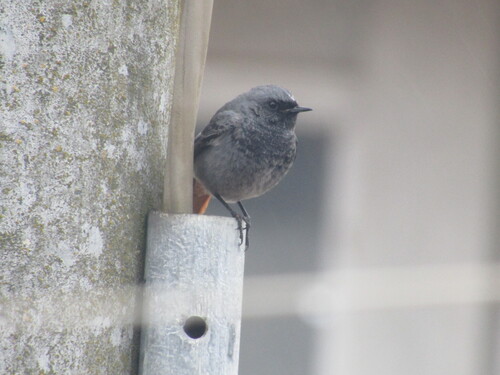
© SteveM4560 · CC BY · iNaturalist 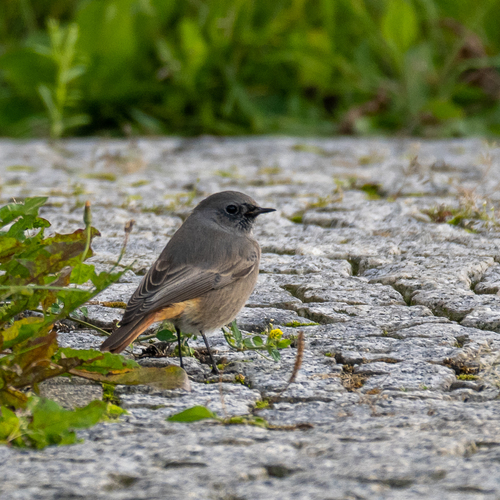
© Piotr Lukasik · CC BY · iNaturalist 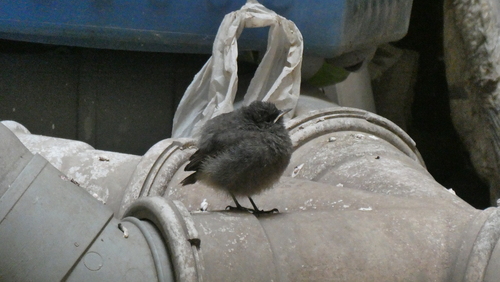
© frangp · CC BY · iNaturalist 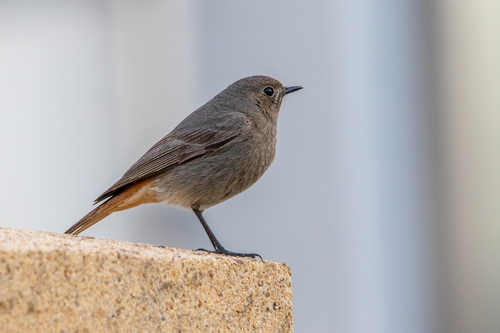
© Alexis Lours · CC BY · iNaturalist 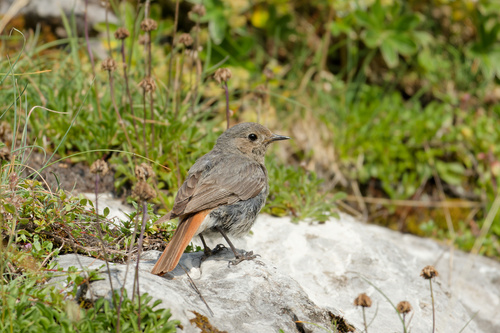
© Donald Davesne · CC BY · iNaturalist 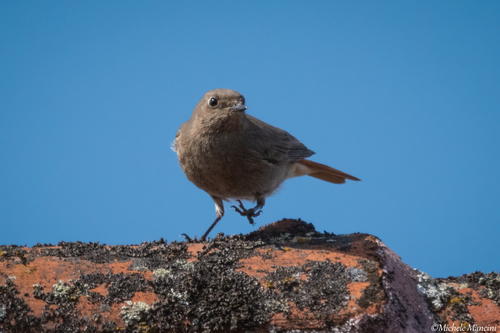
© Michele Mancini · CC BY · iNaturalist 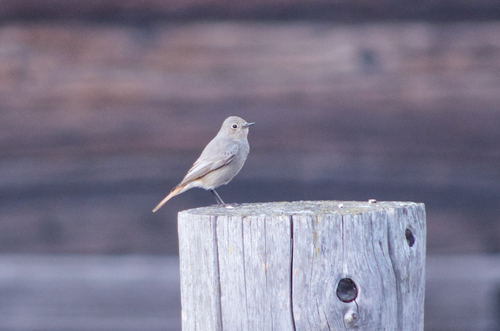
© Codrin Bucur · CC BY · iNaturalist 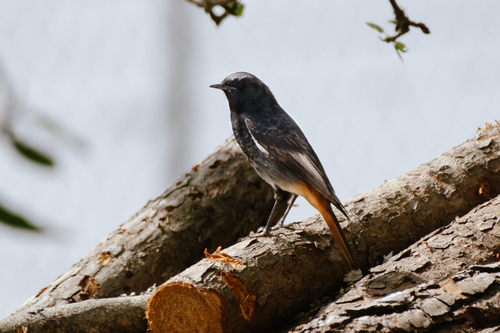
© Bruno Yamazaky · CC BY · iNaturalist


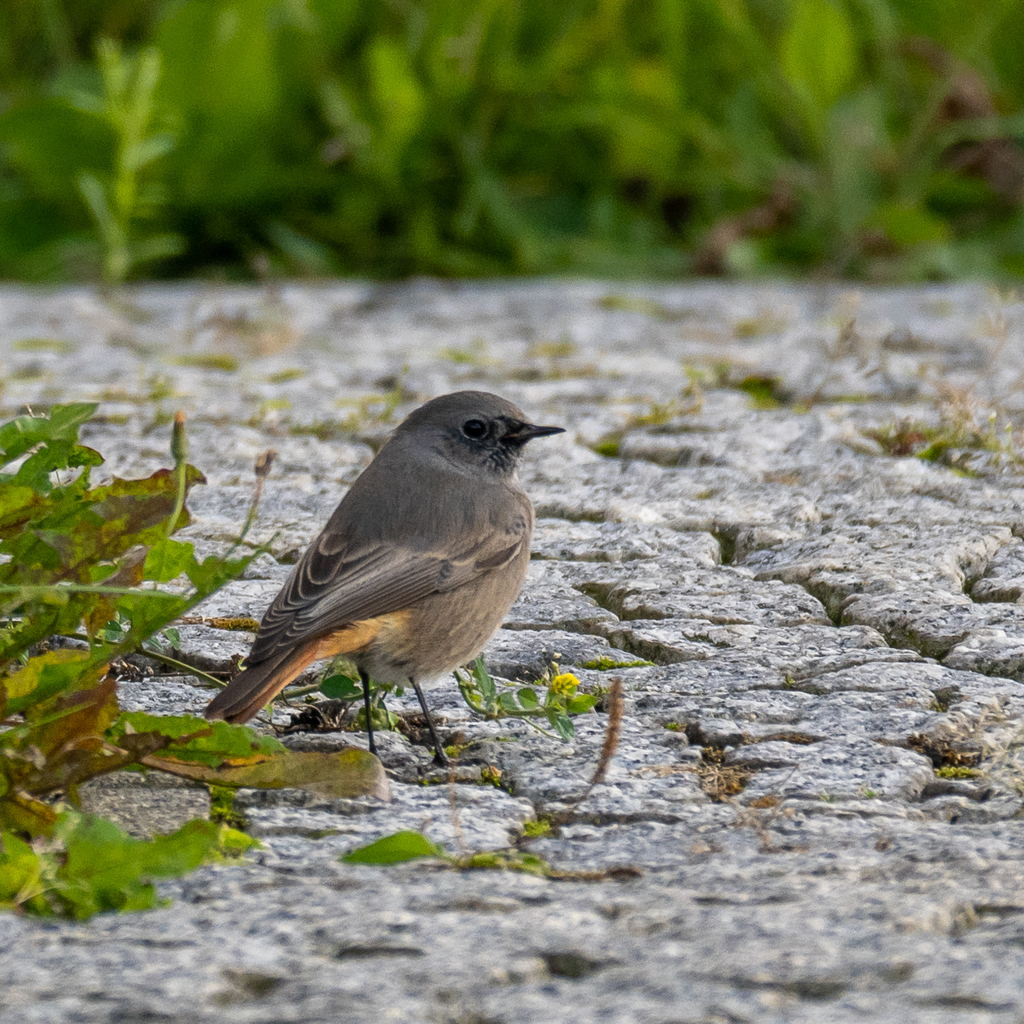


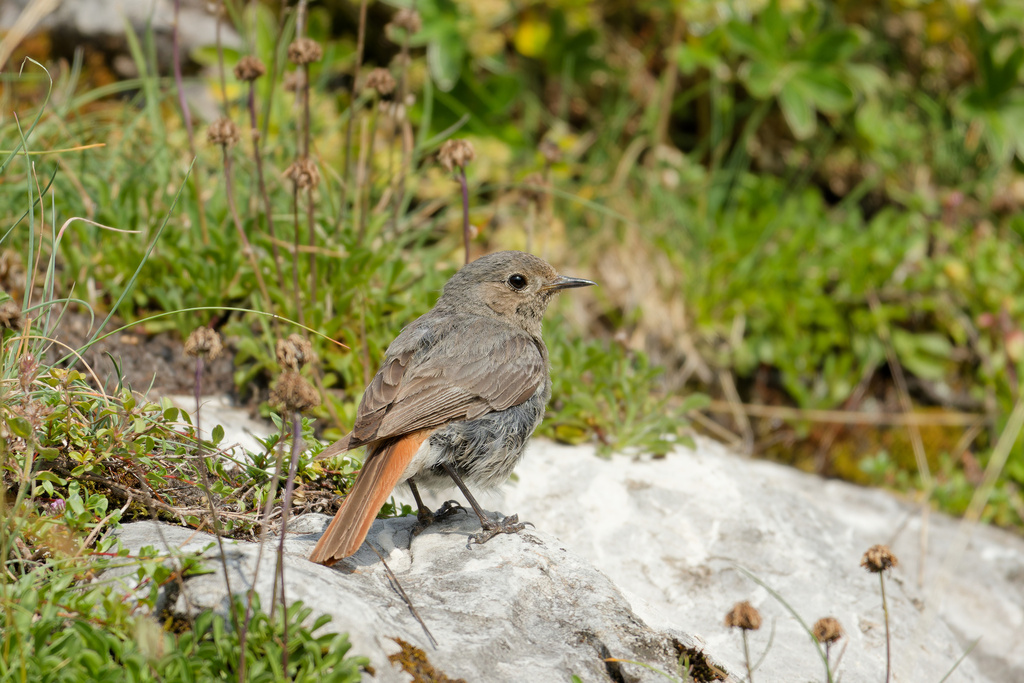
Especies relacionadasRelated species
Otras aves de la familia Muscicapidae y de órdenes cercanos.Other birds from the Muscicapidae family and nearby orders.
- Poco comúnUncommon
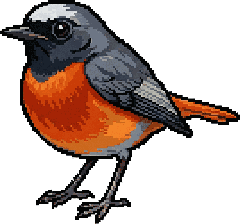 Colirrojo realCommon RedstartPhoenicurus phoenicurus
- Poco comúnUncommon
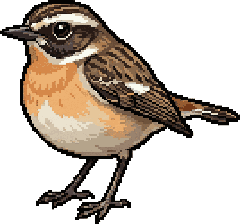 Tarabilla norteñaWhinchatSaxicola rubetra
- RaroRare
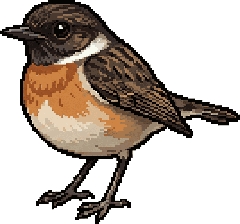 Tarabilla canariaCanary Islands StonechatSaxicola dacotiae
- ComúnCommon
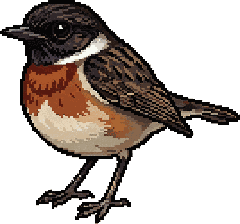 Tarabilla europeaEuropean StonechatSaxicola rubicola
- ComúnCommon
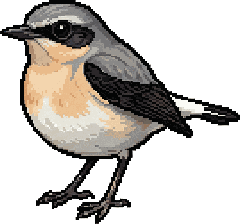 Collalba grisNorthern WheatearOenanthe oenanthe
- Poco comúnUncommon
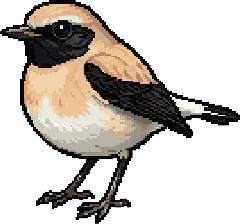 Collalba rubia occidentalWestern Black-eared WheatearOenanthe hispanica
- Poco comúnUncommon
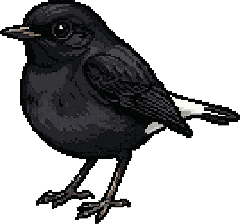 Collalba negraBlack WheatearOenanthe leucura
- Poco comúnUncommon
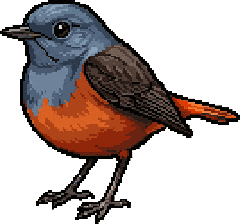 Roquero rojoCommon Rock ThrushMonticola saxatilis
 Gratis, sin anuncios ni comprasFree, no ads, no purchases