 BirdPedy
Alzacola rojizoRufous-tailed Scrub Robin
En 14 provincias en agosto y sin registros 5 meses del añoIn 14 provinces in August, and no records in 5 months of the year
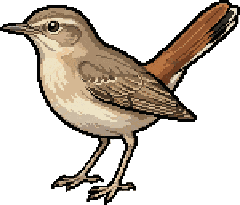
Reporte de rarezaRarity report
Por qué es raroWhy it is rareEstival migradora en grave declive poblacional. Confinada a viñedos tradicionales, olivares y huertos de la mitad sur y levante. Su escasez y pérdida de hábitat la convierten en una especie rara y amenazada.Summer migrant in serious population decline. Confined to traditional vineyards and orchards in the south and Levant.
Cada carrizo es un mes: su altura, las provincias con registros de 2020 a 2024.Each reed is a month: its height, the provinces with records from 2020 to 2024.- Provincias con registrosProvinces with records
- 15 de 52of 52
- En la appIn the app
- Marzo a octubreMarch to October
- EnvergaduraWingspan
- 22-27 cm22-27 cm
- LongitudLength
- 15-17 cm15-17 cm
- Lista Roja de EspañaSpanish Red List
- EN En peligroEndangered

Información generalGeneral Information
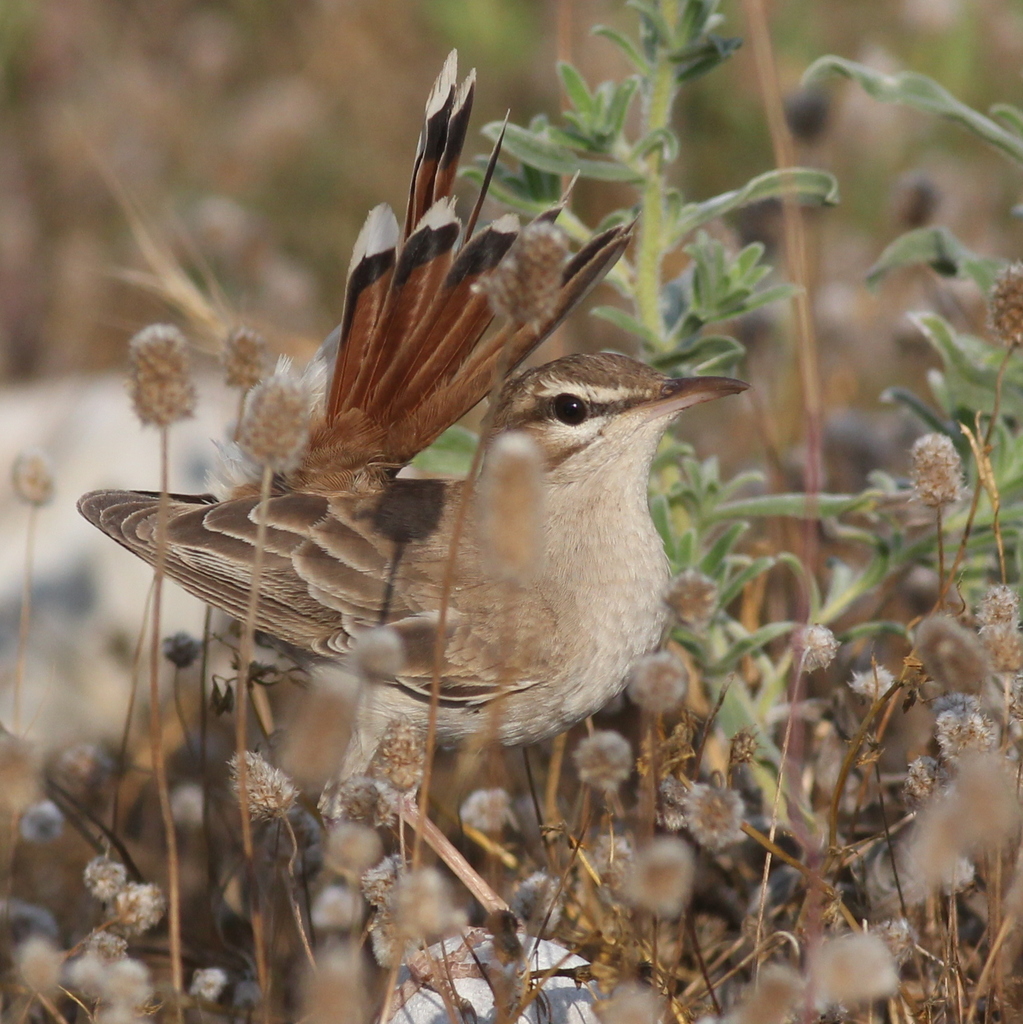
Ave insectívora fácil de identificar por su larga y rojiza cola, que sacude y despliega constantemente. En nuestro país solo aparece durante la época reproductora, en cultivos leñosos de la mitad sur, en áreas de clima seco y cálido. Tiene la costumbre de deambular por el suelo y por las zonas bajas de arbustos y matorrales.A charismatic bird of the Mediterranean heat. It has a strong preference for dry, sunny habitats like vineyards, olive groves, and arid scrublands. It is the quintessential bird of the southern 'huerta' and the dry 'ramblas' of the southeast. Its habit of pumping its tail and its melodious, fluting song make it a joy to watch. Unfortunately, it is a very localized species that is vulnerable to changes in traditional agricultural practices.
IdentificaciónIdentification
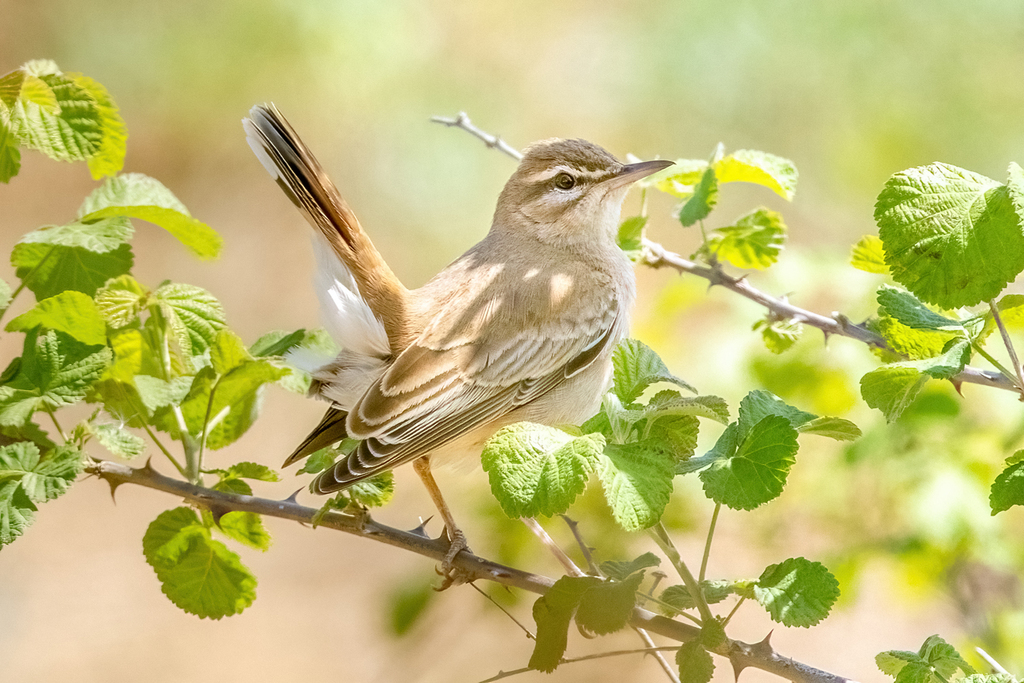
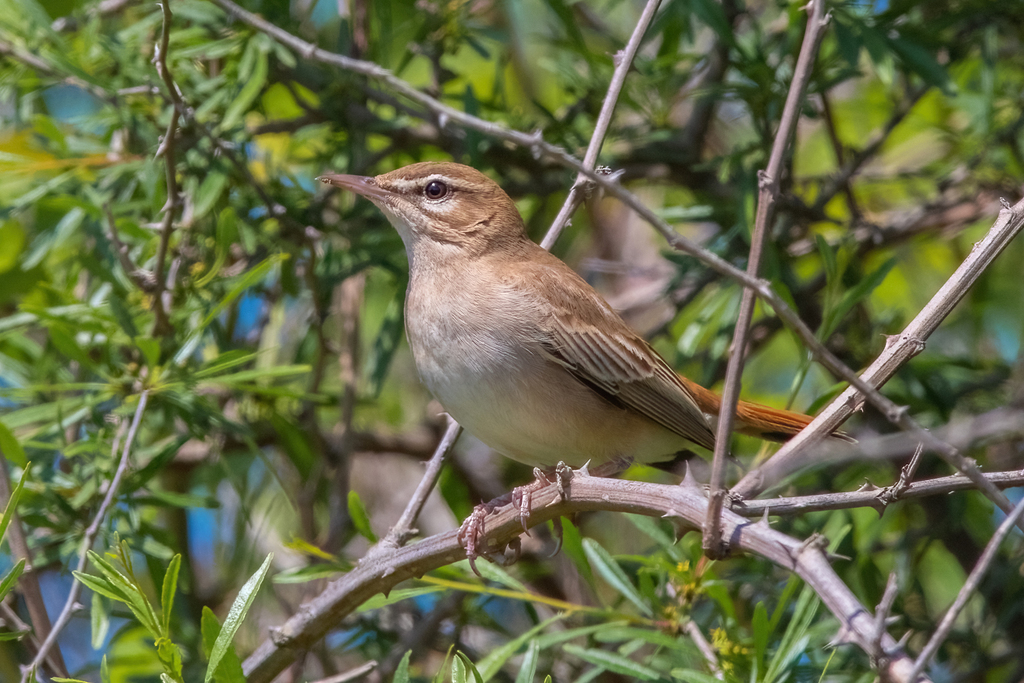
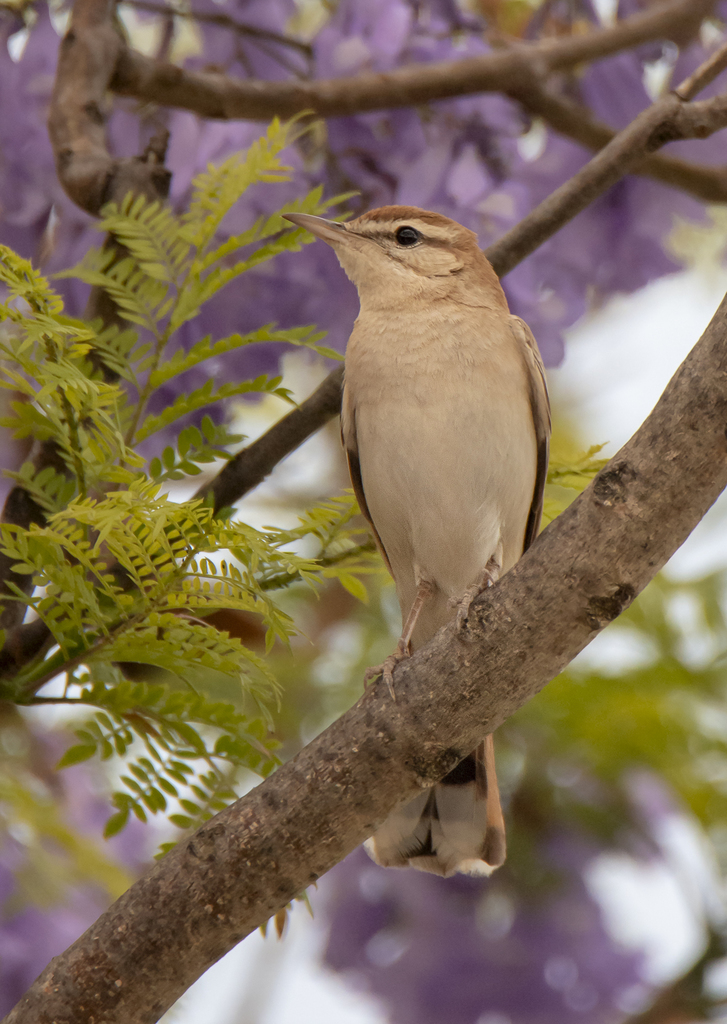
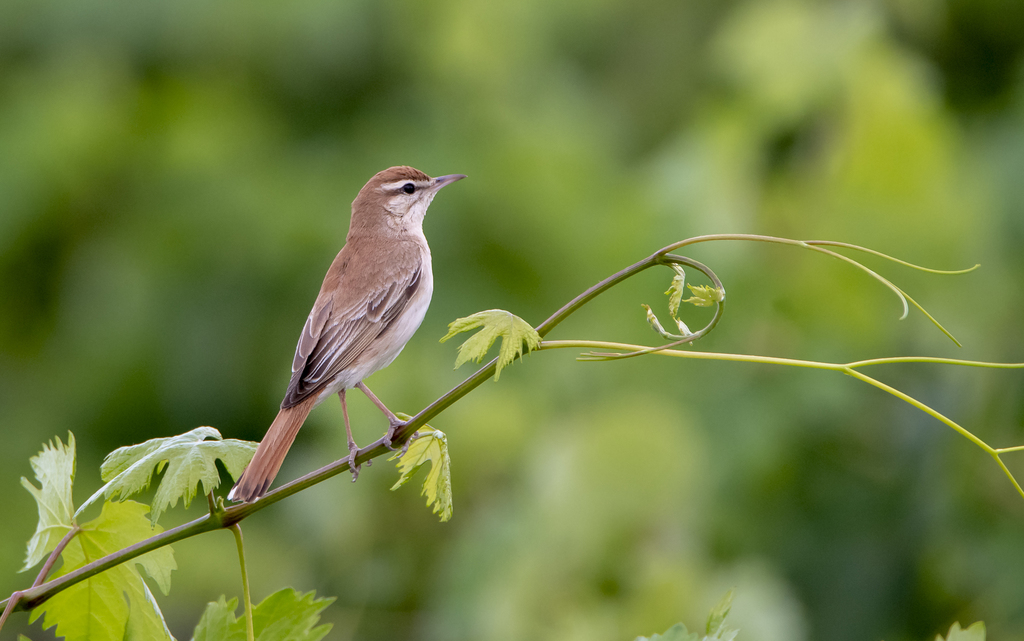
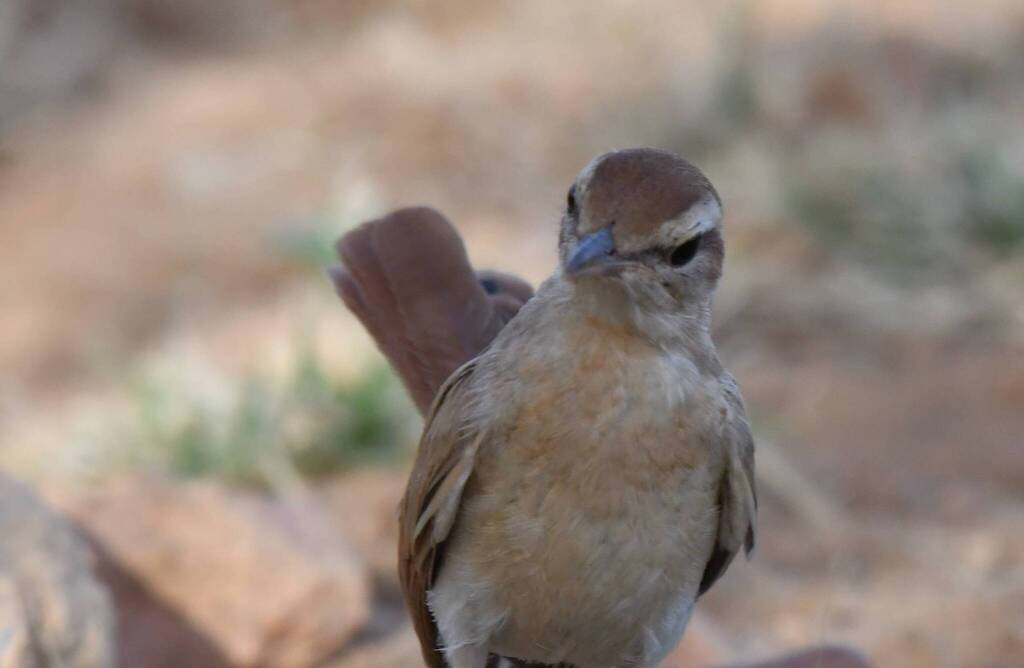
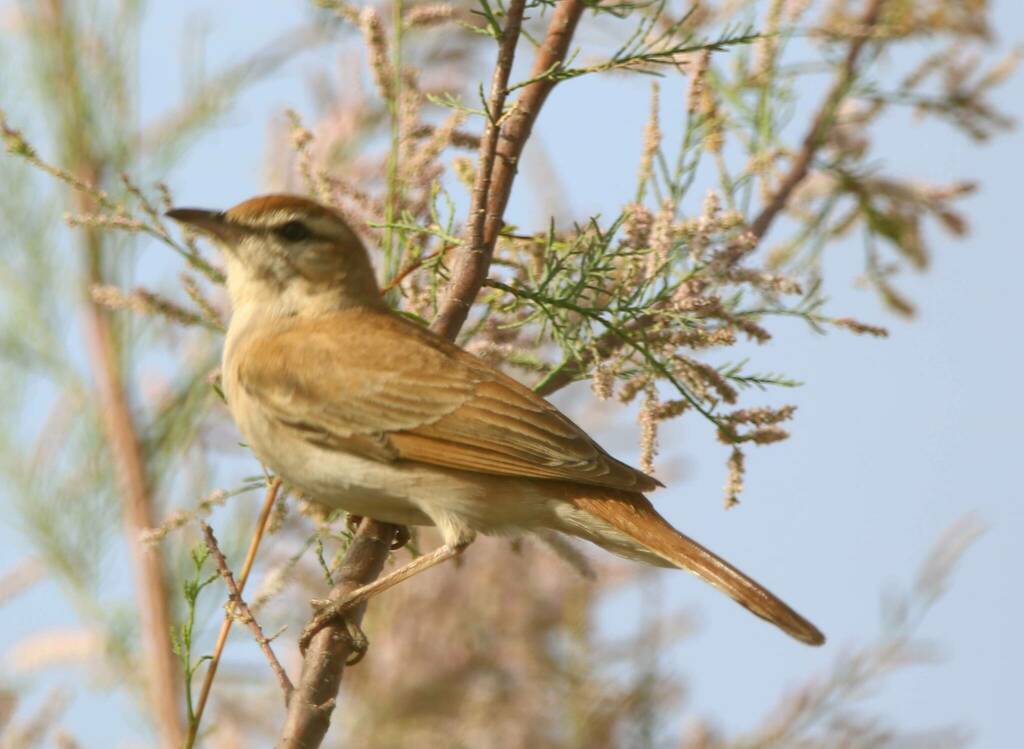
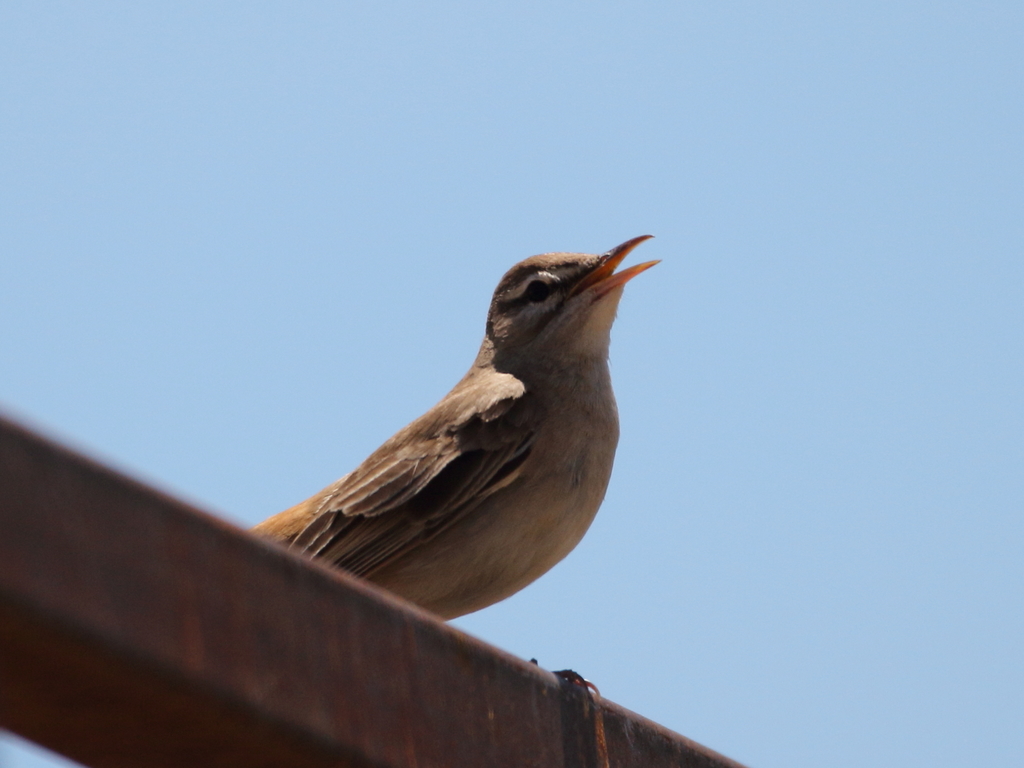
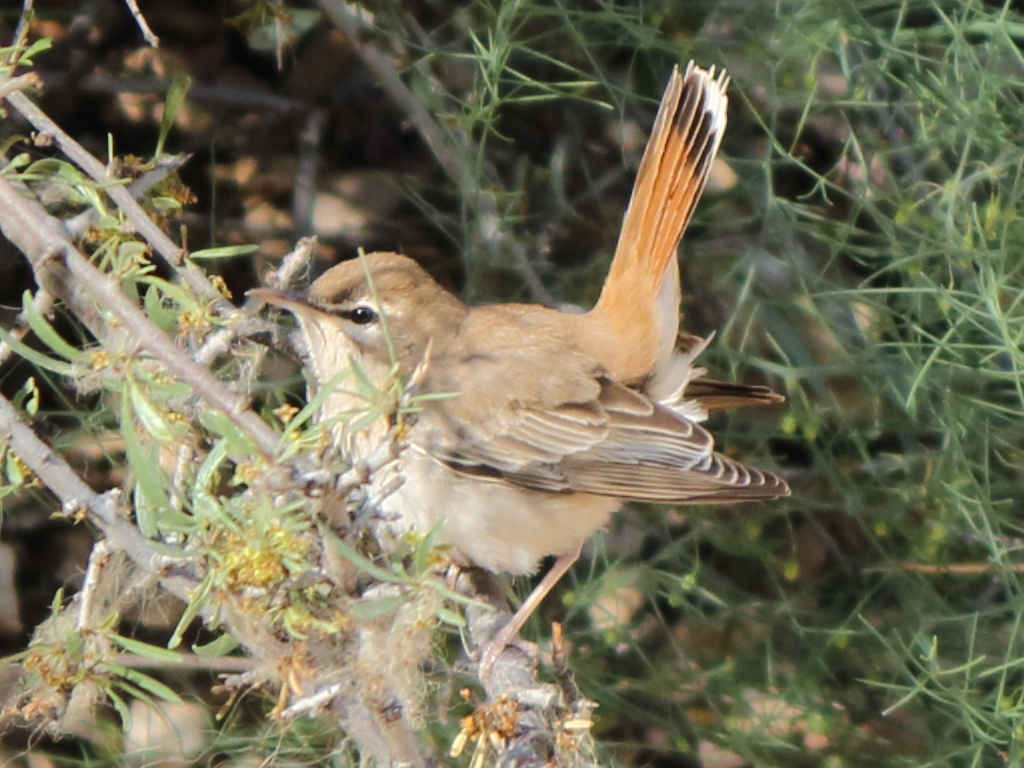
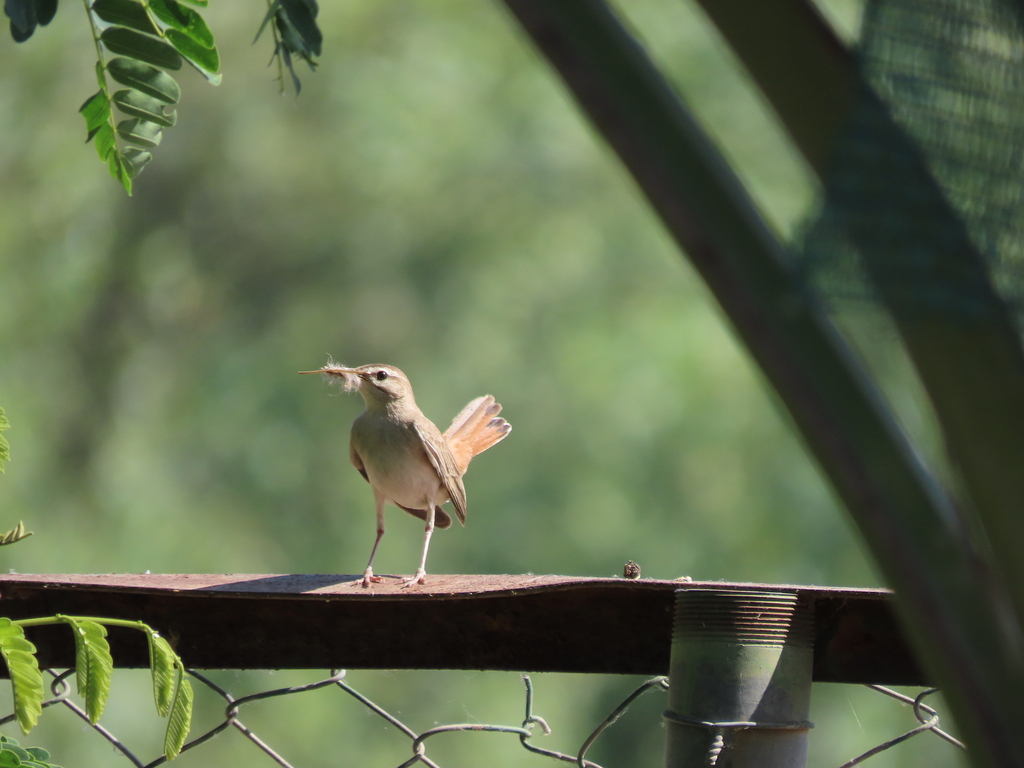
El alzacola rojizo suele observarse en el suelo o posada en arbustos bajos. Es fácilmente reconocible por su larga cola, de coloración rojiza y extremo terminal con manchas blancas y negras, que frecuentemente alza, despliega y sacude de manera ostensible. También resulta distintivo su diseño facial, ya que posee una lista ocular fina oscura, que contrasta con una banda superciliar de color blanco crema. El resto de su plumaje presenta un tono ocre claro.A slim, long-legged bird that looks like a small thrush or a large nightingale. It has a plain sand-colored back and creamy underparts, but its most striking feature is its exceptionally long, bright rufous-red tail with bold black-and-white tips. It is constantly fanning, raising, and flicking its tail. It has a bold cream eyebrow and a dark eye-line. It is a summer visitor, often seen running on the ground or singing from low bushes.
DistribuciónDistribution
En España, se localiza principalmente en la parte baja del Guadiana, en la cuenca del río Guadalquivir y en el sureste semiárido (costas de Murcia y Almería). Existe otro núcleo poblacional importante en el norte de Cáceres. No está presente en Baleares, Canarias, Ceuta y Melilla. En nuestro territorio se reconoce la subespecie galactotes.Mainly found in the Lower Guadiana, Guadalquivir basin, and the semi-arid southeast (Murcia/Almería). Another nucleus in northern Cáceres. Absent from archipelagos. Subspecies 'galactotes'.
Textos reproducidos con permiso de laTexts translated and reproduced with permission from the Guía de Aves de España © SEO/BirdLife
Estado de conservaciónConservation Status
- EX
- RE
- CR
- EN
- VU
- NT
- LC
En peligroEndangered
Qué significa cada categoríaWhat each category means
- LC
- Preocupación menor: Taxón evaluado que no califica para categorías amenazadas. Especies abundantes y ampliamente distribuidasLeast Concern - Evaluated taxon that does not qualify for threatened categories. Widespread and abundant taxa
- NT
- Casi amenazada: No califica actualmente como amenazada, pero está cerca de calificar o es probable que califique en el futuro cercanoNear Threatened - Does not currently qualify as threatened, but is close to qualifying or likely to qualify in the near future
- VU
- Vulnerable: Enfrenta un alto riesgo de extinción en estado silvestre según los criterios A a E de IUCNVulnerable - Facing a high risk of extinction in the wild based on IUCN criteria A to E
- EN
- En peligro: Enfrenta un riesgo muy alto de extinción en estado silvestre según los criterios A a E de IUCNEndangered - Facing a very high risk of extinction in the wild based on IUCN criteria A to E
- CR
- En peligro crítico: Enfrenta un riesgo extremadamente alto de extinción en estado silvestre según los criterios A a E de IUCNCritically Endangered - Facing an extremely high risk of extinction in the wild based on IUCN criteria A to E
- DD
- Datos insuficientes: Información inadecuada para evaluar el riesgo de extinción basándose en distribución o estado poblacionalData Deficient - Inadequate information to assess extinction risk based on distribution and/or population status
- NE
- No evaluada: No ha sido evaluada aún contra los criterios de la Lista Roja de IUCNNot Evaluated - Has not yet been assessed against the IUCN Red List criteria
- RE
- Extinta regionalmente: El taxón ya no existe en la región específica, aunque puede sobrevivir en otros lugaresRegionally Extinct - Taxon no longer exists in the specific region, though it may survive elsewhere
- EX
- Extinta - No existe duda razonable de que ha muerto el último individuo del taxónExtinct - No reasonable doubt that the last individual of the taxon has died
TaxonomíaTaxonomy
- OrdenOrder
- Passeriformes
- FamiliaFamily
- Muscicapidae
- SinónimosSynonyms
- Erythropygia galactotes
Presencia en EspañaPresence in Spain
- EstivalSummer visitor
- HabitualRegular
En la app: marzo a octubre.In the app: March to October.
Revisión científica de BirdPedyBirdPedy scientific review
Revisada por BirdPedy el 28/10/2026 ·Reviewed by BirdPedy on 28 October 2026 · Cómo revisamosHow we review
RarezaRarity
Entre 2020 y 2024 se vio en España en 284 ocasiones distintas, que suman 600 días, todos los años (datos de Observation.org y eBird publicados en GBIF) [1, 2]. Cada ocasión junta los registros de una misma cuadrícula de 10 km y sus 8 vecinas sin un hueco de más de 14 días, así que un ave que pasa semanas en el mismo sitio cuenta una sola vez.
En BirdPedy es rara, el nivel de las especies con más de 60 días en 5 años, pero menos de 400 ocasiones. Que esté en peligro no cuenta aquí: la rareza mide lo difícil que es verla en España, no lo amenazada que está.
Between 2020 and 2024 it was seen in Spain on 284 separate occasions, adding up to 600 days, every year (data from Observation.org and eBird published on GBIF) [1, 2]. Each occasion groups the records in the same 10 km square and its 8 neighbours with no gap of more than 14 days, so a bird that stays for weeks in the same place counts only once.
In BirdPedy it is rare, the level for species with more than 60 days in 5 years, but fewer than 400 occasions. Being Endangered does not count here: rarity measures how hard it is to see in Spain, not how threatened it is.
Estado de amenazaThreat status
ReferenciasReferences
- GBIF.org (23/10/2026). Descarga de registros de aves de España, 2020-2024, con el día y la cuadrícula de 10 km de cada uno, para contar ocasiones y días.GBIF.org (23 October 2026). Occurrence download of birds in Spain, 2020-2024, with the day and 10 km square of each record, to count occasions and days. doi.org/10.15468/dl.bqdmdt
- GBIF.org (23/10/2026). Descarga de registros de aves de España, 2020-2024 (Observation.org, eBird, iNaturalist e ICO).GBIF.org (23 October 2026). Occurrence download of birds in Spain, 2020-2024 (Observation.org, eBird, iNaturalist and ICO). doi.org/10.15468/dl.r5sf2a
- SEO/BirdLife (2021). Libro Rojo de las Aves de España. Madrid.SEO/BirdLife (2021). Libro Rojo de las Aves de España (Red Data Book of the Birds of Spain). Madrid. seo.org
- SEO/BirdLife. Guía de aves de seo.org, ficha: Alzacola rojizo (consultada el 23/10/2026).SEO/BirdLife. Bird guide on seo.org, Rufous-tailed Scrub Robin account (accessed 23 October 2026). seo.org
Dónde verlaWhere to see it
156 cuadrículas de 10 km con registros de 2020 a 2024. Toca un mes para ver dónde se ha visto.156 10 km squares with records from 2020 to 2024. Pick a month to see where it has been seen.
Cargando el mapa…Loading the map…
Dónde es regularWhere it is regular
Provincias con registros en al menos 3 de los 5 años algún mes, de más a menos frecuente, y sus mejores meses.Provinces with records in at least 3 of the 5 years in some month, from most to least frequent, and their best months.
- BadajozBadajozjulio, junio, mayoJuly, June, May
- MurciaMurciajulio, agosto, junioJuly, August, June
- AlmeríaAlmeríamayo, junio, julioMay, June, July
- CádizCádizmayo, junio, julioMay, June, July
- HuelvaHuelvamayo, junio, julioMay, June, July
- CórdobaCórdobajunio, mayo, agostoJune, May, August
- SevillaSevillajunio, mayo, agostoJune, May, August
- CáceresCáceresjunio, julio, mayoJune, July, May
- JaénJaénmayo, junioMay, June
- MálagaMálagajunio, mayoJune, May
Ver las 11 provinciasSee all 11 provinces
- AlicanteAlicantejulio, junio, mayoJuly, June, May
Datos: registros en GBIF de 2020 a 2024 de Observation.org, eBird, iNaturalist y el ICO, descargados el 23/10/2026.Data: GBIF records from 2020 to 2024 from Observation.org, eBird, iNaturalist and the ICO, downloaded on 23/10/2026. GBIF.org (23 October 2026) GBIF Occurrence Download · doi:10.15468/dl.r5sf2a · CC BY-NC 4.0
GaleríaGallery
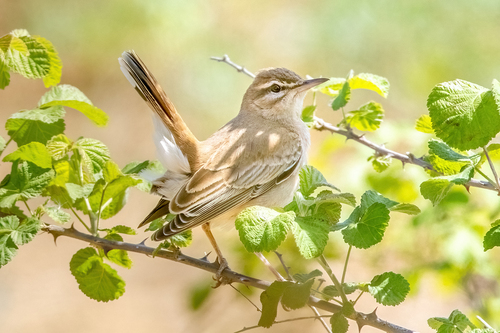
© egorbirder · CC BY · iNaturalist 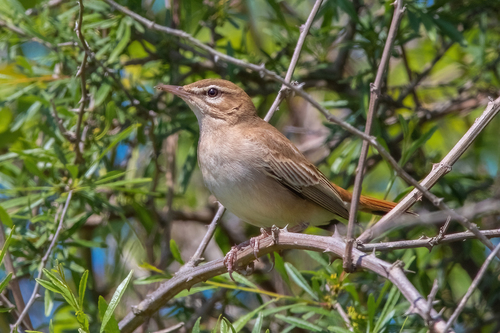
© egorbirder · CC BY · iNaturalist 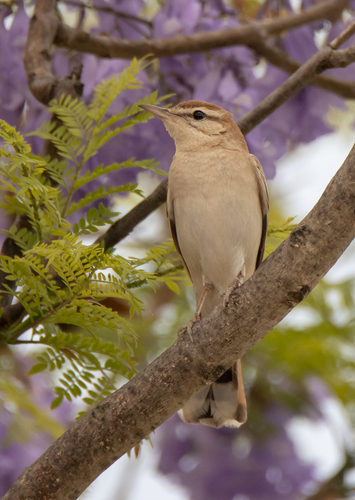
© David F. Belmonte · CC BY · iNaturalist 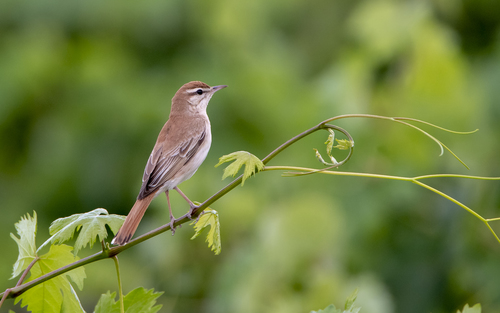
© David F. Belmonte · CC BY · iNaturalist 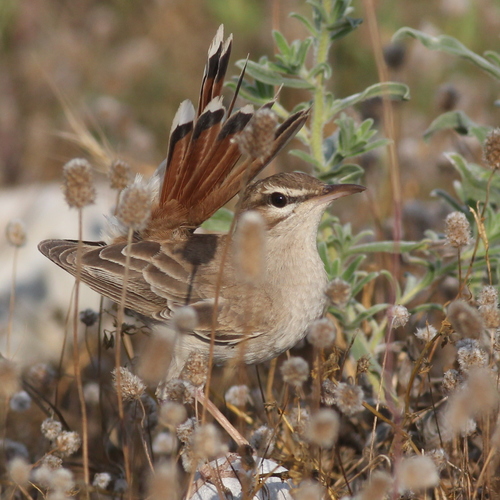
© Jan Ebr & Ivana Ebrová · CC BY · iNaturalist 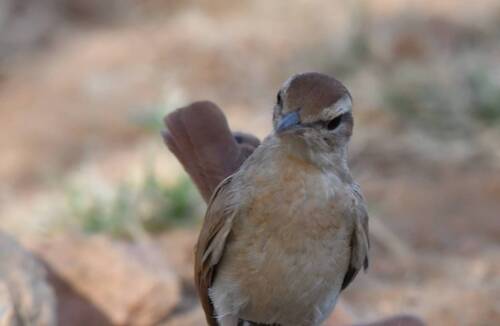
© Mourad Harzallah · CC BY · iNaturalist 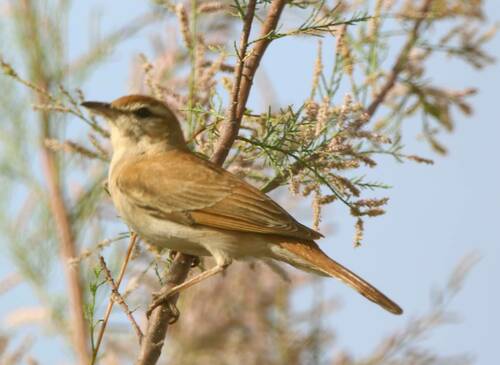
© Mourad Harzallah · CC BY · iNaturalist 
© Ani Sarkisyan · CC BY · iNaturalist 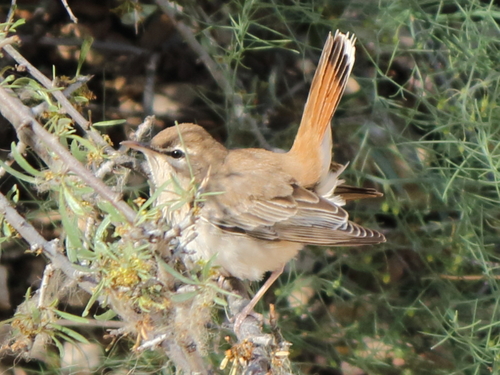
© Ani Sarkisyan · CC BY · iNaturalist 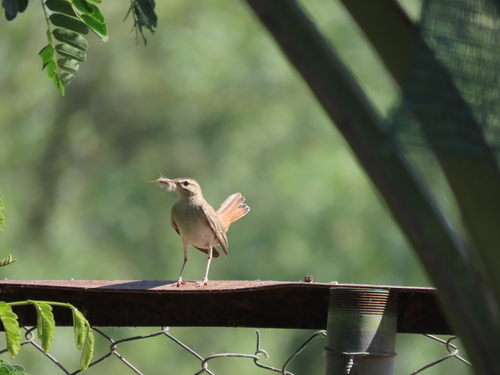
© Mohammad Amin Ghaffari · CC BY · iNaturalist
Especies relacionadasRelated species
Otras aves de la familia Muscicapidae y de órdenes cercanos.Other birds from the Muscicapidae family and nearby orders.
- ComúnCommon
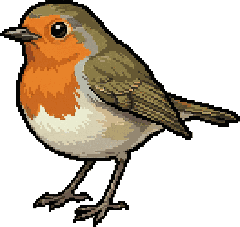 Petirrojo europeoEuropean RobinErithacus rubecula
- Poco comúnUncommonPetirrojo tinerfeñoTenerife RobinErithacus superbus
- Poco comúnUncommonPetirrojo de Gran CanariaGran Canaria RobinErithacus marionae
- ComúnCommon
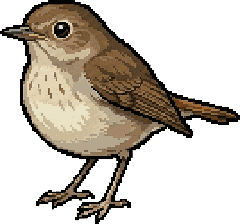 Ruiseñor comúnCommon NightingaleLuscinia megarhynchos
- Poco comúnUncommon
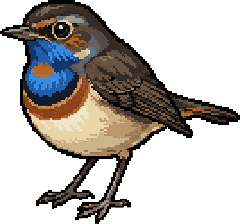 Ruiseñor pechiazulBluethroatLuscinia svecica
- ComúnCommon
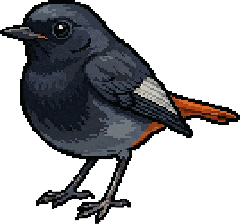 Colirrojo tizónBlack RedstartPhoenicurus ochruros
- Poco comúnUncommon
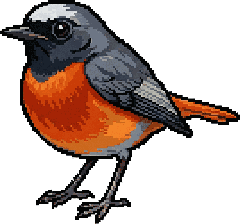 Colirrojo realCommon RedstartPhoenicurus phoenicurus
- Poco comúnUncommon
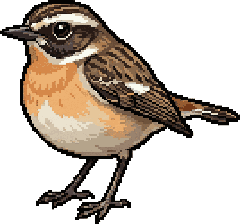 Tarabilla norteñaWhinchatSaxicola rubetra
 Gratis, sin anuncios ni comprasFree, no ads, no purchases