 BirdPedy
Ruiseñor comúnCommon Nightingale
En 50 provincias en septiembre y en 2 en eneroIn 50 provinces in September and 2 in January
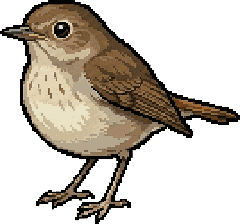
Reporte de rarezaRarity report
Por qué es comúnWhy it is commonEstival de canto extraordinario, extraordinariamente frecuente en sotos fluviales, huertos y matorrales densos de toda la península y Baleares. Joya sonora del matorral mediterráneo.Summer bird of extraordinary song, frequent in sotos, orchards, and dense scrub of the peninsula and Balearic Islands.
Cada carrizo es un mes: su altura, las provincias con registros de 2020 a 2024.Each reed is a month: its height, the provinces with records from 2020 to 2024.- Provincias con registrosProvinces with records
- 51 de 52of 52
- En la appIn the app
- Marzo a octubreMarch to October
- EnvergaduraWingspan
- 23-26 cm23-26 cm
- LongitudLength
- 16,5 cm16.5 cm
- Lista Roja de EspañaSpanish Red List
- LC Preocupación menorLeast Concern

Información generalGeneral Information
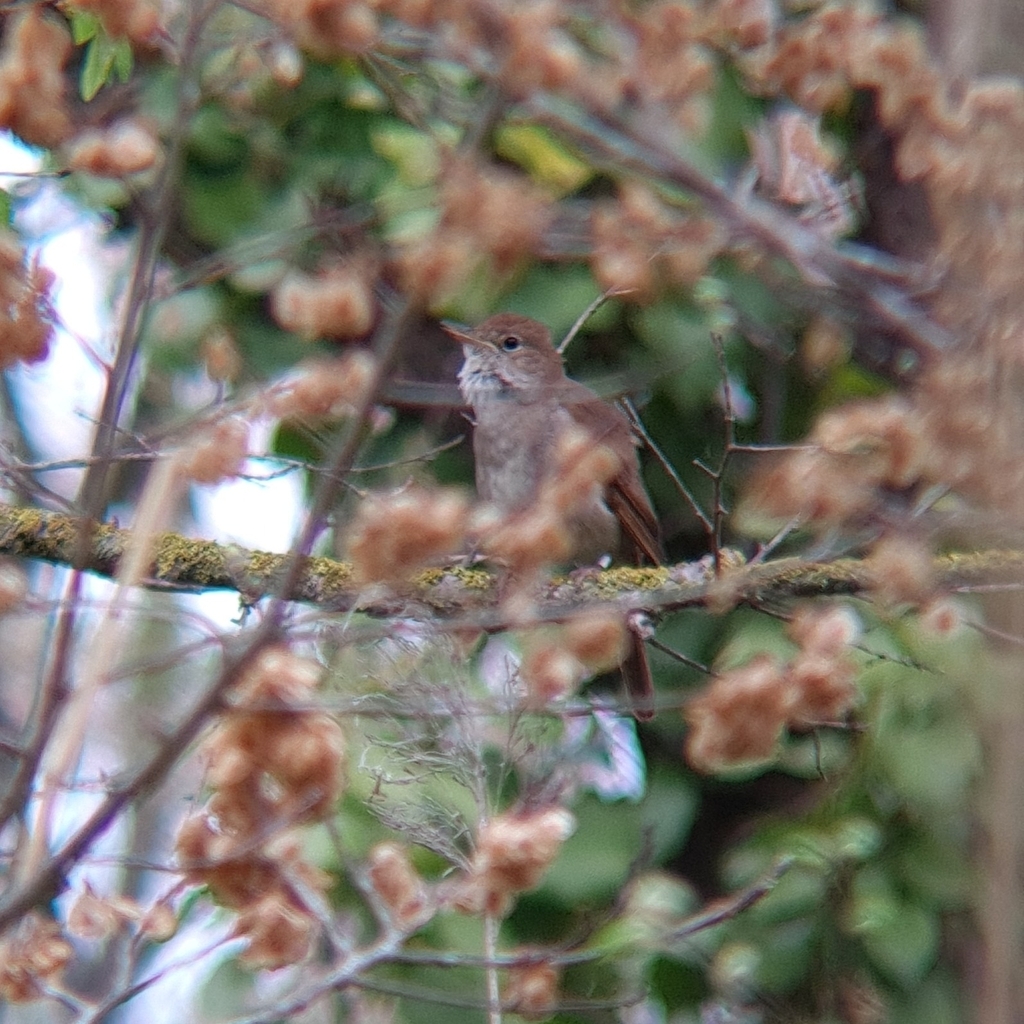
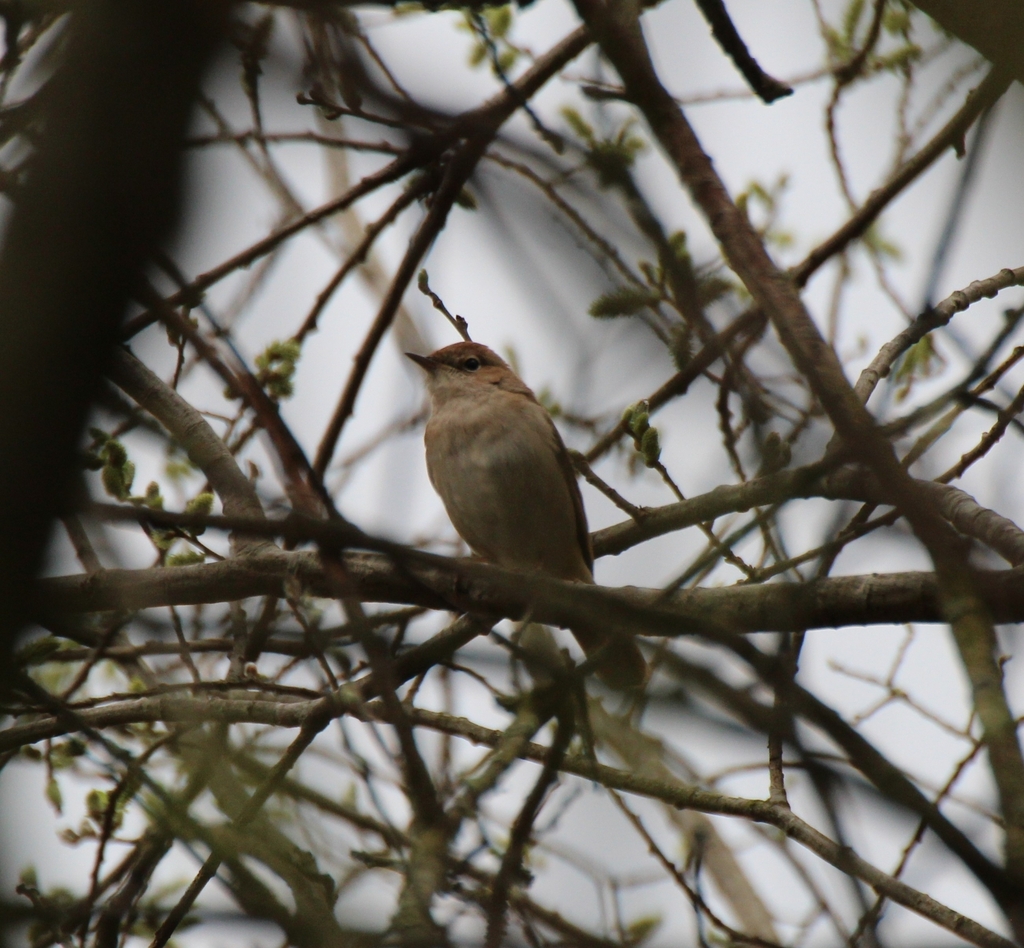
Pájaro de plumaje discreto y que rara vez abandona la espesura, pese a lo cual resulta muy fácil de detectar por su inconfundible canto, que emite incansablemente, incluso durante la noche. Por su potencia, variedad y constancia, el canto del ruiseñor es posiblemente el más sobresaliente de entre todas las aves canoras. Frecuenta zonas enmarañadas y frescas, preferentemente en vaguadas y zonas ribereñas.The Nightingale is the legendary singer of the Mediterranean spring. Despite its amazing voice, it is remarkably hard to see. It loves fresh, humid ravines and riverine brushwood ('malezas'). It is a strictly summer visitor, arriving from Africa and returning at the end of summer. Its song is so powerful it can be heard for hundreds of meters through dense vegetation, making it an essential part of the Spanish spring soundscape.
IdentificaciónIdentification
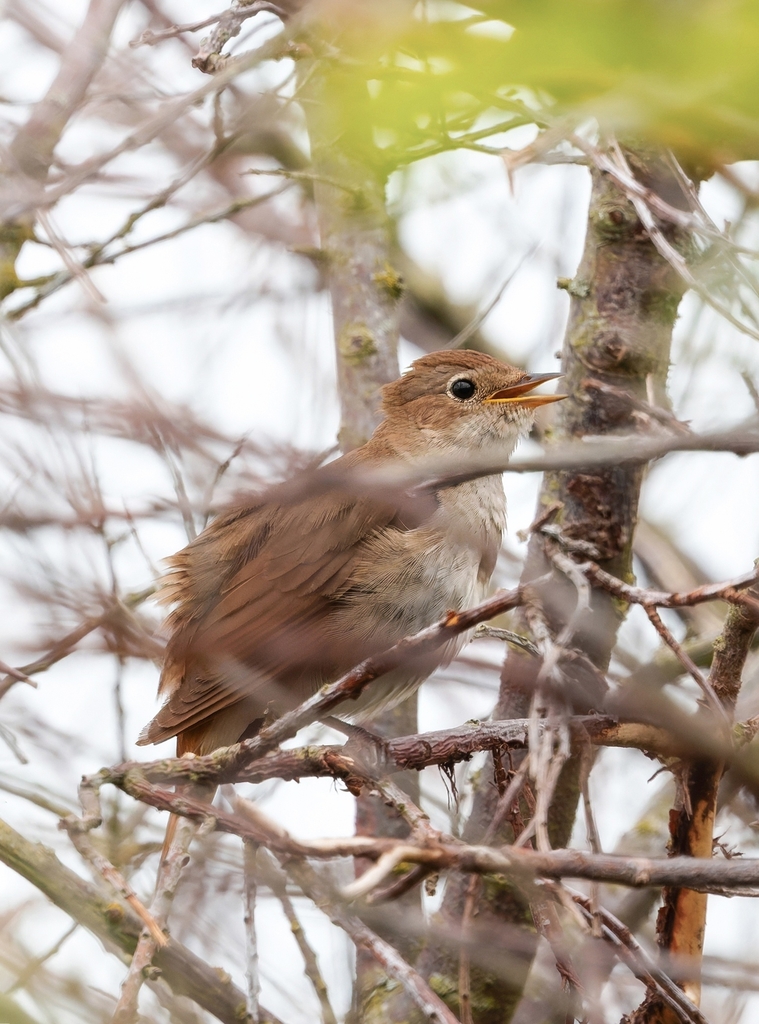
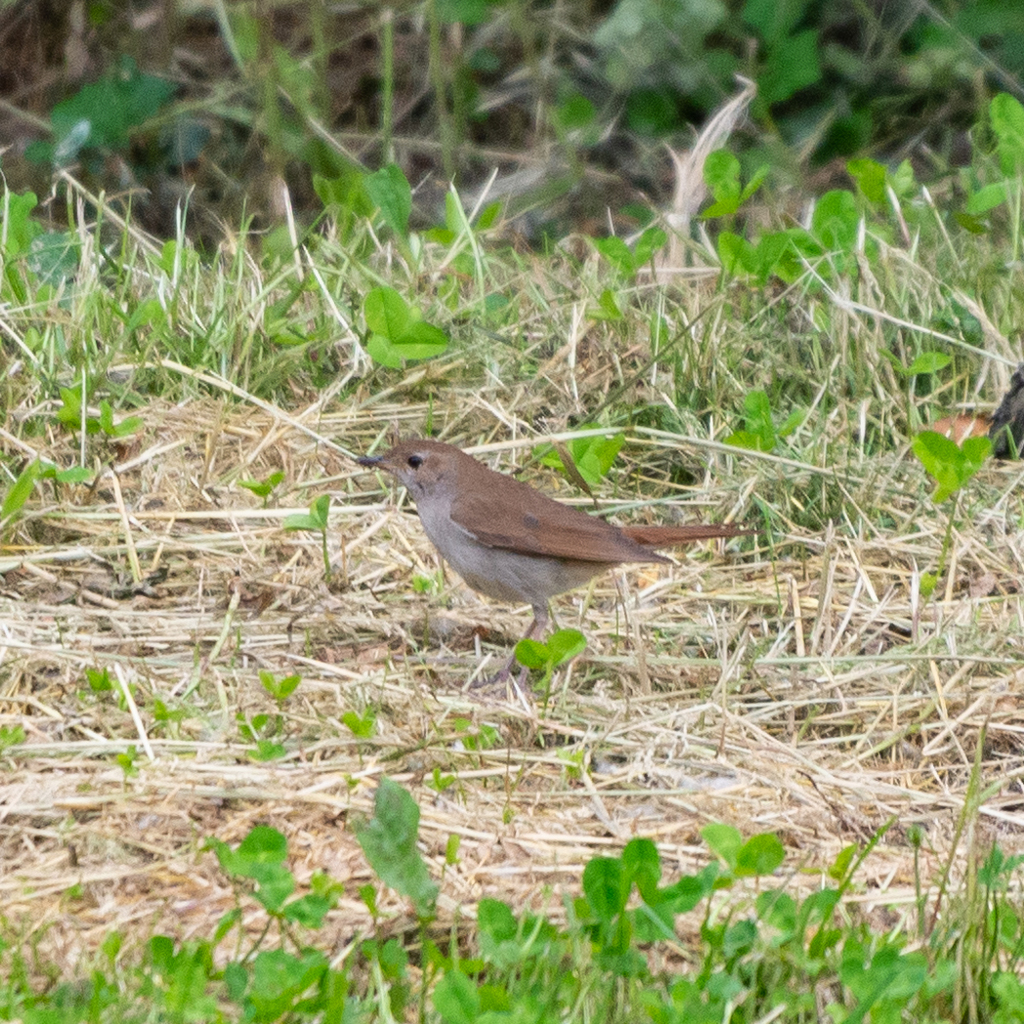
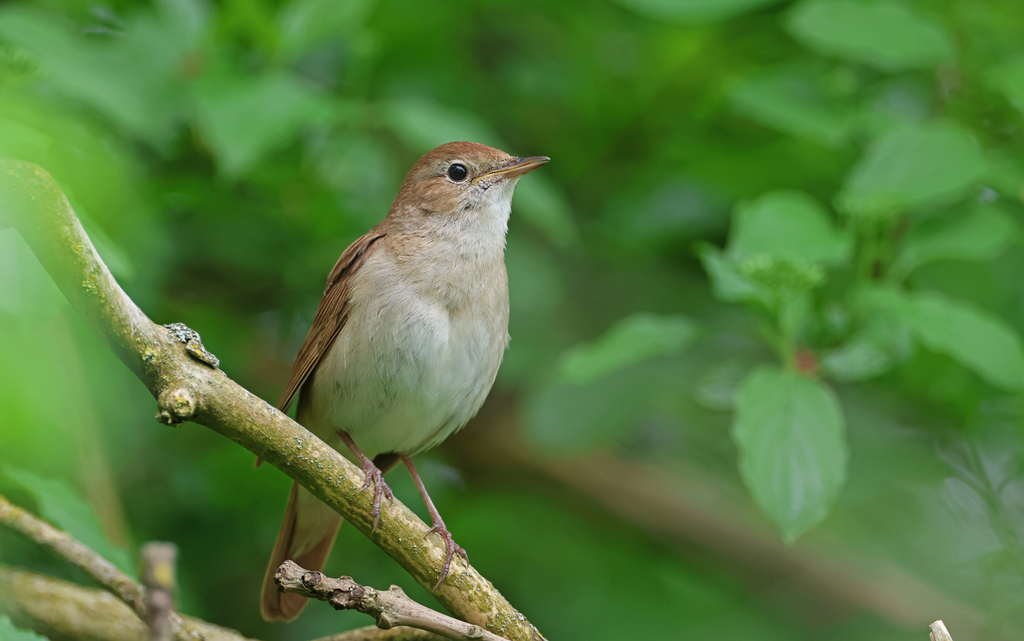
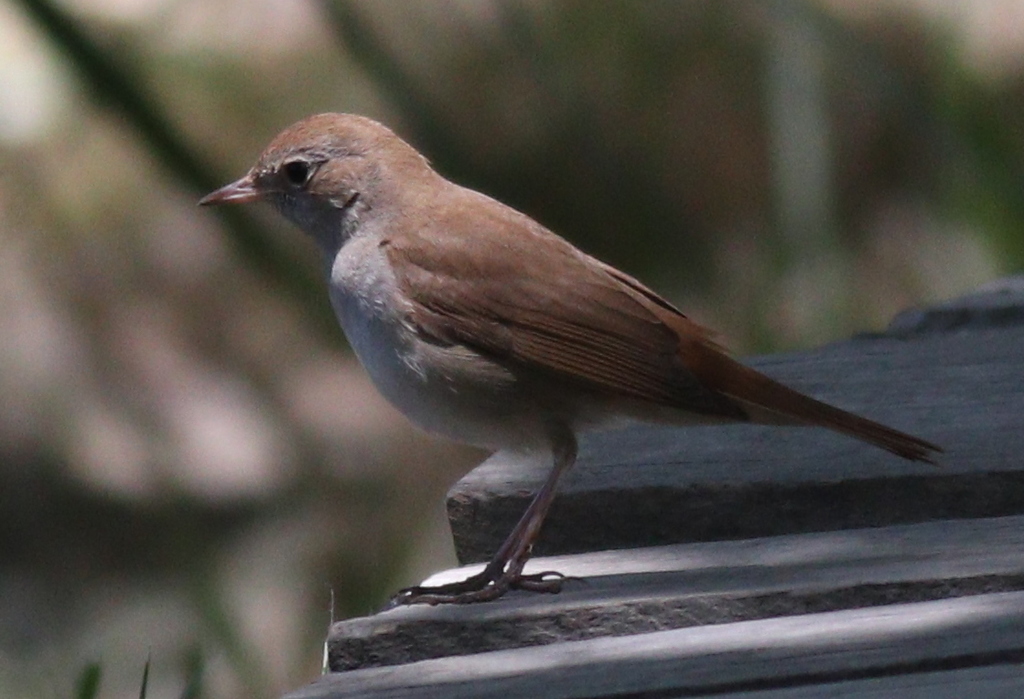
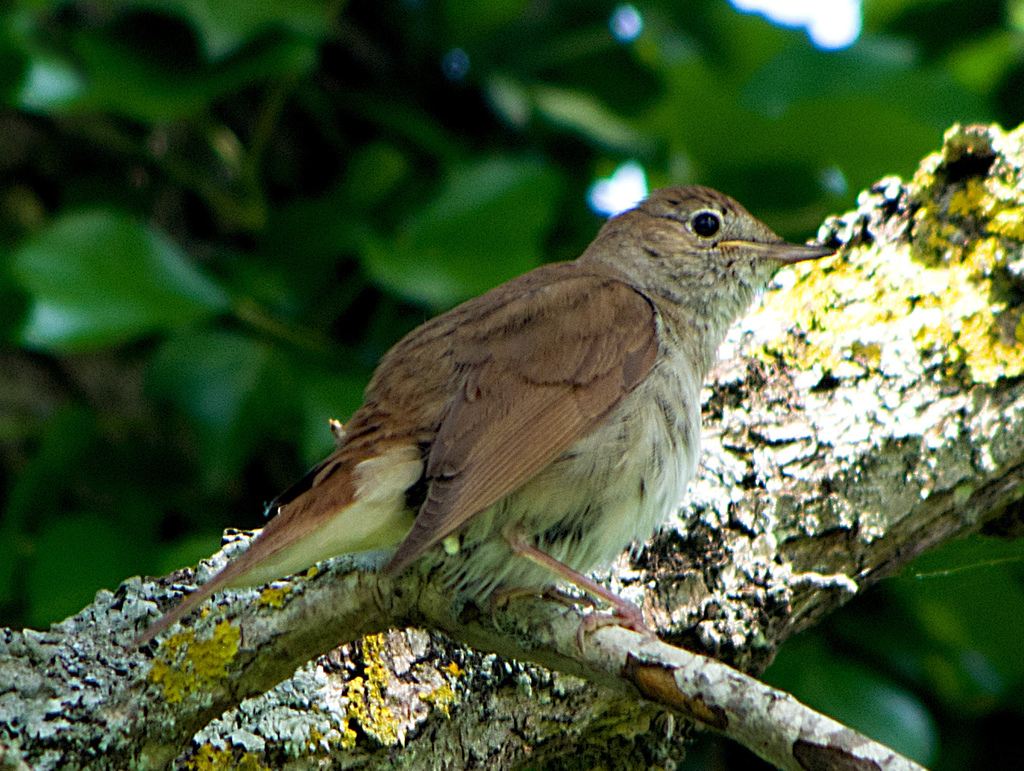
El ruiseñor común es un ave estilizada, de pico fino y cola larga. Hembras y machos son iguales. Su manto y sus alas presentan un color pardo ocráceo uniforme, excepto en la cola, que posee un distintivo tono pardo rojizo. Las partes inferiores, mucho más claras, tienen color blanco crema. Este pájaro, muy escondidizo, rara vez abandona la protección de la espesura de la vegetación, pero resulta muy fácil de detectar por su inconfundible canto, muy sonoro, emitido incansablemente durante el día y la noche. Los jóvenes volantones, previamente a la muda parcial de su plumaje que tiene lugar antes de que comience la migración, exhiben un plumaje pardo que muestra plumas manchadas en su extremo con motas amarillentas. Los adultos se pueden confundir con carriceros comunes y cetias ruiseñores, con los que a veces conviven en malezas ribereñas. Sin embargo, los carriceros presentan un tono ocre más pálido y amarillento, y carecen de la cola rojiza que luce el ruiseñor común. Lo mismo sucede con el cetia ruiseñor, que además tiene una conspicua línea blanca sobre el ojo y posee unas alas y una cola cortas y redondeadas.A bird of plain, unstreaked brown plumage that is world-famous for having perhaps the most beautiful and powerful song of any bird. It is slighter than a robin, with a warm brownish back and a notably rufous-red tail. Otherwise, it is extremely discreet and shy, spending its life hidden in the deepest, most tangled thickets. Its song—a complex mix of whistles, trills, and gurgles—is famously delivered at night as well as during the day.
DistribuciónDistribution
Con la llegada de la primavera, el ruiseñor común coloniza toda la Península, Baleares y Ceuta, aunque resulta muy escaso en la mitad norte de Galicia y en la vertiente septentrional de la Cordillera Cantábrica. También se enrarece en la parte más alta de las montañas y en algunas zonas totalmente deforestadas de la depresión del Guadiana, el valle del Ebro y el sureste árido. No se encuentra en las islas Canarias ni en Melilla. En España cría la subespecie megarhynchos.Summer visitor. Colonizes the entire Peninsula, Balearics, and Ceuta. Scarce in Galicia and the high Cantabrian mountains. Absent from the Canary Islands. Subspecies 'megarhynchos'.
Textos reproducidos con permiso de laTexts translated and reproduced with permission from the Guía de Aves de España © SEO/BirdLife
Estado de conservaciónConservation Status
- EX
- RE
- CR
- EN
- VU
- NT
- LC
Preocupación menorLeast Concern
Qué significa cada categoríaWhat each category means
- LC
- Preocupación menor: Taxón evaluado que no califica para categorías amenazadas. Especies abundantes y ampliamente distribuidasLeast Concern - Evaluated taxon that does not qualify for threatened categories. Widespread and abundant taxa
- NT
- Casi amenazada: No califica actualmente como amenazada, pero está cerca de calificar o es probable que califique en el futuro cercanoNear Threatened - Does not currently qualify as threatened, but is close to qualifying or likely to qualify in the near future
- VU
- Vulnerable: Enfrenta un alto riesgo de extinción en estado silvestre según los criterios A a E de IUCNVulnerable - Facing a high risk of extinction in the wild based on IUCN criteria A to E
- EN
- En peligro: Enfrenta un riesgo muy alto de extinción en estado silvestre según los criterios A a E de IUCNEndangered - Facing a very high risk of extinction in the wild based on IUCN criteria A to E
- CR
- En peligro crítico: Enfrenta un riesgo extremadamente alto de extinción en estado silvestre según los criterios A a E de IUCNCritically Endangered - Facing an extremely high risk of extinction in the wild based on IUCN criteria A to E
- DD
- Datos insuficientes: Información inadecuada para evaluar el riesgo de extinción basándose en distribución o estado poblacionalData Deficient - Inadequate information to assess extinction risk based on distribution and/or population status
- NE
- No evaluada: No ha sido evaluada aún contra los criterios de la Lista Roja de IUCNNot Evaluated - Has not yet been assessed against the IUCN Red List criteria
- RE
- Extinta regionalmente: El taxón ya no existe en la región específica, aunque puede sobrevivir en otros lugaresRegionally Extinct - Taxon no longer exists in the specific region, though it may survive elsewhere
- EX
- Extinta - No existe duda razonable de que ha muerto el último individuo del taxónExtinct - No reasonable doubt that the last individual of the taxon has died
TaxonomíaTaxonomy
- OrdenOrder
- Passeriformes
- FamiliaFamily
- Muscicapidae
Presencia en EspañaPresence in Spain
- EstivalSummer visitor
- HabitualRegular
En la app: marzo a octubre.In the app: March to October.
Dónde verlaWhere to see it
3.823 cuadrículas de 10 km con registros de 2020 a 2024. Toca un mes para ver dónde se ha visto.3,823 10 km squares with records from 2020 to 2024. Pick a month to see where it has been seen.
Cargando el mapa…Loading the map…
Dónde es regularWhere it is regular
Provincias con registros en al menos 3 de los 5 años algún mes, de más a menos frecuente, y sus mejores meses.Provinces with records in at least 3 of the 5 years in some month, from most to least frequent, and their best months.
- GuadalajaraGuadalajaramayo, abril, junioMay, April, June
- CórdobaCórdobamayo, abril, junioMay, April, June
- La RiojaLa Riojamayo, junio, abrilMay, June, April
- GironaGironamayo, junio, abrilMay, June, April
- BarcelonaBarcelonamayo, junio, agostoMay, June, August
- HuescaHuescamayo, junio, abrilMay, June, April
- TeruelTeruelmayo, junio, agostoMay, June, August
- BalearesBalearic Islandsmayo, junio, abrilMay, June, April
- LleidaLleidamayo, junio, abrilMay, June, April
- NavarraNavarramayo, junio, abrilMay, June, April
Ver las 51 provinciasSee all 51 provinces
- SalamancaSalamancamayo, abril, junioMay, April, June
- SoriaSoriamayo, junio, agostoMay, June, August
- CádizCádizabril, mayo, junioApril, May, June
- CáceresCáceresmayo, abril, junioMay, April, June
- ZaragozaZaragozamayo, junio, abrilMay, June, April
- MadridMadridmayo, junio, abrilMay, June, April
- ÁvilaÁvilamayo, junio, abrilMay, June, April
- ZamoraZamoramayo, junio, abrilMay, June, April
- OurenseOurensemayo, junio, agostoMay, June, August
- CuencaCuencamayo, junio, agostoMay, June, August
- ValladolidValladolidmayo, junio, abrilMay, June, April
- PalenciaPalenciamayo, junio, abrilMay, June, April
- CastellónCastellónmayo, junio, abrilMay, June, April
- GranadaGranadamayo, abril, junioMay, April, June
- JaénJaénabril, mayo, junioApril, May, June
- Ciudad RealCiudad Realmayo, abril, junioMay, April, June
- LeónLeónmayo, junio, abrilMay, June, April
- HuelvaHuelvaabril, mayo, junioApril, May, June
- SegoviaSegoviamayo, junio, abrilMay, June, April
- MálagaMálagaabril, mayo, junioApril, May, June
- BadajozBadajozmayo, abril, junioMay, April, June
- ToledoToledomayo, abril, junioMay, April, June
- MelillaMelillaabrilApril
- AlmeríaAlmeríaabril, mayo, agostoApril, May, August
- BurgosBurgosmayo, junio, abrilMay, June, April
- SevillaSevillaabril, mayo, junioApril, May, June
- TarragonaTarragonamayo, junio, abrilMay, June, April
- AlicanteAlicantemayo, abril, junioMay, April, June
- ValenciaValenciamayo, junio, abrilMay, June, April
- AlbaceteAlbacetemayo, junio, abrilMay, June, April
- CeutaCeutaabril, mayo, junioApril, May, June
- GuipúzcoaGuipúzcoaagosto, abril, septiembreAugust, April, September
- ÁlavaÁlavamayo, junio, abrilMay, June, April
- MurciaMurciaabril, mayo, junioApril, May, June
- PontevedraPontevedraagosto, septiembre, julioAugust, September, July
- VizcayaVizcayaabril, agosto, septiembreApril, August, September
- AsturiasAsturiasagosto, septiembre, julioAugust, September, July
- LugoLugomayo, agosto, abrilMay, August, April
- Las PalmasLas PalmasabrilApril
- CantabriaCantabriaagosto, abril, septiembreAugust, April, September
- A CoruñaA Coruñaagosto, septiembreAugust, September
Datos: registros en GBIF de 2020 a 2024 de Observation.org, eBird, iNaturalist y el ICO, descargados el 23/10/2026.Data: GBIF records from 2020 to 2024 from Observation.org, eBird, iNaturalist and the ICO, downloaded on 23/10/2026. GBIF.org (23 October 2026) GBIF Occurrence Download · doi:10.15468/dl.r5sf2a · CC BY-NC 4.0
GaleríaGallery
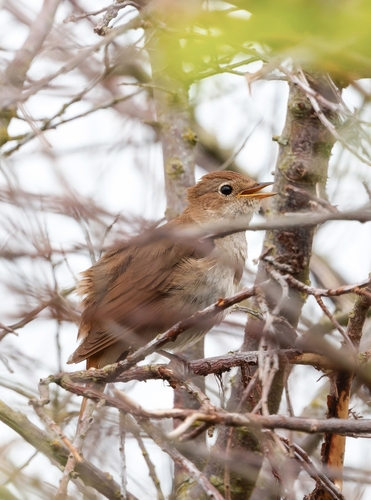
© Олеся · CC BY · iNaturalist 
© rober025 · CC BY · iNaturalist 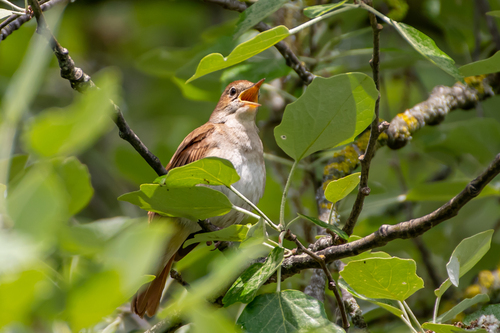
© Codrin Bucur · CC BY · iNaturalist 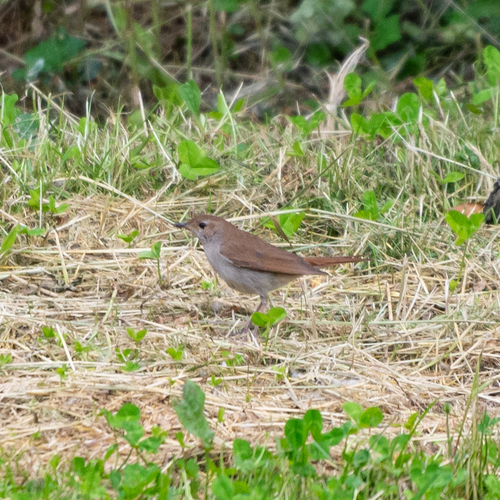
© euqirneto · CC BY · iNaturalist 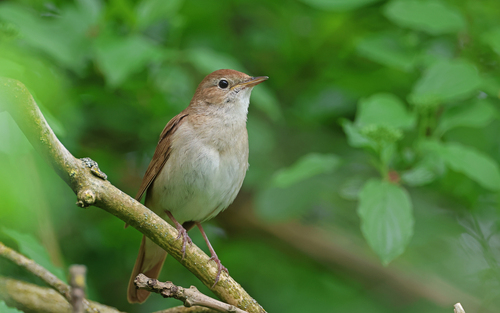
© Christoph Moning · CC BY · iNaturalist 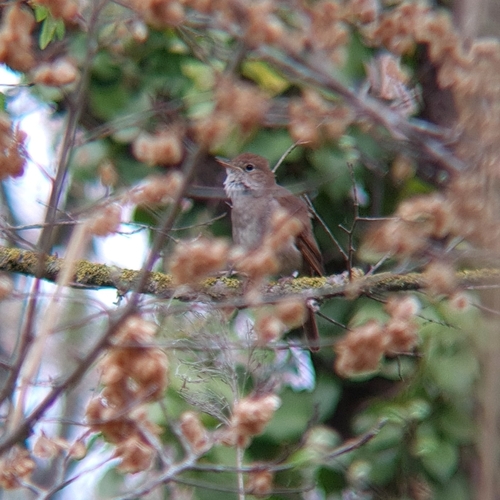
© Jordi Casanovas · CC BY · iNaturalist 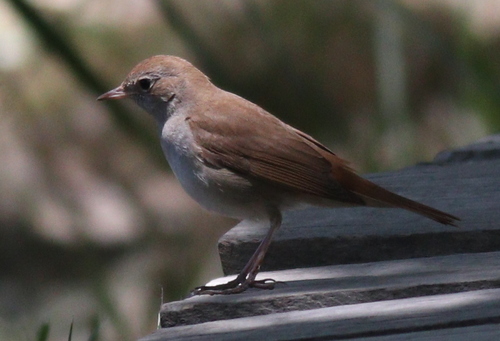
© Jan Ebr & Ivana Ebrová · CC BY · iNaturalist 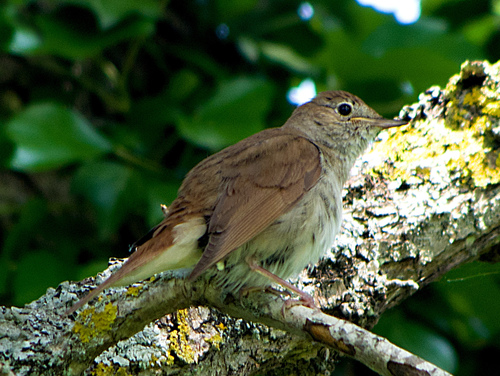
© katunchik · CC BY · iNaturalist 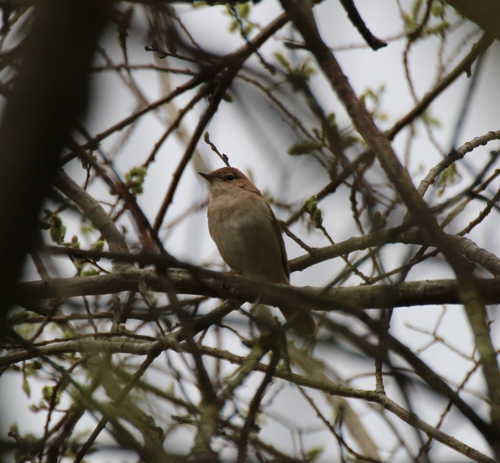
© Tim Parker · CC BY · iNaturalist


Especies relacionadasRelated species
Otras aves de la familia Muscicapidae y de órdenes cercanos.Other birds from the Muscicapidae family and nearby orders.
- Poco comúnUncommon
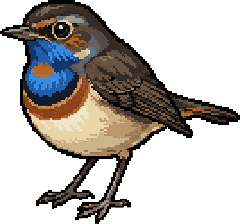 Ruiseñor pechiazulBluethroatLuscinia svecica
- ComúnCommon
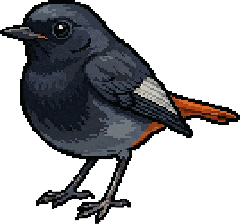 Colirrojo tizónBlack RedstartPhoenicurus ochruros
- Poco comúnUncommon
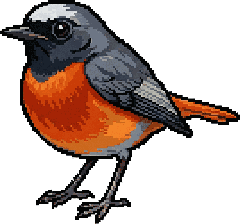 Colirrojo realCommon RedstartPhoenicurus phoenicurus
- Poco comúnUncommon
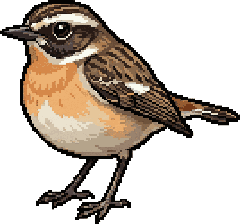 Tarabilla norteñaWhinchatSaxicola rubetra
- RaroRare
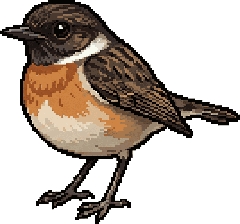 Tarabilla canariaCanary Islands StonechatSaxicola dacotiae
- ComúnCommon
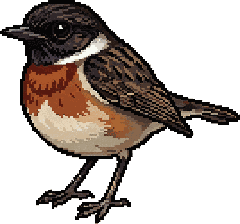 Tarabilla europeaEuropean StonechatSaxicola rubicola
- ComúnCommon
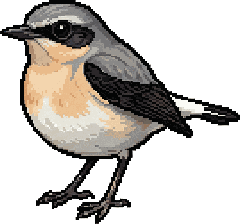 Collalba grisNorthern WheatearOenanthe oenanthe
- Poco comúnUncommon
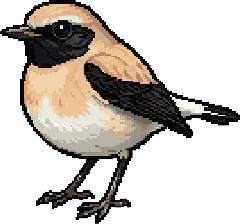 Collalba rubia occidentalWestern Black-eared WheatearOenanthe hispanica
 Gratis, sin anuncios ni comprasFree, no ads, no purchases