 BirdPedy
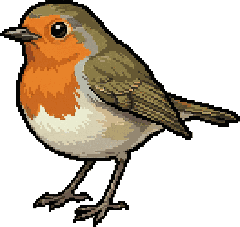
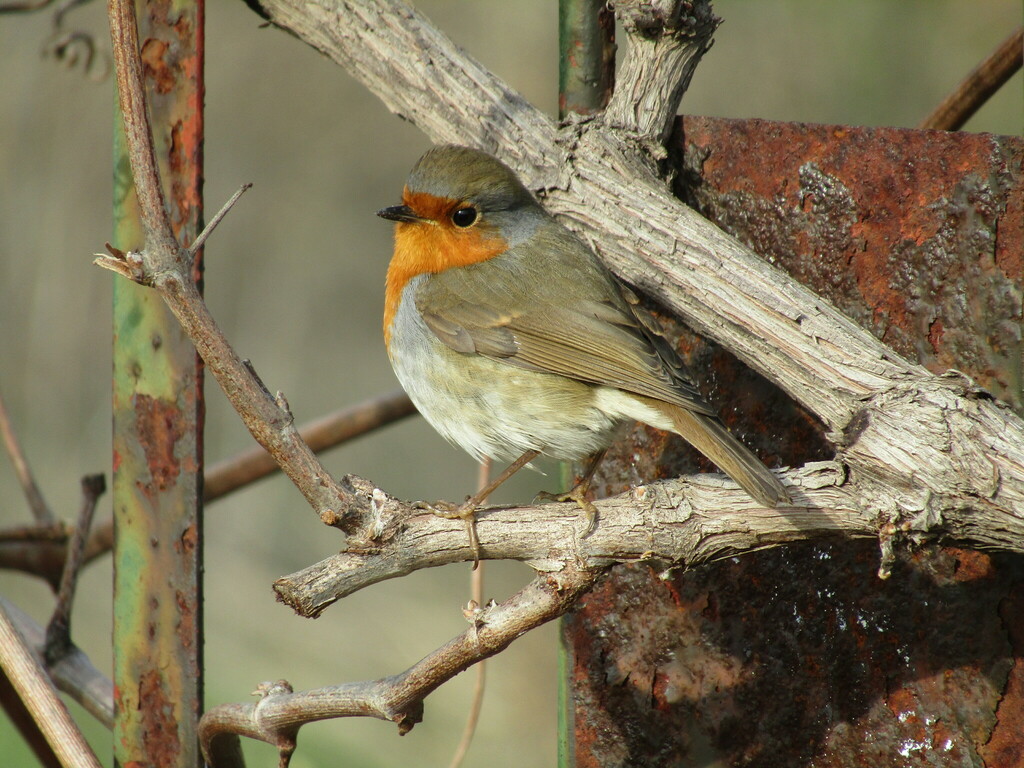
Petirrojo europeoEuropean Robin
En 52 provincias en enero y en 51 en febreroIn 52 provinces in January and 51 in February
Reporte de rarezaRarity report
Por qué es comúnWhy it is commonMuy abundante y extendido. En el norte es un residente ubicuo, mientras que en el resto de la península y Baleares es un invernante masivo de presencia generalizada en sotos y parques.Very abundant and widespread. Resident in the north and massive winterer in rest of peninsula and Balearic Islands.
Cada carrizo es un mes: su altura, las provincias con registros de 2020 a 2024.Each reed is a month: its height, the provinces with records from 2020 to 2024.- Provincias con registrosProvinces with records
- 52 de 52of 52
- En la appIn the app
- Todo el añoAll year
- EnvergaduraWingspan
- 20-22 cm20-22 cm
- LongitudLength
- 14-16,5 cm14-16.5 cm
- Lista Roja de EspañaSpanish Red List
- LC Preocupación menorLeast Concern

Información generalGeneral Information
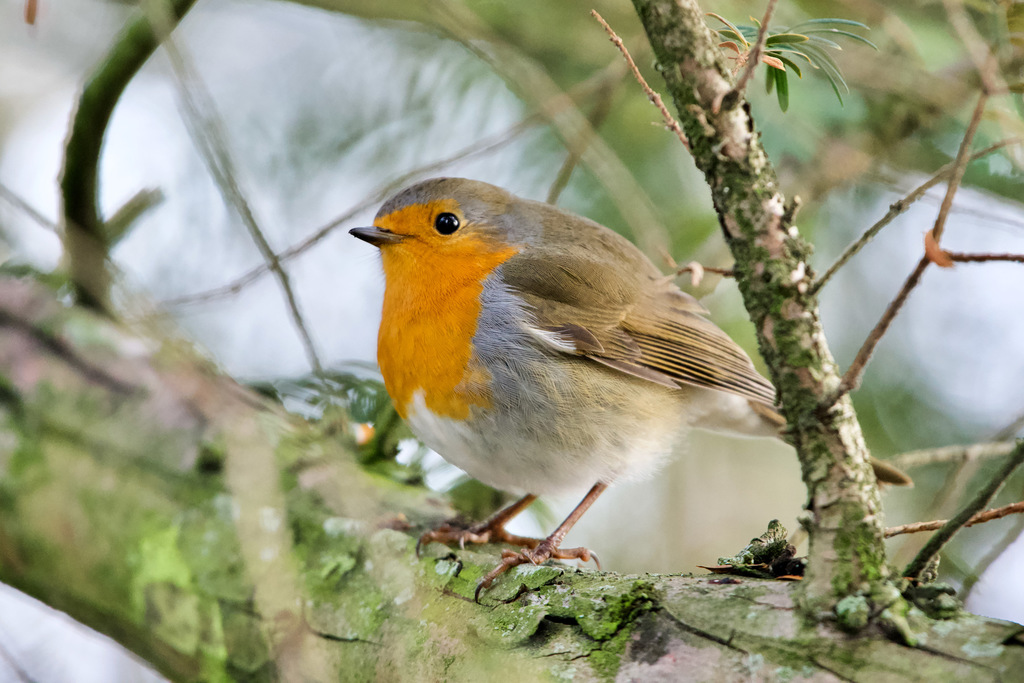
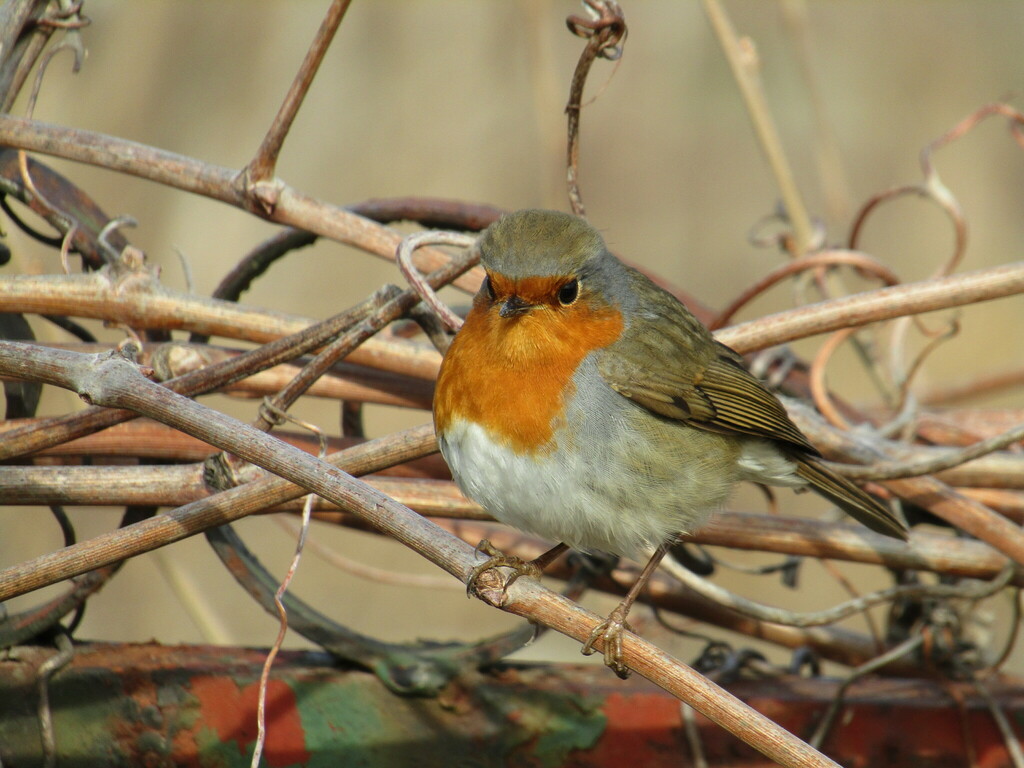
El petirrojo europeo es uno de los pájaros más populares y fácilmente reconocibles, al que se distingue por su llamativa mancha anaranjada en el pecho, la garganta y la cara. En invierno resulta muy común en casi cualquier ambiente, incluyendo parques y jardines; pero en primavera cría preferentemente en parajes frescos. Es territorial, tanto en invierno como en verano, y muy a menudo suele dejarse ver entre los arbustos o en el suelo mientras busca insectos.The European Robin is an icon of the forest and the garden. While it is abundant in the north, southern populations are more restricted to humid mountain woods. In winter, however, millions of robins from northern Europe migrate to Spain, making it one of our most ubiquitous birds. There is a fascinating variety in Spanish robins, with different sizes and tones across the mainland and the endemic populations of the Canary Islands.
IdentificaciónIdentification
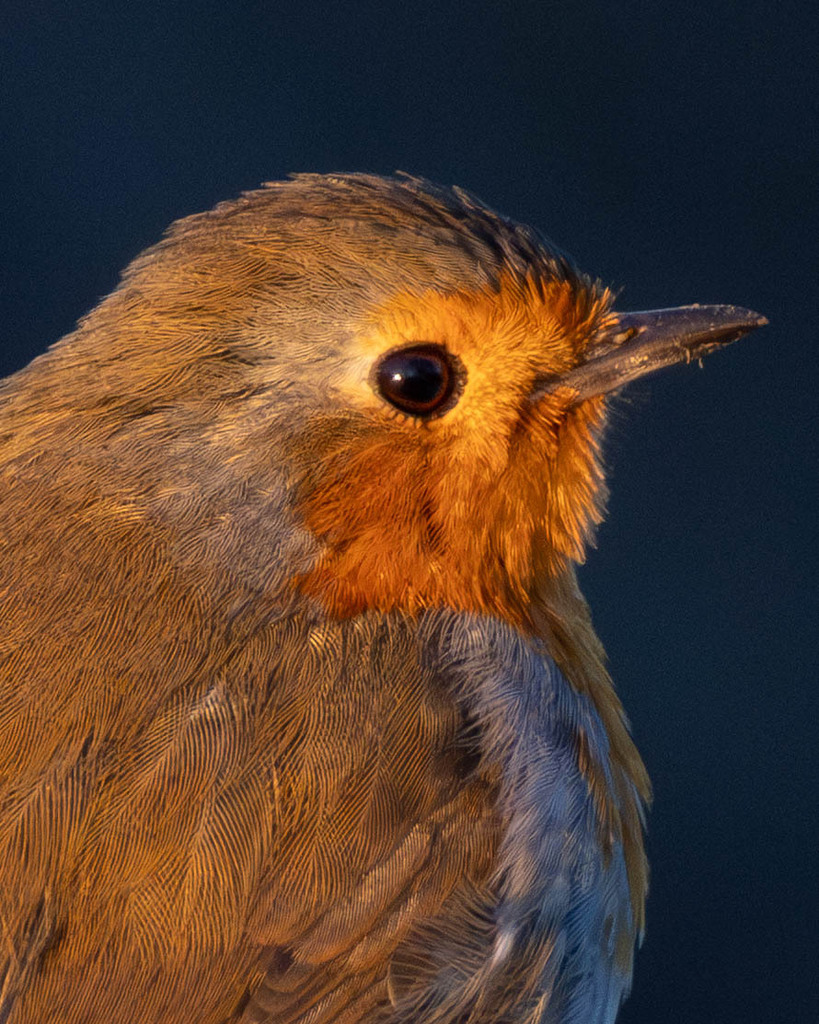
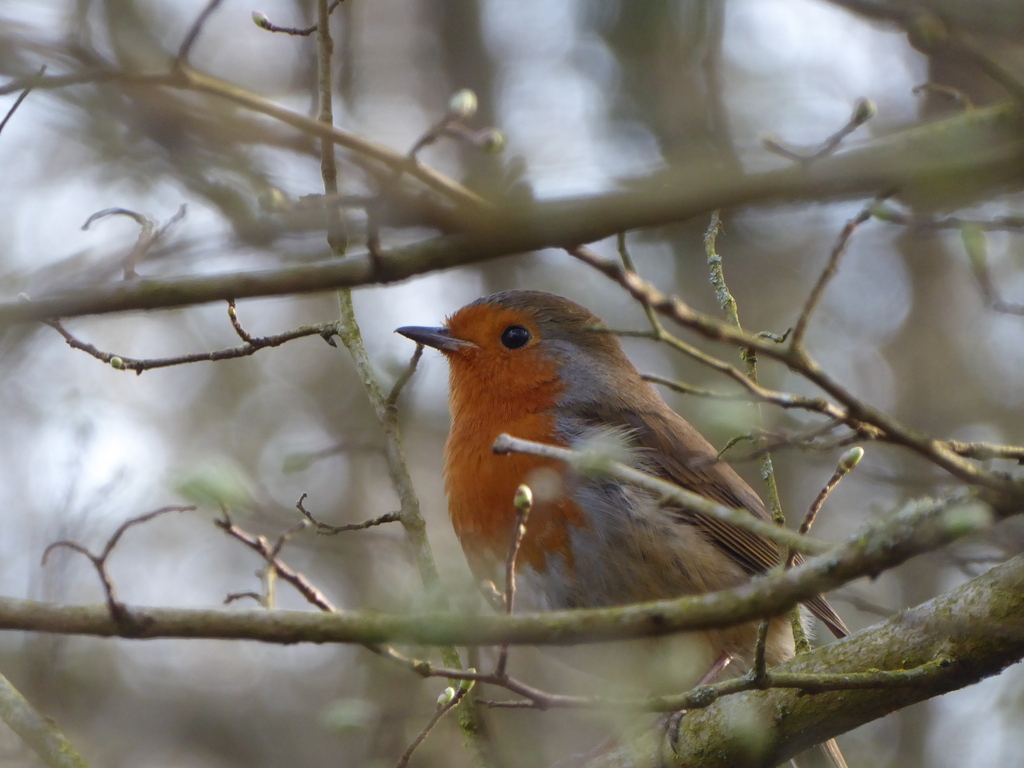
Pajarillo de constitución rechoncha, sobre todo en invierno, cuando ahueca sus plumas para generar una capa de aire caliente interior. Machos y hembras son idénticos en coloración. En su plumaje destaca la amplia mancha anaranjada que se extiende por la cara, la garganta y el pecho, la cual aparece bordeada por una irregular y sutil banda gris. El resto del plumaje resulta poco vistoso. Domina el color pardo verdoso en el dorso y las alas, y el blanco sucio en el vientre. Los jóvenes volantones, antes de la muda parcial a finales del verano, muestran un plumaje pardo, con casi todas sus plumas punteadas en su extremo con motas amarillentas. El petirrojo europeo se mueve habitualmente por el suelo en busca de insectos. Para cantar se posa en las ramas altas de los árboles, ya sea en invierno o durante la temporada de cría. Es muy agresivo, tanto con ejemplares de su misma especie como con el resto de las aves, no solo en la época reproductora, sino también durante la invernada. En este último periodo, las parejas se separan y defienden territorios individuales.One of Europe's most beloved birds, instantly recognized by its startlingly bright orange-red breast, face, and throat. It has a plump, rounded body, large dark eyes, and a brownish back. High versatile and remarkably tame (especially near gardeners), it is found in almost every habitat with some cover. It is highly territorial and is one of the few birds that sings throughout the year, even in the middle of winter.
DistribuciónDistribution
Las poblaciones reproductoras españolas se asignan a la subespecie rubecula. No obstante, se aprecia una disminución gradual en el tamaño corporal de norte a sur, de modo que las poblaciones septentrionales se han relacionado con la subespecie británica melophilus, y las meridionales se han descrito como pertenecientes a witherbyi e hispanica. Además, en las islas Canarias se admite la presencia de dos formas: en Tenerife y Gran Canaria habita la subespecie endémica superbus, mientras que en La Palma, La Gomera y El Hierro vive rubecula. En invierno resulta muy común en toda la Península, Ceuta, Baleares y Canarias, pero evita las montañas, sobre todo en la mitad norte. En cambio, en primavera se invierte el patrón, y su distribución se ajusta a grandes rasgos a los territorios con precipitaciones elevadas o moderadas (pocas veces inferiores a los 600 milímetros anuales). En efecto, en esa época se localiza principalmente en el norte de España, exceptuando los valles del Ebro y del Duero, y penetrando hacia el sur a favor de las montañas (Sistema Ibérico, Sistema Central, Montes de Toledo, Las Villuercas, Sierra Morena y sierras béticas) y de los bosques de ribera. Desaparece en Baleares y se mantiene en Canarias.Widespread Peninsula and Balearics. Resident in humid north and mountains; wintering across entire territory. Present in Canaries with endemic subspecies 'superbus' (Tenerife/Gran Canaria) and 'rubecula' (La Palma/Gomera/Hierro).
Textos reproducidos con permiso de laTexts translated and reproduced with permission from the Guía de Aves de España © SEO/BirdLife
Estado de conservaciónConservation Status
- EX
- RE
- CR
- EN
- VU
- NT
- LC
Preocupación menorLeast Concern
Qué significa cada categoríaWhat each category means
- LC
- Preocupación menor: Taxón evaluado que no califica para categorías amenazadas. Especies abundantes y ampliamente distribuidasLeast Concern - Evaluated taxon that does not qualify for threatened categories. Widespread and abundant taxa
- NT
- Casi amenazada: No califica actualmente como amenazada, pero está cerca de calificar o es probable que califique en el futuro cercanoNear Threatened - Does not currently qualify as threatened, but is close to qualifying or likely to qualify in the near future
- VU
- Vulnerable: Enfrenta un alto riesgo de extinción en estado silvestre según los criterios A a E de IUCNVulnerable - Facing a high risk of extinction in the wild based on IUCN criteria A to E
- EN
- En peligro: Enfrenta un riesgo muy alto de extinción en estado silvestre según los criterios A a E de IUCNEndangered - Facing a very high risk of extinction in the wild based on IUCN criteria A to E
- CR
- En peligro crítico: Enfrenta un riesgo extremadamente alto de extinción en estado silvestre según los criterios A a E de IUCNCritically Endangered - Facing an extremely high risk of extinction in the wild based on IUCN criteria A to E
- DD
- Datos insuficientes: Información inadecuada para evaluar el riesgo de extinción basándose en distribución o estado poblacionalData Deficient - Inadequate information to assess extinction risk based on distribution and/or population status
- NE
- No evaluada: No ha sido evaluada aún contra los criterios de la Lista Roja de IUCNNot Evaluated - Has not yet been assessed against the IUCN Red List criteria
- RE
- Extinta regionalmente: El taxón ya no existe en la región específica, aunque puede sobrevivir en otros lugaresRegionally Extinct - Taxon no longer exists in the specific region, though it may survive elsewhere
- EX
- Extinta - No existe duda razonable de que ha muerto el último individuo del taxónExtinct - No reasonable doubt that the last individual of the taxon has died
TaxonomíaTaxonomy
- OrdenOrder
- Passeriformes
- FamiliaFamily
- Muscicapidae
Presencia en EspañaPresence in Spain
- HabitualRegular
- InvernanteWinter visitor
- ResidenteResident
En la app: todo el año.In the app: all year.
Dónde verlaWhere to see it
4.713 cuadrículas de 10 km con registros de 2020 a 2024. Toca un mes para ver dónde se ha visto.4,713 10 km squares with records from 2020 to 2024. Pick a month to see where it has been seen.
Cargando el mapa…Loading the map…
Dónde es regularWhere it is regular
Provincias con registros en al menos 3 de los 5 años algún mes, de más a menos frecuente, y sus mejores meses.Provinces with records in at least 3 of the 5 years in some month, from most to least frequent, and their best months.
- OurenseOurenseoctubre, diciembre, noviembreOctober, December, November
- LugoLugooctubre, marzo, eneroOctober, March, January
- NavarraNavarranoviembre, diciembre, eneroNovember, December, January
- A CoruñaA Coruñaoctubre, febrero, noviembreOctober, February, November
- CeutaCeutanoviembre, diciembre, eneroNovember, December, January
- BarcelonaBarcelonanoviembre, octubre, eneroNovember, October, January
- PontevedraPontevedranoviembre, marzo, febreroNovember, March, February
- AsturiasAsturiasoctubre, febrero, noviembreOctober, February, November
- GuadalajaraGuadalajaranoviembre, enero, octubreNovember, January, October
- CastellónCastellónnoviembre, enero, diciembreNovember, January, December
Ver las 52 provinciasSee all 52 provinces
- BalearesBalearic Islandsnoviembre, diciembre, octubreNovember, December, October
- CantabriaCantabriaoctubre, noviembre, marzoOctober, November, March
- GuipúzcoaGuipúzcoaoctubre, enero, noviembreOctober, January, November
- La RiojaLa Riojadiciembre, enero, noviembreDecember, January, November
- ÁlavaÁlavaenero, diciembre, octubreJanuary, December, October
- VizcayaVizcayaoctubre, febrero, eneroOctober, February, January
- LeónLeónnoviembre, diciembre, eneroNovember, December, January
- MadridMadridnoviembre, diciembre, eneroNovember, December, January
- HuescaHuescaoctubre, noviembre, diciembreOctober, November, December
- GironaGironaoctubre, noviembre, eneroOctober, November, January
- JaénJaénnoviembre, diciembre, eneroNovember, December, January
- SoriaSorianoviembre, diciembre, eneroNovember, December, January
- BurgosBurgosnoviembre, enero, diciembreNovember, January, December
- ValenciaValencianoviembre, diciembre, eneroNovember, December, January
- AlicanteAlicantenoviembre, diciembre, eneroNovember, December, January
- CórdobaCórdobanoviembre, octubre, eneroNovember, October, January
- ValladolidValladolidnoviembre, diciembre, eneroNovember, December, January
- PalenciaPalencianoviembre, octubre, eneroNovember, October, January
- AlmeríaAlmeríanoviembre, octubre, diciembreNovember, October, December
- GranadaGranadanoviembre, diciembre, eneroNovember, December, January
- SegoviaSegovianoviembre, octubre, eneroNovember, October, January
- AlbaceteAlbacetenoviembre, octubre, diciembreNovember, October, December
- ÁvilaÁvilanoviembre, diciembre, octubreNovember, December, October
- MálagaMálaganoviembre, diciembre, octubreNovember, December, October
- CáceresCáceresnoviembre, diciembre, octubreNovember, December, October
- MurciaMurcianoviembre, diciembre, eneroNovember, December, January
- HuelvaHuelvanoviembre, diciembre, octubreNovember, December, October
- SalamancaSalamancanoviembre, diciembre, eneroNovember, December, January
- CuencaCuencaoctubre, marzo, diciembreOctober, March, December
- LleidaLleidanoviembre, diciembre, octubreNovember, December, October
- ZaragozaZaragozanoviembre, enero, octubreNovember, January, October
- Santa Cruz de TenerifeSanta Cruz de Tenerifefebrero, octubre, diciembreFebruary, October, December
- TarragonaTarragonanoviembre, octubre, diciembreNovember, October, December
- Ciudad RealCiudad Realnoviembre, diciembre, octubreNovember, December, October
- CádizCádiznoviembre, diciembre, octubreNovember, December, October
- ToledoToledonoviembre, enero, diciembreNovember, January, December
- BadajozBadajoznoviembre, diciembre, octubreNovember, December, October
- ZamoraZamoranoviembre, octubre, eneroNovember, October, January
- SevillaSevillanoviembre, diciembre, octubreNovember, December, October
- TeruelTeruelnoviembre, octubre, diciembreNovember, October, December
- MelillaMelillaabrilApril
- Las PalmasLas Palmasnoviembre, diciembre, octubreNovember, December, October
Datos: registros en GBIF de 2020 a 2024 de Observation.org, eBird, iNaturalist y el ICO, descargados el 23/10/2026.Data: GBIF records from 2020 to 2024 from Observation.org, eBird, iNaturalist and the ICO, downloaded on 23/10/2026. GBIF.org (23 October 2026) GBIF Occurrence Download · doi:10.15468/dl.r5sf2a · CC BY-NC 4.0
GaleríaGallery

© Arjan Haverkamp · CC BY · iNaturalist 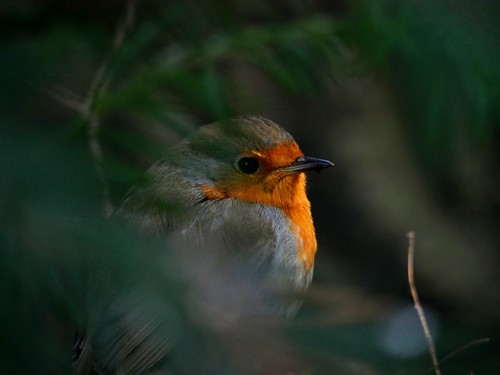
© Alexis Tinker-Tsavalas · CC BY · iNaturalist 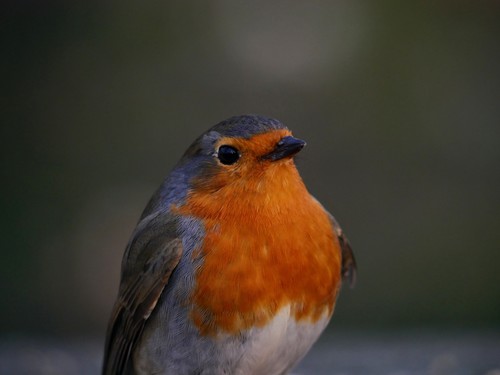
© Alexis Tinker-Tsavalas · CC BY · iNaturalist 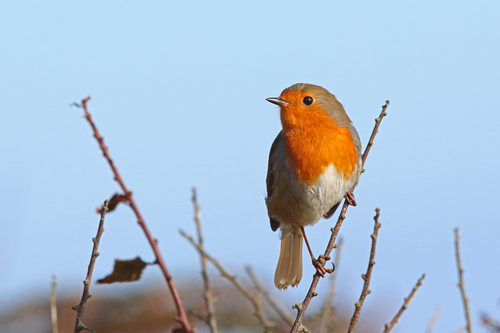
© Nigel Voaden · CC BY · iNaturalist 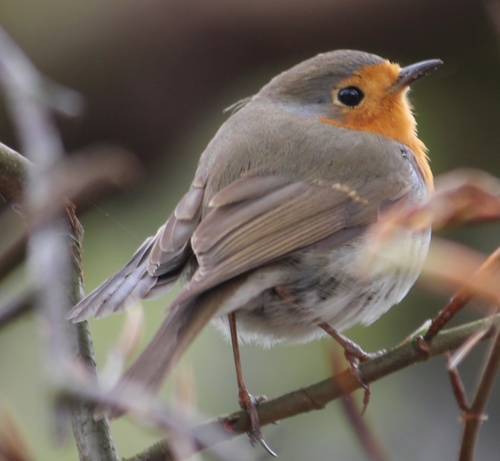
© richyfourtytwo · CC BY · iNaturalist 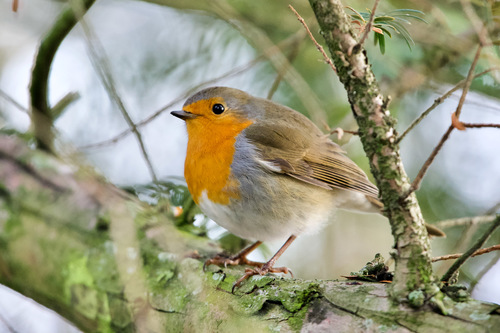
© Codrin Bucur · CC BY · iNaturalist 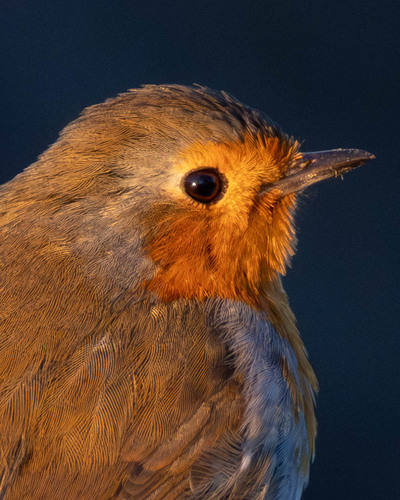
© Davide · CC BY · iNaturalist 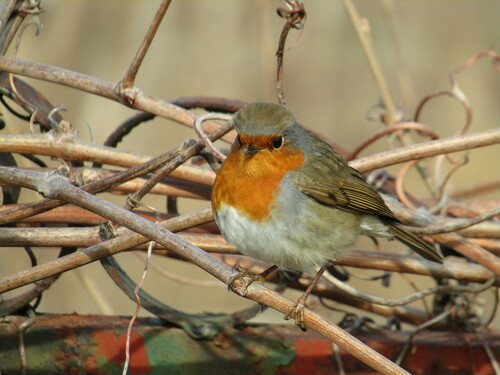
© SteveM4560 · CC BY · iNaturalist 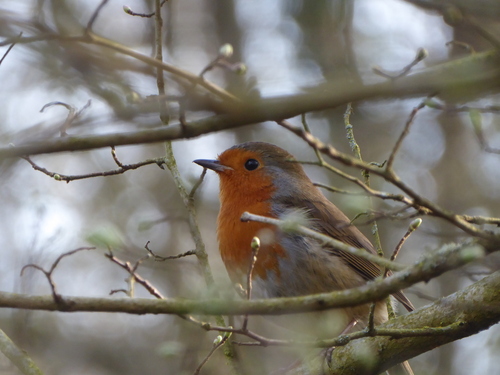
© jamie-aa · CC BY · iNaturalist 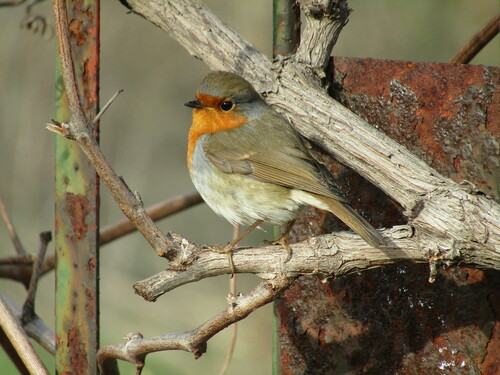
© SteveM4560 · CC BY · iNaturalist
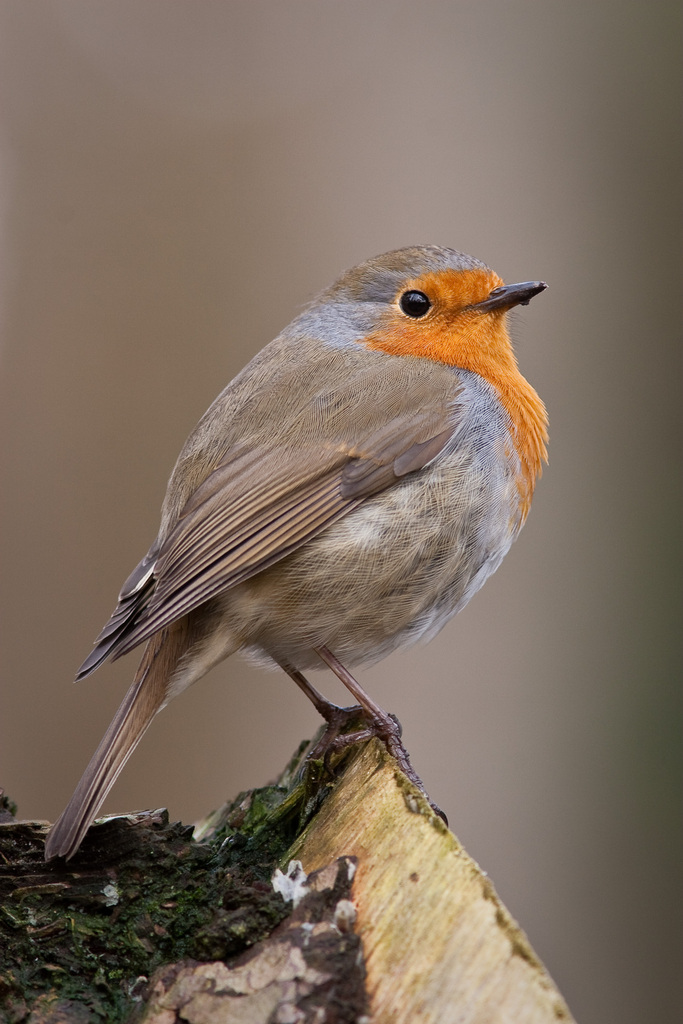


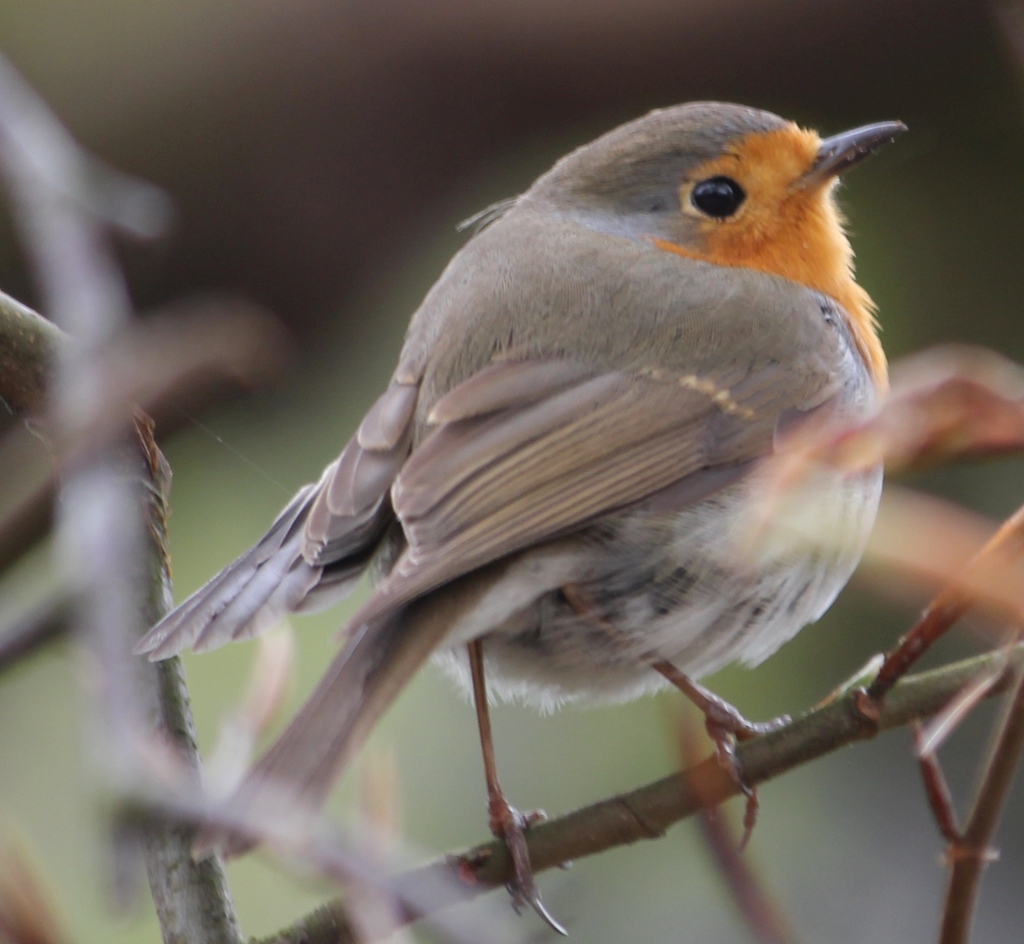
Especies relacionadasRelated species
Otras aves de la familia Muscicapidae y de órdenes cercanos.Other birds from the Muscicapidae family and nearby orders.
- Poco comúnUncommonPetirrojo tinerfeñoTenerife RobinErithacus superbus
- Poco comúnUncommonPetirrojo de Gran CanariaGran Canaria RobinErithacus marionae
- ComúnCommon
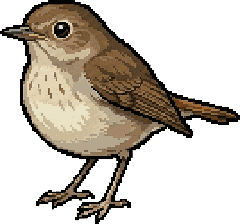 Ruiseñor comúnCommon NightingaleLuscinia megarhynchos
- Poco comúnUncommon
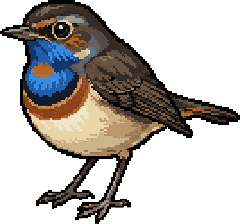 Ruiseñor pechiazulBluethroatLuscinia svecica
- ComúnCommon
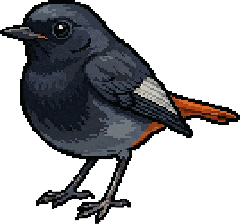 Colirrojo tizónBlack RedstartPhoenicurus ochruros
- Poco comúnUncommon
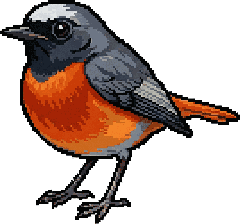 Colirrojo realCommon RedstartPhoenicurus phoenicurus
- Poco comúnUncommon
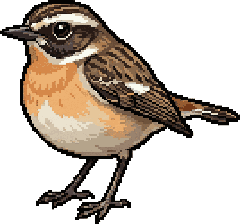 Tarabilla norteñaWhinchatSaxicola rubetra
- RaroRare
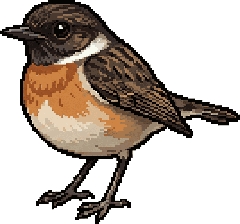 Tarabilla canariaCanary Islands StonechatSaxicola dacotiae
 Gratis, sin anuncios ni comprasFree, no ads, no purchases