 BirdPedy
Mosquitero comúnCommon Chiffchaff
En 52 provincias en enero y en 42 en junioIn 52 provinces in January and 42 in June
Reporte de rarezaRarity report
Por qué es comúnWhy it is commonInvernante masivo en toda España, inundando sotos y jardines con su reclamo. Como reproductor se localiza en el tercio norte húmedo y principales sistemas montañosos peninsulares.A massive winter visitor throughout Spain, filling riverside woods and gardens with its call. As a breeder it is found in the humid northern third and the main mountain ranges of the Peninsula.
Cada carrizo es un mes: su altura, las provincias con registros de 2020 a 2024.Each reed is a month: its height, the provinces with records from 2020 to 2024.- Provincias con registrosProvinces with records
- 52 de 52of 52
- En la appIn the app
- Todo el añoAll year
- EnvergaduraWingspan
- 15-21 cm15-21 cm
- LongitudLength
- 10-11 cm10-11 cm
- Lista Roja de EspañaSpanish Red List
- NT Casi amenazadaNear Threatened

Información generalGeneral Information
El pequeño y siempre inquieto mosquitero común es una de las aves más frecuentes en Europa, donde su población se cifra en varias decenas de millones de parejas. En España no resulta muy habitual como reproductor, pero sí es, en cambio, muy abundante como invernante y en los pasos migratorios. Durante la época de cría se instala sobre todo en zonas boscosas del noreste peninsular, pero durante el resto del año ocupa una gran variedad de ambientes, como carrizales, áreas con matorral, riberas o parques, de gran parte de la Península y Baleares.The Common Chiffchaff is one of the most successful birds in Europe. In Spain, it is a relatively localized breeder in the north, but a truly ubiquitous wintering species. Millions of birds from across the continent descend on Spain every winter, occupying every garden, reedbed, and roadside thicket. It is a vital insectivore that remains active even on the coldest winter days.
IdentificaciónIdentification
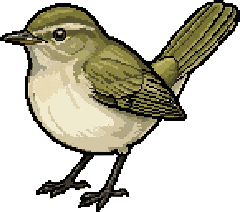
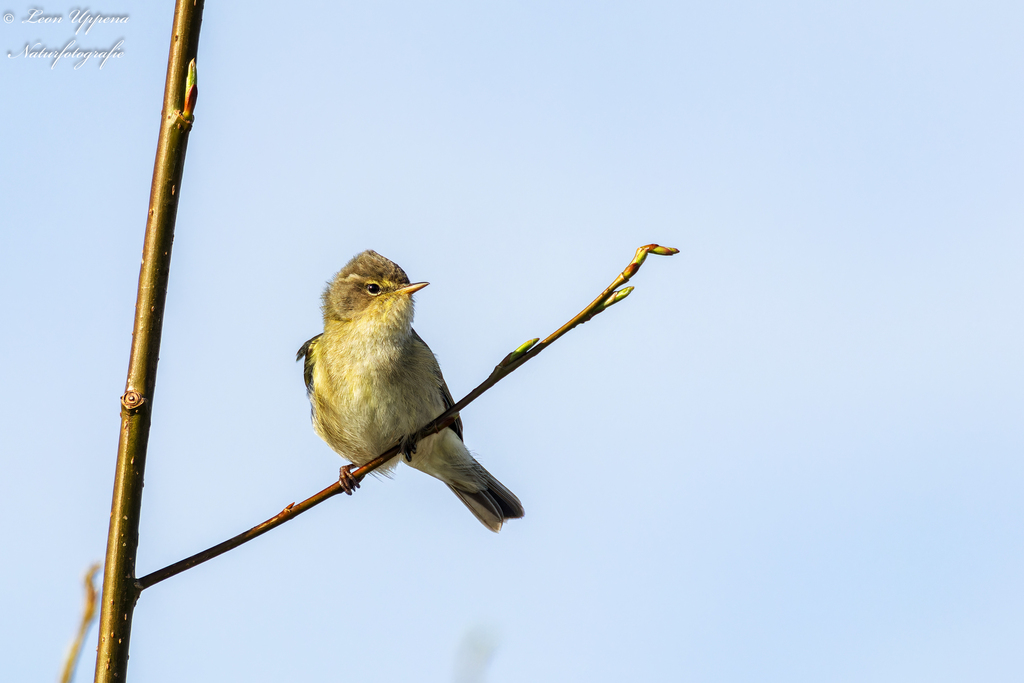
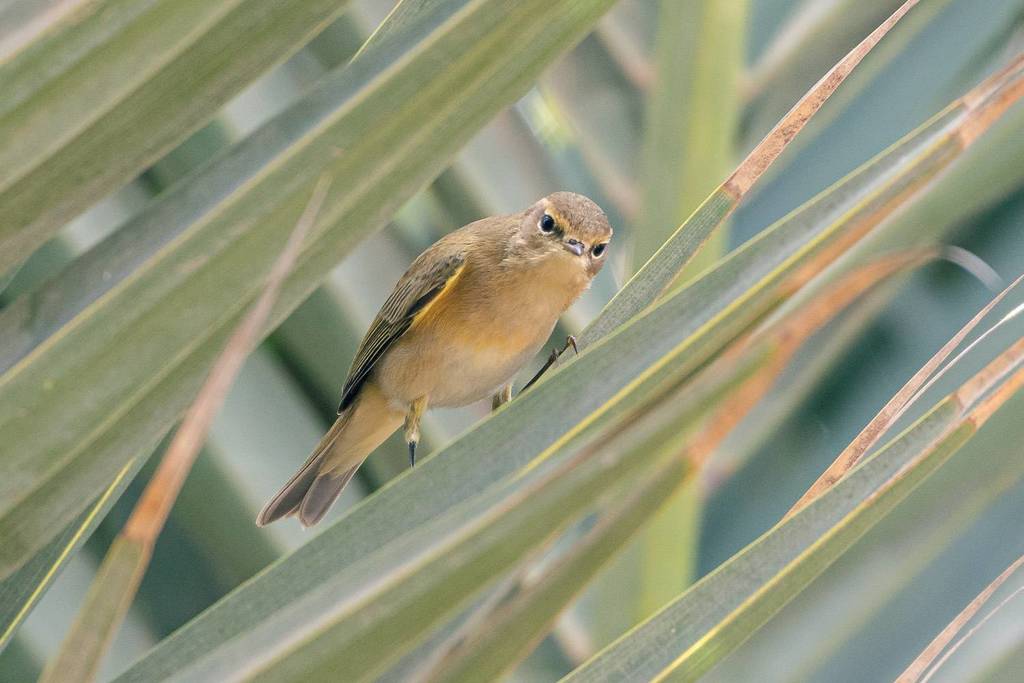
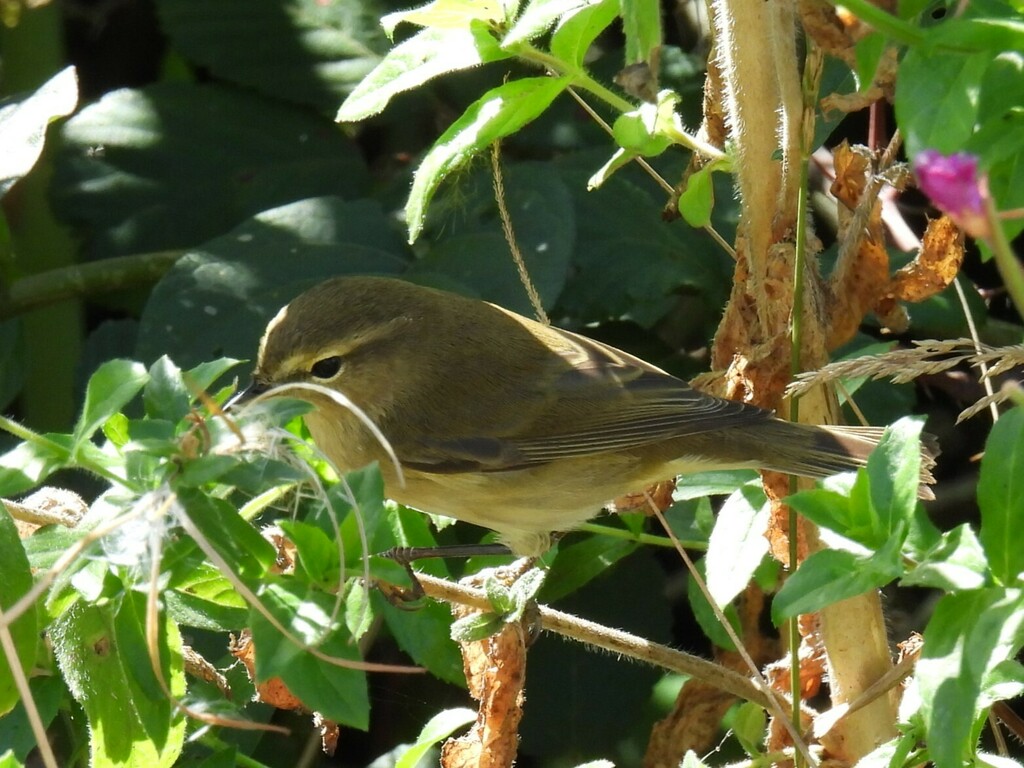
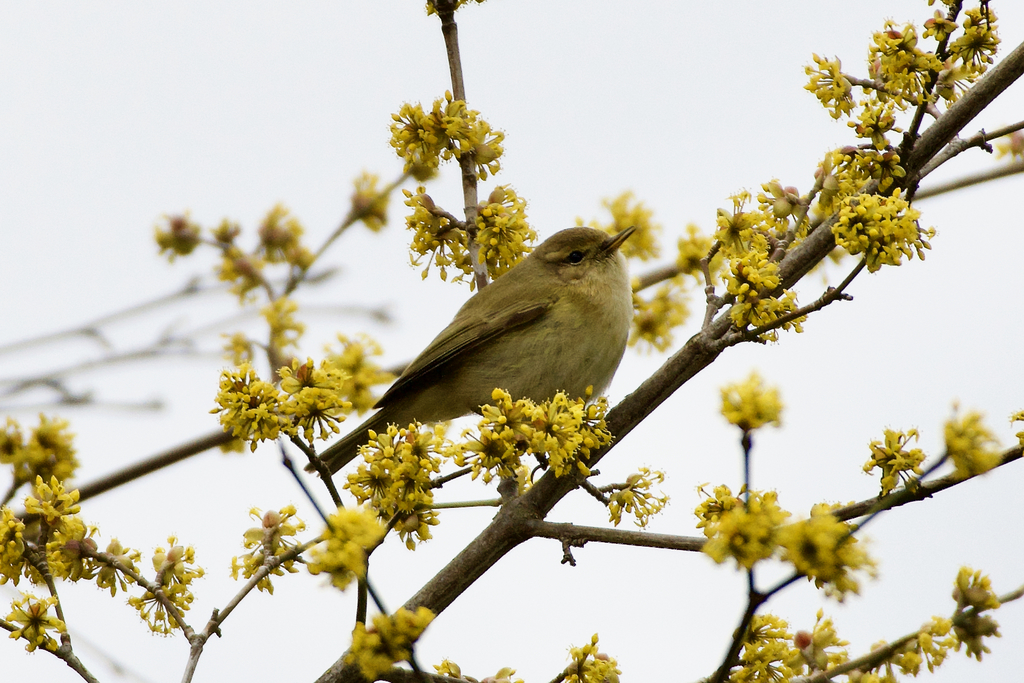
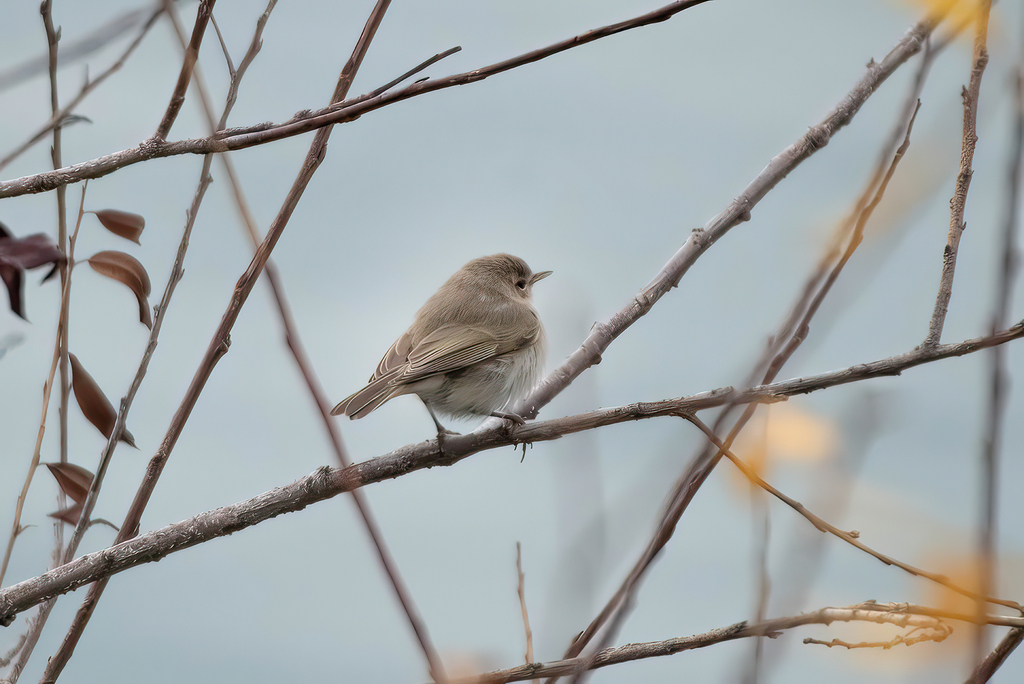
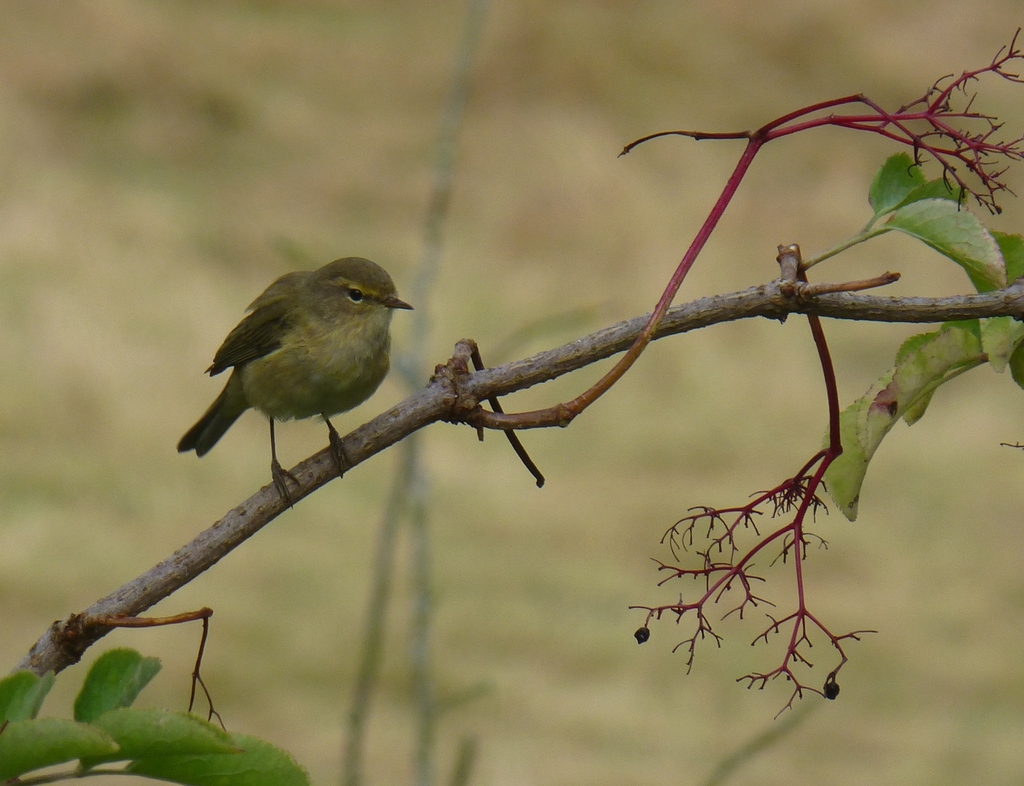
El mosquitero común es un pequeño pajarillo de pico fino y patas oscuras. Presenta tonos verdosos o pardo-grisáceos en el dorso y blanquecinos en las partes inferiores. Ambos sexos resultan similares, si bien los machos son ligeramente mayores que las hembras. Es una especie prácticamente idéntica en el campo al mosquitero ibérico, del que se distingue por su canto y por encontrarse presente en nuestro territorio durante todo el año o en invierno, según las regiones, mientras que el ibérico es un ave únicamente estival. Es también muy similar al mosquitero musical, pero este posee las patas y el pico pálidos, así como la lista superciliar y otras finas marcas auriculares más definidas. Además, el musical solo está presente en paso.The quintessential Common Chiffchaff A small, active bird with olive-green or grayish-brown upper parts and pale, yellowish-white underparts. It is nearly identical to the Willow Warbler but is distinguished by its dark blackish legs (Willow has pale legs) and its rhythmic, repetitive 'chiff-chaff' song. It has a habit of constantly flicking its tail downwards. It is an extremely hardy and common bird, found in any habitat with a few trees.
DistribuciónDistribution
El mosquitero común se distribuye como nidificante fundamentalmente por los Pirineos, Cataluña, sotos fluviales de la Meseta norte y sistema Central, Comunidad Valenciana y, de forma mucho más dispersa, en el litoral cantábrico y Galicia. No cría en Baleares, Canarias ni Melilla, pero sí en Ceuta. Como invernante ocupa toda la Península Ibérica y Baleares, si bien es especialmente abundante en las zonas más atemperadas de la región mediterránea, así como en el arco atlántico andaluz. Además, la población se ve fuertemente incrementada por la cantidad de ejemplares llegados desde la Europa central y occidental. En España están presentes la subespecie collybita, como reproductora e invernante, y la subespecie abietinus, que resulta mucho más rara y aparece solo en migración.Breeds in the northern half (Pyrenees, north/central systems). In winter, it spreads across the entire Peninsula and Balearics. Absent from Canaries and Melilla as a breeder. Subspecies 'collybita' (breeding/winter) and the rare 'abietinus' (migrant).
Textos reproducidos con permiso de laTexts translated and reproduced with permission from the Guía de Aves de España © SEO/BirdLife
Estado de conservaciónConservation Status
- EX
- RE
- CR
- EN
- VU
- NT
- LC
Casi amenazadaNear Threatened
Qué significa cada categoríaWhat each category means
- LC
- Preocupación menor: Taxón evaluado que no califica para categorías amenazadas. Especies abundantes y ampliamente distribuidasLeast Concern - Evaluated taxon that does not qualify for threatened categories. Widespread and abundant taxa
- NT
- Casi amenazada: No califica actualmente como amenazada, pero está cerca de calificar o es probable que califique en el futuro cercanoNear Threatened - Does not currently qualify as threatened, but is close to qualifying or likely to qualify in the near future
- VU
- Vulnerable: Enfrenta un alto riesgo de extinción en estado silvestre según los criterios A a E de IUCNVulnerable - Facing a high risk of extinction in the wild based on IUCN criteria A to E
- EN
- En peligro: Enfrenta un riesgo muy alto de extinción en estado silvestre según los criterios A a E de IUCNEndangered - Facing a very high risk of extinction in the wild based on IUCN criteria A to E
- CR
- En peligro crítico: Enfrenta un riesgo extremadamente alto de extinción en estado silvestre según los criterios A a E de IUCNCritically Endangered - Facing an extremely high risk of extinction in the wild based on IUCN criteria A to E
- DD
- Datos insuficientes: Información inadecuada para evaluar el riesgo de extinción basándose en distribución o estado poblacionalData Deficient - Inadequate information to assess extinction risk based on distribution and/or population status
- NE
- No evaluada: No ha sido evaluada aún contra los criterios de la Lista Roja de IUCNNot Evaluated - Has not yet been assessed against the IUCN Red List criteria
- RE
- Extinta regionalmente: El taxón ya no existe en la región específica, aunque puede sobrevivir en otros lugaresRegionally Extinct - Taxon no longer exists in the specific region, though it may survive elsewhere
- EX
- Extinta - No existe duda razonable de que ha muerto el último individuo del taxónExtinct - No reasonable doubt that the last individual of the taxon has died
TaxonomíaTaxonomy
- OrdenOrder
- Passeriformes
- FamiliaFamily
- Phylloscopidae
Presencia en EspañaPresence in Spain
- De pasoPassage migrant
- HabitualRegular
- InvernanteWinter visitor
- ResidenteResident
En la app: todo el año.In the app: all year.
Dónde verlaWhere to see it
4.403 cuadrículas de 10 km con registros de 2020 a 2024. Toca un mes para ver dónde se ha visto.4,403 10 km squares with records from 2020 to 2024. Pick a month to see where it has been seen.
Cargando el mapa…Loading the map…
Dónde es regularWhere it is regular
Provincias con registros en al menos 3 de los 5 años algún mes, de más a menos frecuente, y sus mejores meses.Provinces with records in at least 3 of the 5 years in some month, from most to least frequent, and their best months.
- CeutaCeutaenero, diciembre, febreroJanuary, December, February
- MelillaMelillaeneroJanuary
- SevillaSevillanoviembre, diciembre, eneroNovember, December, January
- BarcelonaBarcelonadiciembre, noviembre, febreroDecember, November, February
- SoriaSoriaoctubre, noviembre, marzoOctober, November, March
- CórdobaCórdobaenero, noviembre, diciembreJanuary, November, December
- MálagaMálagadiciembre, enero, noviembreDecember, January, November
- CáceresCáceresdiciembre, noviembre, eneroDecember, November, January
- MurciaMurciadiciembre, noviembre, eneroDecember, November, January
- OurenseOurensenoviembre, diciembre, eneroNovember, December, January
Ver las 52 provinciasSee all 52 provinces
- ValenciaValenciafebrero, enero, diciembreFebruary, January, December
- AlmeríaAlmeríadiciembre, noviembre, febreroDecember, November, February
- LugoLugonoviembre, diciembre, eneroNovember, December, January
- BalearesBalearic Islandsdiciembre, noviembre, eneroDecember, November, January
- GranadaGranadaenero, febrero, diciembreJanuary, February, December
- CastellónCastellóndiciembre, febrero, noviembreDecember, February, November
- HuelvaHuelvanoviembre, diciembre, eneroNovember, December, January
- MadridMadridnoviembre, diciembre, eneroNovember, December, January
- BadajozBadajozdiciembre, enero, noviembreDecember, January, November
- La RiojaLa Riojadiciembre, febrero, noviembreDecember, February, November
- A CoruñaA Coruñanoviembre, diciembre, febreroNovember, December, February
- AlicanteAlicantefebrero, noviembre, diciembreFebruary, November, December
- PontevedraPontevedradiciembre, febrero, noviembreDecember, February, November
- AsturiasAsturiasnoviembre, diciembre, eneroNovember, December, January
- Ciudad RealCiudad Realnoviembre, diciembre, febreroNovember, December, February
- TarragonaTarragonadiciembre, noviembre, eneroDecember, November, January
- LeónLeónnoviembre, diciembre, octubreNovember, December, October
- CuencaCuencaoctubre, noviembre, eneroOctober, November, January
- JaénJaéndiciembre, enero, noviembreDecember, January, November
- ÁvilaÁvilanoviembre, diciembre, octubreNovember, December, October
- ToledoToledodiciembre, noviembre, eneroDecember, November, January
- ValladolidValladolidnoviembre, octubre, febreroNovember, October, February
- SalamancaSalamancanoviembre, diciembre, eneroNovember, December, January
- ÁlavaÁlavadiciembre, noviembre, octubreDecember, November, October
- CádizCádiznoviembre, diciembre, eneroNovember, December, January
- PalenciaPalenciaoctubre, noviembre, febreroOctober, November, February
- HuescaHuescaoctubre, noviembre, marzoOctober, November, March
- GuadalajaraGuadalajaranoviembre, octubre, diciembreNovember, October, December
- BurgosBurgosoctubre, noviembre, diciembreOctober, November, December
- GironaGironanoviembre, diciembre, febreroNovember, December, February
- NavarraNavarraoctubre, diciembre, noviembreOctober, December, November
- AlbaceteAlbacetenoviembre, octubre, diciembreNovember, October, December
- GuipúzcoaGuipúzcoamarzo, febrero, eneroMarch, February, January
- CantabriaCantabrianoviembre, marzo, octubreNovember, March, October
- VizcayaVizcayamarzo, diciembre, noviembreMarch, December, November
- LleidaLleidanoviembre, octubre, diciembreNovember, October, December
- ZaragozaZaragozanoviembre, octubre, diciembreNovember, October, December
- TeruelTerueloctubre, noviembre, diciembreOctober, November, December
- ZamoraZamoranoviembre, diciembre, eneroNovember, December, January
- SegoviaSegoviaoctubre, noviembre, diciembreOctober, November, December
- Las PalmasLas Palmasfebrero, diciembre, marzoFebruary, December, March
- Santa Cruz de TenerifeSanta Cruz de Tenerifediciembre, marzo, febreroDecember, March, February
Datos: registros en GBIF de 2020 a 2024 de Observation.org, eBird, iNaturalist y el ICO, descargados el 23/10/2026.Data: GBIF records from 2020 to 2024 from Observation.org, eBird, iNaturalist and the ICO, downloaded on 23/10/2026. GBIF.org (23 October 2026) GBIF Occurrence Download · doi:10.15468/dl.r5sf2a · CC BY-NC 4.0
GaleríaGallery

© egorbirder · CC BY · iNaturalist 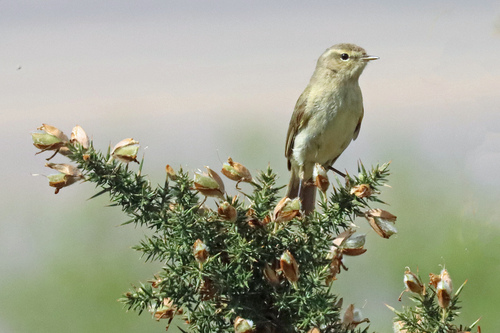
© Roy Lowry · CC BY · iNaturalist 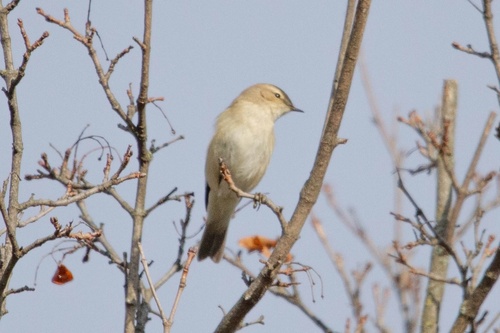
© Benjámin Gábor Balog · CC BY · iNaturalist 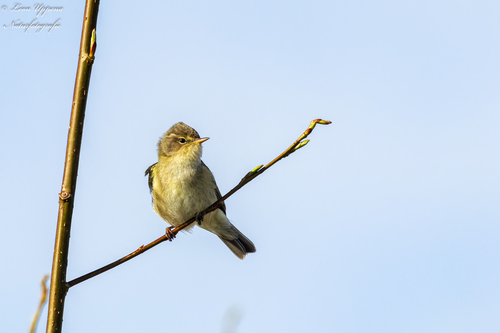
© bristolian · CC BY · iNaturalist 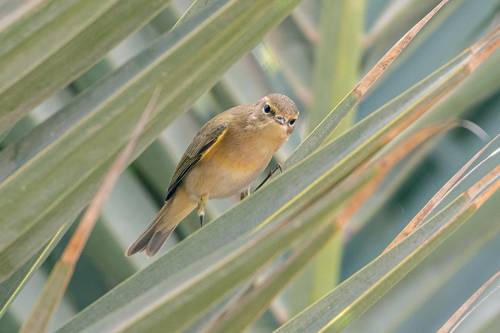
© rober025 · CC BY · iNaturalist 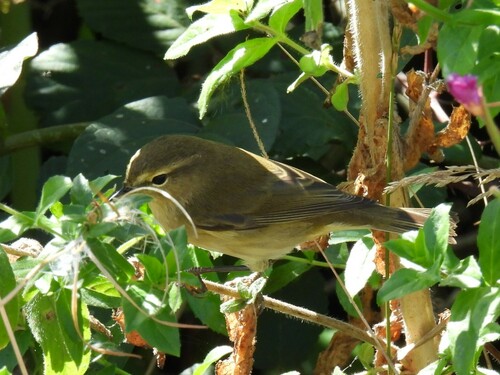
© Phil James · CC BY · iNaturalist 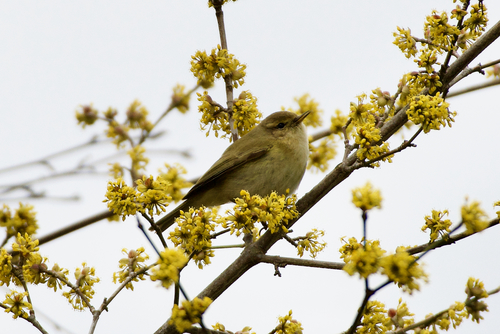
© Codrin Bucur · CC BY · iNaturalist 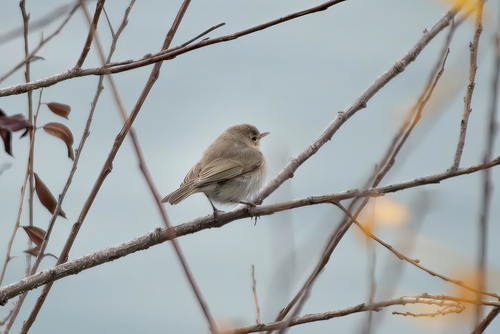
© Настя Бухвалова · CC BY · iNaturalist 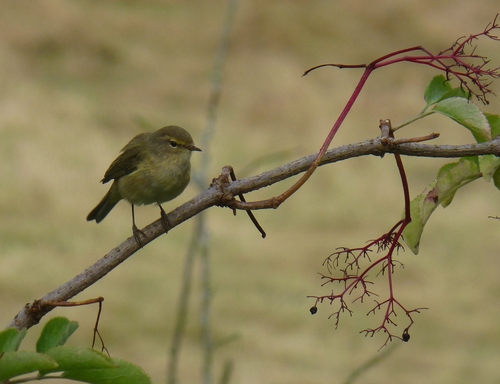
© Sheelagh Halsey · CC BY · iNaturalist


Especies relacionadasRelated species
Otras aves de la familia Phylloscopidae y de órdenes cercanos.Other birds from the Phylloscopidae family and nearby orders.
- Poco comúnUncommon
 Mosquitero ibéricoIberian ChiffchaffPhylloscopus ibericus
- ComúnCommon
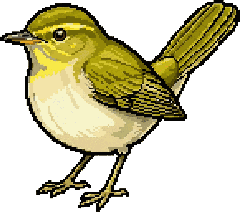 Mosquitero musicalWillow WarblerPhylloscopus trochilus
- ÉpicoEpic
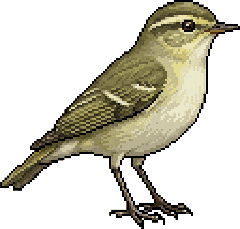 Mosquitero de HumeHume's Leaf WarblerPhylloscopus humei
- Poco comúnUncommon
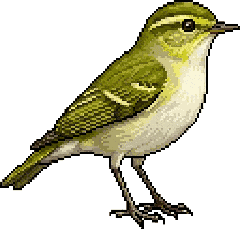 Mosquitero bilistadoYellow-browed WarblerPhylloscopus inornatus
- LegendarioLegendary
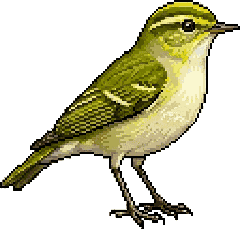 Mosquitero de PallasPallas's Leaf WarblerPhylloscopus proregulus
- LegendarioLegendary
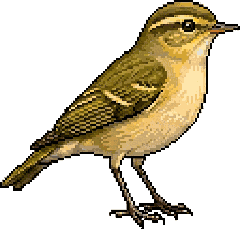 Mosquitero de SchwarzRadde's WarblerPhylloscopus schwarzi
- LegendarioLegendary
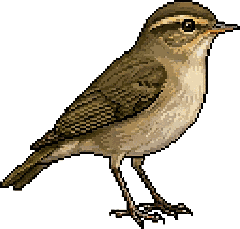 Mosquitero sombríoDusky WarblerPhylloscopus fuscatus
- LegendarioLegendary
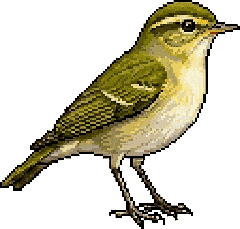 Mosquitero verdosoGreenish WarblerPhylloscopus trochiloides
 Gratis, sin anuncios ni comprasFree, no ads, no purchases