 BirdPedy
Mosquitero bilistadoYellow-browed Warbler
En 40 provincias en noviembre y sin registros 4 meses del añoIn 40 provinces in November, and no records in 4 months of the year
Reporte de rarezaRarity report
Por qué es poco comúnWhy it is uncommonEl más frecuente de los pequeños mosquiteros siberianos, observado regularmente en otoño en todo el litoral mediterráneo y atlántico.The most frequent of the small Siberian leaf warblers, seen regularly in autumn along the whole Mediterranean and Atlantic coast.
Cada carrizo es un mes: su altura, las provincias con registros de 2020 a 2024.Each reed is a month: its height, the provinces with records from 2020 to 2024.- Provincias con registrosProvinces with records
- 45 de 52of 52
- En la appIn the app
- Octubre a marzoOctober to March
- EnvergaduraWingspan
- 15-20 cm15-20 cm
- LongitudLength
- 10 cm10 cm
- Lista Roja de EspañaSpanish Red List
- NE No evaluada en EspañaNot assessed in Spain

Información generalGeneral Information
El mosquitero bilistado puede considerarse una especie relativamente frecuente en España, visitante habitual en otoño que, en el caso de Canarias, prolonga su estancia hasta el mes de marzo. Durante este periplo, la especie se deja ver por todo lo largo y ancho de nuestra geografía.The Yellow-browed Warbler is a success story of modern birdwatching. Once an extreme rarity, it is now a regular autumn visitor to Spain, with some individuals even spending the winter in the Canary Islands. It perform a massive westward migration from Siberia each year. Its sharp, liquid 'swee-it' call is a classic sound of the October gardens. It is a tiny traveler that proves that даже the smallest birds can cross entire continents.
IdentificaciónIdentification
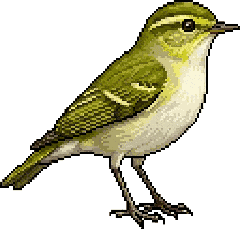
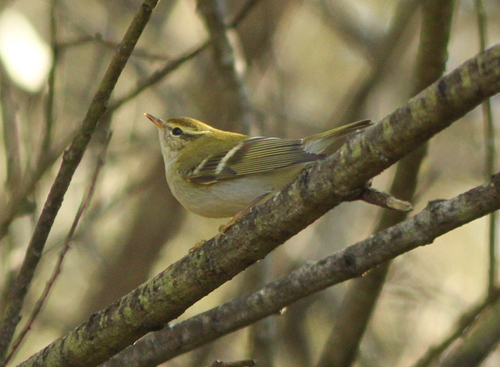
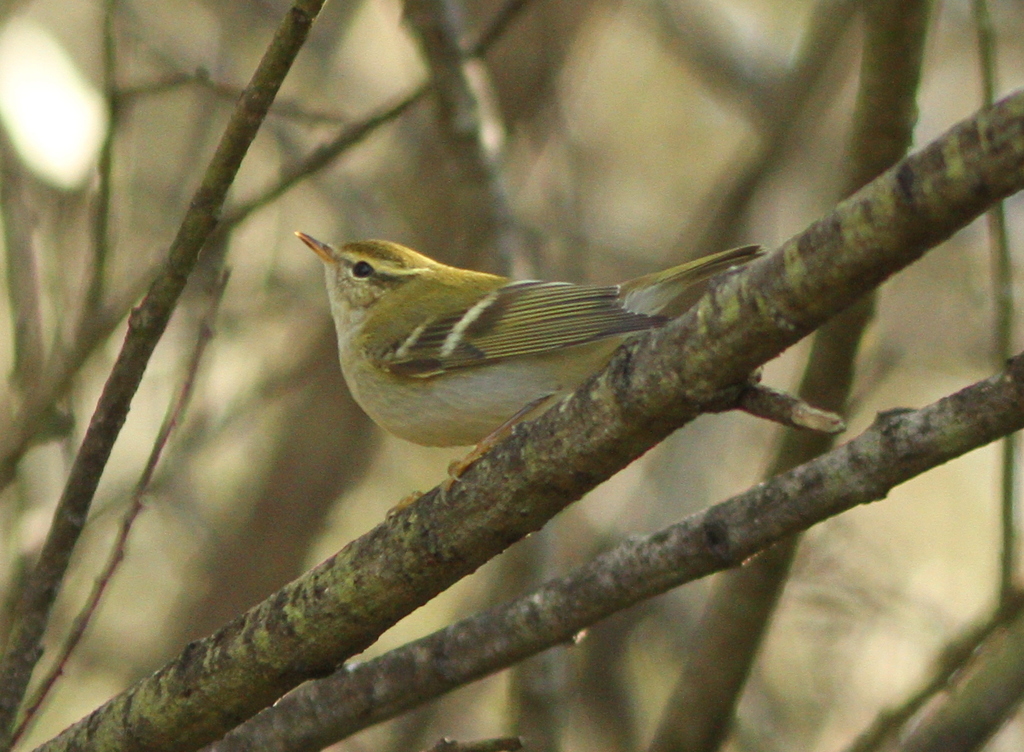
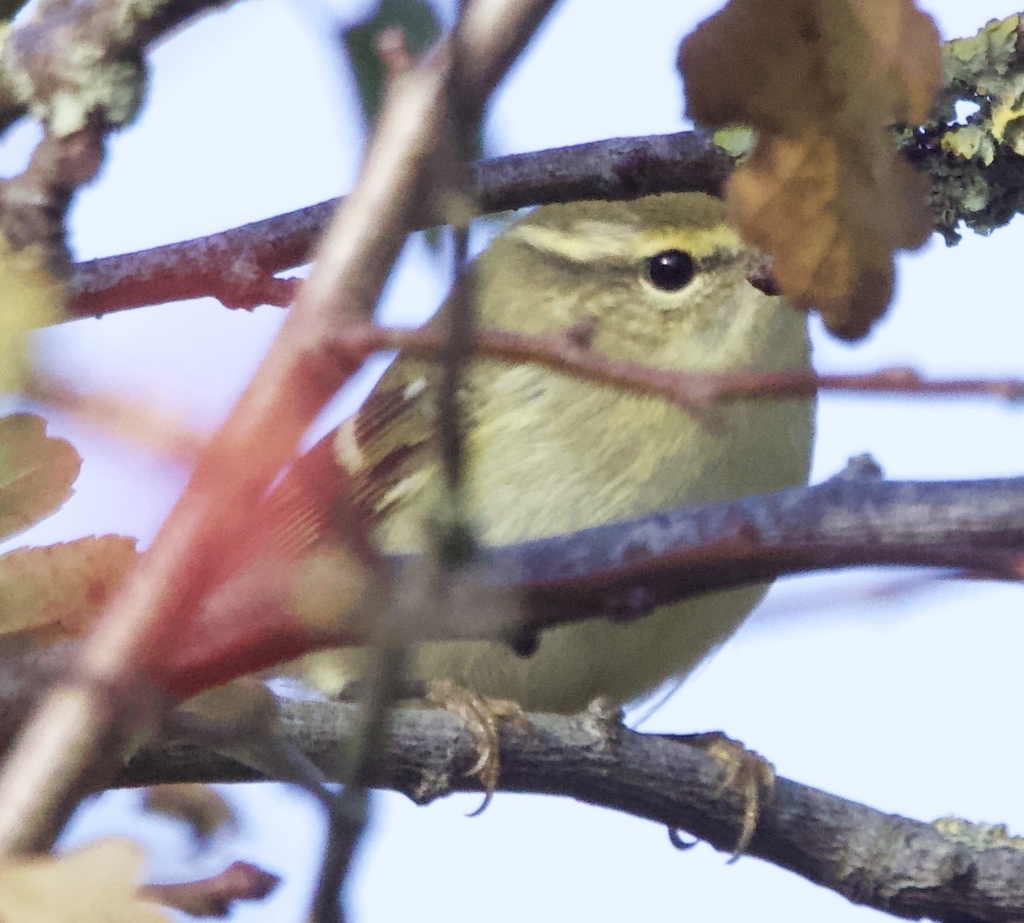
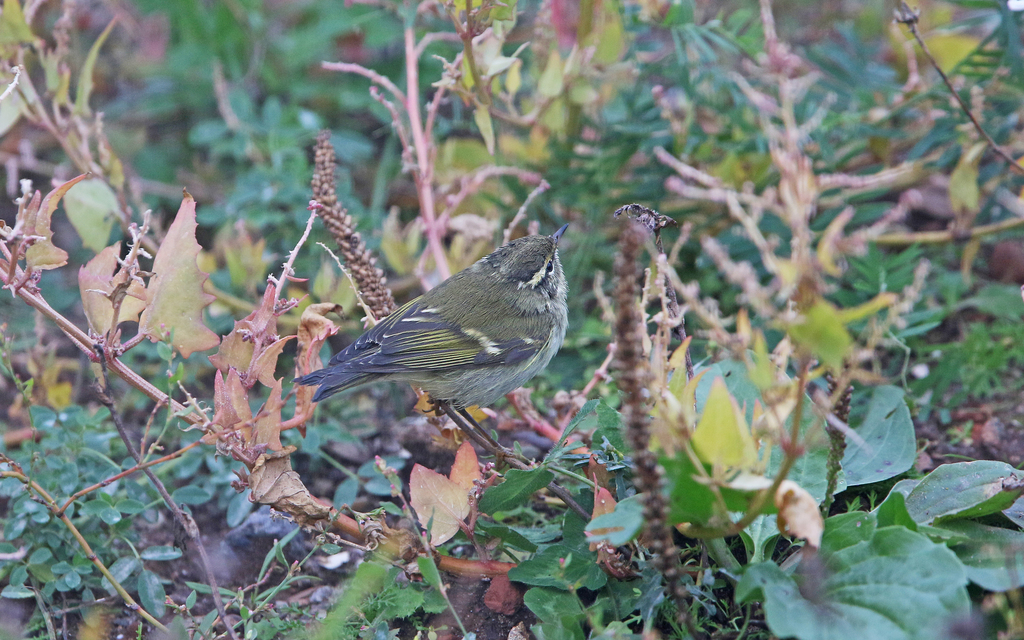
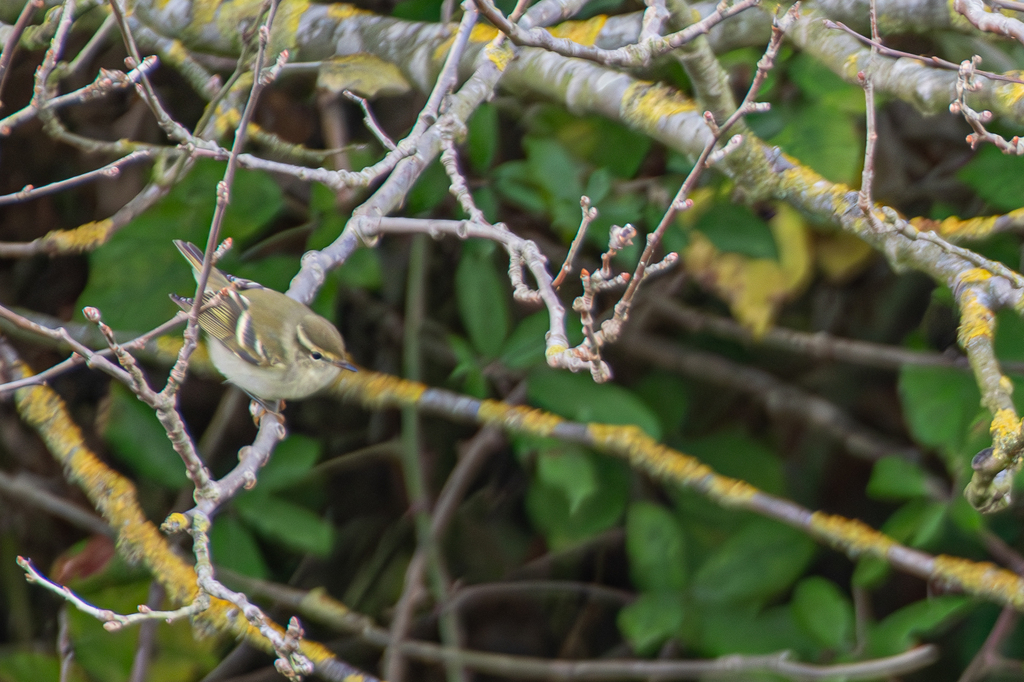
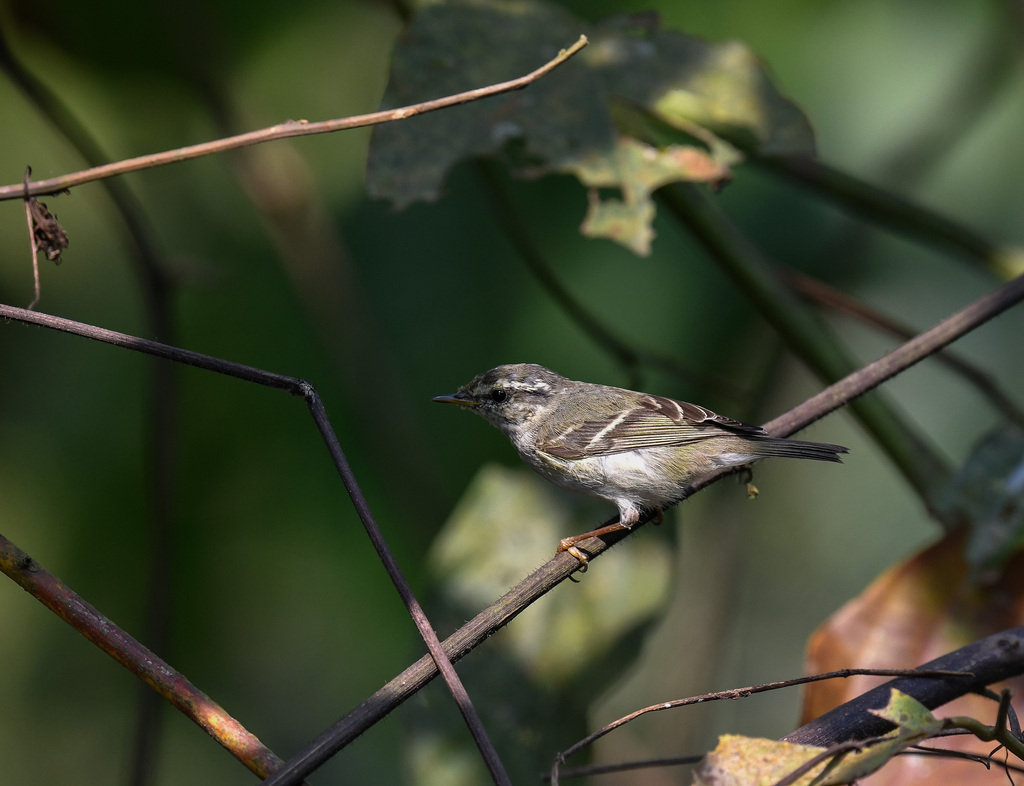
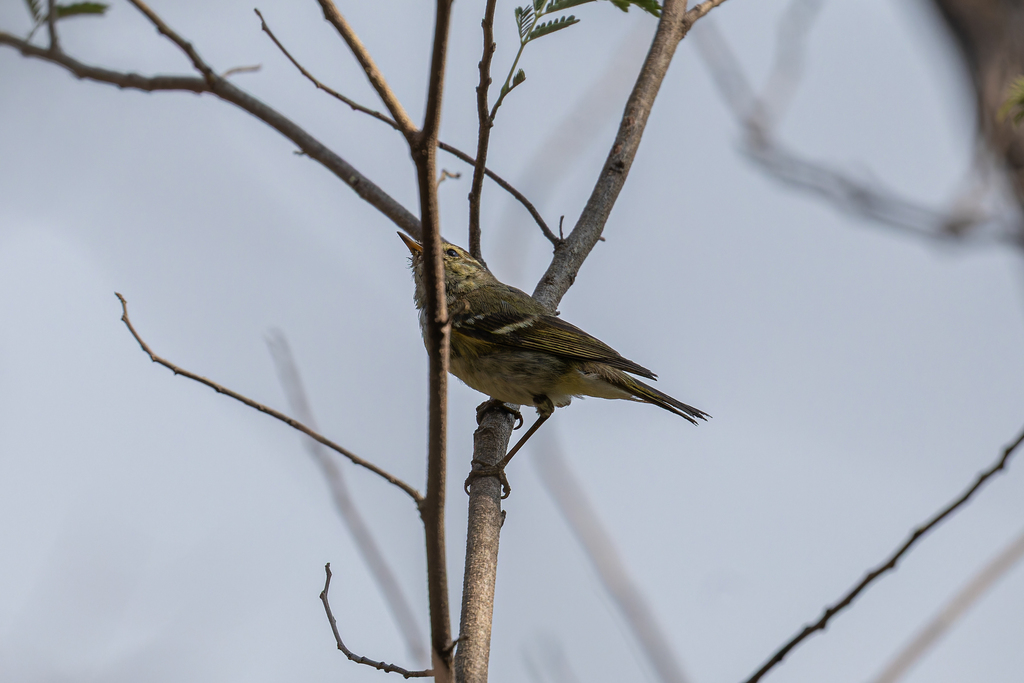
El mosquitero bilistado, de tamaño intermedio entre los mosquiteros común y de Pallas, tiene, como este último, una llamativa lista superciliar, muy larga, y un par de franjas alares, pero carece de una evidente lista pileal media y presenta la rabadilla del mismo color que el dorso. El mosquitero de Hume, muy parecido (hasta hace poco se consideraba como una simple subespecie del bilistado), es de color general más apagado, con el dorso más grisáceo y menos verde, la lista superciliar y las franjas alares menos llamativas, y sus patas y pico totalmente oscuros, sin tonos rosas.A tiny, jewel-like warbler with a very 'busy' plumage. It has bright green upperparts and white underparts. It is unmistakable for its two bold yellow-white wing-bars and its long, bright yellow eyebrow. It is the size of a Goldcrest and is incredibly active, constantly flicking its wings. It breeds in the Siberian Taiga.
DistribuciónDistribution
En España, los avistamientos del mosquitero bilistado se reparten de manera dispersa durante su paso migratorio por toda la Península, ambos archipiélagos, Ceuta y Melilla, concentrados en los meses de octubre y noviembre. Dichos registros se prolongan en el tiempo en las Islas Canarias.Regular autumn visitor (formerly rarity). Widespread across the Peninsula and islands (October-November). Some individuals winter in Canarias.
Textos reproducidos con permiso de laTexts translated and reproduced with permission from the Guía de Aves de España © SEO/BirdLife
Estado de conservaciónConservation Status
- EX
- RE
- CR
- EN
- VU
- NT
- LC
NE
No evaluada en EspañaNot assessed in Spain
Qué significa cada categoríaWhat each category means
- LC
- Preocupación menor: Taxón evaluado que no califica para categorías amenazadas. Especies abundantes y ampliamente distribuidasLeast Concern - Evaluated taxon that does not qualify for threatened categories. Widespread and abundant taxa
- NT
- Casi amenazada: No califica actualmente como amenazada, pero está cerca de calificar o es probable que califique en el futuro cercanoNear Threatened - Does not currently qualify as threatened, but is close to qualifying or likely to qualify in the near future
- VU
- Vulnerable: Enfrenta un alto riesgo de extinción en estado silvestre según los criterios A a E de IUCNVulnerable - Facing a high risk of extinction in the wild based on IUCN criteria A to E
- EN
- En peligro: Enfrenta un riesgo muy alto de extinción en estado silvestre según los criterios A a E de IUCNEndangered - Facing a very high risk of extinction in the wild based on IUCN criteria A to E
- CR
- En peligro crítico: Enfrenta un riesgo extremadamente alto de extinción en estado silvestre según los criterios A a E de IUCNCritically Endangered - Facing an extremely high risk of extinction in the wild based on IUCN criteria A to E
- DD
- Datos insuficientes: Información inadecuada para evaluar el riesgo de extinción basándose en distribución o estado poblacionalData Deficient - Inadequate information to assess extinction risk based on distribution and/or population status
- NE
- No evaluada: No ha sido evaluada aún contra los criterios de la Lista Roja de IUCNNot Evaluated - Has not yet been assessed against the IUCN Red List criteria
- RE
- Extinta regionalmente: El taxón ya no existe en la región específica, aunque puede sobrevivir en otros lugaresRegionally Extinct - Taxon no longer exists in the specific region, though it may survive elsewhere
- EX
- Extinta - No existe duda razonable de que ha muerto el último individuo del taxónExtinct - No reasonable doubt that the last individual of the taxon has died
TaxonomíaTaxonomy
- OrdenOrder
- Passeriformes
- FamiliaFamily
- Phylloscopidae
Presencia en EspañaPresence in Spain
- De pasoPassage migrant
- HabitualRegular
En la app: octubre a marzo.In the app: October to March.
Dónde verlaWhere to see it
293 cuadrículas de 10 km con registros de 2020 a 2024. Toca un mes para ver dónde se ha visto.293 10 km squares with records from 2020 to 2024. Pick a month to see where it has been seen.
Cargando el mapa…Loading the map…
Dónde es regularWhere it is regular
Provincias con registros en al menos 3 de los 5 años algún mes, de más a menos frecuente, y sus mejores meses.Provinces with records in at least 3 of the 5 years in some month, from most to least frequent, and their best months.
- Las PalmasLas Palmasdiciembre, noviembre, eneroDecember, November, January
- CádizCádiznoviembre, octubre, diciembreNovember, October, December
- A CoruñaA Coruñaoctubre, noviembreOctober, November
- BarcelonaBarcelonaoctubre, noviembreOctober, November
- Santa Cruz de TenerifeSanta Cruz de TenerifediciembreDecember
- ÁvilaÁvilaoctubreOctober
- MadridMadridoctubre, noviembreOctober, November
- AsturiasAsturiasnoviembre, octubreNovember, October
- BalearesBalearic Islandsnoviembre, octubreNovember, October
- TarragonaTarragonaoctubreOctober
Ver las 26 provinciasSee all 26 provinces
- GuipúzcoaGuipúzcoanoviembreNovember
- CastellónCastellónnoviembreNovember
- ValenciaValenciaoctubre, noviembreOctober, November
- HuelvaHuelvadiciembreDecember
- BurgosBurgosnoviembreNovember
- SevillaSevillanoviembre, octubreNovember, October
- CantabriaCantabriaoctubreOctober
- GironaGironaoctubreOctober
- Ciudad RealCiudad RealoctubreOctober
- ValladolidValladolidoctubreOctober
- MálagaMálagaoctubre, enero, noviembreOctober, January, November
- VizcayaVizcayadiciembreDecember
- AlicanteAlicanteoctubre, noviembreOctober, November
- CáceresCáceresnoviembre, octubreNovember, October
- HuescaHuescaoctubreOctober
- ZaragozaZaragozaoctubreOctober
Datos: registros en GBIF de 2020 a 2024 de Observation.org, eBird, iNaturalist y el ICO, descargados el 23/10/2026.Data: GBIF records from 2020 to 2024 from Observation.org, eBird, iNaturalist and the ICO, downloaded on 23/10/2026. GBIF.org (23 October 2026) GBIF Occurrence Download · doi:10.15468/dl.r5sf2a · CC BY-NC 4.0
GaleríaGallery
© Julien Renoult · CC BY · iNaturalist 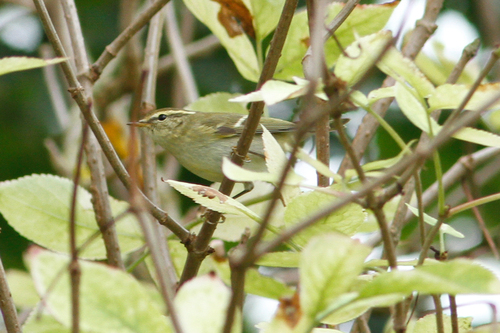
© Julien Renoult · CC BY · iNaturalist 
© Fred Derks · CC BY · iNaturalist 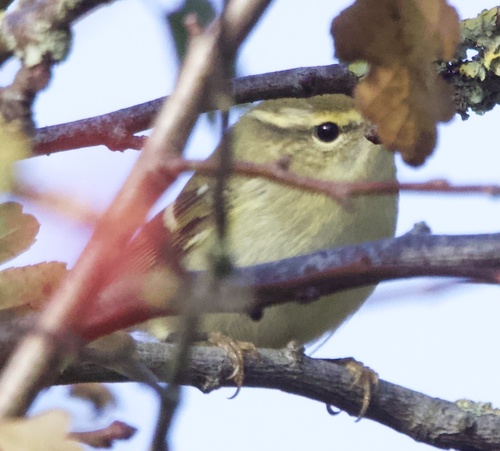
© Morgan Caygill · CC BY · iNaturalist 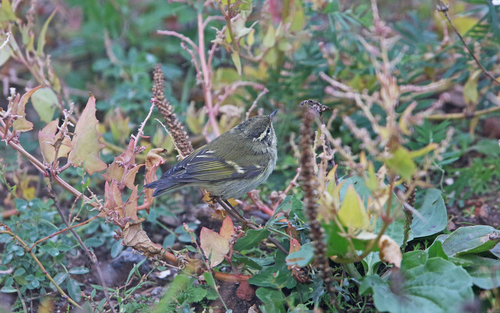
© Christoph Moning · CC BY · iNaturalist 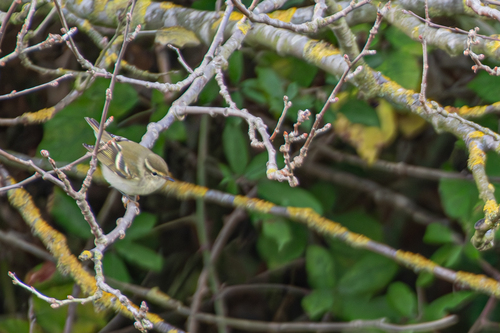
© Rafael Würtemberger · CC BY · iNaturalist 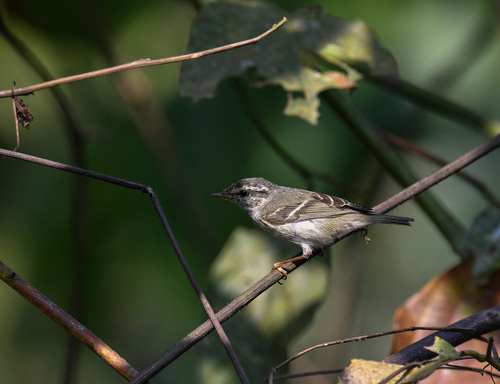
© Rejoice Gassah · CC BY · iNaturalist 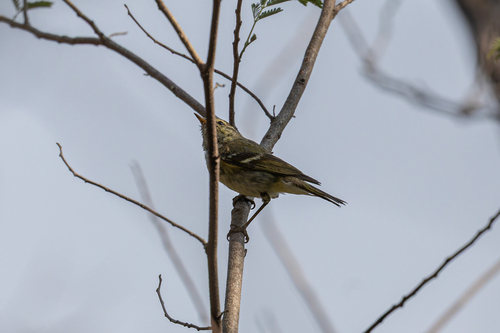
© Utain Pummarin · CC BY · iNaturalist
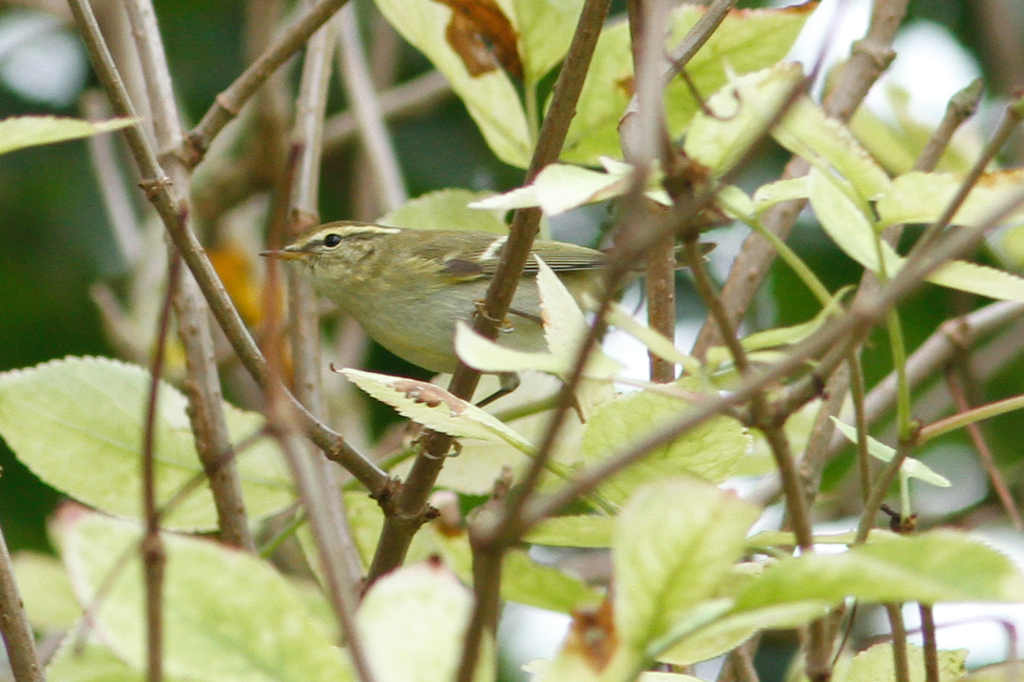
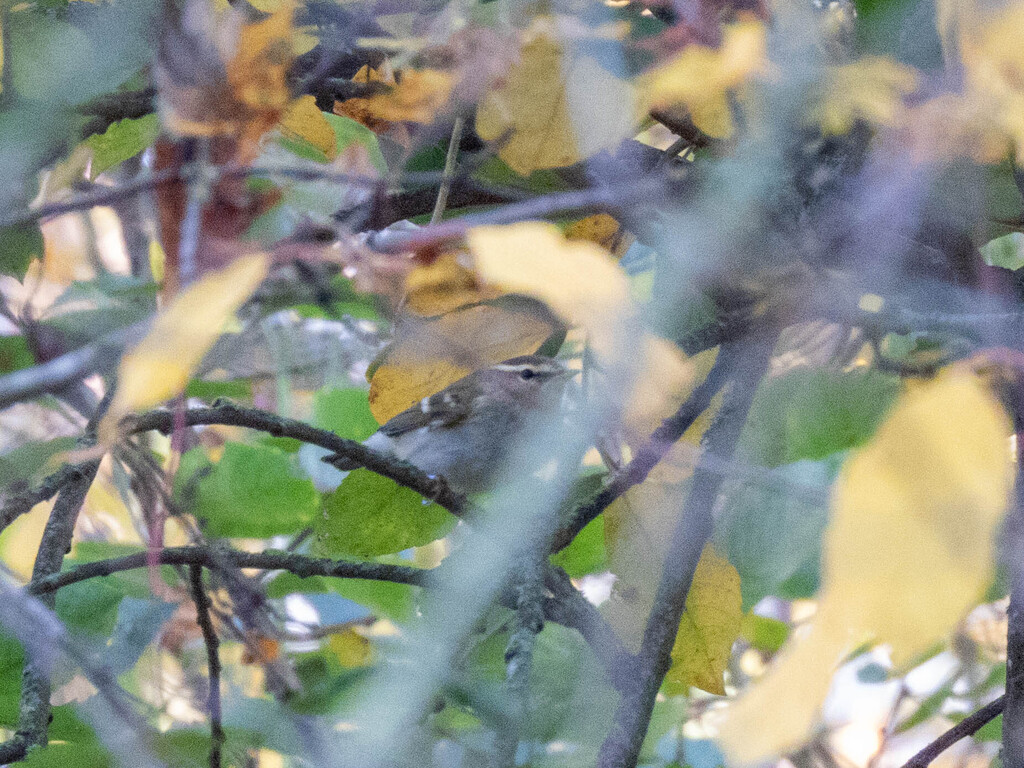
Especies relacionadasRelated species
Otras aves de la familia Phylloscopidae y de órdenes cercanos.Other birds from the Phylloscopidae family and nearby orders.
- LegendarioLegendary
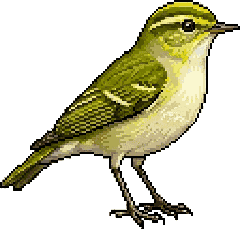 Mosquitero de PallasPallas's Leaf WarblerPhylloscopus proregulus
- LegendarioLegendary
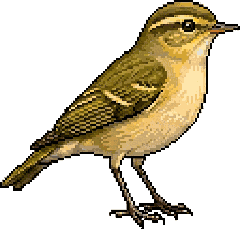 Mosquitero de SchwarzRadde's WarblerPhylloscopus schwarzi
- LegendarioLegendary
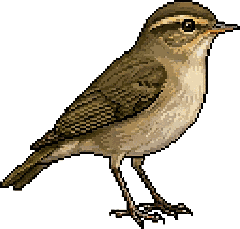 Mosquitero sombríoDusky WarblerPhylloscopus fuscatus
- LegendarioLegendary
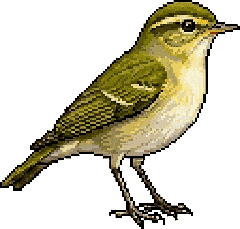 Mosquitero verdosoGreenish WarblerPhylloscopus trochiloides
- LegendarioLegendary
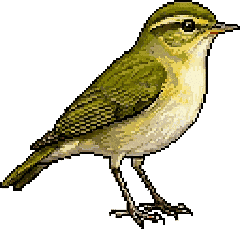 Mosquitero borealArctic WarblerPhylloscopus borealis
- RaroRare
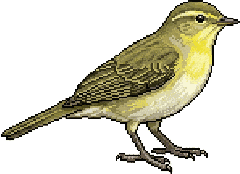 Mosquitero canarioCanary Islands ChiffchaffPhylloscopus canariensis
- ComúnCommon
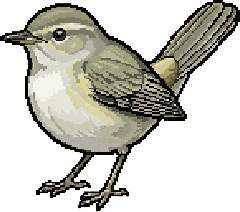 Mosquitero papialboWestern Bonelli's WarblerPhylloscopus bonelli
- RaroRare
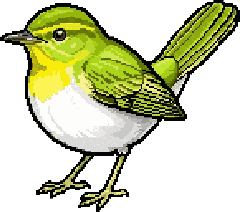 Mosquitero silbadorWood WarblerPhylloscopus sibilatrix
 Gratis, sin anuncios ni comprasFree, no ads, no purchases