 BirdPedy
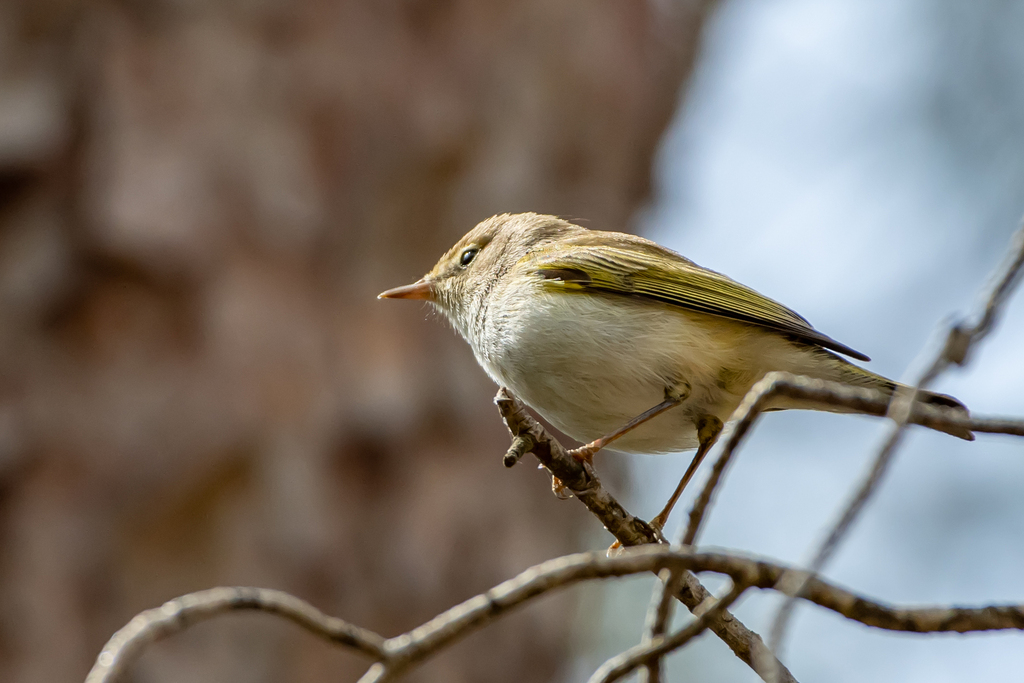
Mosquitero papialboWestern Bonelli's Warbler
En 48 provincias en abril y sin registros 2 meses del añoIn 48 provinces in April, and no records in 2 months of the year
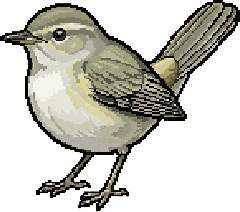
Reporte de rarezaRarity report
Por qué es comúnWhy it is commonEstival migradora ligada a bosques abiertos, dehesas y laderas con arbolado de la mitad norte y sistemas montañosos del centro y sur. Especie común de canto monótono y silbado.A summer migrant tied to open woodland, dehesas and wooded slopes in the northern half and the mountain ranges of the center and south. A common species with a monotonous, whistled song.
Cada carrizo es un mes: su altura, las provincias con registros de 2020 a 2024.Each reed is a month: its height, the provinces with records from 2020 to 2024.- Provincias con registrosProvinces with records
- 49 de 52of 52
- En la appIn the app
- Marzo a septiembreMarch to September
- EnvergaduraWingspan
- 16-19 cm16-19 cm
- LongitudLength
- 11-12 cm11-12 cm
- Lista Roja de EspañaSpanish Red List
- LC Preocupación menorLeast Concern

Información generalGeneral Information
Los mosquiteros son pequeños pájaros de aspecto rechoncho pero delicado y de tonos generales amarillo-verdosos. De las seis especies presentes en territorio español, el papialbo es el único que muestra una coloración un poco diferente de este patrón general, ya que resulta mucho más pálido, sobre todo en la cabeza y las partes ventrales. Se trata de una especie migradora que visita la Península para criar, donde ocupa preferentemente bosques de rebollos y quejigos. Su área de distribución mundial está restringida a los países del entorno del Mediterráneo occidental.The Western Bonelli's Warbler is a bird of the mountain slopes and oak and pine woods. It is easily identified by its song—a rapid, monotonous 'shivering' trill. It is a trans-Saharan migrant that stays with us only for the warmest months. Globally, its distribution is centered on the Western Mediterranean, making Spain one of its most important strongholds. It is a delicate bird, perfectly adapted to our sun-dappled mountain woods.
IdentificaciónIdentification
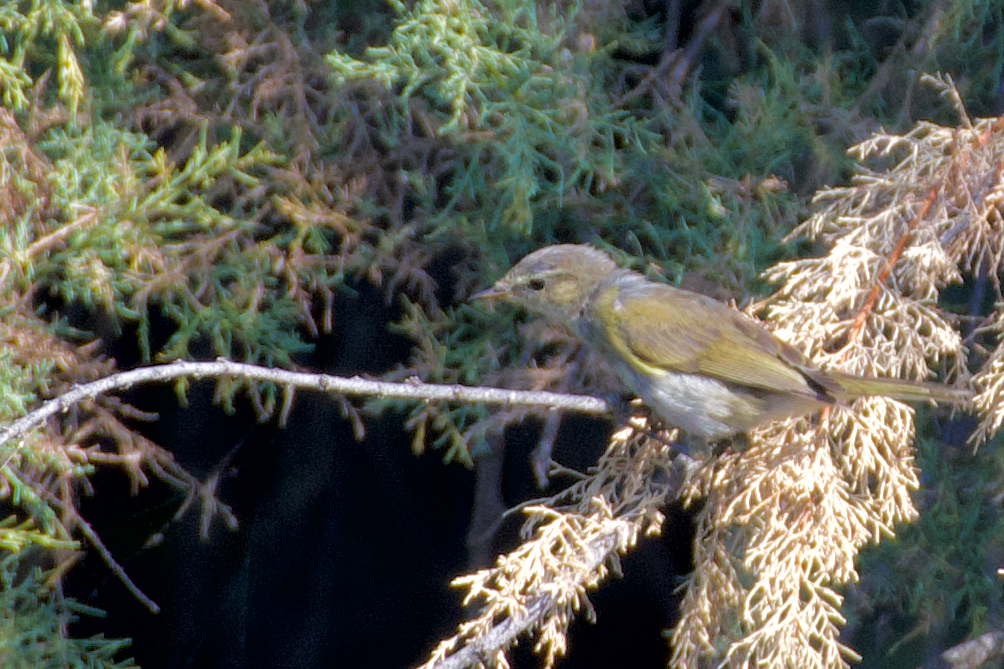
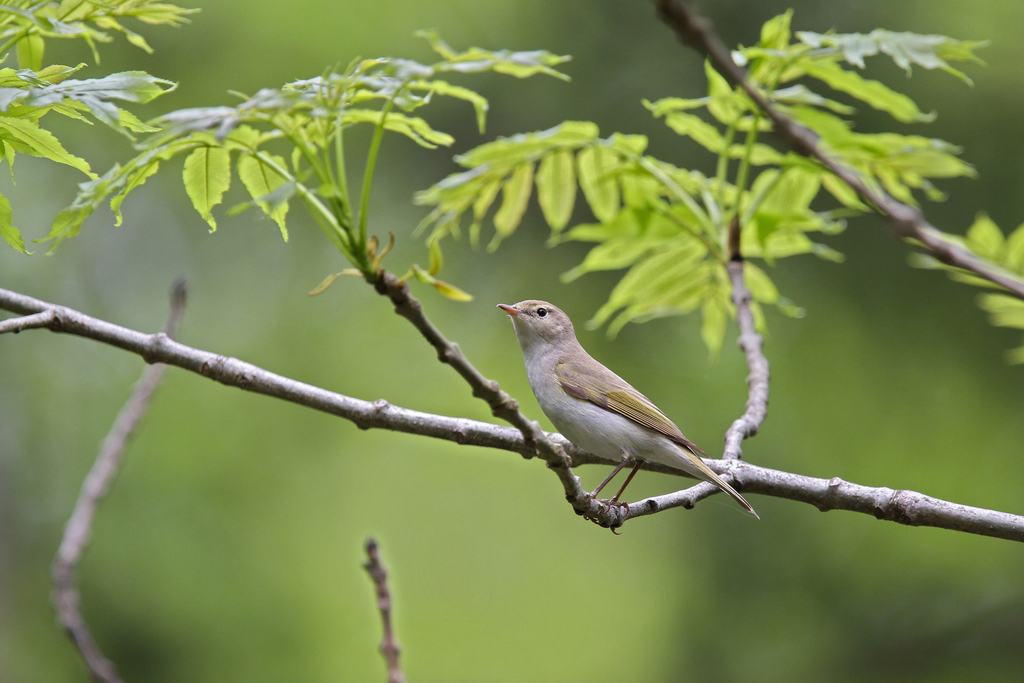
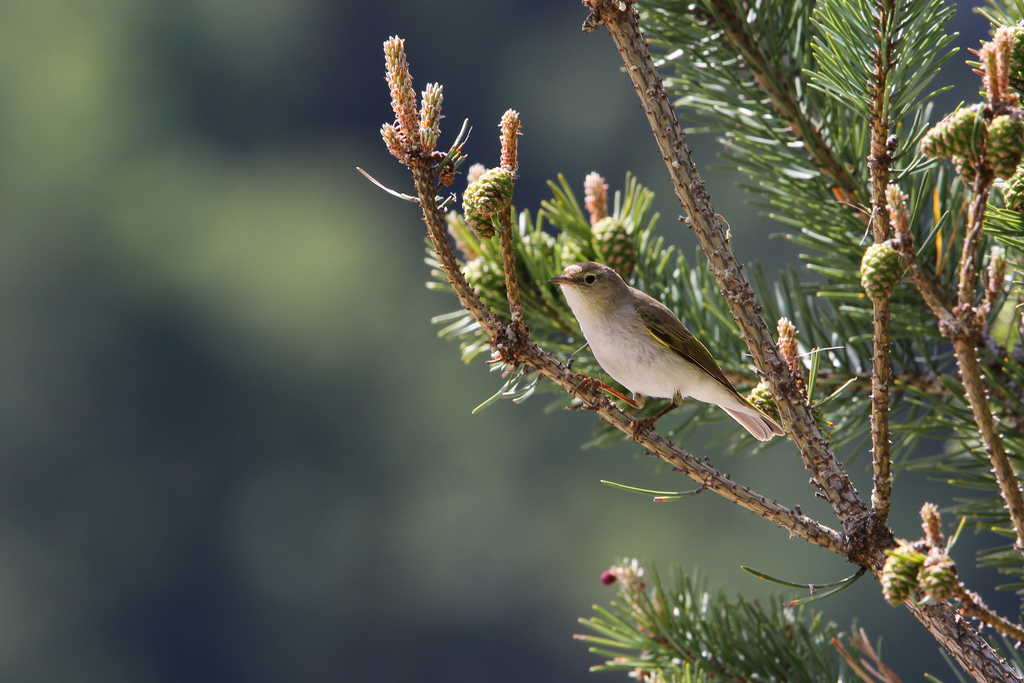
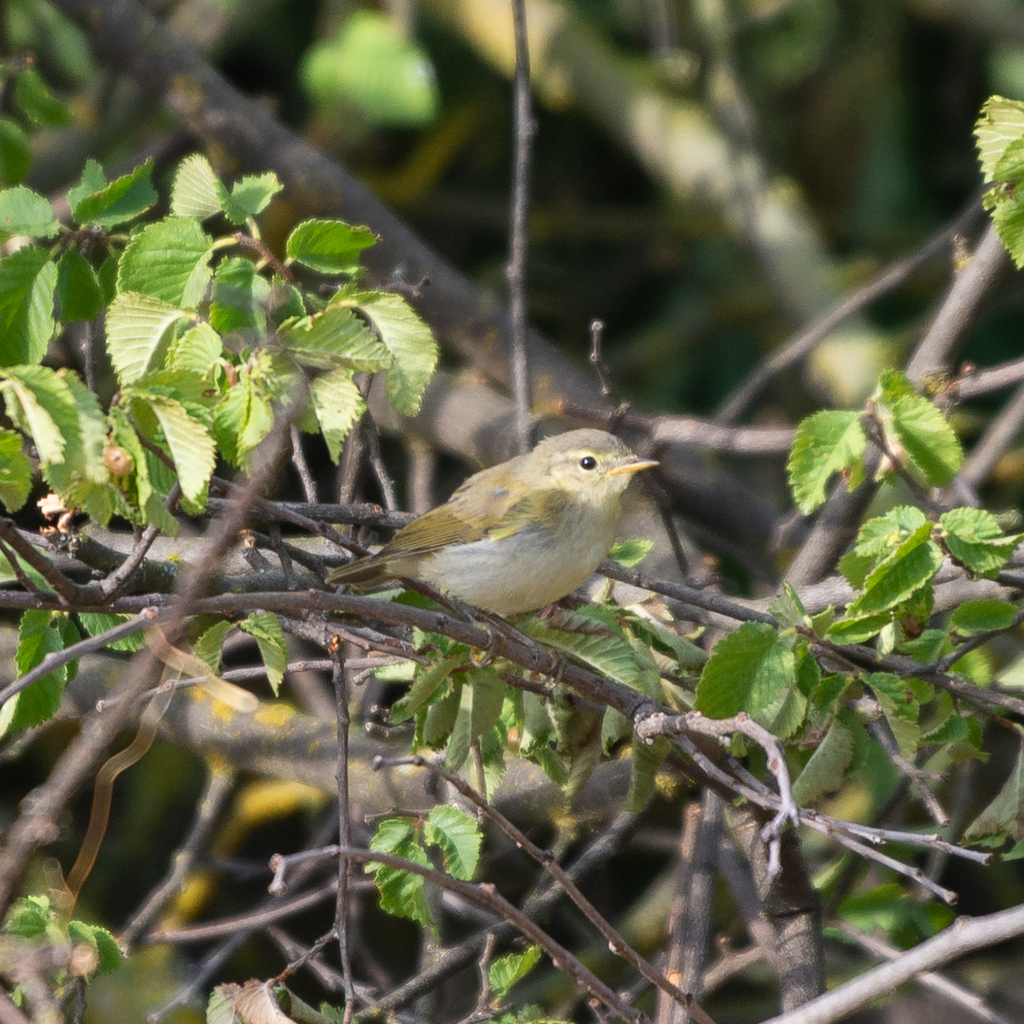
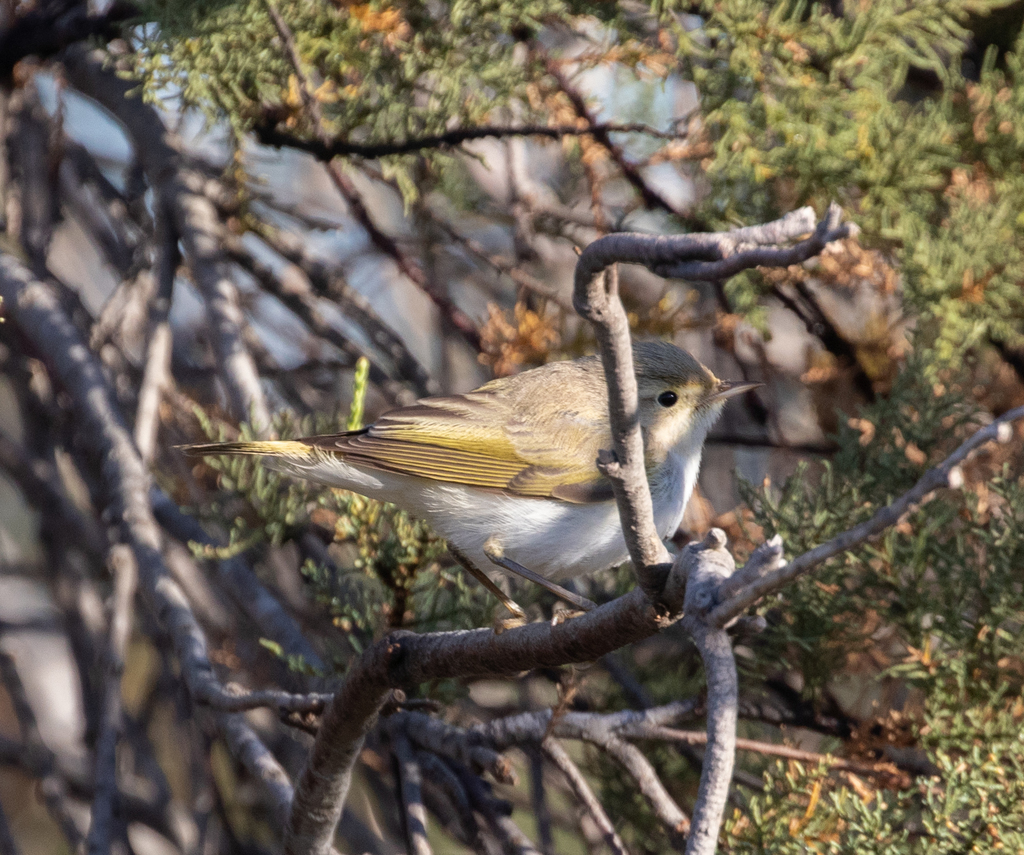
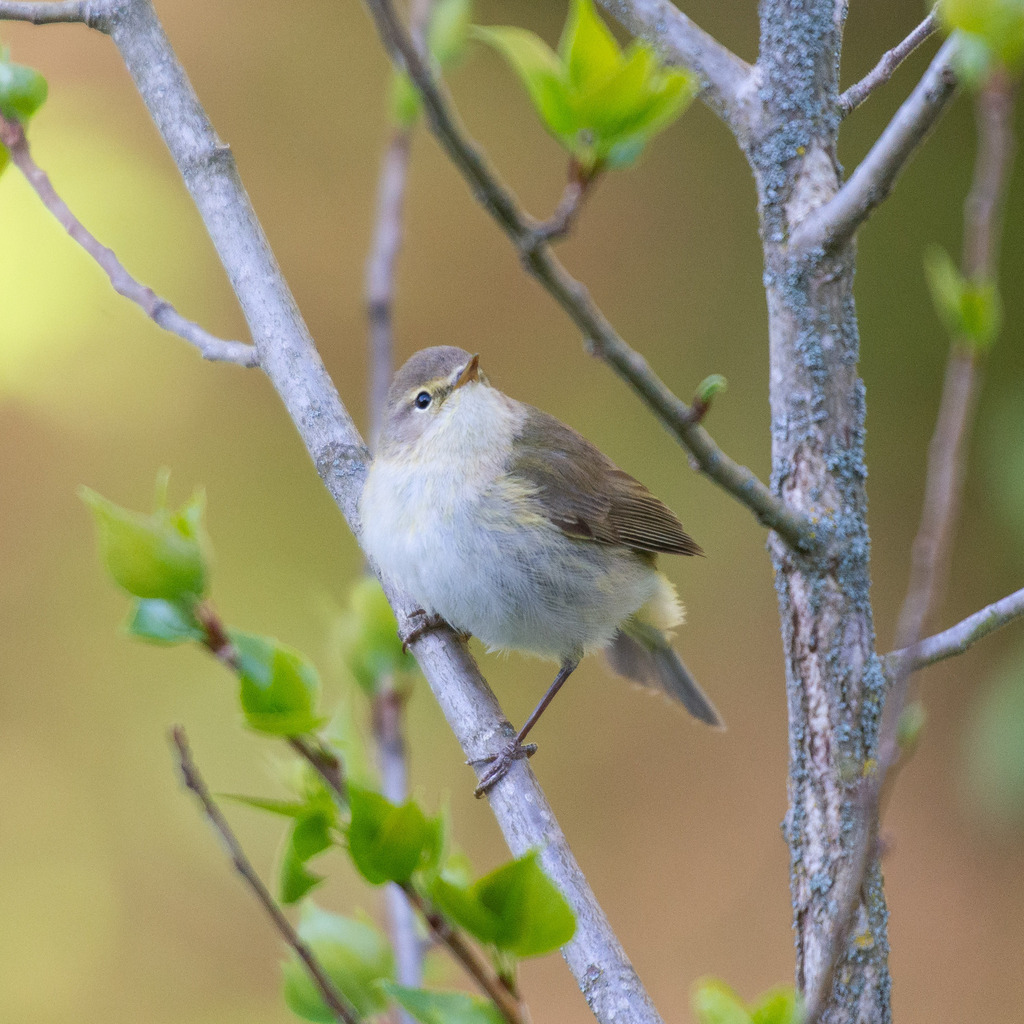
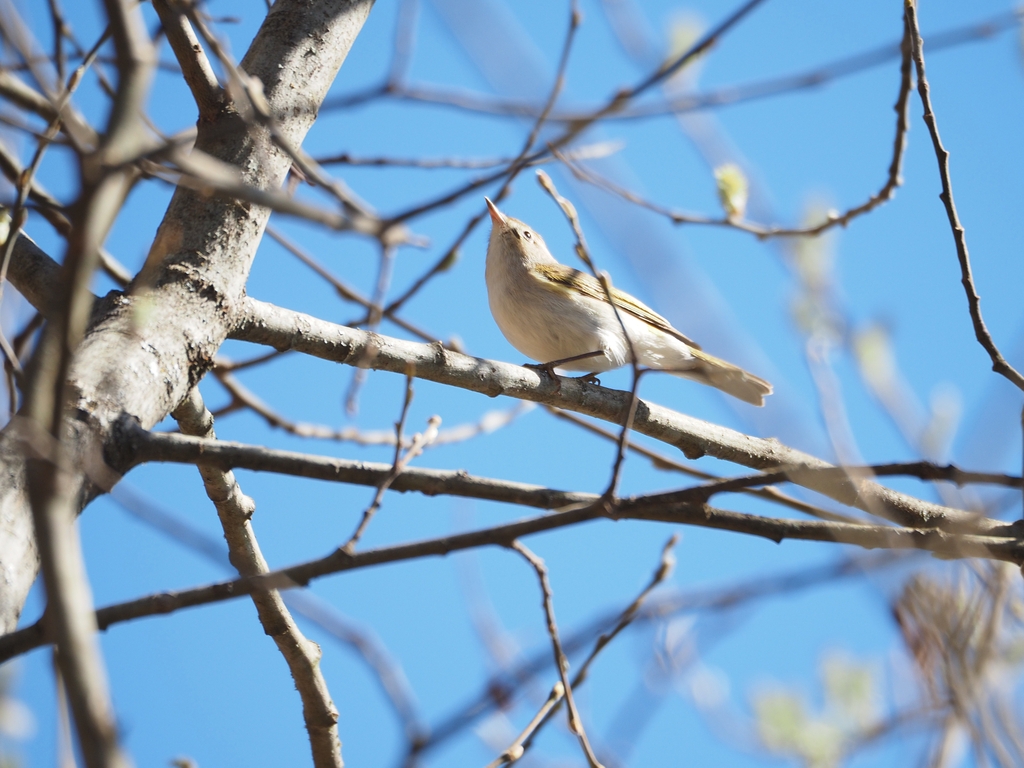
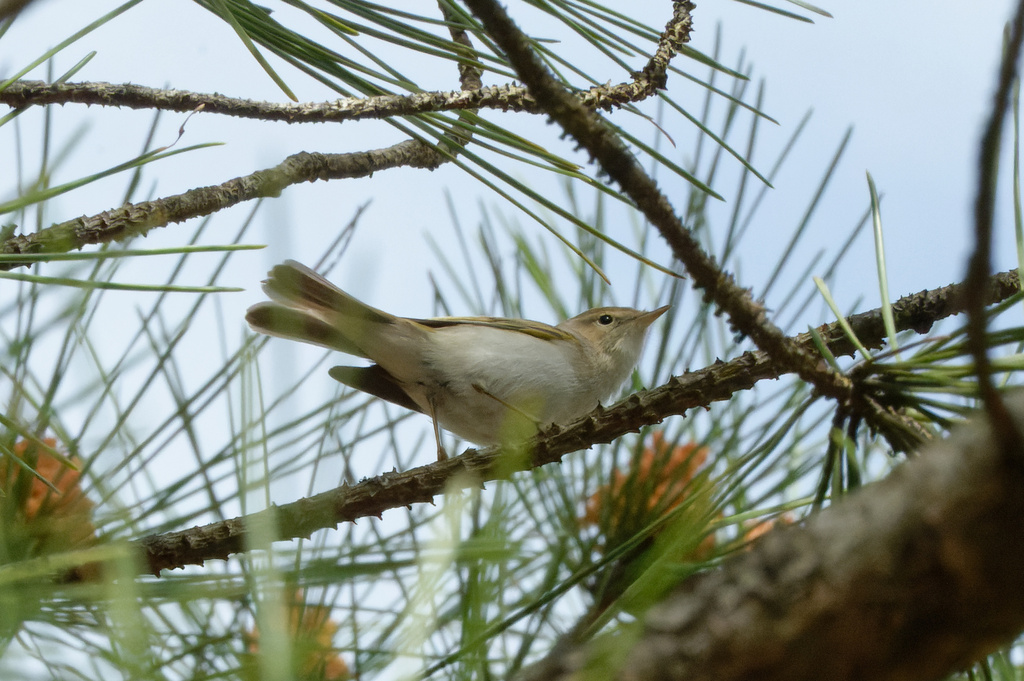
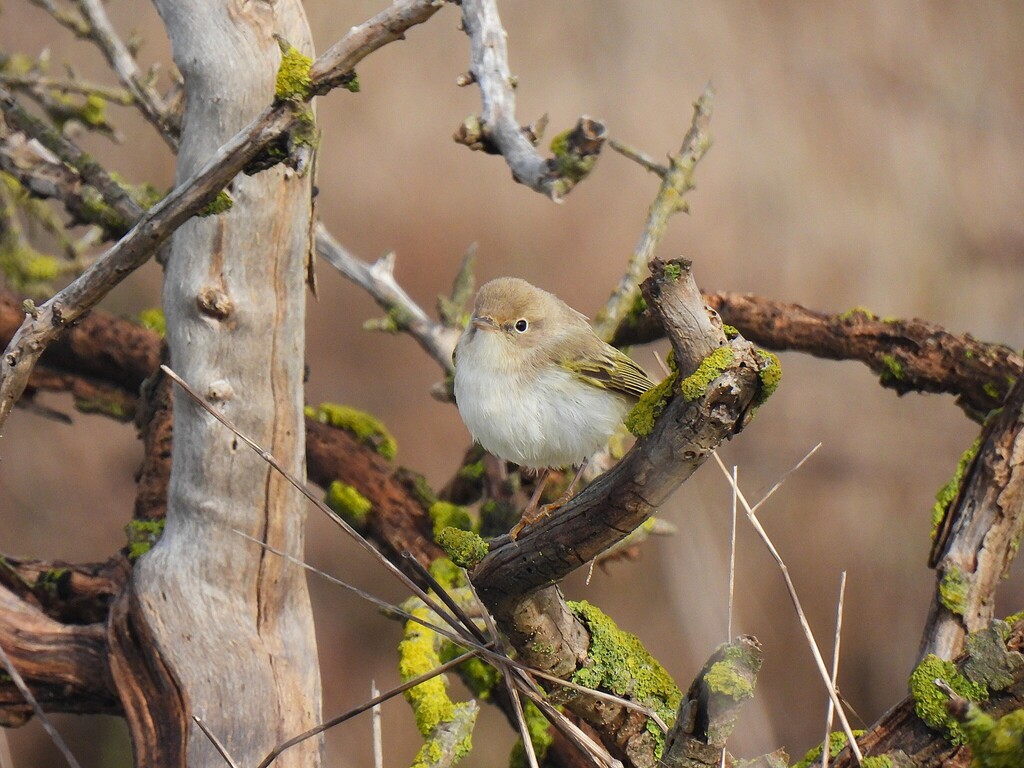
El mosquitero papialbo presenta la típica silueta de los mosquiteros: cuerpecillo rechoncho, patas frágiles y pico fino, pero se diferencia de los demás por su coloración general mucho más clara, especialmente en la cabeza y las partes ventrales. Las patas son negras y las alas, el dorso y las partes exteriores de la cola, verdosos, en contraste con el resto del cuerpo, de color blanquecino. La especie no manifiesta dimorfismo sexual.The most 'mountainous' of our leaf warblers. It has a characteristic 'silvery' look: grayish-green upper parts and pure, silky white underparts. Its most distinctive features are a bright yellow-green rump and yellow-green edges to the wings and tail, which contrast with its pale head. It lacks a strong eyebrow. It is a summer visitor from the Mediterranean to the southern European mountain forests.
DistribuciónDistribution
El mosquitero papialbo aparece como nidificante de manera extensa y continua en la mitad norte peninsular, aunque de forma más puntual en Galicia, la cornisa cantábrica y el valle del Ebro. En la mitad sur de la Península queda restringida a sierras y sistemas montañosos (Sistemas Bético y Penibético, sierras levantinas). Falta en Baleares y Canarias, así como en Ceuta y Melilla.Extensive across the northern half of the Peninsula. In the south, it is restricted to mountain ranges (Betic and Penibetic systems). Absent from Balearics, Canarias, Ceuta, and Melilla.
Textos reproducidos con permiso de laTexts translated and reproduced with permission from the Guía de Aves de España © SEO/BirdLife
Estado de conservaciónConservation Status
- EX
- RE
- CR
- EN
- VU
- NT
- LC
Preocupación menorLeast Concern
Qué significa cada categoríaWhat each category means
- LC
- Preocupación menor: Taxón evaluado que no califica para categorías amenazadas. Especies abundantes y ampliamente distribuidasLeast Concern - Evaluated taxon that does not qualify for threatened categories. Widespread and abundant taxa
- NT
- Casi amenazada: No califica actualmente como amenazada, pero está cerca de calificar o es probable que califique en el futuro cercanoNear Threatened - Does not currently qualify as threatened, but is close to qualifying or likely to qualify in the near future
- VU
- Vulnerable: Enfrenta un alto riesgo de extinción en estado silvestre según los criterios A a E de IUCNVulnerable - Facing a high risk of extinction in the wild based on IUCN criteria A to E
- EN
- En peligro: Enfrenta un riesgo muy alto de extinción en estado silvestre según los criterios A a E de IUCNEndangered - Facing a very high risk of extinction in the wild based on IUCN criteria A to E
- CR
- En peligro crítico: Enfrenta un riesgo extremadamente alto de extinción en estado silvestre según los criterios A a E de IUCNCritically Endangered - Facing an extremely high risk of extinction in the wild based on IUCN criteria A to E
- DD
- Datos insuficientes: Información inadecuada para evaluar el riesgo de extinción basándose en distribución o estado poblacionalData Deficient - Inadequate information to assess extinction risk based on distribution and/or population status
- NE
- No evaluada: No ha sido evaluada aún contra los criterios de la Lista Roja de IUCNNot Evaluated - Has not yet been assessed against the IUCN Red List criteria
- RE
- Extinta regionalmente: El taxón ya no existe en la región específica, aunque puede sobrevivir en otros lugaresRegionally Extinct - Taxon no longer exists in the specific region, though it may survive elsewhere
- EX
- Extinta - No existe duda razonable de que ha muerto el último individuo del taxónExtinct - No reasonable doubt that the last individual of the taxon has died
TaxonomíaTaxonomy
- OrdenOrder
- Passeriformes
- FamiliaFamily
- Phylloscopidae
Presencia en EspañaPresence in Spain
- EstivalSummer visitor
- HabitualRegular
En la app: marzo a septiembre.In the app: March to September.
Dónde verlaWhere to see it
3.076 cuadrículas de 10 km con registros de 2020 a 2024. Toca un mes para ver dónde se ha visto.3,076 10 km squares with records from 2020 to 2024. Pick a month to see where it has been seen.
Cargando el mapa…Loading the map…
Dónde es regularWhere it is regular
Provincias con registros en al menos 3 de los 5 años algún mes, de más a menos frecuente, y sus mejores meses.Provinces with records in at least 3 of the 5 years in some month, from most to least frequent, and their best months.
- GuadalajaraGuadalajarajunio, mayo, julioJune, May, July
- CuencaCuencajunio, mayo, julioJune, May, July
- SoriaSoriamayo, julio, junioMay, July, June
- BarcelonaBarcelonajunio, mayo, julioJune, May, July
- SegoviaSegoviajulio, mayo, junioJuly, May, June
- HuescaHuescajunio, julio, mayoJune, July, May
- ÁvilaÁvilajunio, mayo, julioJune, May, July
- LleidaLleidajunio, julio, mayoJune, July, May
- LeónLeónjunio, mayo, julioJune, May, July
- GironaGironajunio, mayo, julioJune, May, July
Ver las 47 provinciasSee all 47 provinces
- SalamancaSalamancajulio, junio, mayoJuly, June, May
- CastellónCastellónjunio, mayo, abrilJune, May, April
- PalenciaPalenciajunio, mayo, julioJune, May, July
- JaénJaénjulio, junio, agostoJuly, June, August
- TeruelTerueljunio, julio, mayoJune, July, May
- BurgosBurgosmayo, junio, julioMay, June, July
- ZamoraZamorajulio, junio, agostoJuly, June, August
- ValladolidValladolidjulio, junio, mayoJuly, June, May
- AlicanteAlicantejunio, julio, mayoJune, July, May
- AlbaceteAlbacetejunio, julio, mayoJune, July, May
- TarragonaTarragonamayo, junio, abrilMay, June, April
- MálagaMálagajunio, mayo, abrilJune, May, April
- MadridMadridjulio, junio, mayoJuly, June, May
- Ciudad RealCiudad Realagosto, abril, julioAugust, April, July
- La RiojaLa Riojamayo, junio, julioMay, June, July
- ÁlavaÁlavamayo, abril, junioMay, April, June
- CáceresCáceresjulio, agosto, junioJuly, August, June
- CádizCádizmayo, junio, abrilMay, June, April
- CórdobaCórdobaabril, julio, agostoApril, July, August
- GranadaGranadamayo, junio, abrilMay, June, April
- BadajozBadajozagosto, julio, abrilAugust, July, April
- ValenciaValenciaabril, mayo, junioApril, May, June
- OurenseOurensejunio, julio, mayoJune, July, May
- CantabriaCantabriajunio, mayo, julioJune, May, July
- CeutaCeutaabril, mayo, marzoApril, May, March
- ZaragozaZaragozaabril, julio, mayoApril, July, May
- ToledoToledoagosto, julio, abrilAugust, July, April
- HuelvaHuelvaagosto, abril, julioAugust, April, July
- NavarraNavarramayo, abril, junioMay, April, June
- Las PalmasLas Palmasabril, agosto, marzoApril, August, March
- SevillaSevillaabril, agosto, septiembreApril, August, September
- MurciaMurciaabril, junio, mayoApril, June, May
- AlmeríaAlmeríaabril, mayo, junioApril, May, June
- AsturiasAsturiasjunio, julio, mayoJune, July, May
- GuipúzcoaGuipúzcoaabril, mayo, julioApril, May, July
- BalearesBalearic Islandsabril, mayoApril, May
- VizcayaVizcayajunio, julio, abrilJune, July, April
Datos: registros en GBIF de 2020 a 2024 de Observation.org, eBird, iNaturalist y el ICO, descargados el 23/10/2026.Data: GBIF records from 2020 to 2024 from Observation.org, eBird, iNaturalist and the ICO, downloaded on 23/10/2026. GBIF.org (23 October 2026) GBIF Occurrence Download · doi:10.15468/dl.r5sf2a · CC BY-NC 4.0
GaleríaGallery
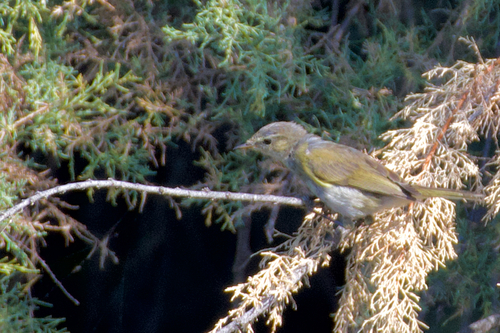
© Codrin Bucur · CC BY · iNaturalist 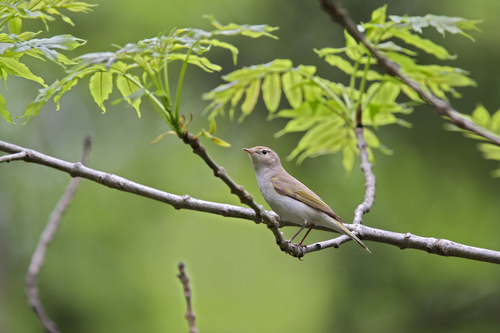
© Christoph Moning · CC BY · iNaturalist 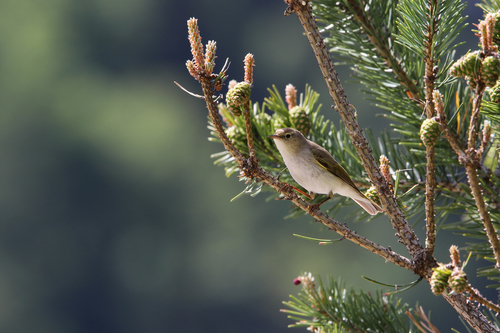
© Christoph Moning · CC BY · iNaturalist 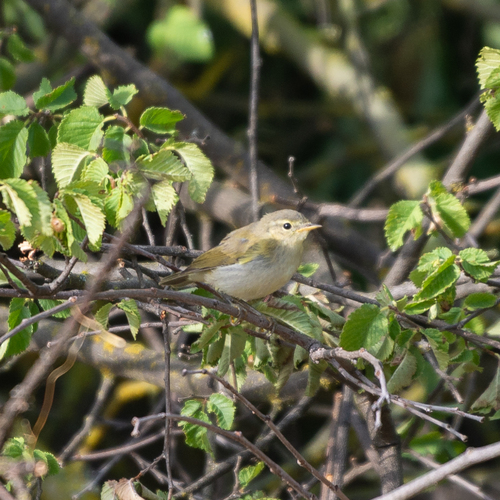
© euqirneto · CC BY · iNaturalist 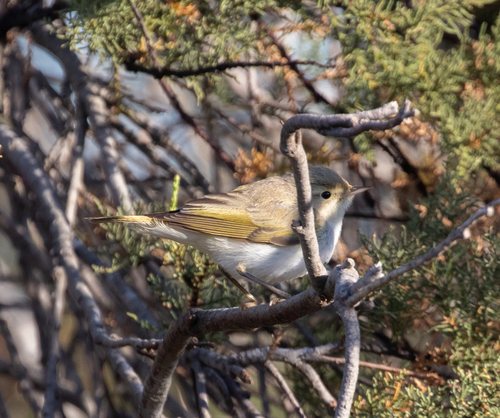
© avocat · CC BY · iNaturalist 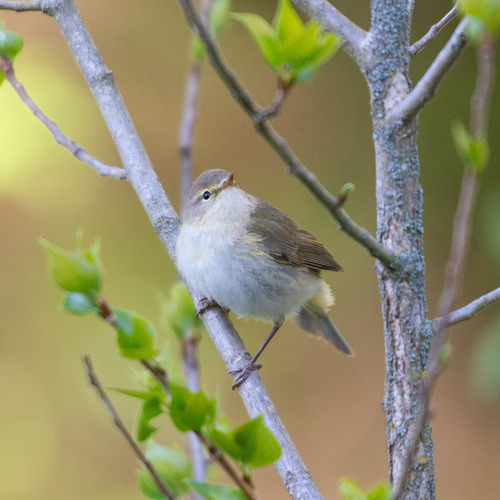
© euqirneto · CC BY · iNaturalist 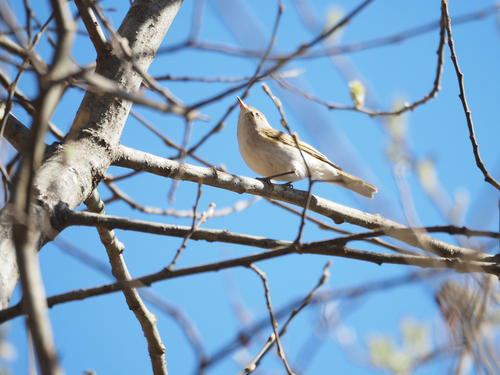
© S. Menéndez · CC BY · iNaturalist 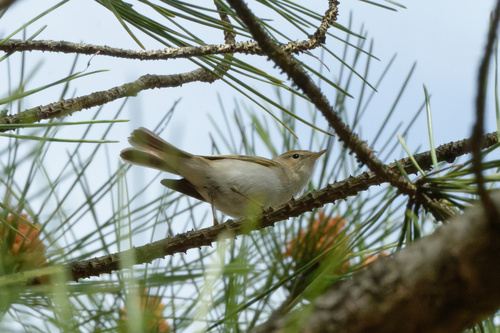
© Donald Davesne · CC BY · iNaturalist 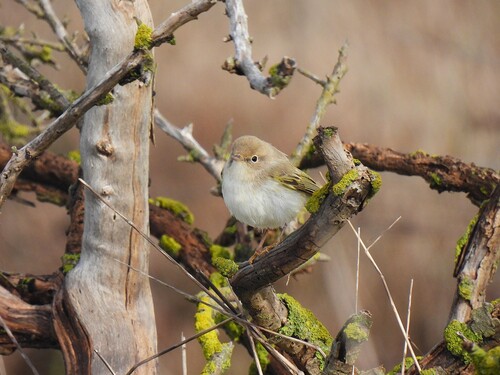
© Antoine Thivolle · CC BY · iNaturalist 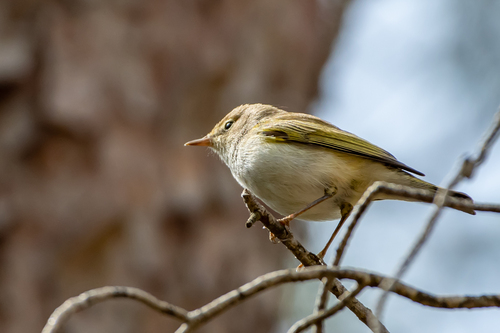
© Codrin Bucur · CC BY · iNaturalist
Especies relacionadasRelated species
Otras aves de la familia Phylloscopidae y de órdenes cercanos.Other birds from the Phylloscopidae family and nearby orders.
- RaroRare
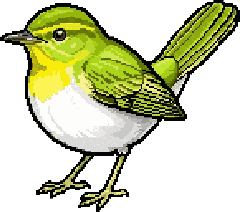 Mosquitero silbadorWood WarblerPhylloscopus sibilatrix
- ComúnCommon
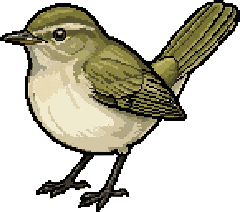 Mosquitero comúnCommon ChiffchaffPhylloscopus collybita
- Poco comúnUncommon
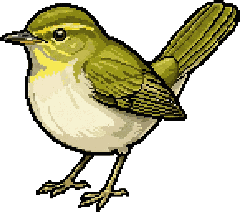 Mosquitero ibéricoIberian ChiffchaffPhylloscopus ibericus
- ComúnCommon
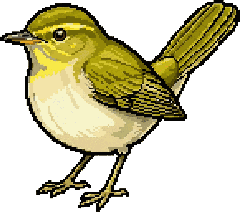 Mosquitero musicalWillow WarblerPhylloscopus trochilus
- ÉpicoEpic
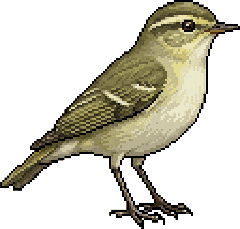 Mosquitero de HumeHume's Leaf WarblerPhylloscopus humei
- Poco comúnUncommon
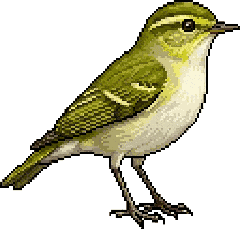 Mosquitero bilistadoYellow-browed WarblerPhylloscopus inornatus
- LegendarioLegendary
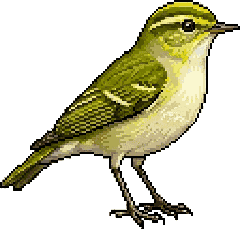 Mosquitero de PallasPallas's Leaf WarblerPhylloscopus proregulus
- LegendarioLegendary
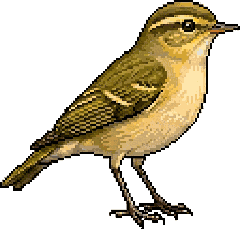 Mosquitero de SchwarzRadde's WarblerPhylloscopus schwarzi
 Gratis, sin anuncios ni comprasFree, no ads, no purchases