 BirdPedy
Mosquitero ibéricoIberian Chiffchaff
En 48 provincias en marzo y en 2 en diciembreIn 48 provinces in March and 2 in December
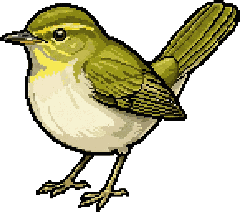
Reporte de rarezaRarity report
Por qué es poco comúnWhy it is uncommonEstival migradora que sustituye al común en gran parte de la península durante el verano. Bien distribuido en sotos, bosques húmedos y frondosas de casi todo el territorio.A summer migrant that replaces the Common Chiffchaff over much of the Peninsula in summer. Well distributed in riverside woods, humid forests and broadleaf woodland across almost the whole country.
Cada carrizo es un mes: su altura, las provincias con registros de 2020 a 2024.Each reed is a month: its height, the provinces with records from 2020 to 2024.- Provincias con registrosProvinces with records
- 51 de 52of 52
- En la appIn the app
- Febrero a octubreFebruary to October
- EnvergaduraWingspan
- 15-21 cm15-21 cm
- LongitudLength
- 10-11 cm10-11 cm
- Lista Roja de EspañaSpanish Red List
- LC Preocupación menorLeast Concern

Información generalGeneral Information
Catalogado recientemente como especie, tras su disociación del mosquitero común, el mosquitero ibérico es un ave de estatus y distribución todavía poco conocidos. Prácticamente idéntico por su aspecto físico al mosquitero común, la mejor manera de diferenciarlo de este es por su canto, que aun siendo muy parecido presenta rasgos distintivos. De presencia estival en España (mientras que el común es residente e invernante), se trata de un pajarillo eminentemente forestal que ocupa una amplia gama de formaciones arbóreas, desde bosques maduros hasta setos y malezas arbustivas en sotos fluviales.Only recognized as a full species in late 90s, the Iberian Chiffchaff is an example of 'cryptic speciation.' While it looks like a Chiffchaff, its song and DNA prove it is a separate species endemic to the western Mediterranean. It is a forest specialist that arrives from Africa in spring to breed in our oak and pine woods. It replaces the Common Chiffchaff in most of western and southern Iberia during the summer.
IdentificaciónIdentification
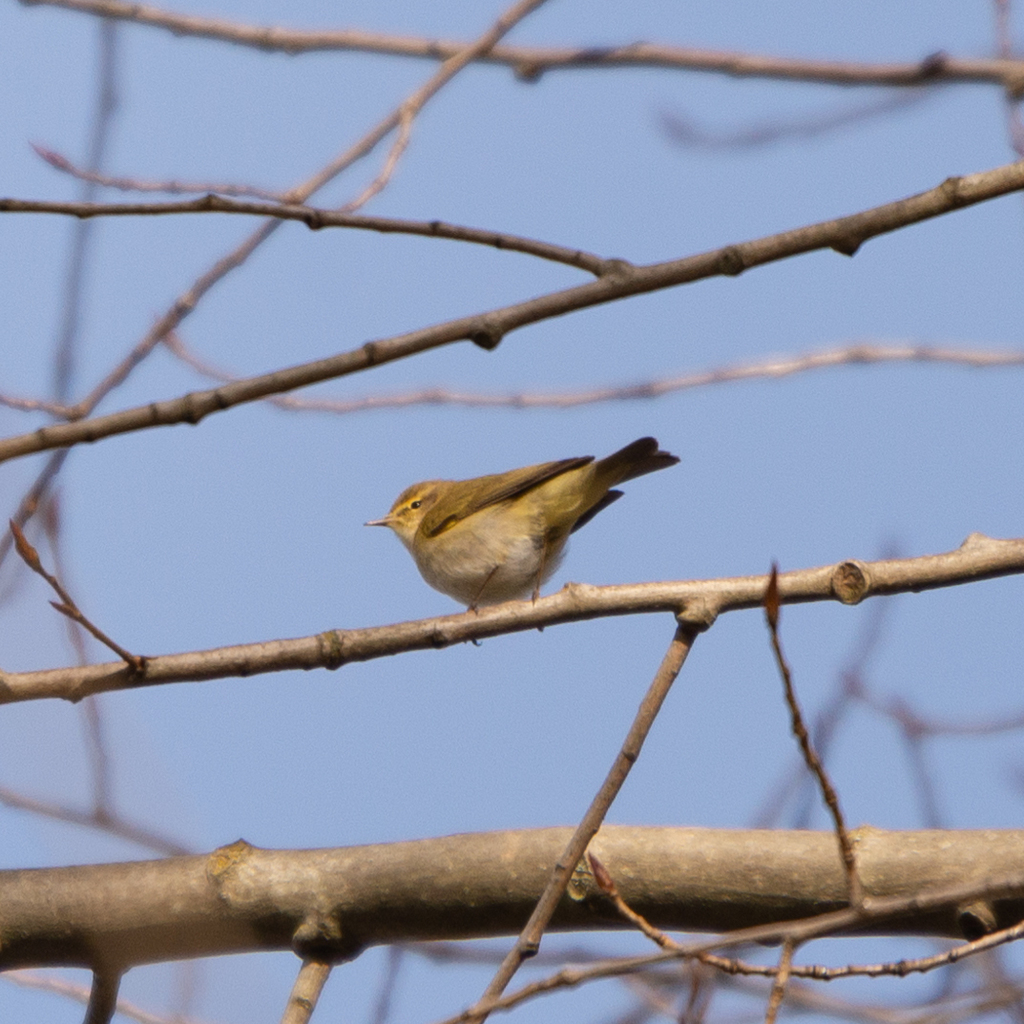
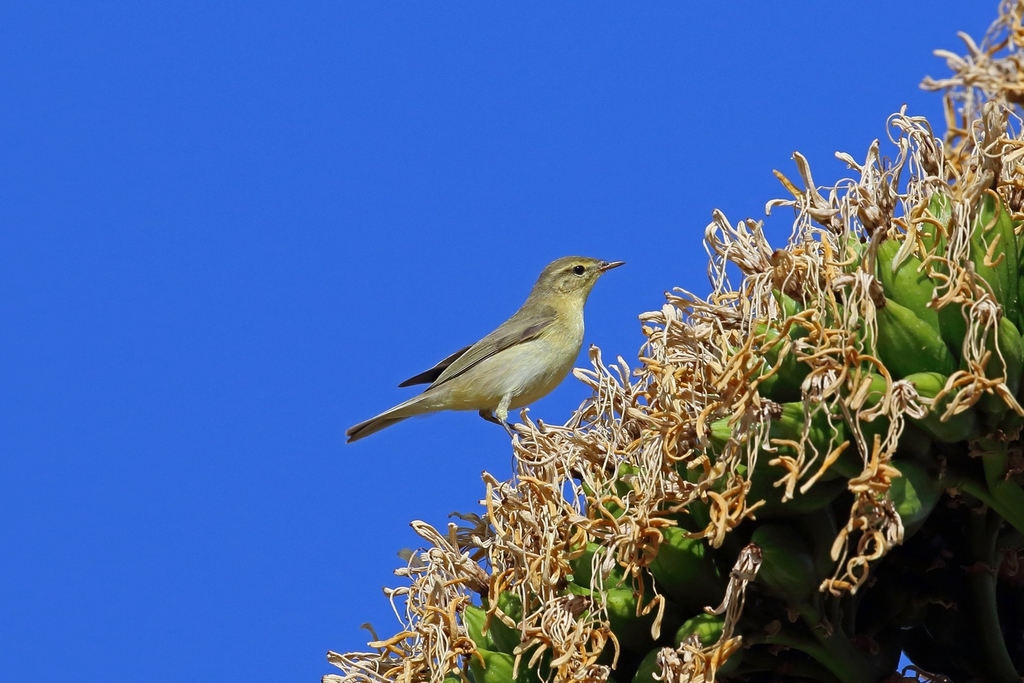
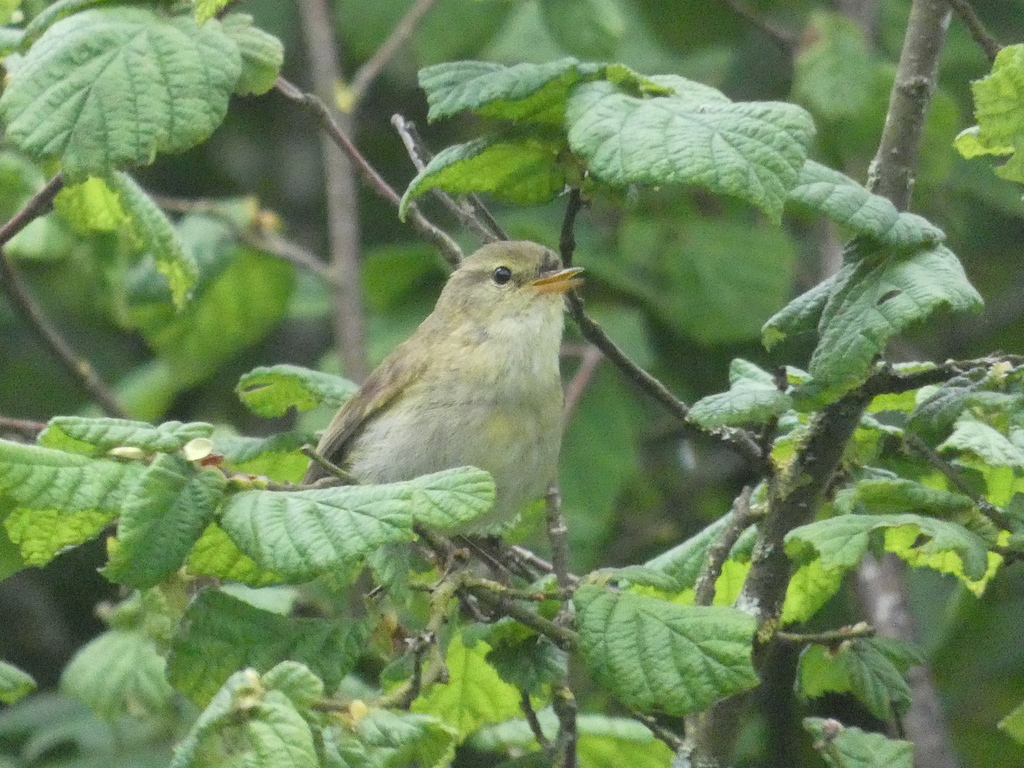
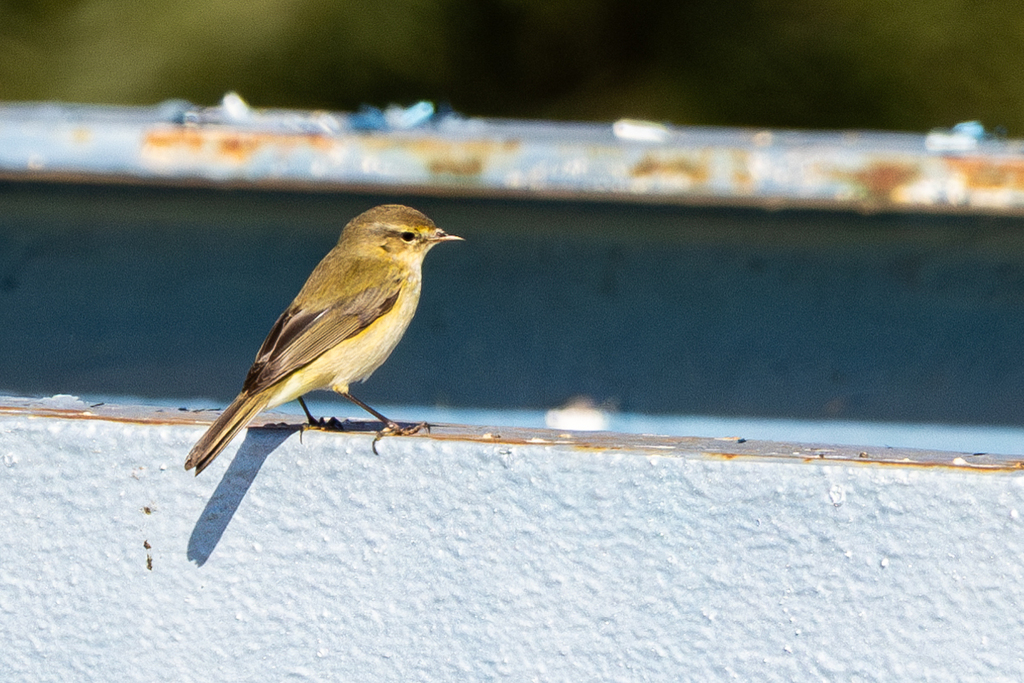
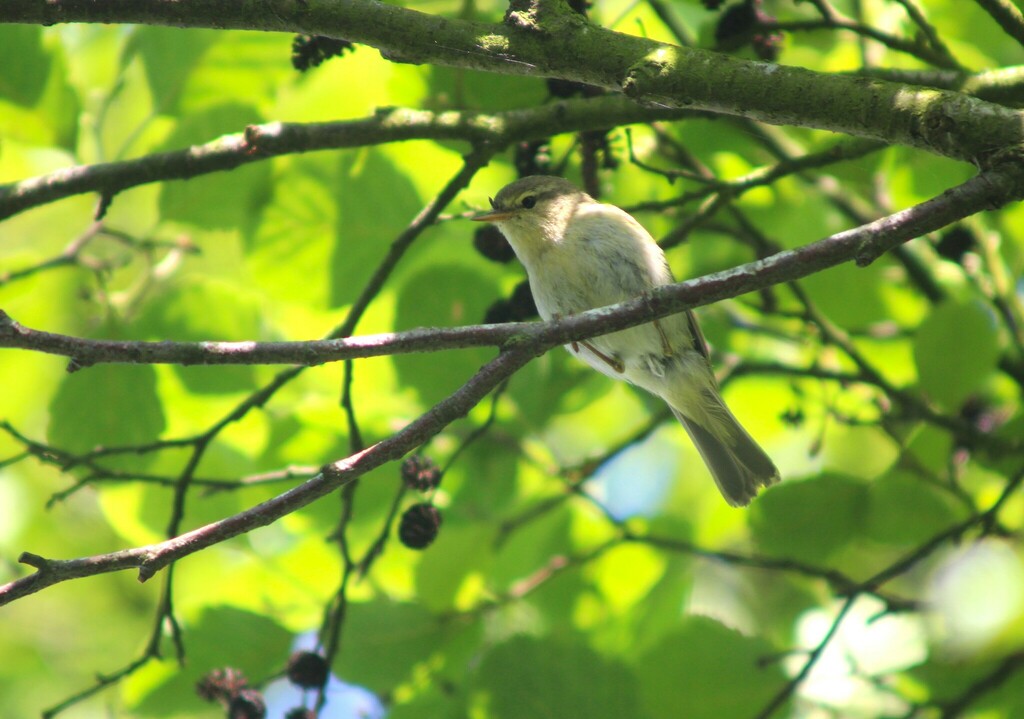
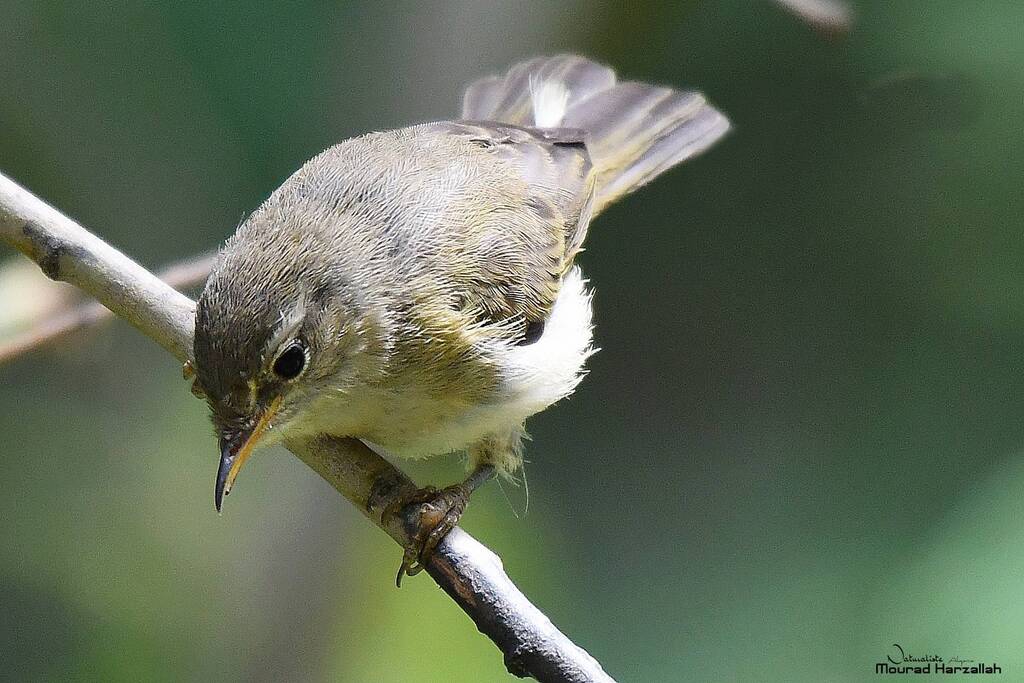
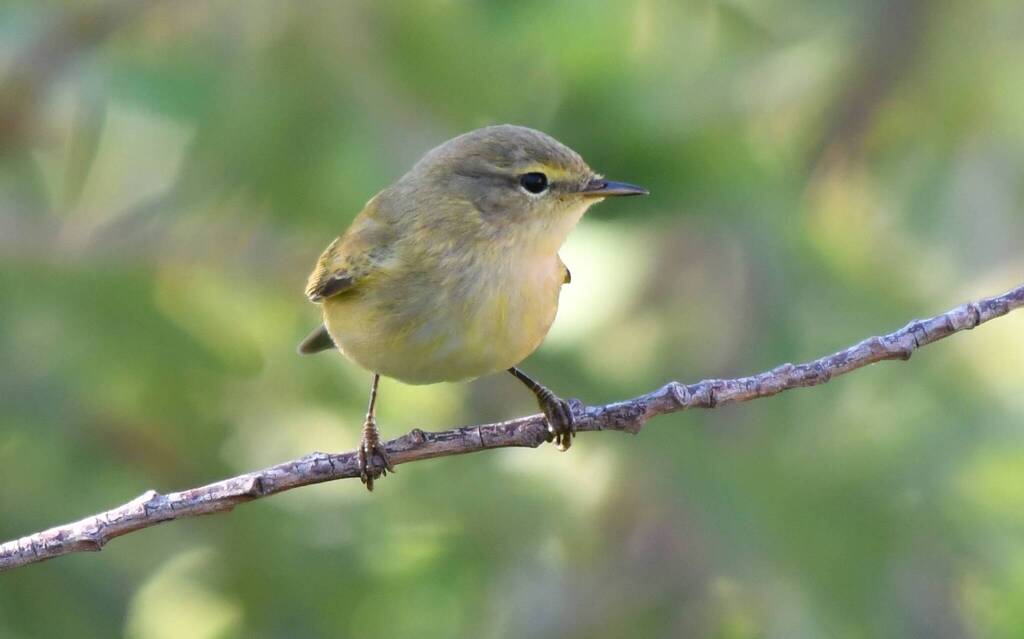
El mosquitero ibérico presenta el dorso de un color verde brillante que contrasta con las partes inferiores blanquecinas. Es prácticamente indistinguible del mosquitero común, si bien se diferencia de este por poseer la zona auricular más amarillenta, el pecho blanquecino con un tinte ligeramente más amarillo y las patas de color caramelo. Se trata, en todo caso, de tenues desemejanzas que no siempre resulta posible apreciar.Physically almost identical to the Common Chiffchaff, but with slightly brighter green upper parts and a more yellowish breast. It has caramel-colored or pale brown legs (unlike the black legs of the Common Chiffchaff). The only reliable way to distinguish it is by its song: a more complex and varied series of notes that ends with a characteristic trill. It is a summer visitor to the western Peninsula.
DistribuciónDistribution
El mosquitero ibérico se distribuye ampliamente por el tercio norte peninsular, desde Galicia (que ocupa en su totalidad) hasta Navarra y, de forma más dispersa, norte de Aragón. Se rarifica al sur del sistema Central, localizándose de forma más fragmentada en la mitad sur, donde queda restringido a zonas de montaña, umbrías o enclaves más frescos y húmedos. Falta en el tercio oriental peninsular (Cataluña, Levante y la mayor parte de Castilla-La Mancha), así como en Baleares, Canarias, Ceuta y Melilla.Widespread in the northern third (Galicia to Navarre). Fragmented in the mountains of central and southern Spain. Absent from the east and all archipelagos. Summer visitor.
Textos reproducidos con permiso de laTexts translated and reproduced with permission from the Guía de Aves de España © SEO/BirdLife
Estado de conservaciónConservation Status
- EX
- RE
- CR
- EN
- VU
- NT
- LC
Preocupación menorLeast Concern
Qué significa cada categoríaWhat each category means
- LC
- Preocupación menor: Taxón evaluado que no califica para categorías amenazadas. Especies abundantes y ampliamente distribuidasLeast Concern - Evaluated taxon that does not qualify for threatened categories. Widespread and abundant taxa
- NT
- Casi amenazada: No califica actualmente como amenazada, pero está cerca de calificar o es probable que califique en el futuro cercanoNear Threatened - Does not currently qualify as threatened, but is close to qualifying or likely to qualify in the near future
- VU
- Vulnerable: Enfrenta un alto riesgo de extinción en estado silvestre según los criterios A a E de IUCNVulnerable - Facing a high risk of extinction in the wild based on IUCN criteria A to E
- EN
- En peligro: Enfrenta un riesgo muy alto de extinción en estado silvestre según los criterios A a E de IUCNEndangered - Facing a very high risk of extinction in the wild based on IUCN criteria A to E
- CR
- En peligro crítico: Enfrenta un riesgo extremadamente alto de extinción en estado silvestre según los criterios A a E de IUCNCritically Endangered - Facing an extremely high risk of extinction in the wild based on IUCN criteria A to E
- DD
- Datos insuficientes: Información inadecuada para evaluar el riesgo de extinción basándose en distribución o estado poblacionalData Deficient - Inadequate information to assess extinction risk based on distribution and/or population status
- NE
- No evaluada: No ha sido evaluada aún contra los criterios de la Lista Roja de IUCNNot Evaluated - Has not yet been assessed against the IUCN Red List criteria
- RE
- Extinta regionalmente: El taxón ya no existe en la región específica, aunque puede sobrevivir en otros lugaresRegionally Extinct - Taxon no longer exists in the specific region, though it may survive elsewhere
- EX
- Extinta - No existe duda razonable de que ha muerto el último individuo del taxónExtinct - No reasonable doubt that the last individual of the taxon has died
TaxonomíaTaxonomy
- OrdenOrder
- Passeriformes
- FamiliaFamily
- Phylloscopidae
Presencia en EspañaPresence in Spain
- EstivalSummer visitor
- HabitualRegular
En la app: febrero a octubre.In the app: February to October.
Revisión científica de BirdPedyBirdPedy scientific review
Revisada por BirdPedy el 28/10/2026 ·Reviewed by BirdPedy on 28 October 2026 · Cómo revisamosHow we review
HábitatsHabitats
BirdPedy usa 14 categorías de hábitat propias, con definiciones fijas, y apoya cada una en el texto de la ficha de seo.org [1] o, cuando no basta, en el III Atlas u otra fuente sobre España. En esta especie hay decisiones que se apartan de la ficha o que merecen explicación.
Quitamos “Bosque mediterráneo”: ni la ficha ni el III Atlas nombran encinares o alcornocales; en el sur va a bosques de montaña, umbrías y sotos [2].
BirdPedy uses 14 habitat categories of its own, with fixed definitions, and supports each one with the text of the seo.org account [1] or, when that is not enough, with the III Atlas or another source on Spain. For this species, some decisions depart from the account or deserve an explanation.
We remove “Mediterranean forest”: neither the account nor the III Atlas mention holm or cork oak woods; in the south it uses mountain forests, shady slopes and riverside woods [2].
ReferenciasReferences
- SEO/BirdLife. Guía de aves de seo.org, ficha: Mosquitero ibérico (consultada el 23/10/2026).SEO/BirdLife. Bird guide on seo.org, Iberian Chiffchaff account (accessed 23 October 2026). seo.org
- Molina, B. et al. (eds.) (2022). III Atlas de las aves en época de reproducción en España, ficha: Mosquitero ibérico. SEO/BirdLife. Madrid.Molina, B. et al. (eds.) (2022). III Atlas de las aves en época de reproducción en España (Atlas of breeding birds in Spain), Iberian Chiffchaff account. SEO/BirdLife. Madrid. atlasaves.seo.org
Dónde verlaWhere to see it
1.820 cuadrículas de 10 km con registros de 2020 a 2024. Toca un mes para ver dónde se ha visto.1,820 10 km squares with records from 2020 to 2024. Pick a month to see where it has been seen.
Cargando el mapa…Loading the map…
Dónde es regularWhere it is regular
Provincias con registros en al menos 3 de los 5 años algún mes, de más a menos frecuente, y sus mejores meses.Provinces with records in at least 3 of the 5 years in some month, from most to least frequent, and their best months.
- OurenseOurenseabril, mayo, marzoApril, May, March
- LugoLugomayo, junio, abrilMay, June, April
- A CoruñaA Coruñaabril, junio, mayoApril, June, May
- ÁlavaÁlavamayo, abril, junioMay, April, June
- BurgosBurgosabril, junio, mayoApril, June, May
- LeónLeónabril, junio, mayoApril, June, May
- PontevedraPontevedraabril, junio, mayoApril, June, May
- AsturiasAsturiasjunio, mayo, abrilJune, May, April
- GuipúzcoaGuipúzcoajunio, mayo, abrilJune, May, April
- PalenciaPalenciaabril, mayo, junioApril, May, June
Ver las 44 provinciasSee all 44 provinces
- VizcayaVizcayajunio, abril, mayoJune, April, May
- ZamoraZamoraabril, mayo, marzoApril, May, March
- La RiojaLa Riojamayo, junio, abrilMay, June, April
- HuelvaHuelvamayo, abril, agostoMay, April, August
- SoriaSoriaseptiembre, agosto, julioSeptember, August, July
- MálagaMálagaseptiembre, agosto, octubreSeptember, August, October
- CantabriaCantabriamayo, junio, abrilMay, June, April
- CuencaCuencaseptiembre, agostoSeptember, August
- ValladolidValladolidabril, mayo, junioApril, May, June
- SalamancaSalamancaabril, marzo, mayoApril, March, May
- BadajozBadajozseptiembre, agosto, marzoSeptember, August, March
- CádizCádizseptiembre, mayo, abrilSeptember, May, April
- NavarraNavarraabril, mayo, marzoApril, May, March
- GranadaGranadaseptiembre, agosto, marzoSeptember, August, March
- Ciudad RealCiudad Realagosto, septiembre, abrilAugust, September, April
- CeutaCeutamarzo, septiembre, febreroMarch, September, February
- CáceresCáceresseptiembre, agosto, marzoSeptember, August, March
- ÁvilaÁvilaseptiembre, agosto, marzoSeptember, August, March
- SevillaSevillaseptiembre, marzo, agostoSeptember, March, August
- JaénJaénseptiembre, octubre, marzoSeptember, October, March
- GuadalajaraGuadalajaraseptiembre, agosto, octubreSeptember, August, October
- CórdobaCórdobajunio, mayo, septiembreJune, May, September
- SegoviaSegoviaabril, septiembre, octubreApril, September, October
- MadridMadridseptiembre, marzo, agostoSeptember, March, August
- AlicanteAlicanteseptiembre, octubre, marzoSeptember, October, March
- AlmeríaAlmeríamarzoMarch
- BarcelonaBarcelonamarzo, abrilMarch, April
- LleidaLleidaabrilApril
- TeruelTeruelagosto, junioAugust, June
- TarragonaTarragonamarzo, abrilMarch, April
- HuescaHuescamarzoMarch
- ValenciaValenciamarzo, abrilMarch, April
- MurciaMurciaabrilApril
- ZaragozaZaragozamarzoMarch
Datos: registros en GBIF de 2020 a 2024 de Observation.org, eBird, iNaturalist y el ICO, descargados el 23/10/2026.Data: GBIF records from 2020 to 2024 from Observation.org, eBird, iNaturalist and the ICO, downloaded on 23/10/2026. GBIF.org (23 October 2026) GBIF Occurrence Download · doi:10.15468/dl.r5sf2a · CC BY-NC 4.0
GaleríaGallery
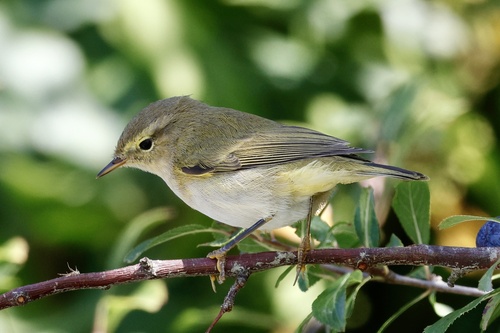
© Markus Lampinen · CC BY · iNaturalist 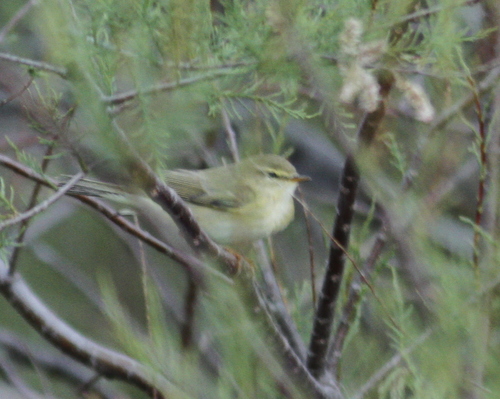
© Julien Renoult · CC BY · iNaturalist 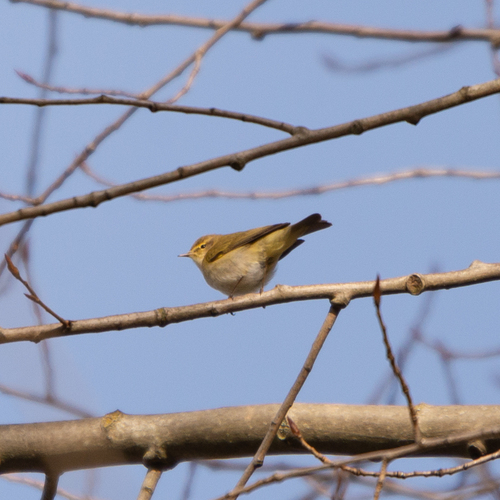
© euqirneto · CC BY · iNaturalist 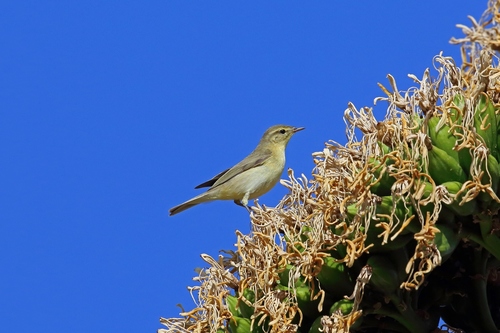
© Nigel Voaden · CC BY · iNaturalist 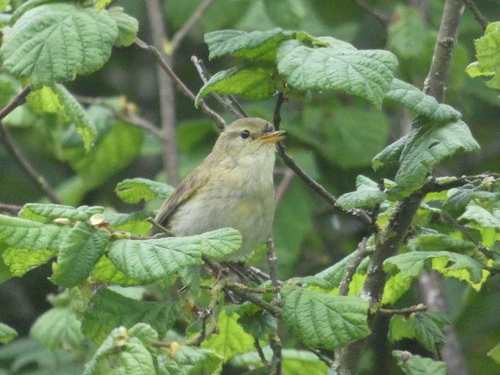
© Aurélien Coste · CC BY · iNaturalist 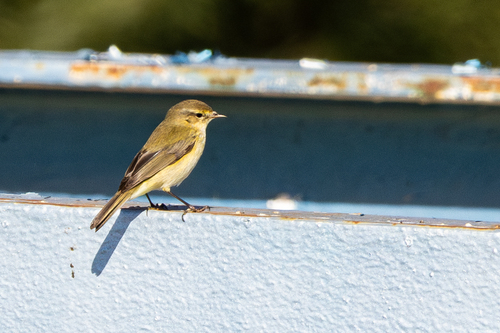
© Diego González Dopico · CC BY · iNaturalist 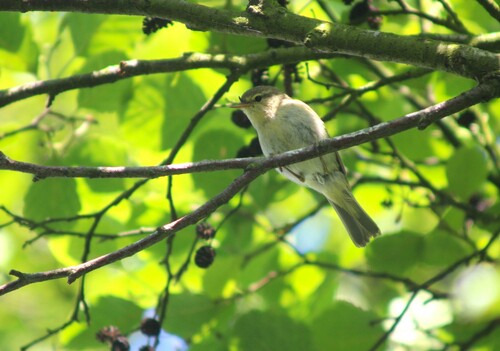
© Quentin Benet-Cibois · CC BY · iNaturalist 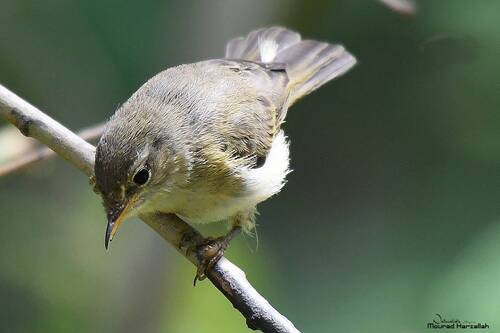
© Mourad Harzallah · CC BY · iNaturalist 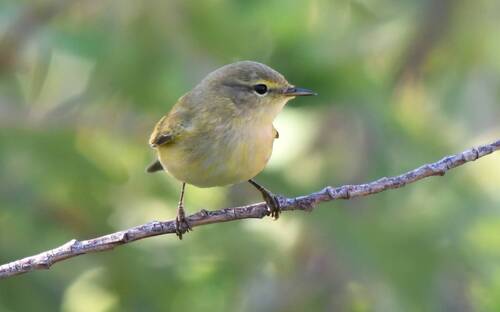
© Mourad Harzallah · CC BY · iNaturalist
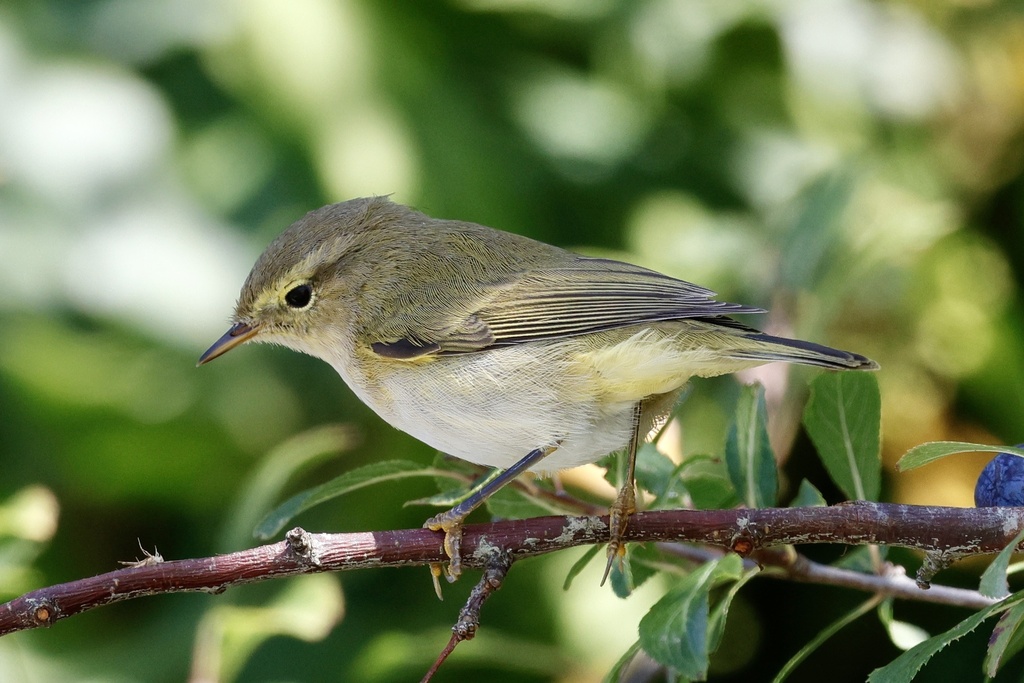
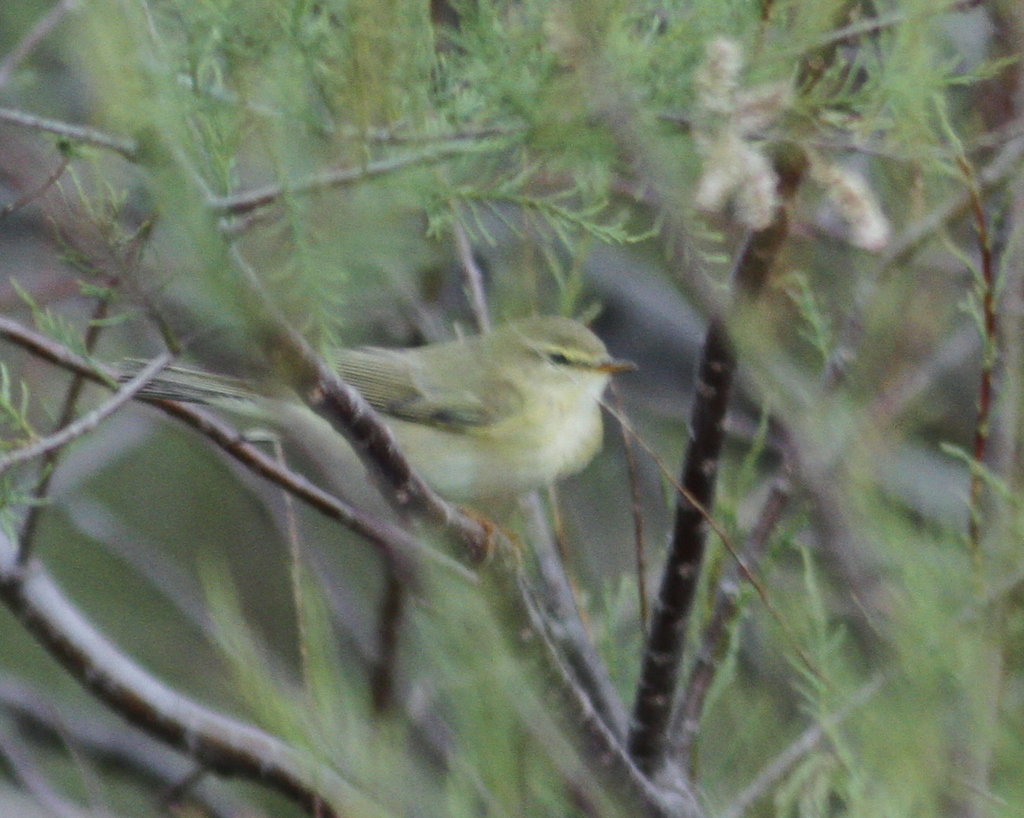
Especies relacionadasRelated species
Otras aves de la familia Phylloscopidae y de órdenes cercanos.Other birds from the Phylloscopidae family and nearby orders.
- ComúnCommon
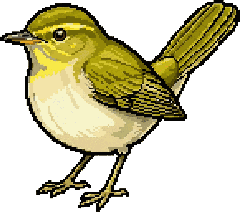 Mosquitero musicalWillow WarblerPhylloscopus trochilus
- ÉpicoEpic
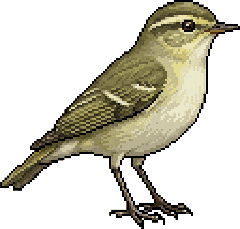 Mosquitero de HumeHume's Leaf WarblerPhylloscopus humei
- Poco comúnUncommon
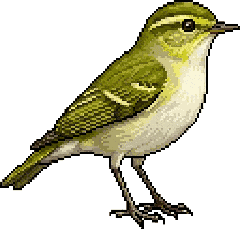 Mosquitero bilistadoYellow-browed WarblerPhylloscopus inornatus
- LegendarioLegendary
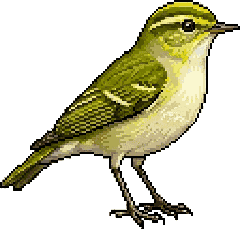 Mosquitero de PallasPallas's Leaf WarblerPhylloscopus proregulus
- LegendarioLegendary
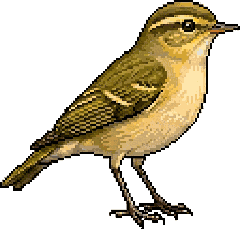 Mosquitero de SchwarzRadde's WarblerPhylloscopus schwarzi
- LegendarioLegendary
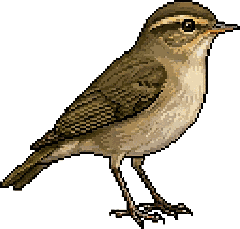 Mosquitero sombríoDusky WarblerPhylloscopus fuscatus
- LegendarioLegendary
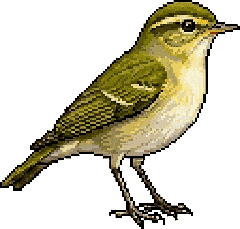 Mosquitero verdosoGreenish WarblerPhylloscopus trochiloides
- LegendarioLegendary
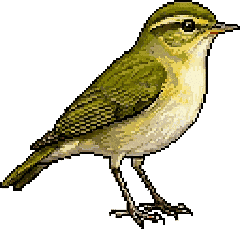 Mosquitero borealArctic WarblerPhylloscopus borealis
 Gratis, sin anuncios ni comprasFree, no ads, no purchases