 BirdPedy
Curruca tirrénicaMoltoni's Warbler
En 5 provincias en abril y sin registros 4 meses del añoIn 5 provinces in April, and no records in 4 months of the year
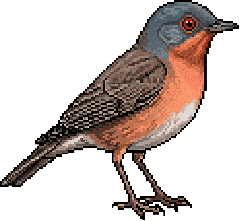
Reporte de rarezaRarity report
Por qué es raroWhy it is rareReciente escisión taxonómica del grupo de las carrasqueñas. Escasa y localizada como migradora accidental en el área mediterránea.Recently split from the subalpine warbler group. Scarce and localized as an accidental migrant in the Mediterranean area.
Cada carrizo es un mes: su altura, las provincias con registros de 2020 a 2024.Each reed is a month: its height, the provinces with records from 2020 to 2024.- Provincias con registrosProvinces with records
- 5 de 52of 52
- En la appIn the app
- Abril a septiembreApril to September
- EnvergaduraWingspan
- 15-16 cm15-16 cm
- LongitudLength
- 12-14 cm12-14 cm
- Lista Roja de EspañaSpanish Red List
- NE No evaluada en EspañaNot assessed in Spain

Información generalGeneral Information
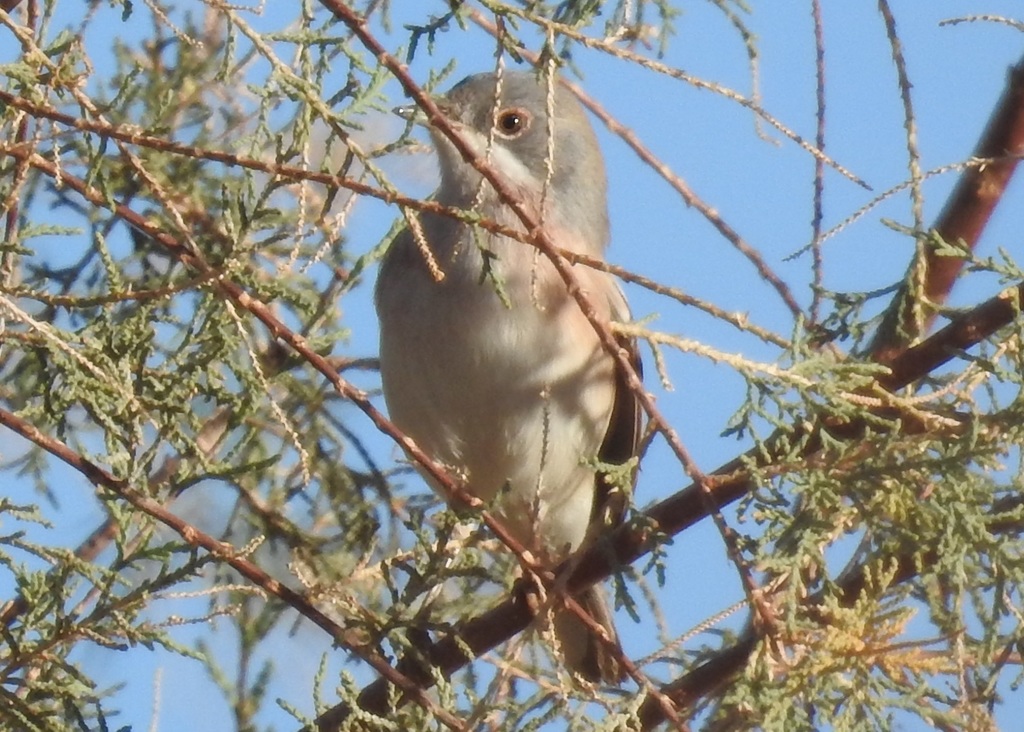
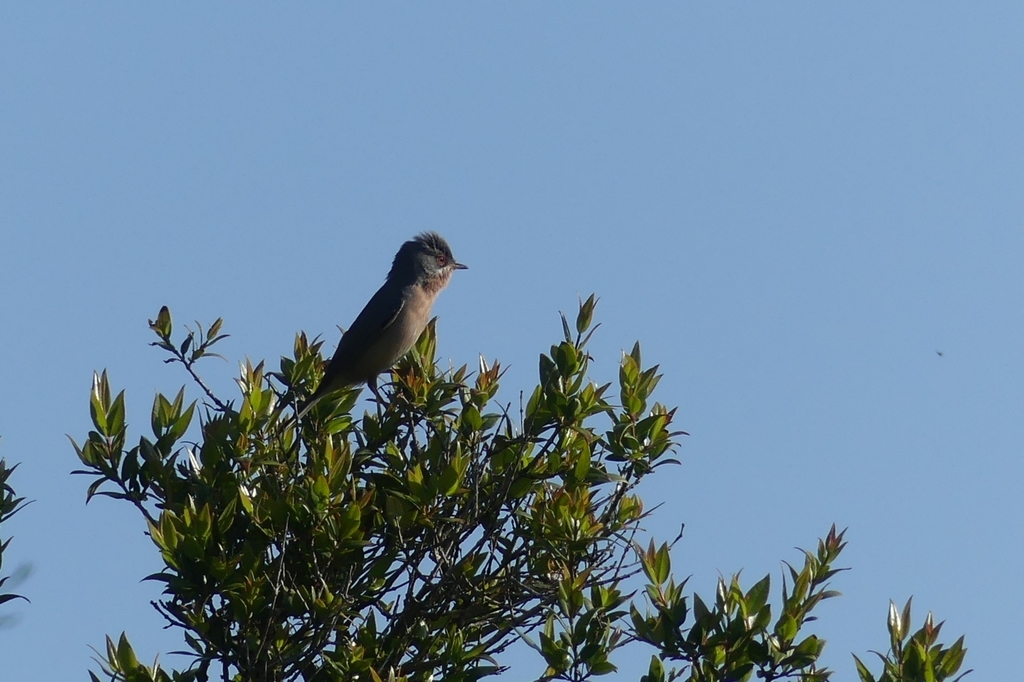
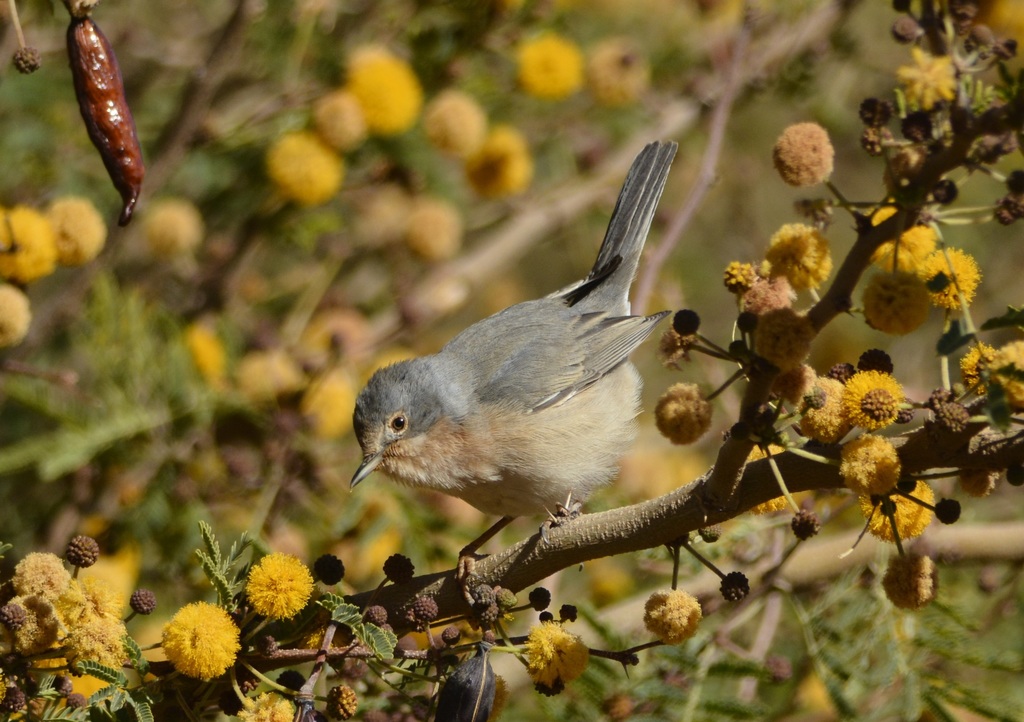
La curruca tirrénica, recientemente renombrada (antes curruca subalpina), es muy parecida a la curruca sarda, haciéndose muy difícil su identificación si no es viendo de cerca al ejemplar. Es un endemismo del mediterráneo occidental con representación en España, más concretamente en Cabrera y en Mallorca.The Moltoni's Warbler (Moltoni's) is a hidden treasure of the Western Mediterranean. It is an endemic breeder of the Balearic Islands (Mallorca, Cabrera), Corsica, and Sardinia. For a long time, it was considered a subspecies of the Subalpine Warbler, but its unique song and genetic profile have earned it full species status. It is a symbol of the unique biodiversity of the Mediterranean islands. Finding it among the dense coastal scrub is a highlight of any trip to Mallorca.
IdentificaciónIdentification
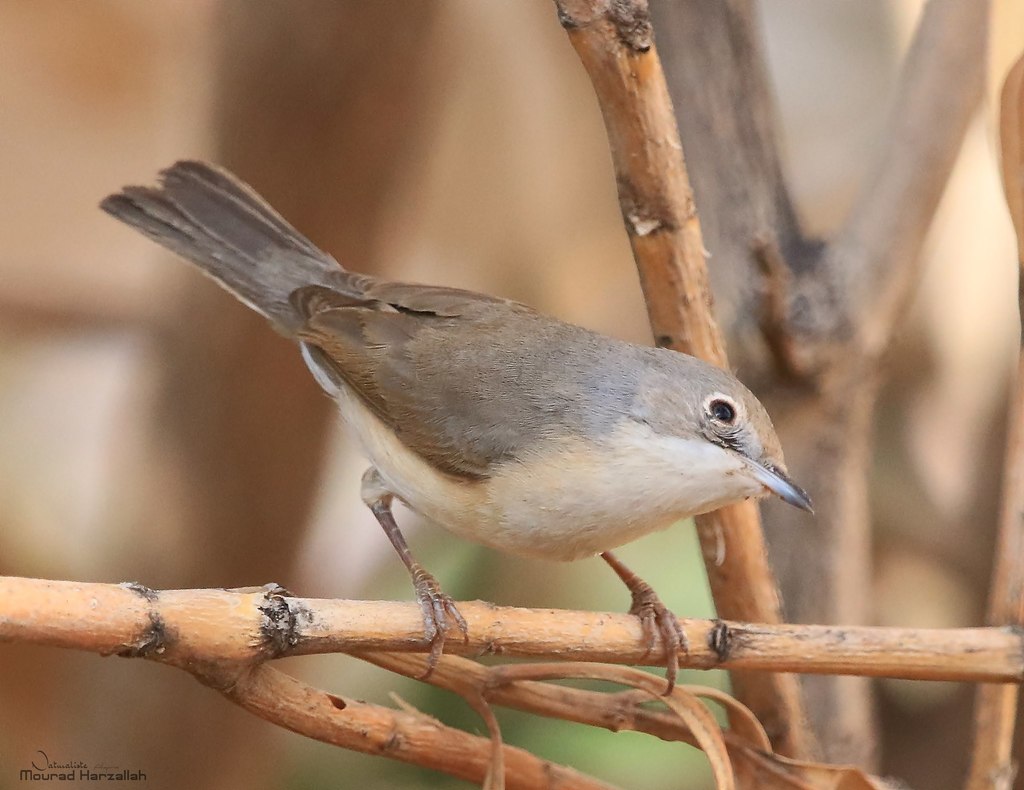
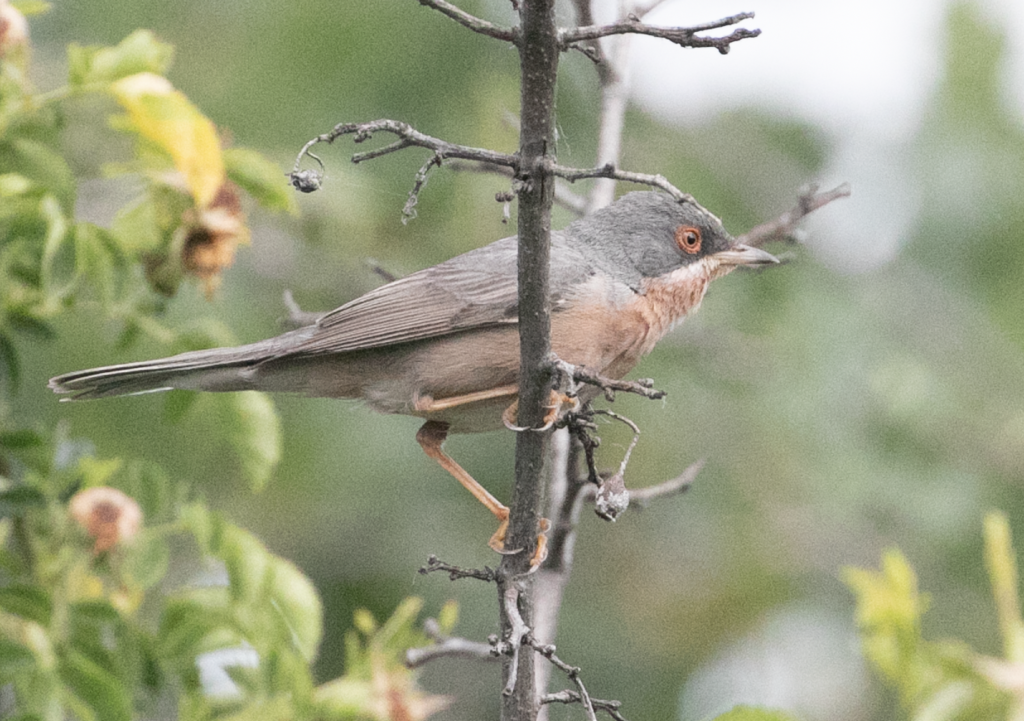
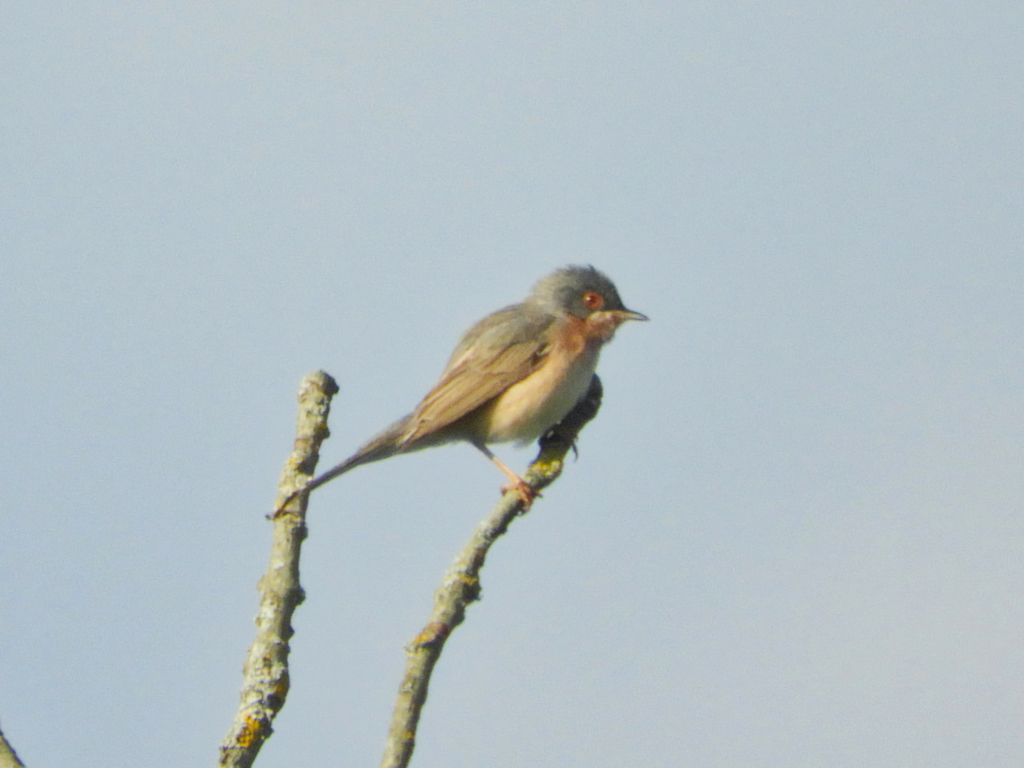
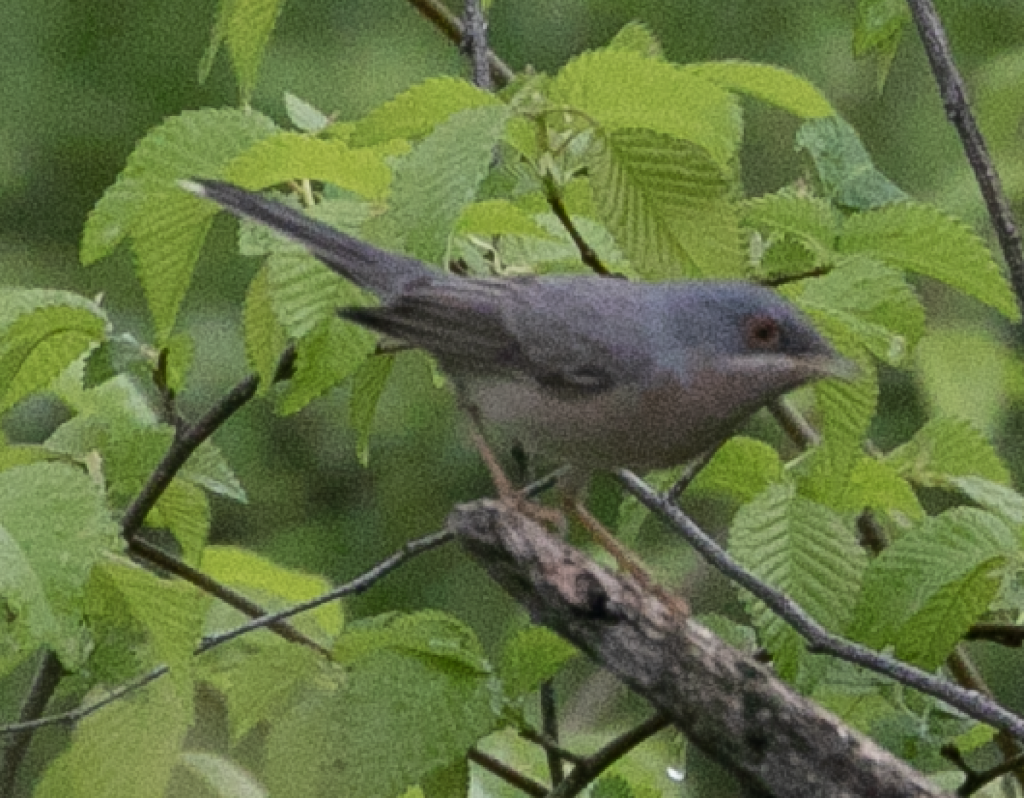
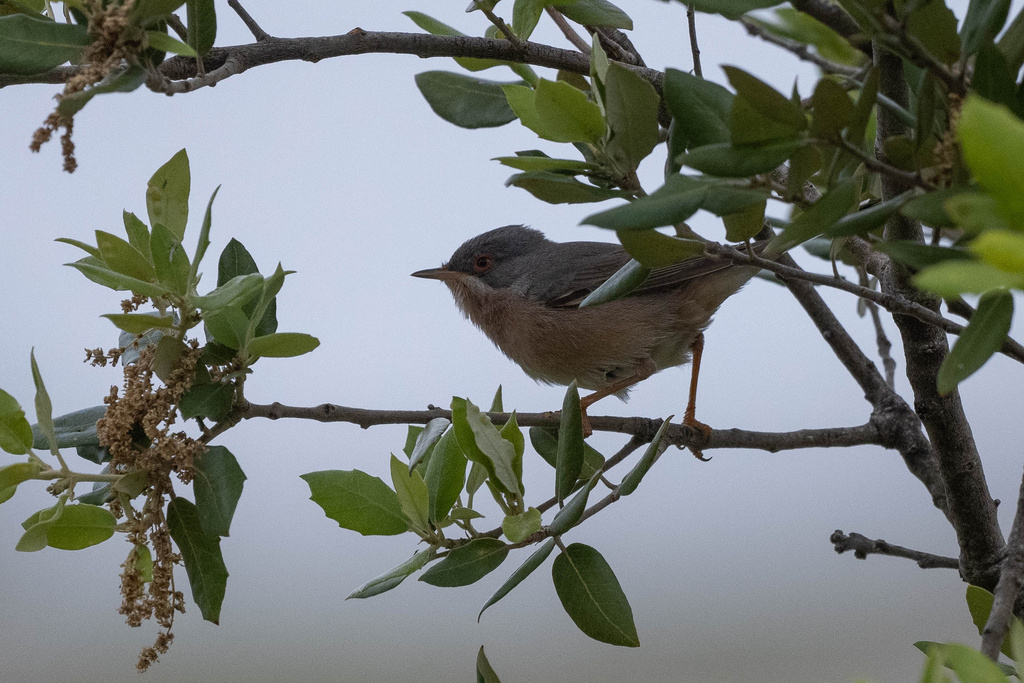
La curruca tirrénica es un ave pequeña, con cola más bien corta y cuadrada y alas moderadamente puntiagudas. El macho luce de gris azulado la cabeza, nuca, manto y dorso, remiges negruzcas con bordes anchos de gris beige a blanco grisáceo opaco, terciarias estrechas bordeadas de marrón pálido a blanco grisáceo y coberteras superiores de las alas negras, grisáceas con bordes anchos también grises. El anillo ocular es rosáceo y el iris de un llamativo tono rojizo Las hembras lucen tonos más apagados, siendo más pardo-oliva la parte posterior.A small, elegant warbler, very similar to the Subalpine Warbler. Males have a clean blue-gray upperpart and a salmon-pink throat and breast (less brick-red than other subalpine types). It has a diagnostic, large white mustache and a pinkish eye-ring with ruby-red eyes. Females are duller and more olive-toned. It is best distinguished by its unique, mechanical 'rattling' call, which sounds like a Wren or a Citril Finch.
DistribuciónDistribution
En España, la especie cría en Mallorca (Massís d’Artà, la Serra de Llevant y la Serra de Tramuntana) y Cabrera. También está confirmada la reproducción en Menorca, Ibiza y Dragonera.Local resident and breeder in the Balearic Islands (Mallorca, Cabrera, Menorca). Endangered and localized endemic.
Textos reproducidos con permiso de laTexts translated and reproduced with permission from the Guía de Aves de España © SEO/BirdLife
Estado de conservaciónConservation Status
- EX
- RE
- CR
- EN
- VU
- NT
- LC
NE
No evaluada en EspañaNot assessed in Spain
Qué significa cada categoríaWhat each category means
- LC
- Preocupación menor: Taxón evaluado que no califica para categorías amenazadas. Especies abundantes y ampliamente distribuidasLeast Concern - Evaluated taxon that does not qualify for threatened categories. Widespread and abundant taxa
- NT
- Casi amenazada: No califica actualmente como amenazada, pero está cerca de calificar o es probable que califique en el futuro cercanoNear Threatened - Does not currently qualify as threatened, but is close to qualifying or likely to qualify in the near future
- VU
- Vulnerable: Enfrenta un alto riesgo de extinción en estado silvestre según los criterios A a E de IUCNVulnerable - Facing a high risk of extinction in the wild based on IUCN criteria A to E
- EN
- En peligro: Enfrenta un riesgo muy alto de extinción en estado silvestre según los criterios A a E de IUCNEndangered - Facing a very high risk of extinction in the wild based on IUCN criteria A to E
- CR
- En peligro crítico: Enfrenta un riesgo extremadamente alto de extinción en estado silvestre según los criterios A a E de IUCNCritically Endangered - Facing an extremely high risk of extinction in the wild based on IUCN criteria A to E
- DD
- Datos insuficientes: Información inadecuada para evaluar el riesgo de extinción basándose en distribución o estado poblacionalData Deficient - Inadequate information to assess extinction risk based on distribution and/or population status
- NE
- No evaluada: No ha sido evaluada aún contra los criterios de la Lista Roja de IUCNNot Evaluated - Has not yet been assessed against the IUCN Red List criteria
- RE
- Extinta regionalmente: El taxón ya no existe en la región específica, aunque puede sobrevivir en otros lugaresRegionally Extinct - Taxon no longer exists in the specific region, though it may survive elsewhere
- EX
- Extinta - No existe duda razonable de que ha muerto el último individuo del taxónExtinct - No reasonable doubt that the last individual of the taxon has died
TaxonomíaTaxonomy
- OrdenOrder
- Passeriformes
- FamiliaFamily
- Sylviidae
- SinónimosSynonyms
- Sylvia subalpina
Presencia en EspañaPresence in Spain
- EstivalSummer visitor
- HabitualRegular
En la app: abril a septiembre.In the app: April to September.
Dónde verlaWhere to see it
30 cuadrículas de 10 km con registros de 2020 a 2024. Toca un mes para ver dónde se ha visto.30 10 km squares with records from 2020 to 2024. Pick a month to see where it has been seen.
Cargando el mapa…Loading the map…
Dónde es regularWhere it is regular
Provincias con registros en al menos 3 de los 5 años algún mes, de más a menos frecuente, y sus mejores meses.Provinces with records in at least 3 of the 5 years in some month, from most to least frequent, and their best months.
- BalearesBalearic Islandsmayo, abril, junioMay, April, June
- TarragonaTarragonaabrilApril
Datos: registros en GBIF de 2020 a 2024 de Observation.org, eBird, iNaturalist y el ICO, descargados el 23/10/2026.Data: GBIF records from 2020 to 2024 from Observation.org, eBird, iNaturalist and the ICO, downloaded on 23/10/2026. GBIF.org (23 October 2026) GBIF Occurrence Download · doi:10.15468/dl.r5sf2a · CC BY-NC 4.0
GaleríaGallery
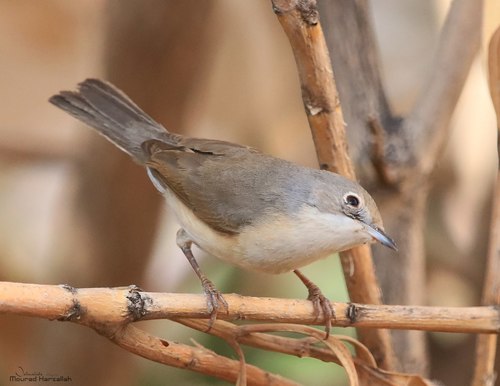
© Mourad Harzallah · CC BY · iNaturalist 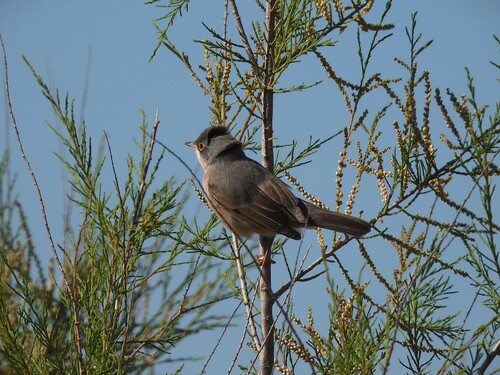
© Antoine Thivolle · CC BY · iNaturalist 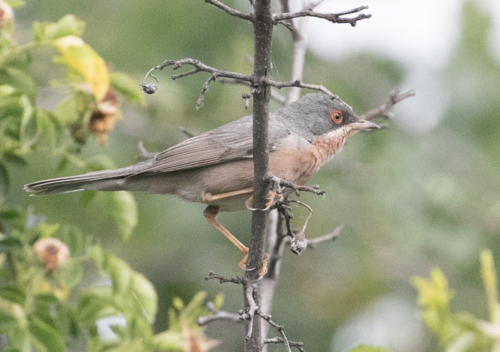
© Paolo Zucca · CC BY · iNaturalist 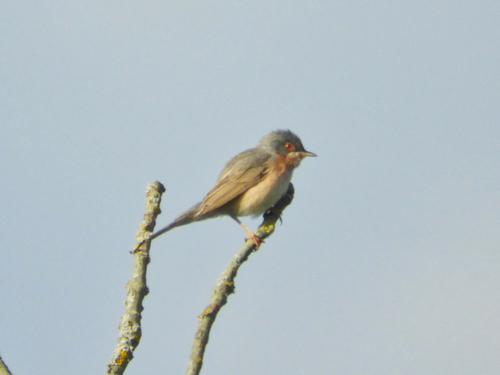
© Nicholas Moray Williams · CC BY · iNaturalist 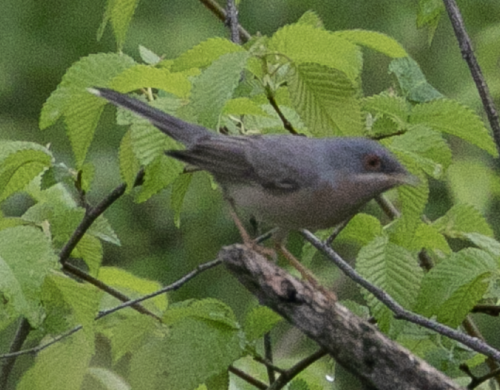
© Paolo Zucca · CC BY · iNaturalist 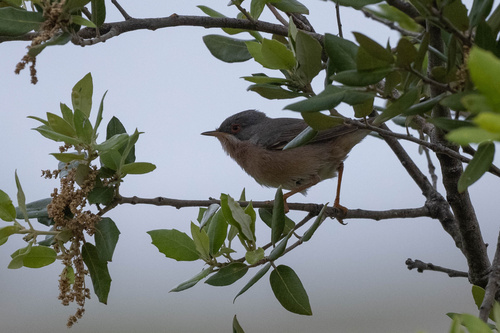
© Rob Williams · CC BY · iNaturalist 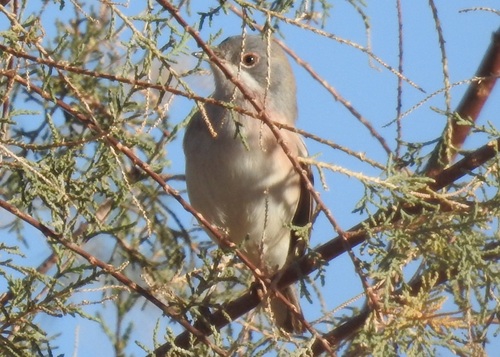
© Karim Haddad · CC BY · iNaturalist 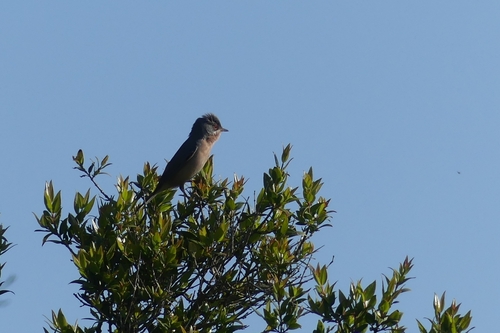
© Julien Fougeroux · CC BY · iNaturalist 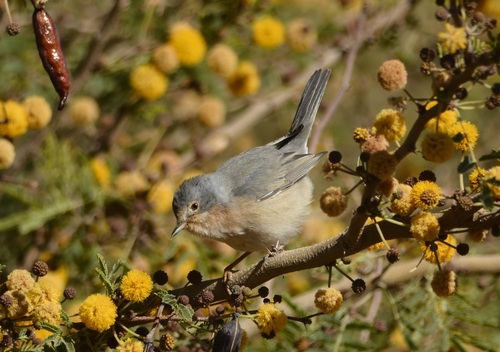
© Karim Haddad · CC BY · iNaturalist
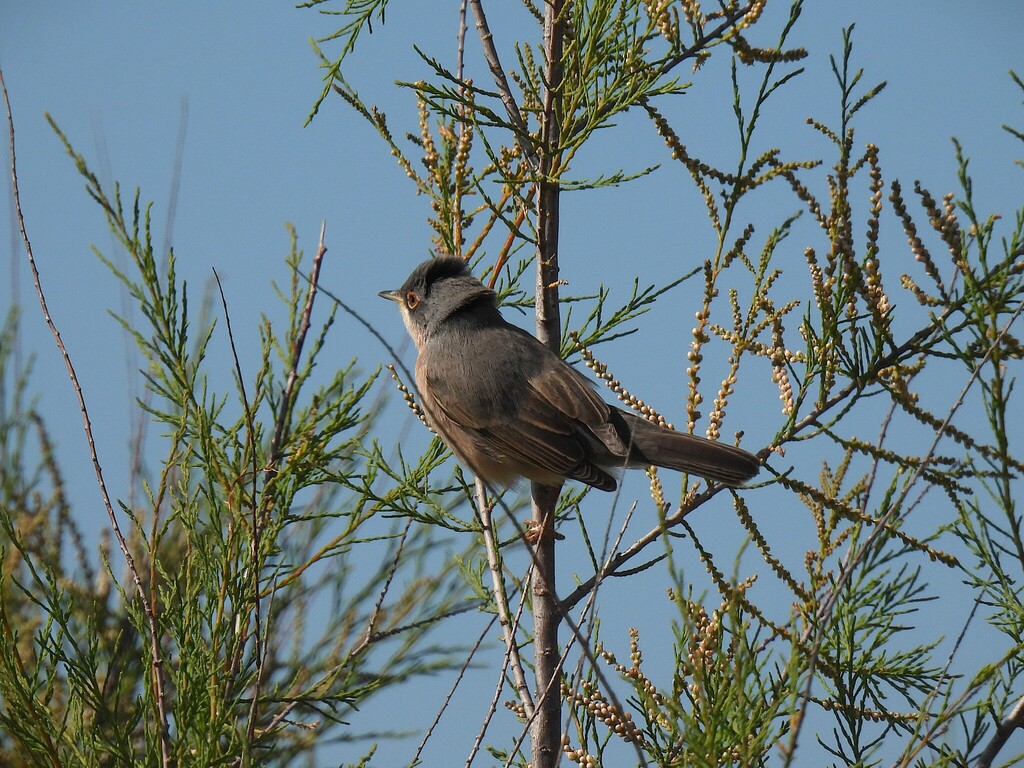
Especies relacionadasRelated species
Otras aves de la familia Sylviidae y de órdenes cercanos.Other birds from the Sylviidae family and nearby orders.
- LegendarioLegendary
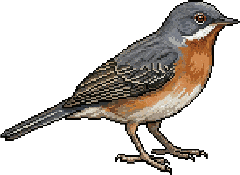 Curruca carrasqueña orientalEastern Subalpine WarblerCurruca cantillans
- Poco comúnUncommon
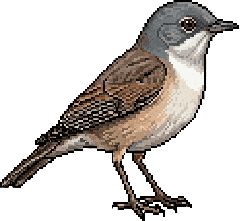 Curruca zarceraCommon WhitethroatCurruca communis
- LegendarioLegendary
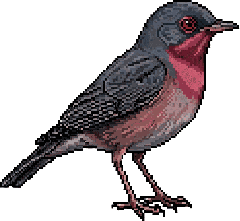 Curruca sardaMarmora's WarblerCurruca sarda
- RaroRare
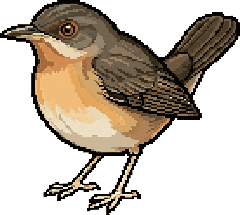 Curruca balearBalearic WarblerCurruca balearica
- ComúnCommon
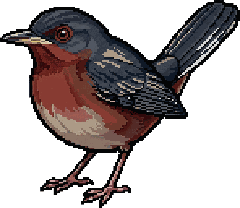 Curruca rabilargaDartford WarblerCurruca undata
- Poco comúnUncommon
 Curruca tomilleraSpectacled WarblerCurruca conspicillata
- ComúnCommon
 Curruca carrasqueña occidentalWestern Subalpine WarblerCurruca iberiae
- ComúnCommon
 Curruca capirotadaEurasian BlackcapSylvia atricapilla
 Gratis, sin anuncios ni comprasFree, no ads, no purchases