 BirdPedy
Curruca tomilleraSpectacled Warbler
En 45 provincias en junio y en 6 en eneroIn 45 provinces in June and 6 in January
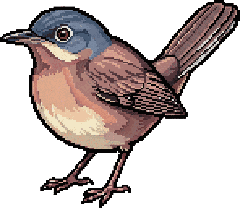
Reporte de rarezaRarity report
Por qué es poco comúnWhy it is uncommonPequeña curruca ligada a terrenos muy áridos, estepas y matorrales halófilos bajos. Estival en la península y sedentaria en Canarias, con una distribución marcadamente fragmentada y xérica.A small warbler tied to very arid land, steppes and low saltmarsh scrub. A summer visitor on the Peninsula and resident in the Canaries, with a markedly fragmented distribution in dry areas.
Cada carrizo es un mes: su altura, las provincias con registros de 2020 a 2024.Each reed is a month: its height, the provinces with records from 2020 to 2024.- Provincias con registrosProvinces with records
- 48 de 52of 52
- En la appIn the app
- Todo el añoAll year
- EnvergaduraWingspan
- 13-17 cm13-17 cm
- LongitudLength
- 12-13 cm12-13 cm
- Lista Roja de EspañaSpanish Red List
- LC Preocupación menorLeast Concern

Información generalGeneral Information
La curruca tomillera recuerda por su coloración a la curruca zarcera, aunque es algo menor y más ligera. A diferencia de la mayoría de las currucas, ocupa áreas más secas, abiertas, áridas y desprovistas de vegetación, siempre que cuenten con la existencia de matorrales de pequeño porte, como tomillares y aulagares, entre los que se oculta y se desplaza de manera muy inquieta y escondidiza.The Spectacled Warbler is the bird of the hot, dusty scrublands. It occupies some of Spain's most arid habitats, from the steppes of the Ebro to the volcanic plains of the Canary Islands. It is perfectly adapted to the heat and low vegetation. In the Canaries, it is one of the most common birds, represented by a distinct subspecies. In the mainland, it is a summer visitor that arrives early in the spring.
IdentificaciónIdentification
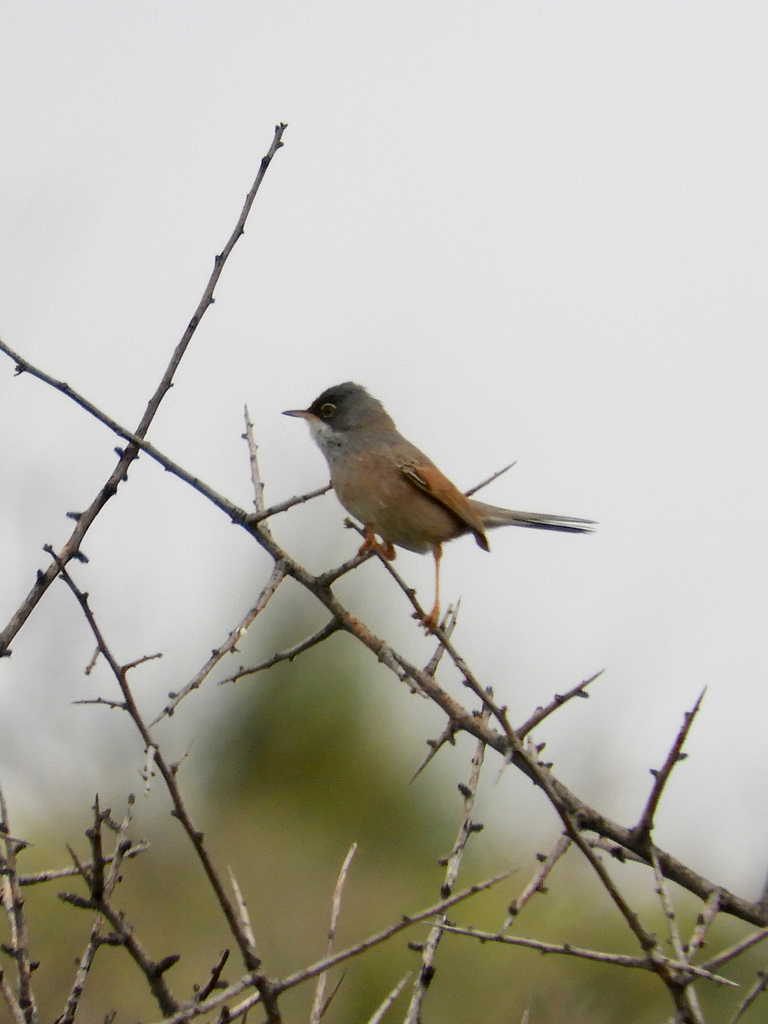
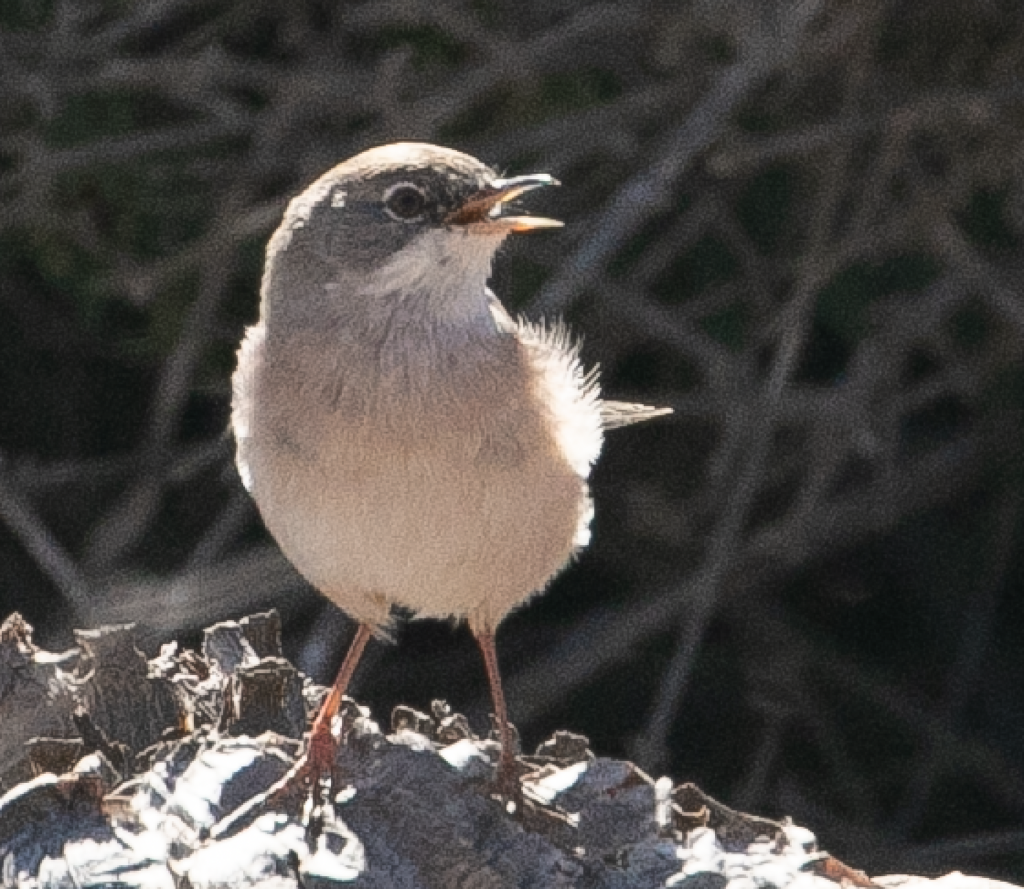
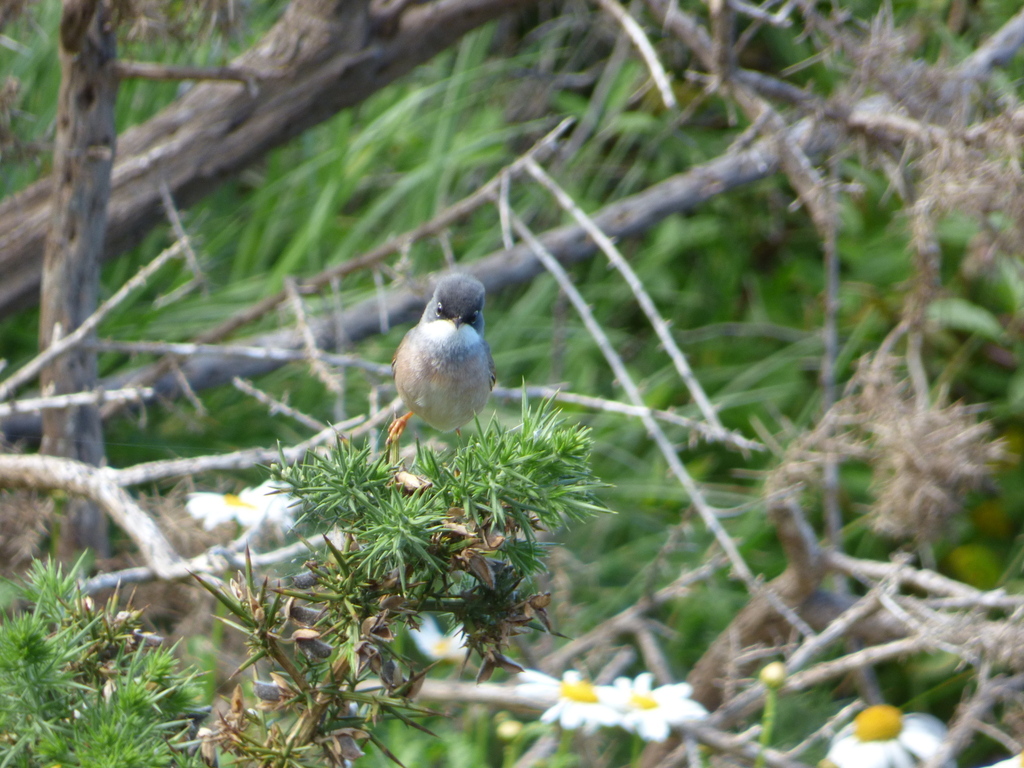
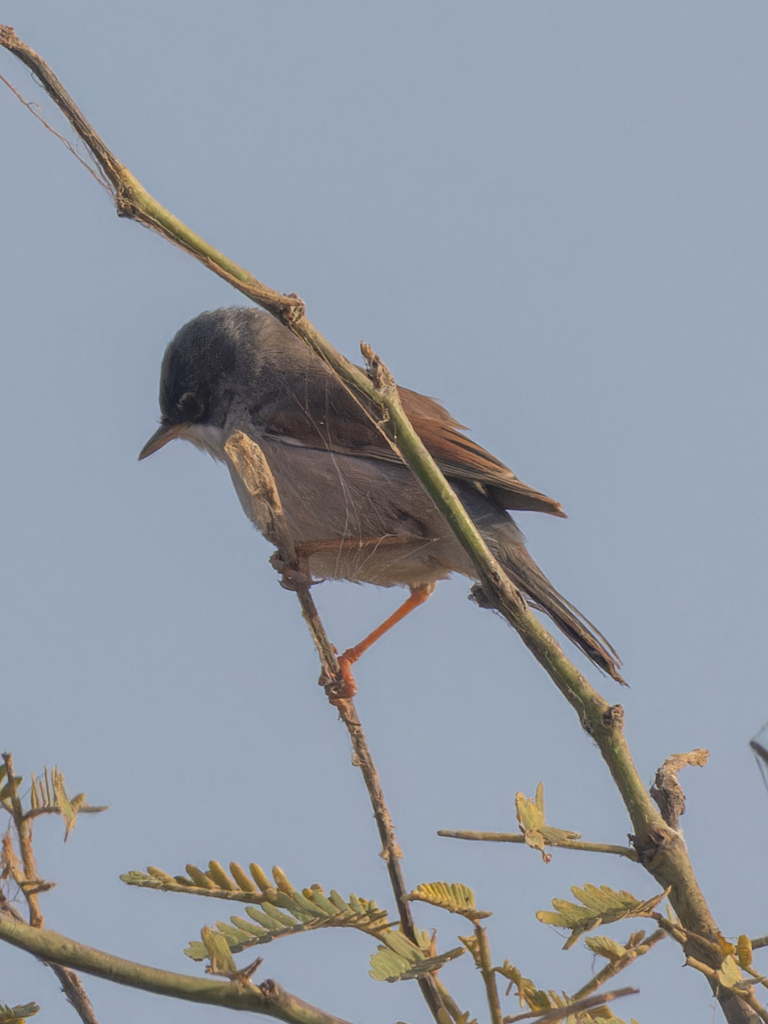
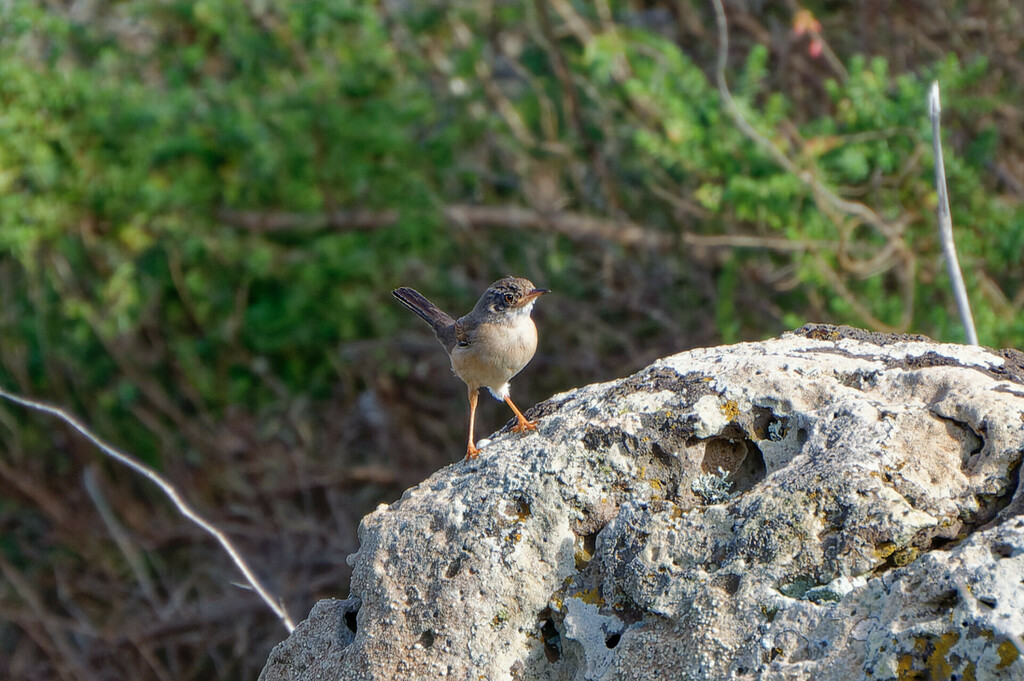
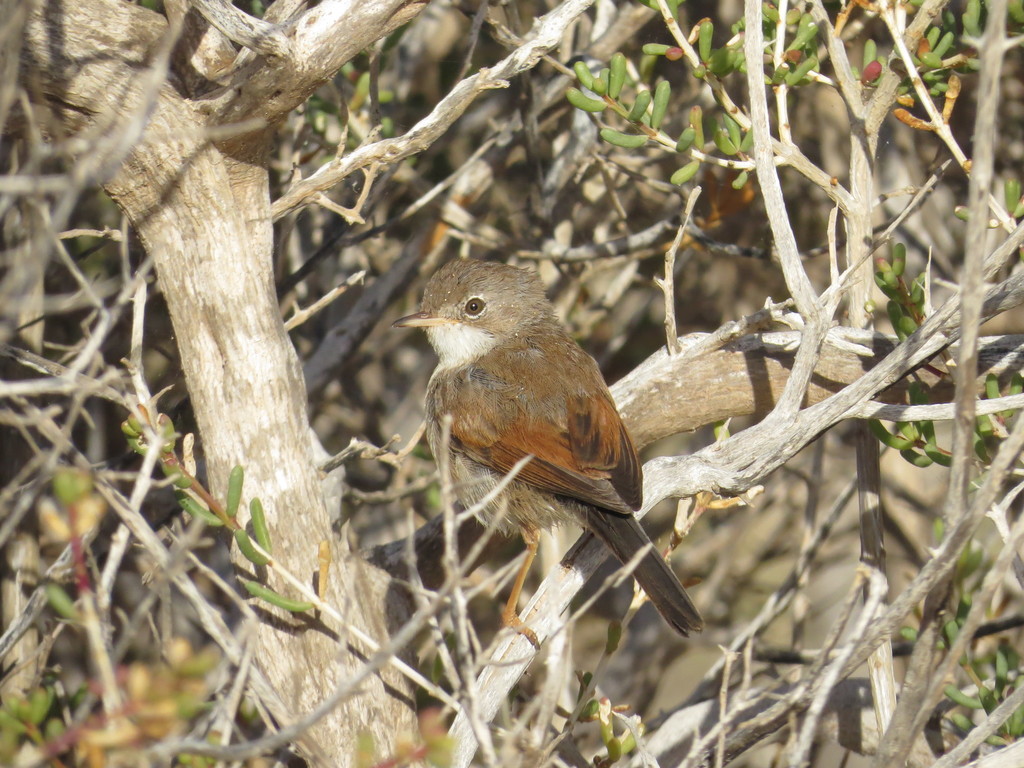
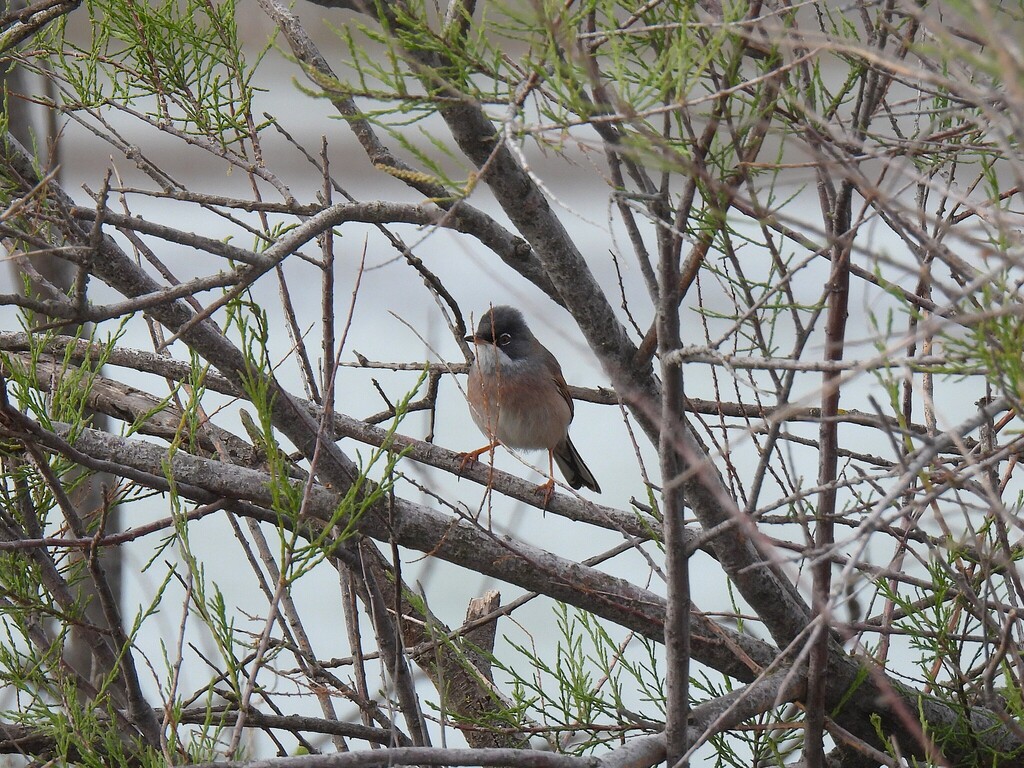
Esta especie parece una versión en pequeño de la curruca zarcera, de la que se diferencia, además de por su menor tamaño, por tener las alas más rojizas y cortas, y la coloración de la cabeza más contrastada. Los machos presentan tonos rosados en las partes inferiores, dorso pardogrisáceo, cabeza gris, garganta blanca y anillo ocular blanco. Las hembras son similares, aunque la cabeza exhibe tonos más pardo-rojizos. Los jóvenes lucen un patrón de color parecido a la hembra, pero de tonalidad más desvaída. De temperamento muy inquieto y nervioso, posee hábitos muy discretos y escondidizos, por lo que resulta difícil de observar mientras se mueve oculta entre la vegetación baja.Similar to a small Common Whitethroat but with richer colors and a smaller build. Males feature a bright reddish-brown wing panel, a slate-gray head with a bold black mask, and a striking white throat and white eye-ring ('spectacles'). The breast is a warm pinkish-buff. Females are more subtle. It is a specialist of very dry, open habitats with low shrubs like thyme and saltbush. It is extremely active and nervous.
DistribuciónDistribution
Se distribuye ampliamente por la Península Ibérica, aunque de modo disperso y desigual, extendiéndose de forma más continua por el este y sur de Andalucía, los páramos del Sistema Ibérico, el valle del Ebro, meseta Norte (especialmente Soria y Burgos), sur de Zamora y depresión del Tajo en Extremadura. En Canarias resulta frecuente en todas las islas, siendo especialmente abundante en las más orientales (Fuerteventura y Lanzarote). En las islas Baleares se trata de un ave más localizada y escasa. No se reproduce en Ceuta ni Melilla. La subespecie orbitalis se encuentra en Canarias, mientras que conspicillata ocupa el resto del territorio español.Widespread but discontinuous across the Peninsula (Ebro, Andalusia, Iberian System, etc.). Abundant on all Canary Islands. Localized on the Balearics. Absent from Ceuta/Melilla. Subspecies 'conspicillata' on mainland; 'orbitalis' in Canaries.
Textos reproducidos con permiso de laTexts translated and reproduced with permission from the Guía de Aves de España © SEO/BirdLife
Estado de conservaciónConservation Status
- EX
- RE
- CR
- EN
- VU
- NT
- LC
Preocupación menorLeast Concern
Qué significa cada categoríaWhat each category means
- LC
- Preocupación menor: Taxón evaluado que no califica para categorías amenazadas. Especies abundantes y ampliamente distribuidasLeast Concern - Evaluated taxon that does not qualify for threatened categories. Widespread and abundant taxa
- NT
- Casi amenazada: No califica actualmente como amenazada, pero está cerca de calificar o es probable que califique en el futuro cercanoNear Threatened - Does not currently qualify as threatened, but is close to qualifying or likely to qualify in the near future
- VU
- Vulnerable: Enfrenta un alto riesgo de extinción en estado silvestre según los criterios A a E de IUCNVulnerable - Facing a high risk of extinction in the wild based on IUCN criteria A to E
- EN
- En peligro: Enfrenta un riesgo muy alto de extinción en estado silvestre según los criterios A a E de IUCNEndangered - Facing a very high risk of extinction in the wild based on IUCN criteria A to E
- CR
- En peligro crítico: Enfrenta un riesgo extremadamente alto de extinción en estado silvestre según los criterios A a E de IUCNCritically Endangered - Facing an extremely high risk of extinction in the wild based on IUCN criteria A to E
- DD
- Datos insuficientes: Información inadecuada para evaluar el riesgo de extinción basándose en distribución o estado poblacionalData Deficient - Inadequate information to assess extinction risk based on distribution and/or population status
- NE
- No evaluada: No ha sido evaluada aún contra los criterios de la Lista Roja de IUCNNot Evaluated - Has not yet been assessed against the IUCN Red List criteria
- RE
- Extinta regionalmente: El taxón ya no existe en la región específica, aunque puede sobrevivir en otros lugaresRegionally Extinct - Taxon no longer exists in the specific region, though it may survive elsewhere
- EX
- Extinta - No existe duda razonable de que ha muerto el último individuo del taxónExtinct - No reasonable doubt that the last individual of the taxon has died
TaxonomíaTaxonomy
- OrdenOrder
- Passeriformes
- FamiliaFamily
- Sylviidae
- SinónimosSynonyms
- Sylvia conspicillata
Presencia en EspañaPresence in Spain
- De pasoPassage migrant
- EstivalSummer visitor
- HabitualRegular
- ResidenteResident
En la app: todo el año.In the app: all year.
Dónde verlaWhere to see it
1.164 cuadrículas de 10 km con registros de 2020 a 2024. Toca un mes para ver dónde se ha visto.1,164 10 km squares with records from 2020 to 2024. Pick a month to see where it has been seen.
Cargando el mapa…Loading the map…
Dónde es regularWhere it is regular
Provincias con registros en al menos 3 de los 5 años algún mes, de más a menos frecuente, y sus mejores meses.Provinces with records in at least 3 of the 5 years in some month, from most to least frequent, and their best months.
- Las PalmasLas Palmasdiciembre, noviembre, febreroDecember, November, February
- Santa Cruz de TenerifeSanta Cruz de Tenerifeenero, octubre, marzoJanuary, October, March
- GranadaGranadamayo, junio, julioMay, June, July
- TeruelTerueljulio, junio, mayoJuly, June, May
- JaénJaénjulio, junio, mayoJuly, June, May
- CuencaCuencajunio, mayo, agostoJune, May, August
- MurciaMurciamayo, septiembre, agostoMay, September, August
- GuadalajaraGuadalajarajulio, junio, mayoJuly, June, May
- ZaragozaZaragozajunio, abril, mayoJune, April, May
- SoriaSoriamayo, junio, abrilMay, June, April
Ver las 40 provinciasSee all 40 provinces
- AlmeríaAlmeríaseptiembre, agosto, octubreSeptember, August, October
- AlicanteAlicantejunio, mayo, julioJune, May, July
- MálagaMálagajunio, mayo, abrilJune, May, April
- La RiojaLa RiojaabrilApril
- AlbaceteAlbacetejunio, mayo, abrilJune, May, April
- CastellónCastellónjunio, mayo, agostoJune, May, August
- CáceresCáceresjunio, mayo, julioJune, May, July
- ToledoToledomayo, agosto, abrilMay, August, April
- SegoviaSegoviamayo, agosto, julioMay, August, July
- NavarraNavarramayo, abril, agostoMay, April, August
- ÁvilaÁvilajunio, mayo, julioJune, May, July
- HuescaHuescaabril, mayo, agostoApril, May, August
- LleidaLleidaabril, mayo, junioApril, May, June
- CádizCádizmayo, abril, agostoMay, April, August
- MadridMadridmayo, junio, julioMay, June, July
- LeónLeónjunio, mayo, abrilJune, May, April
- GironaGironamayo, junio, julioMay, June, July
- ValladolidValladolidjulio, abril, junioJuly, April, June
- PalenciaPalenciamayo, julio, agostoMay, July, August
- Ciudad RealCiudad Realabril, mayo, septiembreApril, May, September
- BurgosBurgosmayo, junio, agostoMay, June, August
- ValenciaValenciajunio, mayo, julioJune, May, July
- OurenseOurensemayoMay
- SalamancaSalamancaagosto, abril, julioAugust, April, July
- BadajozBadajozmayo, junio, septiembreMay, June, September
- ZamoraZamoraagosto, mayo, septiembreAugust, May, September
- HuelvaHuelvaseptiembre, abril, octubreSeptember, April, October
- CantabriaCantabriajunio, mayoJune, May
- CórdobaCórdobaabril, mayoApril, May
- SevillaSevillaabril, junio, octubreApril, June, October
Datos: registros en GBIF de 2020 a 2024 de Observation.org, eBird, iNaturalist y el ICO, descargados el 23/10/2026.Data: GBIF records from 2020 to 2024 from Observation.org, eBird, iNaturalist and the ICO, downloaded on 23/10/2026. GBIF.org (23 October 2026) GBIF Occurrence Download · doi:10.15468/dl.r5sf2a · CC BY-NC 4.0
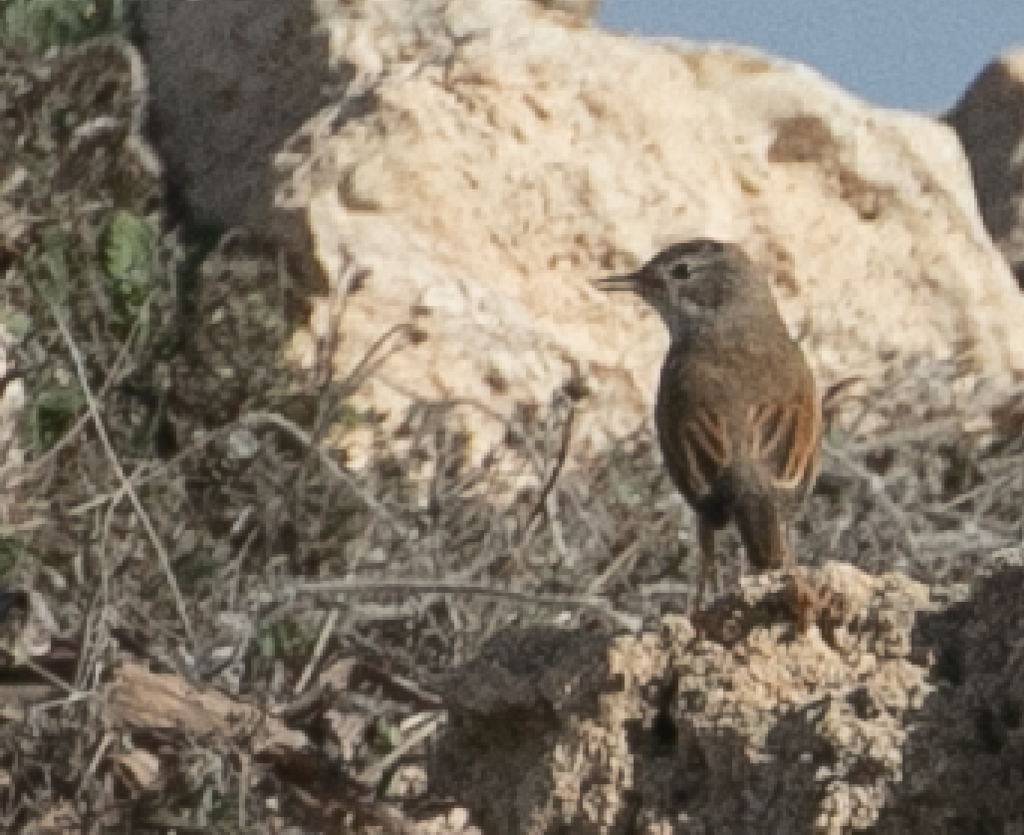
GaleríaGallery
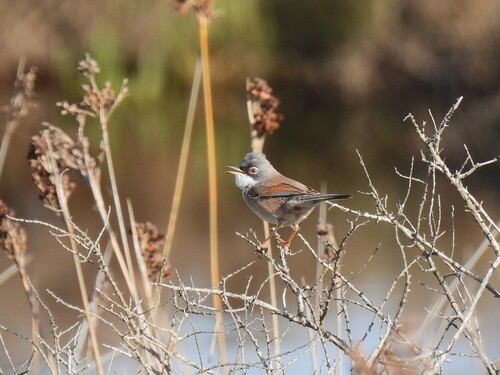
© Antoine Thivolle · CC BY · iNaturalist 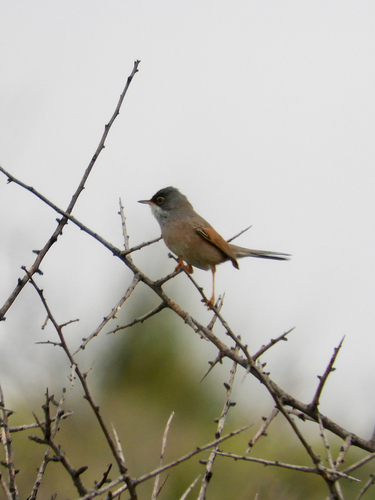
© Nicholas Moray Williams · CC BY · iNaturalist 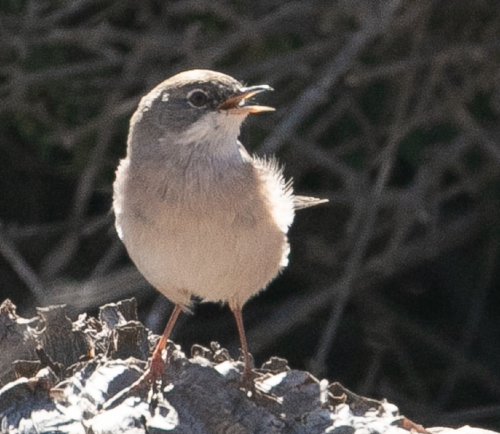
© Paolo Zucca · CC BY · iNaturalist 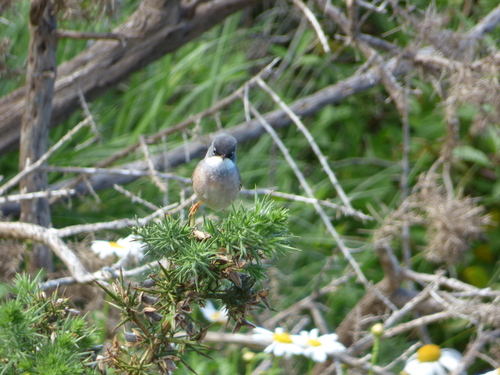
© Oscar Hopgood · CC BY · iNaturalist 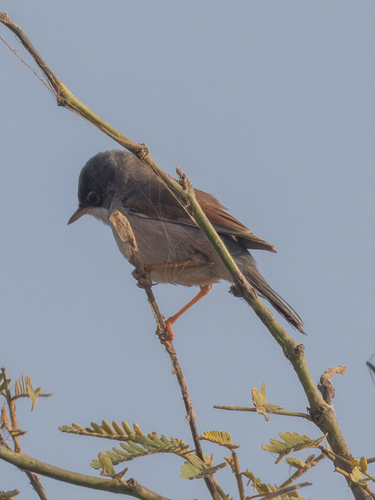
© William Stephens · CC BY · iNaturalist 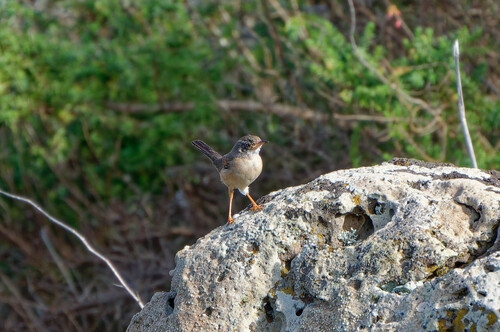
© Donald Davesne · CC BY · iNaturalist 
© Codrin Bucur · CC BY · iNaturalist 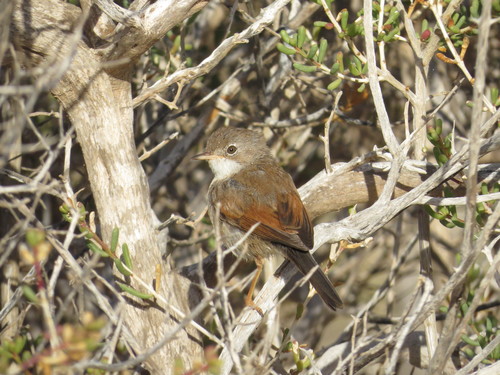
© Marcelo Cabrera · CC BY · iNaturalist 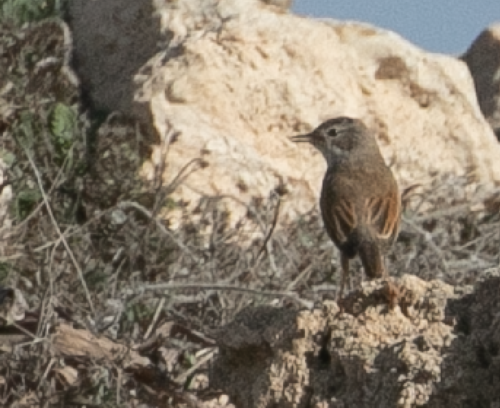
© Paolo Zucca · CC BY · iNaturalist 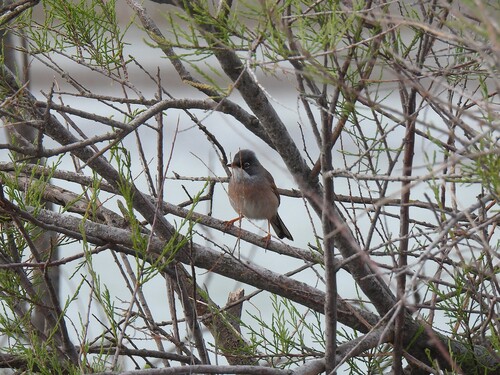
© Antoine Thivolle · CC BY · iNaturalist
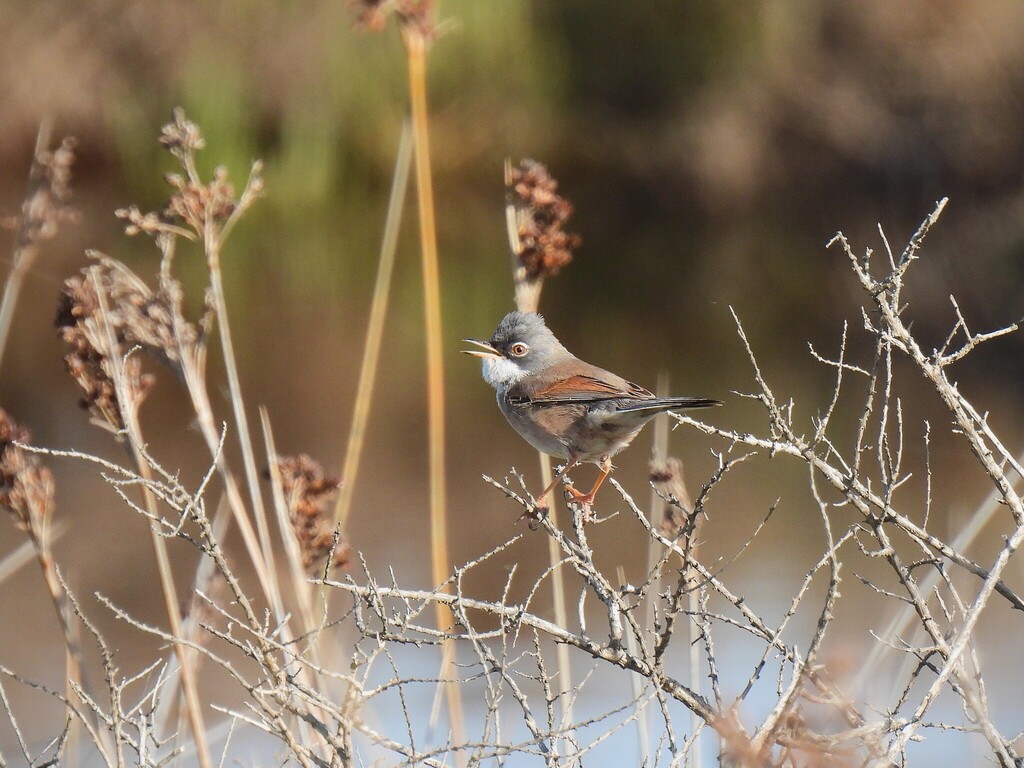
Especies relacionadasRelated species
Otras aves de la familia Sylviidae y de órdenes cercanos.Other birds from the Sylviidae family and nearby orders.
- ComúnCommon
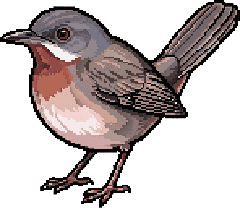 Curruca carrasqueña occidentalWestern Subalpine WarblerCurruca iberiae
- ComúnCommon
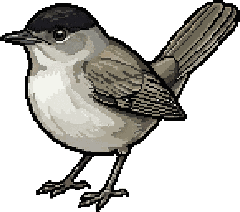 Curruca capirotadaEurasian BlackcapSylvia atricapilla
- Poco comúnUncommon
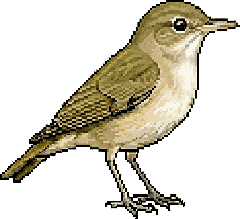 Curruca mosquiteraGarden WarblerSylvia borin
- LegendarioLegendary
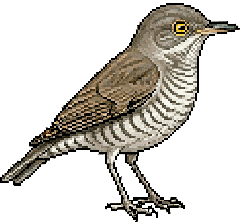 Curruca gavilanaBarred WarblerCurruca nisoria
- ÉpicoEpic
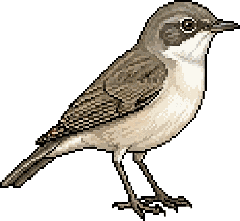 Curruca zarcerillaLesser WhitethroatCurruca curruca
- Poco comúnUncommon
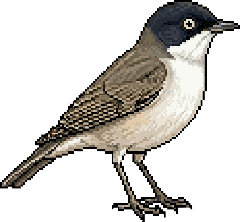 Curruca mirlona occidentalWestern Orphean WarblerCurruca hortensis
- LegendarioLegendary
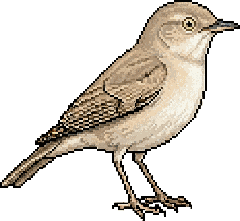 Curruca saharianaAfrican Desert WarblerCurruca deserti
- LegendarioLegendary
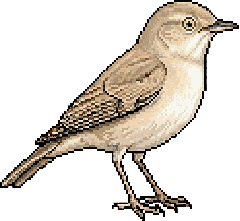 Curruca enanaDesert WhitethroatCurruca nana
 Gratis, sin anuncios ni comprasFree, no ads, no purchases