 BirdPedy
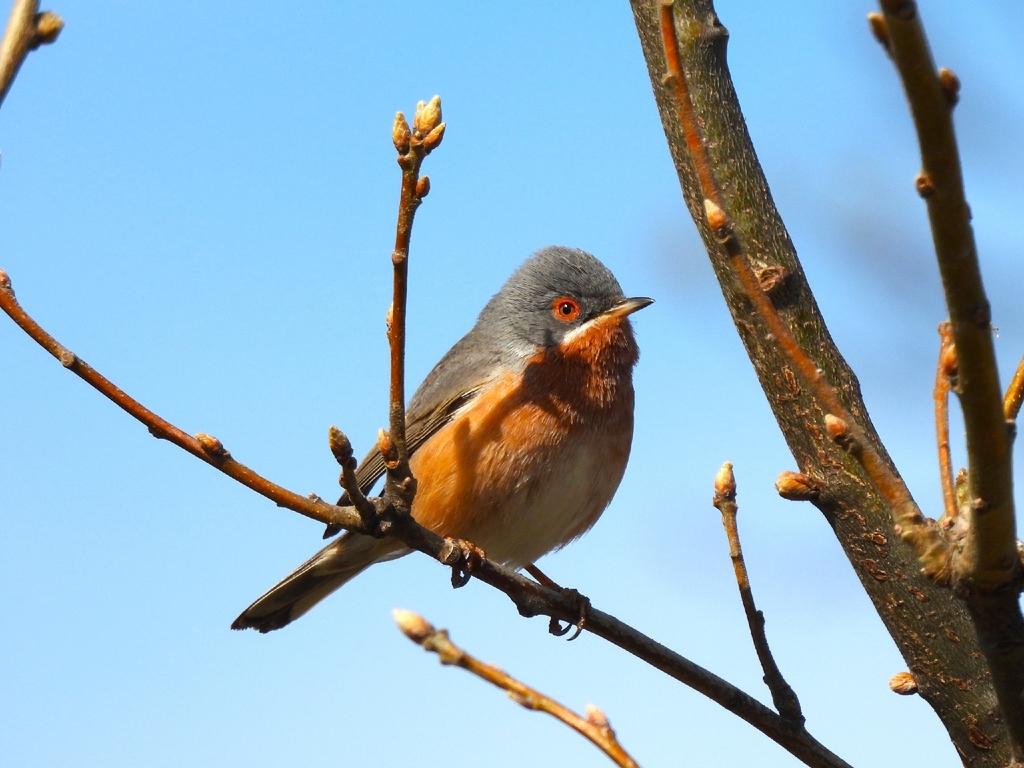
Curruca carrasqueña occidentalWestern Subalpine Warbler
En 49 provincias en abril y en 2 en eneroIn 49 provinces in April and 2 in January
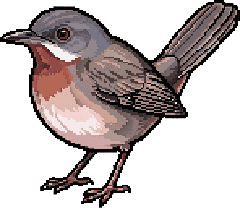
Reporte de rarezaRarity report
Por qué es comúnWhy it is commonEstival migradora muy frecuente en el matorral bajo de encinares, quejigares y formaciones degradadas de tipo mediterráneo de casi toda la España peninsular.Very frequent summer migrant in the low scrub of holm oak and Portuguese oak woods and degraded Mediterranean woodland across almost all of mainland Spain.
Cada carrizo es un mes: su altura, las provincias con registros de 2020 a 2024.Each reed is a month: its height, the provinces with records from 2020 to 2024.- Provincias con registrosProvinces with records
- 52 de 52of 52
- En la appIn the app
- Marzo a octubreMarch to October
- EnvergaduraWingspan
- 15-19 cm15-19 cm
- LongitudLength
- 12 cm12 cm
- Lista Roja de EspañaSpanish Red List
- LC Preocupación menorLeast Concern

Información generalGeneral Information
Entre las currucas que pululan por nuestras extensas zonas de monte mediterráneo, la carrasqueña es la de más bello colorido y también una de las más abundantes. Se trata de un inquieto habitante de jarales, brezales, retamares, coscojares y encinares, que se mueve con discreción entre las espesuras de estos tupidos matorrales, por lo que resulta más fácil de detectar por su carraspeante canto o por su seco y breve reclamo. Migrante transahariana, esta ave está presente como reproductora tanto en la Península como en Baleares, donde habita una subespecie diferente.The Western Subalpine Warbler is a classic Mediterranean migrant. Until recently, it was part of a larger 'Subalpine Warbler' complex, but the Western form is now recognized as a distinct species. It is a summer visitor that loves the 'maquis' and evergreen oak woods. While beautiful, it is shy and often remains hidden in the foliage. It is a trans-Saharan migrant, returning to Africa in late summer.
IdentificaciónIdentification
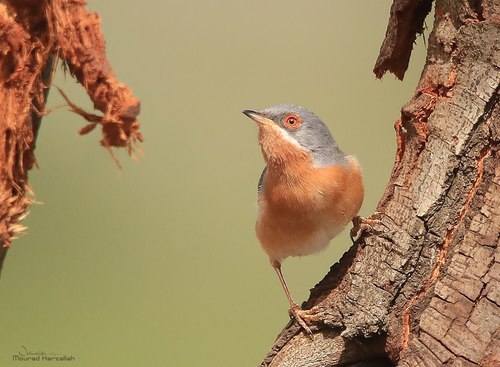
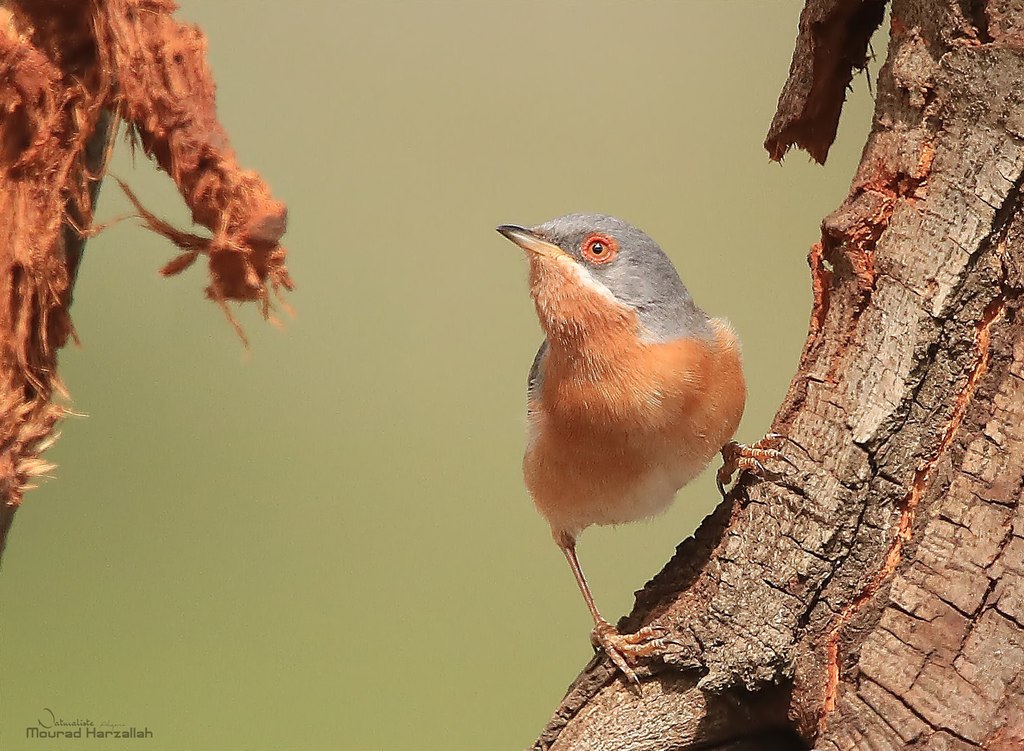
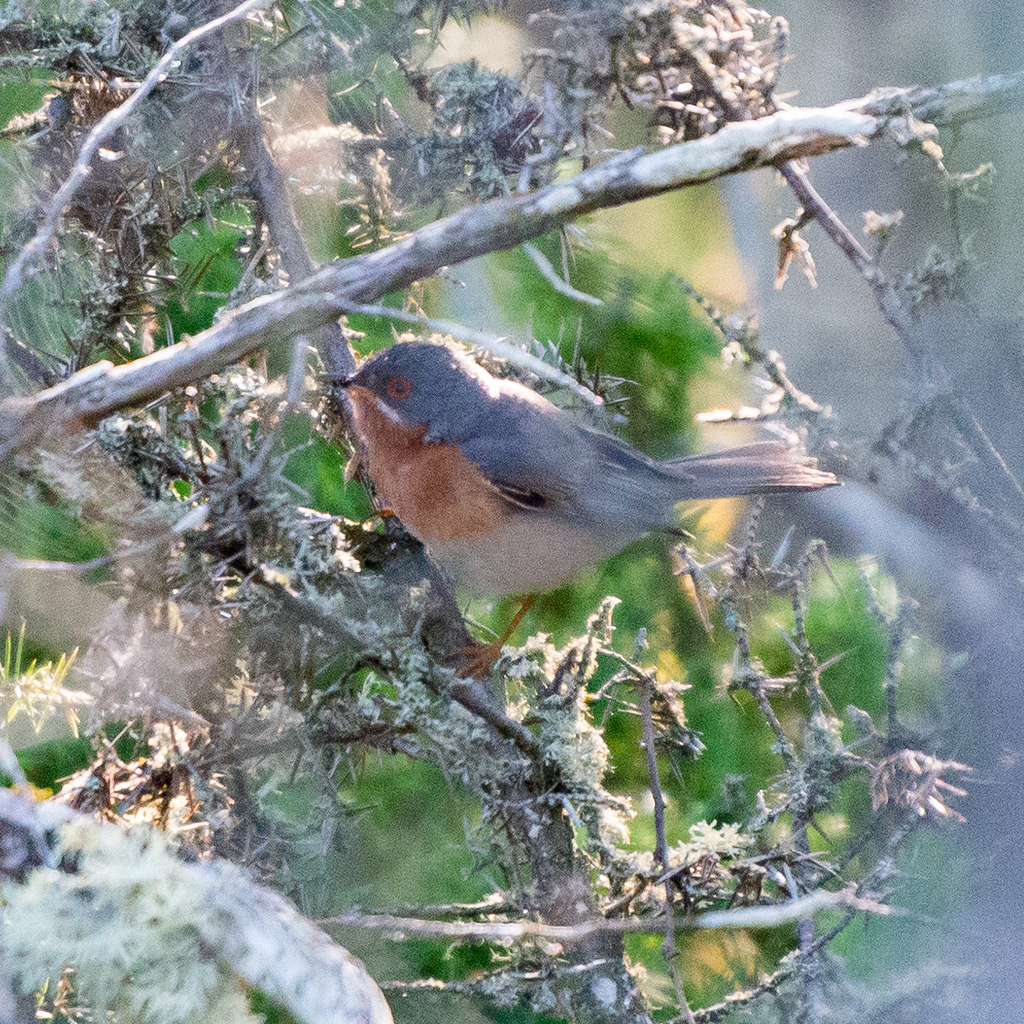
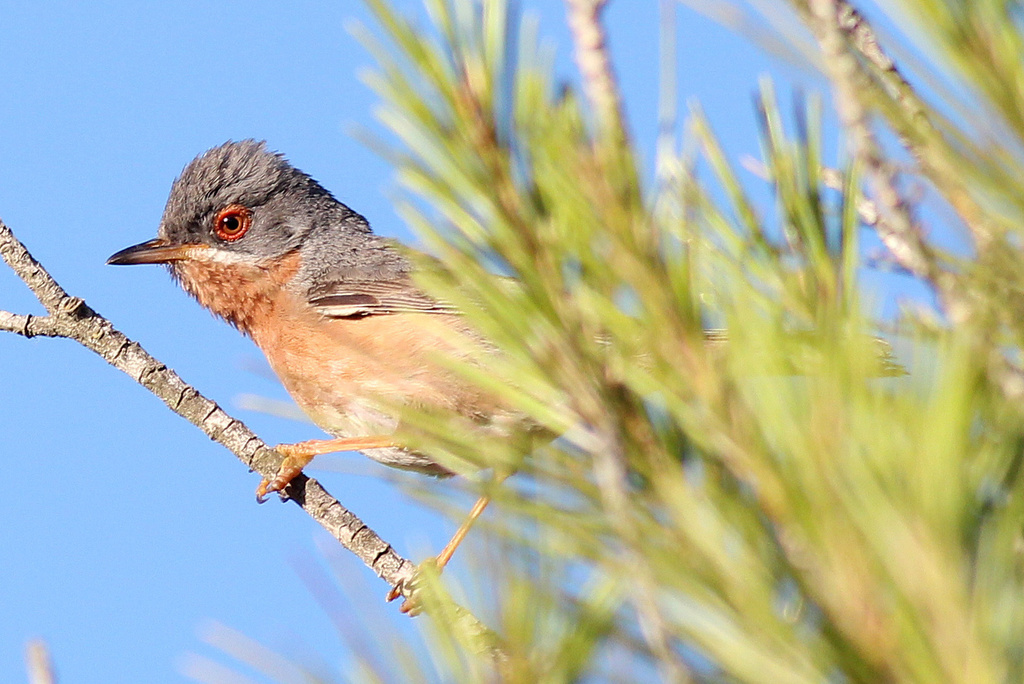
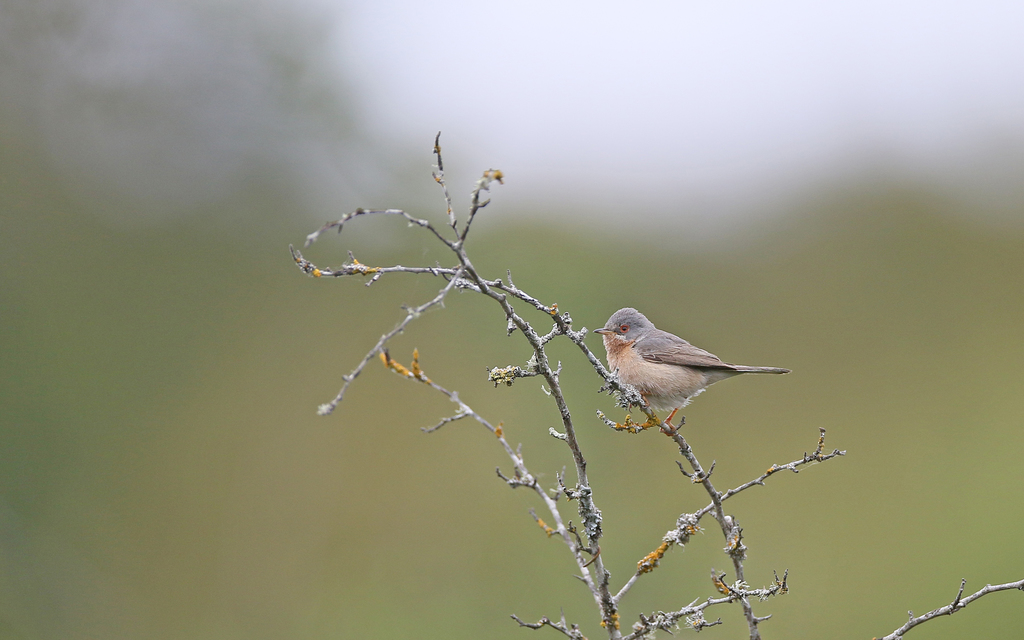
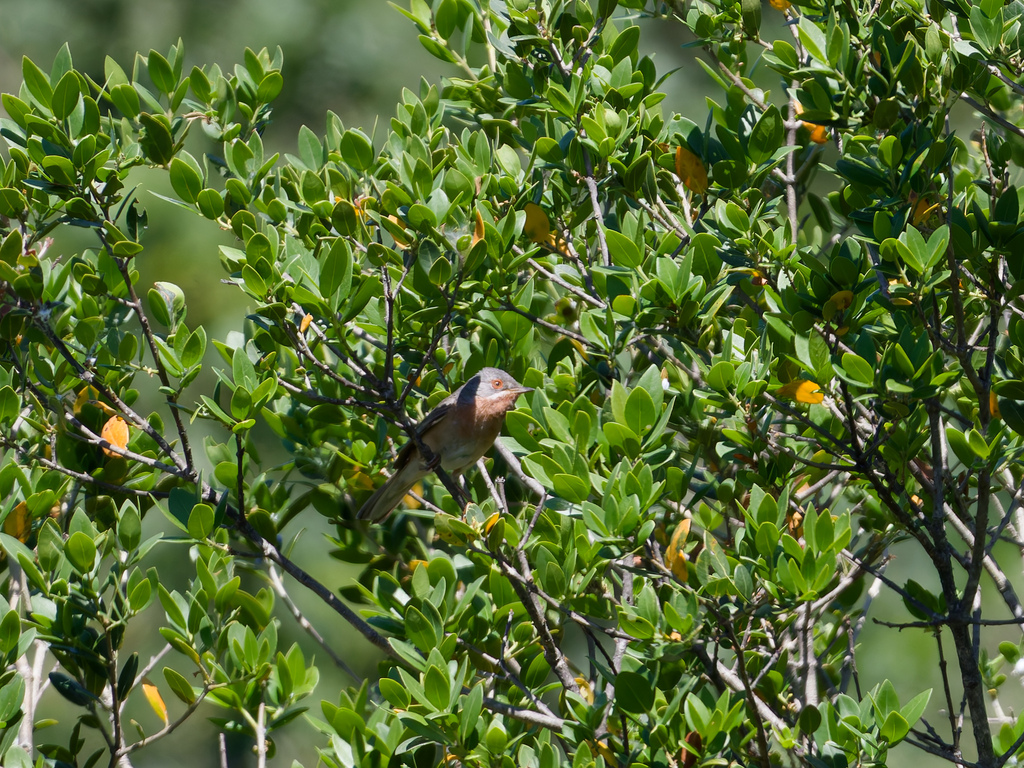
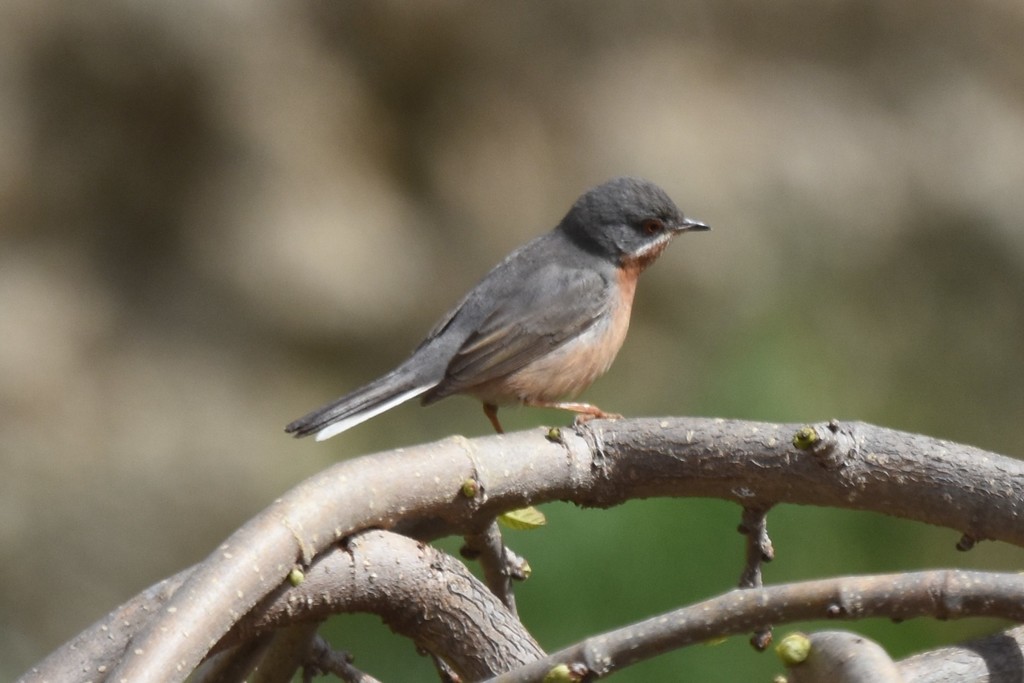
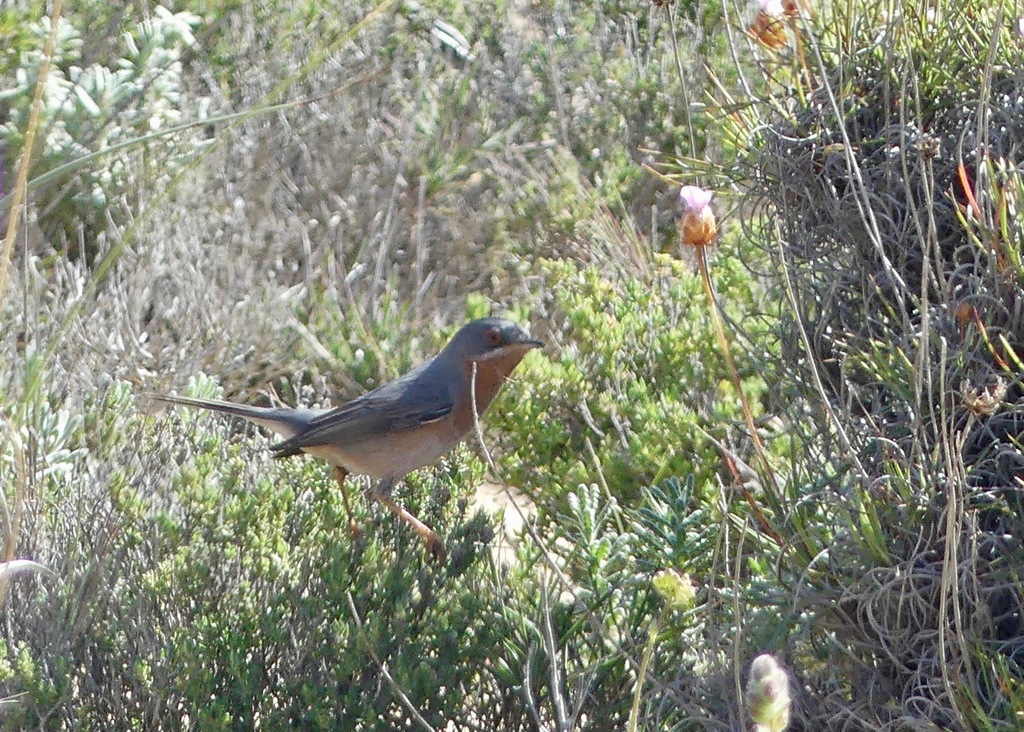
La curruca carrasqueña es de pequeño tamaño y aspecto grácil. Los machos presentan las partes superiores de color gris pizarra, que contrastan con las bigoteras blancas y las partes inferiores de color rojizo. Las hembras muestran un diseño general similar, pero en tonos más apagados, con las partes superiores pardas y las inferiores rosadas. Ambos tienen un anillo ocular rojo, las patas claras y las rectrices externas de la cola blancas. De temperamento muy activo e inquieto, es al mismo tiempo un ave muy escondidiza y difícil de ver, que se mueve al amparo del denso matorral mediterráneo, su hábitat ideal.A small, graceful warbler. Males in breeding plumage are beautiful: slate-gray upper parts contrast with a deep reddish-brick throat and breast, capped off by a diagnostic white 'moustache' (malar stripe). It has a bright red eye-ring. Females are much duller, with grayish-brown backs and pale pinkish-buff underparts. It is a master of the dense Mediterranean bushes and holm oak forests, usually identified by its repetitive 'tsack' call.
DistribuciónDistribution
Ampliamente distribuida por toda la Península Ibérica, está ausente como reproductora en Canarias, en Baleares, en la mayor parte de la franja cantábrica y en otras amplias zonas del interior peninsular (La Mancha, sur de Extremadura, Andalucía occidental) y Levante. Es muy escasa en Galicia. En España se encuentran dos subespecies: cantillans en la Península (observada en migración también en Baleares, donde resulta abundante, y muy raramente en Canarias) y moltonii en Baleares.Widespread breeder across the Peninsula. Absent from Canarias, Balearics (breeding), and the humid Cantabrian-Galician strip. Extremely local in the driest parts of the interior. Subspecies 'cantillans'.
Textos reproducidos con permiso de laTexts translated and reproduced with permission from the Guía de Aves de España © SEO/BirdLife
Estado de conservaciónConservation Status
- EX
- RE
- CR
- EN
- VU
- NT
- LC
Preocupación menorLeast Concern
Qué significa cada categoríaWhat each category means
- LC
- Preocupación menor: Taxón evaluado que no califica para categorías amenazadas. Especies abundantes y ampliamente distribuidasLeast Concern - Evaluated taxon that does not qualify for threatened categories. Widespread and abundant taxa
- NT
- Casi amenazada: No califica actualmente como amenazada, pero está cerca de calificar o es probable que califique en el futuro cercanoNear Threatened - Does not currently qualify as threatened, but is close to qualifying or likely to qualify in the near future
- VU
- Vulnerable: Enfrenta un alto riesgo de extinción en estado silvestre según los criterios A a E de IUCNVulnerable - Facing a high risk of extinction in the wild based on IUCN criteria A to E
- EN
- En peligro: Enfrenta un riesgo muy alto de extinción en estado silvestre según los criterios A a E de IUCNEndangered - Facing a very high risk of extinction in the wild based on IUCN criteria A to E
- CR
- En peligro crítico: Enfrenta un riesgo extremadamente alto de extinción en estado silvestre según los criterios A a E de IUCNCritically Endangered - Facing an extremely high risk of extinction in the wild based on IUCN criteria A to E
- DD
- Datos insuficientes: Información inadecuada para evaluar el riesgo de extinción basándose en distribución o estado poblacionalData Deficient - Inadequate information to assess extinction risk based on distribution and/or population status
- NE
- No evaluada: No ha sido evaluada aún contra los criterios de la Lista Roja de IUCNNot Evaluated - Has not yet been assessed against the IUCN Red List criteria
- RE
- Extinta regionalmente: El taxón ya no existe en la región específica, aunque puede sobrevivir en otros lugaresRegionally Extinct - Taxon no longer exists in the specific region, though it may survive elsewhere
- EX
- Extinta - No existe duda razonable de que ha muerto el último individuo del taxónExtinct - No reasonable doubt that the last individual of the taxon has died
TaxonomíaTaxonomy
- OrdenOrder
- Passeriformes
- FamiliaFamily
- Sylviidae
Presencia en EspañaPresence in Spain
- De pasoPassage migrant
- EstivalSummer visitor
- HabitualRegular
En la app: marzo a octubre.In the app: March to October.
Dónde verlaWhere to see it
2.797 cuadrículas de 10 km con registros de 2020 a 2024. Toca un mes para ver dónde se ha visto.2,797 10 km squares with records from 2020 to 2024. Pick a month to see where it has been seen.
Cargando el mapa…Loading the map…
Dónde es regularWhere it is regular
Provincias con registros en al menos 3 de los 5 años algún mes, de más a menos frecuente, y sus mejores meses.Provinces with records in at least 3 of the 5 years in some month, from most to least frequent, and their best months.
- CuencaCuencaagosto, junio, mayoAugust, June, May
- GuadalajaraGuadalajaramayo, junio, abrilMay, June, April
- SoriaSoriamayo, junio, abrilMay, June, April
- ZamoraZamoraagosto, julio, junioAugust, July, June
- AlicanteAlicanteseptiembre, abril, agostoSeptember, April, August
- SalamancaSalamancaabril, agosto, julioApril, August, July
- HuescaHuescajunio, abril, agostoJune, April, August
- OurenseOurensemayo, junio, abrilMay, June, April
- MurciaMurciaseptiembre, abril, agostoSeptember, April, August
- SegoviaSegoviamayo, junio, agostoMay, June, August
Ver las 44 provinciasSee all 44 provinces
- CastellónCastellónabril, septiembre, junioApril, September, June
- LleidaLleidaabril, junio, mayoApril, June, May
- ÁvilaÁvilaagosto, abril, mayoAugust, April, May
- CáceresCáceresmayo, abril, junioMay, April, June
- BarcelonaBarcelonajunio, mayo, septiembreJune, May, September
- TeruelTerueljunio, abril, mayoJune, April, May
- MadridMadridjunio, abril, mayoJune, April, May
- AlbaceteAlbacetemayo, junio, abrilMay, June, April
- ValladolidValladolidjunio, mayo, julioJune, May, July
- ValenciaValenciaseptiembre, abril, marzoSeptember, April, March
- PalenciaPalenciaabril, mayo, junioApril, May, June
- NavarraNavarrajunio, abril, mayoJune, April, May
- TarragonaTarragonaabril, septiembre, junioApril, September, June
- LeónLeónabril, mayo, junioApril, May, June
- CeutaCeutaabril, marzoApril, March
- JaénJaénjulio, mayo, junioJuly, May, June
- GironaGironaabril, junio, septiembreApril, June, September
- MálagaMálagajunio, septiembre, mayoJune, September, May
- AlmeríaAlmeríamarzo, abril, septiembreMarch, April, September
- ZaragozaZaragozajunio, mayo, agostoJune, May, August
- GranadaGranadajunio, abril, mayoJune, April, May
- CádizCádizmarzo, abril, mayoMarch, April, May
- Ciudad RealCiudad Realjulio, junio, mayoJuly, June, May
- ToledoToledoagosto, julio, junioAugust, July, June
- BurgosBurgosjunio, mayo, julioJune, May, July
- Las PalmasLas Palmasmarzo, febrero, abrilMarch, February, April
- BadajozBadajozseptiembre, mayo, junioSeptember, May, June
- ÁlavaÁlavamayo, junio, abrilMay, June, April
- La RiojaLa Riojamayo, abril, agostoMay, April, August
- HuelvaHuelvamarzo, septiembre, agostoMarch, September, August
- CórdobaCórdobajulio, mayo, junioJuly, May, June
- SevillaSevillamarzo, abril, septiembreMarch, April, September
- BalearesBalearic Islandsabril, mayo, octubreApril, May, October
- CantabriaCantabriajunioJune
Datos: registros en GBIF de 2020 a 2024 de Observation.org, eBird, iNaturalist y el ICO, descargados el 23/10/2026.Data: GBIF records from 2020 to 2024 from Observation.org, eBird, iNaturalist and the ICO, downloaded on 23/10/2026. GBIF.org (23 October 2026) GBIF Occurrence Download · doi:10.15468/dl.r5sf2a · CC BY-NC 4.0
GaleríaGallery
© Mourad Harzallah · CC BY · iNaturalist 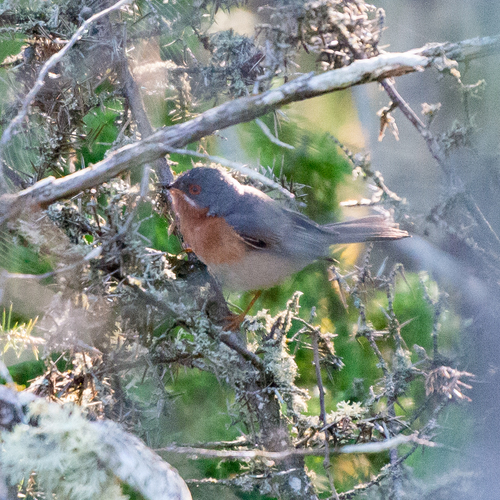
© euqirneto · CC BY · iNaturalist 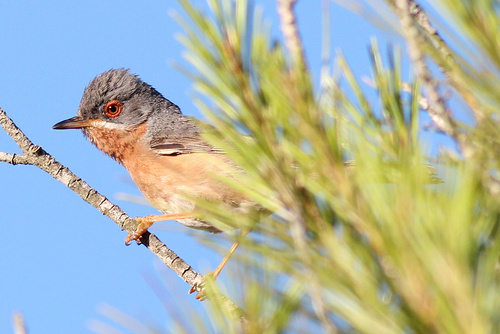
© Jan Ebr & Ivana Ebrová · CC BY · iNaturalist 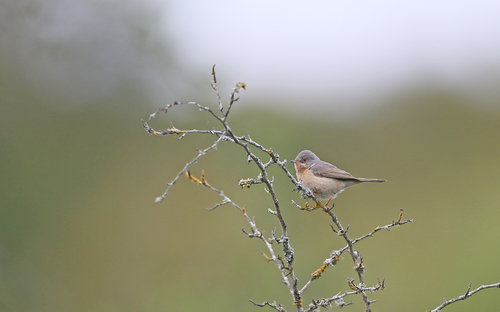
© Christoph Moning · CC BY · iNaturalist 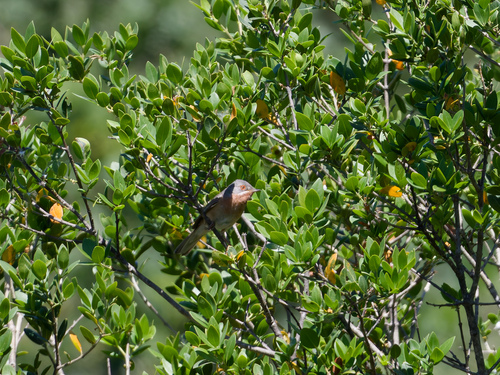
© Donald Davesne · CC BY · iNaturalist 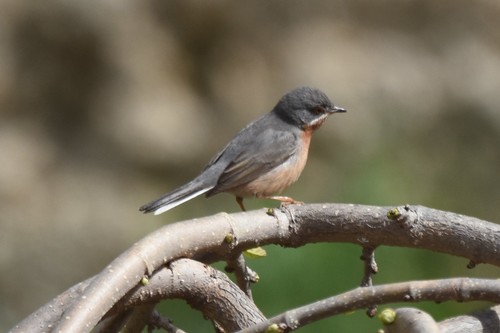
© Justine · CC BY · iNaturalist 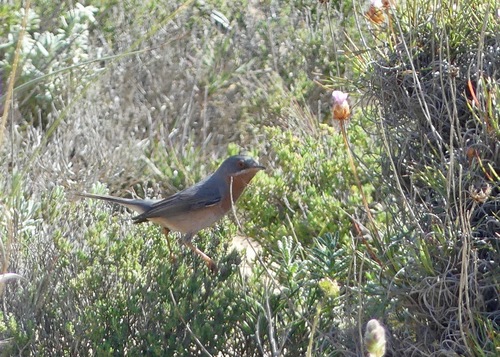
© nevwright · CC BY · iNaturalist 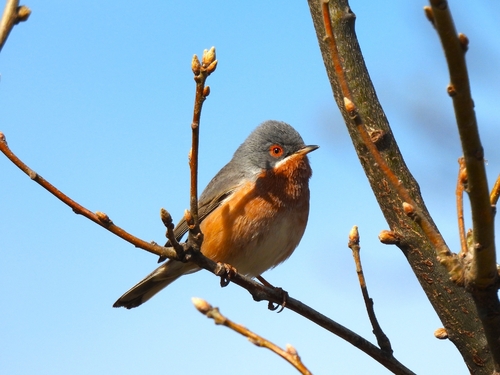
© Daniel Tomas-López · CC BY · iNaturalist
Especies relacionadasRelated species
Otras aves de la familia Sylviidae y de órdenes cercanos.Other birds from the Sylviidae family and nearby orders.
- ComúnCommon
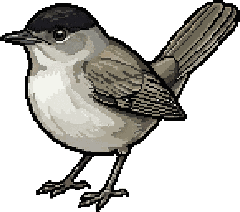 Curruca capirotadaEurasian BlackcapSylvia atricapilla
- Poco comúnUncommon
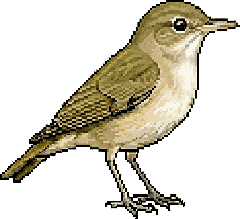 Curruca mosquiteraGarden WarblerSylvia borin
- LegendarioLegendary
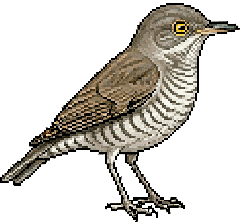 Curruca gavilanaBarred WarblerCurruca nisoria
- ÉpicoEpic
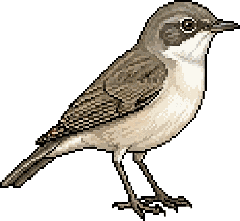 Curruca zarcerillaLesser WhitethroatCurruca curruca
- Poco comúnUncommon
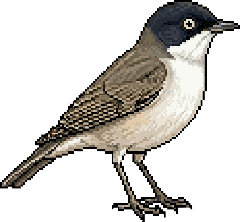 Curruca mirlona occidentalWestern Orphean WarblerCurruca hortensis
- LegendarioLegendary
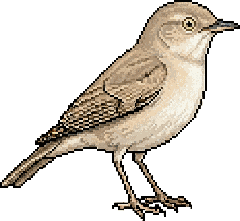 Curruca saharianaAfrican Desert WarblerCurruca deserti
- LegendarioLegendary
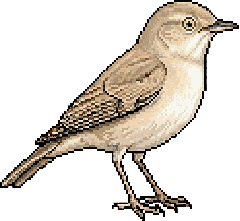 Curruca enanaDesert WhitethroatCurruca nana
- LegendarioLegendary
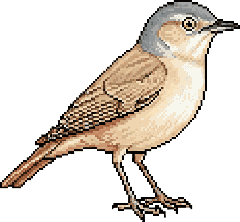 Curruca del AtlasTristram's WarblerCurruca deserticola
 Gratis, sin anuncios ni comprasFree, no ads, no purchases