 BirdPedy
Curruca capirotadaEurasian Blackcap
En 52 provincias en enero y en 51 en febreroIn 52 provinces in January and 51 in February
Reporte de rarezaRarity report
Por qué es comúnWhy it is commonExtraordinariamente abundante y extendida por todo el país. Ocupa desde bosques densos hasta pequeños parques y jardines urbanos, siendo una de las currucas más familiares y sonoras.Extraordinarily abundant and widespread throughout the country. It occupies everything from dense forest to small parks and city gardens, and is one of the most familiar and vocal warblers.
Cada carrizo es un mes: su altura, las provincias con registros de 2020 a 2024.Each reed is a month: its height, the provinces with records from 2020 to 2024.- Provincias con registrosProvinces with records
- 52 de 52of 52
- En la appIn the app
- Todo el añoAll year
- EnvergaduraWingspan
- 20-23 cm20-23 cm
- LongitudLength
- 13 cm13 cm
- Lista Roja de EspañaSpanish Red List
- LC Preocupación menorLeast Concern

Información generalGeneral Information
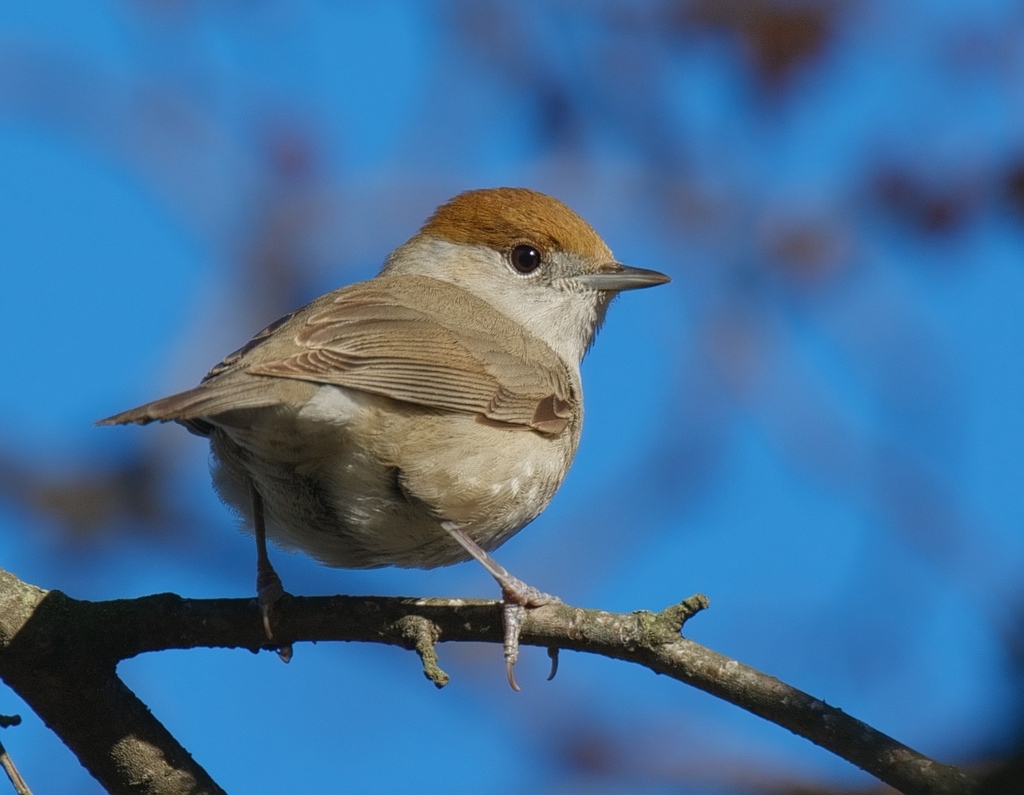
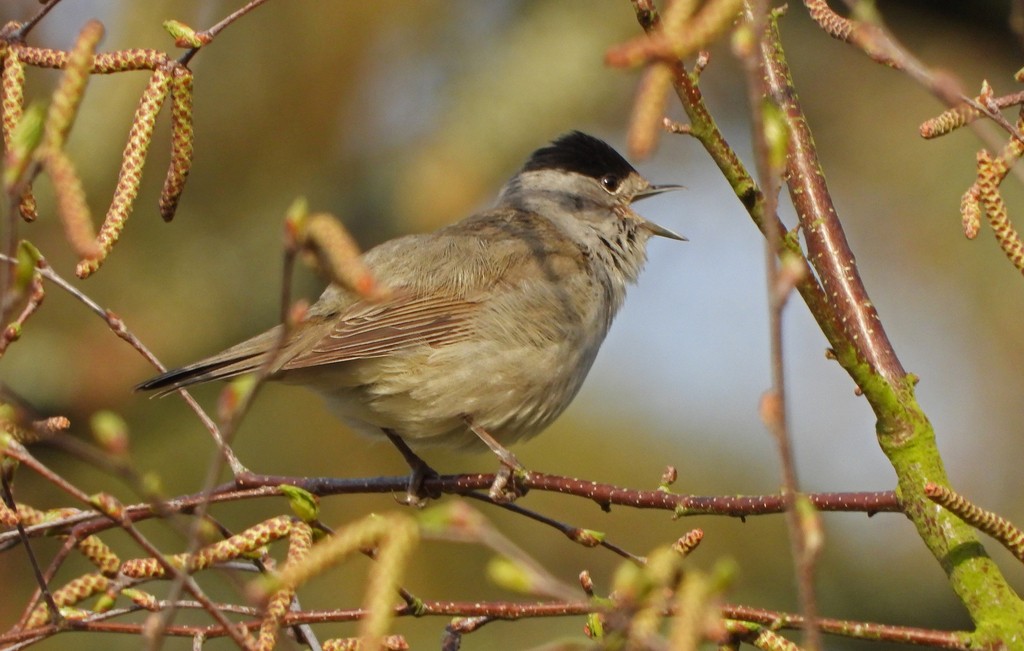
La curruca capirotada es de mediano tamaño y relativamente corpulenta, muy fácil de identificar por su distintivo capirote, negro en los machos y castaño en los jóvenes y las hembras. Emite un canto muy melodioso, que puede ser escuchado en muchas de nuestras arboledas. Se distribuye de forma amplia por la Península, Baleares y Canarias, ocupando masas forestales frescas y húmedas, con abundante sotobosque. Nuestro territorio alberga tanto poblaciones residentes como migradoras parciales e invernantes.The Eurasian Blackcap is perhaps our most familiar warbler. It is found in almost any wooded area, from lush mountain forests to urban parks and gardens. While many are residents, Spain also receives millions of wintering blackcaps from northern Europe. It has a fascinating migratory behavior, with some populations recently changing their migration routes. It is a vital seed disperser for many forest plants and shrubs.
IdentificaciónIdentification
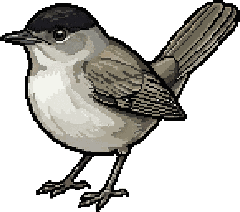
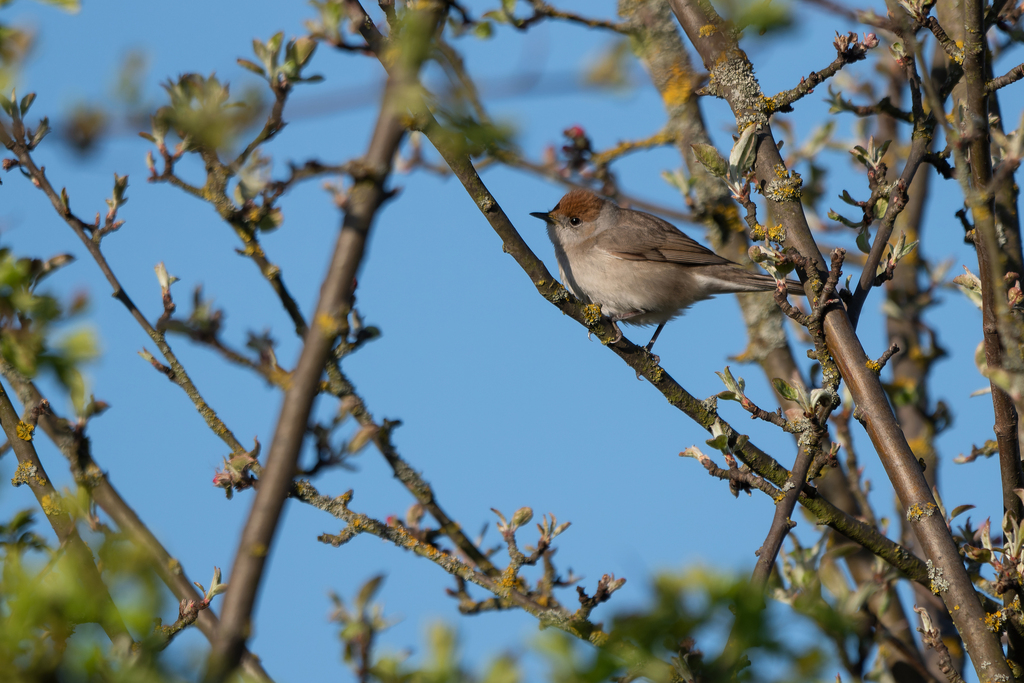
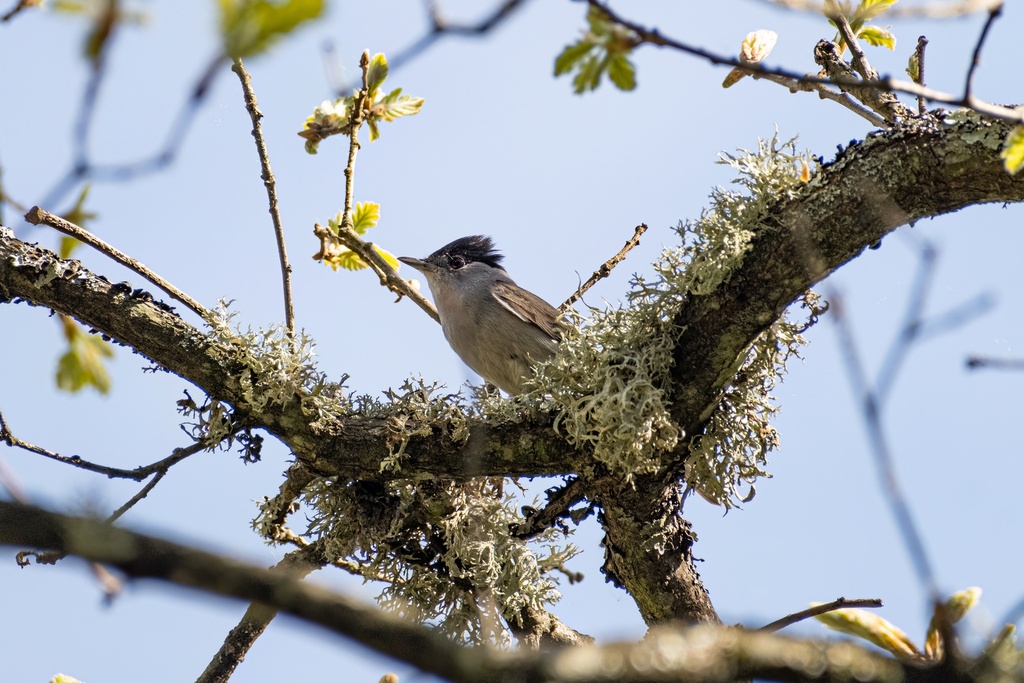
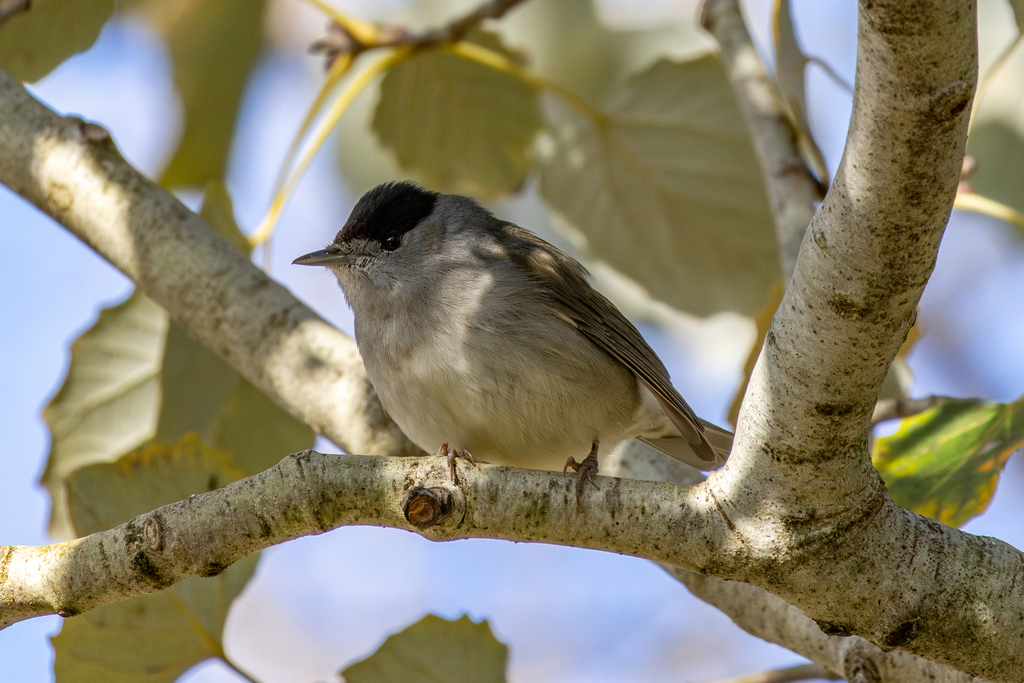
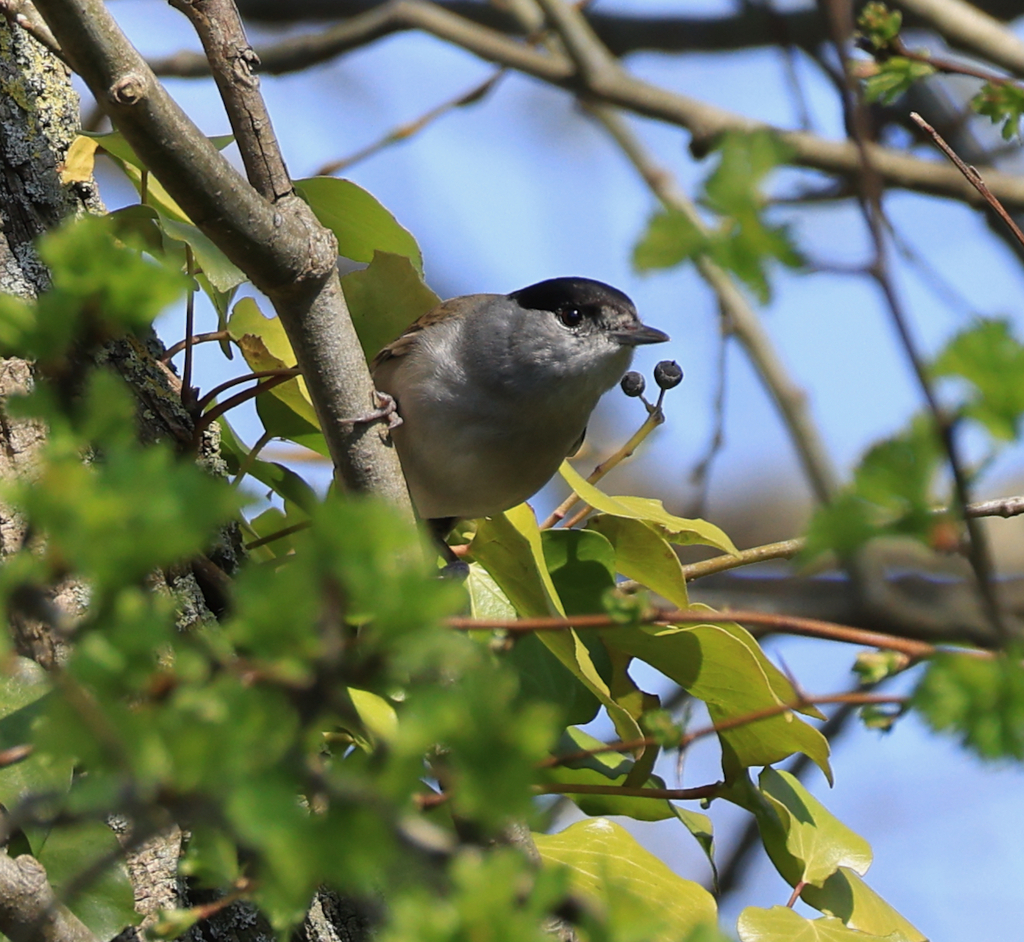
Curruca de mediano tamaño, de aspecto más compacto y robusto que la mayor parte de sus congéneres, aunque muy similar en tamaño y silueta a la curruca mosquitera. Al igual que ésta, y a diferencia de la mayoría de las currucas, no presenta ni rectrices externas ni garganta blanquecinas. Luce una tonalidad general grisácea, aunque la hembra muestra en las alas y en las regiones ventrales tintes más pardo rojizos. Los machos (dibujo 1 y dibujo 2) poseen el capirote negro, mientras que las hembras y los jóvenes lo tienen de color castaño.A medium-sized, relatively robust warbler. It has a uniform grayish-brown back and pale gray underparts. Its most diagnostic feature is the 'cap'—pure black in males, and a rich ginger-brown in females and juveniles. It lacks the white throat and white tail feathers of many other warblers. It is known for its beautiful, melodious song that is often compared to the Nightingale's. It is an extremely adaptable forest and garden bird.
DistribuciónDistribution
Se encuentra ampliamente distribuida por toda la Península Ibérica, Baleares y las islas Canarias occidentales. Falta o escasea en zonas deforestadas y más áridas del sudeste peninsular y en grandes extensiones de estepas o cultivos desarbolados de Extremadura y ambas mesetas. En España habitan tres subespecies: atricapilla, muy extendida por la mitad norte peninsular, heineken, localizada en la mitad sur y Canarias, y paulucii, restringida a Baleares.Widespread across the Peninsula, Balearics, and Western Canary Islands. Absent only from the most arid and treeless steppes. Three subspecies in Spain: 'atricapilla' (north), 'heineken' (south/Canaries), and 'paulucii' (Balearics).
Textos reproducidos con permiso de laTexts translated and reproduced with permission from the Guía de Aves de España © SEO/BirdLife
Estado de conservaciónConservation Status
- EX
- RE
- CR
- EN
- VU
- NT
- LC
Preocupación menorLeast Concern
Qué significa cada categoríaWhat each category means
- LC
- Preocupación menor: Taxón evaluado que no califica para categorías amenazadas. Especies abundantes y ampliamente distribuidasLeast Concern - Evaluated taxon that does not qualify for threatened categories. Widespread and abundant taxa
- NT
- Casi amenazada: No califica actualmente como amenazada, pero está cerca de calificar o es probable que califique en el futuro cercanoNear Threatened - Does not currently qualify as threatened, but is close to qualifying or likely to qualify in the near future
- VU
- Vulnerable: Enfrenta un alto riesgo de extinción en estado silvestre según los criterios A a E de IUCNVulnerable - Facing a high risk of extinction in the wild based on IUCN criteria A to E
- EN
- En peligro: Enfrenta un riesgo muy alto de extinción en estado silvestre según los criterios A a E de IUCNEndangered - Facing a very high risk of extinction in the wild based on IUCN criteria A to E
- CR
- En peligro crítico: Enfrenta un riesgo extremadamente alto de extinción en estado silvestre según los criterios A a E de IUCNCritically Endangered - Facing an extremely high risk of extinction in the wild based on IUCN criteria A to E
- DD
- Datos insuficientes: Información inadecuada para evaluar el riesgo de extinción basándose en distribución o estado poblacionalData Deficient - Inadequate information to assess extinction risk based on distribution and/or population status
- NE
- No evaluada: No ha sido evaluada aún contra los criterios de la Lista Roja de IUCNNot Evaluated - Has not yet been assessed against the IUCN Red List criteria
- RE
- Extinta regionalmente: El taxón ya no existe en la región específica, aunque puede sobrevivir en otros lugaresRegionally Extinct - Taxon no longer exists in the specific region, though it may survive elsewhere
- EX
- Extinta - No existe duda razonable de que ha muerto el último individuo del taxónExtinct - No reasonable doubt that the last individual of the taxon has died
TaxonomíaTaxonomy
- OrdenOrder
- Passeriformes
- FamiliaFamily
- Sylviidae
Presencia en EspañaPresence in Spain
- De pasoPassage migrant
- HabitualRegular
- InvernanteWinter visitor
- ResidenteResident
En la app: todo el año.In the app: all year.
Revisión científica de BirdPedyBirdPedy scientific review
Revisada por BirdPedy el 28/10/2026 ·Reviewed by BirdPedy on 28 October 2026 · Cómo revisamosHow we review
HábitatsHabitats
BirdPedy usa 14 categorías de hábitat propias, con definiciones fijas, y apoya cada una en el texto de la ficha de seo.org [1] o, cuando no basta, en el III Atlas u otra fuente sobre España. En esta especie hay decisiones que se apartan de la ficha o que merecen explicación.
Añadimos “Matorral y pastizal”: en invierno come de forma regular frutos del matorral mediterráneo [2]. Añadimos “Mosaico agrícola”: ocupa campiñas y mosaicos con setos; en Canarias es más abundante en cultivos y mosaicos que en el bosque [2].
BirdPedy uses 14 habitat categories of its own, with fixed definitions, and supports each one with the text of the seo.org account [1] or, when that is not enough, with the III Atlas or another source on Spain. For this species, some decisions depart from the account or deserve an explanation.
We add “Scrub and grassland”: in winter it regularly eats fruit from Mediterranean scrub [2]. We add “Agricultural mosaic”: it occupies countryside and mixed farmland with hedges; in the Canary Islands it is more abundant in crops and farmland than in forest [2].
ReferenciasReferences
- SEO/BirdLife. Guía de aves de seo.org, ficha: Curruca capirotada (consultada el 23/10/2026).SEO/BirdLife. Bird guide on seo.org, Eurasian Blackcap account (accessed 23 October 2026). seo.org
- Molina, B. et al. (eds.) (2022). III Atlas de las aves en época de reproducción en España, ficha: Curruca capirotada. SEO/BirdLife. Madrid.Molina, B. et al. (eds.) (2022). III Atlas de las aves en época de reproducción en España (Atlas of breeding birds in Spain), Eurasian Blackcap account. SEO/BirdLife. Madrid. atlasaves.seo.org
Dónde verlaWhere to see it
4.522 cuadrículas de 10 km con registros de 2020 a 2024. Toca un mes para ver dónde se ha visto.4,522 10 km squares with records from 2020 to 2024. Pick a month to see where it has been seen.
Cargando el mapa…Loading the map…
Dónde es regularWhere it is regular
Provincias con registros en al menos 3 de los 5 años algún mes, de más a menos frecuente, y sus mejores meses.Provinces with records in at least 3 of the 5 years in some month, from most to least frequent, and their best months.
- Santa Cruz de TenerifeSanta Cruz de Tenerifejunio, mayo, abrilJune, May, April
- OurenseOurenseabril, julio, junioApril, July, June
- PontevedraPontevedrajunio, abril, mayoJune, April, May
- LugoLugojulio, junio, mayoJuly, June, May
- AsturiasAsturiasjunio, julio, abrilJune, July, April
- A CoruñaA Coruñajulio, junio, mayoJuly, June, May
- GuipúzcoaGuipúzcoajunio, abril, julioJune, April, July
- GranadaGranadanoviembre, diciembre, eneroNovember, December, January
- VizcayaVizcayajunio, julio, mayoJune, July, May
- CórdobaCórdobaenero, febrero, diciembreJanuary, February, December
Ver las 52 provinciasSee all 52 provinces
- MelillaMelillamarzo, eneroMarch, January
- CeutaCeutaenero, febrero, marzoJanuary, February, March
- ÁlavaÁlavaabril, junio, mayoApril, June, May
- NavarraNavarrajunio, mayo, abrilJune, May, April
- AlmeríaAlmeríanoviembre, febrero, octubreNovember, February, October
- CantabriaCantabriajunio, abril, julioJune, April, July
- JaénJaénfebrero, enero, noviembreFebruary, January, November
- BurgosBurgosjunio, abril, mayoJune, April, May
- MálagaMálagadiciembre, febrero, noviembreDecember, February, November
- BarcelonaBarcelonajulio, junio, octubreJuly, June, October
- La RiojaLa Riojajulio, junio, abrilJuly, June, April
- CastellónCastellónenero, noviembre, febreroJanuary, November, February
- GuadalajaraGuadalajaraoctubre, abril, junioOctober, April, June
- SevillaSevillanoviembre, febrero, marzoNovember, February, March
- SoriaSoriaabril, octubre, junioApril, October, June
- LeónLeónjunio, julio, mayoJune, July, May
- GironaGironajunio, julio, abrilJune, July, April
- ÁvilaÁvilajunio, abril, mayoJune, April, May
- LleidaLleidajunio, julio, abrilJune, July, April
- BalearesBalearic Islandsnoviembre, febrero, diciembreNovember, February, December
- HuescaHuescajulio, octubre, junioJuly, October, June
- SegoviaSegoviaabril, mayo, junioApril, May, June
- AlicanteAlicantefebrero, marzo, noviembreFebruary, March, November
- CádizCádiznoviembre, diciembre, febreroNovember, December, February
- SalamancaSalamancajunio, abril, mayoJune, April, May
- PalenciaPalenciajulio, octubre, junioJuly, October, June
- CuencaCuencaoctubre, junio, abrilOctober, June, April
- BadajozBadajoznoviembre, diciembre, febreroNovember, December, February
- ValenciaValencianoviembre, octubre, diciembreNovember, October, December
- CáceresCáceresjunio, noviembre, octubreJune, November, October
- MadridMadridabril, octubre, junioApril, October, June
- MurciaMurciaenero, diciembre, noviembreJanuary, December, November
- AlbaceteAlbaceteoctubre, noviembre, julioOctober, November, July
- TarragonaTarragonanoviembre, octubre, eneroNovember, October, January
- ZaragozaZaragozaabril, marzo, junioApril, March, June
- HuelvaHuelvaoctubre, noviembre, marzoOctober, November, March
- TeruelTerueloctubre, abril, marzoOctober, April, March
- ValladolidValladolidoctubre, julio, abrilOctober, July, April
- Las PalmasLas Palmasmarzo, junio, abrilMarch, June, April
- Ciudad RealCiudad Realoctubre, noviembre, diciembreOctober, November, December
- ZamoraZamorajulio, junio, abrilJuly, June, April
- ToledoToledodiciembre, marzo, eneroDecember, March, January
Datos: registros en GBIF de 2020 a 2024 de Observation.org, eBird, iNaturalist y el ICO, descargados el 23/10/2026.Data: GBIF records from 2020 to 2024 from Observation.org, eBird, iNaturalist and the ICO, downloaded on 23/10/2026. GBIF.org (23 October 2026) GBIF Occurrence Download · doi:10.15468/dl.r5sf2a · CC BY-NC 4.0
GaleríaGallery

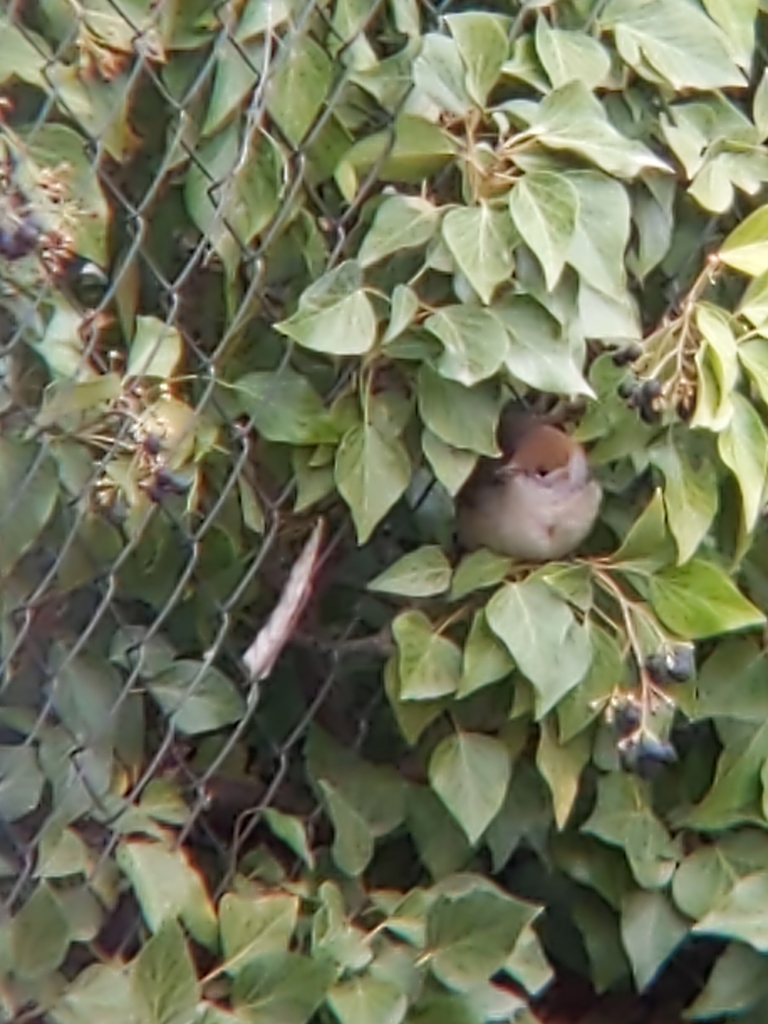
© Stefan Berndtsson · CC BY · iNaturalist 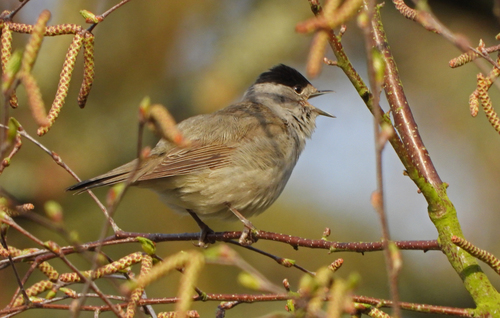
© Paul Lewis · CC BY · iNaturalist 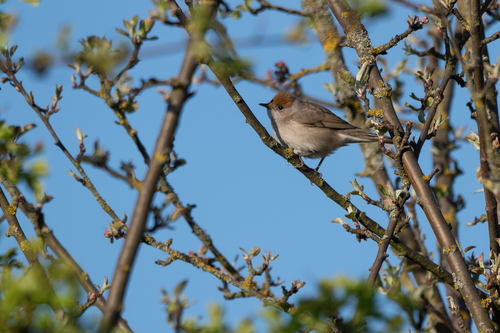
© Tomas Broucek · CC BY · iNaturalist 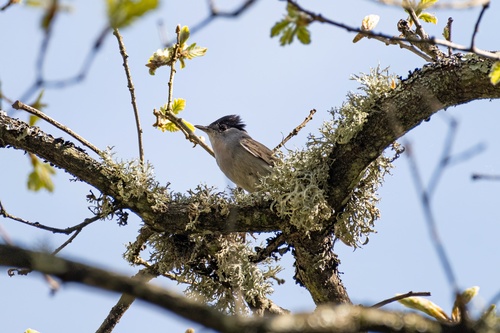
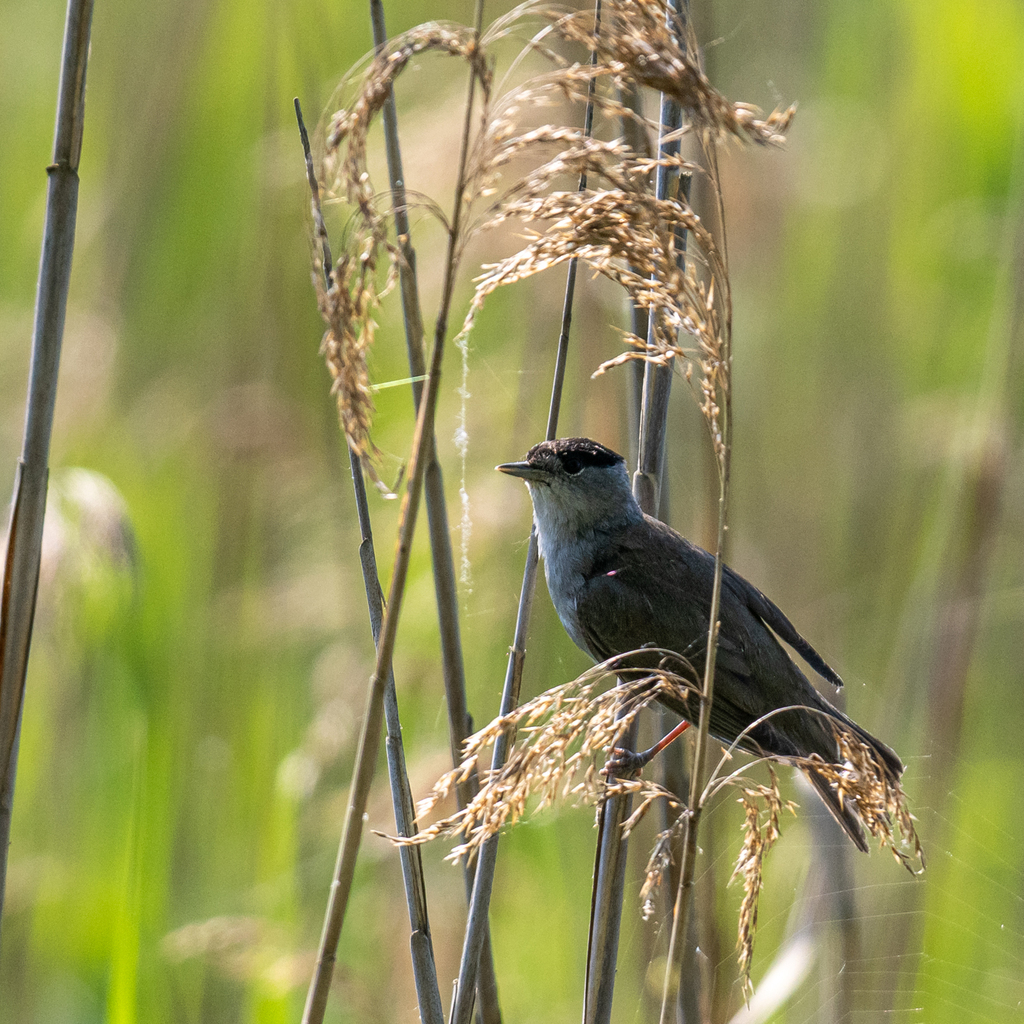
© Bruno Yamazaky · CC BY · iNaturalist 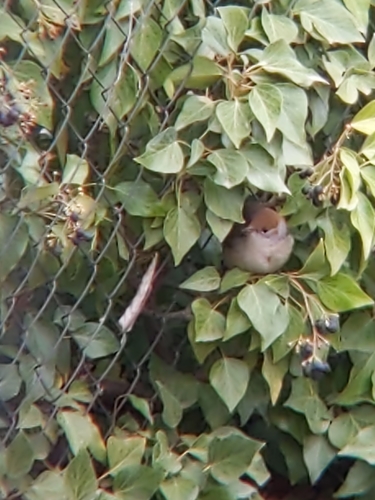
© castieler · CC BY · iNaturalist 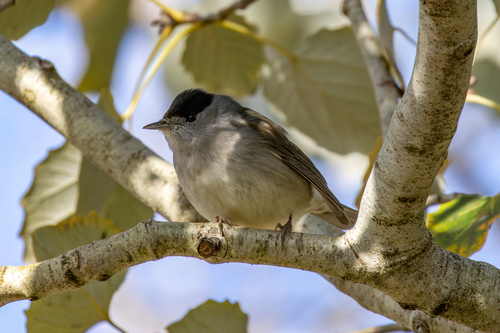
© Diego González Dopico · CC BY · iNaturalist 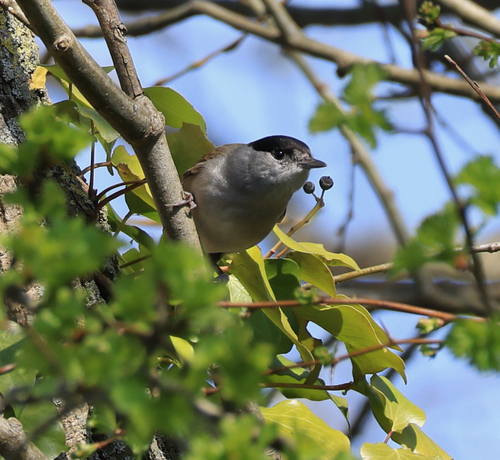
© Jerry Lanfear · CC BY · iNaturalist 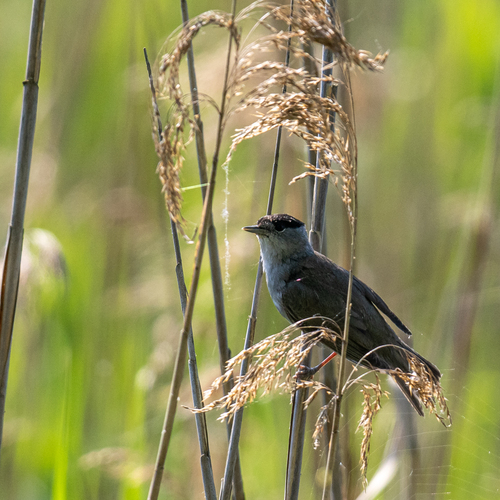
© Piotr Lukasik · CC BY · iNaturalist
Especies relacionadasRelated species
Otras aves de la familia Sylviidae y de órdenes cercanos.Other birds from the Sylviidae family and nearby orders.
- Poco comúnUncommon
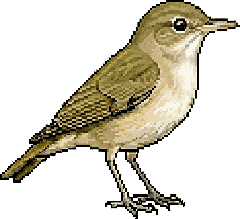 Curruca mosquiteraGarden WarblerSylvia borin
- LegendarioLegendary
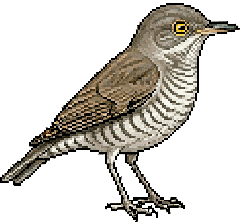 Curruca gavilanaBarred WarblerCurruca nisoria
- ÉpicoEpic
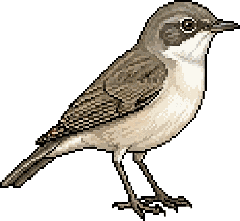 Curruca zarcerillaLesser WhitethroatCurruca curruca
- Poco comúnUncommon
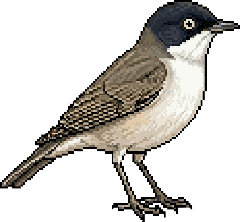 Curruca mirlona occidentalWestern Orphean WarblerCurruca hortensis
- LegendarioLegendary
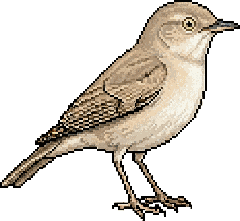 Curruca saharianaAfrican Desert WarblerCurruca deserti
- LegendarioLegendary
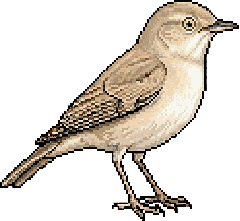 Curruca enanaDesert WhitethroatCurruca nana
- LegendarioLegendary
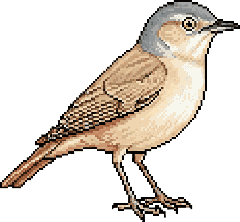 Curruca del AtlasTristram's WarblerCurruca deserticola
- LegendarioLegendary
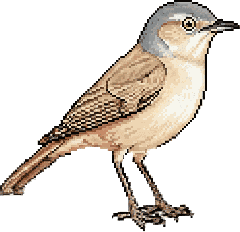 Curruca de RüppellRüppell's WarblerCurruca ruppeli
 Gratis, sin anuncios ni comprasFree, no ads, no purchases