 BirdPedy
Curruca cabecinegraSardinian Warbler
En 51 provincias en marzo y en 49 en febreroIn 51 provinces in March and 49 in February
Reporte de rarezaRarity report
Por qué es comúnWhy it is commonMuy abundante y característica del matorral mediterráneo. Inquieta y ruidosa, es muy frecuente incluso en parques y jardines urbanos.Very abundant and characteristic of Mediterranean scrubland. Restless and noisy, very frequent.
Cada carrizo es un mes: su altura, las provincias con registros de 2020 a 2024.Each reed is a month: its height, the provinces with records from 2020 to 2024.- Provincias con registrosProvinces with records
- 52 de 52of 52
- En la appIn the app
- Todo el añoAll year
- EnvergaduraWingspan
- 15-18 cm15-18 cm
- LongitudLength
- 13-14 cm13-14 cm
- Lista Roja de EspañaSpanish Red List
- LC Preocupación menorLeast Concern

Información generalGeneral Information
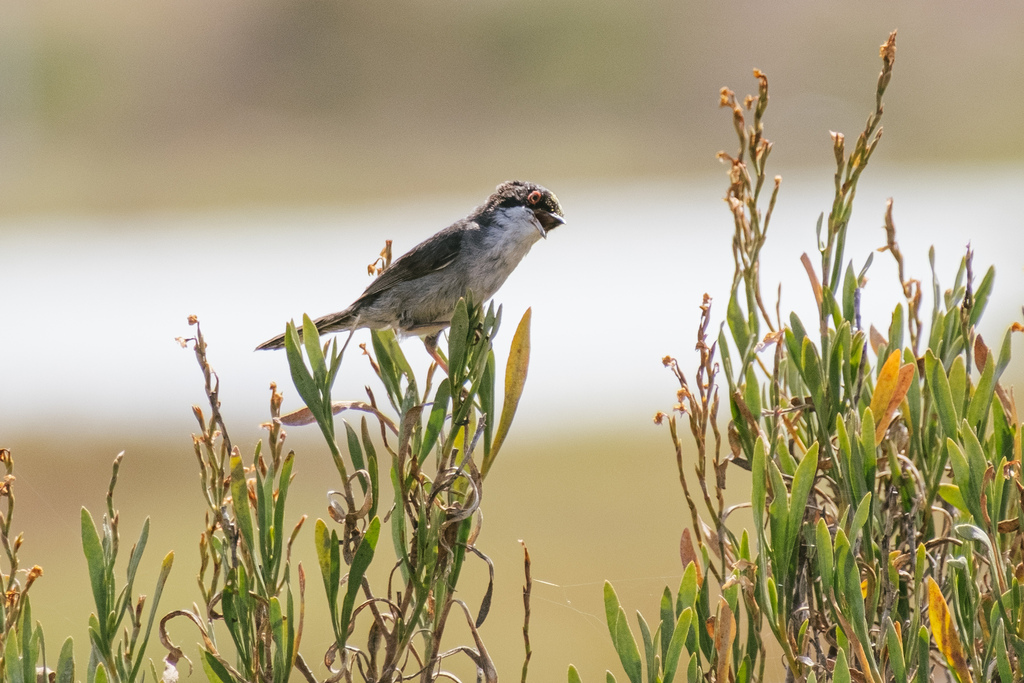
El oscuro capirote, llegando a negro en los machos, que se extiende por debajo del ojo y contrasta intensamente con la garganta blanquecina, y el llamativo anillo ocular rojo constituyen los principales rasgos distintivos de esta vistosa curruca, que frecuenta muchas de nuestras formaciones más características de matorral mediterráneo, por lo que resulta muy común en la mitad meridional de la Península y en Baleares. También es habitual en Canarias, donde vive una subespecie diferente. La especie se encuentra en expansión, quizá por estar beneficiándose del abandono del campo y de la invasión del matorral.The Sardinian Warbler is the 'queen' of the Spanish gardens and scrublands. It is one of our most common and beloved residents, found from the center of cities to the most remote coastal dunes. It is a bold and conspicuous bird that is always the first to sound the alarm. Its successful expansion northward is a classic example of how Mediterranean species are adapting to a changing climate. It is the energetic soul of the Spanish 'matorral'.
IdentificaciónIdentification
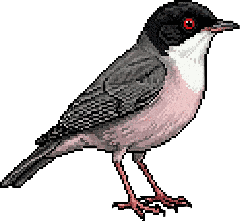
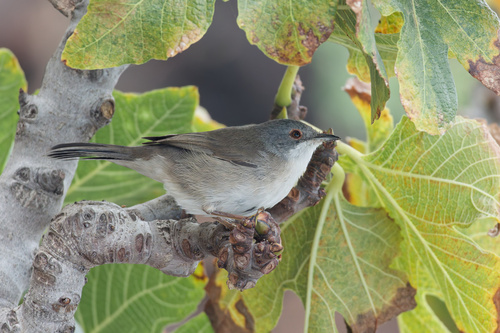
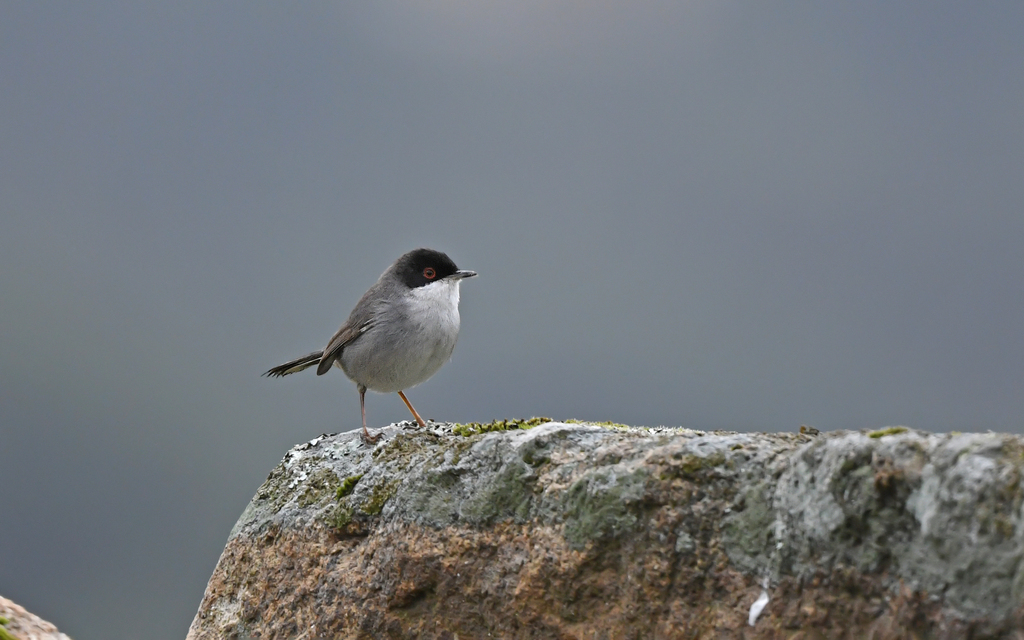
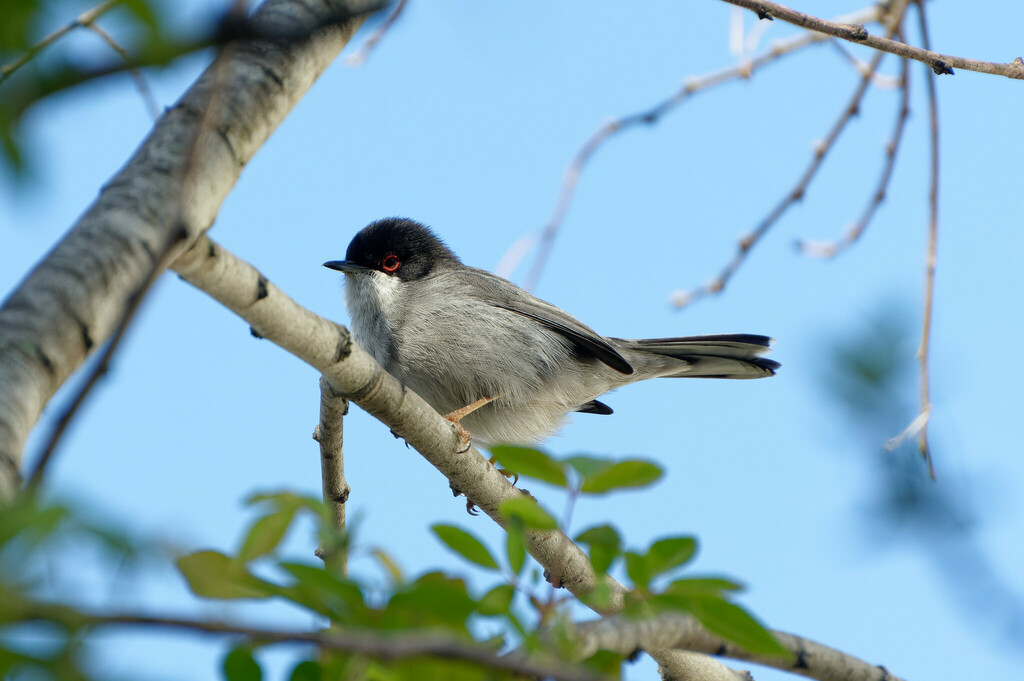
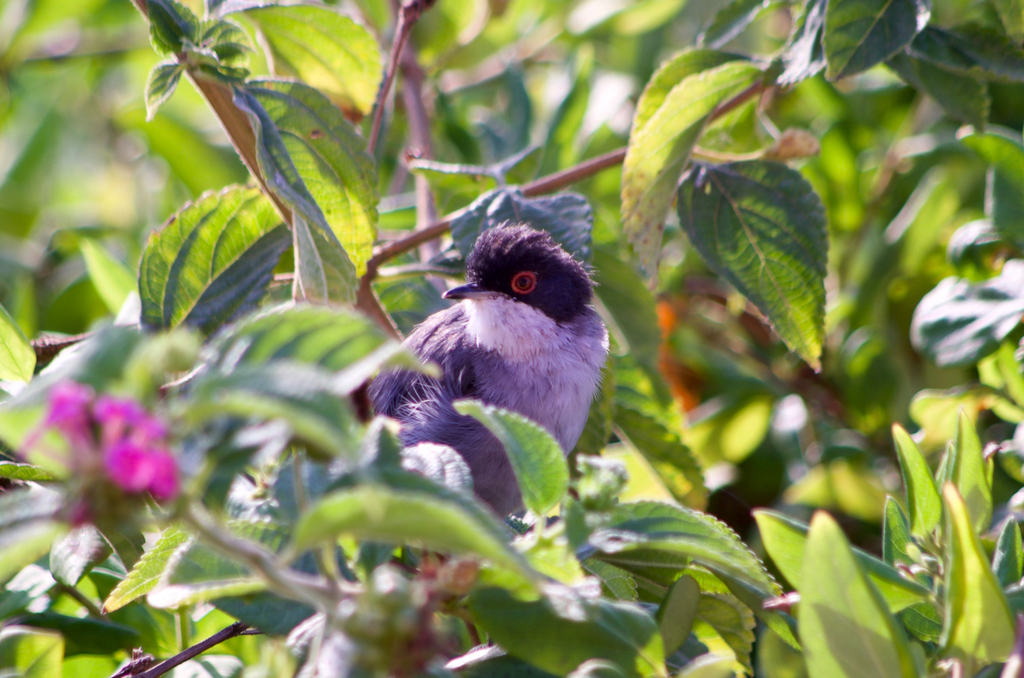
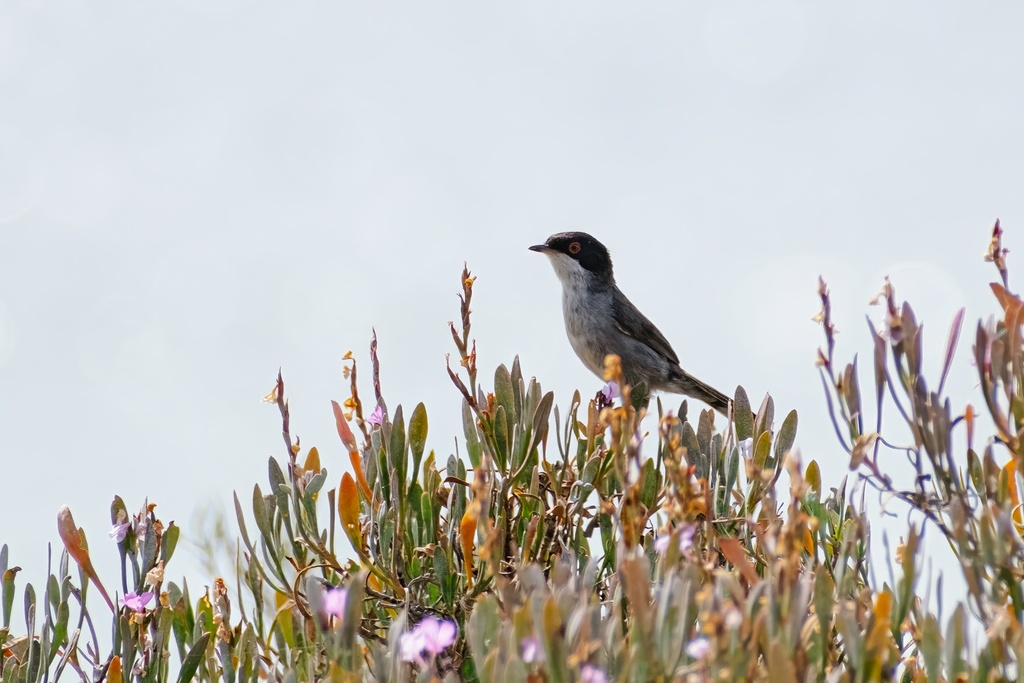
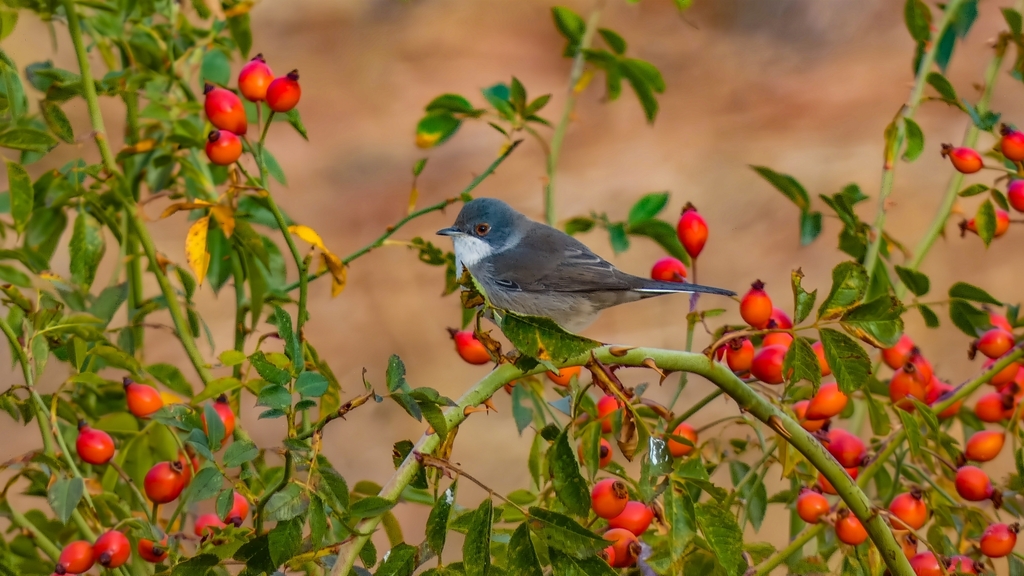
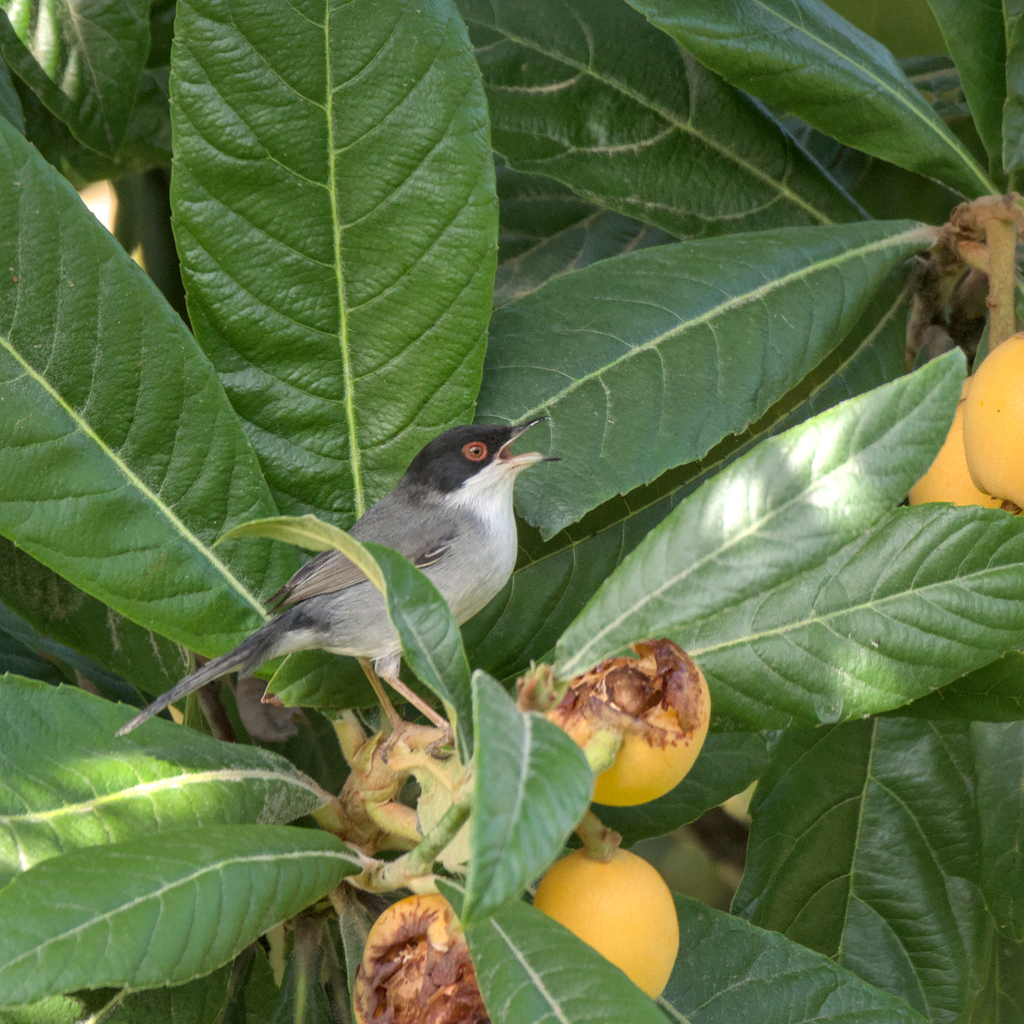
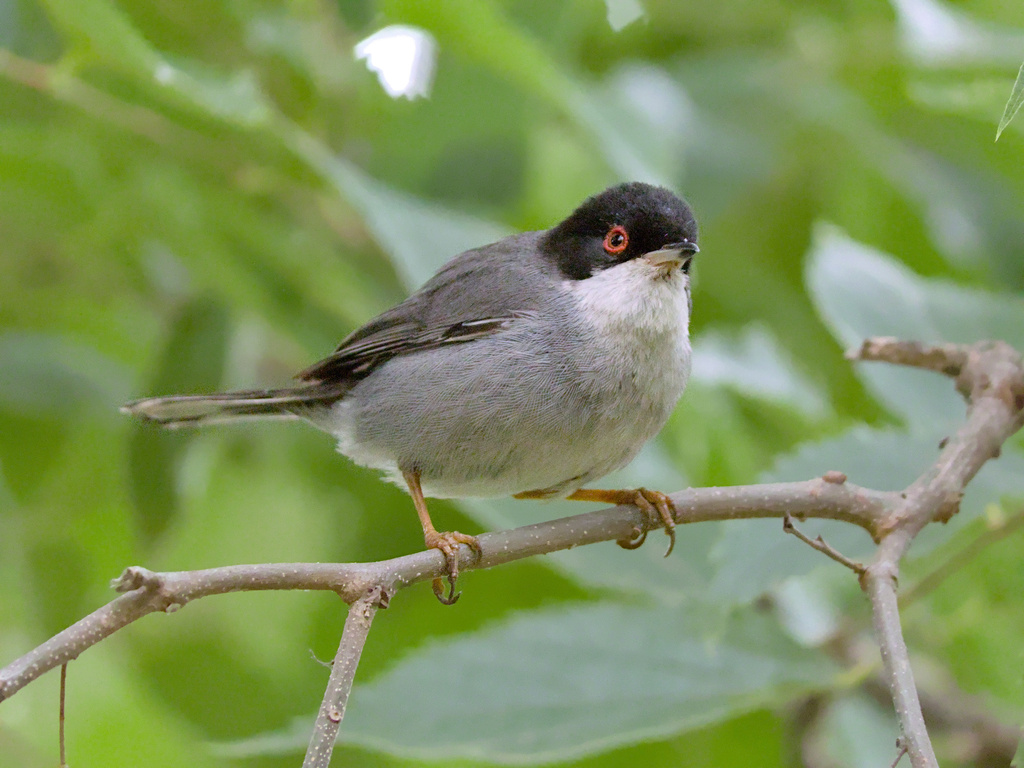
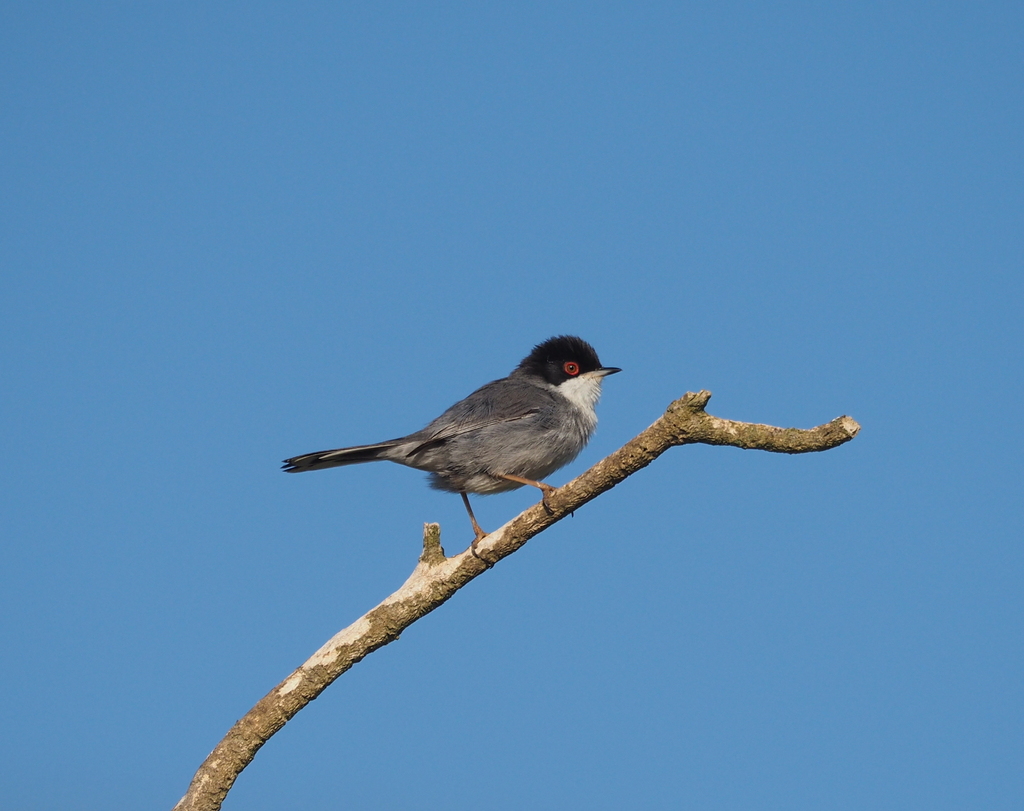
La curruca cabecinegra es un ave de capirote oscuro, que llega hasta debajo del ojo. Los machos presentan partes superiores de color grisáceo, en contraste con las inferiores, más pálidas, y poseen cabeza negra, en la que destacan el anillo ocular rojo y la garganta blanca (dibujo 1 y dibujo 2). Las hembras son más parduzcas en el dorso, con zonas ventrales de color pardo pálido y cabeza grisácea. Los dos sexos tienen el anillo ocular rojizo, las patas claras (anaranjadas en los machos) y las plumas externas de la cola blancas.A classic Mediterranean warbler. Males have a jet-black hood that contrasts sharply with a white throat and bold red eyes. The body is gray and the legs are orange-fleshy. Females are much more subtle, with a gray head and brownish body. It is highly active and constantly gives its characteristic 'rattling' alarm call.
DistribuciónDistribution
Ampliamente distribuida por la mitad sur peninsular, Baleares, Canarias, Ceuta y Melilla, esta curruca también penetra por el valle del Ebro hasta el País Vasco y el noreste de Castilla y León, y existe una población discontinua por el litoral cantábrico y las costas atlánticas gallegas. Se encuentra ausente o es muy escasa en la Meseta norte, la Cordillera Cantábrica, Pirineos, el Sistema Ibérico y Asturias. En la Península Ibérica y Baleares habita la subespecie melanocephala, mientras que en Canarias vive la subespecie leucogastra.Very common resident. Widespread across Central and Southern Spain, Baleares, and Canarias (ssp. Leucogastra). Expanding into the North. Absent from high mountain peaks.
Textos reproducidos con permiso de laTexts translated and reproduced with permission from the Guía de Aves de España © SEO/BirdLife
Estado de conservaciónConservation Status
- EX
- RE
- CR
- EN
- VU
- NT
- LC
Preocupación menorLeast Concern
Qué significa cada categoríaWhat each category means
- LC
- Preocupación menor: Taxón evaluado que no califica para categorías amenazadas. Especies abundantes y ampliamente distribuidasLeast Concern - Evaluated taxon that does not qualify for threatened categories. Widespread and abundant taxa
- NT
- Casi amenazada: No califica actualmente como amenazada, pero está cerca de calificar o es probable que califique en el futuro cercanoNear Threatened - Does not currently qualify as threatened, but is close to qualifying or likely to qualify in the near future
- VU
- Vulnerable: Enfrenta un alto riesgo de extinción en estado silvestre según los criterios A a E de IUCNVulnerable - Facing a high risk of extinction in the wild based on IUCN criteria A to E
- EN
- En peligro: Enfrenta un riesgo muy alto de extinción en estado silvestre según los criterios A a E de IUCNEndangered - Facing a very high risk of extinction in the wild based on IUCN criteria A to E
- CR
- En peligro crítico: Enfrenta un riesgo extremadamente alto de extinción en estado silvestre según los criterios A a E de IUCNCritically Endangered - Facing an extremely high risk of extinction in the wild based on IUCN criteria A to E
- DD
- Datos insuficientes: Información inadecuada para evaluar el riesgo de extinción basándose en distribución o estado poblacionalData Deficient - Inadequate information to assess extinction risk based on distribution and/or population status
- NE
- No evaluada: No ha sido evaluada aún contra los criterios de la Lista Roja de IUCNNot Evaluated - Has not yet been assessed against the IUCN Red List criteria
- RE
- Extinta regionalmente: El taxón ya no existe en la región específica, aunque puede sobrevivir en otros lugaresRegionally Extinct - Taxon no longer exists in the specific region, though it may survive elsewhere
- EX
- Extinta - No existe duda razonable de que ha muerto el último individuo del taxónExtinct - No reasonable doubt that the last individual of the taxon has died
TaxonomíaTaxonomy
- OrdenOrder
- Passeriformes
- FamiliaFamily
- Sylviidae
Presencia en EspañaPresence in Spain
- HabitualRegular
- ResidenteResident
En la app: todo el año.In the app: all year.
Dónde verlaWhere to see it
3.950 cuadrículas de 10 km con registros de 2020 a 2024. Toca un mes para ver dónde se ha visto.3,950 10 km squares with records from 2020 to 2024. Pick a month to see where it has been seen.
Cargando el mapa…Loading the map…
Dónde es regularWhere it is regular
Provincias con registros en al menos 3 de los 5 años algún mes, de más a menos frecuente, y sus mejores meses.Provinces with records in at least 3 of the 5 years in some month, from most to least frequent, and their best months.
- CeutaCeutaseptiembre, febrero, octubreSeptember, February, October
- BalearesBalearic Islandsseptiembre, octubre, agostoSeptember, October, August
- MurciaMurciaoctubre, diciembre, noviembreOctober, December, November
- AlmeríaAlmeríajunio, febrero, octubreJune, February, October
- BarcelonaBarcelonaoctubre, septiembre, diciembreOctober, September, December
- MálagaMálagaseptiembre, octubre, agostoSeptember, October, August
- AlicanteAlicantejunio, febrero, mayoJune, February, May
- CastellónCastellónenero, diciembre, febreroJanuary, December, February
- JaénJaéndiciembre, noviembre, eneroDecember, November, January
- HuelvaHuelvaoctubre, noviembre, septiembreOctober, November, September
Ver las 50 provinciasSee all 50 provinces
- GranadaGranadanoviembre, diciembre, marzoNovember, December, March
- CádizCádizoctubre, junio, agostoOctober, June, August
- ValenciaValencianoviembre, diciembre, octubreNovember, December, October
- Santa Cruz de TenerifeSanta Cruz de Tenerifeseptiembre, octubre, noviembreSeptember, October, November
- CáceresCáceresoctubre, septiembre, noviembreOctober, September, November
- TarragonaTarragonanoviembre, enero, diciembreNovember, January, December
- CórdobaCórdobaagosto, octubre, febreroAugust, October, February
- MelillaMelillaenero, abrilJanuary, April
- GuadalajaraGuadalajaranoviembre, diciembre, octubreNovember, December, October
- LleidaLleidadiciembre, noviembre, octubreDecember, November, October
- BadajozBadajozoctubre, noviembre, diciembreOctober, November, December
- HuescaHuescadiciembre, noviembre, octubreDecember, November, October
- SevillaSevillanoviembre, octubre, diciembreNovember, October, December
- GironaGironaoctubre, diciembre, noviembreOctober, December, November
- ZaragozaZaragozaoctubre, noviembre, diciembreOctober, November, December
- Las PalmasLas Palmasenero, noviembre, febreroJanuary, November, February
- ToledoToledonoviembre, octubre, diciembreNovember, October, December
- NavarraNavarranoviembre, diciembre, octubreNovember, December, October
- AlbaceteAlbaceteoctubre, noviembre, agostoOctober, November, August
- AsturiasAsturiasoctubre, noviembre, diciembreOctober, November, December
- Ciudad RealCiudad Realnoviembre, diciembre, agostoNovember, December, August
- MadridMadridoctubre, diciembre, noviembreOctober, December, November
- La RiojaLa Riojanoviembre, octubre, diciembreNovember, October, December
- LugoLugonoviembre, octubre, diciembreNovember, October, December
- TeruelTeruelnoviembre, octubre, septiembreNovember, October, September
- OurenseOurensediciembre, febrero, octubreDecember, February, October
- A CoruñaA Coruñanoviembre, octubre, marzoNovember, October, March
- PontevedraPontevedraoctubre, noviembre, marzoOctober, November, March
- CantabriaCantabrianoviembre, octubre, septiembreNovember, October, September
- CuencaCuencanoviembre, agosto, diciembreNovember, August, December
- VizcayaVizcayanoviembre, octubre, septiembreNovember, October, September
- ÁlavaÁlavamayo, junio, abrilMay, June, April
- SalamancaSalamancaagosto, julio, diciembreAugust, July, December
- ÁvilaÁviladiciembre, febrero, octubreDecember, February, October
- GuipúzcoaGuipúzcoaseptiembre, octubre, agostoSeptember, October, August
- ZamoraZamoraagosto, septiembre, octubreAugust, September, October
- LeónLeónenero, noviembre, octubreJanuary, November, October
- SegoviaSegoviaabril, mayo, septiembreApril, May, September
- SoriaSorianoviembre, diciembre, septiembreNovember, December, September
- BurgosBurgosoctubre, agosto, septiembreOctober, August, September
Datos: registros en GBIF de 2020 a 2024 de Observation.org, eBird, iNaturalist y el ICO, descargados el 23/10/2026.Data: GBIF records from 2020 to 2024 from Observation.org, eBird, iNaturalist and the ICO, downloaded on 23/10/2026. GBIF.org (23 October 2026) GBIF Occurrence Download · doi:10.15468/dl.r5sf2a · CC BY-NC 4.0
GaleríaGallery
© Donald Davesne · CC BY · iNaturalist 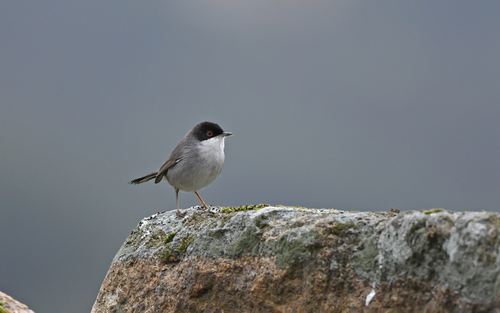
© Christoph Moning · CC BY · iNaturalist 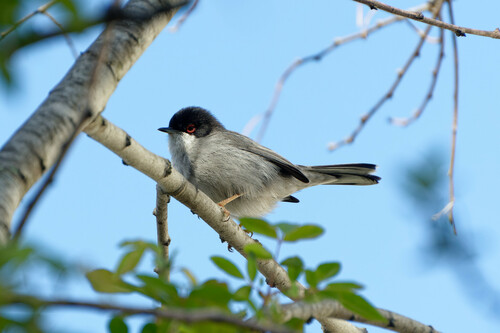
© Donald Davesne · CC BY · iNaturalist 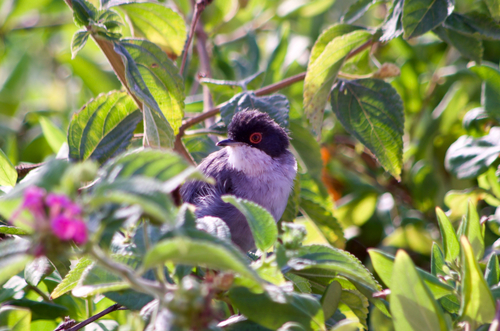
© Codrin Bucur · CC BY · iNaturalist 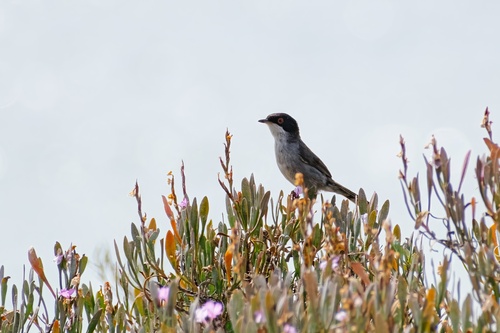
© Bruno Peixoto · CC BY · iNaturalist 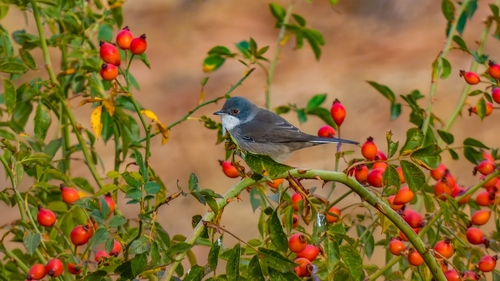
© antoterryn · CC BY · iNaturalist 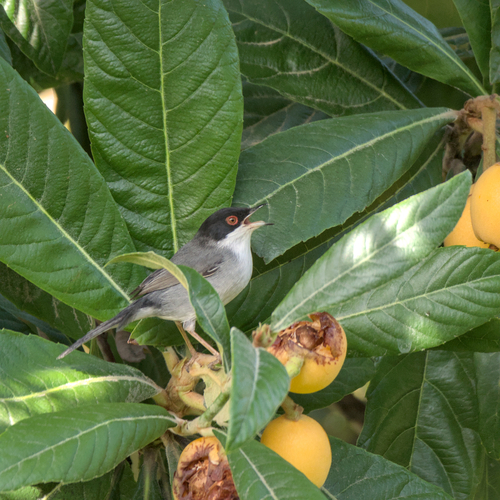
© Micah Carrick · CC BY · iNaturalist 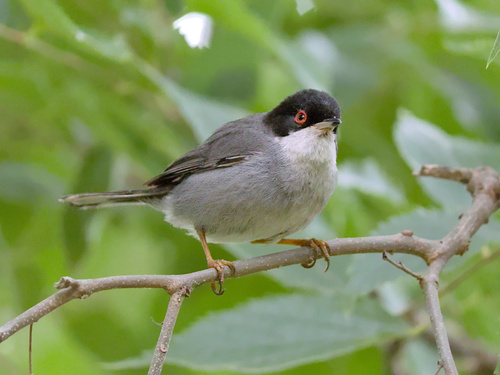
© Cristian Hurtado Cusnir · CC BY · iNaturalist 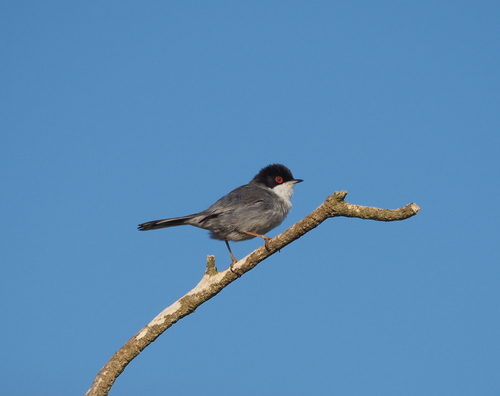
© carnifex · CC BY · iNaturalist 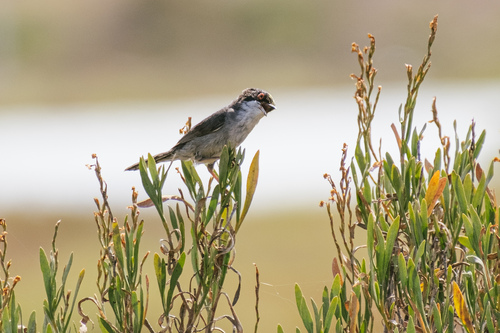
© Bruno Peixoto · CC BY · iNaturalist
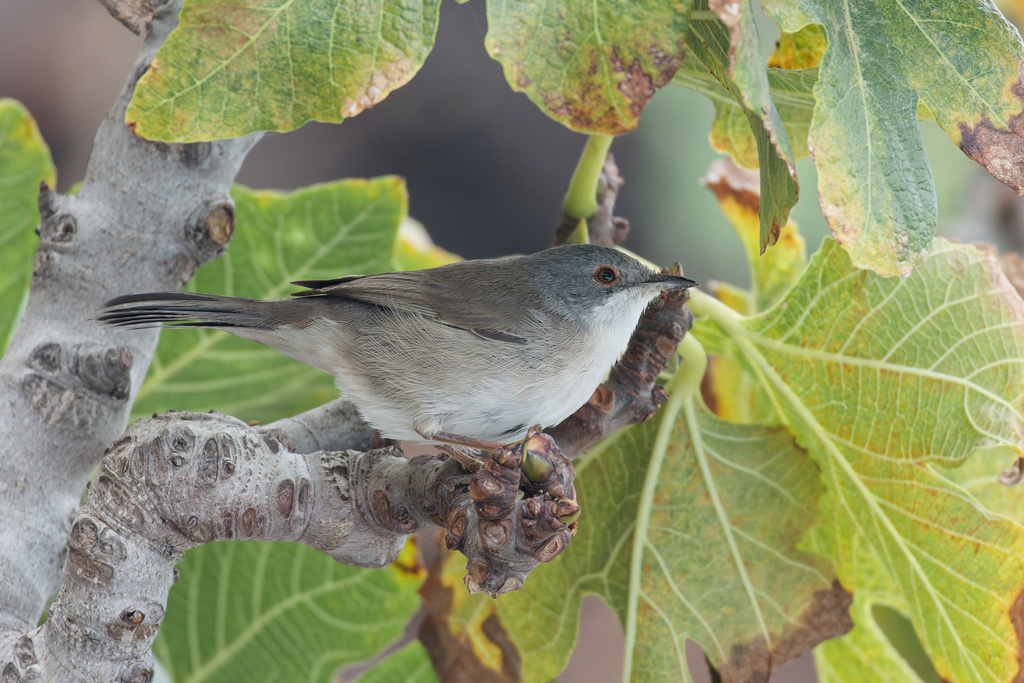
Especies relacionadasRelated species
Otras aves de la familia Sylviidae y de órdenes cercanos.Other birds from the Sylviidae family and nearby orders.
- RaroRare
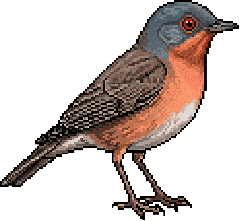 Curruca tirrénicaMoltoni's WarblerCurruca subalpina
- LegendarioLegendary
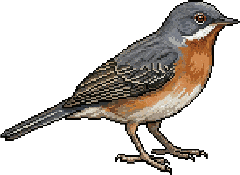 Curruca carrasqueña orientalEastern Subalpine WarblerCurruca cantillans
- Poco comúnUncommon
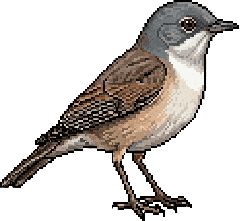 Curruca zarceraCommon WhitethroatCurruca communis
- LegendarioLegendary
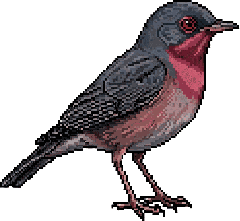 Curruca sardaMarmora's WarblerCurruca sarda
- RaroRare
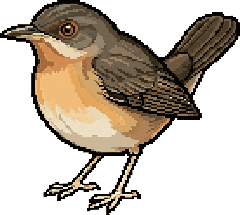 Curruca balearBalearic WarblerCurruca balearica
- ComúnCommon
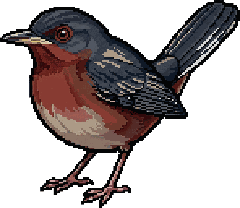 Curruca rabilargaDartford WarblerCurruca undata
- Poco comúnUncommon
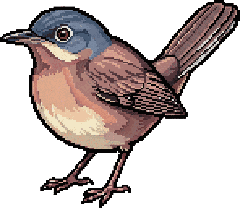 Curruca tomilleraSpectacled WarblerCurruca conspicillata
- ComúnCommon
 Curruca carrasqueña occidentalWestern Subalpine WarblerCurruca iberiae
 Gratis, sin anuncios ni comprasFree, no ads, no purchases