 BirdPedy
Carricero tordalGreat Reed Warbler
En 47 provincias en mayo y sin registros un mes del añoIn 47 provinces in May, and no records in one month of the year
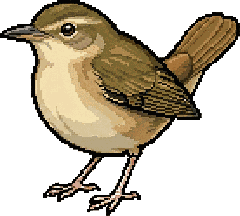
Reporte de rarezaRarity report
Por qué es poco comúnWhy it is uncommonEntre 2020 y 2024 se vio en España en 2.260 ocasiones distintas, repartidas en 1.019 días, todos los años (datos de Observation.org, eBird, iNaturalist y el ICO publicados en GBIF). En la provincia mediana, 1 de cada 1.100 registros de aves es suyo. En la guía de aves de SEO/BirdLife figura como habitual en España.Between 2020 and 2024 it was seen in Spain on 2,260 separate occasions, spread over 1,019 days, every year (data from Observation.org, eBird, iNaturalist and ICO published on GBIF). In the median province, 1 in every 1,100 bird records is of this species. SEO/BirdLife's bird guide lists it as regular in Spain.
Cada carrizo es un mes: su altura, las provincias con registros de 2020 a 2024.Each reed is a month: its height, the provinces with records from 2020 to 2024.- Provincias con registrosProvinces with records
- 48 de 52of 52
- En la appIn the app
- Marzo a octubreMarch to October
- EnvergaduraWingspan
- 24-29 cm24-29 cm
- LongitudLength
- 19-20 cm19-20 cm
- Lista Roja de EspañaSpanish Red List
- NT Casi amenazadaNear Threatened

Información generalGeneral Information
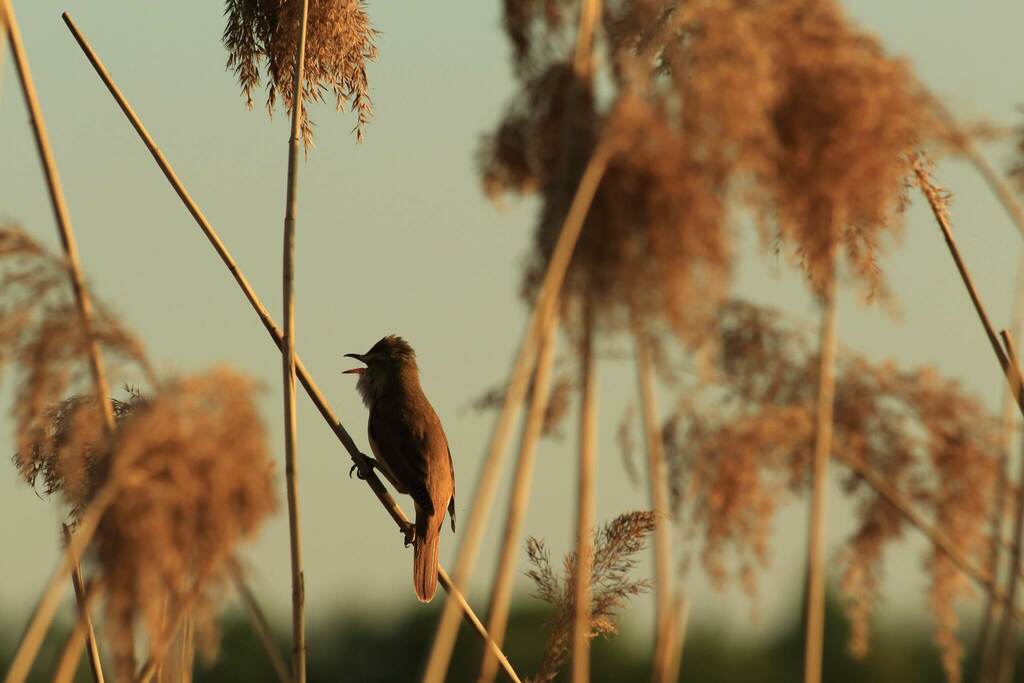
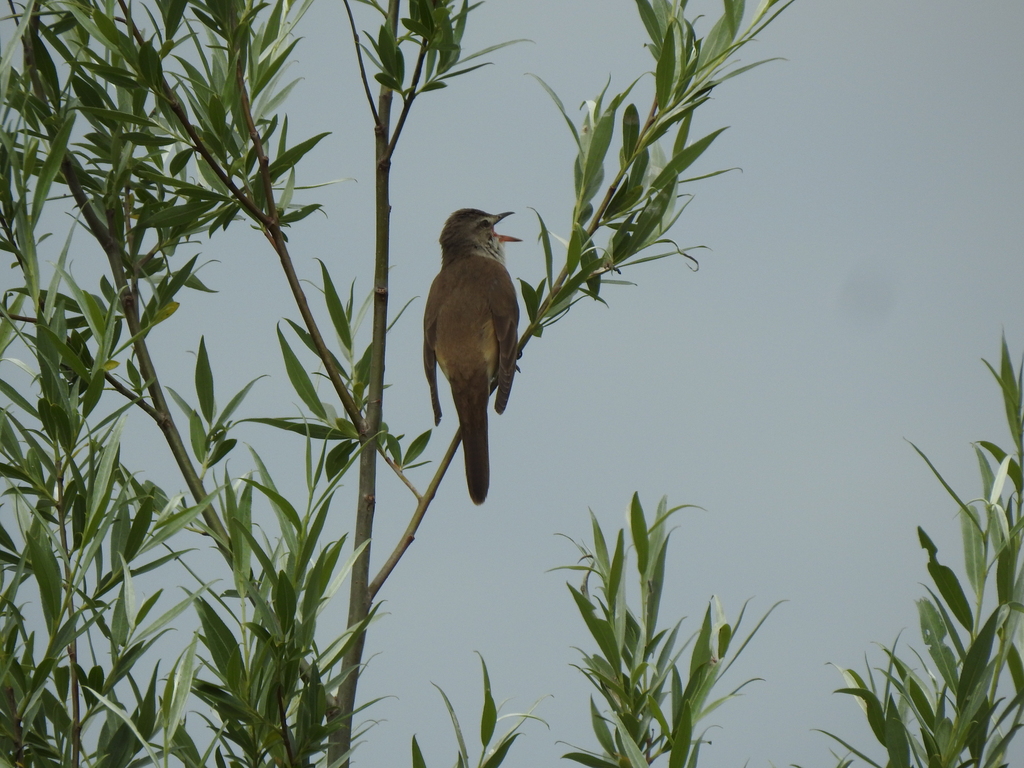
Pájaro bastante robusto y el mayor de los carriceros. Se trata de un migrante estival, y ocupa zonas de vegetación palustre densa formada por carrizales, espadañales y cañaverales, donde resulta más fácil detectarlo por su carraspeante y potente canto, audible a gran distancia. Se distribuye por los grandes valles fluviales peninsulares, así como por Baleares, donde se instala en humedales, tanto naturales como artificiales, y en zonas ribereñas con presencia de vegetación palustre.If the Reed Warbler is the 'singer,' the Great Reed Warbler is the 'prophet' of the marsh. Its voice is one of the most powerful in the bird world. It requires high-quality, sturdy reedbeds (Phragmites) near open water. It is a summer visitor that brings a touch of African-style sound to our rivers and deltas. Its bulky shape and powerful bill are adapted for catching large insects and even small amphibians.
IdentificaciónIdentification
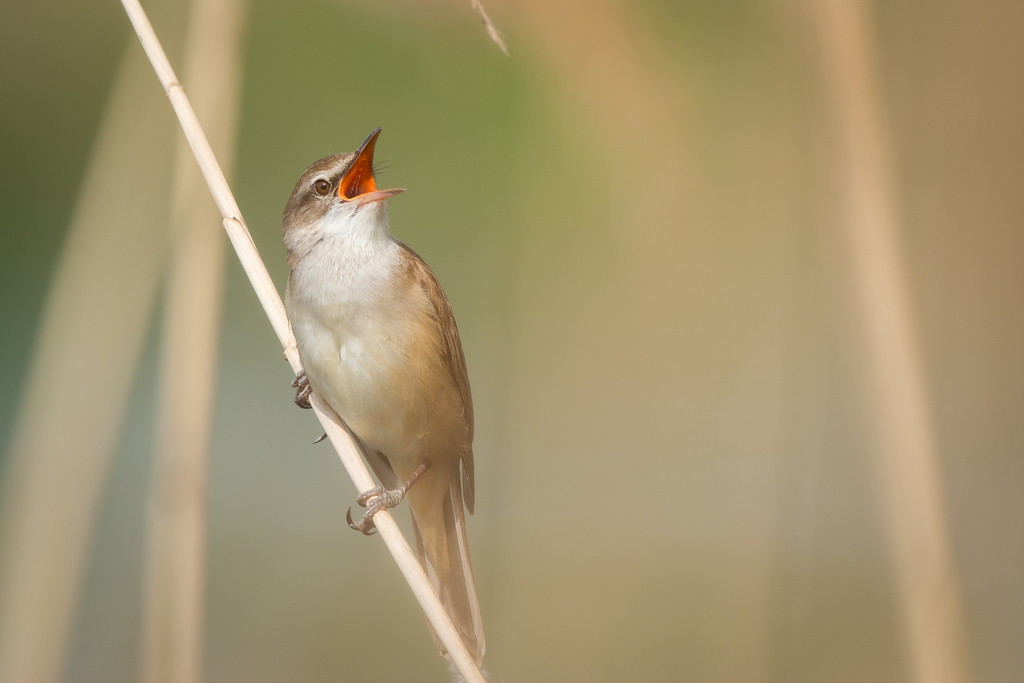
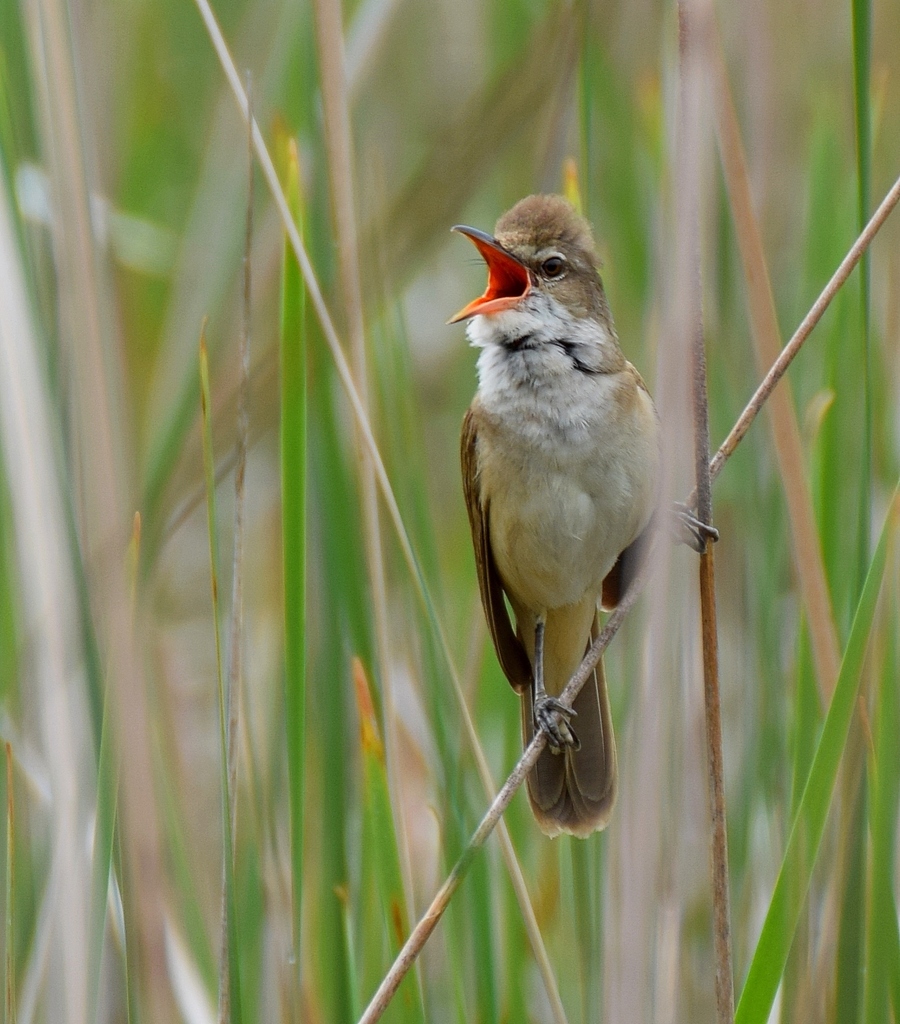
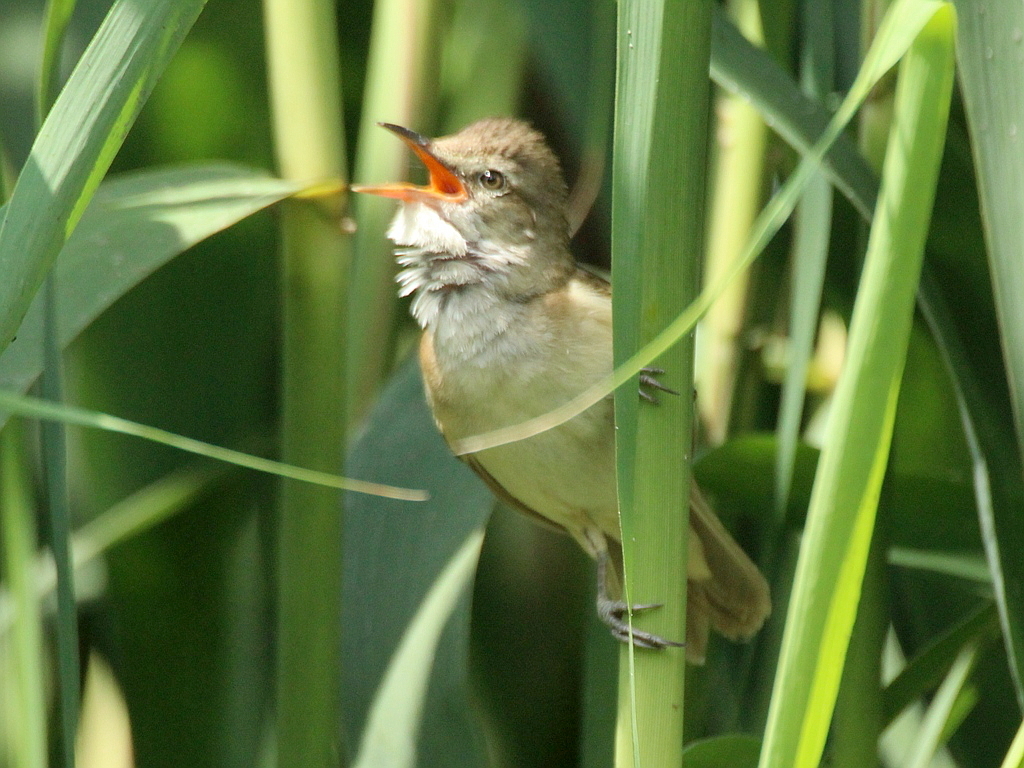
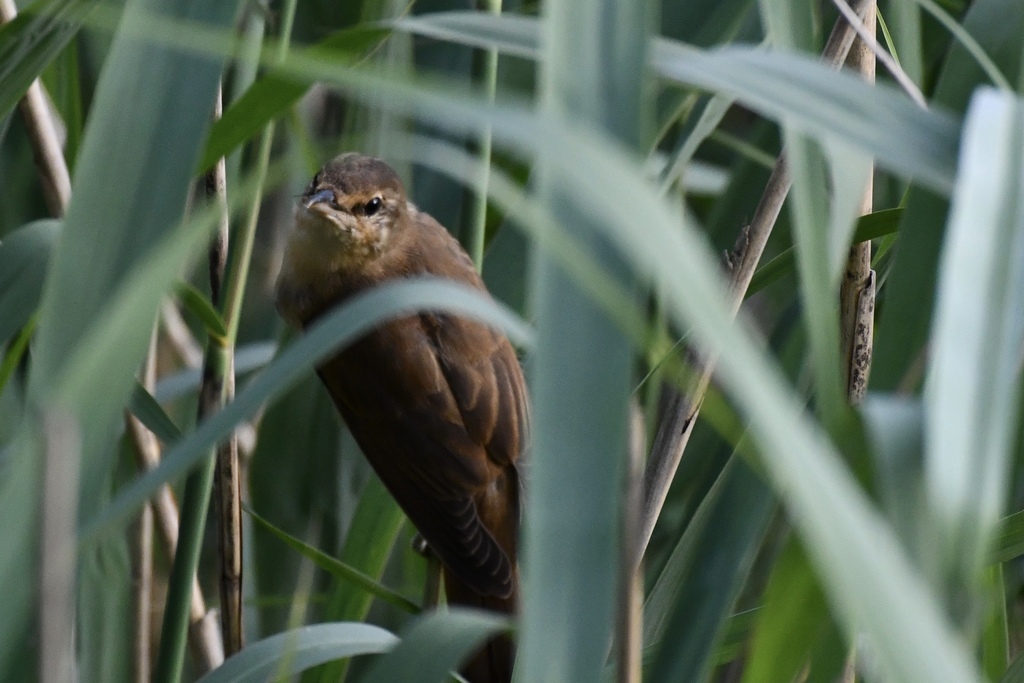
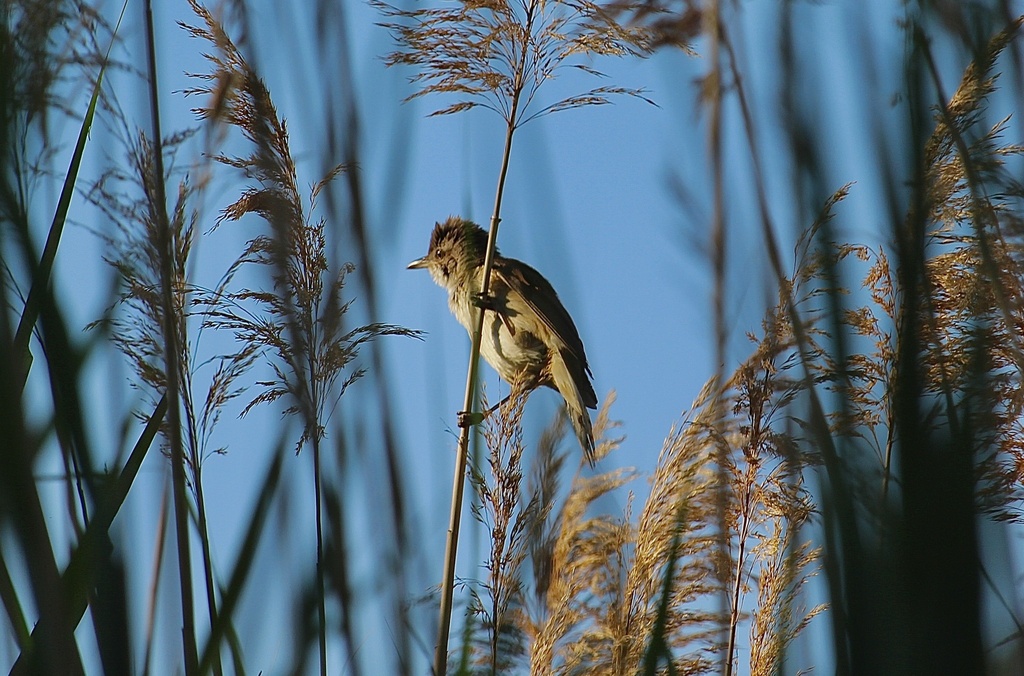
El carricero tordal es, de entre los carriceros y carricerines, la especie más robusta. De tonos pardos uniformes, es similar al carricero común, aunque notablemente mayor y con el pico más grande. Presenta el dorso marrón rojizo o grisáceo, según la edad y el desgaste de la pluma, y tiene las partes inferiores de tonos pardo-amarillentos. Ambos sexos son iguales.The largest and most robust of the reed warblers, almost the size of a thrush. It is similar in color to the Reed Warbler but much bulkier with a massive, heavy bill. It is easily detected by its incredible, rasping, and powerful song—a series of 'karre-karre-kreet-kreet' notes that can be heard from nearly a kilometer away. It is an aggressive and dominant bird within the reedbeds.
DistribuciónDistribution
La subespecie arundinaceus es la presente en Europa y España. Como nidificante, este pájaro se halla bien repartido en la Península, aunque de forma discontinua, por las principales cuencas fluviales (Ebro, Duero, Tajo, Guadiana y Guadalquivir), el Levante y las islas Baleares. Está ausente de Canarias, Ceuta y Melilla. Es escaso en la meseta Sur, sureste árido peninsular y litoral mediterráneo andaluz, así como en gran parte de León, Asturias y Galicia, donde se presenta casi exclusivamente en la costa y en unas pocas localidades aisladas del interior.Breeder across the major river basins (Duero, Ebro, Tagus, Guadiana, Guadalquivir), Mediterranean coast, and Balearics. Absent from Canary Islands. Scarcer in the north (Galicia, Asturias). Subspecies 'arundinaceus'.
Textos reproducidos con permiso de laTexts translated and reproduced with permission from the Guía de Aves de España © SEO/BirdLife
Estado de conservaciónConservation Status
- EX
- RE
- CR
- EN
- VU
- NT
- LC
Casi amenazadaNear Threatened
Qué significa cada categoríaWhat each category means
- LC
- Preocupación menor: Taxón evaluado que no califica para categorías amenazadas. Especies abundantes y ampliamente distribuidasLeast Concern - Evaluated taxon that does not qualify for threatened categories. Widespread and abundant taxa
- NT
- Casi amenazada: No califica actualmente como amenazada, pero está cerca de calificar o es probable que califique en el futuro cercanoNear Threatened - Does not currently qualify as threatened, but is close to qualifying or likely to qualify in the near future
- VU
- Vulnerable: Enfrenta un alto riesgo de extinción en estado silvestre según los criterios A a E de IUCNVulnerable - Facing a high risk of extinction in the wild based on IUCN criteria A to E
- EN
- En peligro: Enfrenta un riesgo muy alto de extinción en estado silvestre según los criterios A a E de IUCNEndangered - Facing a very high risk of extinction in the wild based on IUCN criteria A to E
- CR
- En peligro crítico: Enfrenta un riesgo extremadamente alto de extinción en estado silvestre según los criterios A a E de IUCNCritically Endangered - Facing an extremely high risk of extinction in the wild based on IUCN criteria A to E
- DD
- Datos insuficientes: Información inadecuada para evaluar el riesgo de extinción basándose en distribución o estado poblacionalData Deficient - Inadequate information to assess extinction risk based on distribution and/or population status
- NE
- No evaluada: No ha sido evaluada aún contra los criterios de la Lista Roja de IUCNNot Evaluated - Has not yet been assessed against the IUCN Red List criteria
- RE
- Extinta regionalmente: El taxón ya no existe en la región específica, aunque puede sobrevivir en otros lugaresRegionally Extinct - Taxon no longer exists in the specific region, though it may survive elsewhere
- EX
- Extinta - No existe duda razonable de que ha muerto el último individuo del taxónExtinct - No reasonable doubt that the last individual of the taxon has died
TaxonomíaTaxonomy
- OrdenOrder
- Passeriformes
- FamiliaFamily
- Acrocephalidae
Presencia en EspañaPresence in Spain
- EstivalSummer visitor
- HabitualRegular
En la app: marzo a octubre.In the app: March to October.
Dónde verlaWhere to see it
1.178 cuadrículas de 10 km con registros de 2020 a 2024. Toca un mes para ver dónde se ha visto.1,178 10 km squares with records from 2020 to 2024. Pick a month to see where it has been seen.
Cargando el mapa…Loading the map…
Dónde es regularWhere it is regular
Provincias con registros en al menos 3 de los 5 años algún mes, de más a menos frecuente, y sus mejores meses.Provinces with records in at least 3 of the 5 years in some month, from most to least frequent, and their best months.
- Ciudad RealCiudad Realmayo, junio, abrilMay, June, April
- AlbaceteAlbacetejunio, mayo, abrilJune, May, April
- AlicanteAlicantemayo, abril, julioMay, April, July
- TarragonaTarragonamayo, junio, julioMay, June, July
- GironaGironamayo, junio, abrilMay, June, April
- TeruelTerueljunio, mayo, julioJune, May, July
- PalenciaPalenciamayo, junio, agostoMay, June, August
- ValenciaValenciajunio, mayo, abrilJune, May, April
- NavarraNavarrajunio, mayo, julioJune, May, July
- ToledoToledojunio, mayo, abrilJune, May, April
Ver las 42 provinciasSee all 42 provinces
- ZaragozaZaragozamayo, junio, julioMay, June, July
- CastellónCastellónmayo, abril, junioMay, April, June
- SevillaSevillamayo, abril, junioMay, April, June
- HuescaHuescamayo, abril, junioMay, April, June
- ÁlavaÁlavamayo, junio, julioMay, June, July
- CuencaCuencajunio, mayo, julioJune, May, July
- BalearesBalearic Islandsjunio, abril, mayoJune, April, May
- LleidaLleidamayo, junio, abrilMay, June, April
- La RiojaLa Riojajunio, mayo, julioJune, May, July
- BadajozBadajozmayo, junio, abrilMay, June, April
- ValladolidValladolidjunio, mayo, abrilJune, May, April
- ZamoraZamoramayo, junio, abrilMay, June, April
- BarcelonaBarcelonamayo, junio, abrilMay, June, April
- LeónLeónmayo, abril, junioMay, April, June
- HuelvaHuelvamayo, junio, abrilMay, June, April
- SoriaSoriamayo, junio, julioMay, June, July
- CáceresCáceresmayo, junio, abrilMay, June, April
- BurgosBurgosmayo, junio, agostoMay, June, August
- MurciaMurciajunio, mayo, abrilJune, May, April
- MadridMadridmayo, junio, agostoMay, June, August
- SegoviaSegoviajunio, mayo, agostoJune, May, August
- AlmeríaAlmeríamayo, abril, junioMay, April, June
- GuadalajaraGuadalajaramayo, junio, julioMay, June, July
- ÁvilaÁvilajunio, mayo, julioJune, May, July
- OurenseOurensemayo, abrilMay, April
- CórdobaCórdobamayo, junio, abrilMay, June, April
- SalamancaSalamancamayo, junio, abrilMay, June, April
- GranadaGranadajunio, abril, agostoJune, April, August
- CádizCádizmayo, junio, abrilMay, June, April
- CantabriaCantabriajunio, mayo, julioJune, May, July
- JaénJaénmayoMay
- MálagaMálagamayo, junio, abrilMay, June, April
Datos: registros en GBIF de 2020 a 2024 de Observation.org, eBird, iNaturalist y el ICO, descargados el 23/10/2026.Data: GBIF records from 2020 to 2024 from Observation.org, eBird, iNaturalist and the ICO, downloaded on 23/10/2026. GBIF.org (23 October 2026) GBIF Occurrence Download · doi:10.15468/dl.r5sf2a · CC BY-NC 4.0
GaleríaGallery

© Tomas Broucek · CC BY · iNaturalist 
© Kostas Zontanos · CC BY · iNaturalist 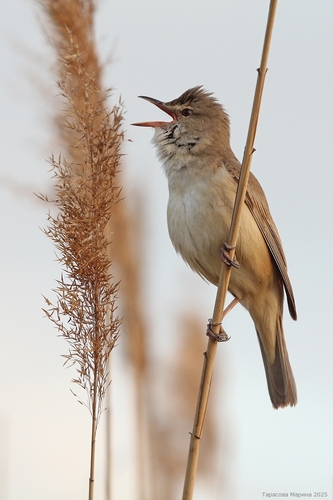
© Марина Тарасова · CC BY · iNaturalist 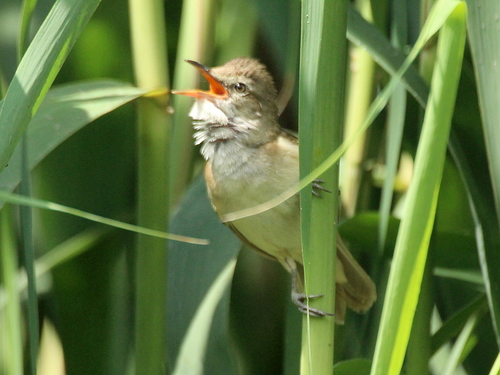
© Andrew Bazdyrev · CC BY · iNaturalist 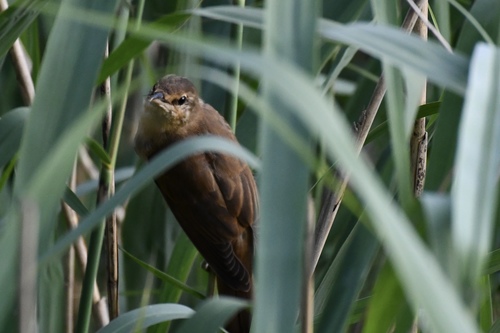
© rober025 · CC BY · iNaturalist 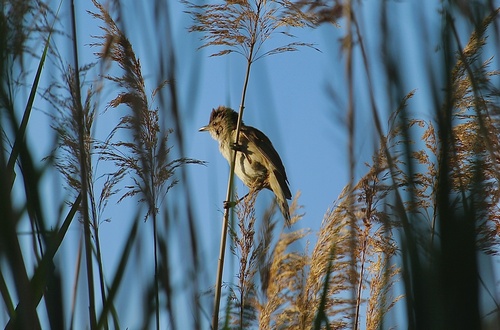
© eloise kerroux · CC BY · iNaturalist 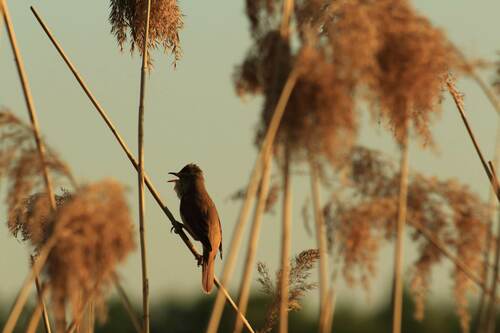
© mrkisaolamb · CC BY · iNaturalist 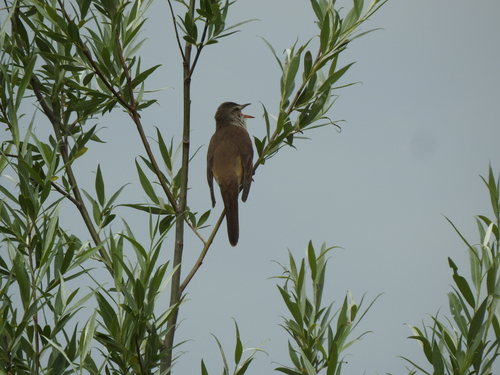
© Hannes Oberreiter · CC BY · iNaturalist

Especies relacionadasRelated species
Otras aves de la familia Acrocephalidae y de órdenes cercanos.Other birds from the Acrocephalidae family and nearby orders.
- Poco comúnUncommon
 Zarcero bereberWestern Olivaceous WarblerIduna opaca
- ComúnCommon
 Zarcero políglotaMelodious WarblerHippolais polyglotta
- RaroRare
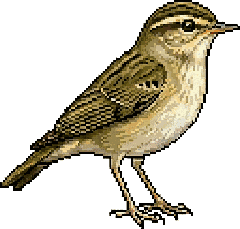 Carricerín cejudoAquatic WarblerAcrocephalus paludicola
- LegendarioLegendary
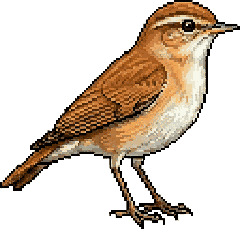 Carricero agrícolaPaddyfield WarblerAcrocephalus agricola
- LegendarioLegendary
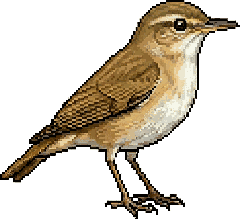 Carricero de BlythBlyth's Reed WarblerAcrocephalus dumetorum
- LegendarioLegendary
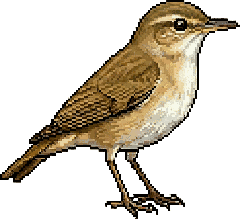 Carricero políglotaMarsh WarblerAcrocephalus palustris
- LegendarioLegendary
 Zarcero escitaBooted WarblerIduna caligata
- LegendarioLegendary
 Zarcero pálidoEastern Olivaceous WarblerIduna pallida
 Gratis, sin anuncios ni comprasFree, no ads, no purchases