 BirdPedy
Cetia ruiseñorCetti's Warbler
En 50 provincias en febrero y en 48 en eneroIn 50 provinces in February and 48 in January
Reporte de rarezaRarity report
Por qué es comúnWhy it is commonHabitante de sotos fluviales y zarzales densos. Sedentario presente en casi toda la península y Baleares, detectándose fácilmente por su canto explosivo y repetitivo.Inhabitant of sotos and dense brambles. Easily detected by its explosive and repetitive song. Sedentary.
Cada carrizo es un mes: su altura, las provincias con registros de 2020 a 2024.Each reed is a month: its height, the provinces with records from 2020 to 2024.- Provincias con registrosProvinces with records
- 50 de 52of 52
- En la appIn the app
- Todo el añoAll year
- EnvergaduraWingspan
- 15-19 cm15-19 cm
- LongitudLength
- 13-14 cm13-14 cm
- Lista Roja de EspañaSpanish Red List
- LC Preocupación menorLeast Concern

Información generalGeneral Information
Muchas de nuestras espesuras ribereñas y carrizales cuentan con un pequeño inquilino, que rara vez se deja ver, pero que deja oír a menudo un insistente y característico canto, que emite incluso en los fríos días invernales. Se trata del cetia ruiseñor, un pajarillo discreto y escondedizo, de rasgos poco llamativos, que se refugia entre la vegetación cercana al agua y que prefiere climas suaves y cálidos, por lo que sus poblaciones pueden verse muy afectadas durante los inviernos rigurosos.The 'Ruiseñor Bastardo' is the invisible voice of Spain's riverbanks. While it lacks the beautiful melodies of the Nightingale, its sudden, loud song is one of the most characteristic sounds of our wetlands. It is highly sensitive to severe winters, which can cause significant population crashes. It is a non-migratory resident that stays near water year-round, even in urban parks with enough cover.
IdentificaciónIdentification
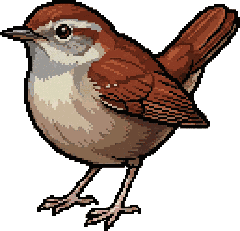
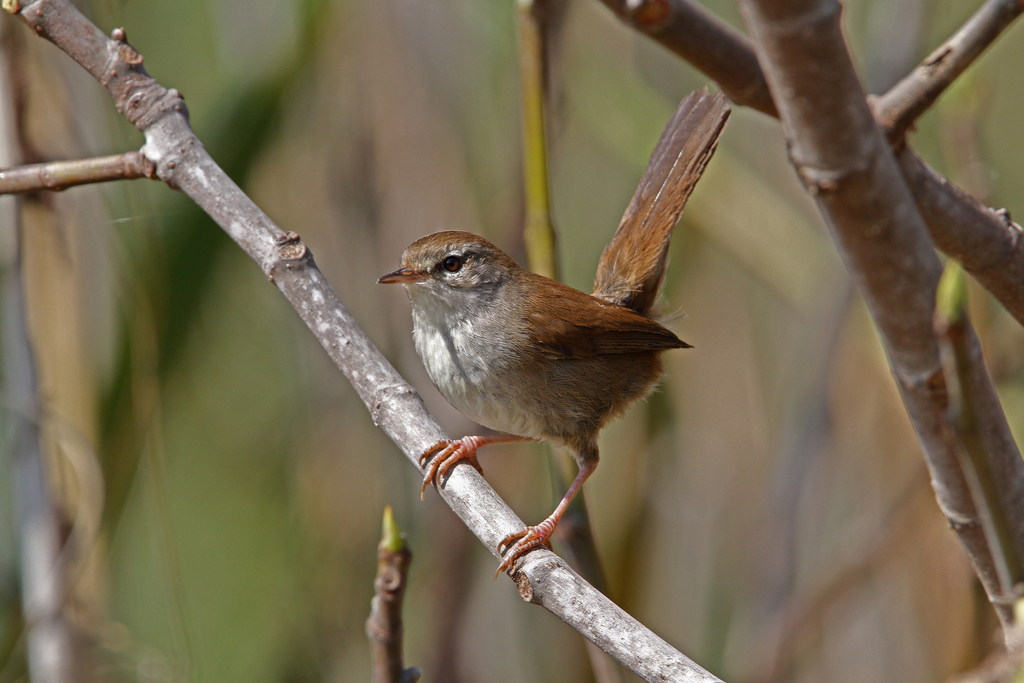
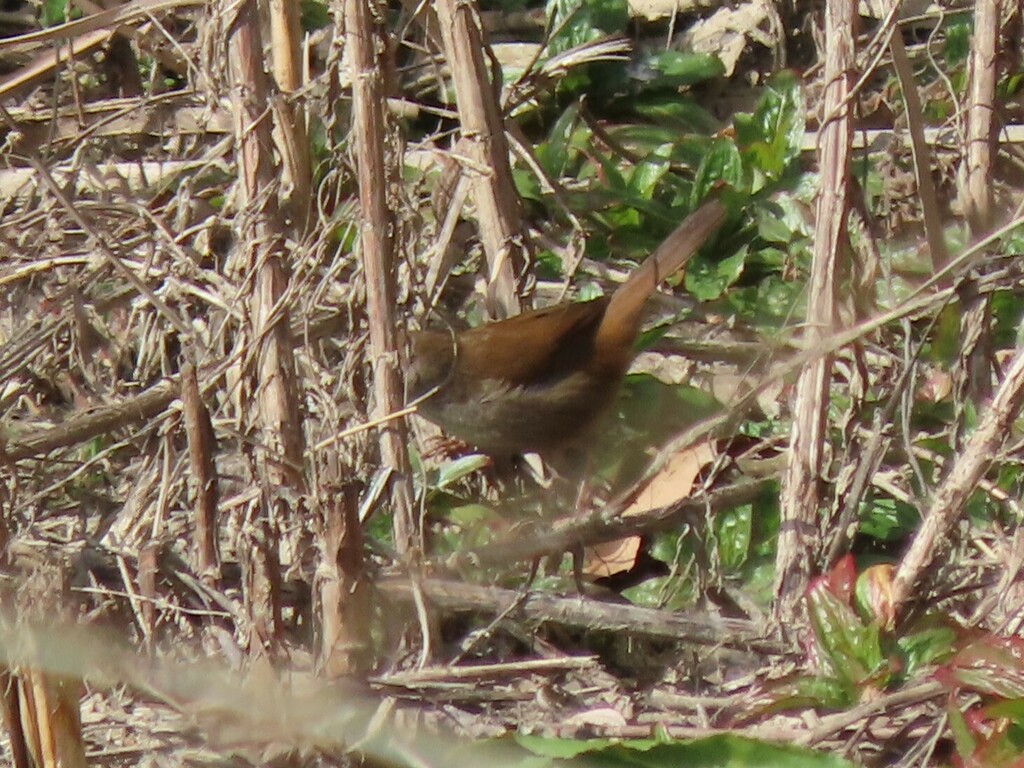
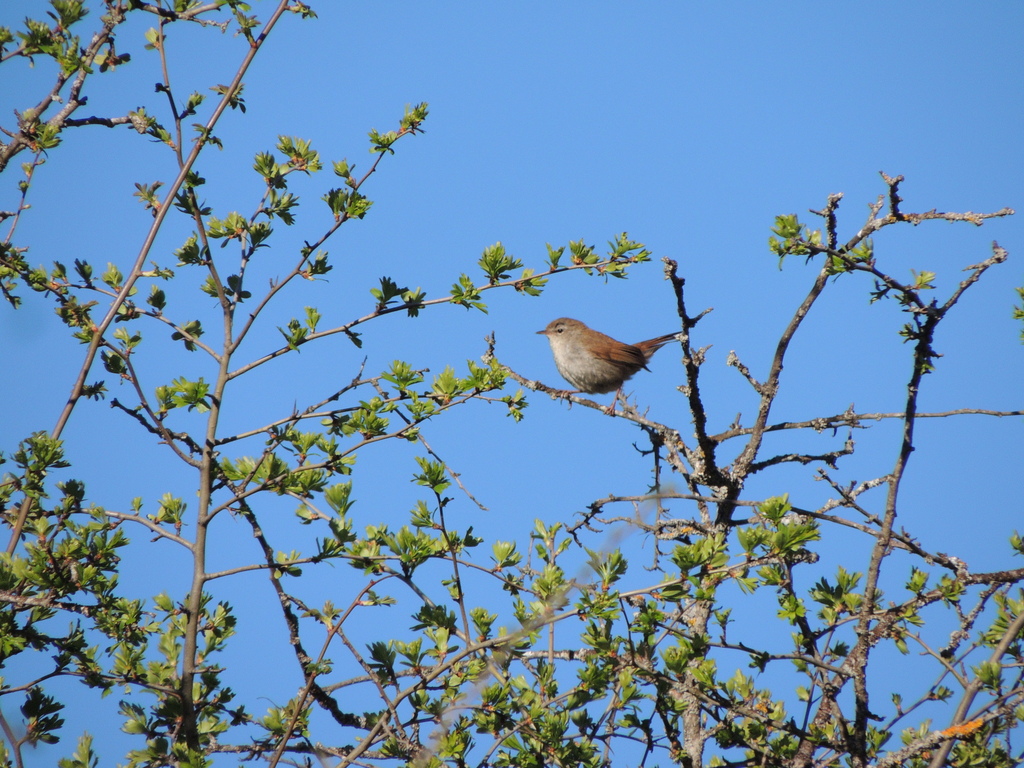
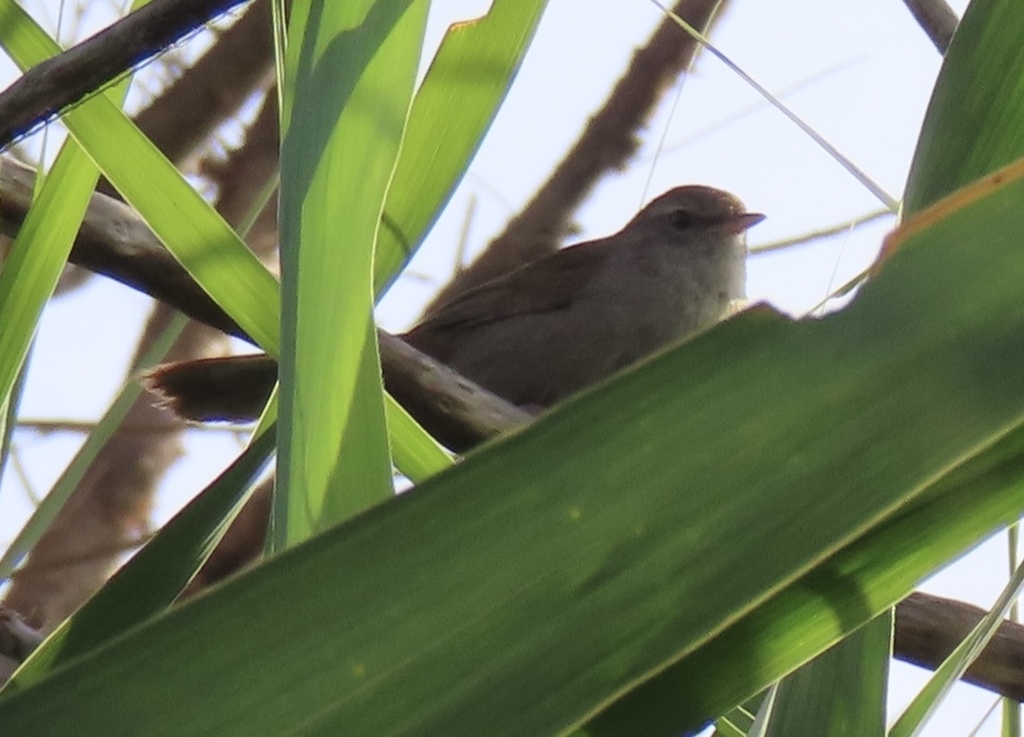
El cetia ruiseñor es un pájaro de pequeño tamaño, de diseño muy discreto y aspecto rechoncho, con alas y cola redondeadas. Presenta el dorso de color pardo-rojizo oscuro y las zonas inferiores grisáceas, con motas claras en las infracoberteras caudales. Posee una ceja pálida, así como una zona auricular grisácea y un pico muy fino. Ambos sexos son iguales en apariencia y solamente se diferencian por pequeñas variaciones de tamaño. De hábitos escondidizos, resulta difícil de observar, pero es, en cambio, muy fácil de detectar en las espesas marañas ribereñas que frecuenta por su inconfundible y sonoro canto. Cuando se desplaza entre la vegetación, levanta y despliega frecuentemente la cola.A small, chunky warbler with a very rounded tail and short, broad wings. It has a plain, warm reddish-brown back and grayish-white underparts with a pale eyebrow (supercilium). It is famously difficult to see, spending its life deep within dense riverside vegetation. However, it is unmistakable due to its loud, explosive, and rhythmic song which often starts with a sudden 'burst' of notes. It frequently cocks its tail while moving through the brush.
DistribuciónDistribution
Se distribuye de forma amplia y continua por toda la Península Ibérica y Baleares, aunque escasea por encima de los 1.200m de altitud y en extensos sectores de Galicia, Meseta sur y sureste peninsular. Falta en Canarias, pero sí está presente en está presente en las ciudades autónomas de Ceuta y Melilla. En nuestro territorio está presente la subespecie cetti.Widespread and continuous across the Peninsula and Balearics, though scarce above 1,200m and in the most arid parts of the southeast and high Meseta. Absent from Canary Islands. Present in Ceuta and Melilla. Subspecies 'cetti'.
Textos reproducidos con permiso de laTexts translated and reproduced with permission from the Guía de Aves de España © SEO/BirdLife
Estado de conservaciónConservation Status
- EX
- RE
- CR
- EN
- VU
- NT
- LC
Preocupación menorLeast Concern
Qué significa cada categoríaWhat each category means
- LC
- Preocupación menor: Taxón evaluado que no califica para categorías amenazadas. Especies abundantes y ampliamente distribuidasLeast Concern - Evaluated taxon that does not qualify for threatened categories. Widespread and abundant taxa
- NT
- Casi amenazada: No califica actualmente como amenazada, pero está cerca de calificar o es probable que califique en el futuro cercanoNear Threatened - Does not currently qualify as threatened, but is close to qualifying or likely to qualify in the near future
- VU
- Vulnerable: Enfrenta un alto riesgo de extinción en estado silvestre según los criterios A a E de IUCNVulnerable - Facing a high risk of extinction in the wild based on IUCN criteria A to E
- EN
- En peligro: Enfrenta un riesgo muy alto de extinción en estado silvestre según los criterios A a E de IUCNEndangered - Facing a very high risk of extinction in the wild based on IUCN criteria A to E
- CR
- En peligro crítico: Enfrenta un riesgo extremadamente alto de extinción en estado silvestre según los criterios A a E de IUCNCritically Endangered - Facing an extremely high risk of extinction in the wild based on IUCN criteria A to E
- DD
- Datos insuficientes: Información inadecuada para evaluar el riesgo de extinción basándose en distribución o estado poblacionalData Deficient - Inadequate information to assess extinction risk based on distribution and/or population status
- NE
- No evaluada: No ha sido evaluada aún contra los criterios de la Lista Roja de IUCNNot Evaluated - Has not yet been assessed against the IUCN Red List criteria
- RE
- Extinta regionalmente: El taxón ya no existe en la región específica, aunque puede sobrevivir en otros lugaresRegionally Extinct - Taxon no longer exists in the specific region, though it may survive elsewhere
- EX
- Extinta - No existe duda razonable de que ha muerto el último individuo del taxónExtinct - No reasonable doubt that the last individual of the taxon has died
TaxonomíaTaxonomy
- OrdenOrder
- Passeriformes
- FamiliaFamily
- Cettiidae
Presencia en EspañaPresence in Spain
- HabitualRegular
- ResidenteResident
En la app: todo el año.In the app: all year.
Dónde verlaWhere to see it
3.610 cuadrículas de 10 km con registros de 2020 a 2024. Toca un mes para ver dónde se ha visto.3,610 10 km squares with records from 2020 to 2024. Pick a month to see where it has been seen.
Cargando el mapa…Loading the map…
Dónde es regularWhere it is regular
Provincias con registros en al menos 3 de los 5 años algún mes, de más a menos frecuente, y sus mejores meses.Provinces with records in at least 3 of the 5 years in some month, from most to least frequent, and their best months.
- La RiojaLa Riojaseptiembre, febrero, marzoSeptember, February, March
- CórdobaCórdobaseptiembre, octubre, marzoSeptember, October, March
- OurenseOurenseoctubre, septiembre, mayoOctober, September, May
- ÁlavaÁlavaoctubre, septiembre, diciembreOctober, September, December
- GuadalajaraGuadalajaraseptiembre, octubre, marzoSeptember, October, March
- BalearesBalearic Islandsseptiembre, octubre, marzoSeptember, October, March
- BurgosBurgosmarzo, octubre, abrilMarch, October, April
- LeónLeónoctubre, septiembre, abrilOctober, September, April
- ValladolidValladolidoctubre, septiembre, noviembreOctober, September, November
- VizcayaVizcayamayo, octubre, septiembreMay, October, September
Ver las 49 provinciasSee all 49 provinces
- BarcelonaBarcelonamarzo, octubre, septiembreMarch, October, September
- PalenciaPalenciaoctubre, noviembre, diciembreOctober, November, December
- GironaGironaoctubre, septiembre, noviembreOctober, September, November
- ZaragozaZaragozaoctubre, septiembre, noviembreOctober, September, November
- SevillaSevillaseptiembre, marzo, noviembreSeptember, March, November
- GranadaGranadaseptiembre, marzo, octubreSeptember, March, October
- Ciudad RealCiudad Realseptiembre, octubre, mayoSeptember, October, May
- CantabriaCantabriaoctubre, abril, septiembreOctober, April, September
- NavarraNavarraoctubre, septiembre, noviembreOctober, September, November
- AlicanteAlicanteoctubre, septiembre, noviembreOctober, September, November
- CastellónCastellónoctubre, noviembre, febreroOctober, November, February
- LugoLugooctubre, noviembre, septiembreOctober, November, September
- ZamoraZamoraoctubre, noviembre, septiembreOctober, November, September
- BadajozBadajozseptiembre, octubre, agostoSeptember, October, August
- CuencaCuencaseptiembre, octubre, febreroSeptember, October, February
- TarragonaTarragonaoctubre, noviembre, diciembreOctober, November, December
- AlbaceteAlbaceteoctubre, febrero, noviembreOctober, February, November
- ToledoToledooctubre, septiembre, agostoOctober, September, August
- MadridMadridoctubre, septiembre, noviembreOctober, September, November
- LleidaLleidaoctubre, marzo, noviembreOctober, March, November
- ValenciaValenciaoctubre, febrero, marzoOctober, February, March
- SegoviaSegovianoviembre, septiembre, abrilNovember, September, April
- HuelvaHuelvaseptiembre, marzo, noviembreSeptember, March, November
- SalamancaSalamancaoctubre, enero, marzoOctober, January, March
- CáceresCáceresmarzo, septiembre, octubreMarch, September, October
- MálagaMálagaoctubre, marzo, septiembreOctober, March, September
- ÁvilaÁvilaoctubre, septiembre, marzoOctober, September, March
- SoriaSoriaseptiembre, marzo, febreroSeptember, March, February
- HuescaHuescamarzo, octubre, abrilMarch, October, April
- AlmeríaAlmeríaoctubre, noviembre, diciembreOctober, November, December
- GuipúzcoaGuipúzcoaseptiembre, octubre, mayoSeptember, October, May
- TeruelTeruelagosto, octubre, septiembreAugust, October, September
- AsturiasAsturiasoctubre, noviembre, febreroOctober, November, February
- MurciaMurciaoctubre, noviembre, febreroOctober, November, February
- A CoruñaA Coruñaoctubre, noviembre, febreroOctober, November, February
- CádizCádizmarzo, febrero, diciembreMarch, February, December
- JaénJaénabril, marzo, septiembreApril, March, September
- PontevedraPontevedraoctubre, noviembre, febreroOctober, November, February
- CeutaCeutaseptiembre, agosto, noviembreSeptember, August, November
Datos: registros en GBIF de 2020 a 2024 de Observation.org, eBird, iNaturalist y el ICO, descargados el 23/10/2026.Data: GBIF records from 2020 to 2024 from Observation.org, eBird, iNaturalist and the ICO, downloaded on 23/10/2026. GBIF.org (23 October 2026) GBIF Occurrence Download · doi:10.15468/dl.r5sf2a · CC BY-NC 4.0
GaleríaGallery

© Donald Davesne · CC BY · iNaturalist 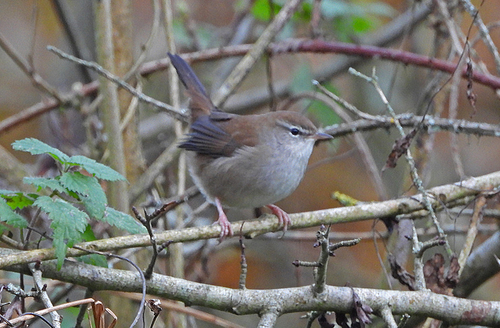
© Paul Lewis · CC BY · iNaturalist 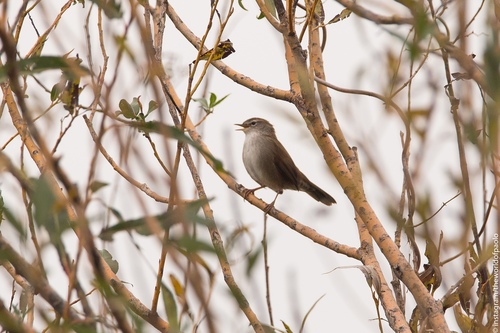
© Paolo Zucca · CC BY · iNaturalist 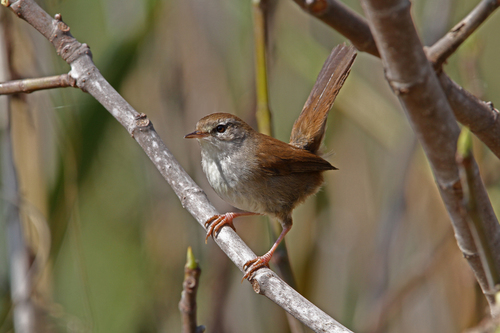
© Christoph Moning · CC BY · iNaturalist 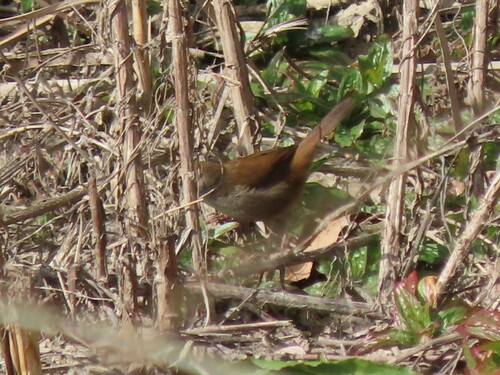
© Juan C. Espinosa · CC BY · iNaturalist 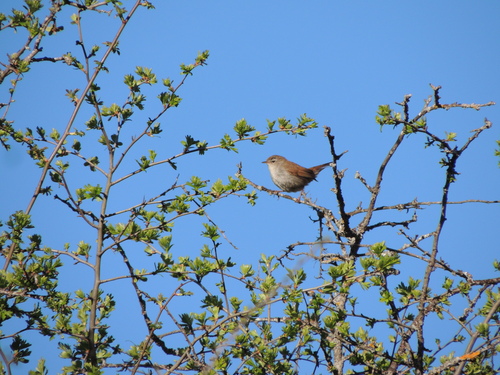
© Cenaida · CC BY · iNaturalist 
© ecovore · CC BY · iNaturalist

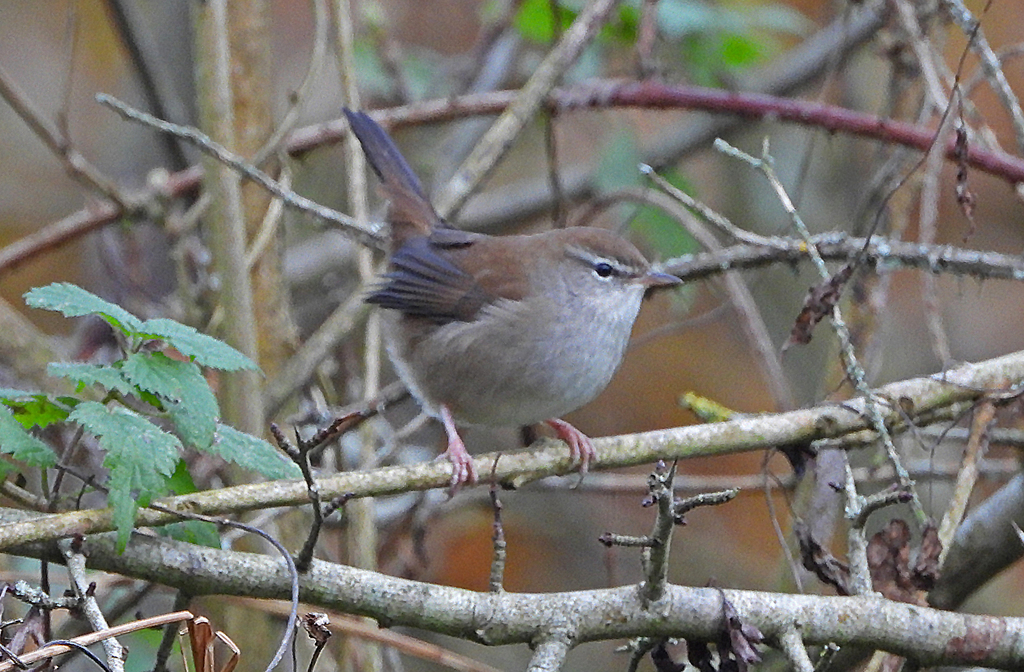
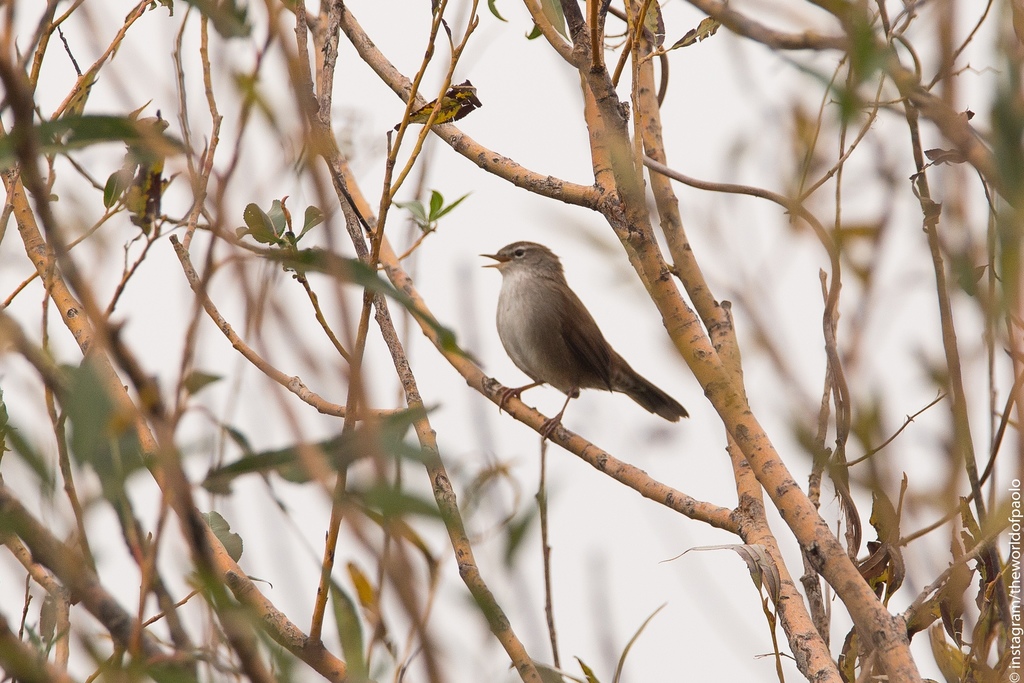
Especies relacionadasRelated species
Aves cercanas en la clasificación taxonómica.Birds that sit close by in the taxonomic order.
- ComúnCommon
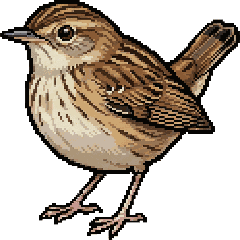 Cistícola buitrónZitting CisticolaCisticola juncidis
- Poco comúnUncommon
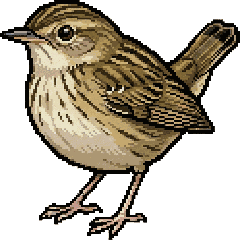 Buscarla pintojaGrasshopper WarblerLocustella naevia
- Poco comúnUncommon
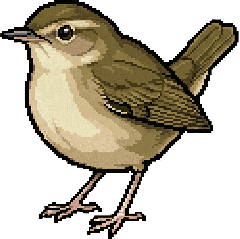 Buscarla unicolorSavi's WarblerLocustella luscinioides
- Poco comúnUncommon
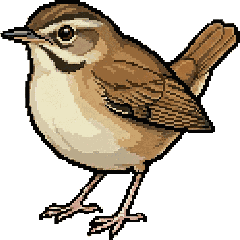 Carricerín realMoustached WarblerAcrocephalus melanopogon
- Poco comúnUncommon
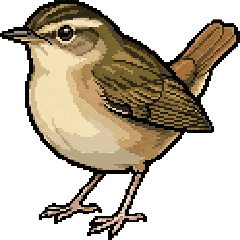 Carricerín comúnSedge WarblerAcrocephalus schoenobaenus
- ComúnCommon
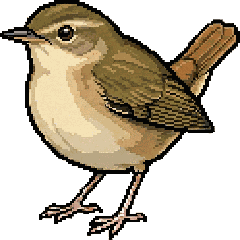 Carricero comúnReed WarblerAcrocephalus scirpaceus
- Poco comúnUncommon
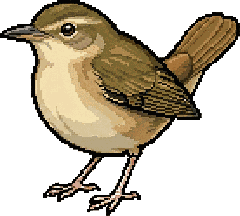 Carricero tordalGreat Reed WarblerAcrocephalus arundinaceus
- Poco comúnUncommon
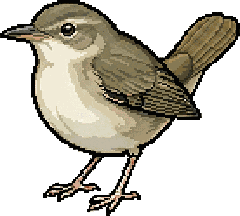 Zarcero bereberWestern Olivaceous WarblerIduna opaca
 Gratis, sin anuncios ni comprasFree, no ads, no purchases