 BirdPedy
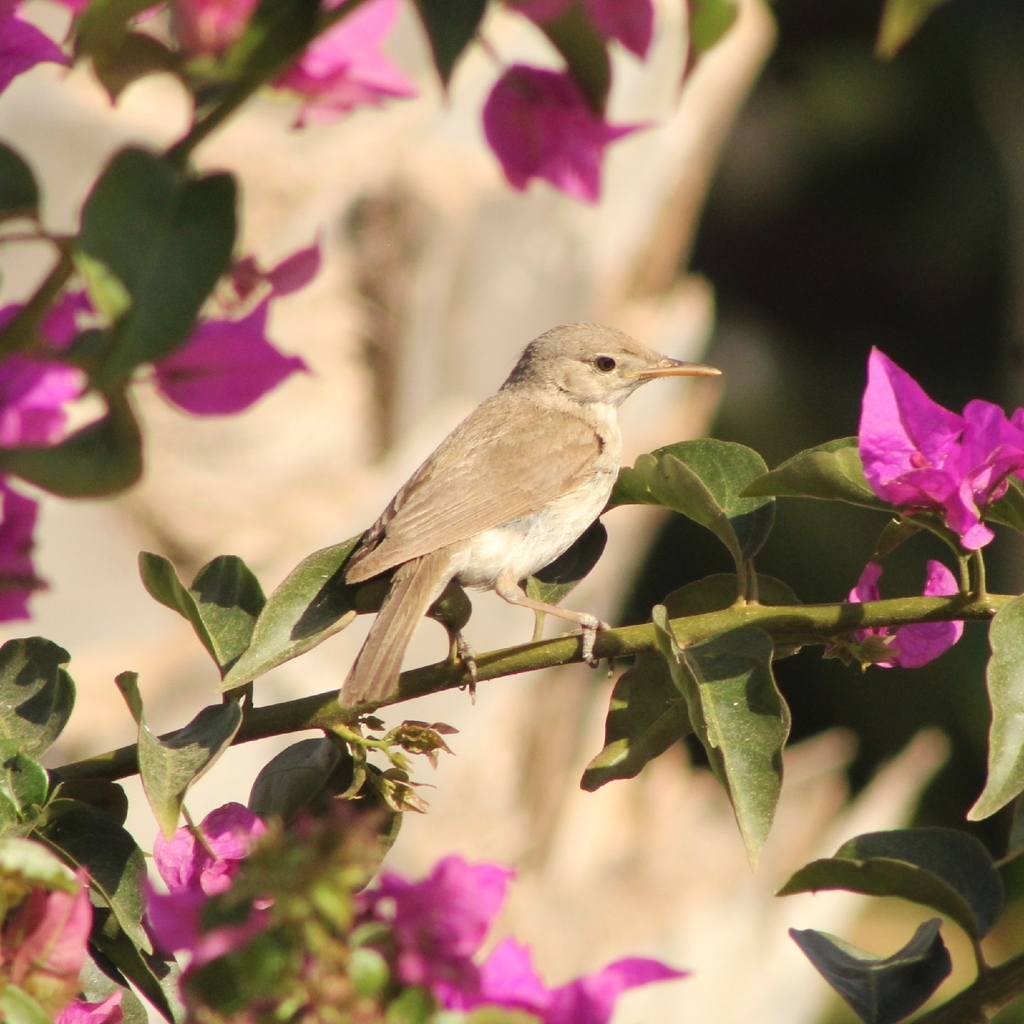
Zarcero bereberWestern Olivaceous Warbler
En 18 provincias en mayo y sin registros 3 meses del añoIn 18 provinces in May, and no records in 3 months of the year
Reporte de rarezaRarity report
Por qué es poco comúnWhy it is uncommonEstival migradora confinada al cuadrante suroriental y levante peninsular. Ligado a tarayales, sotos áridos y grandes jardines mediterráneos, donde muestra una distribución marcadamente fragmentada.Summer migrant confined to the south-east and the east of the Peninsula. It is tied to tamarisk thickets, dry riverside woods and large Mediterranean gardens, where its distribution is markedly fragmented.
Cada carrizo es un mes: su altura, las provincias con registros de 2020 a 2024.Each reed is a month: its height, the provinces with records from 2020 to 2024.- Provincias con registrosProvinces with records
- 21 de 52of 52
- En la appIn the app
- Abril a octubreApril to October
- EnvergaduraWingspan
- 18-21 cm18-21 cm
- LongitudLength
- 12-14 cm12-14 cm
- Lista Roja de EspañaSpanish Red List
- DD Datos insuficientesData Deficient

Información generalGeneral Information
Anteriormente considerado como una subespecie del zarcero pálido (Iduna pallida), estudios moleculares llevados a cabo en fechas recientes han determinado su estatus como una especie diferente. Se trata de un zarcero restringido en su distribución mundial al sur y al área levantina de la Península Ibérica, así como al noroeste de África. Es una especie típica de zonas muy térmicas, donde se refugia en formaciones arbustivas ligadas a la cercanía de agua, aunque también puede aparecer en bosques aclarados más secos.Formerly considered a subspecies of the Eastern Olivaceous Warbler, it is now recognized as a full species. It is a bird of high-temperature areas, loving the heat of the 'huertas' and riverside thickets of southern Spain. It is particularly common in the Guadalquivir valley. Like the Melodious Warbler, it is an active insectivore, but it is much more tied to the proximity of water or lush vegetation.
IdentificaciónIdentification
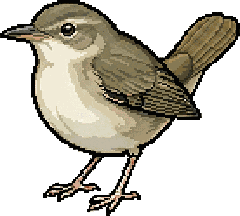
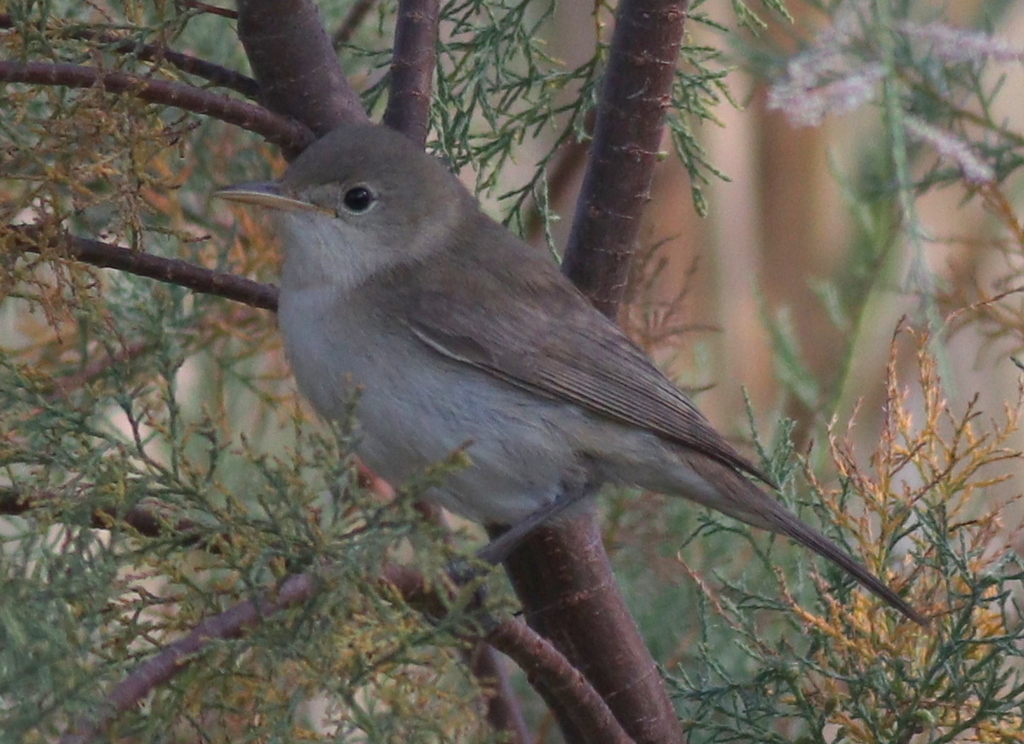
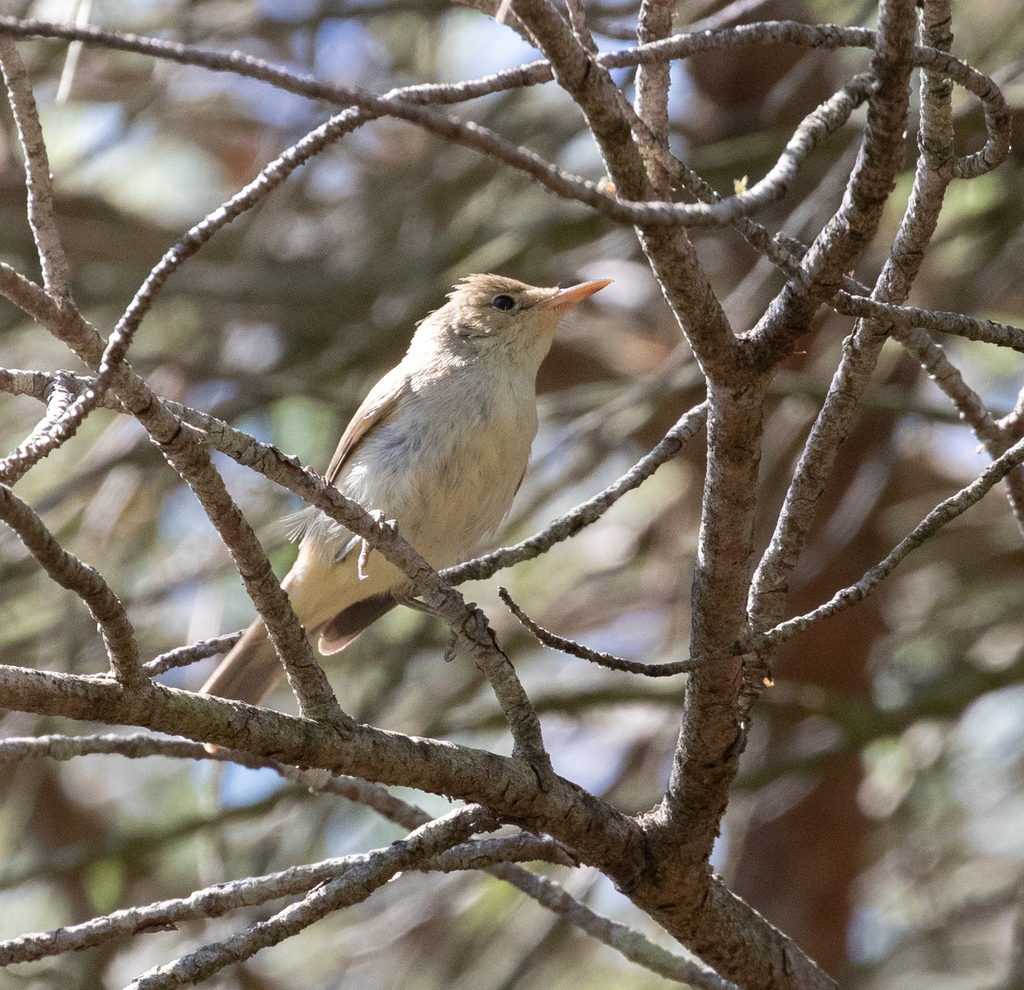
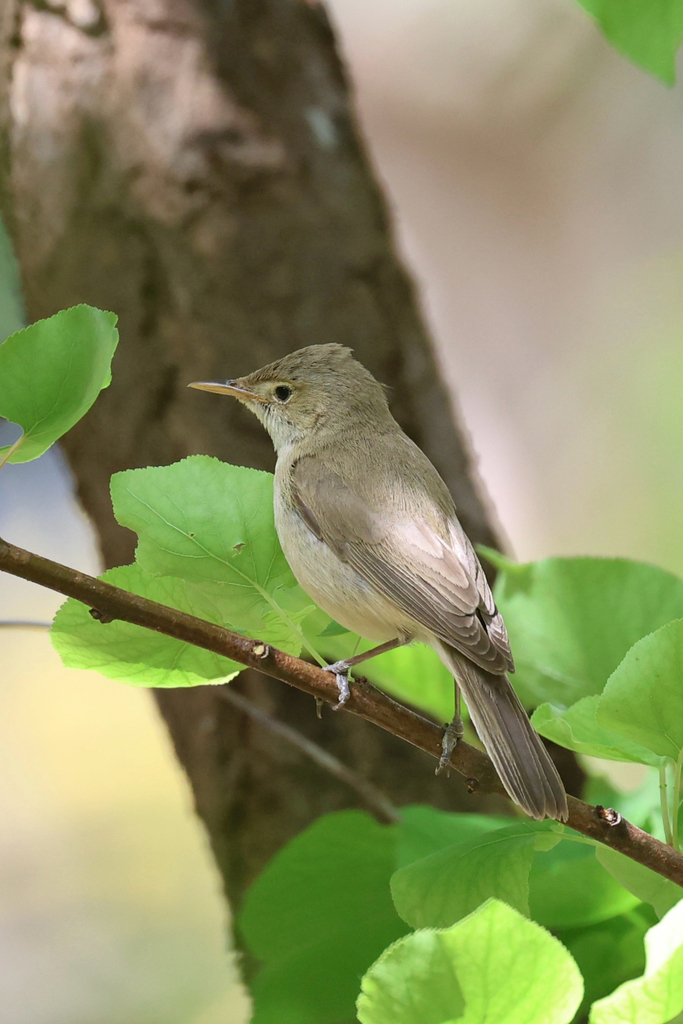
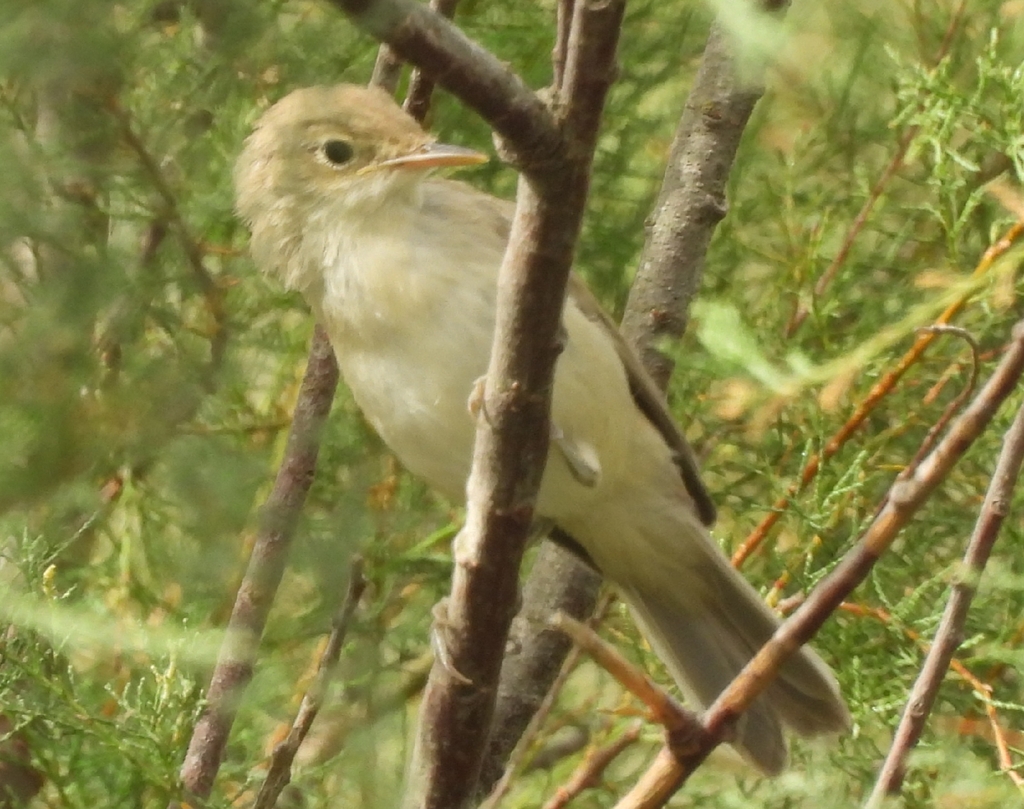
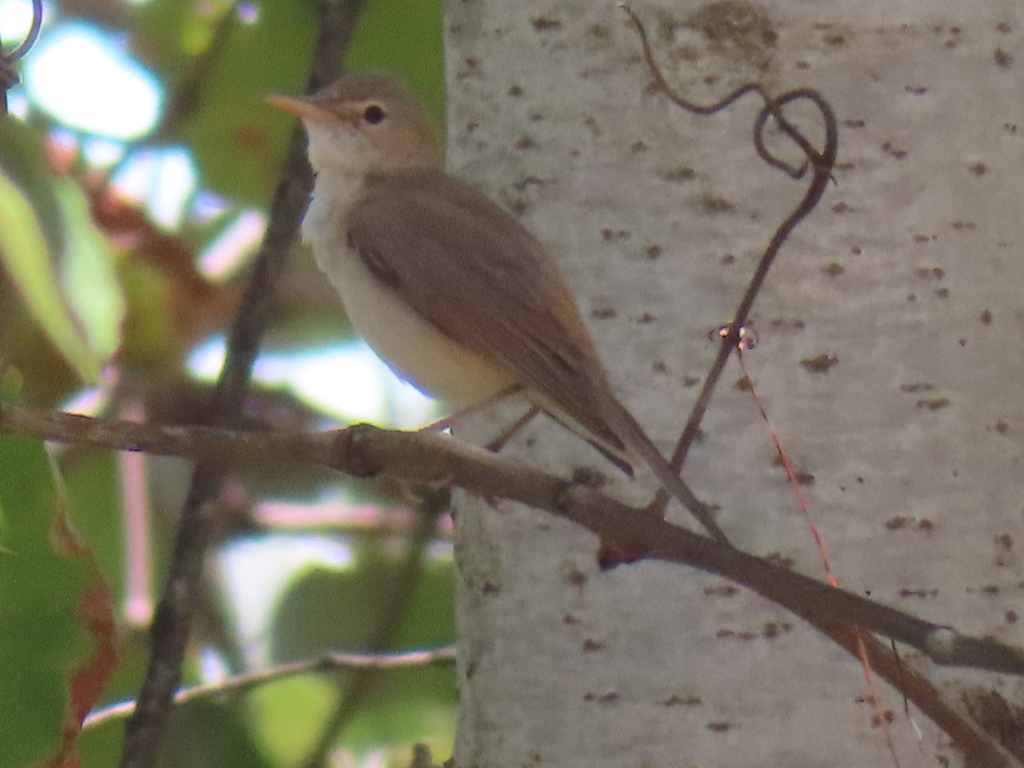
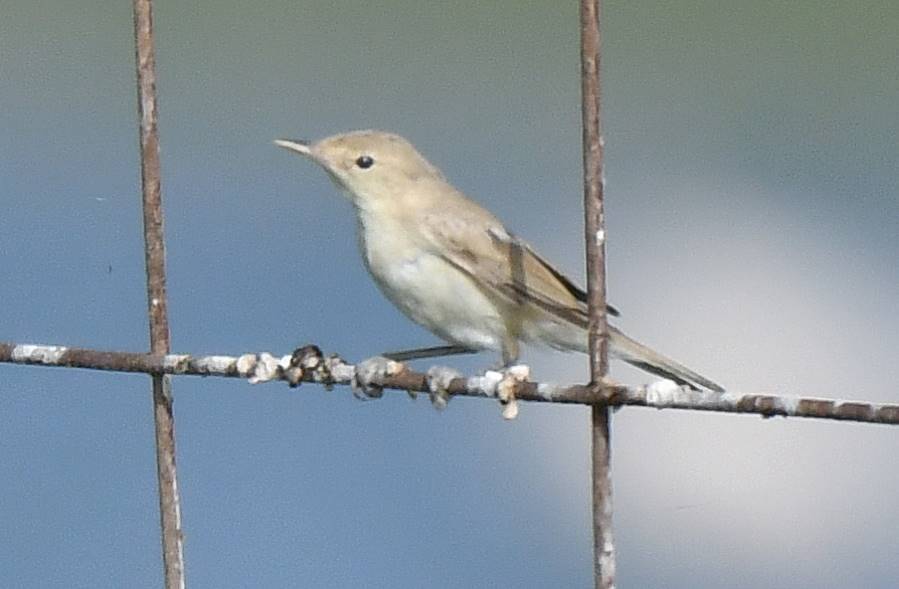
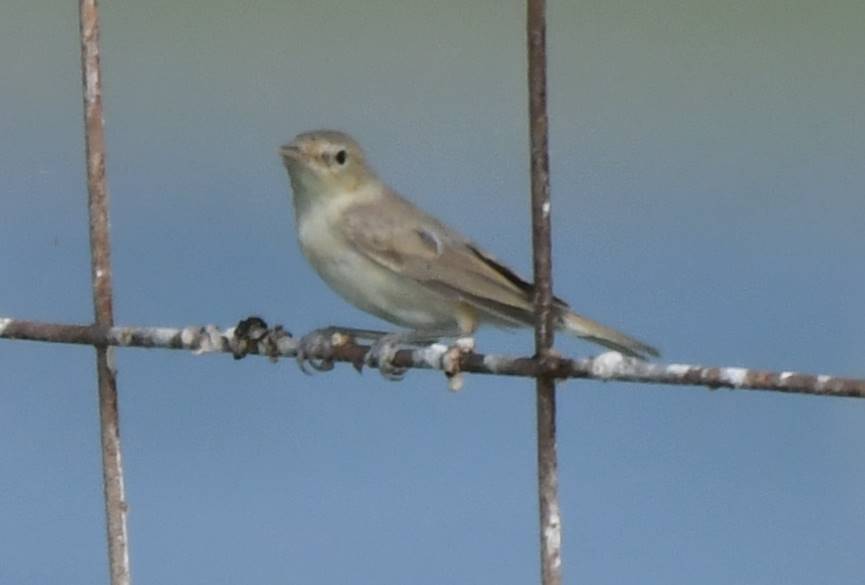
Este paseriforme de pequeño tamaño muestra cierto parecido con el carricero común. Su cabeza presenta un perfil afilado debido a su frente aplanada y a su pico largo y fino. Posee el dorso gris parduzco uniforme, la zona ventral pálida y el obispillo verde parduzco con ligeros tintes grisáceos. La cola presenta, como en otros zarceros, un perfil terminal cuadrangular con márgenes blanquecinos y puntas blancas, lo que lo distingue del carricero común. Ambos sexos son iguales.A medium-sized, long-billed warbler with a very square tail and a flat-headed profile. Its plumage is a uniform, dull grayish-brown above and pale below. Its most distinctive feature is its long, fine bill and the white edges and tips to its tail feathers—distinguishing it from the similar Reed Warblers. It is a summer visitor from the Sahel across the Mediterranean. It is an active bird that prefers riverine scrub and orchards.
DistribuciónDistribution
Nidifica de forma más o menos continua por el tercio sur peninsular y de manera más puntual y localizada por el área mediterránea y el valle del Ebro hasta Navarra. a mayoría de sus poblaciones están en Andalucía, especialmente a lo largo del valle del Guadalquivir y la provincia de Almería. La segunda región en importancia sería el Levante ibérico, de Murcia a Castellón, con numerosas poblaciones dispersas Resulta, en general, muy raro en el resto del interior peninsular y falta como reproductor en Baleares, Canarias, Ceuta y Melilla.Breeds continuously in the southern third (Guadalquivir basin, Almería) and locally along the Mediterranean coast up to the Ebro. Rare or absent in the rest of the Peninsula and archipelagos. Summer visitor.
Textos reproducidos con permiso de laTexts translated and reproduced with permission from the Guía de Aves de España © SEO/BirdLife
Estado de conservaciónConservation Status
- EX
- RE
- CR
- EN
- VU
- NT
- LC
DD
Datos insuficientesData Deficient
Qué significa cada categoríaWhat each category means
- LC
- Preocupación menor: Taxón evaluado que no califica para categorías amenazadas. Especies abundantes y ampliamente distribuidasLeast Concern - Evaluated taxon that does not qualify for threatened categories. Widespread and abundant taxa
- NT
- Casi amenazada: No califica actualmente como amenazada, pero está cerca de calificar o es probable que califique en el futuro cercanoNear Threatened - Does not currently qualify as threatened, but is close to qualifying or likely to qualify in the near future
- VU
- Vulnerable: Enfrenta un alto riesgo de extinción en estado silvestre según los criterios A a E de IUCNVulnerable - Facing a high risk of extinction in the wild based on IUCN criteria A to E
- EN
- En peligro: Enfrenta un riesgo muy alto de extinción en estado silvestre según los criterios A a E de IUCNEndangered - Facing a very high risk of extinction in the wild based on IUCN criteria A to E
- CR
- En peligro crítico: Enfrenta un riesgo extremadamente alto de extinción en estado silvestre según los criterios A a E de IUCNCritically Endangered - Facing an extremely high risk of extinction in the wild based on IUCN criteria A to E
- DD
- Datos insuficientes: Información inadecuada para evaluar el riesgo de extinción basándose en distribución o estado poblacionalData Deficient - Inadequate information to assess extinction risk based on distribution and/or population status
- NE
- No evaluada: No ha sido evaluada aún contra los criterios de la Lista Roja de IUCNNot Evaluated - Has not yet been assessed against the IUCN Red List criteria
- RE
- Extinta regionalmente: El taxón ya no existe en la región específica, aunque puede sobrevivir en otros lugaresRegionally Extinct - Taxon no longer exists in the specific region, though it may survive elsewhere
- EX
- Extinta - No existe duda razonable de que ha muerto el último individuo del taxónExtinct - No reasonable doubt that the last individual of the taxon has died
TaxonomíaTaxonomy
- OrdenOrder
- Passeriformes
- FamiliaFamily
- Acrocephalidae
Presencia en EspañaPresence in Spain
- EstivalSummer visitor
- HabitualRegular
En la app: abril a octubre.In the app: April to October.
Dónde verlaWhere to see it
315 cuadrículas de 10 km con registros de 2020 a 2024. Toca un mes para ver dónde se ha visto.315 10 km squares with records from 2020 to 2024. Pick a month to see where it has been seen.
Cargando el mapa…Loading the map…
Dónde es regularWhere it is regular
Provincias con registros en al menos 3 de los 5 años algún mes, de más a menos frecuente, y sus mejores meses.Provinces with records in at least 3 of the 5 years in some month, from most to least frequent, and their best months.
- CórdobaCórdobajulio, junio, agostoJuly, June, August
- SevillaSevillajulio, mayo, junioJuly, May, June
- AlmeríaAlmeríajunio, mayo, julioJune, May, July
- MálagaMálagajulio, mayo, agostoJuly, May, August
- CádizCádizjulio, junio, mayoJuly, June, May
- BadajozBadajozjulio, junio, mayoJuly, June, May
- JaénJaénagosto, julioAugust, July
- HuelvaHuelvajulio, agosto, junioJuly, August, June
- MurciaMurciamayo, junio, julioMay, June, July
- CeutaCeutajunio, mayoJune, May
Ver las 15 provinciasSee all 15 provinces
- GranadaGranadamayo, julio, junioMay, July, June
- AlicanteAlicantejunio, julio, mayoJune, July, May
- ValenciaValenciajunio, mayoJune, May
- CáceresCáceresjulio, junio, mayoJuly, June, May
- Las PalmasLas PalmasabrilApril
Datos: registros en GBIF de 2020 a 2024 de Observation.org, eBird, iNaturalist y el ICO, descargados el 23/10/2026.Data: GBIF records from 2020 to 2024 from Observation.org, eBird, iNaturalist and the ICO, downloaded on 23/10/2026. GBIF.org (23 October 2026) GBIF Occurrence Download · doi:10.15468/dl.r5sf2a · CC BY-NC 4.0
GaleríaGallery
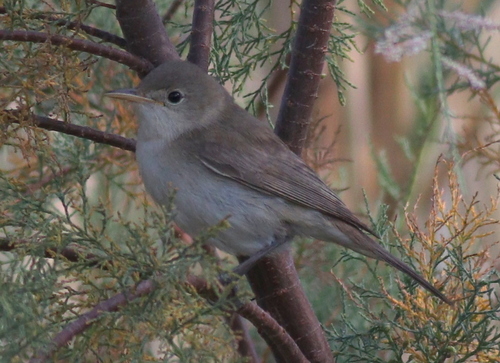
© Jan Ebr & Ivana Ebrová · CC BY · iNaturalist 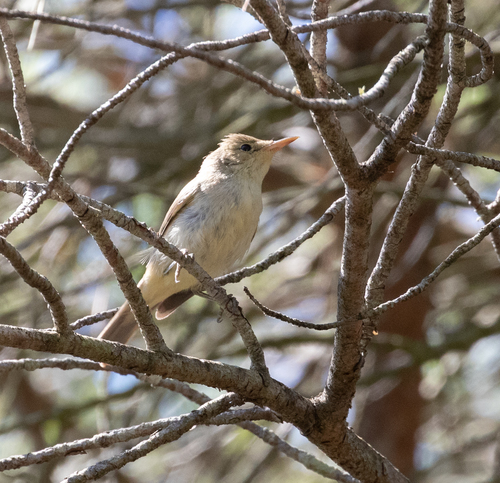
© avocat · CC BY · iNaturalist 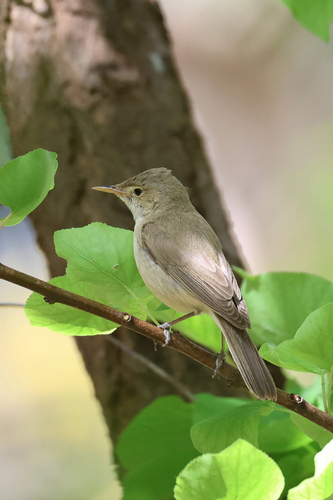
© James Heal · CC BY · iNaturalist 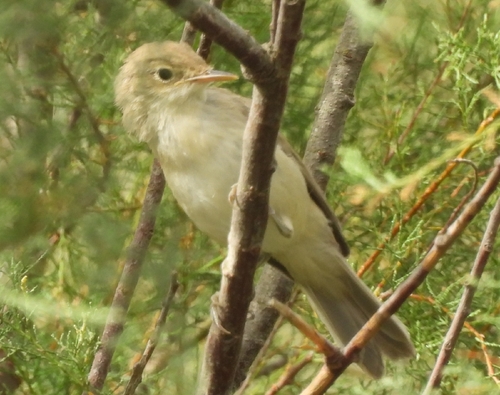
© David Pereira · CC BY · iNaturalist 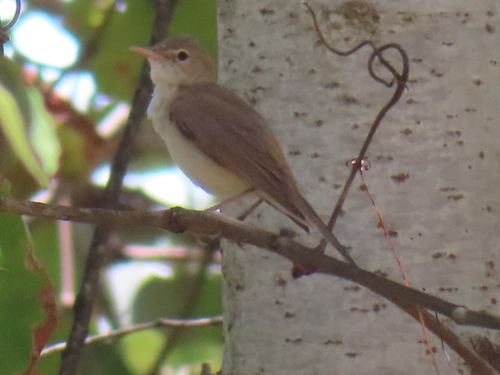
© ecovore · CC BY · iNaturalist 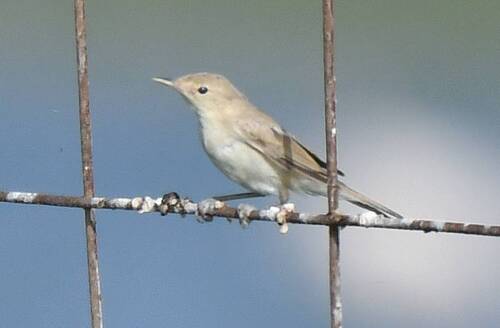
© Mourad Harzallah · CC BY · iNaturalist 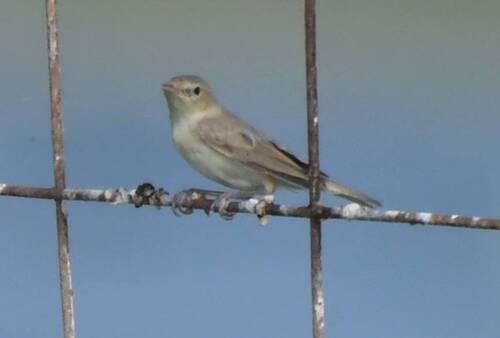
© Mourad Harzallah · CC BY · iNaturalist 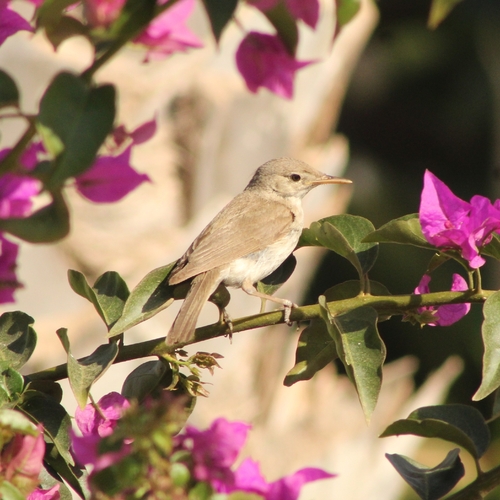
© Hugo Caillon · CC BY · iNaturalist
Especies relacionadasRelated species
Otras aves de la familia Acrocephalidae y de órdenes cercanos.Other birds from the Acrocephalidae family and nearby orders.
- ComúnCommon
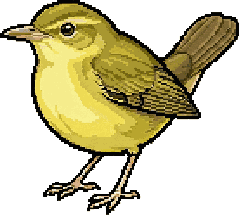 Zarcero políglotaMelodious WarblerHippolais polyglotta
- RaroRare
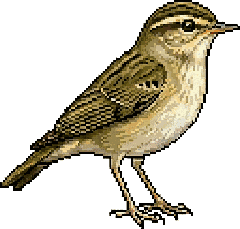 Carricerín cejudoAquatic WarblerAcrocephalus paludicola
- LegendarioLegendary
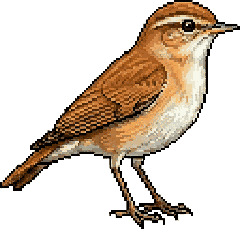 Carricero agrícolaPaddyfield WarblerAcrocephalus agricola
- LegendarioLegendary
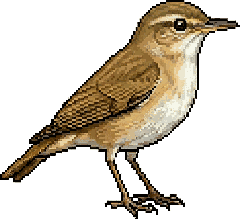 Carricero de BlythBlyth's Reed WarblerAcrocephalus dumetorum
- LegendarioLegendary
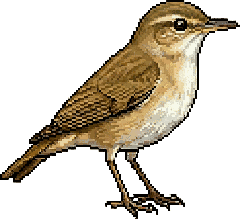 Carricero políglotaMarsh WarblerAcrocephalus palustris
- LegendarioLegendary
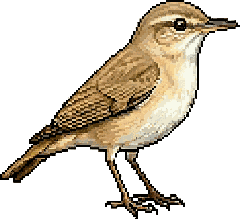 Zarcero escitaBooted WarblerIduna caligata
- LegendarioLegendary
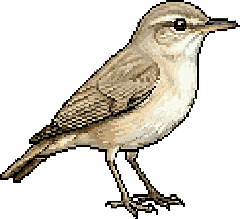 Zarcero pálidoEastern Olivaceous WarblerIduna pallida
- RaroRare
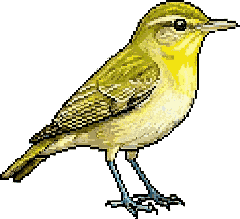 Zarcero icterinoIcterine WarblerHippolais icterina
 Gratis, sin anuncios ni comprasFree, no ads, no purchases