 BirdPedy
Pato criolloMuscovy Duck
En 48 provincias en noviembre y en 41 en junioIn 48 provinces in November and 41 in June
Reporte de rarezaRarity report
Por qué es poco comúnWhy it is uncommonEntre 2020 y 2024 se vio en España en 2.799 ocasiones distintas, repartidas en 1.784 días, todos los años (datos de Observation.org, eBird y iNaturalist publicados en GBIF). En la provincia mediana, 1 de cada 2.600 registros de aves es suyo. En la guía de aves de SEO/BirdLife figura como habitual en España.Between 2020 and 2024 it was seen in Spain on 2,799 separate occasions, spread over 1,784 days, every year (data from Observation.org, eBird and iNaturalist published on GBIF). In the median province, 1 in every 2,600 bird records is of this species. SEO/BirdLife's bird guide lists it as regular in Spain.
Cada carrizo es un mes: su altura, las provincias con registros de 2020 a 2024.Each reed is a month: its height, the provinces with records from 2020 to 2024.- Provincias con registrosProvinces with records
- 51 de 52of 52
- En la appIn the app
- Todo el añoAll year
- EnvergaduraWingspan
- 80 – 110 cm80 - 110 cm
- LongitudLength
- 60 – 75 cm60 - 75 cm
- Lista Roja de EspañaSpanish Red List
- NE No evaluada en EspañaNot assessed in Spain

Información generalGeneral Information
El pato criollo es una anátida originaria del centro y sur del continente americano (hasta el norte de Argentina) que ha sido introducido como ave doméstica y ornamental a escala mundial. Resultado de su frecuente hibridación con otros ánades como el ánade azulón, los distintos ejemplares muestran plumajes muy variados.The Muscovy Duck is a 'giant of the patio'. While extremely common in farms and parks, it has formed established wild populations in some regions, especially in the Canary Islands. It is a quiet and powerful bird that thrives on human presence. Although an introduced species, its imposing presence and unique 'red face' make it a familiar sight in our urban wetlands. It represents the intersection between domestic life and the wilder side of our parks.
IdentificaciónIdentification
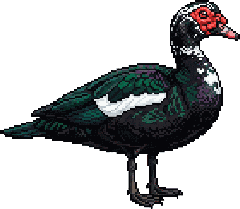
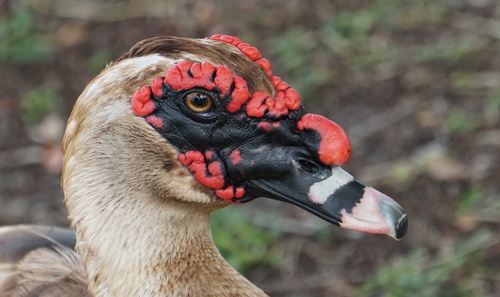
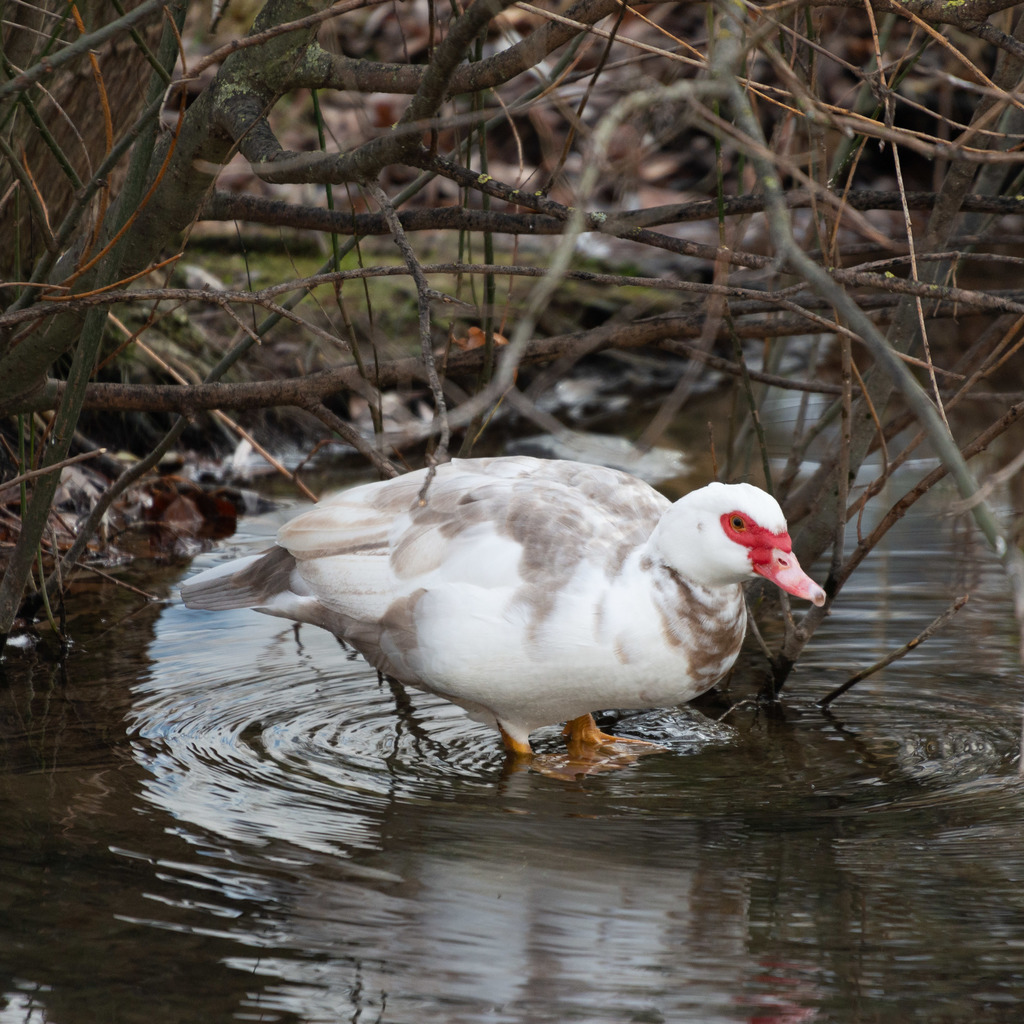
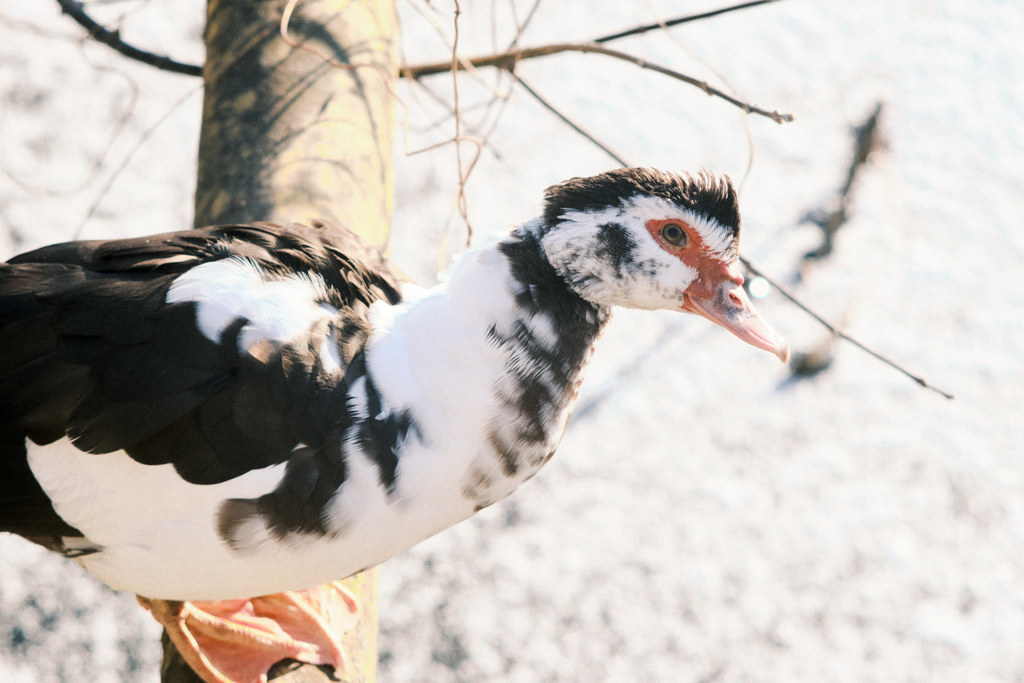
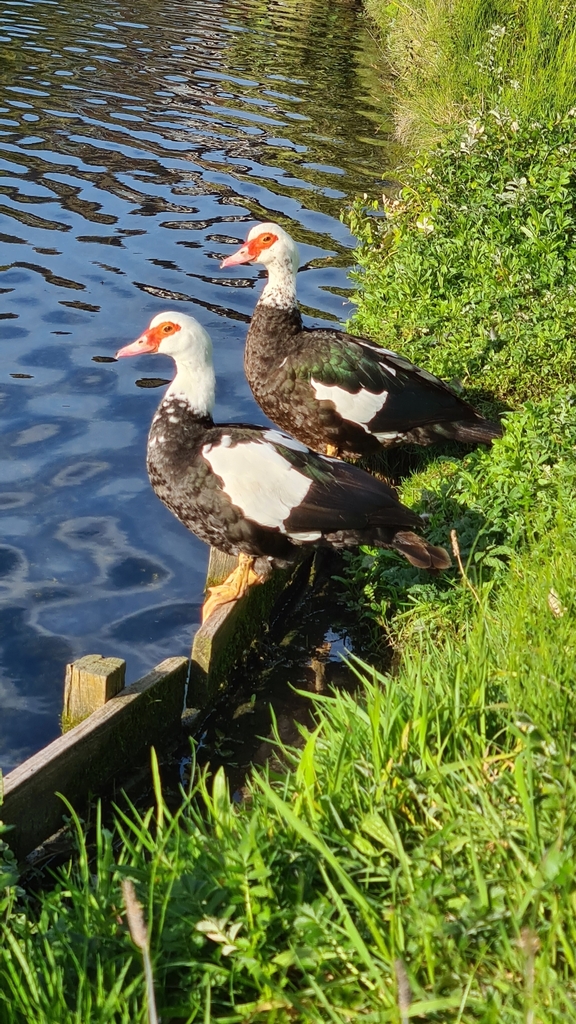
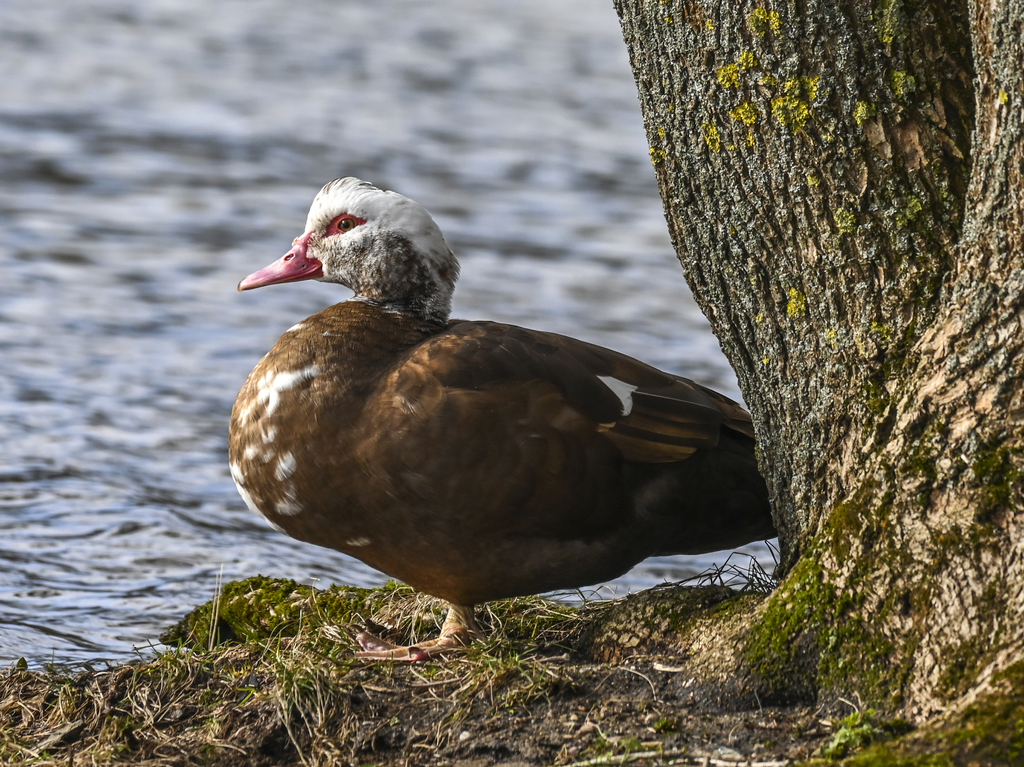
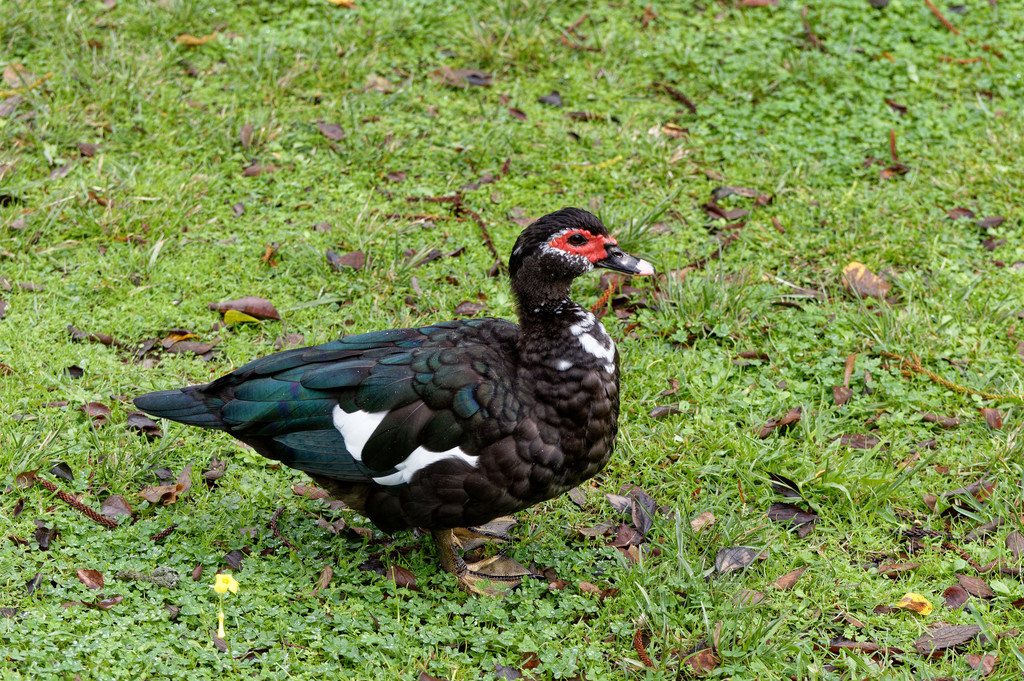
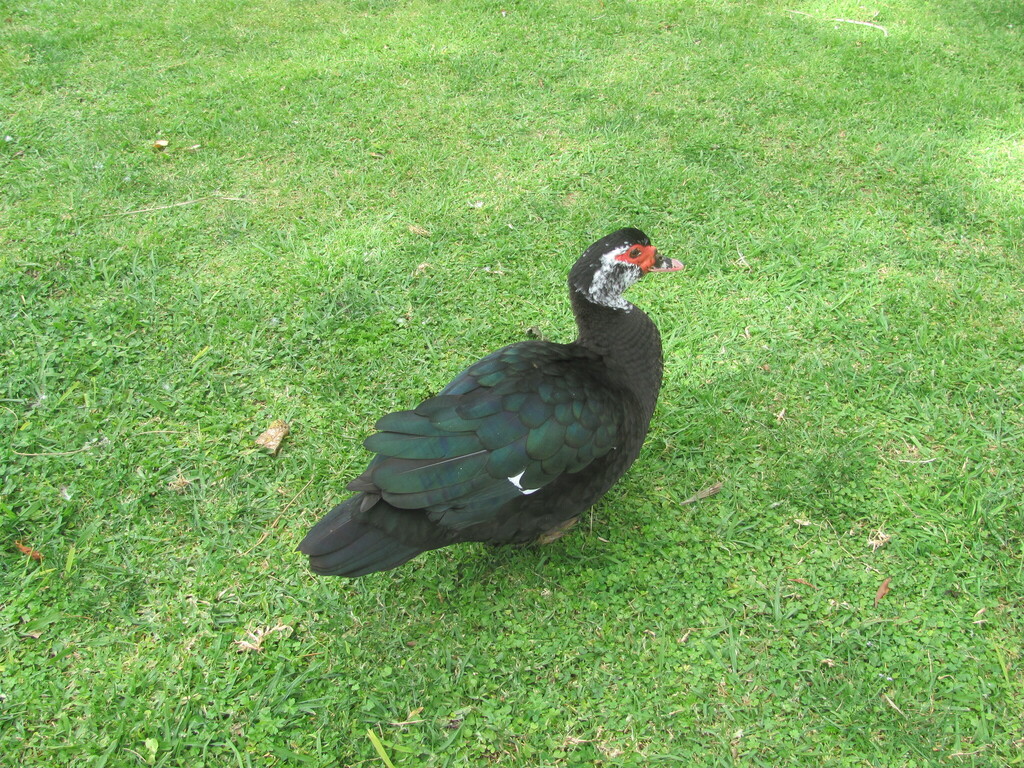
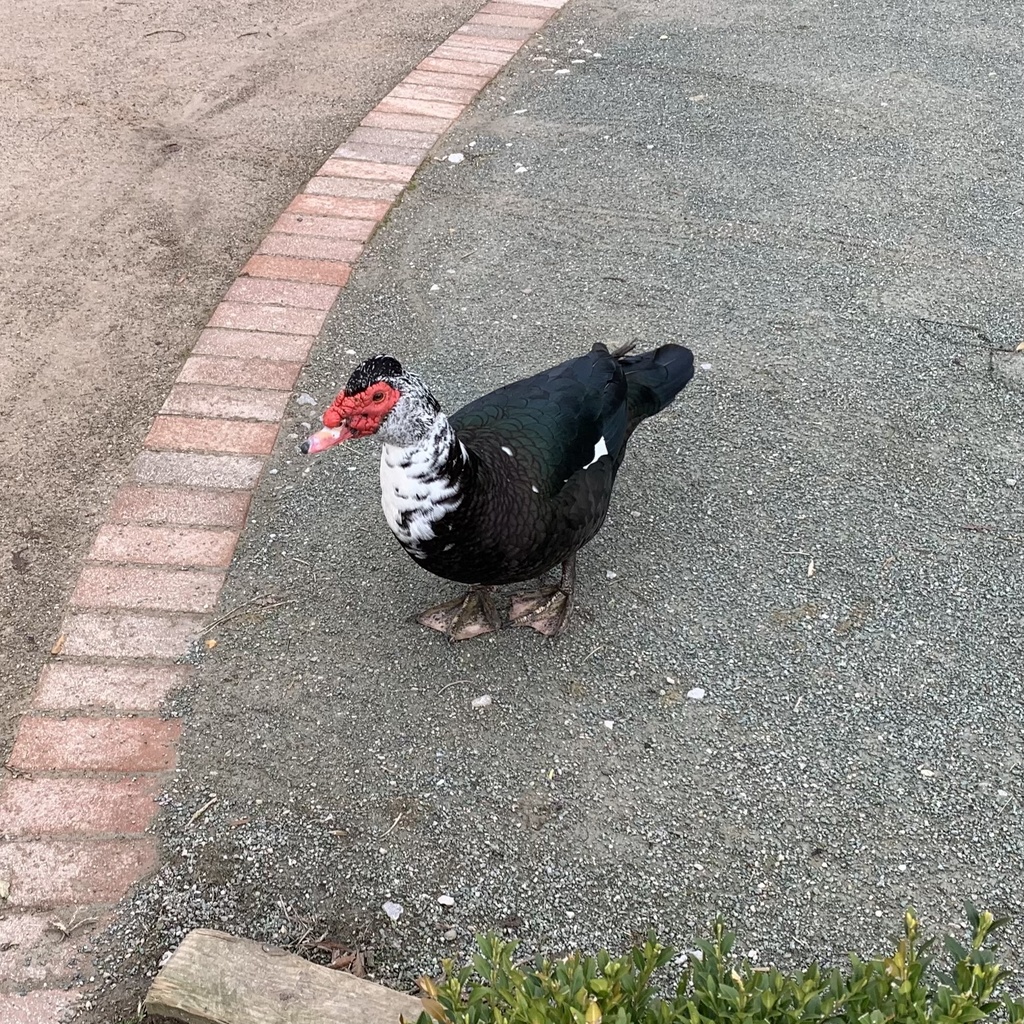
El pato criollo es grande y pesado. Los machos, mucho mayores que las hembras, lucen una característica carúncula roja sobre el pico. Ambos sexos tienen desnudas las mejillas y alrededor de los ojos, mostrando una piel de vivo color rojo. En los patos criollos no hibridados y silvestres, el plumaje es muy oscuro, con un brillo verdoso y coberteras blancas. Por contra, los ejemplares domesticados generalmente muestran manchas blancas en el plumaje del cuerpo.Large and robust duck, much bigger and heavier than a Mallard. Males have diagnostic, fleshy red caruncles around the bill and face. Wild birds are entirely dark blackish-green with white wing patches, but domestic birds show many white patches on the body. It has a characteristic 'hissing' call and a bulky, horizontal posture. It is originally from Central and South America.
DistribuciónDistribution
En España se reparte ampliamente por el territorio, si bien es considerada como una especie exótica dependiente del hombre, a excepción del archipiélago canario, donde se considera establecido. Falta en ambas Castillas y La Rioja.Common resident (introduced/escaped). Established populations in Canarias. Widely distributed as a domestic/feral bird on the mainland.
Textos reproducidos con permiso de laTexts translated and reproduced with permission from the Guía de Aves de España © SEO/BirdLife
Estado de conservaciónConservation Status
- EX
- RE
- CR
- EN
- VU
- NT
- LC
NE
No evaluada en EspañaNot assessed in Spain
Sin categoría en el Libro Rojo de las Aves de España 2021No category in the Red Book of the Birds of Spain 2021
Qué significa cada categoríaWhat each category means
- LC
- Preocupación menor: Taxón evaluado que no califica para categorías amenazadas. Especies abundantes y ampliamente distribuidasLeast Concern - Evaluated taxon that does not qualify for threatened categories. Widespread and abundant taxa
- NT
- Casi amenazada: No califica actualmente como amenazada, pero está cerca de calificar o es probable que califique en el futuro cercanoNear Threatened - Does not currently qualify as threatened, but is close to qualifying or likely to qualify in the near future
- VU
- Vulnerable: Enfrenta un alto riesgo de extinción en estado silvestre según los criterios A a E de IUCNVulnerable - Facing a high risk of extinction in the wild based on IUCN criteria A to E
- EN
- En peligro: Enfrenta un riesgo muy alto de extinción en estado silvestre según los criterios A a E de IUCNEndangered - Facing a very high risk of extinction in the wild based on IUCN criteria A to E
- CR
- En peligro crítico: Enfrenta un riesgo extremadamente alto de extinción en estado silvestre según los criterios A a E de IUCNCritically Endangered - Facing an extremely high risk of extinction in the wild based on IUCN criteria A to E
- DD
- Datos insuficientes: Información inadecuada para evaluar el riesgo de extinción basándose en distribución o estado poblacionalData Deficient - Inadequate information to assess extinction risk based on distribution and/or population status
- NE
- No evaluada: No ha sido evaluada aún contra los criterios de la Lista Roja de IUCNNot Evaluated - Has not yet been assessed against the IUCN Red List criteria
- RE
- Extinta regionalmente: El taxón ya no existe en la región específica, aunque puede sobrevivir en otros lugaresRegionally Extinct - Taxon no longer exists in the specific region, though it may survive elsewhere
- EX
- Extinta - No existe duda razonable de que ha muerto el último individuo del taxónExtinct - No reasonable doubt that the last individual of the taxon has died
TaxonomíaTaxonomy
- OrdenOrder
- Anseriformes
- FamiliaFamily
- Anatidae
Presencia en EspañaPresence in Spain
- HabitualRegular
- ResidenteResident
En la app: todo el año.In the app: all year.
Dónde verlaWhere to see it
749 cuadrículas de 10 km con registros de 2020 a 2024. Toca un mes para ver dónde se ha visto.749 10 km squares with records from 2020 to 2024. Pick a month to see where it has been seen.
Cargando el mapa…Loading the map…
Dónde es regularWhere it is regular
Provincias con registros en al menos 3 de los 5 años algún mes, de más a menos frecuente, y sus mejores meses.Provinces with records in at least 3 of the 5 years in some month, from most to least frequent, and their best months.
- Santa Cruz de TenerifeSanta Cruz de Tenerifenoviembre, septiembre, octubreNovember, September, October
- Las PalmasLas Palmasjulio, octubre, eneroJuly, October, January
- ZaragozaZaragozaenero, febrero, marzoJanuary, February, March
- CórdobaCórdobanoviembre, junio, octubreNovember, June, October
- CeutaCeutaoctubre, diciembre, noviembreOctober, December, November
- PontevedraPontevedraenero, diciembre, marzoJanuary, December, March
- A CoruñaA Coruñanoviembre, marzo, febreroNovember, March, February
- OurenseOurenseenero, diciembre, julioJanuary, December, July
- GranadaGranadaagosto, julio, octubreAugust, July, October
- MurciaMurciaseptiembre, agosto, octubreSeptember, August, October
Ver las 41 provinciasSee all 41 provinces
- La RiojaLa Riojafebrero, noviembre, eneroFebruary, November, January
- CádizCádizenero, febrero, noviembreJanuary, February, November
- ZamoraZamoranoviembre, diciembre, eneroNovember, December, January
- ValladolidValladolidnoviembre, enero, febreroNovember, January, February
- SevillaSevillajulio, diciembre, septiembreJuly, December, September
- ValenciaValenciafebrero, enero, mayoFebruary, January, May
- ÁvilaÁviladiciembre, noviembre, eneroDecember, November, January
- CastellónCastellónoctubre, enero, febreroOctober, January, February
- MadridMadridenero, noviembre, febreroJanuary, November, February
- GuipúzcoaGuipúzcoadiciembre, noviembre, febreroDecember, November, February
- AlicanteAlicantejulio, diciembre, junioJuly, December, June
- AsturiasAsturiasdiciembre, febrero, julioDecember, February, July
- BadajozBadajozenero, octubre, diciembreJanuary, October, December
- ToledoToledonoviembre, diciembre, julioNovember, December, July
- CantabriaCantabriamarzo, mayo, octubreMarch, May, October
- VizcayaVizcayaenero, diciembre, febreroJanuary, December, February
- NavarraNavarraenero, febrero, diciembreJanuary, February, December
- SegoviaSegoviafebrero, agostoFebruary, August
- JaénJaénjunio, julio, noviembreJune, July, November
- BalearesBalearic Islandsagosto, enero, octubreAugust, January, October
- LeónLeóndiciembre, abril, octubreDecember, April, October
- HuelvaHuelvajulio, octubre, septiembreJuly, October, September
- LugoLugomarzo, noviembre, abrilMarch, November, April
- AlmeríaAlmeríanoviembre, diciembre, septiembreNovember, December, September
- BurgosBurgosdiciembre, noviembre, febreroDecember, November, February
- MálagaMálaganoviembre, diciembre, eneroNovember, December, January
- BarcelonaBarcelonadiciembre, junio, abrilDecember, June, April
- TarragonaTarragonamayo, enero, junioMay, January, June
- CáceresCáceresjulio, septiembre, octubreJuly, September, October
- GironaGironaseptiembre, agosto, junioSeptember, August, June
- Ciudad RealCiudad RealagostoAugust
Datos: registros en GBIF de 2020 a 2024 de Observation.org, eBird, iNaturalist y el ICO, descargados el 23/10/2026.Data: GBIF records from 2020 to 2024 from Observation.org, eBird, iNaturalist and the ICO, downloaded on 23/10/2026. GBIF.org (23 October 2026) GBIF Occurrence Download · doi:10.15468/dl.r5sf2a · CC BY-NC 4.0
GaleríaGallery
© Eridan Xharahi · CC BY · iNaturalist 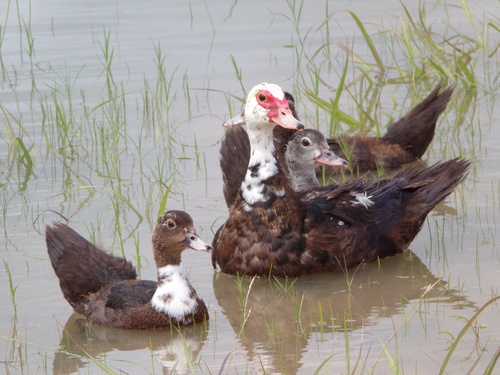
© Texas Bird Family · CC BY · iNaturalist 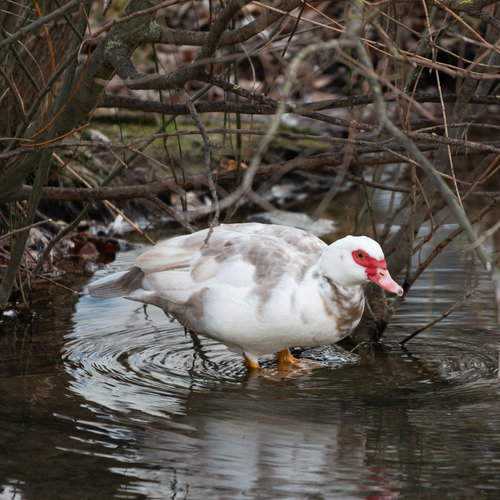
© euqirneto · CC BY · iNaturalist 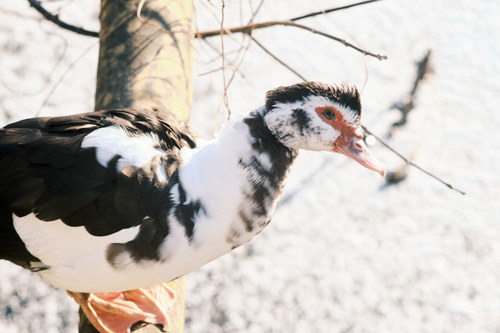
© Arsen Vorobei · CC BY · iNaturalist 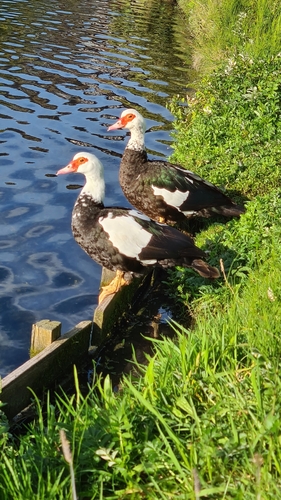
© karliatje · CC BY · iNaturalist 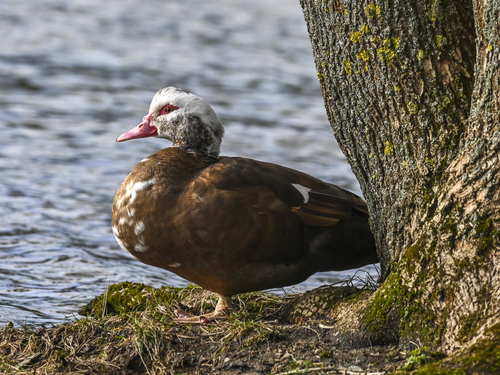
© Kazimieras Martinaitis · CC BY · iNaturalist 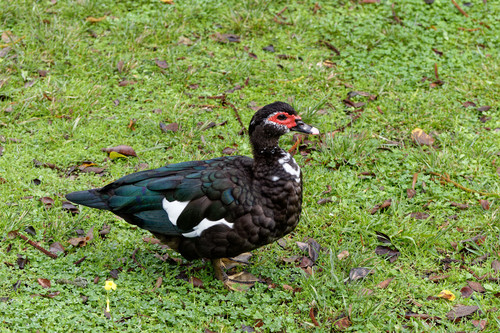
© Donald Davesne · CC BY · iNaturalist 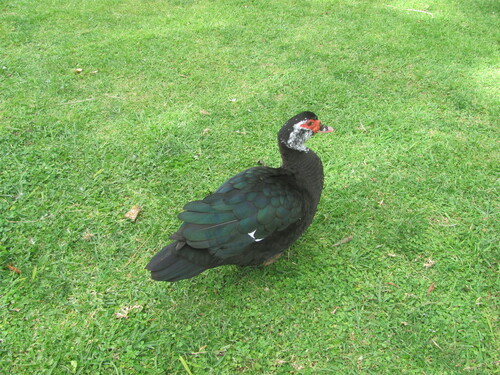
© zebedeugalinha · CC BY · iNaturalist 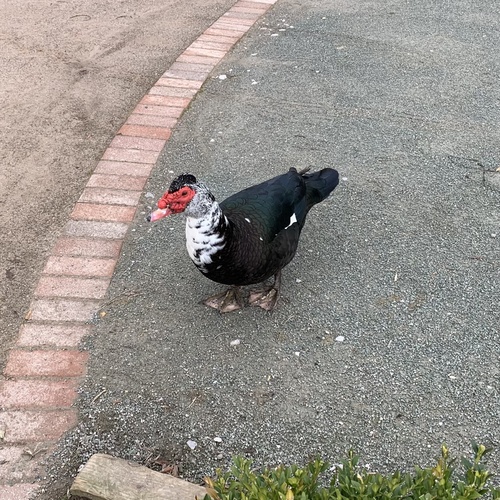
© Jan Sheppard · CC BY · iNaturalist
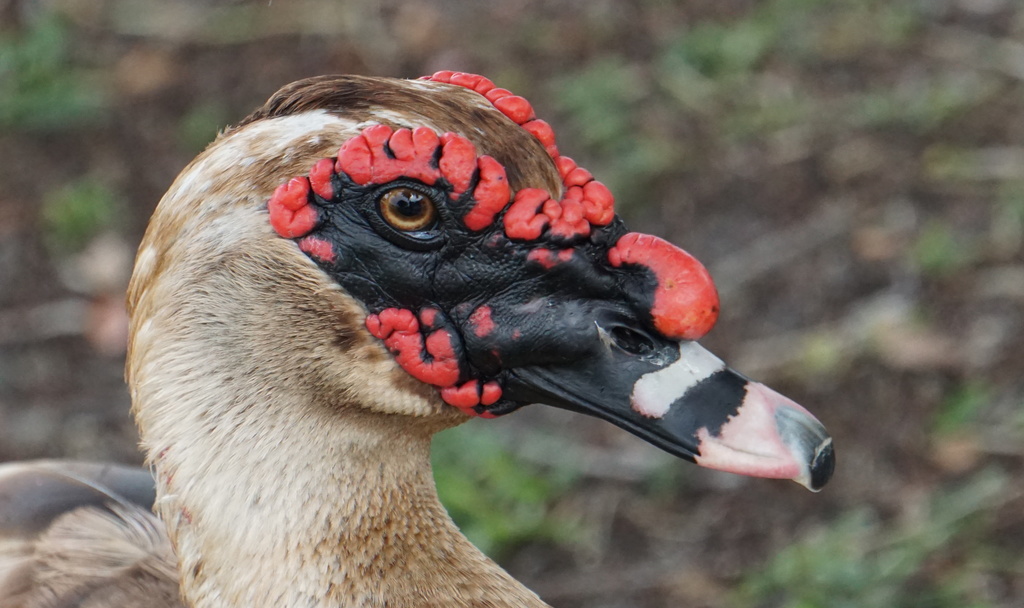
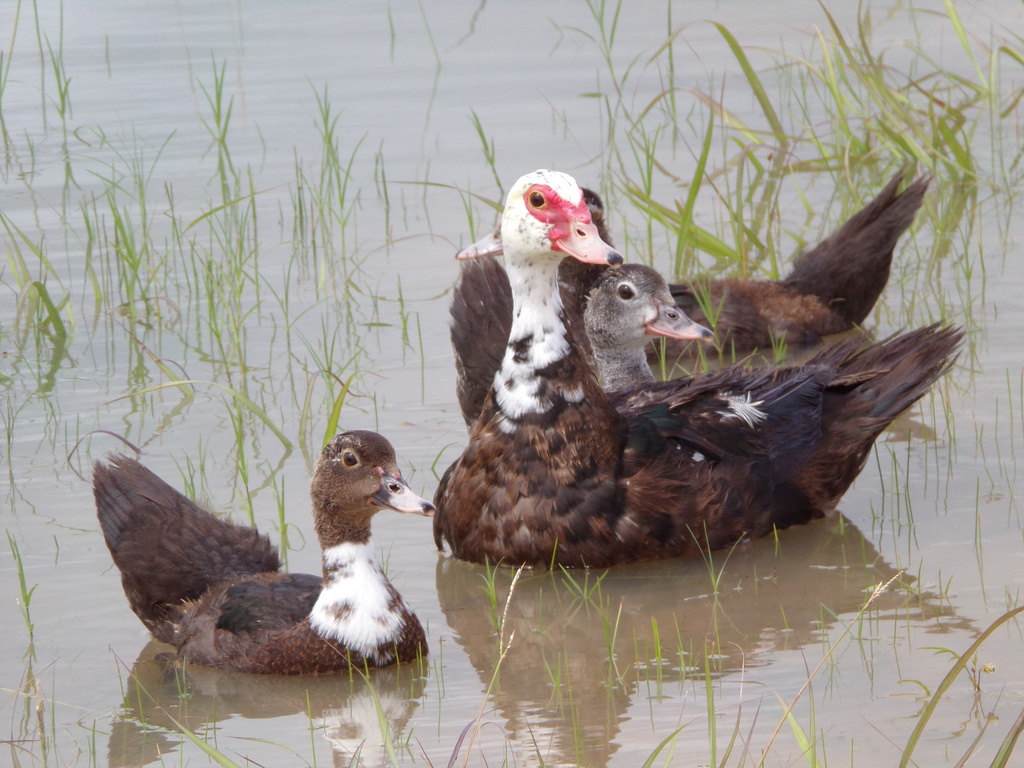
Especies relacionadasRelated species
Otras aves de la familia Anatidae y de órdenes cercanos.Other birds from the Anatidae family and nearby orders.
- Poco comúnUncommon
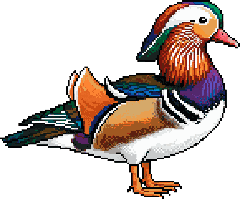 Pato mandarínMandarin DuckAix galericulata
- LegendarioLegendary
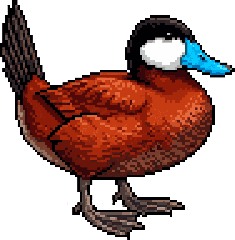 Malvasía canelaRuddy DuckOxyura jamaicensis
- RaroRare
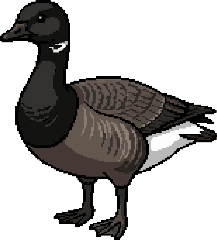 Barnacla carinegraBrant GooseBranta bernicla
- ComúnCommon
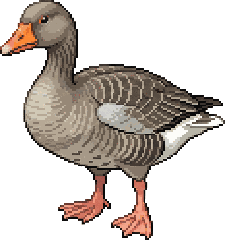 Ánsar comúnGreylag GooseAnser anser
- Poco comúnUncommon
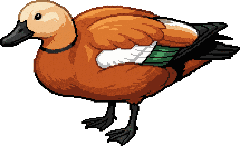 Tarro caneloRuddy ShelduckTadorna ferruginea
- Poco comúnUncommon
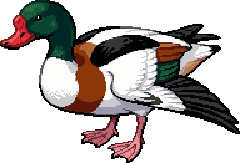 Tarro blancoCommon ShelduckTadorna tadorna
- ComúnCommon
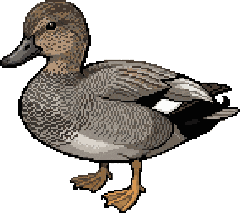 Ánade frisoGadwallMareca strepera
- ComúnCommon
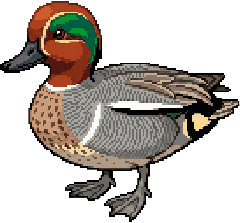 Cerceta comúnEurasian TealAnas crecca
 Gratis, sin anuncios ni comprasFree, no ads, no purchases