 BirdPedy
Barnacla carinegraBrant Goose
En 14 provincias en diciembre y sin registros 2 meses del añoIn 14 provinces in December, and no records in 2 months of the year
Reporte de rarezaRarity report
Por qué es raroWhy it is rareEntre 2020 y 2024 se vio en España en 138 ocasiones distintas, que suman 403 días, todos los años (datos de Observation.org, eBird y iNaturalist publicados en GBIF). En la guía de aves de SEO/BirdLife figura como habitual en España.Between 2020 and 2024 it was seen in Spain on 138 separate occasions, adding up to 403 days, every year (data from Observation.org, eBird and iNaturalist published on GBIF). SEO/BirdLife's bird guide lists it as regular in Spain.
Cada carrizo es un mes: su altura, las provincias con registros de 2020 a 2024.Each reed is a month: its height, the provinces with records from 2020 to 2024.- Provincias con registrosProvinces with records
- 19 de 52of 52
- En la appIn the app
- Diciembre a febreroDecember to February
- EnvergaduraWingspan
- 105-117 cm105-117 cm
- LongitudLength
- 55-62 cm55-62 cm
- Lista Roja de EspañaSpanish Red List
- NE No evaluada en EspañaNot assessed in Spain
Información generalGeneral Information
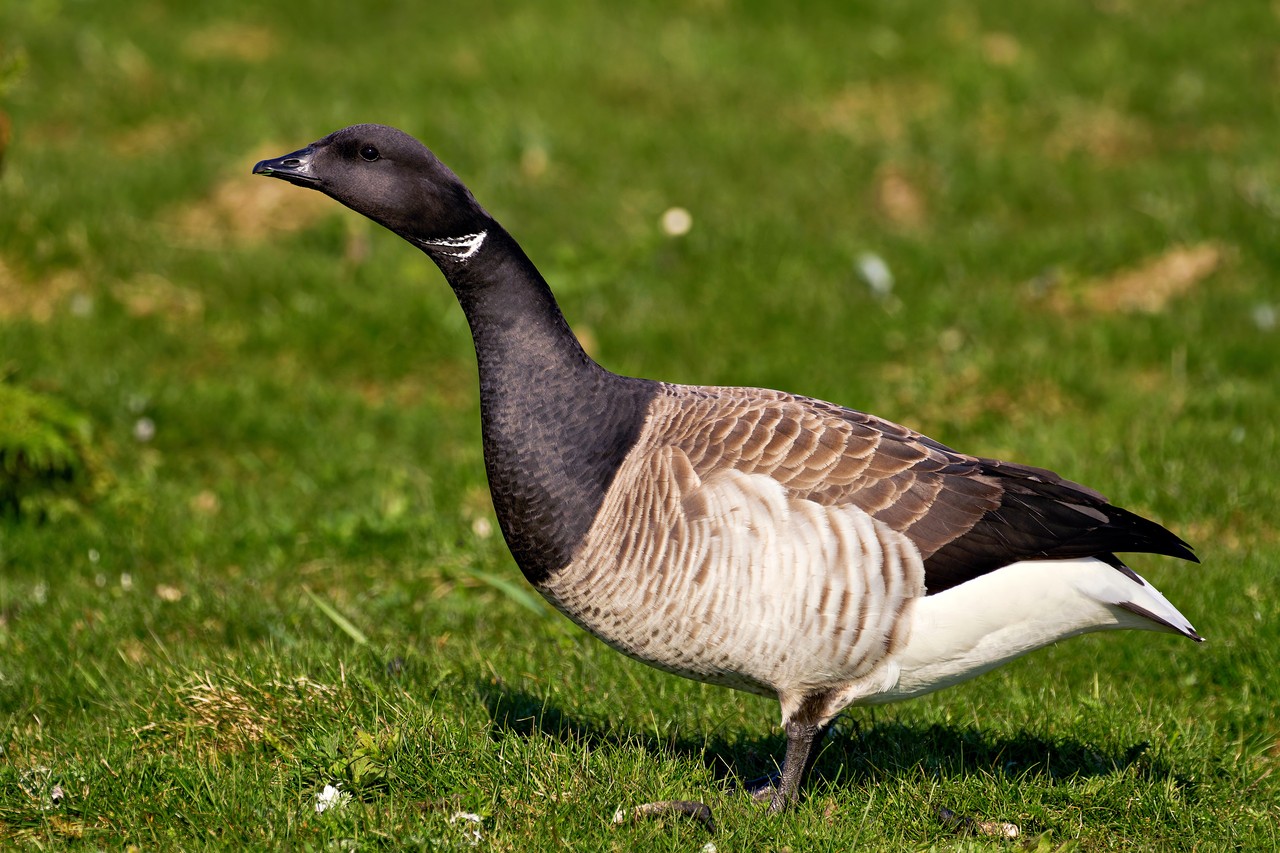
Este ganso de pequeño tamaño y coloración general bastante oscura tiene su área de reproducción en las gélidas latitudes cercanas al Ártico, donde se instala tanto en humedales como en los extensos pastizales de la tundra. Nuestro país acoge todos los inviernos algunos ejemplares aislados, siempre en escaso número, que recalan en las costas gallegas y cantábricas.This small, rather dark goose breeds in the icy latitudes near the Arctic, where it settles both in wetlands and on the vast grasslands of the tundra. Every winter Spain receives a few scattered birds, always in small numbers, which reach the Galician and Cantabrian coasts.
IdentificaciónIdentification
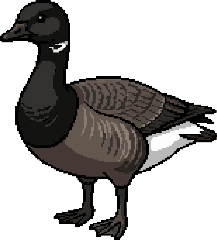
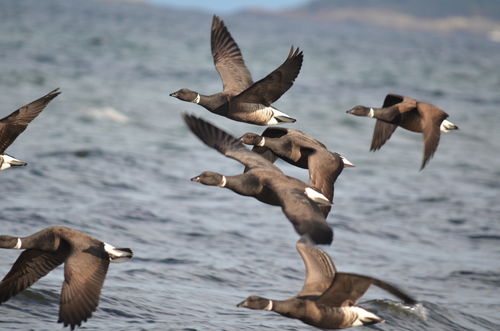
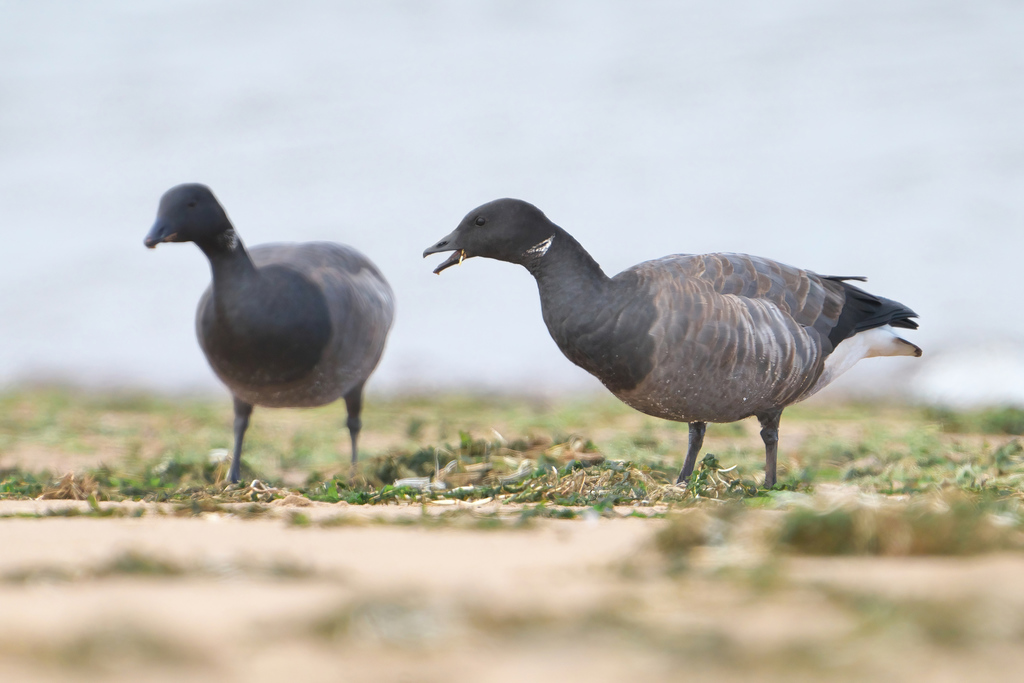
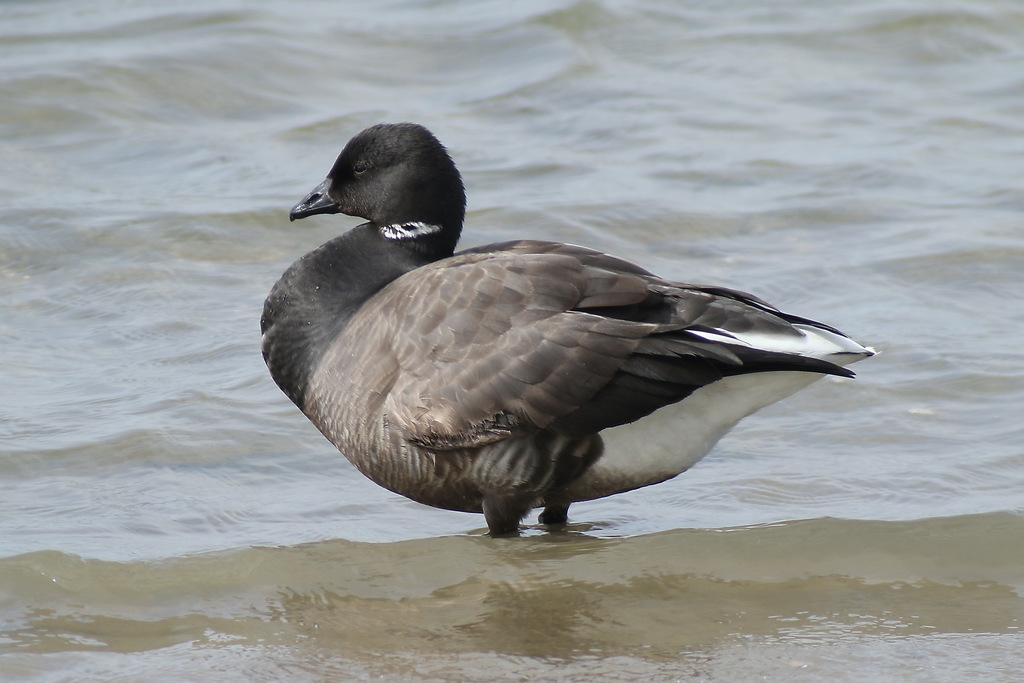
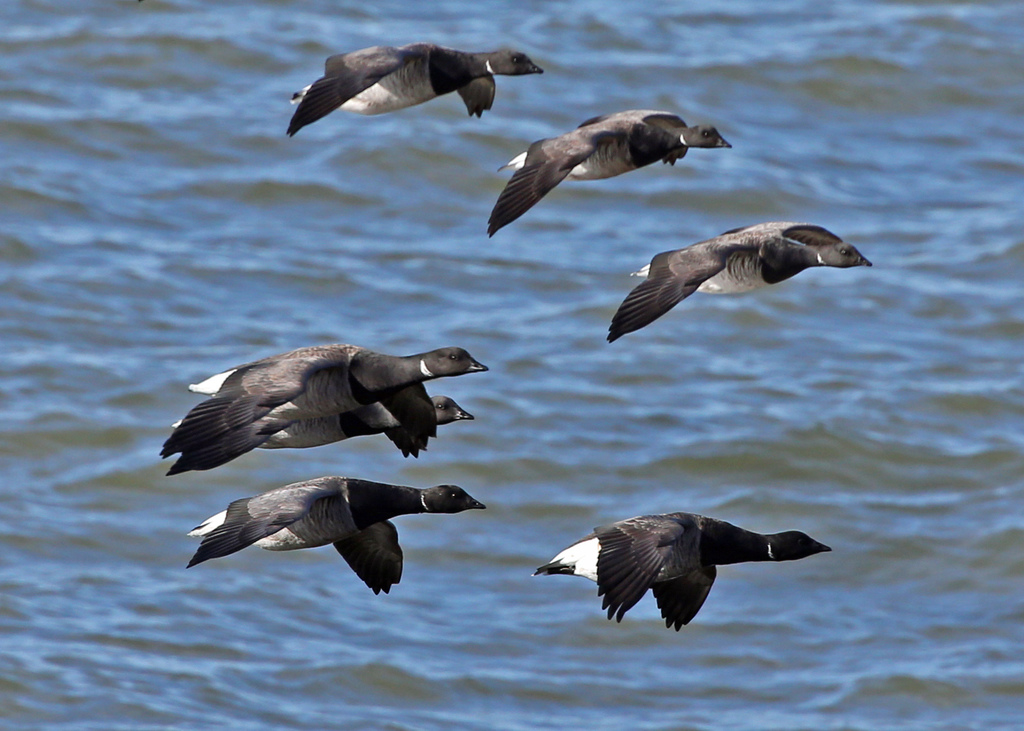
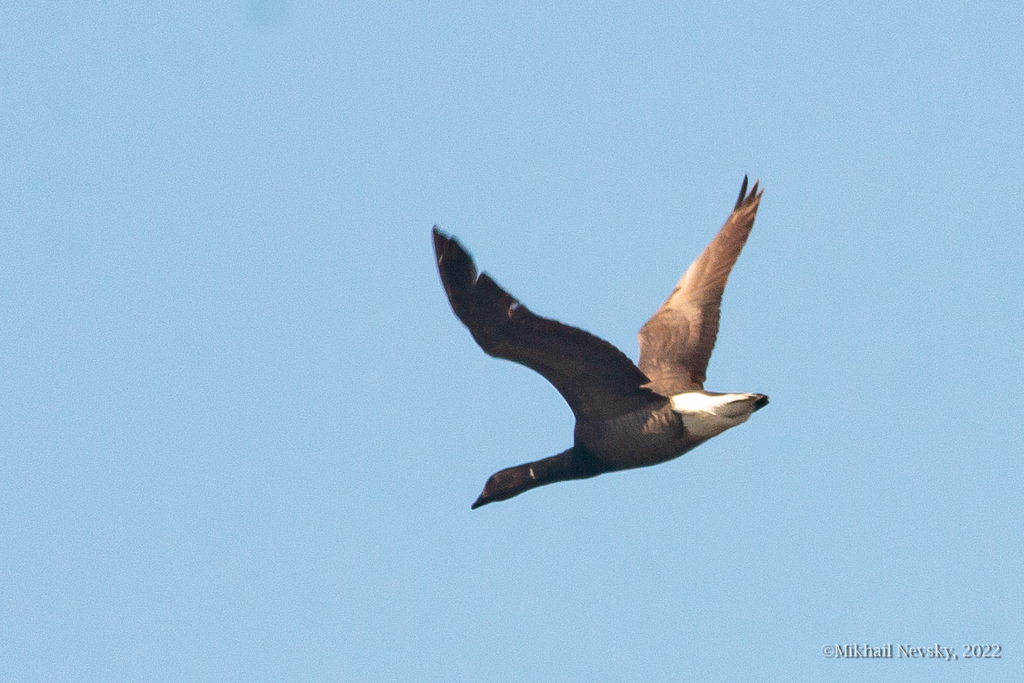
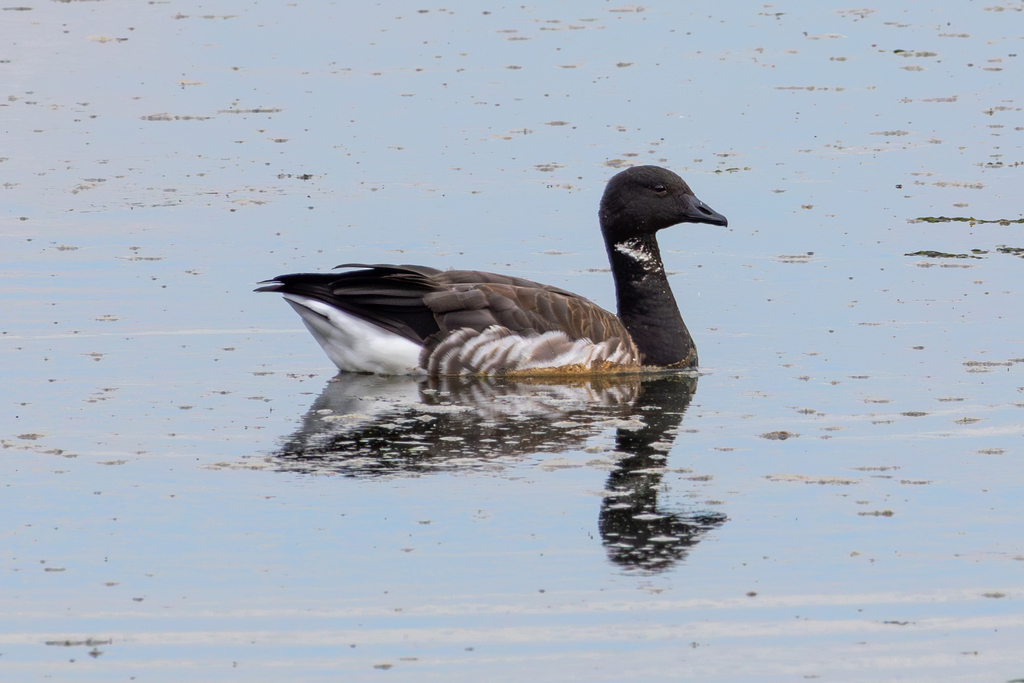
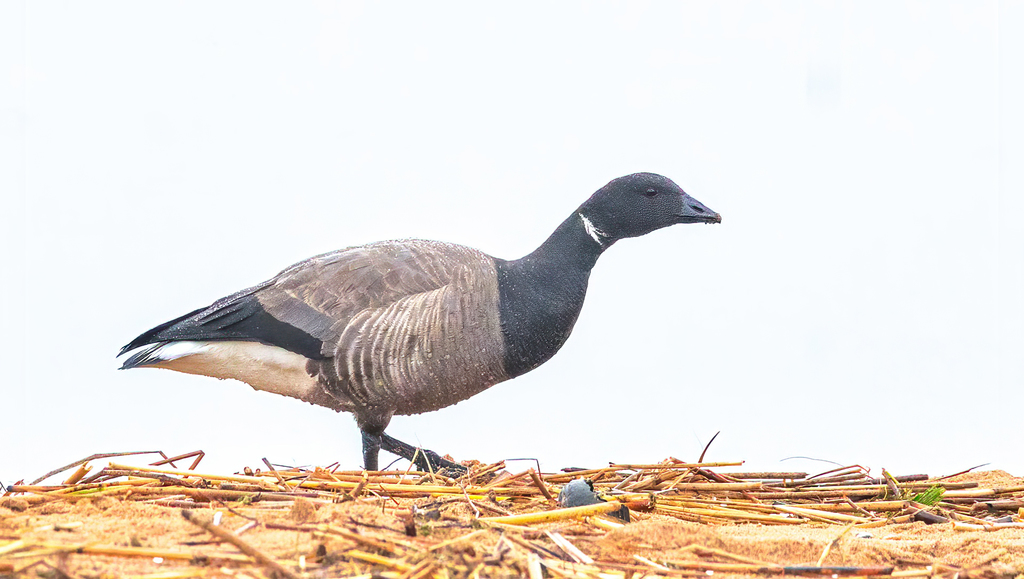
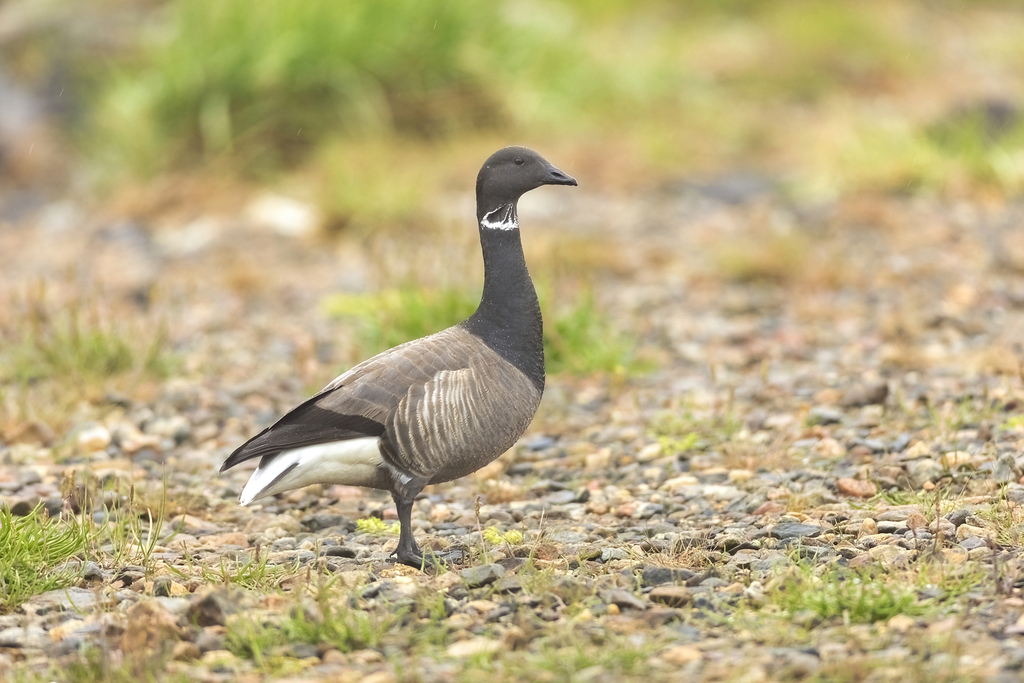
La barnacla carinegra tiene un tamaño algo mayor que un ánade azulón. Presenta un aspecto general bastante oscuro, con cabeza, cuello y pecho completamente negros, a excepción de unas manchas blancas a ambos lados del cuello. Las regiones dorsales son pardo-grisáceas, la zona anal es blanca, la cola negra y el vientre grisáceo claro. Este último varía de tonalidad según las distintas subespecies. En vuelo, la barnacla carinegra resulta relativamente oscura, y su cabeza y cuello resaltan vivamente sobre las partes inferiores.The Brant Goose is slightly larger than a Mallard. It looks rather dark overall, with an entirely black head, neck and breast, except for white patches on each side of the neck. The upperparts are grayish brown, the vent is white, the tail black and the belly pale grayish; the shade of the belly varies between subspecies. In flight it looks relatively dark, and its head and neck stand out sharply against the underparts.
DistribuciónDistribution
En España, las costas gallegas y cantábricas acogen casi todos los inviernos algunos individuos aislados de esta anátida, pertenecientes a la subespecie bernicla, aunque se han registrado citas ocasionales de la raza hrota. Se conoce también un núcleo de importancia en las marismas de Santoña (Cantabria), y ejemplares aislados o pequeños grupos irregulares y dispersos que pueden aparecer en toda la costa atlántica, desde Guipúzcoa a Cádiz, con citas esporádicas en el interior, en el litoral mediterráneo y en Canarias. La invernada regular en España es reciente, a partir de 1990, con pocos registros antes de ese año.In Spain, the Galician and Cantabrian coasts host a few scattered birds almost every winter, of the subspecies bernicla, although there are occasional records of the race hrota. There is also an important group in the Santoña marshes (Cantabria), and single birds or small, irregular and scattered groups can turn up anywhere along the Atlantic coast, from Gipuzkoa to Cádiz, with sporadic records inland, on the Mediterranean coast and in the Canary Islands. Regular wintering in Spain is recent, since 1990, with few records before that year.
Textos reproducidos con permiso de laTexts translated and reproduced with permission from the Guía de Aves de España © SEO/BirdLife
Estado de conservaciónConservation Status
- EX
- RE
- CR
- EN
- VU
- NT
- LC
NE
No evaluada en EspañaNot assessed in Spain
Sin categoría en el Libro Rojo de las Aves de España 2021No category in the Red Book of the Birds of Spain 2021
Qué significa cada categoríaWhat each category means
- LC
- Preocupación menor: Taxón evaluado que no califica para categorías amenazadas. Especies abundantes y ampliamente distribuidasLeast Concern - Evaluated taxon that does not qualify for threatened categories. Widespread and abundant taxa
- NT
- Casi amenazada: No califica actualmente como amenazada, pero está cerca de calificar o es probable que califique en el futuro cercanoNear Threatened - Does not currently qualify as threatened, but is close to qualifying or likely to qualify in the near future
- VU
- Vulnerable: Enfrenta un alto riesgo de extinción en estado silvestre según los criterios A a E de IUCNVulnerable - Facing a high risk of extinction in the wild based on IUCN criteria A to E
- EN
- En peligro: Enfrenta un riesgo muy alto de extinción en estado silvestre según los criterios A a E de IUCNEndangered - Facing a very high risk of extinction in the wild based on IUCN criteria A to E
- CR
- En peligro crítico: Enfrenta un riesgo extremadamente alto de extinción en estado silvestre según los criterios A a E de IUCNCritically Endangered - Facing an extremely high risk of extinction in the wild based on IUCN criteria A to E
- DD
- Datos insuficientes: Información inadecuada para evaluar el riesgo de extinción basándose en distribución o estado poblacionalData Deficient - Inadequate information to assess extinction risk based on distribution and/or population status
- NE
- No evaluada: No ha sido evaluada aún contra los criterios de la Lista Roja de IUCNNot Evaluated - Has not yet been assessed against the IUCN Red List criteria
- RE
- Extinta regionalmente: El taxón ya no existe en la región específica, aunque puede sobrevivir en otros lugaresRegionally Extinct - Taxon no longer exists in the specific region, though it may survive elsewhere
- EX
- Extinta - No existe duda razonable de que ha muerto el último individuo del taxónExtinct - No reasonable doubt that the last individual of the taxon has died
TaxonomíaTaxonomy
- OrdenOrder
- Anseriformes
- FamiliaFamily
- Anatidae
Presencia en EspañaPresence in Spain
- HabitualRegular
- InvernanteWinter visitor
En la app: diciembre a febrero.In the app: December to February.
Dónde verlaWhere to see it
71 cuadrículas de 10 km con registros de 2020 a 2024. Toca un mes para ver dónde se ha visto.71 10 km squares with records from 2020 to 2024. Pick a month to see where it has been seen.
Cargando el mapa…Loading the map…
Dónde es regularWhere it is regular
Provincias con registros en al menos 3 de los 5 años algún mes, de más a menos frecuente, y sus mejores meses.Provinces with records in at least 3 of the 5 years in some month, from most to least frequent, and their best months.
- CantabriaCantabriadiciembre, enero, febreroDecember, January, February
- VizcayaVizcayaenero, noviembreJanuary, November
- A CoruñaA Coruñadiciembre, noviembreDecember, November
- PontevedraPontevedrafebrero, diciembreFebruary, December
- AsturiasAsturiasdiciembre, septiembreDecember, September
- GuipúzcoaGuipúzcoanoviembre, diciembreNovember, December
- CádizCádizeneroJanuary
Datos: registros en GBIF de 2020 a 2024 de Observation.org, eBird, iNaturalist y el ICO, descargados el 23/10/2026.Data: GBIF records from 2020 to 2024 from Observation.org, eBird, iNaturalist and the ICO, downloaded on 23/10/2026. GBIF.org (23 October 2026) GBIF Occurrence Download · doi:10.15468/dl.r5sf2a · CC BY-NC 4.0
GaleríaGallery
© Liam Steele · CC BY · iNaturalist 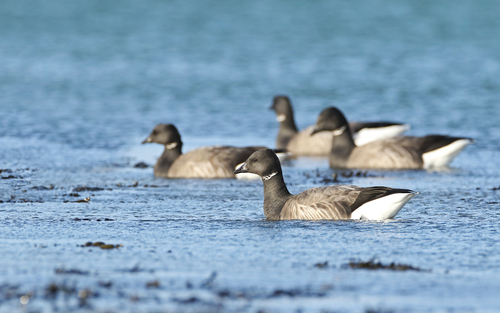
© Christoph Moning · CC BY · iNaturalist 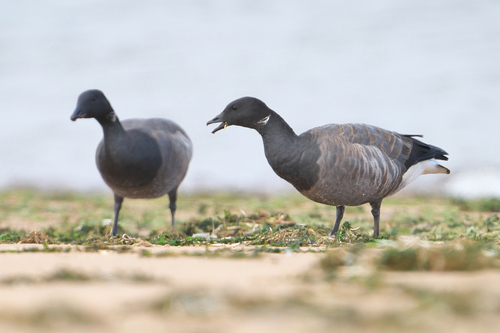
© Andrey Gulivanov · CC BY · iNaturalist 
© Donald Hobern · CC BY · iNaturalist 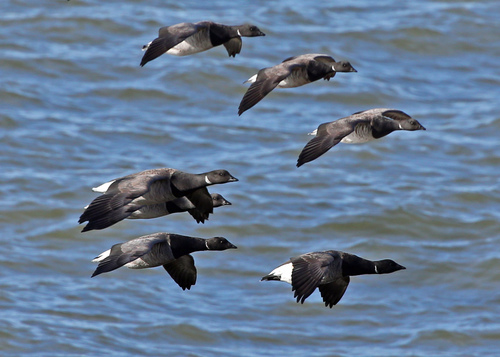
© Roy Lowry · CC BY · iNaturalist 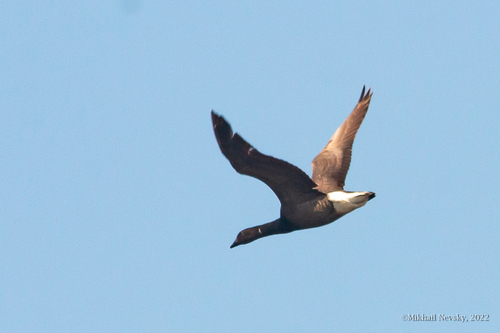
© Mikhail Nevsky · CC BY · iNaturalist 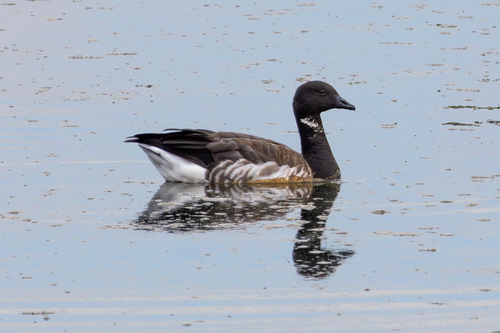
© Diego González Dopico · CC BY · iNaturalist 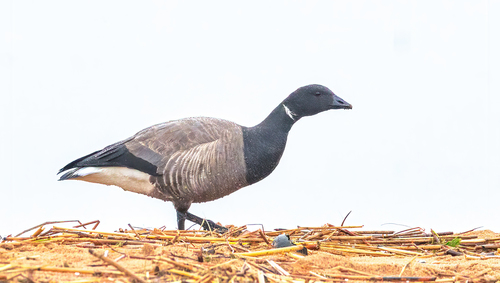
© egorbirder · CC BY · iNaturalist 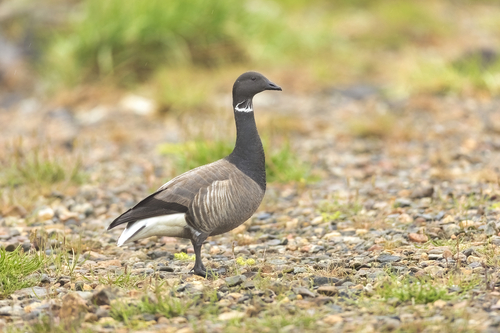
© egorbirder · CC BY · iNaturalist
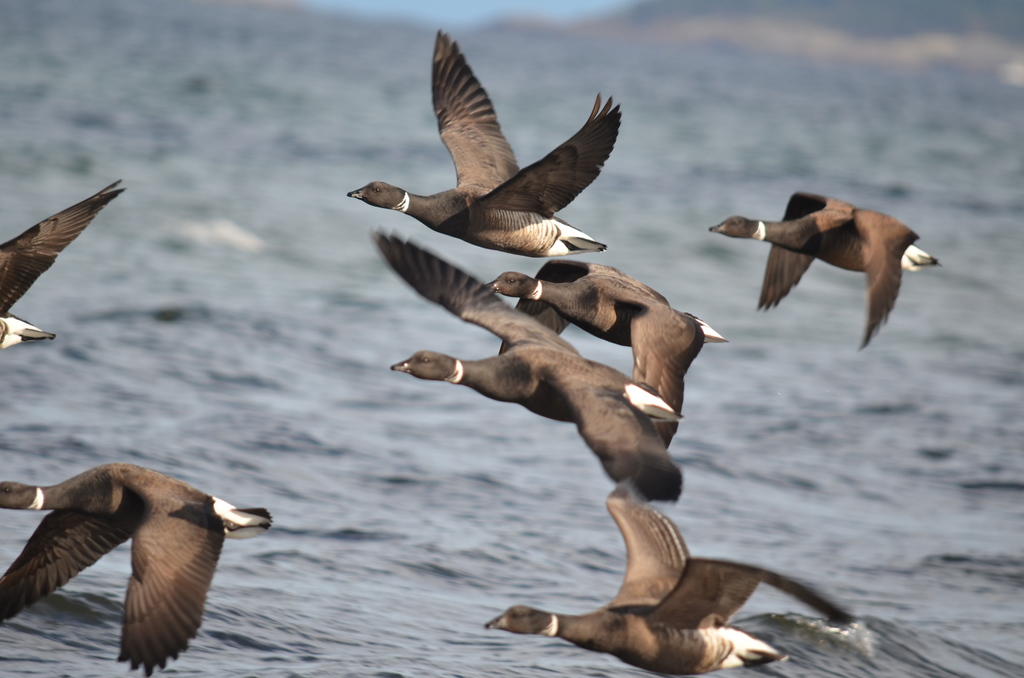
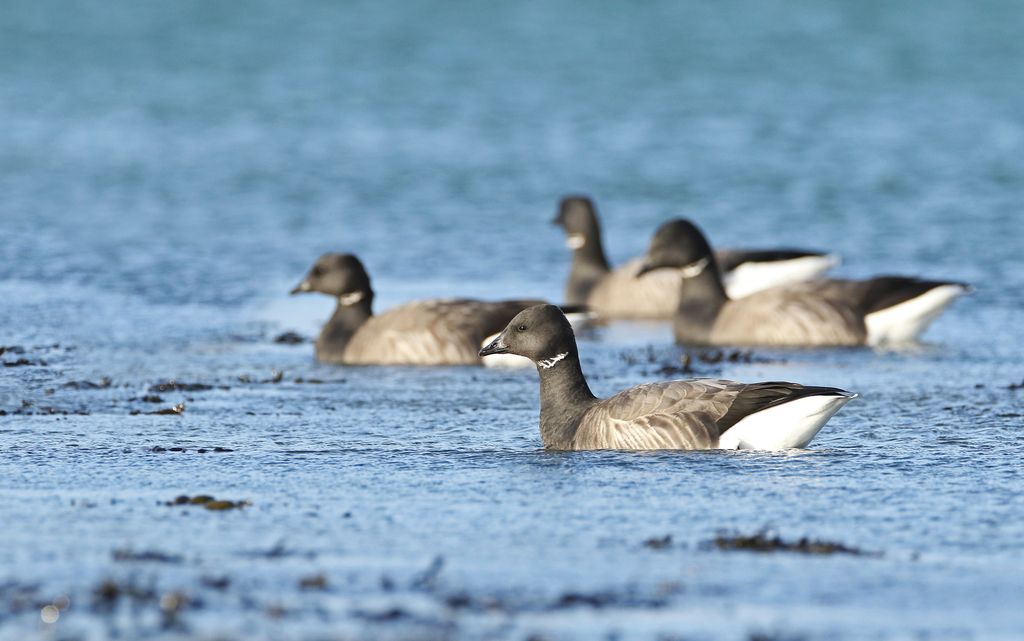
Especies relacionadasRelated species
Otras aves de la familia Anatidae y de órdenes cercanos.Other birds from the Anatidae family and nearby orders.
- ComúnCommon
 Ánsar comúnGreylag GooseAnser anser
- Poco comúnUncommon
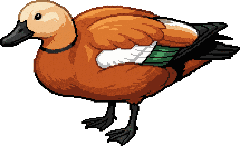 Tarro caneloRuddy ShelduckTadorna ferruginea
- Poco comúnUncommon
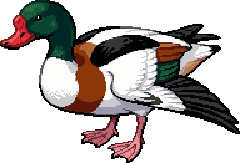 Tarro blancoCommon ShelduckTadorna tadorna
- ComúnCommon
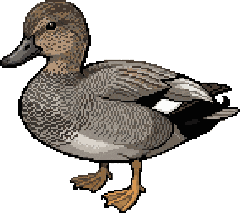 Ánade frisoGadwallMareca strepera
- ComúnCommon
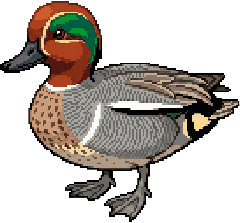 Cerceta comúnEurasian TealAnas crecca
- ComúnCommon
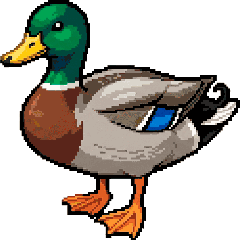 Ánade azulónMallardAnas platyrhynchos
- Poco comúnUncommon
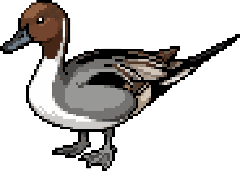 Ánade rabudoNorthern PintailAnas acuta
- Poco comúnUncommon
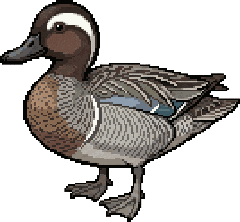 Cerceta carretonaGarganeySpatula querquedula
 Gratis, sin anuncios ni comprasFree, no ads, no purchases