 BirdPedy
Tarro caneloRuddy Shelduck
En 29 provincias en septiembre y en 16 en julioIn 29 provinces in September and 16 in July
Reporte de rarezaRarity report
Por qué es poco comúnWhy it is uncommonEn España cría en Canarias, sobre todo en Fuerteventura, donde llegó por sus propios medios y va en aumento. En la Península aparece de forma escasa e irregular.In Spain it breeds in the Canary Islands, mainly on Fuerteventura, which it colonised on its own and where it keeps increasing. On the mainland it turns up scarcely and irregularly.
Cada carrizo es un mes: su altura, las provincias con registros de 2020 a 2024.Each reed is a month: its height, the provinces with records from 2020 to 2024.- Provincias con registrosProvinces with records
- 42 de 52of 52
- En la appIn the app
- Todo el añoAll year
- EnvergaduraWingspan
- 110-135 cm110-135 cm
- LongitudLength
- 58-70 cm58-70 cm
- Lista Roja de EspañaSpanish Red List
- VU VulnerableVulnerable

Información generalGeneral Information
El tarro canelo está presente de forma regular en un número creciente de ubicaciones. Si bien el origen de los efectivos peninsulares actuales es dudoso y sólo se da por segura como silvestre la población canaria, en el pasado reciente era una especie relativamente habitual como invernante en las marismas del Guadalquivir, donde también se conocía su eventual reproducción. De distribución más bien sureña y muy localizada dentro de Europa, la actual presencia de esta bella anátida en muchas localidades españolas se debe, probablemente, a ejemplares escapados de la cautividad o a sueltas intencionadas.Present regularly in an increasing number of locations. While the wild origin of peninsular sightings is often doubted (only the Canarian population is definitely wild), it was once relatively common as a winterer in Doñana. Its presence in many Spanish localities today is likely due to escaped or released individuals.
IdentificaciónIdentification
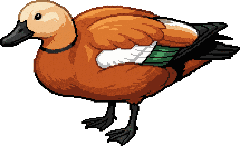
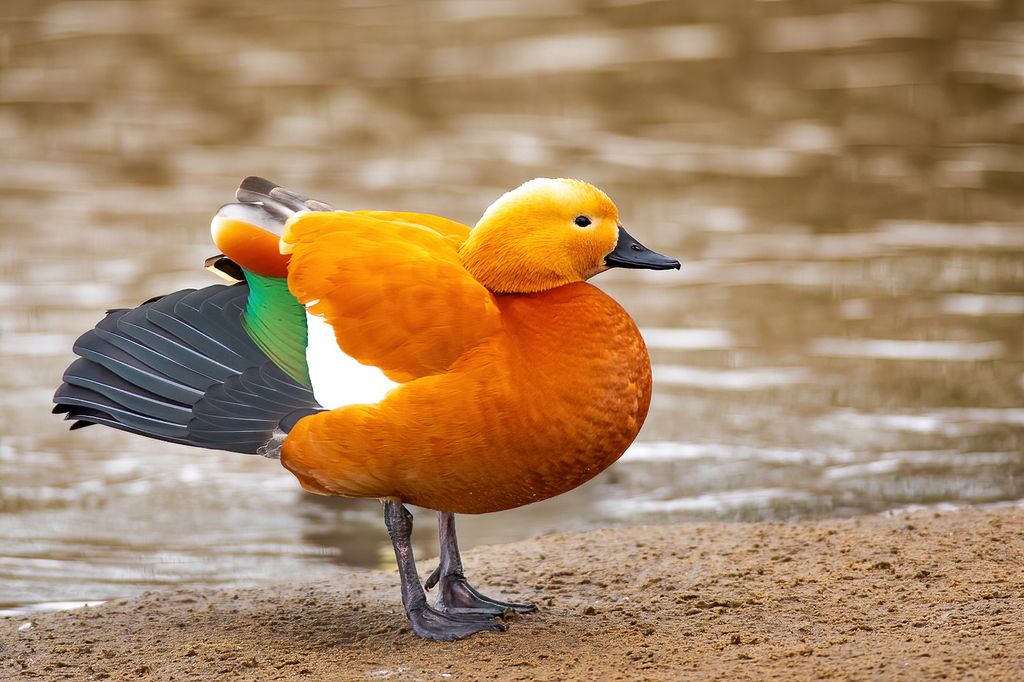
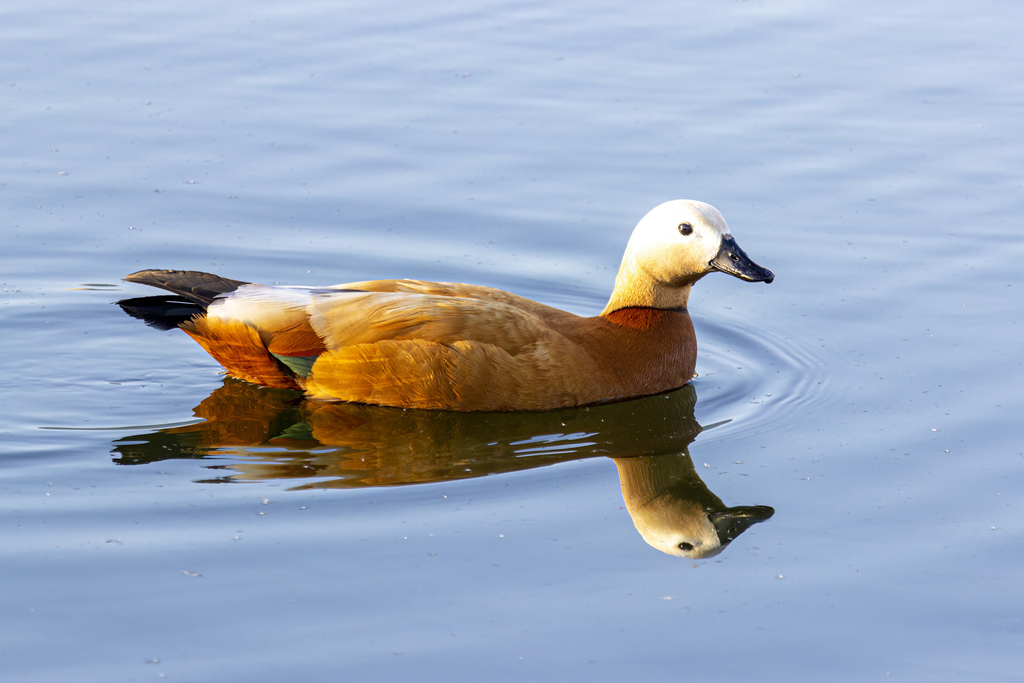
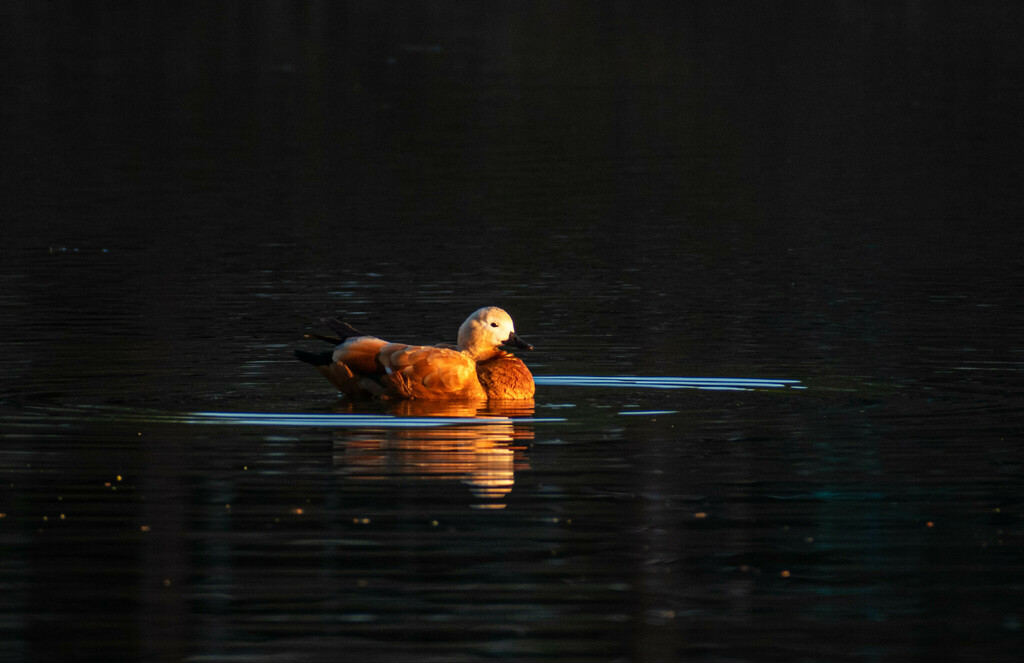
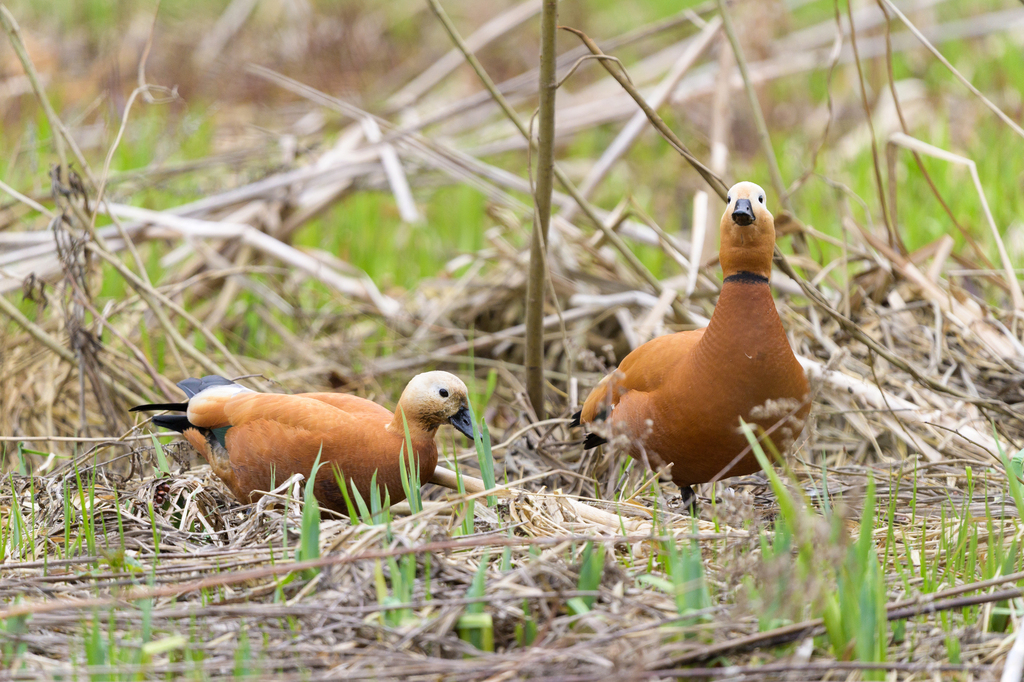
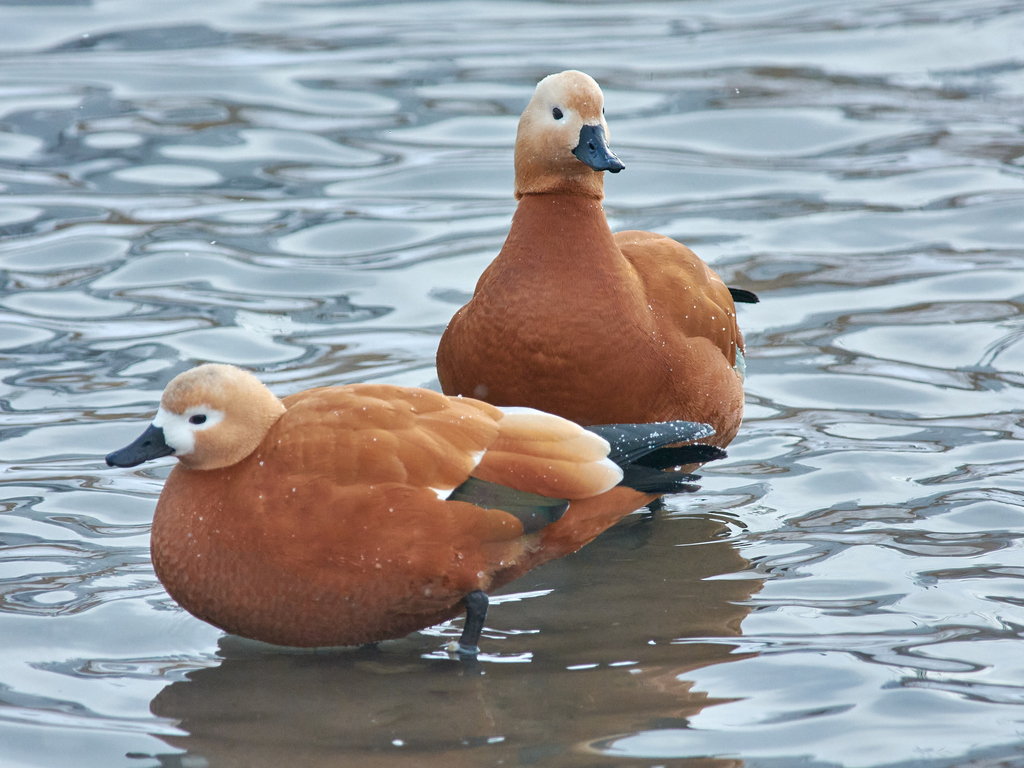
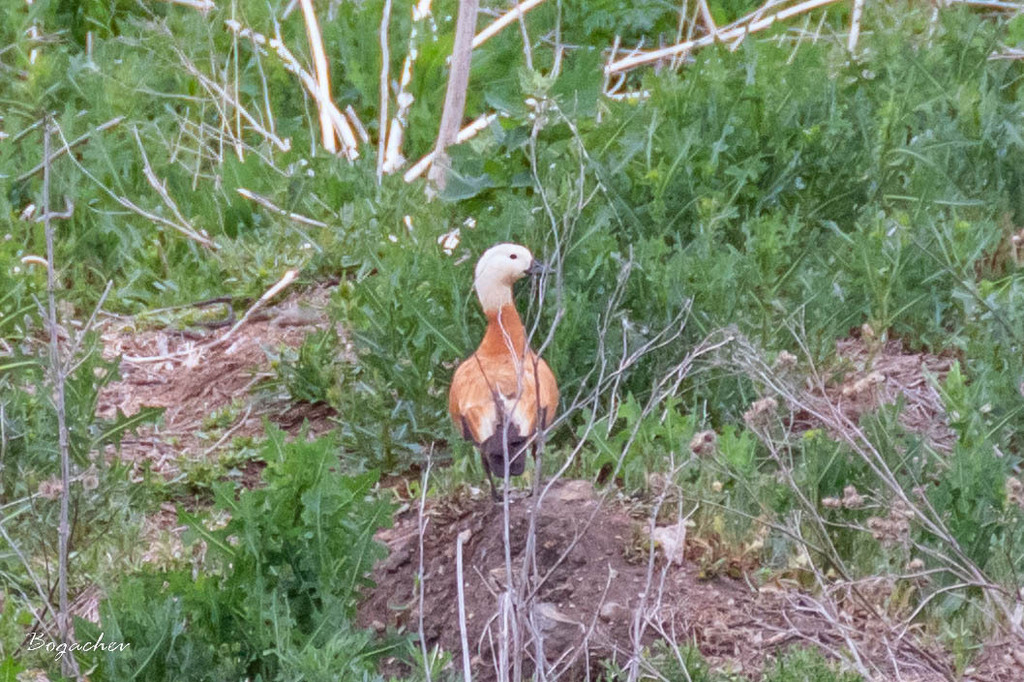
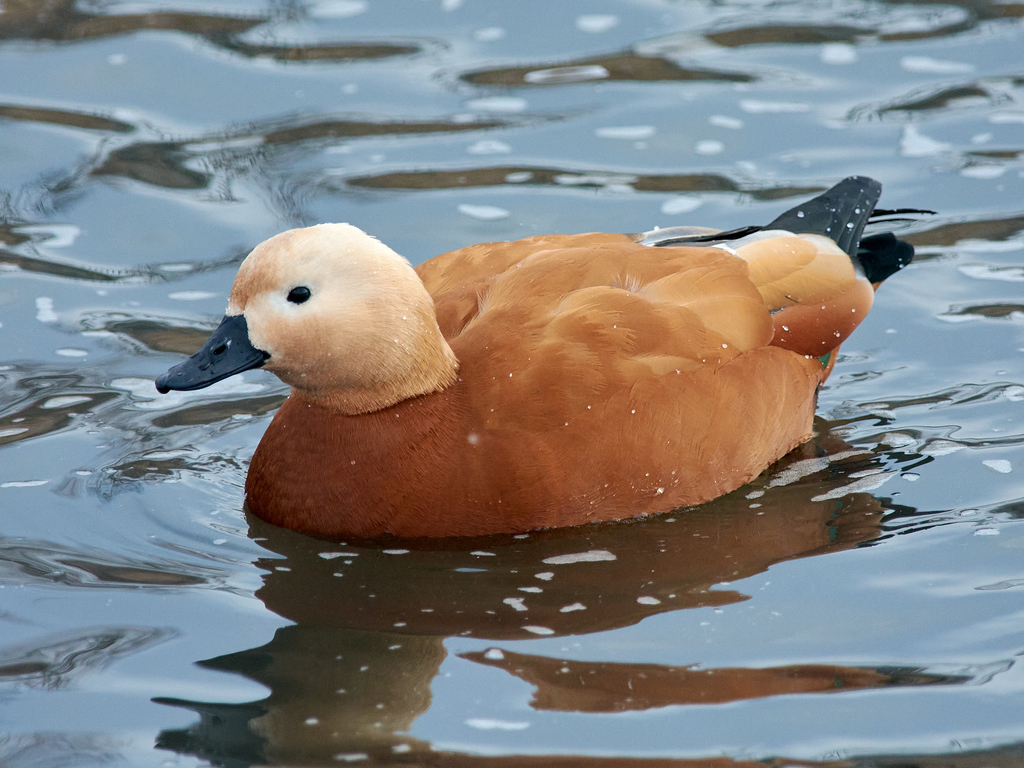
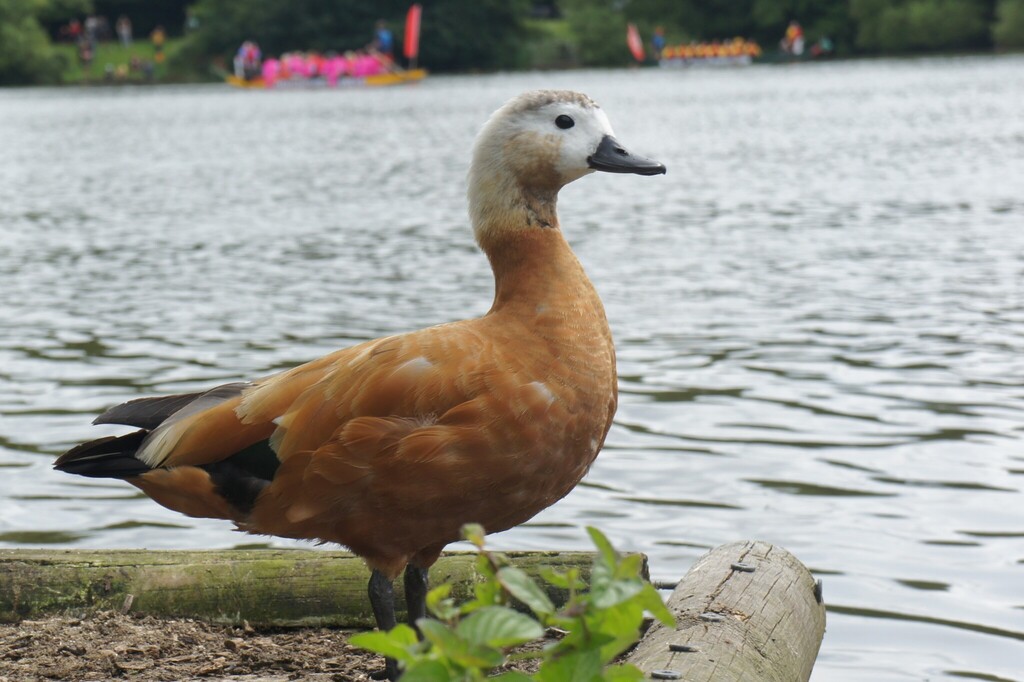
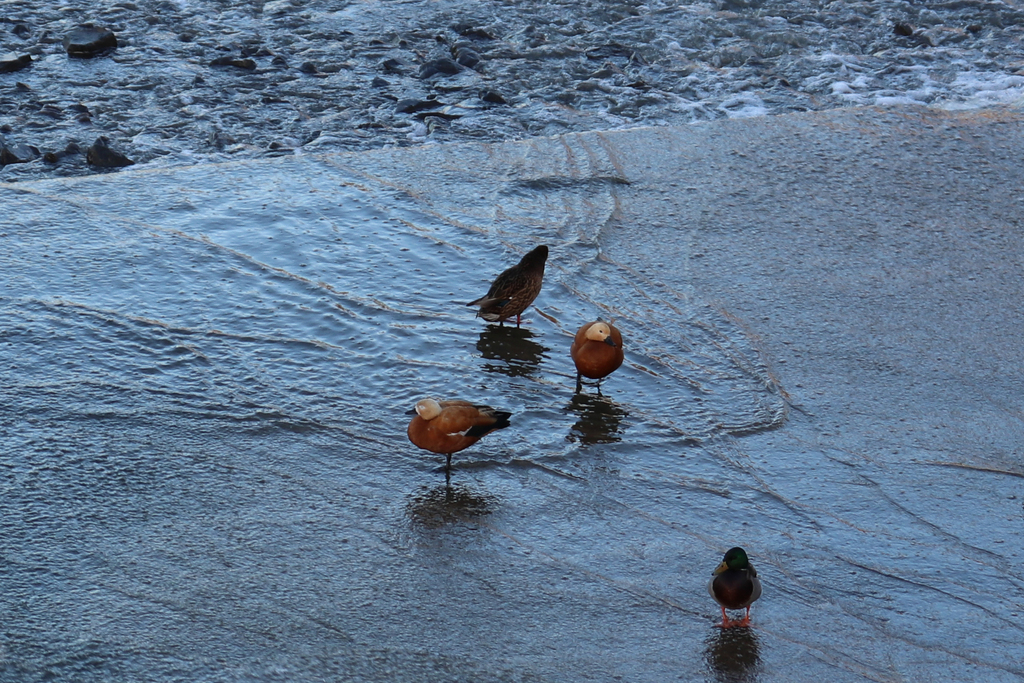
El tarro canelo es una anátida de tamaño mediano y aspecto de ganso, con el cuello y las patas bastante largos y alas largas y estrechas. Los sexos son similares y presentan el cuerpo de un color pardo anaranjado, con la cabeza más pálida, color crema, especialmente en la frente y alrededor del ojo. El obispillo y la cola son de color negro irisado, la parte anterior del ala, blanca por encima y por debajo, y el pico, negro. El macho adulto posee un estrecho collar negro y la espalda más lisa que la hembra adulta, que luce, por otra parte, una máscara facial más destacada. El joven es similar a la hembra, pero con la espalda más grisácea.A medium-sized duck with a goose-like appearance, long neck and legs, and long narrow wings. Sexes are similar: orange-brown body with a paler cream-colored head (especially forehead and around the eye). Rump and tail are iridescent black; forewing is white above and below; bill is black. Adult males have a narrow black collar. Juveniles are similar to females but with a more grayish back.
DistribuciónDistribution
El tarro canelo tiene distribución restringida a enclaves localizados de las comunidades de Andalucía, Valencia, Aragón, Navarra, País Vasco, Cantabria y Asturias, siendo más notoria y extendida en Canarias, Madrid, el sur de Castilla y León y el norte de Extremadura y Castilla-La Mancha.Restricted to localized hubs in Andalusia, Valencia, Aragon, Navarre, and Asturias. More noted and spreading in the Canaries, Madrid, Southern Castile-León, and Northern Extremadura.
Textos reproducidos con permiso de laTexts translated and reproduced with permission from the Guía de Aves de España © SEO/BirdLife
Estado de conservaciónConservation Status
- EX
- RE
- CR
- EN
- VU
- NT
- LC
VulnerableVulnerable
Qué significa cada categoríaWhat each category means
- LC
- Preocupación menor: Taxón evaluado que no califica para categorías amenazadas. Especies abundantes y ampliamente distribuidasLeast Concern - Evaluated taxon that does not qualify for threatened categories. Widespread and abundant taxa
- NT
- Casi amenazada: No califica actualmente como amenazada, pero está cerca de calificar o es probable que califique en el futuro cercanoNear Threatened - Does not currently qualify as threatened, but is close to qualifying or likely to qualify in the near future
- VU
- Vulnerable: Enfrenta un alto riesgo de extinción en estado silvestre según los criterios A a E de IUCNVulnerable - Facing a high risk of extinction in the wild based on IUCN criteria A to E
- EN
- En peligro: Enfrenta un riesgo muy alto de extinción en estado silvestre según los criterios A a E de IUCNEndangered - Facing a very high risk of extinction in the wild based on IUCN criteria A to E
- CR
- En peligro crítico: Enfrenta un riesgo extremadamente alto de extinción en estado silvestre según los criterios A a E de IUCNCritically Endangered - Facing an extremely high risk of extinction in the wild based on IUCN criteria A to E
- DD
- Datos insuficientes: Información inadecuada para evaluar el riesgo de extinción basándose en distribución o estado poblacionalData Deficient - Inadequate information to assess extinction risk based on distribution and/or population status
- NE
- No evaluada: No ha sido evaluada aún contra los criterios de la Lista Roja de IUCNNot Evaluated - Has not yet been assessed against the IUCN Red List criteria
- RE
- Extinta regionalmente: El taxón ya no existe en la región específica, aunque puede sobrevivir en otros lugaresRegionally Extinct - Taxon no longer exists in the specific region, though it may survive elsewhere
- EX
- Extinta - No existe duda razonable de que ha muerto el último individuo del taxónExtinct - No reasonable doubt that the last individual of the taxon has died
TaxonomíaTaxonomy
- OrdenOrder
- Anseriformes
- FamiliaFamily
- Anatidae
Presencia en EspañaPresence in Spain
- HabitualRegular
- ResidenteResident
En la app: todo el año.In the app: all year.
Dónde verlaWhere to see it
299 cuadrículas de 10 km con registros de 2020 a 2024. Toca un mes para ver dónde se ha visto.299 10 km squares with records from 2020 to 2024. Pick a month to see where it has been seen.
Cargando el mapa…Loading the map…
Dónde es regularWhere it is regular
Provincias con registros en al menos 3 de los 5 años algún mes, de más a menos frecuente, y sus mejores meses.Provinces with records in at least 3 of the 5 years in some month, from most to least frequent, and their best months.
- Las PalmasLas Palmasmarzo, diciembre, febreroMarch, December, February
- Santa Cruz de TenerifeSanta Cruz de Tenerifenoviembre, septiembre, octubreNovember, September, October
- MadridMadridmayo, septiembre, abrilMay, September, April
- ÁlavaÁlavamarzo, agosto, septiembreMarch, August, September
- BarcelonaBarcelonaoctubre, diciembre, julioOctober, December, July
- ÁvilaÁvilaseptiembre, agosto, octubreSeptember, August, October
- ToledoToledooctubre, agosto, septiembreOctober, August, September
- TarragonaTarragonaseptiembreSeptember
- SevillaSevillaenero, noviembre, abrilJanuary, November, April
- AsturiasAsturiasdiciembre, abrilDecember, April
Ver las 14 provinciasSee all 14 provinces
- CáceresCáceresagosto, diciembre, noviembreAugust, December, November
- MurciaMurciaenero, septiembre, agostoJanuary, September, August
- GironaGironamayo, junio, julioMay, June, July
- BadajozBadajozdiciembre, octubreDecember, October
Datos: registros en GBIF de 2020 a 2024 de Observation.org, eBird, iNaturalist y el ICO, descargados el 23/10/2026.Data: GBIF records from 2020 to 2024 from Observation.org, eBird, iNaturalist and the ICO, downloaded on 23/10/2026. GBIF.org (23 October 2026) GBIF Occurrence Download · doi:10.15468/dl.r5sf2a · CC BY-NC 4.0
GaleríaGallery
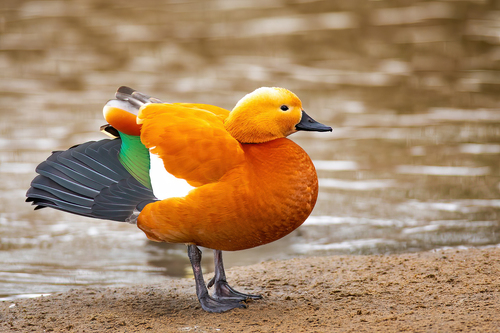
© egorbirder · CC BY · iNaturalist 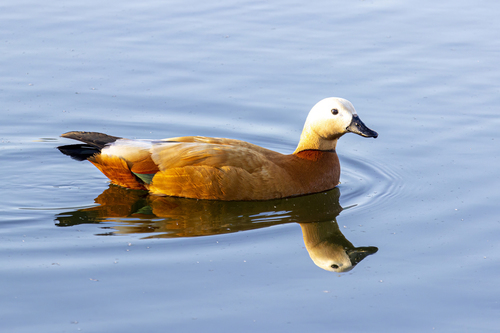
© holycrab · CC BY · iNaturalist 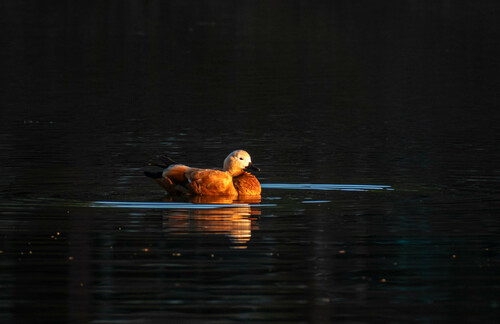
© Михаил Малышев · CC BY · iNaturalist 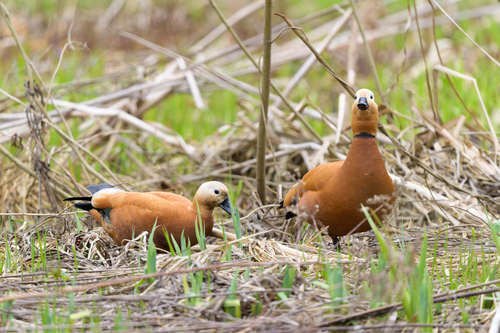
© Павел Кунгуров · CC BY · iNaturalist 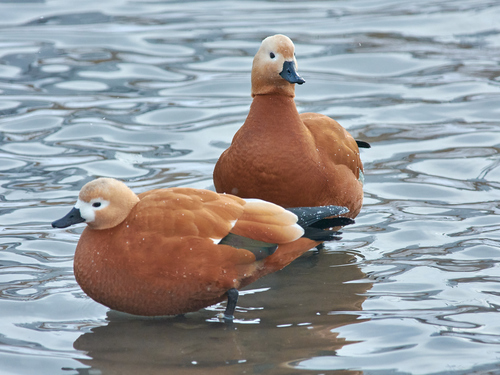
© Сергей Неклюдов · CC BY · iNaturalist 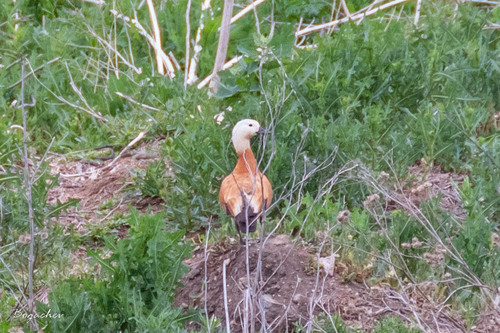
© Александр Богачёв · CC BY · iNaturalist 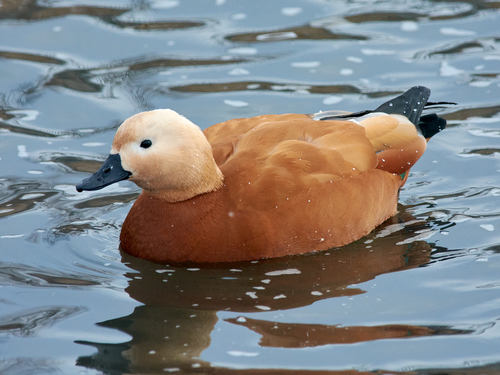
© Сергей Неклюдов · CC BY · iNaturalist 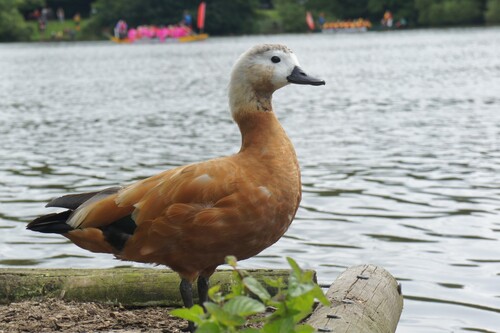
© Alex Press · CC BY · iNaturalist 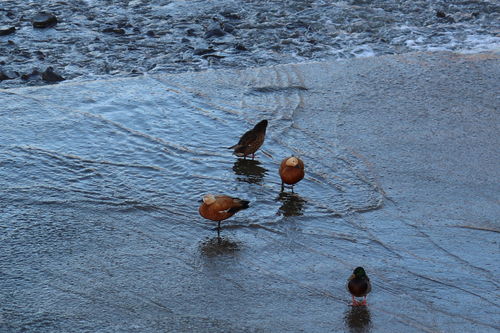
© stolbovsky · CC BY · iNaturalist
Especies relacionadasRelated species
Otras aves de la familia Anatidae y de órdenes cercanos.Other birds from the Anatidae family and nearby orders.
- Poco comúnUncommon
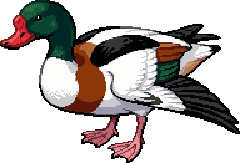 Tarro blancoCommon ShelduckTadorna tadorna
- ComúnCommon
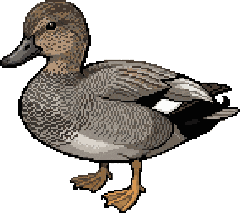 Ánade frisoGadwallMareca strepera
- ComúnCommon
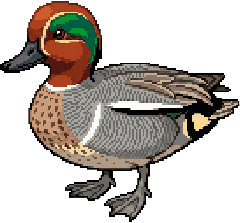 Cerceta comúnEurasian TealAnas crecca
- ComúnCommon
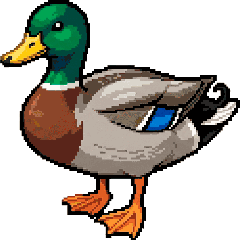 Ánade azulónMallardAnas platyrhynchos
- Poco comúnUncommon
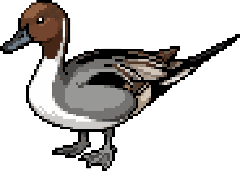 Ánade rabudoNorthern PintailAnas acuta
- Poco comúnUncommon
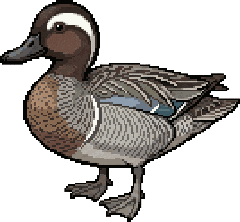 Cerceta carretonaGarganeySpatula querquedula
- ComúnCommon
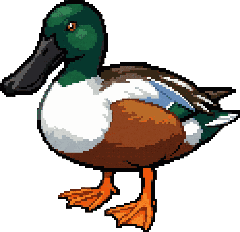 Cuchara comúnNorthern ShovelerSpatula clypeata
- RaroRare
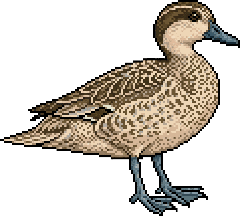 Cerceta pardillaMarbled DuckMarmaronetta angustirostris
 Gratis, sin anuncios ni comprasFree, no ads, no purchases