 BirdPedy
Pato mandarínMandarin Duck
En 27 provincias en noviembre y en 12 en julioIn 27 provinces in November and 12 in July
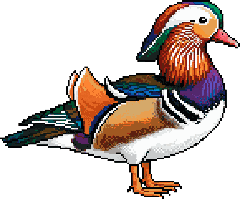
Reporte de rarezaRarity report
Por qué es poco comúnWhy it is uncommonEntre 2020 y 2024 se vio en España en 598 ocasiones distintas, que suman 929 días, todos los años (datos de Observation.org, eBird, iNaturalist y el ICO publicados en GBIF). En la provincia mediana, 1 de cada 53.000 registros de aves es suyo. En la guía de aves de SEO/BirdLife figura como habitual en España.Between 2020 and 2024 it was seen in Spain on 598 separate occasions, adding up to 929 days, every year (data from Observation.org, eBird, iNaturalist and ICO published on GBIF). In the median province, 1 in every 53,000 bird records is of this species. SEO/BirdLife's bird guide lists it as regular in Spain.
Cada carrizo es un mes: su altura, las provincias con registros de 2020 a 2024.Each reed is a month: its height, the provinces with records from 2020 to 2024.- Provincias con registrosProvinces with records
- 44 de 52of 52
- En la appIn the app
- Noviembre a abrilNovember to April
- EnvergaduraWingspan
- 68-74 cm68-74 cm
- LongitudLength
- 41-49 cm41-49 cm
- Lista Roja de EspañaSpanish Red List
- NE No evaluada en EspañaNot assessed in Spain

Información generalGeneral Information
El pato mandarín es originario de Asia oriental, pero su introducción en Inglaterra en el siglo XVIII y posteriores sueltas y escapes dieron como consecuencia la formación de poblaciones naturalizadas de cierta importancia en determinados países de Europa como la propia Inglaterra, Alemania o Países Bajos. En España, su presencia ha dejado de considerarse ocasional, existiendo observaciones de la especie tanto en la Península como en los archipiélagos.The Mandarin Duck is a 'moving painting'. Since its arrival from East Asia into European parks, it has formed large feral populations in the UK and Germany. In Spain, it is a regular winter visitor, especially in the North, with most birds arriving from these northern populations. Its exotic and stunning beauty is a highlight for anyone visiting a lake. It represents our eternal love for bird beauty and the surprising success of oriental species in European nature. It is a symbol of the 'jewel' of the water.
IdentificaciónIdentification
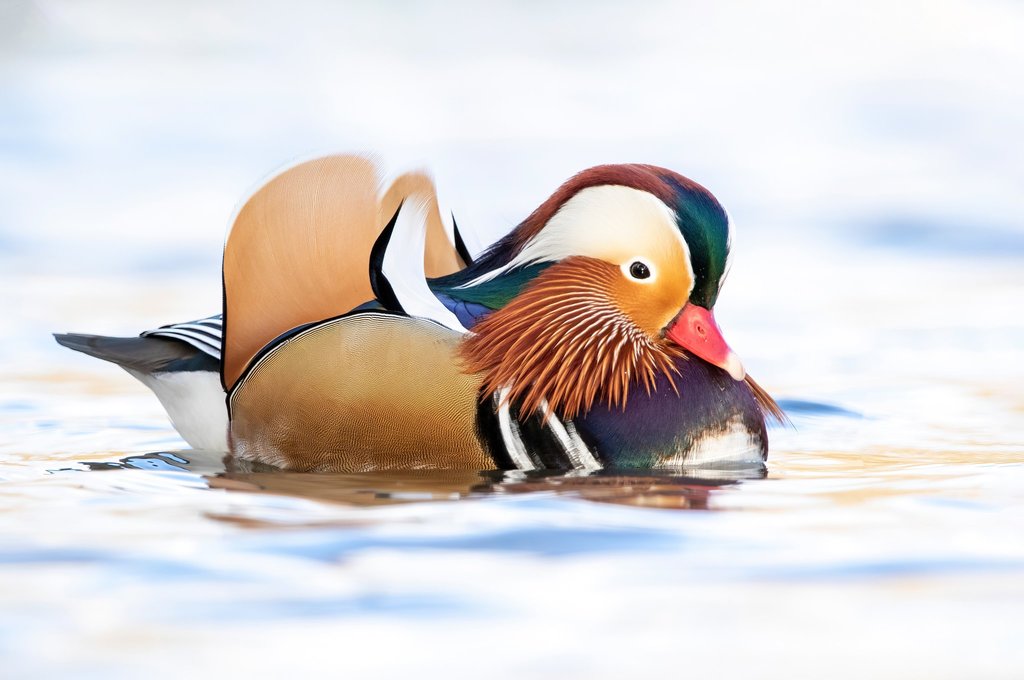
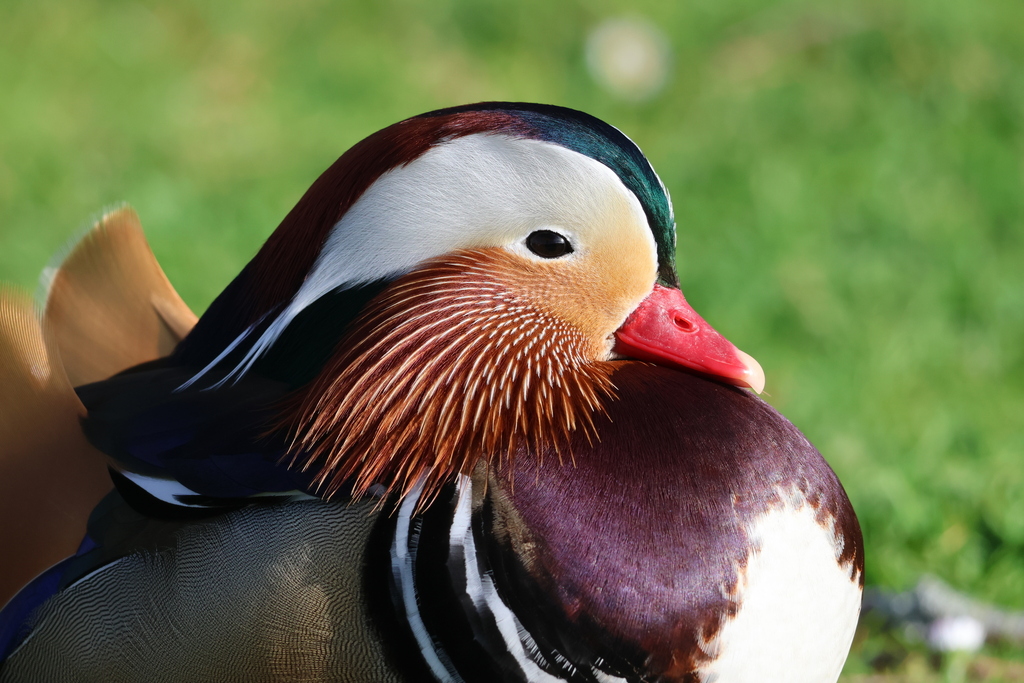
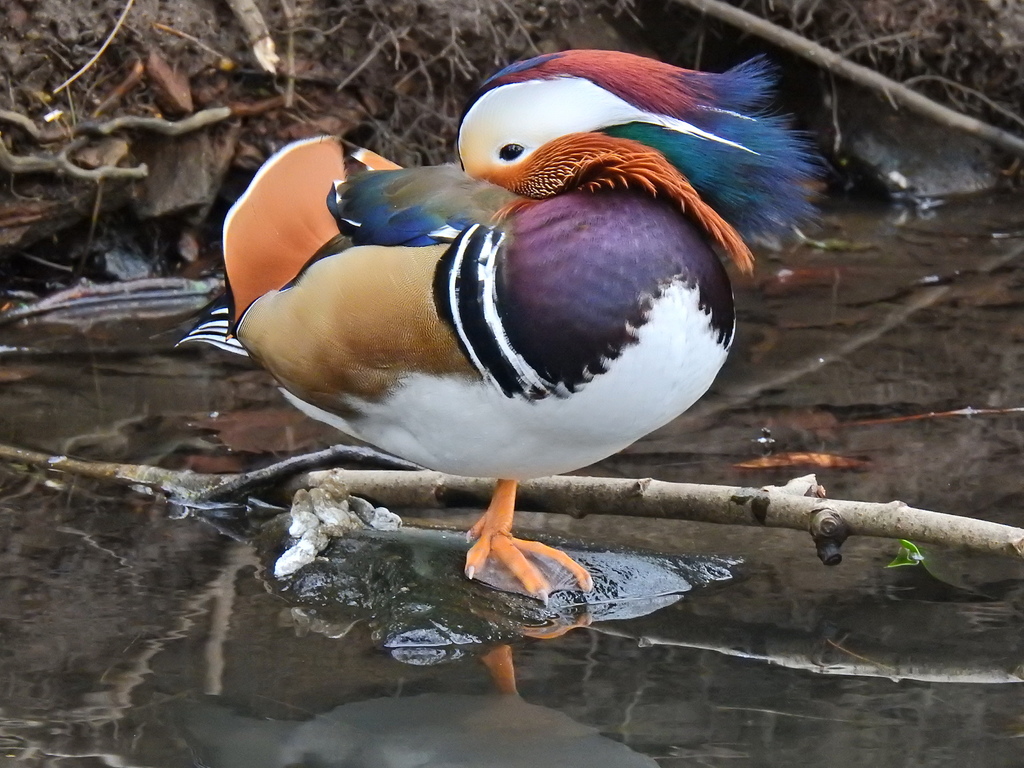
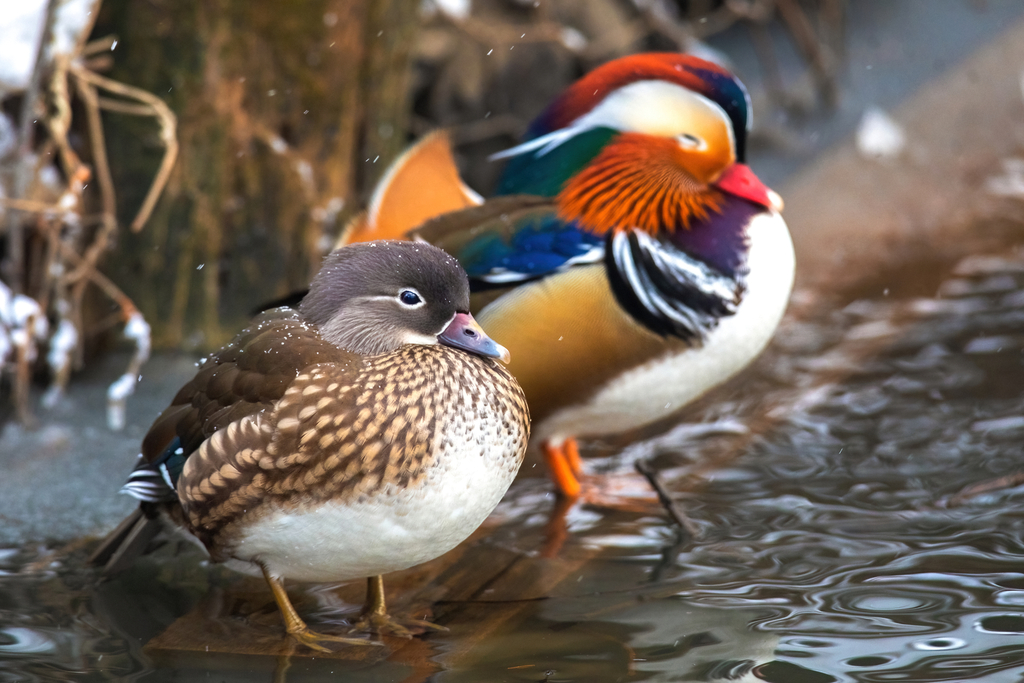
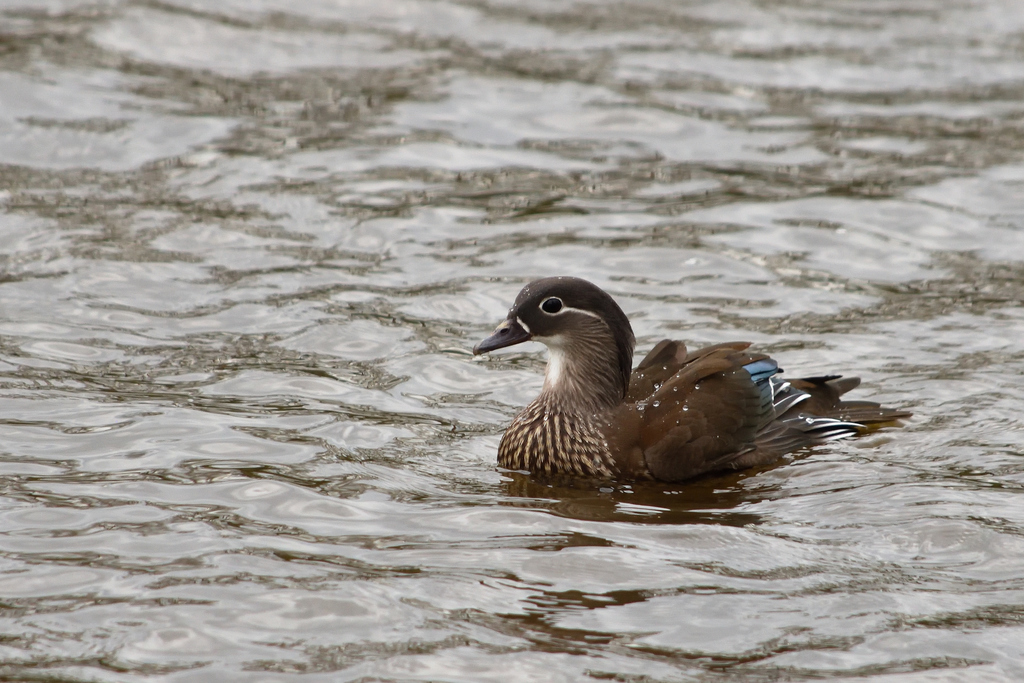
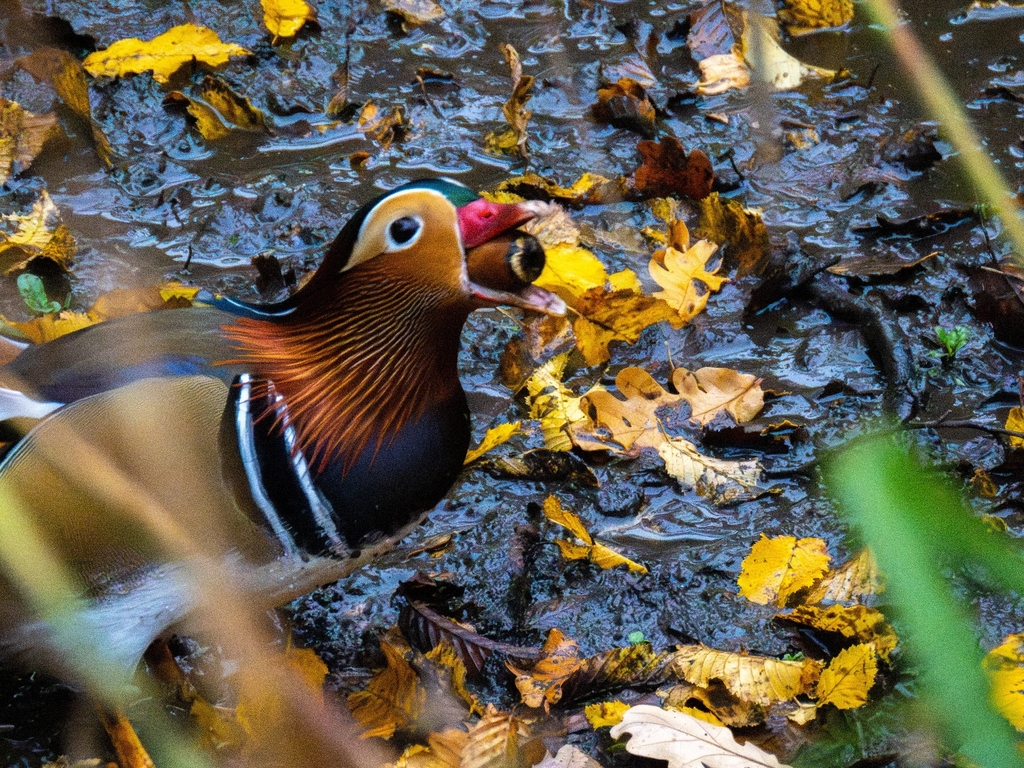
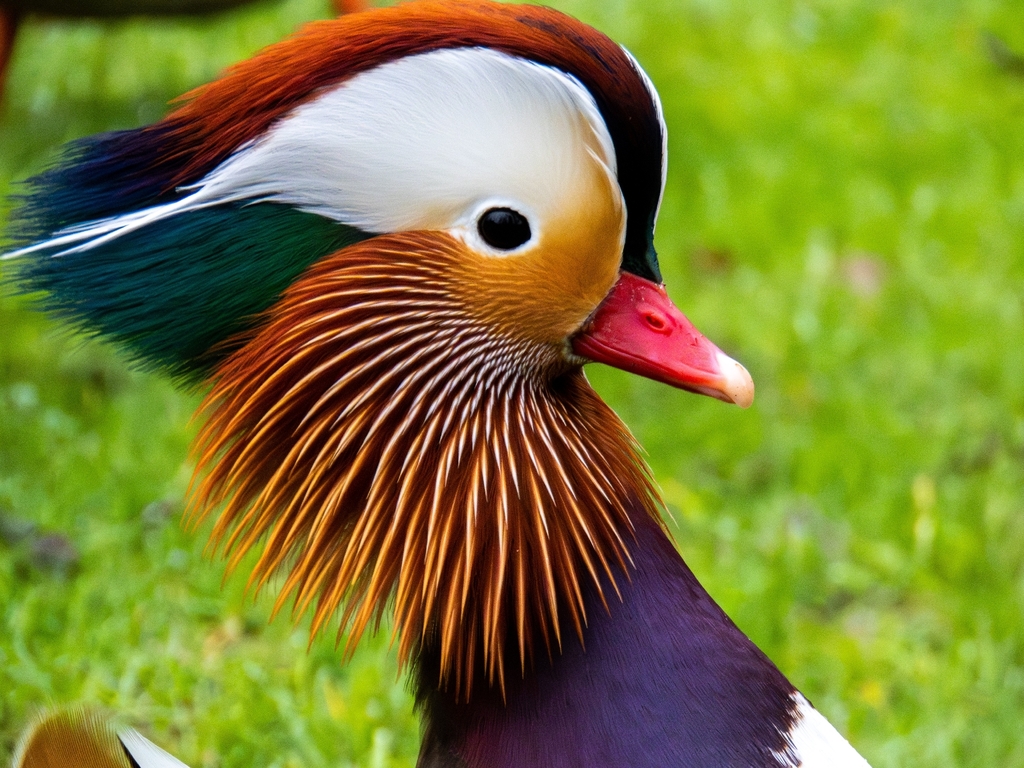
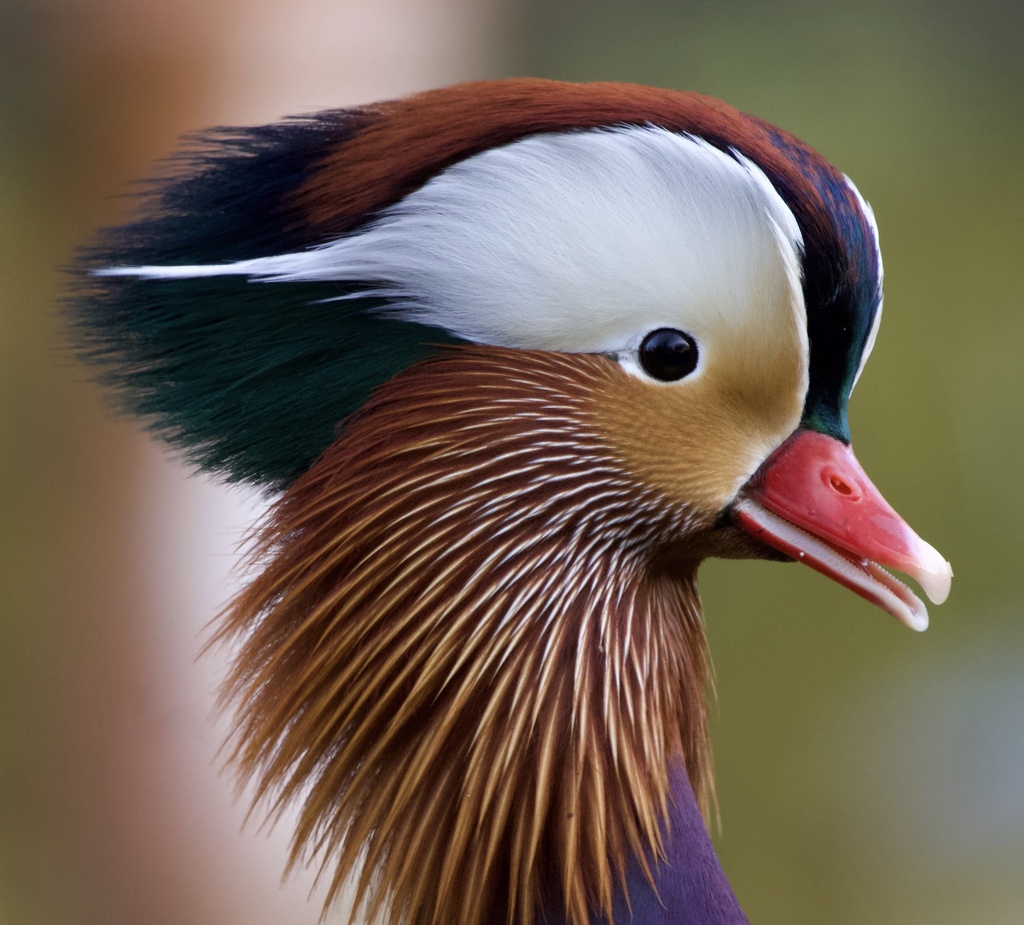
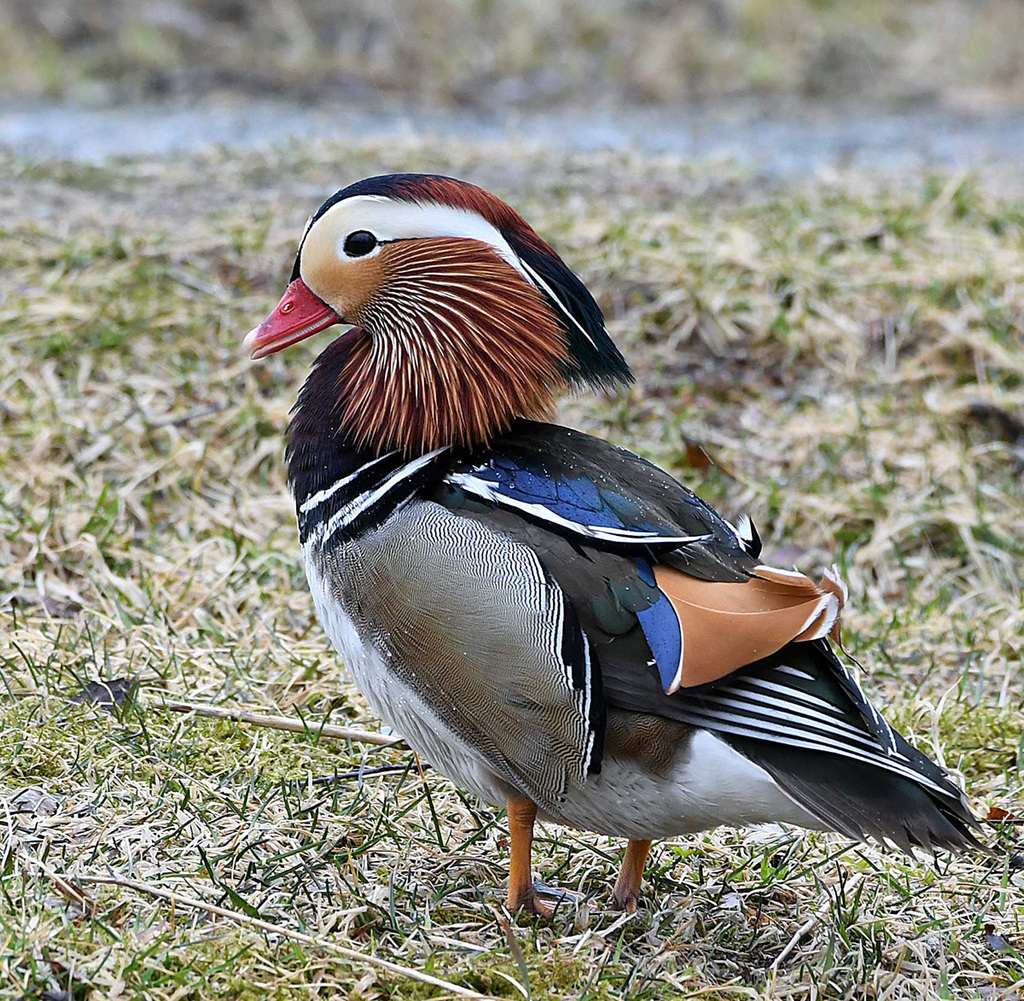
A pesar de su exótico aspecto, este pato resulta bastante familiar por ser una especie frecuente en parques zoológicos. Los machos son muy llamativos, mientras que las hembras, al igual que los machos en plumaje de eclipse y los jóvenes, presentan colores parduscos, muy similares a los del pato joyuyo.One of the most spectacular ducks in the world, once seen it's never forgotten. Adult males are breathtaking with a complex head pattern of orange, white, and purple, and diagnostic orange 'sails' (elongated feathers) on the back. Females are much duller, grayish-brown with a white eye-ring. It is a specialist of wooded lakes and nests in tree cavities.
DistribuciónDistribution
Aunque se registran avistamientos repartidos por toda la Penísula, dos terceras partes de ellos corresponden al norte, principalmente Cataluña, pero también Galicia y Asturias, habiéndose observado además en el archipiélago balear y en el canario. La mayor parte de estos registros se corresponden con el tiempo de invernada, lo que sugiere que estas aves proceden de las poblaciones establecidas más al norte en Europa.Regular winter visitor (October-March). Most birds come from feral populations in Northern Europe. Found primarily in North and Central Spain.
Textos reproducidos con permiso de laTexts translated and reproduced with permission from the Guía de Aves de España © SEO/BirdLife
Estado de conservaciónConservation Status
- EX
- RE
- CR
- EN
- VU
- NT
- LC
NE
No evaluada en EspañaNot assessed in Spain
Sin categoría en el Libro Rojo de las Aves de España 2021No category in the Red Book of the Birds of Spain 2021
Qué significa cada categoríaWhat each category means
- LC
- Preocupación menor: Taxón evaluado que no califica para categorías amenazadas. Especies abundantes y ampliamente distribuidasLeast Concern - Evaluated taxon that does not qualify for threatened categories. Widespread and abundant taxa
- NT
- Casi amenazada: No califica actualmente como amenazada, pero está cerca de calificar o es probable que califique en el futuro cercanoNear Threatened - Does not currently qualify as threatened, but is close to qualifying or likely to qualify in the near future
- VU
- Vulnerable: Enfrenta un alto riesgo de extinción en estado silvestre según los criterios A a E de IUCNVulnerable - Facing a high risk of extinction in the wild based on IUCN criteria A to E
- EN
- En peligro: Enfrenta un riesgo muy alto de extinción en estado silvestre según los criterios A a E de IUCNEndangered - Facing a very high risk of extinction in the wild based on IUCN criteria A to E
- CR
- En peligro crítico: Enfrenta un riesgo extremadamente alto de extinción en estado silvestre según los criterios A a E de IUCNCritically Endangered - Facing an extremely high risk of extinction in the wild based on IUCN criteria A to E
- DD
- Datos insuficientes: Información inadecuada para evaluar el riesgo de extinción basándose en distribución o estado poblacionalData Deficient - Inadequate information to assess extinction risk based on distribution and/or population status
- NE
- No evaluada: No ha sido evaluada aún contra los criterios de la Lista Roja de IUCNNot Evaluated - Has not yet been assessed against the IUCN Red List criteria
- RE
- Extinta regionalmente: El taxón ya no existe en la región específica, aunque puede sobrevivir en otros lugaresRegionally Extinct - Taxon no longer exists in the specific region, though it may survive elsewhere
- EX
- Extinta - No existe duda razonable de que ha muerto el último individuo del taxónExtinct - No reasonable doubt that the last individual of the taxon has died
TaxonomíaTaxonomy
- OrdenOrder
- Anseriformes
- FamiliaFamily
- Anatidae
Presencia en EspañaPresence in Spain
- HabitualRegular
- InvernanteWinter visitor
En la app: noviembre a abril.In the app: November to April.
Dónde verlaWhere to see it
218 cuadrículas de 10 km con registros de 2020 a 2024. Toca un mes para ver dónde se ha visto.218 10 km squares with records from 2020 to 2024. Pick a month to see where it has been seen.
Cargando el mapa…Loading the map…
Dónde es regularWhere it is regular
Provincias con registros en al menos 3 de los 5 años algún mes, de más a menos frecuente, y sus mejores meses.Provinces with records in at least 3 of the 5 years in some month, from most to least frequent, and their best months.
- GranadaGranadanoviembre, diciembre, octubreNovember, December, October
- BurgosBurgosfebrero, diciembre, eneroFebruary, December, January
- LugoLugoenero, diciembre, noviembreJanuary, December, November
- PontevedraPontevedradiciembre, noviembre, eneroDecember, November, January
- A CoruñaA Coruñadiciembre, febrero, noviembreDecember, February, November
- GironaGironaoctubre, marzo, febreroOctober, March, February
- GuadalajaraGuadalajaraeneroJanuary
- SoriaSoriadiciembre, febreroDecember, February
- AsturiasAsturiasdiciembre, marzo, eneroDecember, March, January
- NavarraNavarraenero, diciembre, noviembreJanuary, December, November
Ver las 18 provinciasSee all 18 provinces
- LleidaLleidaoctubre, enero, noviembreOctober, January, November
- GuipúzcoaGuipúzcoadiciembre, noviembreDecember, November
- VizcayaVizcayadiciembreDecember
- BarcelonaBarcelonadiciembre, febrero, eneroDecember, February, January
- AlicanteAlicantemayo, enero, marzoMay, January, March
- ValenciaValenciaeneroJanuary
- CantabriaCantabriamarzoMarch
- MadridMadridenero, noviembre, agostoJanuary, November, August
Datos: registros en GBIF de 2020 a 2024 de Observation.org, eBird, iNaturalist y el ICO, descargados el 23/10/2026.Data: GBIF records from 2020 to 2024 from Observation.org, eBird, iNaturalist and the ICO, downloaded on 23/10/2026. GBIF.org (23 October 2026) GBIF Occurrence Download · doi:10.15468/dl.r5sf2a · CC BY-NC 4.0
GaleríaGallery
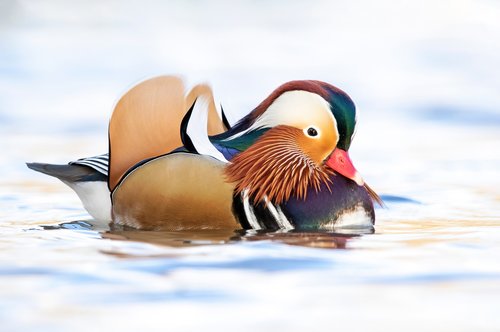
© Alexis Lours · CC BY · iNaturalist 
© Blake Ross · CC BY · iNaturalist 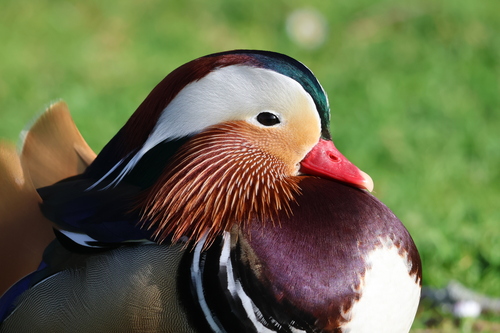
© Diego González Dopico · CC BY · iNaturalist 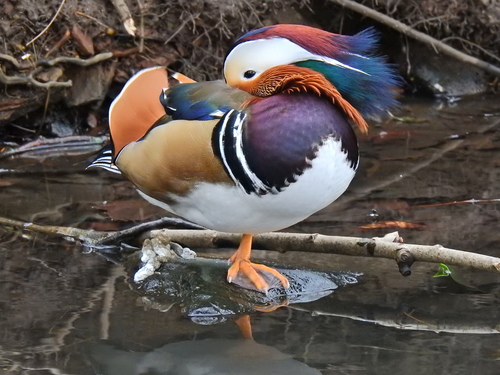
© Susan Marley · CC BY · iNaturalist 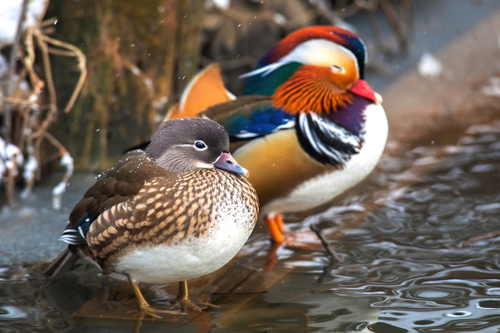
© egorbirder · CC BY · iNaturalist 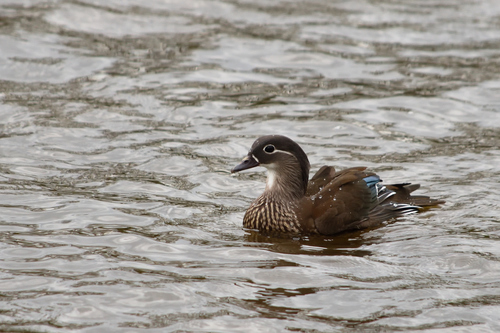
© Tomas Broucek · CC BY · iNaturalist 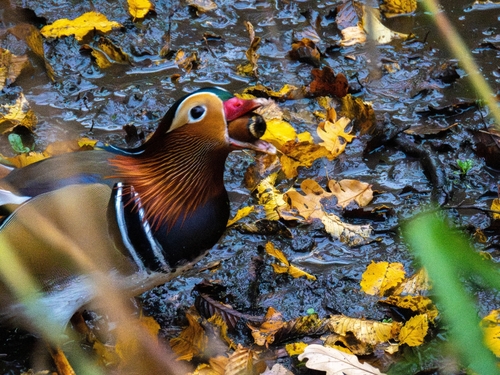
© Rhys · CC BY · iNaturalist 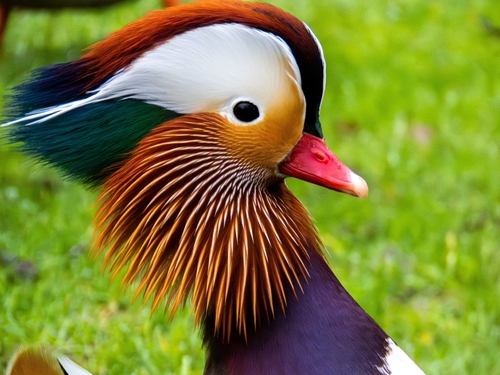
© Rhys · CC BY · iNaturalist 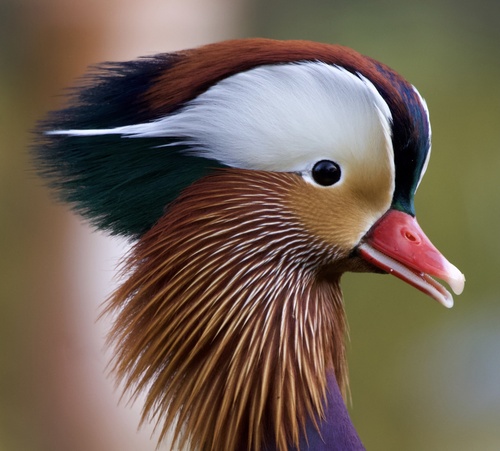
© Morgan Caygill · CC BY · iNaturalist 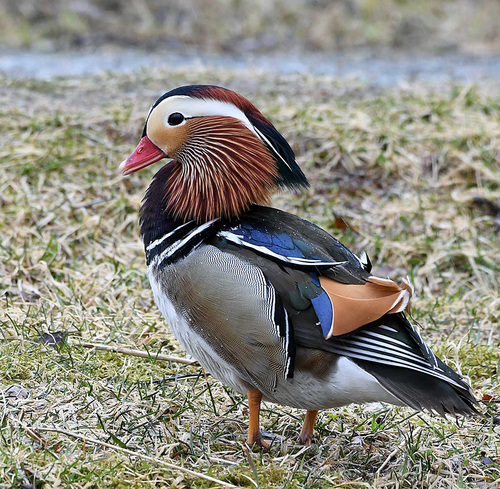
© Pål A. Olsvik · CC BY · iNaturalist

Especies relacionadasRelated species
Otras aves de la familia Anatidae y de órdenes cercanos.Other birds from the Anatidae family and nearby orders.
- LegendarioLegendary
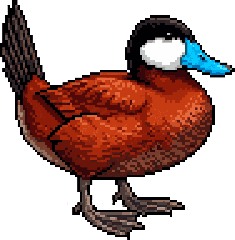 Malvasía canelaRuddy DuckOxyura jamaicensis
- RaroRare
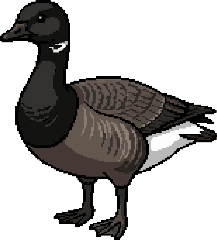 Barnacla carinegraBrant GooseBranta bernicla
- ComúnCommon
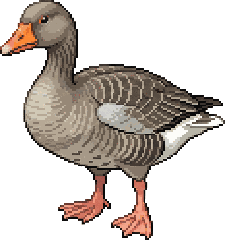 Ánsar comúnGreylag GooseAnser anser
- Poco comúnUncommon
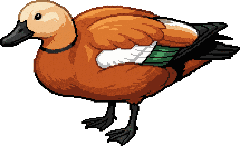 Tarro caneloRuddy ShelduckTadorna ferruginea
- Poco comúnUncommon
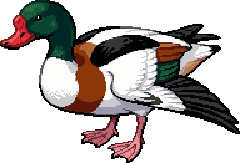 Tarro blancoCommon ShelduckTadorna tadorna
- ComúnCommon
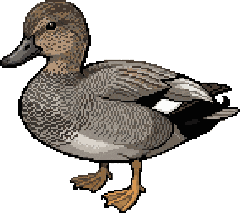 Ánade frisoGadwallMareca strepera
- ComúnCommon
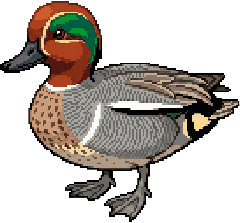 Cerceta comúnEurasian TealAnas crecca
- ComúnCommon
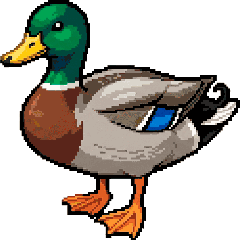 Ánade azulónMallardAnas platyrhynchos
 Gratis, sin anuncios ni comprasFree, no ads, no purchases