 BirdPedy
Barnacla canadiense grandeCanada Goose
En 8 provincias en enero y en 3 en mayoIn 8 provinces in January and 3 in May
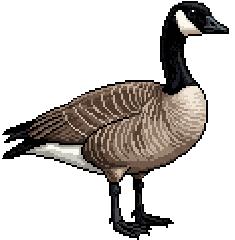
Reporte de rarezaRarity report
Por qué es raroWhy it is rareEspecie introducida en Europa que se observa de forma escasa y regular, a menudo mezclada con otras barnaclas migratorias.Species introduced to Europe observed sparsely and regularly, mixed with other migratory geese.
Cada carrizo es un mes: su altura, las provincias con registros de 2020 a 2024.Each reed is a month: its height, the provinces with records from 2020 to 2024.- Provincias con registrosProvinces with records
- 13 de 52of 52
- En la appIn the app
- Septiembre a marzoSeptember to March
- EnvergaduraWingspan
- 1,2-1,8 m1.2-1.8 m
- LongitudLength
- 80-105 cm80-105 cm
- Lista Roja de EspañaSpanish Red List
- NE No evaluada en EspañaNot assessed in Spain

Información generalGeneral Information
La barnacla canadiense grande, recientemente diferenciada como especie de la chica, es una migrante norteamericana que cría en Canadá y norte de Estados Unidos y encuentra su límite meridional durante la invernada en México. Sin embargo, escapes y sueltas deliberadas han permitido que hoy día ocupa Escandinavia, islas británicas y oeste de Europa, llegando como nidificante hasta el suroeste de Francia, cerca de la frontera española.The Canada Goose is a 'gentle giant' of our winter wetlands. While many individuals in Spain escape from local parks, a regular small number arrives naturally from the feral populations in France and Northern Europe. They often join flocks of local Greylags. Their deep 'honk' and striking black-and-white face are a beautiful addition to our winter marshes. It represents the successful colonization of Europe by New World species and the global connections of our wetlands.
IdentificaciónIdentification
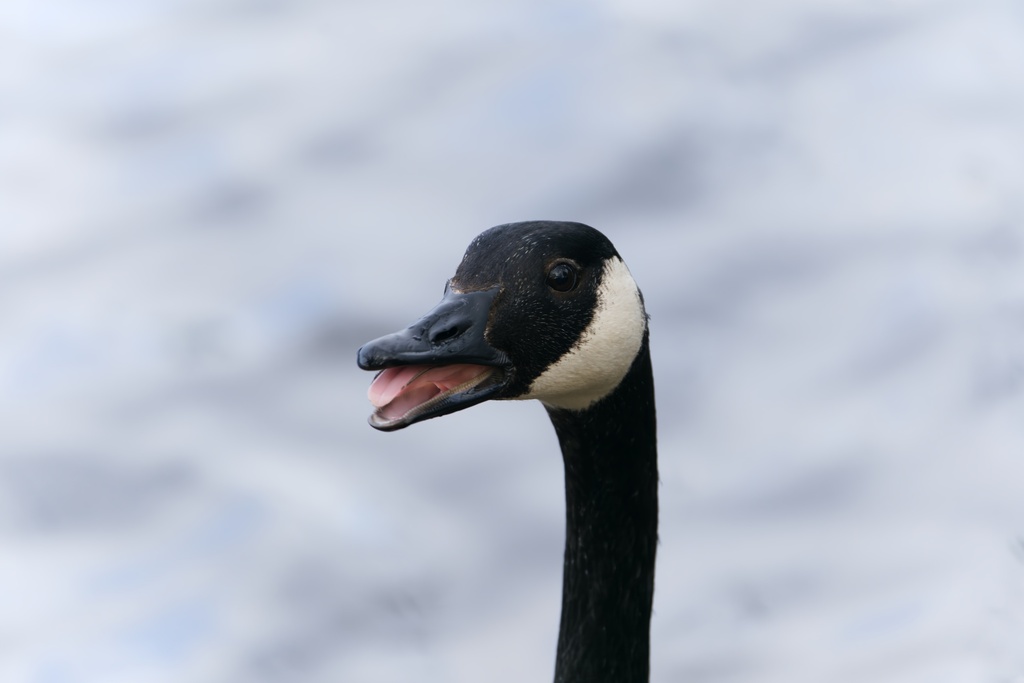
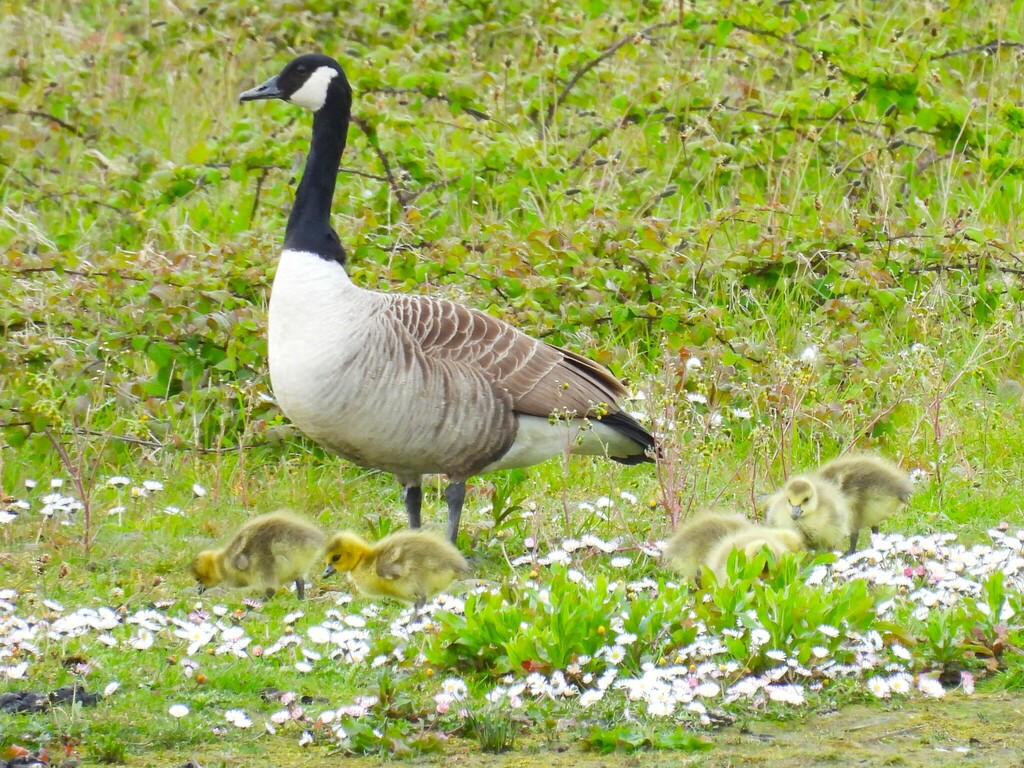
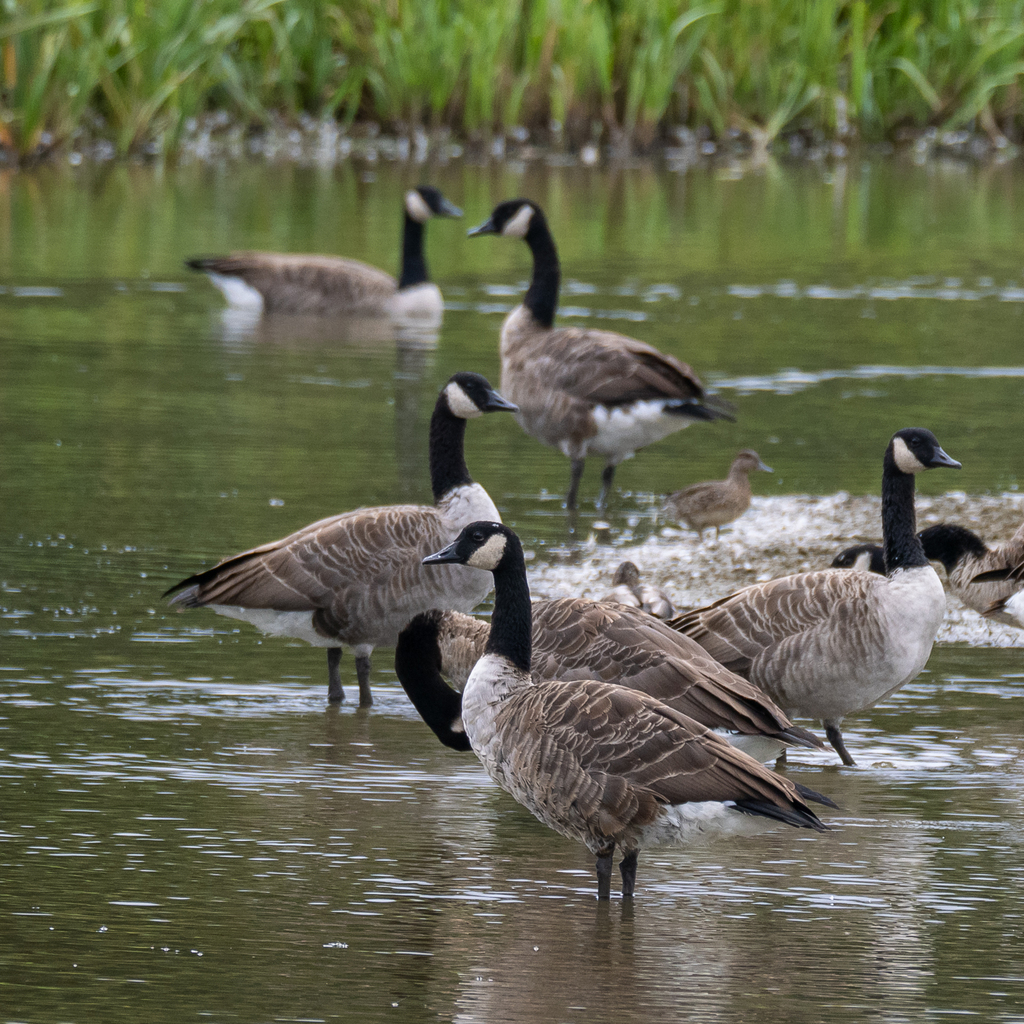
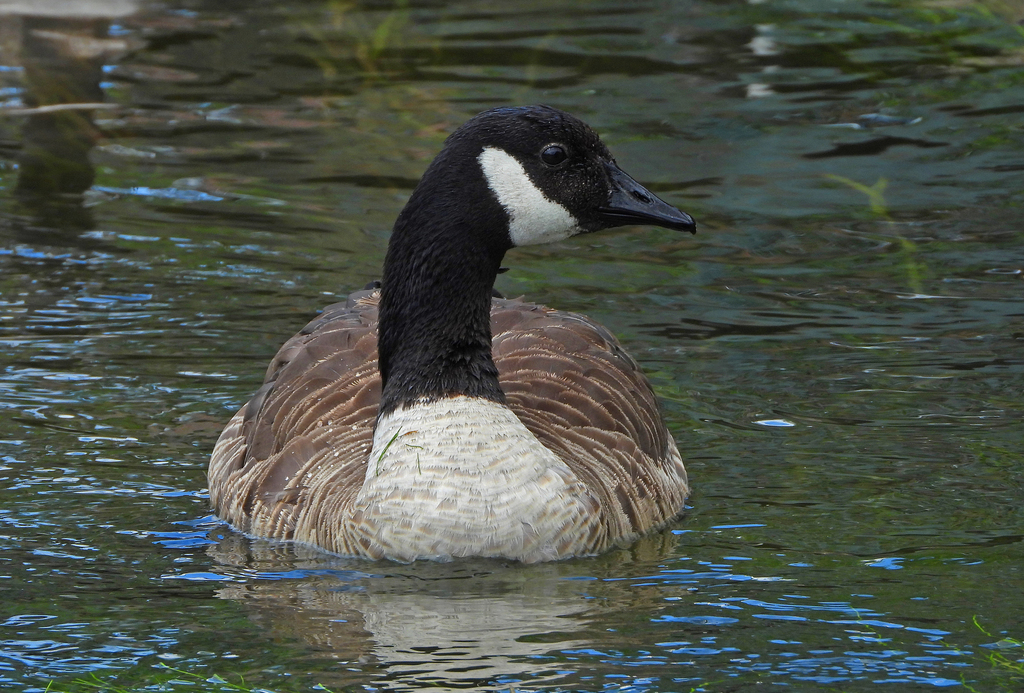
Se trata de un ganso de gran tamaño (los ejemplares de algunas subespecies alcanzan más de un metro de longitud), con cuello largo negro y una mancha blanca en la cabeza que se extiende de la garganta a la región auricular.The massive and iconic goose of North America. It is unmistakable for its jet-black head and neck with a broad white 'chinstrap' that reaches the crown. Its body is grayish-brown. It is a large and powerful bird with a loud, characteristic 'honking' call. Although originally from America, it has successfully colonized much of Northern Europe where it stays year-round.
DistribuciónDistribution
En España es muy escasa, y sus observaciones suelen producirse en invierno, cuando algún ejemplar llega en bandos de ánsar común, sobre todo en el tercio norte, Doñana y Extremadura. Existe un grupo reproductor de unos 15 individuos en humedales de Madrigalejo (Cáceres) y Navalvillar de Pela (Badajoz), probablemente de origen cautivo y con hibridaciones con ánsar común.Scarce but regular visitor (October-March). Most records are escapes from captivity or feral birds from France. Small breeding population in Extremadura/Badajoz.
Textos reproducidos con permiso de laTexts translated and reproduced with permission from the Guía de Aves de España © SEO/BirdLife
Estado de conservaciónConservation Status
- EX
- RE
- CR
- EN
- VU
- NT
- LC
NE
No evaluada en EspañaNot assessed in Spain
Sin categoría en el Libro Rojo de las Aves de España 2021No category in the Red Book of the Birds of Spain 2021
Qué significa cada categoríaWhat each category means
- LC
- Preocupación menor: Taxón evaluado que no califica para categorías amenazadas. Especies abundantes y ampliamente distribuidasLeast Concern - Evaluated taxon that does not qualify for threatened categories. Widespread and abundant taxa
- NT
- Casi amenazada: No califica actualmente como amenazada, pero está cerca de calificar o es probable que califique en el futuro cercanoNear Threatened - Does not currently qualify as threatened, but is close to qualifying or likely to qualify in the near future
- VU
- Vulnerable: Enfrenta un alto riesgo de extinción en estado silvestre según los criterios A a E de IUCNVulnerable - Facing a high risk of extinction in the wild based on IUCN criteria A to E
- EN
- En peligro: Enfrenta un riesgo muy alto de extinción en estado silvestre según los criterios A a E de IUCNEndangered - Facing a very high risk of extinction in the wild based on IUCN criteria A to E
- CR
- En peligro crítico: Enfrenta un riesgo extremadamente alto de extinción en estado silvestre según los criterios A a E de IUCNCritically Endangered - Facing an extremely high risk of extinction in the wild based on IUCN criteria A to E
- DD
- Datos insuficientes: Información inadecuada para evaluar el riesgo de extinción basándose en distribución o estado poblacionalData Deficient - Inadequate information to assess extinction risk based on distribution and/or population status
- NE
- No evaluada: No ha sido evaluada aún contra los criterios de la Lista Roja de IUCNNot Evaluated - Has not yet been assessed against the IUCN Red List criteria
- RE
- Extinta regionalmente: El taxón ya no existe en la región específica, aunque puede sobrevivir en otros lugaresRegionally Extinct - Taxon no longer exists in the specific region, though it may survive elsewhere
- EX
- Extinta - No existe duda razonable de que ha muerto el último individuo del taxónExtinct - No reasonable doubt that the last individual of the taxon has died
TaxonomíaTaxonomy
- OrdenOrder
- Anseriformes
- FamiliaFamily
- Anatidae
Presencia en EspañaPresence in Spain
- HabitualRegular
- InvernanteWinter visitor
En la app: septiembre a marzo.In the app: September to March.
Dónde verlaWhere to see it
30 cuadrículas de 10 km con registros de 2020 a 2024. Toca un mes para ver dónde se ha visto.30 10 km squares with records from 2020 to 2024. Pick a month to see where it has been seen.
Cargando el mapa…Loading the map…
Dónde es regularWhere it is regular
Provincias con registros en al menos 3 de los 5 años algún mes, de más a menos frecuente, y sus mejores meses.Provinces with records in at least 3 of the 5 years in some month, from most to least frequent, and their best months.
- A CoruñaA Coruñanoviembre, octubre, eneroNovember, October, January
- BadajozBadajozeneroJanuary
- MálagaMálagaoctubre, septiembreOctober, September
Datos: registros en GBIF de 2020 a 2024 de Observation.org, eBird, iNaturalist y el ICO, descargados el 23/10/2026.Data: GBIF records from 2020 to 2024 from Observation.org, eBird, iNaturalist and the ICO, downloaded on 23/10/2026. GBIF.org (23 October 2026) GBIF Occurrence Download · doi:10.15468/dl.r5sf2a · CC BY-NC 4.0
GaleríaGallery
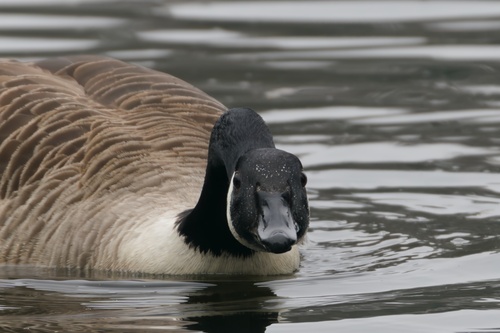
© Jiao Sun (孙娇) · CC BY · iNaturalist 
© Maeve Hall · CC BY · iNaturalist 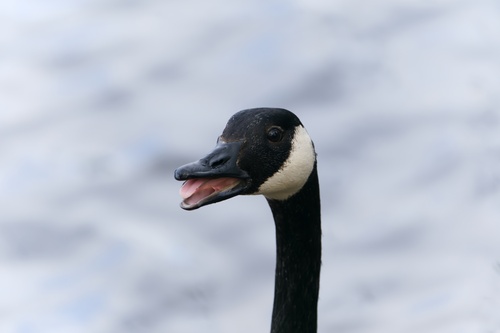
© Jiao Sun (孙娇) · CC BY · iNaturalist 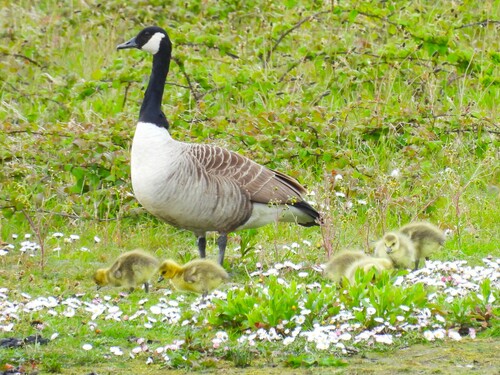
© Phil James · CC BY · iNaturalist 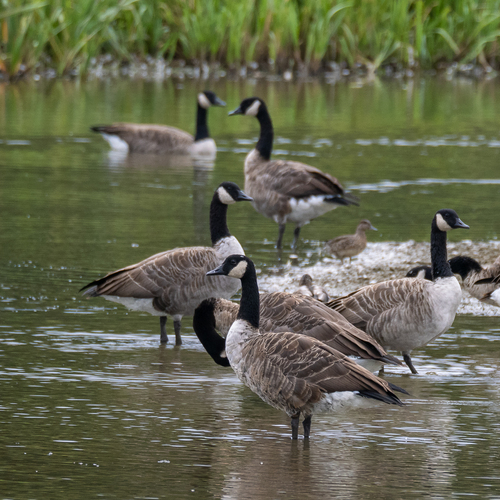
© Piotr Lukasik · CC BY · iNaturalist 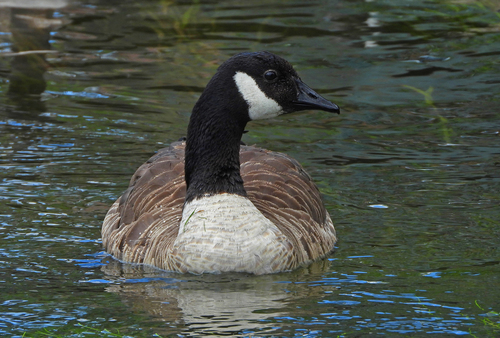
© Paul Lewis · CC BY · iNaturalist
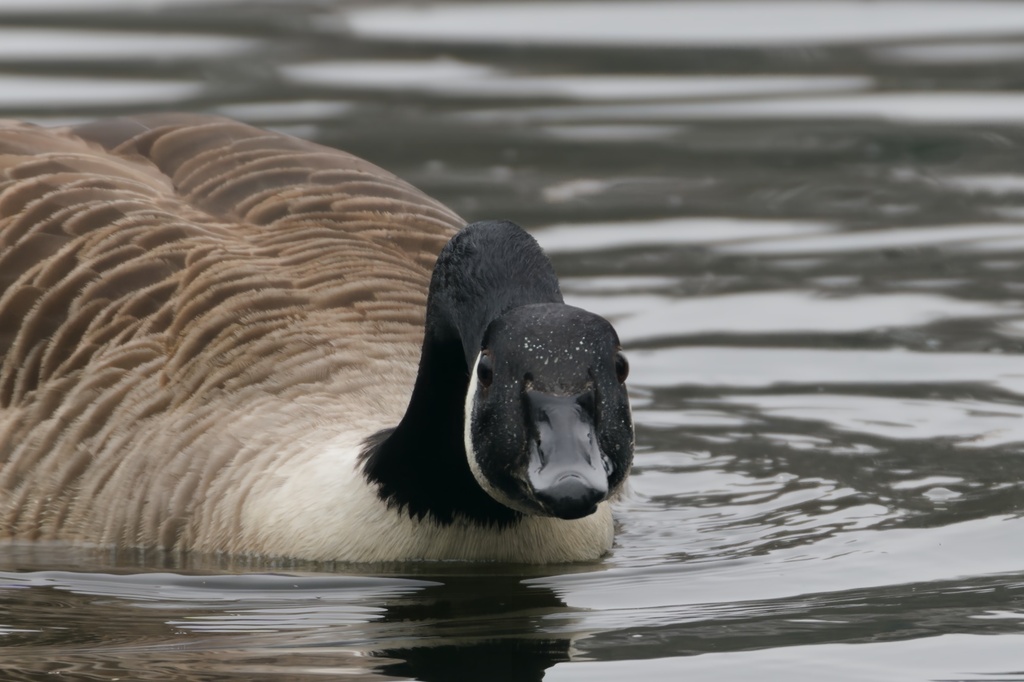
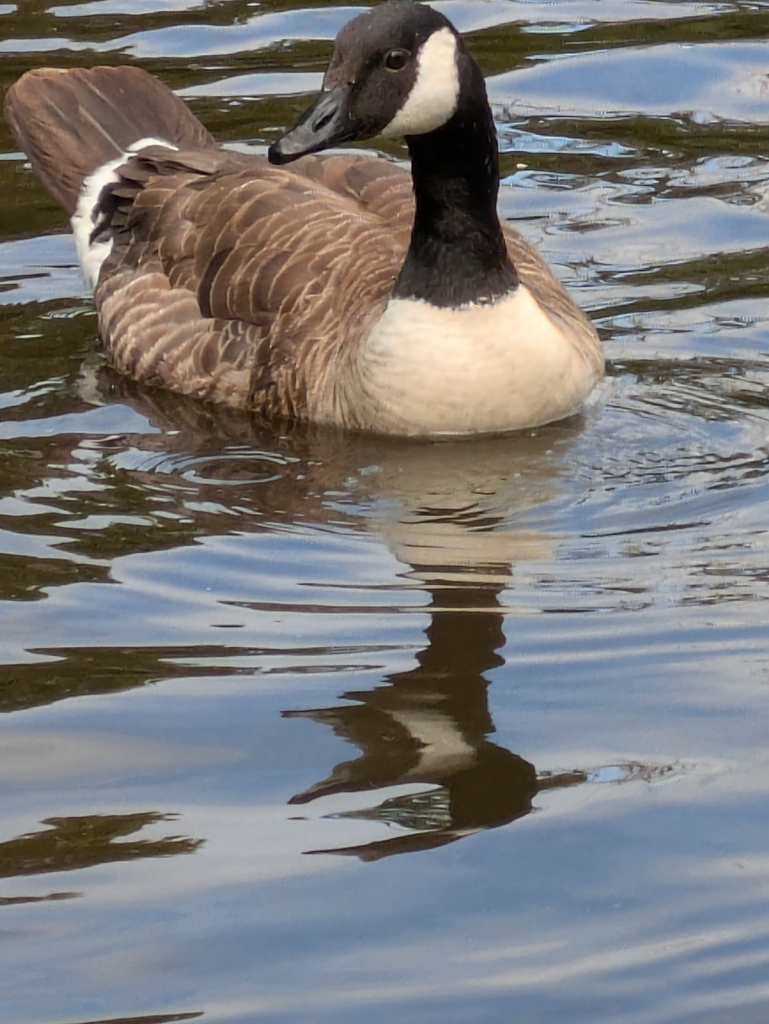
Especies relacionadasRelated species
Otras aves de la familia Anatidae y de órdenes cercanos.Other birds from the Anatidae family and nearby orders.
- RaroRare
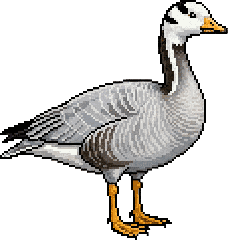 Ánsar indioBar-headed GooseAnser indicus
- RaroRare
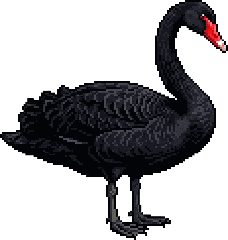 Cisne negroBlack SwanCygnus atratus
- Poco comúnUncommon
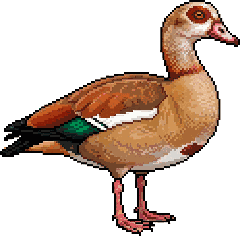 Ganso del NiloEgyptian GooseAlopochen aegyptiaca
- Poco comúnUncommon
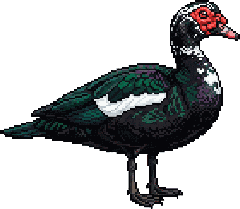 Pato criolloMuscovy DuckCairina moschata
- Poco comúnUncommon
 Pato mandarínMandarin DuckAix galericulata
- LegendarioLegendary
 Malvasía canelaRuddy DuckOxyura jamaicensis
- RaroRare
 Barnacla carinegraBrant GooseBranta bernicla
- ComúnCommon
 Ánsar comúnGreylag GooseAnser anser
 Gratis, sin anuncios ni comprasFree, no ads, no purchases