 BirdPedy
Ganso del NiloEgyptian Goose
En 29 provincias en marzo y en 20 en julioIn 29 provinces in March and 20 in July
Reporte de rarezaRarity report
Por qué es poco comúnWhy it is uncommonAnátida africana introducida y en expansión rápida por la Península. Dejó de considerarse rareza en 2005 y hoy se ve con facilidad en embalses, graveras y parques con lámina de agua.An introduced African duck spreading fast across the Peninsula. It stopped being treated as a rarity in 2005 and is now easily seen at reservoirs, gravel pits and parks with open water.
Cada carrizo es un mes: su altura, las provincias con registros de 2020 a 2024.Each reed is a month: its height, the provinces with records from 2020 to 2024.- Provincias con registrosProvinces with records
- 36 de 52of 52
- En la appIn the app
- Todo el añoAll year
- EnvergaduraWingspan
- 1,4-1,5 m1.4-1.5 m
- LongitudLength
- 63-73 cm63-73 cm
- Lista Roja de EspañaSpanish Red List
- NE No evaluada en EspañaNot assessed in Spain

Información generalGeneral Information
De origen africano, en nuestro territorio el ganso del Nilo es considerado un ave exótica invasora, habiéndose descartado una colonización natural de la especie al no registrarse su presencia en Marruecos. Su expansión demográfica le ha llevado a establecer un considerable núcleo reproductor en Extremadura, con presencia también en muchas otras Comunidades.The Egyptian Goose is a 'colonist' from Africa. Introduced into European parks, it has successfully escaped and is now expanding across Spain, especially in Extremadura and Madrid. While it is officially an invasive species, its vibrant colors and bold nature are striking. It is a survivor that thrives in almost any wetland. Its presence is a symbol of the changing and often unpredictable nature of our modern bird ecosystems. It is a hard-working neighbor from the African shores.
IdentificaciónIdentification
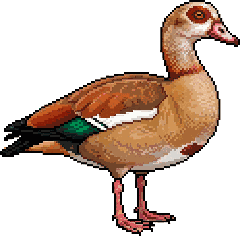
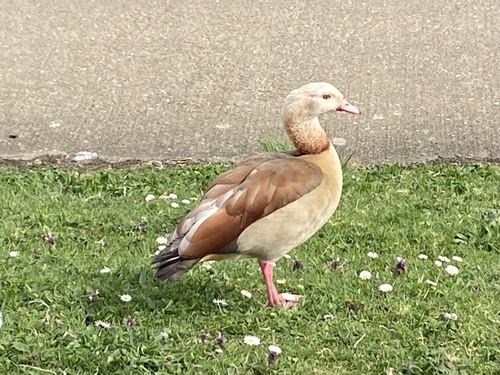
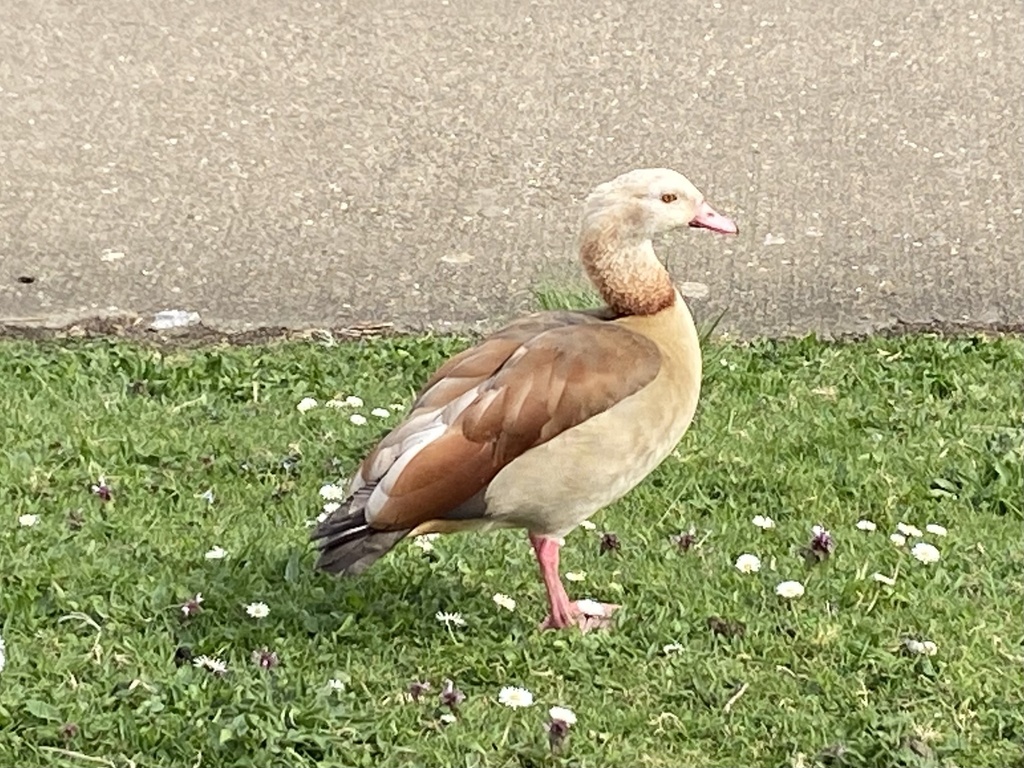
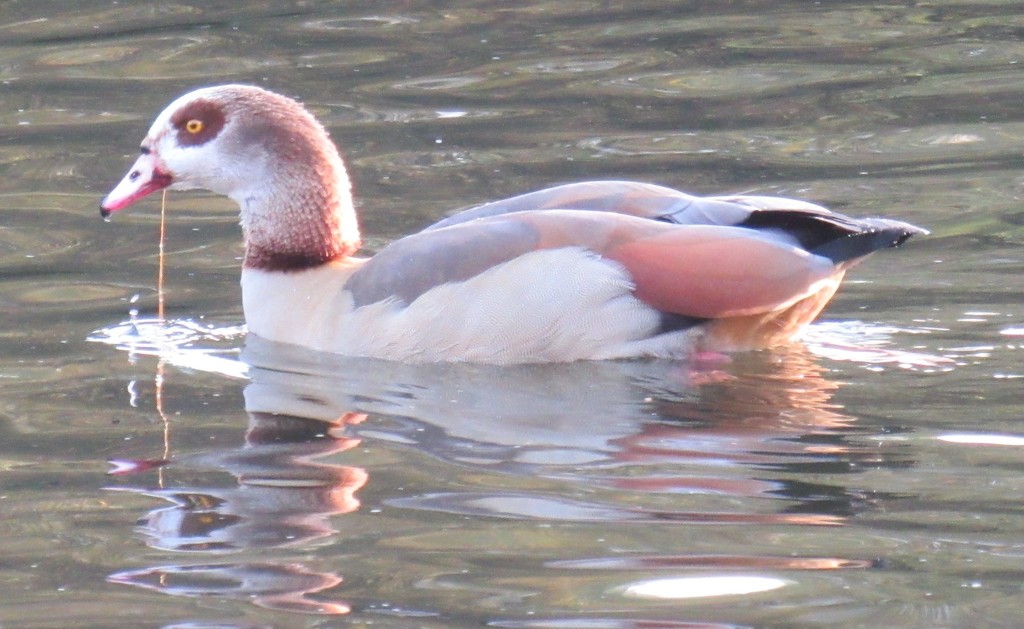
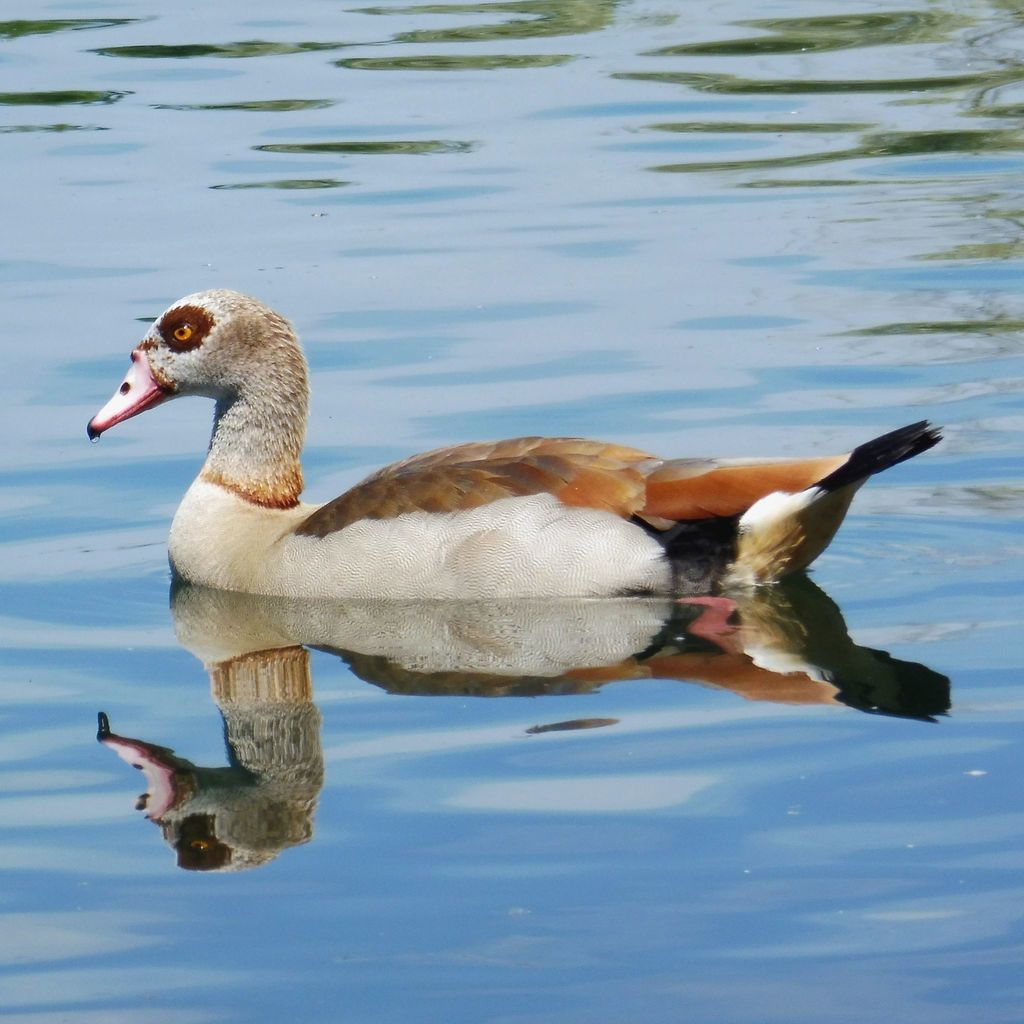
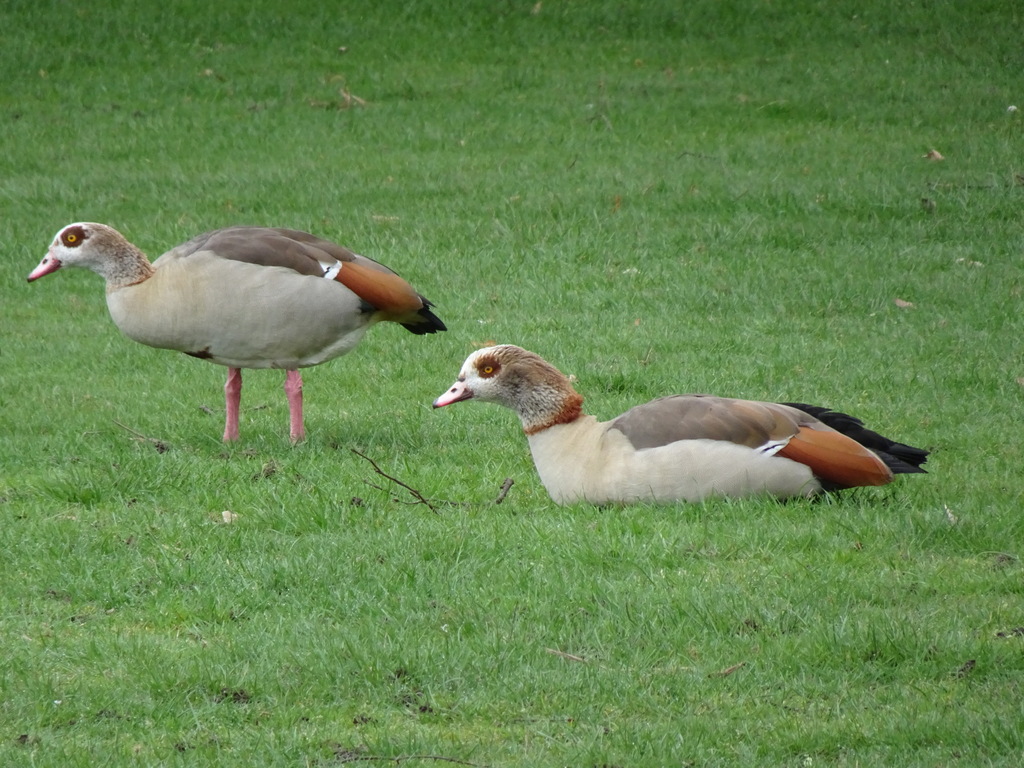
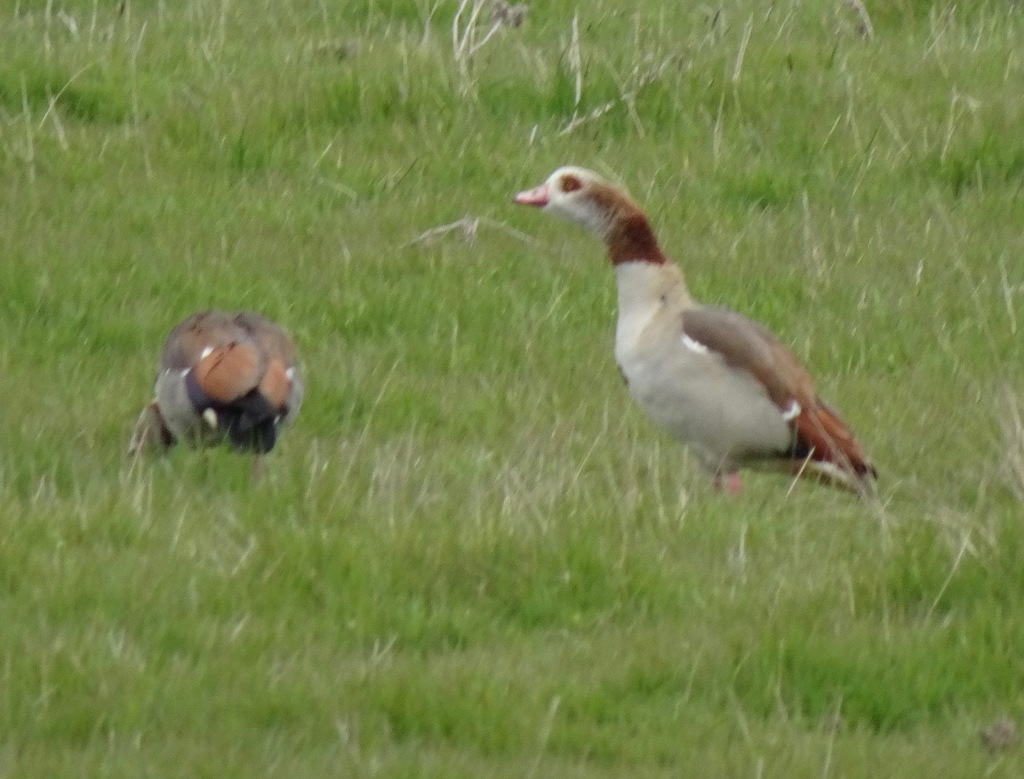
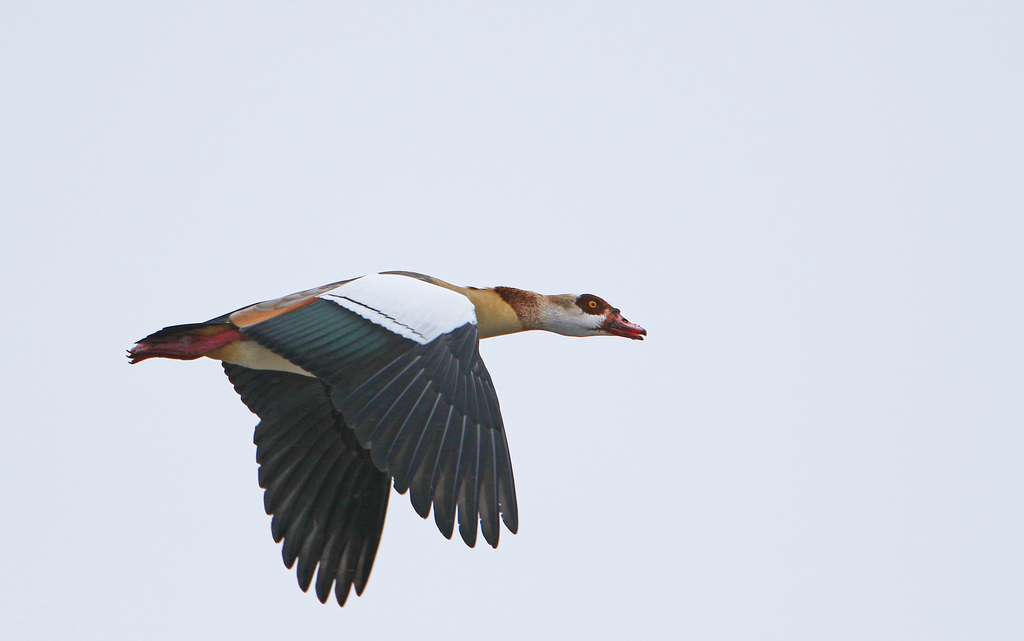
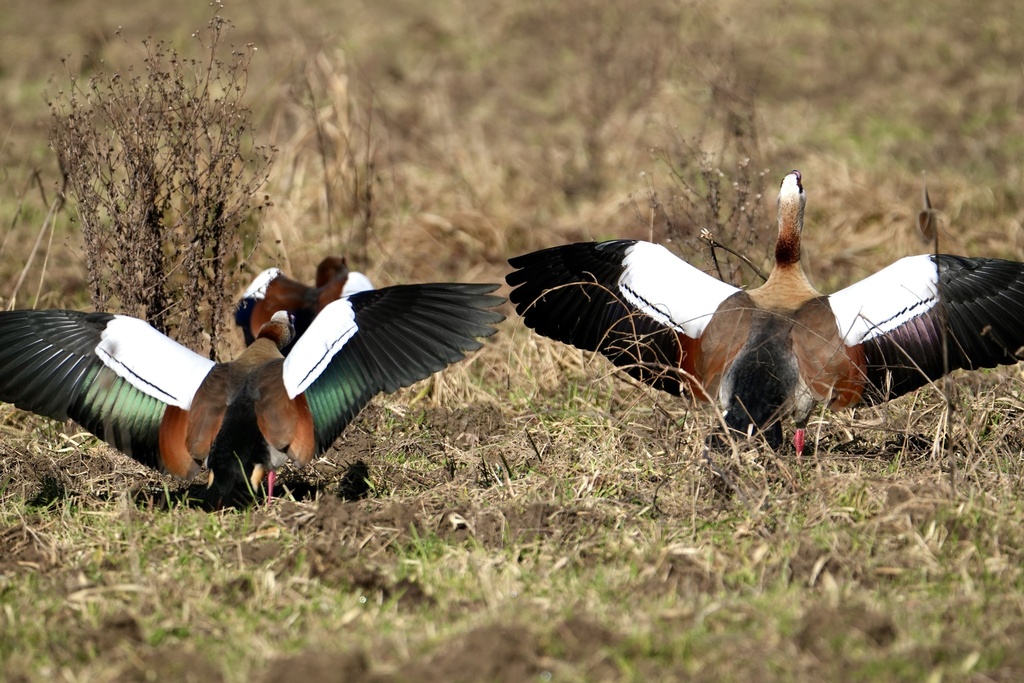
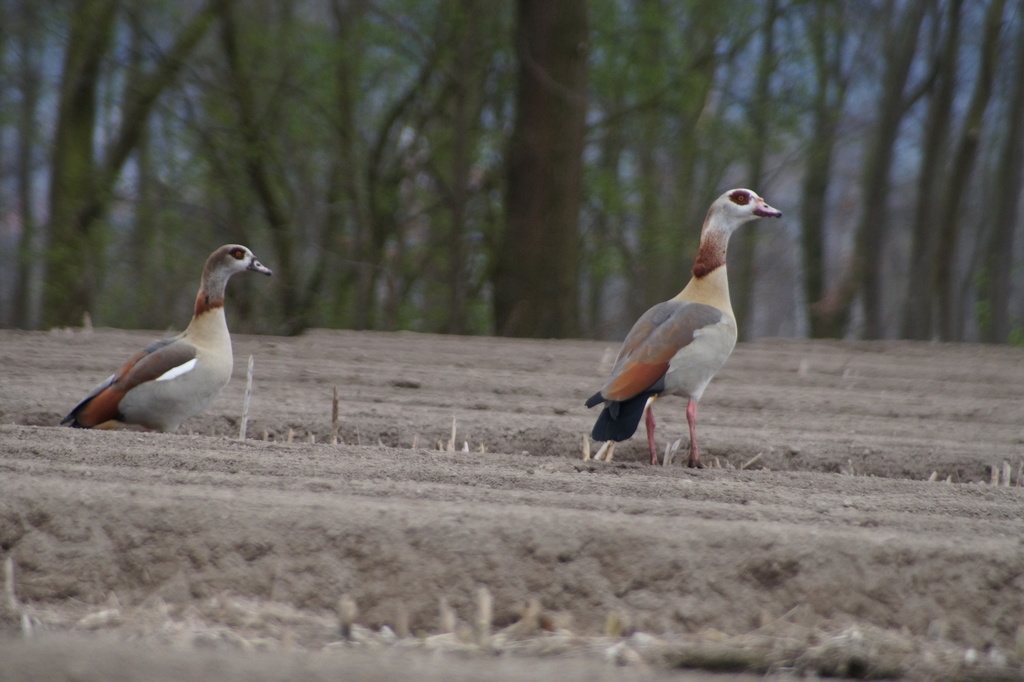
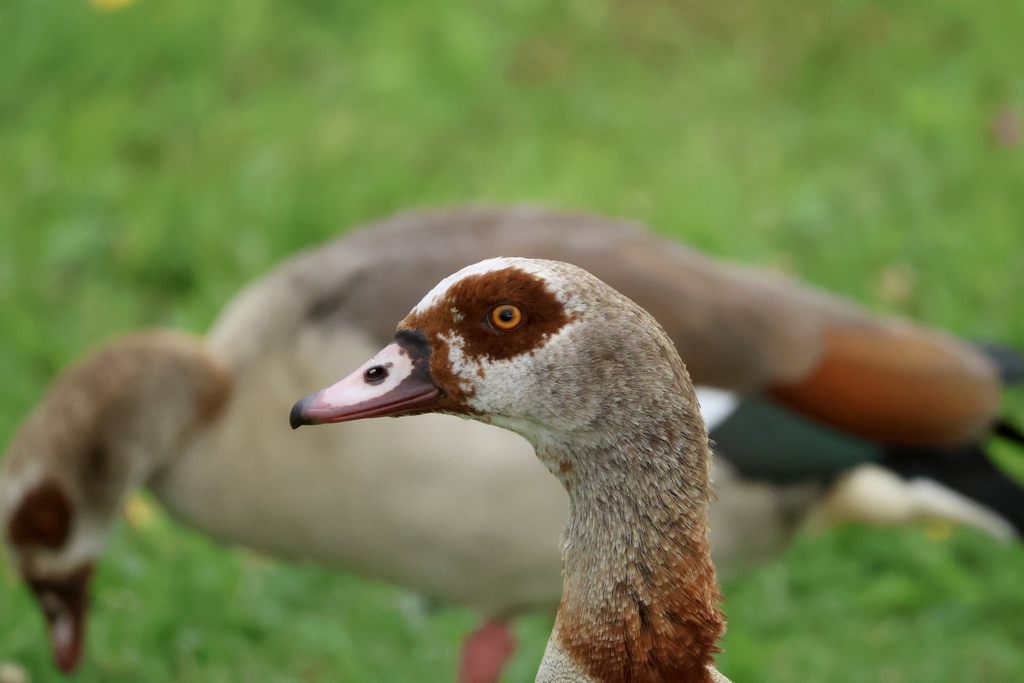
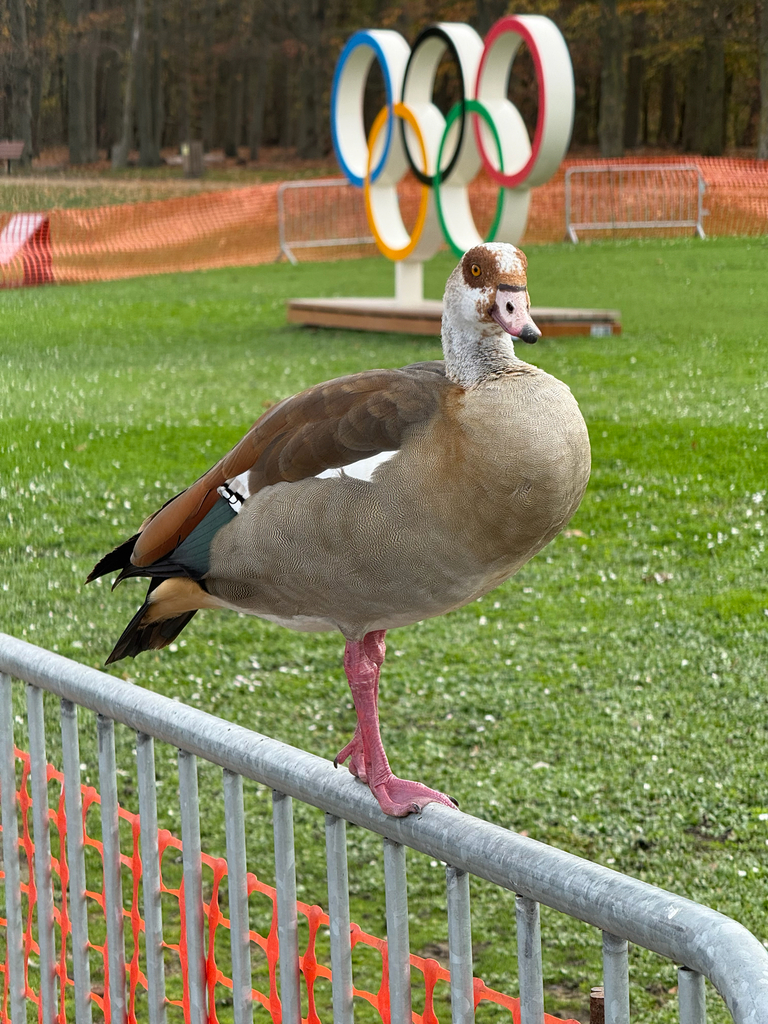
De tamaño intermedio entre el de un ánsar y un ánade, este ganso tiene un color predominantemente pardo, y en los adultos destacan unas manchas castañas en torno a los ojos y en la parte baja del pecho. De patas largas y porte erguido, en vuelo muestra unas coberteras alares blancas similares a las de los tarros.A colorful and slightly aggressive African goose, intermediate between a duck and a goose. Adults have a diagnostic dark chestnut patch around the eye ('the mask') and a matching patch on the breast. Their body is warm tawny-brown with spectacular white wing patches and iridescent green wing-panels. It has long pinkish legs and an upright, 'bossy' posture.
DistribuciónDistribution
En España está presente sólo en la península, faltando en Baleares, Canarias, Ceuta y Melilla. Se extiende por Extremadura, Madrid y Cataluña como reproductor, aunque también está presente en el litoral gallego y cantábrico, valle del Ebro, Castilla-La Mancha y oeste de Andalucía.Increasingly common resident/breeder (invasive exotic). Strong populations in Extremadura, Madrid, and Catalonia. Absent from islands and African enclaves.
Textos reproducidos con permiso de laTexts translated and reproduced with permission from the Guía de Aves de España © SEO/BirdLife
Estado de conservaciónConservation Status
- EX
- RE
- CR
- EN
- VU
- NT
- LC
NE
No evaluada en EspañaNot assessed in Spain
Sin categoría en el Libro Rojo de las Aves de España 2021No category in the Red Book of the Birds of Spain 2021
Qué significa cada categoríaWhat each category means
- LC
- Preocupación menor: Taxón evaluado que no califica para categorías amenazadas. Especies abundantes y ampliamente distribuidasLeast Concern - Evaluated taxon that does not qualify for threatened categories. Widespread and abundant taxa
- NT
- Casi amenazada: No califica actualmente como amenazada, pero está cerca de calificar o es probable que califique en el futuro cercanoNear Threatened - Does not currently qualify as threatened, but is close to qualifying or likely to qualify in the near future
- VU
- Vulnerable: Enfrenta un alto riesgo de extinción en estado silvestre según los criterios A a E de IUCNVulnerable - Facing a high risk of extinction in the wild based on IUCN criteria A to E
- EN
- En peligro: Enfrenta un riesgo muy alto de extinción en estado silvestre según los criterios A a E de IUCNEndangered - Facing a very high risk of extinction in the wild based on IUCN criteria A to E
- CR
- En peligro crítico: Enfrenta un riesgo extremadamente alto de extinción en estado silvestre según los criterios A a E de IUCNCritically Endangered - Facing an extremely high risk of extinction in the wild based on IUCN criteria A to E
- DD
- Datos insuficientes: Información inadecuada para evaluar el riesgo de extinción basándose en distribución o estado poblacionalData Deficient - Inadequate information to assess extinction risk based on distribution and/or population status
- NE
- No evaluada: No ha sido evaluada aún contra los criterios de la Lista Roja de IUCNNot Evaluated - Has not yet been assessed against the IUCN Red List criteria
- RE
- Extinta regionalmente: El taxón ya no existe en la región específica, aunque puede sobrevivir en otros lugaresRegionally Extinct - Taxon no longer exists in the specific region, though it may survive elsewhere
- EX
- Extinta - No existe duda razonable de que ha muerto el último individuo del taxónExtinct - No reasonable doubt that the last individual of the taxon has died
TaxonomíaTaxonomy
- OrdenOrder
- Anseriformes
- FamiliaFamily
- Anatidae
Presencia en EspañaPresence in Spain
- HabitualRegular
- ResidenteResident
En la app: todo el año.In the app: all year.
Dónde verlaWhere to see it
594 cuadrículas de 10 km con registros de 2020 a 2024. Toca un mes para ver dónde se ha visto.594 10 km squares with records from 2020 to 2024. Pick a month to see where it has been seen.
Cargando el mapa…Loading the map…
Dónde es regularWhere it is regular
Provincias con registros en al menos 3 de los 5 años algún mes, de más a menos frecuente, y sus mejores meses.Provinces with records in at least 3 of the 5 years in some month, from most to least frequent, and their best months.
- MadridMadridenero, diciembre, febreroJanuary, December, February
- CáceresCáceresseptiembre, agosto, diciembreSeptember, August, December
- BadajozBadajozdiciembre, octubre, septiembreDecember, October, September
- CórdobaCórdobaagosto, julio, diciembreAugust, July, December
- JaénJaéndiciembre, enero, febreroDecember, January, February
- GironaGironadiciembre, abril, mayoDecember, April, May
- ToledoToledoagosto, octubre, noviembreAugust, October, November
- Ciudad RealCiudad Realjunio, enero, mayoJune, January, May
- GranadaGranadanoviembre, octubre, septiembreNovember, October, September
- A CoruñaA Coruñanoviembre, enero, marzoNovember, January, March
Ver las 21 provinciasSee all 21 provinces
- VizcayaVizcayaenero, diciembre, febreroJanuary, December, February
- SalamancaSalamancaseptiembre, agosto, febreroSeptember, August, February
- ÁvilaÁvilafebrero, julio, eneroFebruary, July, January
- HuelvaHuelvadiciembre, agosto, noviembreDecember, August, November
- PontevedraPontevedrajulio, febrero, eneroJuly, February, January
- SevillaSevillanoviembre, junio, octubreNovember, June, October
- CádizCádizdiciembre, mayo, marzoDecember, May, March
- ZamoraZamoraabril, mayoApril, May
- MálagaMálagamayo, enero, febreroMay, January, February
- CantabriaCantabriafebreroFebruary
- BarcelonaBarcelonaseptiembre, julio, junioSeptember, July, June
Datos: registros en GBIF de 2020 a 2024 de Observation.org, eBird, iNaturalist y el ICO, descargados el 23/10/2026.Data: GBIF records from 2020 to 2024 from Observation.org, eBird, iNaturalist and the ICO, downloaded on 23/10/2026. GBIF.org (23 October 2026) GBIF Occurrence Download · doi:10.15468/dl.r5sf2a · CC BY-NC 4.0
GaleríaGallery
© Joss Carr · CC BY · iNaturalist 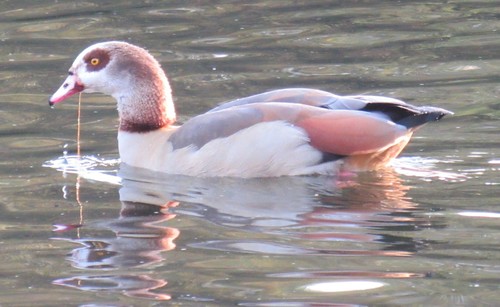
© Justin Johnsen · CC BY · iNaturalist 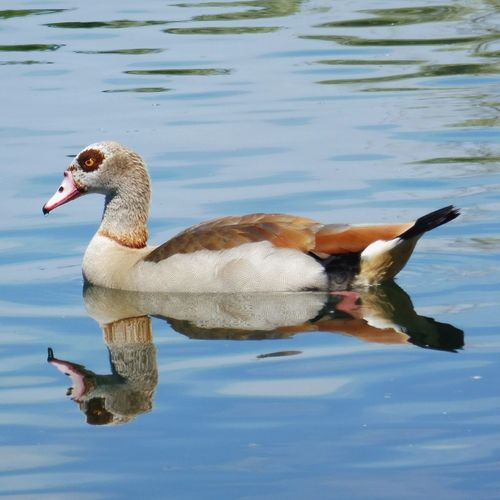
© Barry Walter · CC BY · iNaturalist 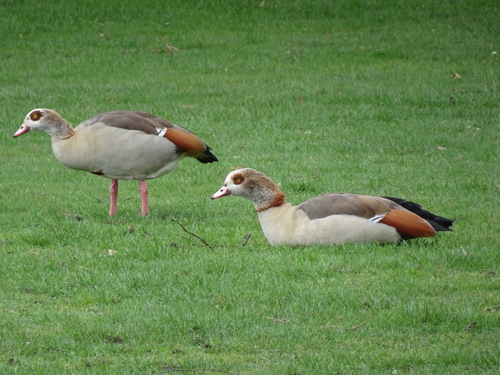
© Jerry Lanfear · CC BY · iNaturalist 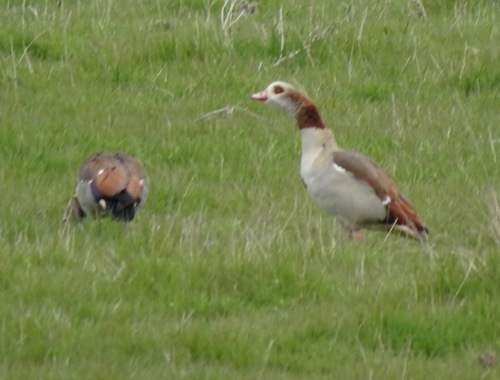
© Jerry Lanfear · CC BY · iNaturalist 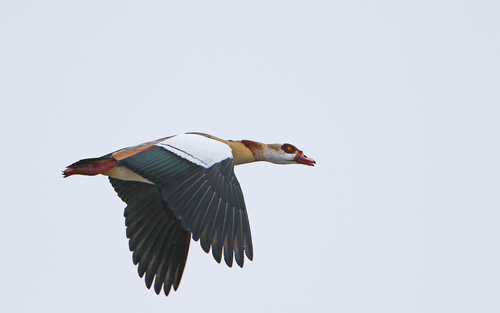
© Christoph Moning · CC BY · iNaturalist 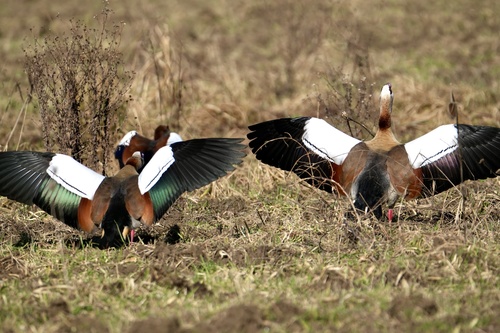
© carabus123 · CC BY · iNaturalist 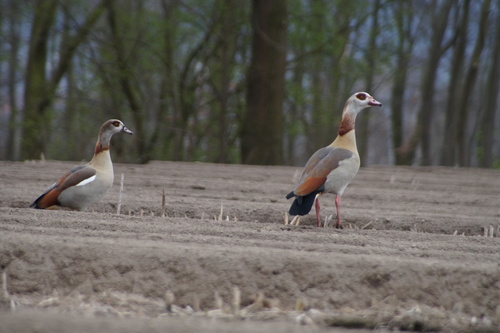
© przese · CC BY · iNaturalist 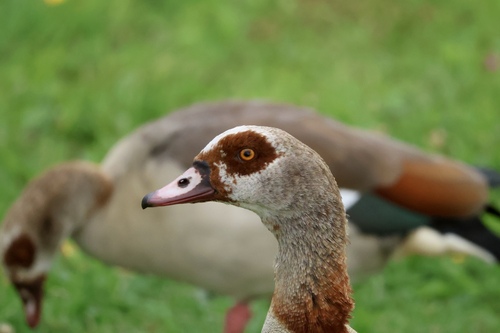
© Matteo Bellucci · CC BY · iNaturalist 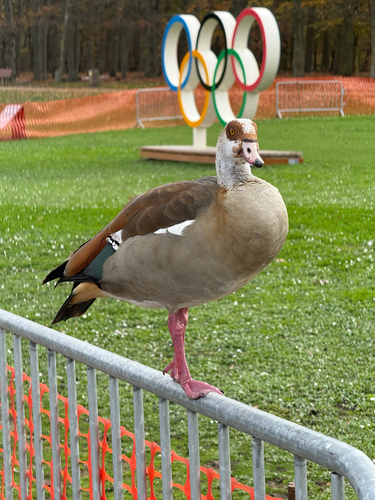
© Alexis Lours · CC BY · iNaturalist
Especies relacionadasRelated species
Otras aves de la familia Anatidae y de órdenes cercanos.Other birds from the Anatidae family and nearby orders.
- Poco comúnUncommon
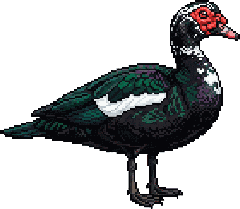 Pato criolloMuscovy DuckCairina moschata
- Poco comúnUncommon
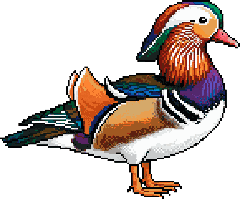 Pato mandarínMandarin DuckAix galericulata
- LegendarioLegendary
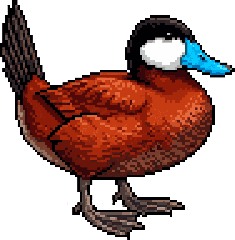 Malvasía canelaRuddy DuckOxyura jamaicensis
- RaroRare
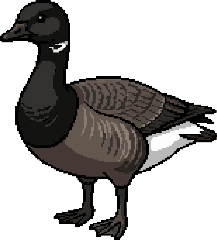 Barnacla carinegraBrant GooseBranta bernicla
- ComúnCommon
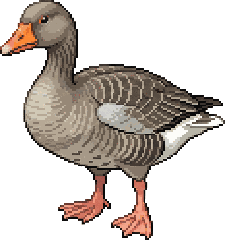 Ánsar comúnGreylag GooseAnser anser
- Poco comúnUncommon
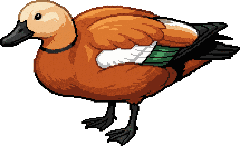 Tarro caneloRuddy ShelduckTadorna ferruginea
- Poco comúnUncommon
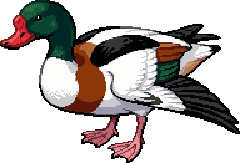 Tarro blancoCommon ShelduckTadorna tadorna
- ComúnCommon
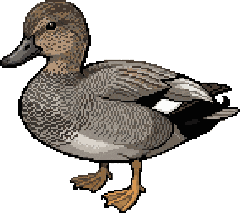 Ánade frisoGadwallMareca strepera
 Gratis, sin anuncios ni comprasFree, no ads, no purchases