 BirdPedy
Zorzal americanoAmerican Robin
Reporte de rarezaRarity report
Por qué es legendarioWhy it is legendaryEl zorzal más común de Norteamérica; constituye una rareza extrema en territorio español detectada puntualmente tras temporales atlánticos.The commonest thrush in North America; it is an extreme rarity in Spain, detected occasionally after Atlantic storms.
- EnvergaduraWingspan
- 35-39 cm35-39 cm
- LongitudLength
- 25 cm25 cm
- Lista Roja de EspañaSpanish Red List
- NE No evaluada en EspañaNot assessed in Spain

IdentificaciónIdentification
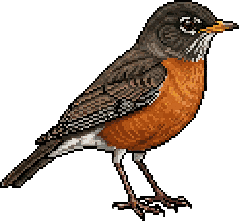
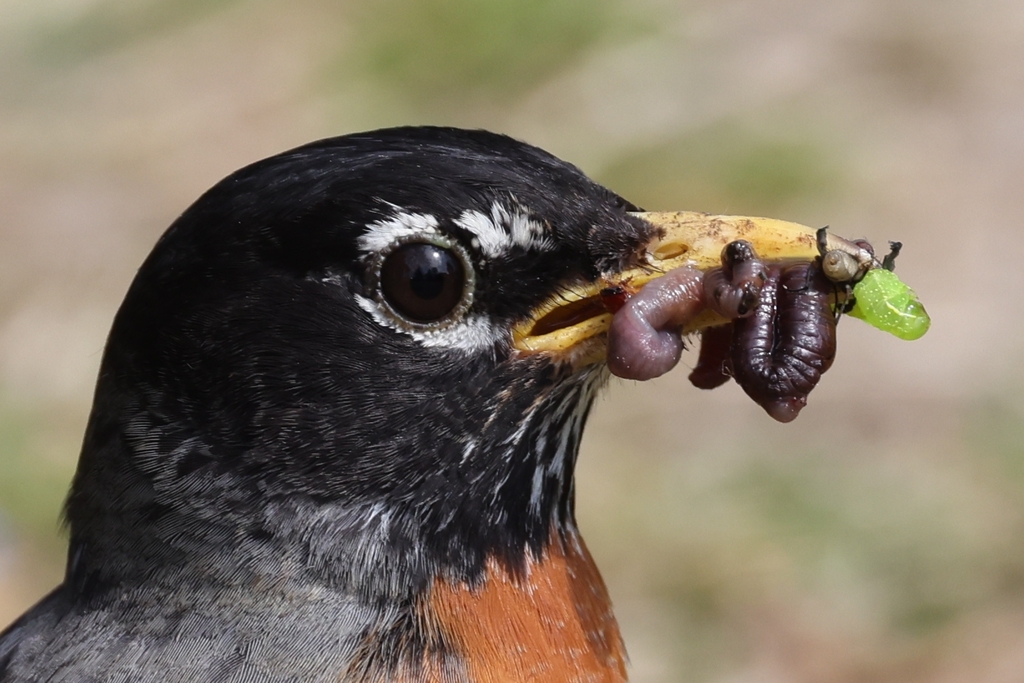
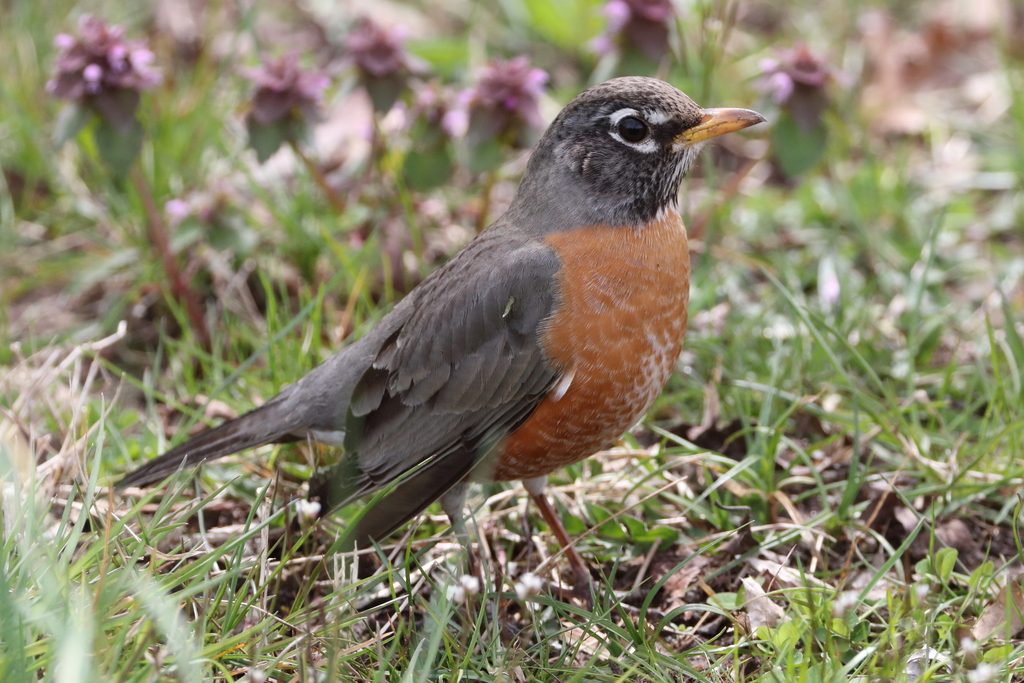
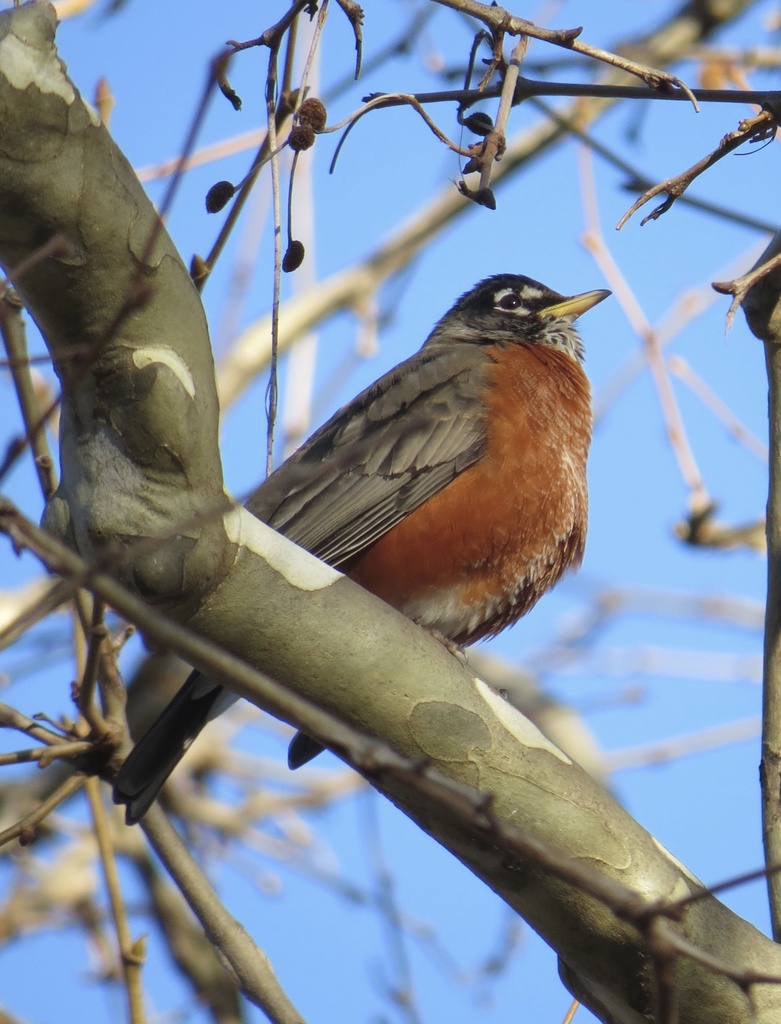
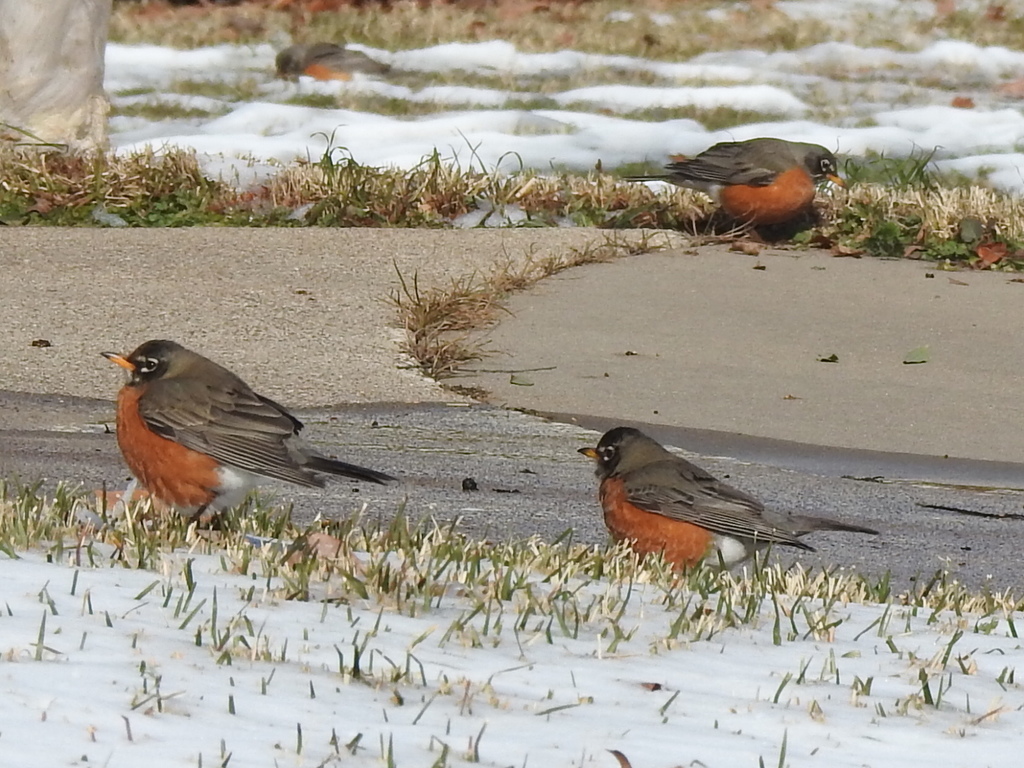
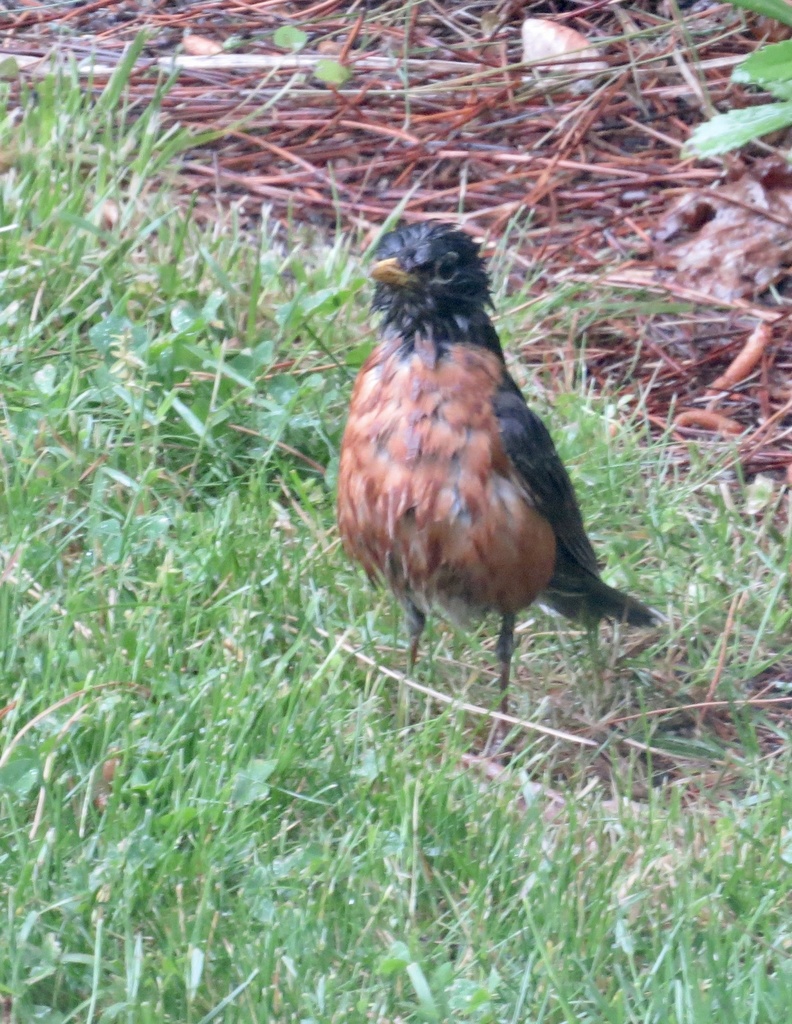
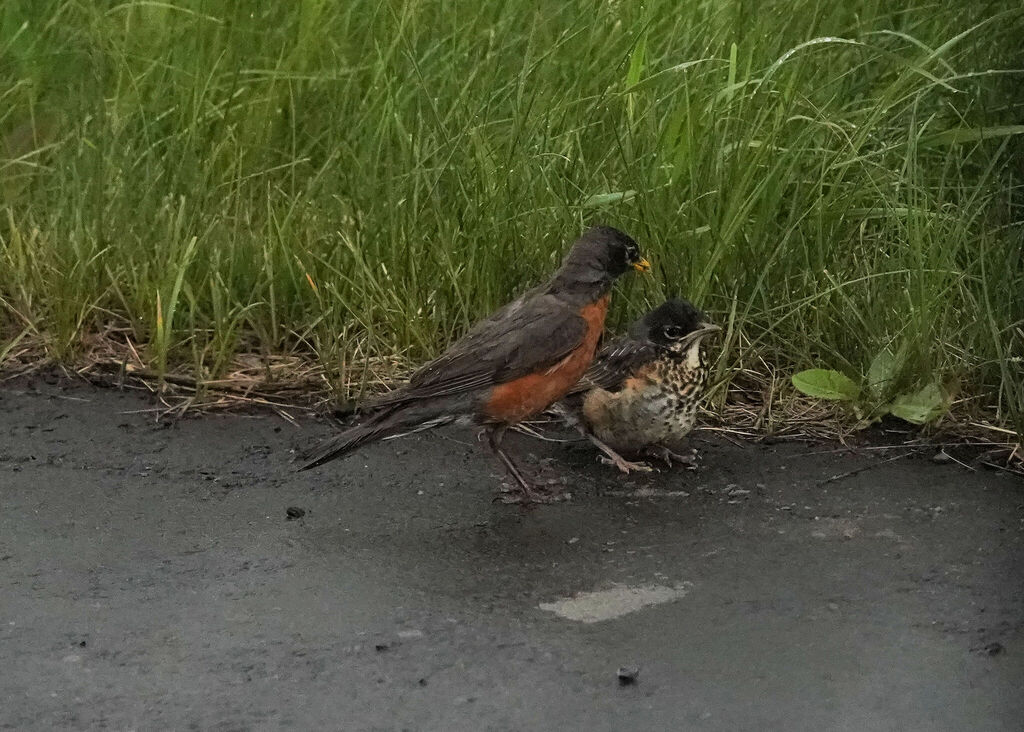
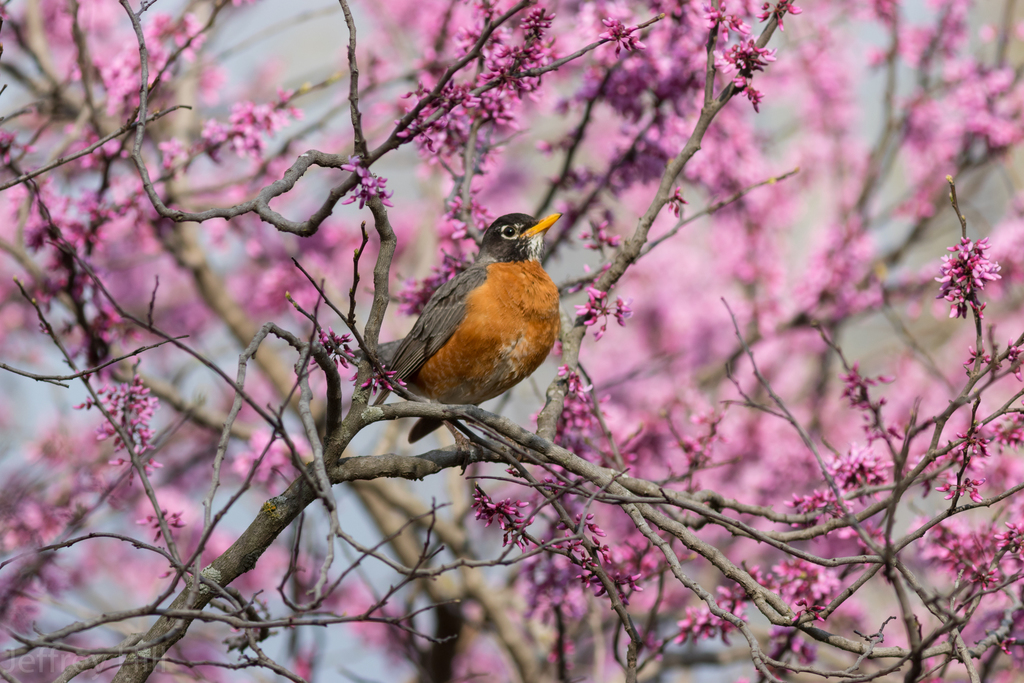
El zorzal americano resulta bastante grande y robusto, con el dorso gris pizarra, la cabeza negruzca y las partes inferiores de color rojo ladrillo. Además muestra blanco en el bajo vientre y presenta un anillo roto, también blanco, en torno al ojo. Las hembras resultan más pardas en el dorso y poseen un rojo más apagado en el vientre. El pico es parcialmente amarillo o amarillento en los adultos y totalmente oscuro en las aves de primer invierno.A large, robust American thrush, significantly bigger than the European Robin. It is slate-gray above with a jet-black head and striking orange-red to brick-red breast. It has a diagnostic broken white eye-ring and white markings on the vent. It is the most famous bird of the American gardens, known for its loud, liquid song.
DistribuciónDistribution
Divagante poco frecuente en Europa, tiene citas sobre todo en las islas Británicas, y durante el otoño tardío y el invierno (octubrefebrero). El único registro homologado en España corresponde a una hembra o un ejemplar de primer invierno que se observó en Laukiz (Vizcaya) entre el 10 y el 15 de diciembre de 1999.Very rare accidental visitor from North America. One homologated record: Laukiz, Bizkaia (Dec 1999). Extraordinary trans-Atlantic traveler.
Textos reproducidos con permiso de laTexts translated and reproduced with permission from the Guía de Aves de España © SEO/BirdLife
Estado de conservaciónConservation Status
- EX
- RE
- CR
- EN
- VU
- NT
- LC
NE
No evaluada en EspañaNot assessed in Spain
Sin categoría en el Libro Rojo de las Aves de España 2021No category in the Red Book of the Birds of Spain 2021
Qué significa cada categoríaWhat each category means
- LC
- Preocupación menor: Taxón evaluado que no califica para categorías amenazadas. Especies abundantes y ampliamente distribuidasLeast Concern - Evaluated taxon that does not qualify for threatened categories. Widespread and abundant taxa
- NT
- Casi amenazada: No califica actualmente como amenazada, pero está cerca de calificar o es probable que califique en el futuro cercanoNear Threatened - Does not currently qualify as threatened, but is close to qualifying or likely to qualify in the near future
- VU
- Vulnerable: Enfrenta un alto riesgo de extinción en estado silvestre según los criterios A a E de IUCNVulnerable - Facing a high risk of extinction in the wild based on IUCN criteria A to E
- EN
- En peligro: Enfrenta un riesgo muy alto de extinción en estado silvestre según los criterios A a E de IUCNEndangered - Facing a very high risk of extinction in the wild based on IUCN criteria A to E
- CR
- En peligro crítico: Enfrenta un riesgo extremadamente alto de extinción en estado silvestre según los criterios A a E de IUCNCritically Endangered - Facing an extremely high risk of extinction in the wild based on IUCN criteria A to E
- DD
- Datos insuficientes: Información inadecuada para evaluar el riesgo de extinción basándose en distribución o estado poblacionalData Deficient - Inadequate information to assess extinction risk based on distribution and/or population status
- NE
- No evaluada: No ha sido evaluada aún contra los criterios de la Lista Roja de IUCNNot Evaluated - Has not yet been assessed against the IUCN Red List criteria
- RE
- Extinta regionalmente: El taxón ya no existe en la región específica, aunque puede sobrevivir en otros lugaresRegionally Extinct - Taxon no longer exists in the specific region, though it may survive elsewhere
- EX
- Extinta - No existe duda razonable de que ha muerto el último individuo del taxónExtinct - No reasonable doubt that the last individual of the taxon has died
TaxonomíaTaxonomy
- OrdenOrder
- Passeriformes
- FamiliaFamily
- Turdidae
Presencia en EspañaPresence in Spain
- OcasionalOccasional
Revisión científica de BirdPedyBirdPedy scientific review
Revisada por BirdPedy el 28/10/2026 ·Reviewed by BirdPedy on 28 October 2026 · Cómo revisamosHow we review
RarezaRarity
ReferenciasReferences
- GBIF.org (23/10/2026). Descarga de registros de aves de España, 2020-2024, con el día y la cuadrícula de 10 km de cada uno, para contar ocasiones y días.GBIF.org (23 October 2026). Occurrence download of birds in Spain, 2020-2024, with the day and 10 km square of each record, to count occasions and days. doi.org/10.15468/dl.bqdmdt
- GBIF.org (23/10/2026). Descarga de registros de aves de España, 2020-2024 (Observation.org, eBird, iNaturalist e ICO).GBIF.org (23 October 2026). Occurrence download of birds in Spain, 2020-2024 (Observation.org, eBird, iNaturalist and ICO). doi.org/10.15468/dl.r5sf2a
GaleríaGallery

© Judy Gallagher · CC BY · iNaturalist 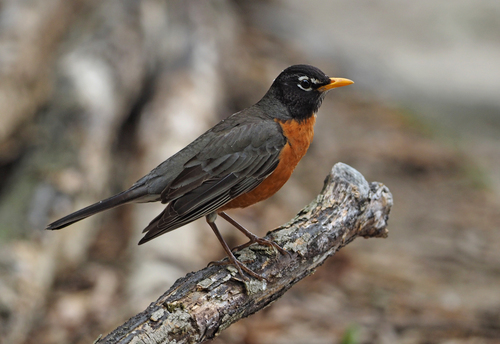
© Judy Gallagher · CC BY · iNaturalist 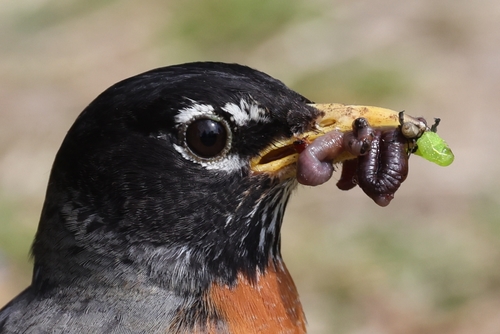
© Kathy Richardson · CC BY · iNaturalist 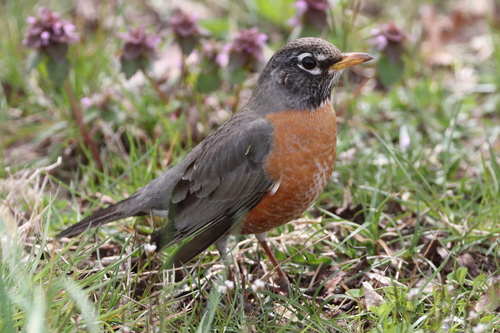
© Seth Wollney · CC BY · iNaturalist 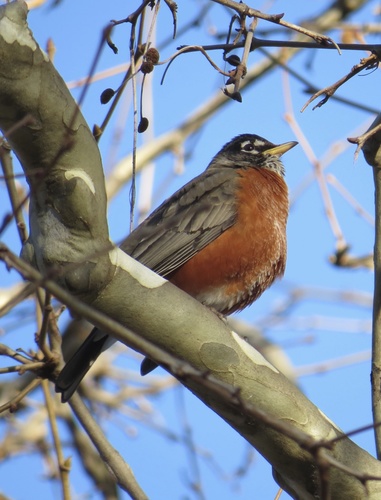
© Sandy Wolkenberg · CC BY · iNaturalist 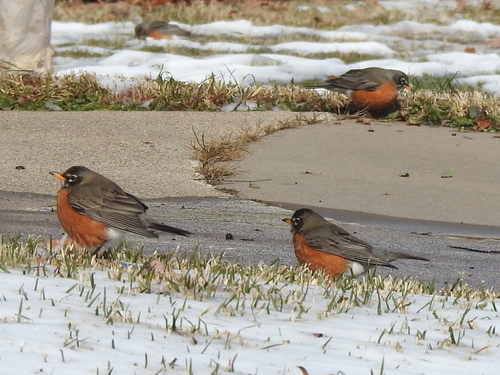
© Sam Kieschnick · CC BY · iNaturalist 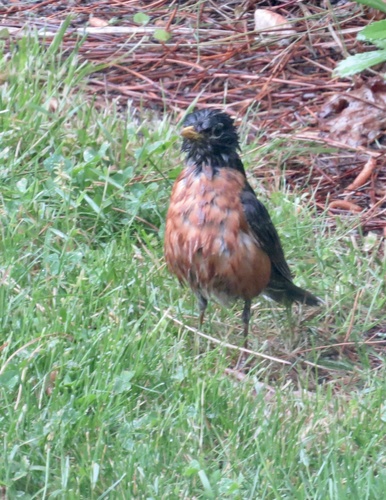
© Sandy Wolkenberg · CC BY · iNaturalist 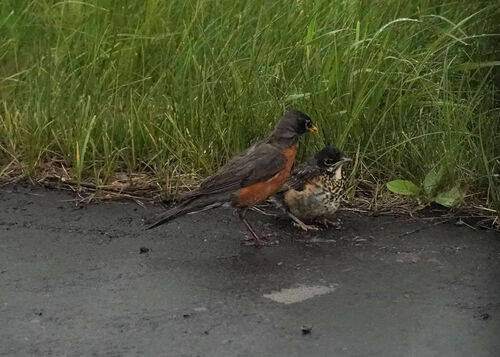
© Pam Hardy · CC BY · iNaturalist 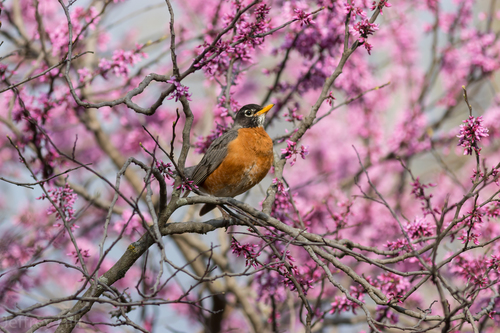
© Jeffrey J. Hill · CC BY · iNaturalist


Especies relacionadasRelated species
Otras aves de la familia Turdidae y de órdenes cercanos.Other birds from the Turdidae family and nearby orders.
- ComúnCommon
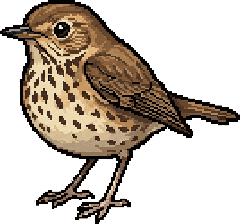 Zorzal comúnSong ThrushTurdus philomelos
- ComúnCommon
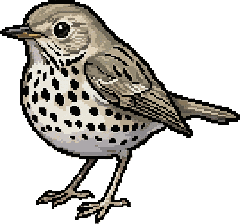 Zorzal charloMistle ThrushTurdus viscivorus
- LegendarioLegendary
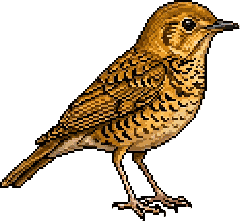 Zorzal doradoWhite's ThrushZoothera aurea
- Poco comúnUncommon
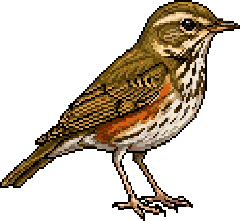 Zorzal alirrojoRedwingTurdus iliacus
- ComúnCommon
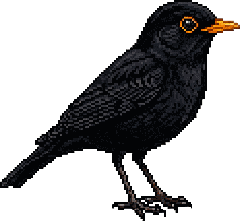 Mirlo comúnCommon BlackbirdTurdus merula
- LegendarioLegendary
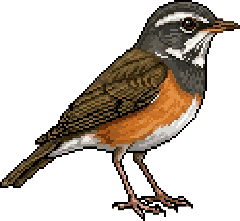 Zorzal rojigrísEyebrowed ThrushTurdus obscurus
- Poco comúnUncommon
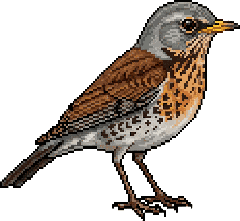 Zorzal realFieldfareTurdus pilaris
- Poco comúnUncommon
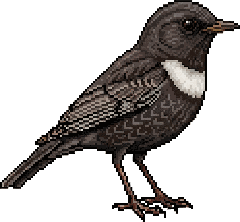 Mirlo capiblancoRing OuzelTurdus torquatus
 Gratis, sin anuncios ni comprasFree, no ads, no purchases