 BirdPedy
Zorzal comúnSong Thrush
En 52 provincias en enero y en 37 en julioIn 52 provinces in January and 37 in July
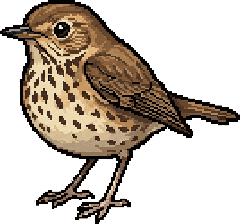
Reporte de rarezaRarity report
Por qué es comúnWhy it is commonInvernante extraordinariamente abundante en toda España, especialmente en olivares y sotos. Como nidificante es frecuente en la franja norte húmeda y sistemas montañosos elevados.Extraordinarily abundant winterer throughout Spain. Frequent nester in the humid northern strip and mountain systems.
Cada carrizo es un mes: su altura, las provincias con registros de 2020 a 2024.Each reed is a month: its height, the provinces with records from 2020 to 2024.- Provincias con registrosProvinces with records
- 52 de 52of 52
- En la appIn the app
- Todo el añoAll year
- EnvergaduraWingspan
- 33-36 cm33-36 cm
- LongitudLength
- 20-22 cm20-22 cm
- Lista Roja de EspañaSpanish Red List
- LC Preocupación menorLeast Concern

Información generalGeneral Information
Una de las imágenes más características del invierno mediterráneo la constituyen los nutridos bandos de zorzales comunes trajinando por los olivares o los sotos y reuniéndose al atardecer en riberas y lagunas al amparo del carrizal. Sin embargo, aunque se trata de una especie muy habitual durante la invernada en nuestras campiñas, este túrdido también frecuenta los frescos bosques del norte peninsular a la hora de reproducirse. En el pasado, y todavía hoy, el zorzal común ha soportado una intensa presión cinegética, de la que se recupera gracias a su notable fecundidad.One of the classic images of the Mediterranean winter is a flock of Song Thrushes feeding in olive groves or riverside woods. While it is an extremely abundant winterer across all of Spain, it only breeds in the cool, humid forests of the north. It is famous for its 'anvils'—stones used to break open snails. Despite heavy hunting pressure in the past, its high fecundity has helped maintain its populations.
IdentificaciónIdentification
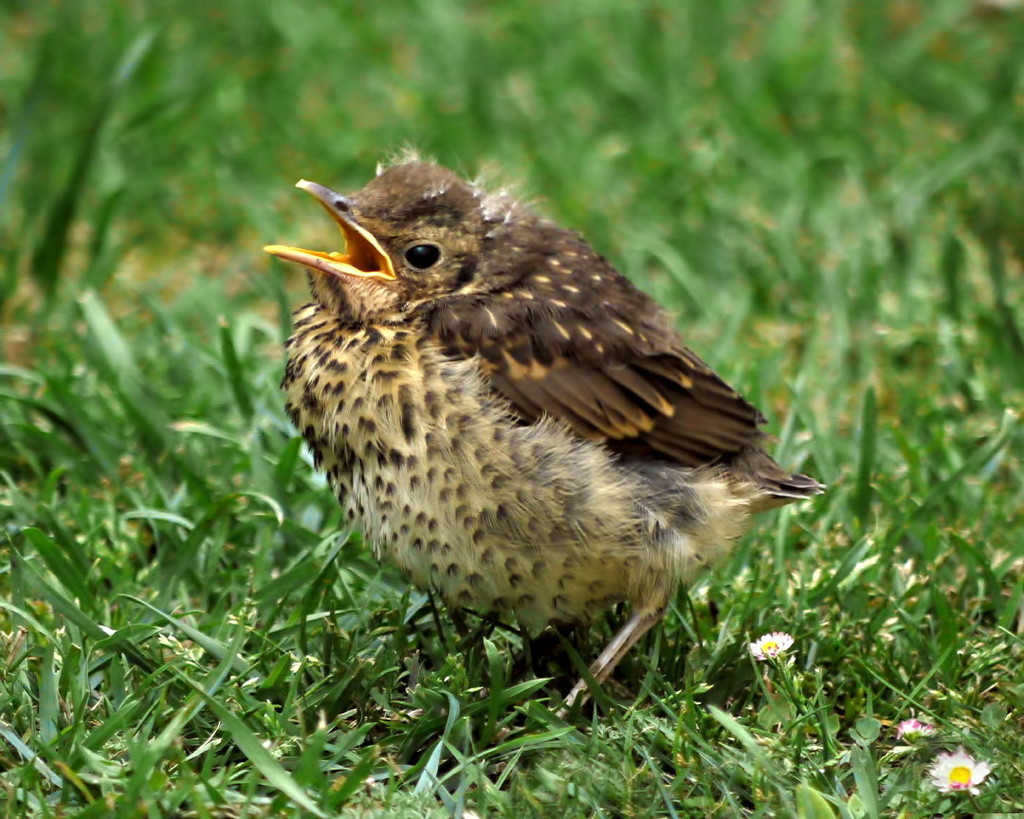
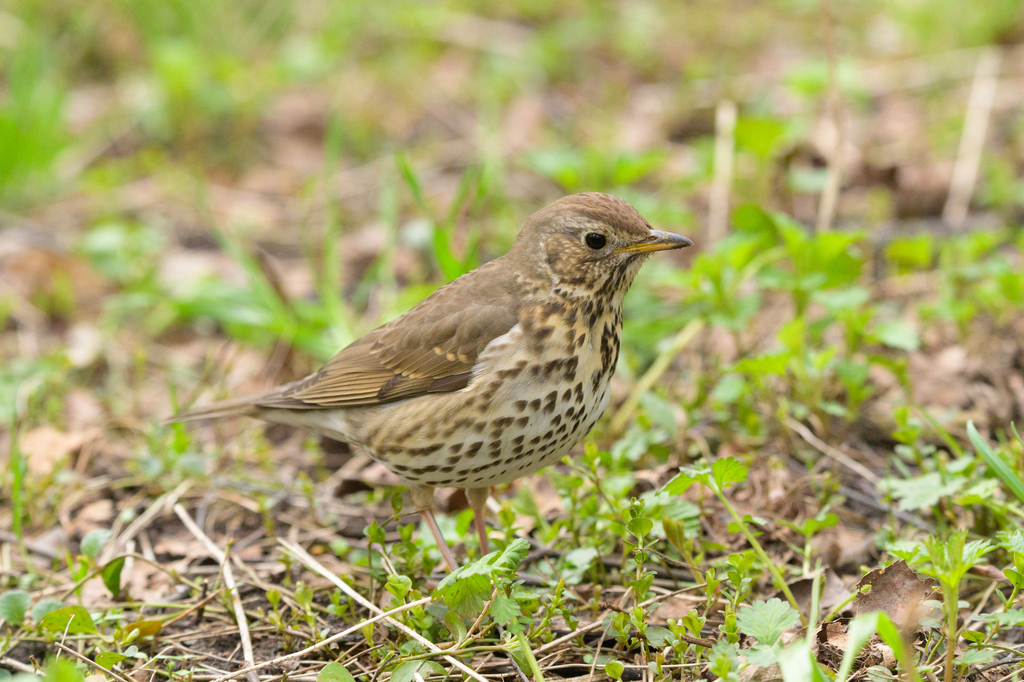
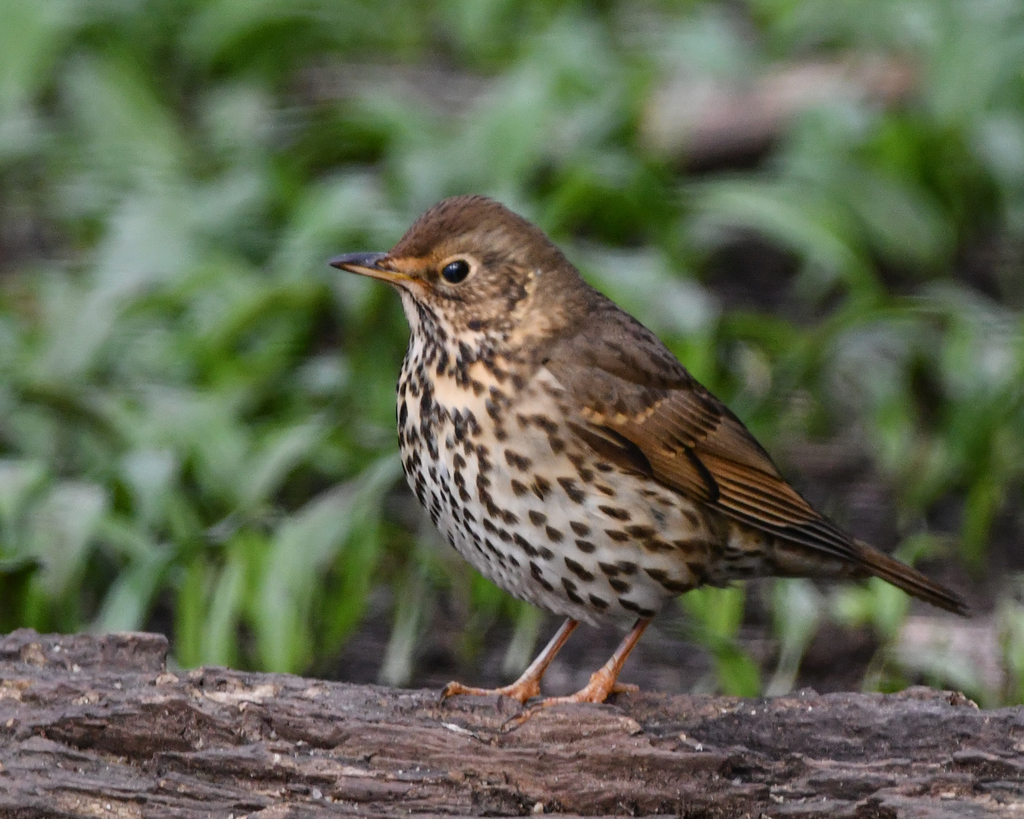
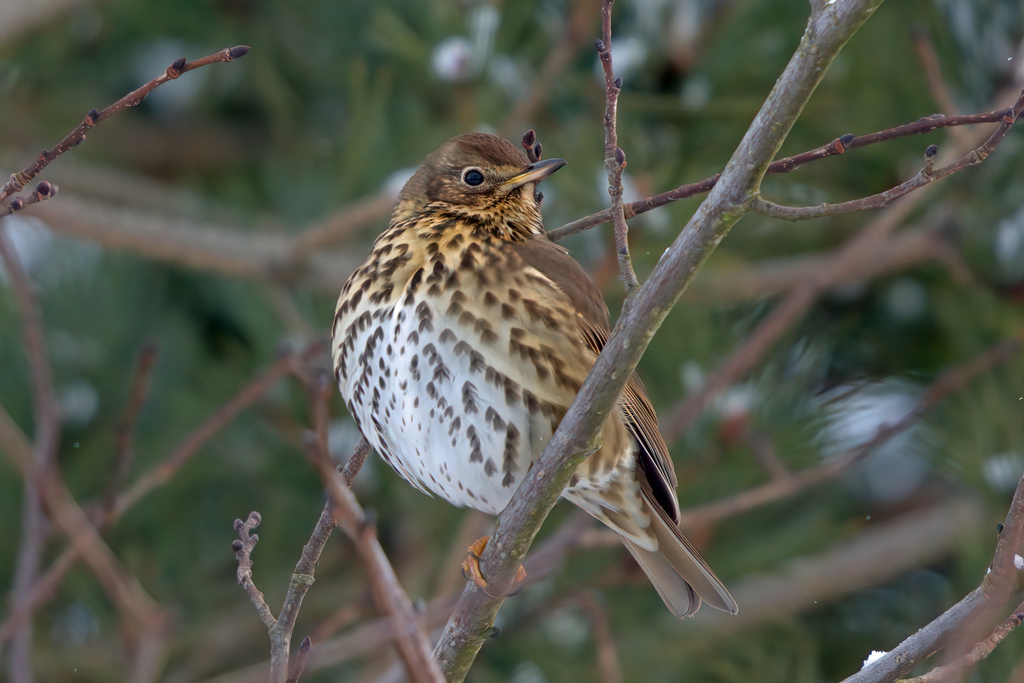
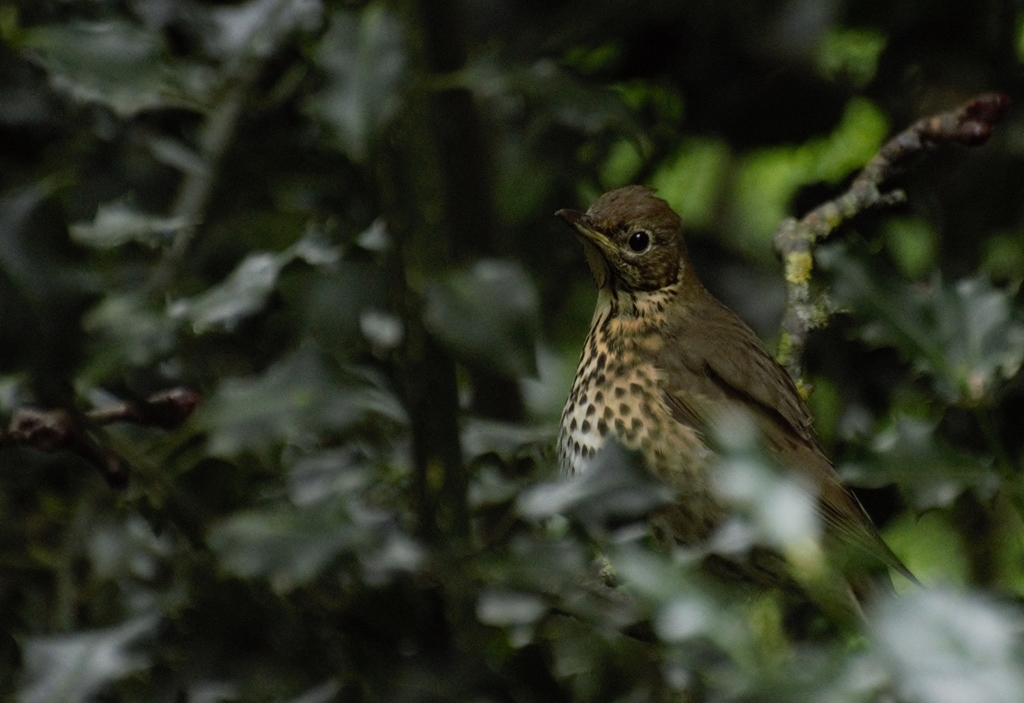
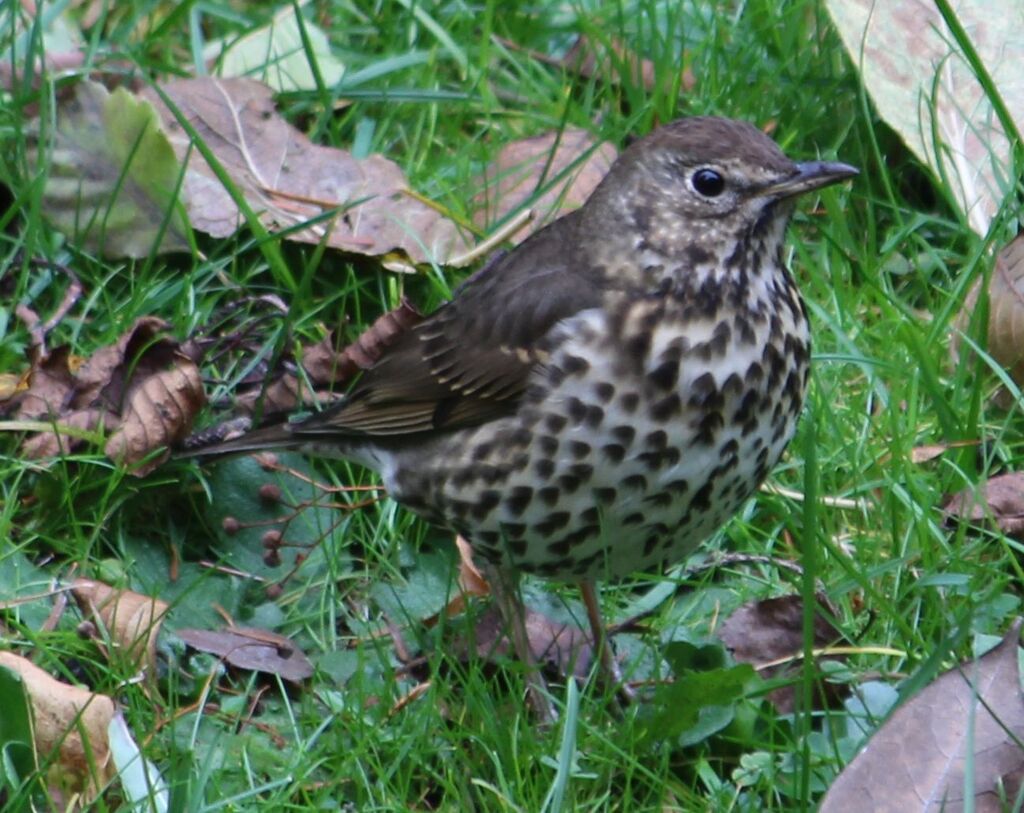
El zorzal común es un ave de tamaño medio, con las regiones dorsales de un color pardo algo más cálido que el del zorzal charlo. Las partes inferiores presentan tonos claros, blanquecinos en el vientre y de un color ocre amarillento en el pecho, y aparecen profusamente tachonadas por motas en forma de cuña que, en la zona del cuello, se ordenan para dar lugar a una fina bigotera . Suele desplazarse por el suelo, aunque se posa en la parte más alta de arbustos y árboles para cantar. Su vuelo, rápido y algo espasmódico, permite observar la característica coloración herrumbrosa de su zona axilar, que facilita su diferenciación de otros zorzales.A medium-sized thrush with warm, olive-brown upper parts and creamy-white underparts heavily covered with diagnostic wedge-shaped dark spots. These spots form a fine 'moustache' line on the throat. In flight, it reveals a golden-buff color under the wings (axillaries), which distinguishes it from the White-underwinged Mistle Thrush and the Red-underwinged Redwing. Its song is legendary: loud, clear, and consisting of repeated musical phrases.
DistribuciónDistribution
Las poblaciones reproductoras se instalan, preferentemente, en enclaves con clima templado y húmedo. En nuestro país, la especie se distribuye de manera bastante homogénea por todo el tercio norte peninsular y de forma más dispersa por las principales cordilleras del centro, mientras que en el sur resulta muy rara. Las poblaciones invernantes, sin embargo, se extienden por toda la Península, concentrándose mayoritariamente en la mitad sur y este. La especie falta en Canarias, Baleares, Ceuta y Melilla como reproductora, pero sí ocupa esas áreas en invierno.Breeding populations are restricted to the humid northern third of the Peninsula and the main mountain ranges of the center. In winter, however, millions of migrants spread across the entire Peninsula and Balearics, focusing on olive groves and mediterranean scrub. Absent as a breeder from Canaries and Balearics.
Textos reproducidos con permiso de laTexts translated and reproduced with permission from the Guía de Aves de España © SEO/BirdLife
Estado de conservaciónConservation Status
- EX
- RE
- CR
- EN
- VU
- NT
- LC
Preocupación menorLeast Concern
Qué significa cada categoríaWhat each category means
- LC
- Preocupación menor: Taxón evaluado que no califica para categorías amenazadas. Especies abundantes y ampliamente distribuidasLeast Concern - Evaluated taxon that does not qualify for threatened categories. Widespread and abundant taxa
- NT
- Casi amenazada: No califica actualmente como amenazada, pero está cerca de calificar o es probable que califique en el futuro cercanoNear Threatened - Does not currently qualify as threatened, but is close to qualifying or likely to qualify in the near future
- VU
- Vulnerable: Enfrenta un alto riesgo de extinción en estado silvestre según los criterios A a E de IUCNVulnerable - Facing a high risk of extinction in the wild based on IUCN criteria A to E
- EN
- En peligro: Enfrenta un riesgo muy alto de extinción en estado silvestre según los criterios A a E de IUCNEndangered - Facing a very high risk of extinction in the wild based on IUCN criteria A to E
- CR
- En peligro crítico: Enfrenta un riesgo extremadamente alto de extinción en estado silvestre según los criterios A a E de IUCNCritically Endangered - Facing an extremely high risk of extinction in the wild based on IUCN criteria A to E
- DD
- Datos insuficientes: Información inadecuada para evaluar el riesgo de extinción basándose en distribución o estado poblacionalData Deficient - Inadequate information to assess extinction risk based on distribution and/or population status
- NE
- No evaluada: No ha sido evaluada aún contra los criterios de la Lista Roja de IUCNNot Evaluated - Has not yet been assessed against the IUCN Red List criteria
- RE
- Extinta regionalmente: El taxón ya no existe en la región específica, aunque puede sobrevivir en otros lugaresRegionally Extinct - Taxon no longer exists in the specific region, though it may survive elsewhere
- EX
- Extinta - No existe duda razonable de que ha muerto el último individuo del taxónExtinct - No reasonable doubt that the last individual of the taxon has died
TaxonomíaTaxonomy
- OrdenOrder
- Passeriformes
- FamiliaFamily
- Turdidae
Presencia en EspañaPresence in Spain
- HabitualRegular
- InvernanteWinter visitor
- ResidenteResident
En la app: todo el año.In the app: all year.
Revisión científica de BirdPedyBirdPedy scientific review
Revisada por BirdPedy el 28/10/2026 ·Reviewed by BirdPedy on 28 October 2026 · Cómo revisamosHow we review
HábitatsHabitats
BirdPedy usa 14 categorías de hábitat propias, con definiciones fijas, y apoya cada una en el texto de la ficha de seo.org [1] o, cuando no basta, en el III Atlas u otra fuente sobre España. En esta especie hay decisiones que se apartan de la ficha o que merecen explicación.
Añadimos “Mosaico agrícola”: cría en algunos mosaicos agropecuarios e inverna en las campiñas cantábricas [2]. Añadimos “Bosque de coníferas”: cría en bosques densos de coníferas [1]. Añadimos “Matorral y pastizal”: en invierno usa formaciones arbustivas y lentiscares [1, 2]. Quitamos “Humedales y aguas dulces”: ninguna fuente lo pone en aguas, orillas ni carrizales [2]. Quitamos “Urbano y rural”: ni la ficha ni el III Atlas lo ponen en parques, jardines ni pueblos [2].
BirdPedy uses 14 habitat categories of its own, with fixed definitions, and supports each one with the text of the seo.org account [1] or, when that is not enough, with the III Atlas or another source on Spain. For this species, some decisions depart from the account or deserve an explanation.
We add “Agricultural mosaic”: it breeds in some mixed farmland and winters in the Cantabrian countryside [2]. We add “Coniferous forest”: it breeds in dense coniferous forests [1]. We add “Scrub and grassland”: in winter it uses shrubland and mastic scrub [1, 2]. We remove “Wetlands and fresh water”: no source places it in water, on shores or in reedbeds [2]. We remove “Urban and rural”: neither the account nor the III Atlas place it in parks, gardens or villages [2].
ReferenciasReferences
- SEO/BirdLife. Guía de aves de seo.org, ficha: Zorzal común (consultada el 23/10/2026).SEO/BirdLife. Bird guide on seo.org, Song Thrush account (accessed 23 October 2026). seo.org
- Molina, B. et al. (eds.) (2022). III Atlas de las aves en época de reproducción en España, ficha: Zorzal común. SEO/BirdLife. Madrid.Molina, B. et al. (eds.) (2022). III Atlas de las aves en época de reproducción en España (Atlas of breeding birds in Spain), Song Thrush account. SEO/BirdLife. Madrid. atlasaves.seo.org
Dónde verlaWhere to see it
4.259 cuadrículas de 10 km con registros de 2020 a 2024. Toca un mes para ver dónde se ha visto.4,259 10 km squares with records from 2020 to 2024. Pick a month to see where it has been seen.
Cargando el mapa…Loading the map…
Dónde es regularWhere it is regular
Provincias con registros en al menos 3 de los 5 años algún mes, de más a menos frecuente, y sus mejores meses.Provinces with records in at least 3 of the 5 years in some month, from most to least frequent, and their best months.
- GuipúzcoaGuipúzcoajunio, febrero, marzoJune, February, March
- La RiojaLa Riojafebrero, enero, diciembreFebruary, January, December
- VizcayaVizcayafebrero, marzo, eneroFebruary, March, January
- AsturiasAsturiasfebrero, marzo, eneroFebruary, March, January
- LugoLugofebrero, marzo, diciembreFebruary, March, December
- OurenseOurensefebrero, enero, marzoFebruary, January, March
- A CoruñaA Coruñafebrero, junio, mayoFebruary, June, May
- BalearesBalearic Islandsfebrero, enero, diciembreFebruary, January, December
- LeónLeónenero, febrero, diciembreJanuary, February, December
- GuadalajaraGuadalajaraenero, febrero, diciembreJanuary, February, December
Ver las 51 provinciasSee all 51 provinces
- ÁlavaÁlavaenero, febrero, marzoJanuary, February, March
- HuescaHuescaenero, noviembre, febreroJanuary, November, February
- SoriaSorianoviembre, marzo, octubreNovember, March, October
- PontevedraPontevedrafebrero, marzo, junioFebruary, March, June
- JaénJaénnoviembre, febrero, eneroNovember, February, January
- LleidaLleidaenero, diciembre, febreroJanuary, December, February
- NavarraNavarranoviembre, febrero, eneroNovember, February, January
- SalamancaSalamancaenero, febrero, diciembreJanuary, February, December
- CáceresCáceresdiciembre, enero, noviembreDecember, January, November
- CastellónCastellónenero, noviembre, diciembreJanuary, November, December
- ValladolidValladolidenero, noviembre, febreroJanuary, November, February
- AlmeríaAlmeríanoviembre, febrero, eneroNovember, February, January
- BurgosBurgosmarzo, febrero, eneroMarch, February, January
- BarcelonaBarcelonanoviembre, febrero, octubreNovember, February, October
- CantabriaCantabriafebrero, marzo, eneroFebruary, March, January
- GironaGironafebrero, enero, marzoFebruary, January, March
- ToledoToledofebrero, enero, diciembreFebruary, January, December
- GranadaGranadanoviembre, diciembre, febreroNovember, December, February
- AlbaceteAlbacetenoviembre, febrero, octubreNovember, February, October
- ZamoraZamoraenero, febrero, noviembreJanuary, February, November
- TeruelTeruelfebrero, enero, noviembreFebruary, January, November
- CuencaCuencanoviembre, diciembre, eneroNovember, December, January
- PalenciaPalencianoviembre, octubre, marzoNovember, October, March
- CórdobaCórdobanoviembre, diciembre, eneroNovember, December, January
- MálagaMálaganoviembre, diciembre, eneroNovember, December, January
- BadajozBadajozdiciembre, noviembre, eneroDecember, November, January
- ÁvilaÁvilaenero, febrero, diciembreJanuary, February, December
- SevillaSevillanoviembre, enero, febreroNovember, January, February
- ZaragozaZaragozaenero, febrero, noviembreJanuary, February, November
- ValenciaValencianoviembre, diciembre, octubreNovember, December, October
- TarragonaTarragonanoviembre, febrero, eneroNovember, February, January
- SegoviaSegoviaenero, noviembre, diciembreJanuary, November, December
- MadridMadridenero, febrero, diciembreJanuary, February, December
- HuelvaHuelvanoviembre, diciembre, febreroNovember, December, February
- AlicanteAlicantenoviembre, enero, diciembreNovember, January, December
- Ciudad RealCiudad Realnoviembre, diciembre, febreroNovember, December, February
- MurciaMurciaenero, diciembre, febreroJanuary, December, February
- CádizCádiznoviembre, febrero, diciembreNovember, February, December
- CeutaCeutanoviembre, enero, octubreNovember, January, October
- Las PalmasLas Palmasnoviembre, febrero, eneroNovember, February, January
- Santa Cruz de TenerifeSanta Cruz de Tenerifenoviembre, diciembre, marzoNovember, December, March
Datos: registros en GBIF de 2020 a 2024 de Observation.org, eBird, iNaturalist y el ICO, descargados el 23/10/2026.Data: GBIF records from 2020 to 2024 from Observation.org, eBird, iNaturalist and the ICO, downloaded on 23/10/2026. GBIF.org (23 October 2026) GBIF Occurrence Download · doi:10.15468/dl.r5sf2a · CC BY-NC 4.0
GaleríaGallery

© Sid Mosdell · CC BY · iNaturalist 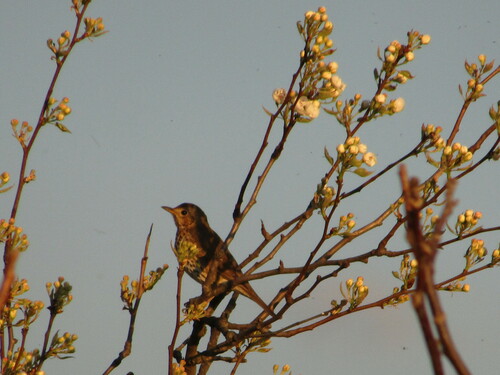
© SteveM4560 · CC BY · iNaturalist 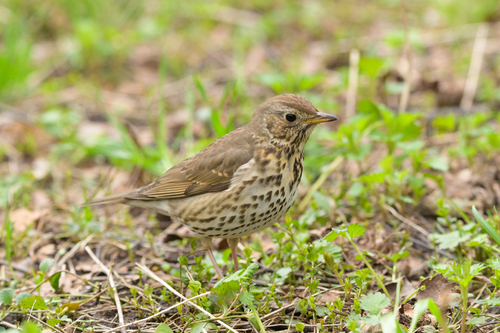
© Павел Кунгуров · CC BY · iNaturalist 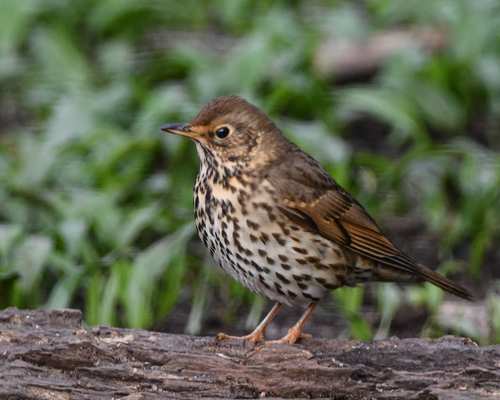
© Frank Sengpiel · CC BY · iNaturalist 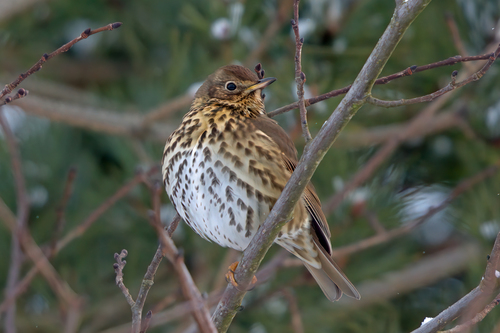
© Nigel Voaden · CC BY · iNaturalist 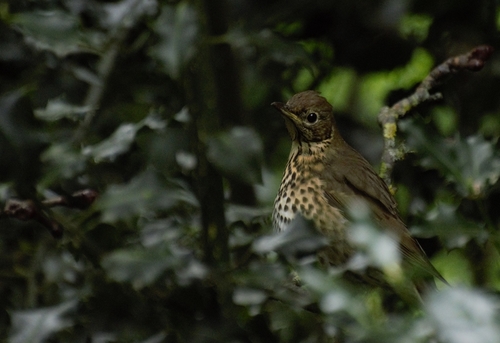
© Victor Heng · CC BY · iNaturalist 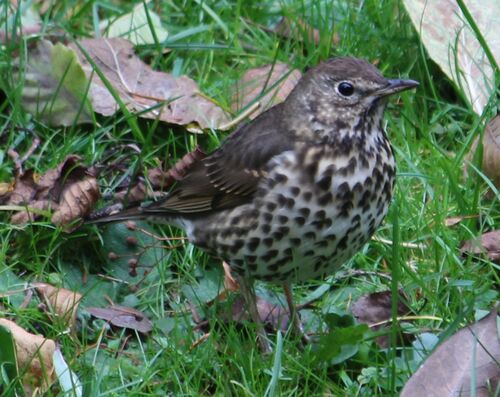
© richyfourtytwo · CC BY · iNaturalist 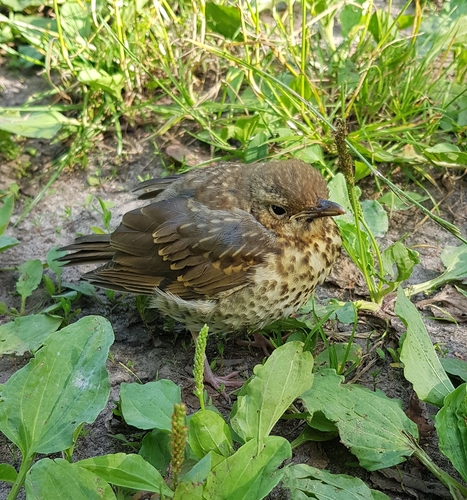
© Frank · CC BY · iNaturalist


Especies relacionadasRelated species
Otras aves de la familia Turdidae y de órdenes cercanos.Other birds from the Turdidae family and nearby orders.
- ComúnCommon
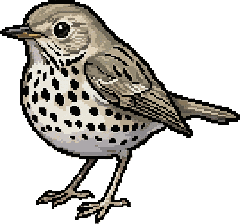 Zorzal charloMistle ThrushTurdus viscivorus
- LegendarioLegendary
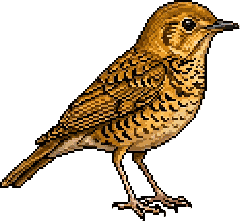 Zorzal doradoWhite's ThrushZoothera aurea
- Poco comúnUncommon
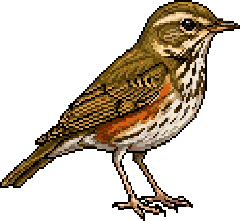 Zorzal alirrojoRedwingTurdus iliacus
- ComúnCommon
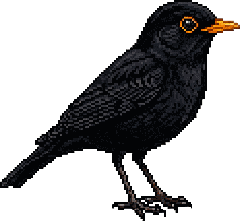 Mirlo comúnCommon BlackbirdTurdus merula
- LegendarioLegendary
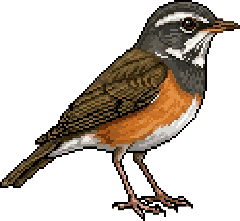 Zorzal rojigrísEyebrowed ThrushTurdus obscurus
- Poco comúnUncommon
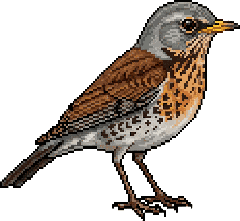 Zorzal realFieldfareTurdus pilaris
- Poco comúnUncommon
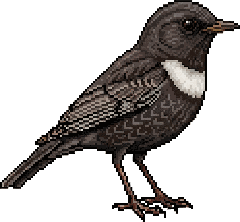 Mirlo capiblancoRing OuzelTurdus torquatus
- LegendarioLegendary
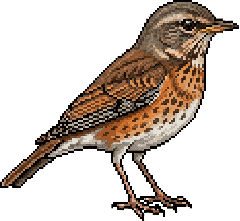 Zorzal de NaumannNaumann's ThrushTurdus naumanni
 Gratis, sin anuncios ni comprasFree, no ads, no purchases