 BirdPedy
Mirlo comúnCommon Blackbird
En 52 provincias en enero y en 51 en septiembreIn 52 provinces in January and 51 in September
Reporte de rarezaRarity report
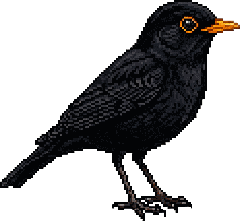
Por qué es comúnWhy it is commonAve sumamente conocida, adaptable y ubicua. Famosa por el plumaje negro azabache de los machos y su melodioso y variado canto flautado.Extremely well-known, adaptable and ever-present bird. Famous for the jet-black plumage of the males and its melodious, varied, fluting song.
Cada carrizo es un mes: su altura, las provincias con registros de 2020 a 2024.Each reed is a month: its height, the provinces with records from 2020 to 2024.- Provincias con registrosProvinces with records
- 52 de 52of 52
- En la appIn the app
- Todo el añoAll year
- EnvergaduraWingspan
- 34-39 cm34-39 cm
- LongitudLength
- 24-25 cm24-25 cm
- Lista Roja de EspañaSpanish Red List
- LC Preocupación menorLeast Concern

Información generalGeneral Information
El mirlo común es un pájaro relativamente grande y de cola larga, muy extendido y habitual, y, por ello, una de las aves más populares y conocidas. Posee tonos uniformes oscuros, negros en los machos y pardos en las hembras. Resulta común en toda la Península Ibérica, Baleares y Canarias, donde ocupa todo tipo de zonas cubiertas por árboles y arbustos, incluyendo también parques y jardines del interior de ciudades y pueblos.The Common Blackbird is the 'tenor' of our gardens. Once a shy forest bird, it has successfully colonized almost every town and city in Spain. Its rich, liquid song at dawn and dusk is one of the most comforting sounds of the Mediterranean spring. It is a bold, intelligent, and adaptable neighbor that manages to find a home everywhere from the center of Madrid to the most remote coastal villages. It is the energetic soul of our suburban nature.
IdentificaciónIdentification
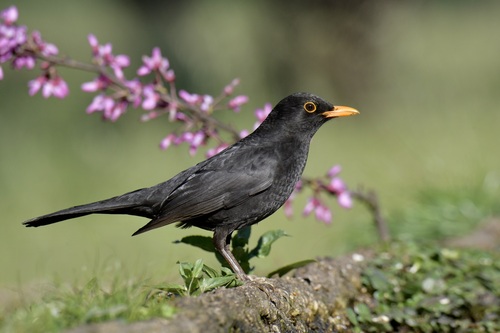
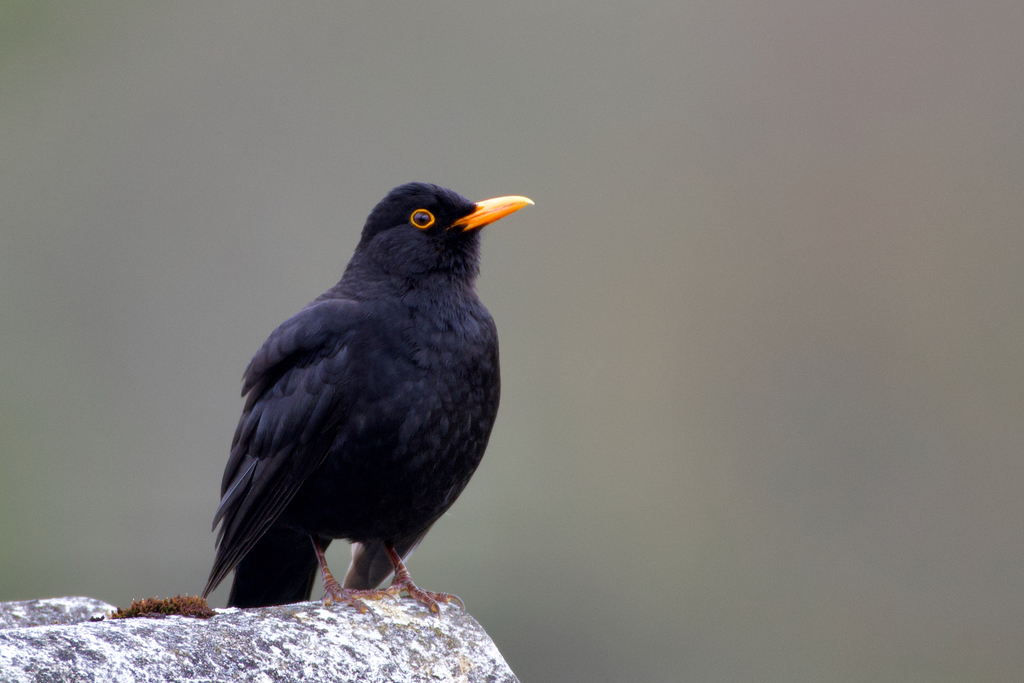
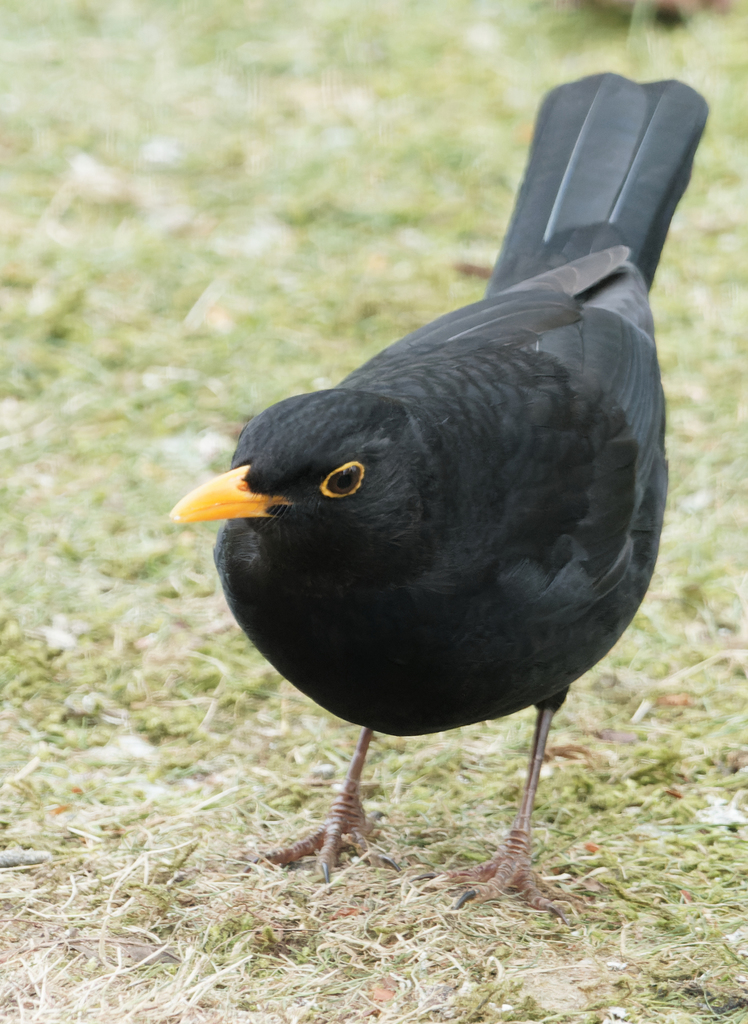
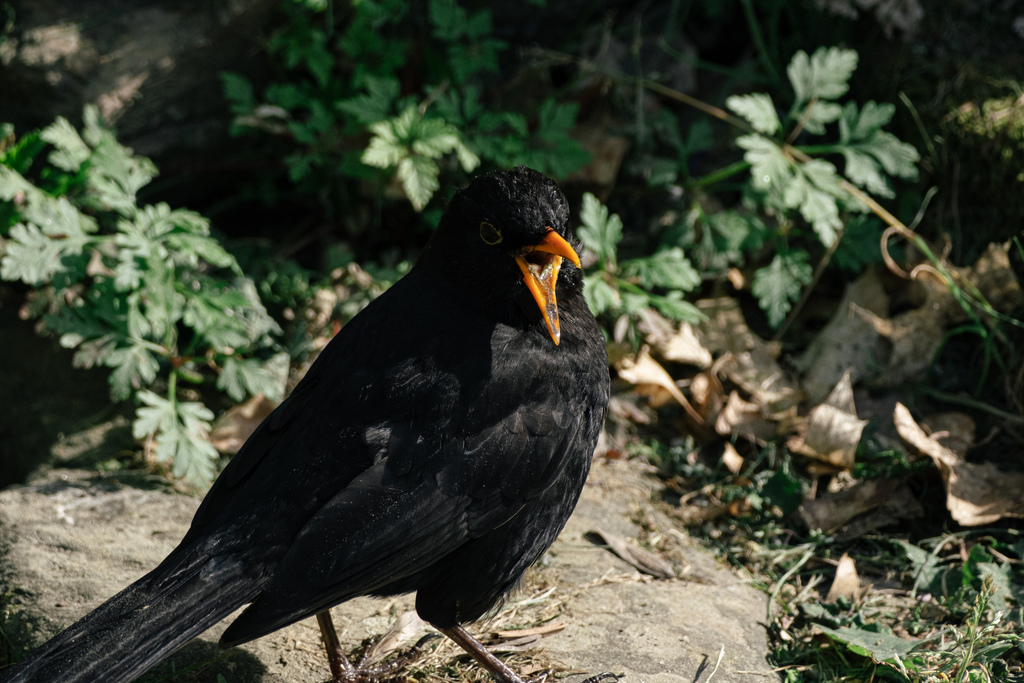
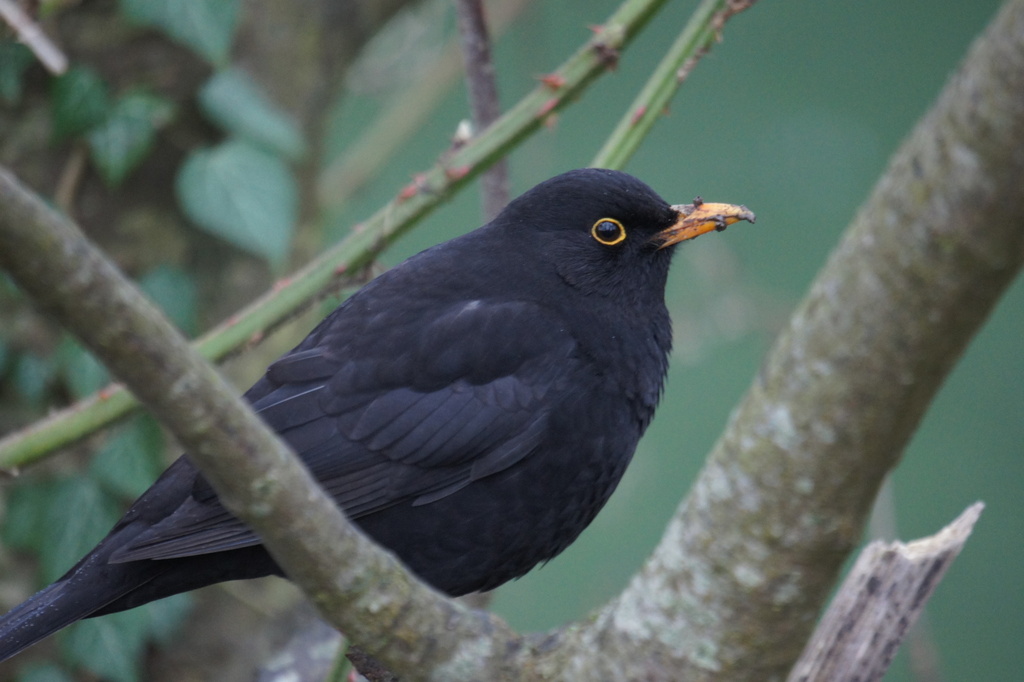
Túrdido de mediano tamaño y con aspecto muy característico. De tonos uniformes y oscuros, el macho luce color negro, con el pico y el anillo ocular anaranjados, mientras que la hembra es marrón oscura, con el pico amarillento o parduzco. Exhibe un vuelo ágil y directo, frecuentemente a baja altura, entre matorrales y zonas de vegetación enmarañada. Posado en el suelo, anda a saltos, y cuando se para muestra una pose muy erguida.One of the most familiar and beloved birds in Europe. Adult males are entirely jet-black with a striking orange-yellow bill and eye-ring. Females and juveniles are dark brown with faint streaking on the throat. It is an exceptional singer, delivering a fluting, melodic, and relaxed song from the rooftops and tree-tops.
DistribuciónDistribution
Es un pájaro ampliamente distribuido y común en toda la Península Ibérica, Baleares, Canarias, Ceuta y Melilla. Únicamente falta en las islas Canarias orientales y en algunos puntos de las mesetas, los valles del Ebro y Guadalquivir y el sureste árido. En Iberia y Baleares se encuentra la subespecie merula y en Canarias, la subespecie cabrerae.Very common resident. Widespread throughout the Peninsula and islands (ssp. Cabrerae in Canarias). Present in almost all habitats with some cover.
Textos reproducidos con permiso de laTexts translated and reproduced with permission from the Guía de Aves de España © SEO/BirdLife
Estado de conservaciónConservation Status
- EX
- RE
- CR
- EN
- VU
- NT
- LC
Preocupación menorLeast Concern
Qué significa cada categoríaWhat each category means
- LC
- Preocupación menor: Taxón evaluado que no califica para categorías amenazadas. Especies abundantes y ampliamente distribuidasLeast Concern - Evaluated taxon that does not qualify for threatened categories. Widespread and abundant taxa
- NT
- Casi amenazada: No califica actualmente como amenazada, pero está cerca de calificar o es probable que califique en el futuro cercanoNear Threatened - Does not currently qualify as threatened, but is close to qualifying or likely to qualify in the near future
- VU
- Vulnerable: Enfrenta un alto riesgo de extinción en estado silvestre según los criterios A a E de IUCNVulnerable - Facing a high risk of extinction in the wild based on IUCN criteria A to E
- EN
- En peligro: Enfrenta un riesgo muy alto de extinción en estado silvestre según los criterios A a E de IUCNEndangered - Facing a very high risk of extinction in the wild based on IUCN criteria A to E
- CR
- En peligro crítico: Enfrenta un riesgo extremadamente alto de extinción en estado silvestre según los criterios A a E de IUCNCritically Endangered - Facing an extremely high risk of extinction in the wild based on IUCN criteria A to E
- DD
- Datos insuficientes: Información inadecuada para evaluar el riesgo de extinción basándose en distribución o estado poblacionalData Deficient - Inadequate information to assess extinction risk based on distribution and/or population status
- NE
- No evaluada: No ha sido evaluada aún contra los criterios de la Lista Roja de IUCNNot Evaluated - Has not yet been assessed against the IUCN Red List criteria
- RE
- Extinta regionalmente: El taxón ya no existe en la región específica, aunque puede sobrevivir en otros lugaresRegionally Extinct - Taxon no longer exists in the specific region, though it may survive elsewhere
- EX
- Extinta - No existe duda razonable de que ha muerto el último individuo del taxónExtinct - No reasonable doubt that the last individual of the taxon has died
TaxonomíaTaxonomy
- OrdenOrder
- Passeriformes
- FamiliaFamily
- Turdidae
Presencia en EspañaPresence in Spain
- HabitualRegular
- ResidenteResident
En la app: todo el año.In the app: all year.
Dónde verlaWhere to see it
5.033 cuadrículas de 10 km con registros de 2020 a 2024. Toca un mes para ver dónde se ha visto.5,033 10 km squares with records from 2020 to 2024. Pick a month to see where it has been seen.
Cargando el mapa…Loading the map…
Dónde es regularWhere it is regular
Provincias con registros en al menos 3 de los 5 años algún mes, de más a menos frecuente, y sus mejores meses.Provinces with records in at least 3 of the 5 years in some month, from most to least frequent, and their best months.
- Santa Cruz de TenerifeSanta Cruz de Tenerifeabril, mayo, junioApril, May, June
- PontevedraPontevedramayo, junio, abrilMay, June, April
- OurenseOurenseenero, febrero, marzoJanuary, February, March
- A CoruñaA Coruñamayo, junio, abrilMay, June, April
- LugoLugojunio, mayo, marzoJune, May, March
- GuadalajaraGuadalajarafebrero, enero, diciembreFebruary, January, December
- BurgosBurgosenero, febrero, diciembreJanuary, February, December
- AsturiasAsturiasjunio, mayo, abrilJune, May, April
- GuipúzcoaGuipúzcoajunio, mayo, marzoJune, May, March
- SoriaSoriaenero, diciembre, febreroJanuary, December, February
Ver las 52 provinciasSee all 52 provinces
- CeutaCeutamayo, junio, septiembreMay, June, September
- MurciaMurciaabril, mayo, marzoApril, May, March
- AlmeríaAlmeríajunio, mayo, abrilJune, May, April
- CórdobaCórdobaenero, marzo, febreroJanuary, March, February
- CantabriaCantabriamayo, junio, abrilMay, June, April
- NavarraNavarrafebrero, enero, marzoFebruary, January, March
- VizcayaVizcayajunio, mayo, febreroJune, May, February
- LeónLeóndiciembre, enero, junioDecember, January, June
- GranadaGranadaabril, marzo, mayoApril, March, May
- MadridMadridenero, abril, marzoJanuary, April, March
- JaénJaénagosto, septiembre, marzoAugust, September, March
- ÁlavaÁlavamayo, enero, abrilMay, January, April
- MálagaMálagajunio, mayo, febreroJune, May, February
- SegoviaSegoviaenero, febrero, noviembreJanuary, February, November
- La RiojaLa Riojaenero, diciembre, febreroJanuary, December, February
- MelillaMelillaenero, abrilJanuary, April
- BarcelonaBarcelonajunio, mayo, febreroJune, May, February
- BalearesBalearic Islandsjunio, noviembre, diciembreJune, November, December
- CuencaCuencamarzo, octubre, diciembreMarch, October, December
- AlicanteAlicantejunio, mayo, abrilJune, May, April
- PalenciaPalenciaenero, febrero, octubreJanuary, February, October
- ValladolidValladolidfebrero, enero, marzoFebruary, January, March
- Las PalmasLas Palmasmayo, junio, abrilMay, June, April
- BadajozBadajozmarzo, febrero, octubreMarch, February, October
- ÁvilaÁvilafebrero, marzo, diciembreFebruary, March, December
- CádizCádizjunio, marzo, mayoJune, March, May
- SalamancaSalamancaenero, marzo, febreroJanuary, March, February
- HuescaHuescafebrero, diciembre, junioFebruary, December, June
- SevillaSevillajunio, marzo, julioJune, March, July
- LleidaLleidajunio, enero, diciembreJune, January, December
- CáceresCáceresjunio, febrero, eneroJune, February, January
- TeruelTerueljunio, enero, octubreJune, January, October
- AlbaceteAlbaceteenero, febrero, abrilJanuary, February, April
- ValenciaValenciamayo, junio, abrilMay, June, April
- GironaGironajunio, febrero, eneroJune, February, January
- CastellónCastellónjunio, enero, julioJune, January, July
- ZaragozaZaragozafebrero, marzo, eneroFebruary, March, January
- HuelvaHuelvaseptiembre, noviembre, octubreSeptember, November, October
- ToledoToledomarzo, febrero, abrilMarch, February, April
- ZamoraZamoramarzo, agosto, eneroMarch, August, January
- Ciudad RealCiudad Realagosto, octubre, julioAugust, October, July
- TarragonaTarragonajunio, mayo, abrilJune, May, April
Datos: registros en GBIF de 2020 a 2024 de Observation.org, eBird, iNaturalist y el ICO, descargados el 23/10/2026.Data: GBIF records from 2020 to 2024 from Observation.org, eBird, iNaturalist and the ICO, downloaded on 23/10/2026. GBIF.org (23 October 2026) GBIF Occurrence Download · doi:10.15468/dl.r5sf2a · CC BY-NC 4.0
GaleríaGallery
© Luiz Lapa · CC BY · iNaturalist 
© Alexis Tinker-Tsavalas · CC BY · iNaturalist 
© Codrin Bucur · CC BY · iNaturalist 
© Codrin Bucur · CC BY · iNaturalist 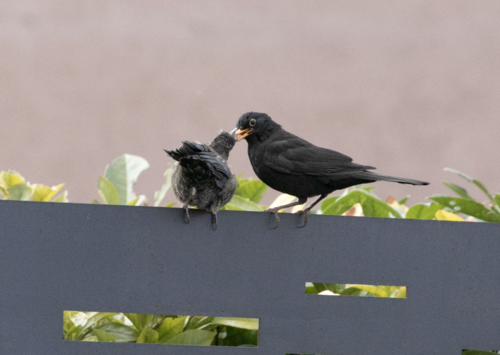
© Paolo Zucca · CC BY · iNaturalist 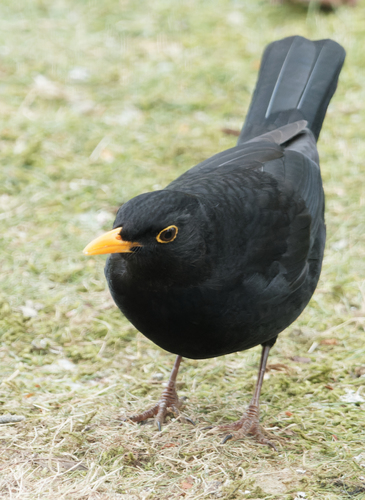
© William Stephens · CC BY · iNaturalist 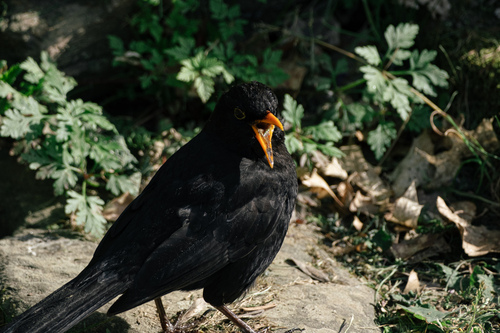
© Bruno Peixoto · CC BY · iNaturalist 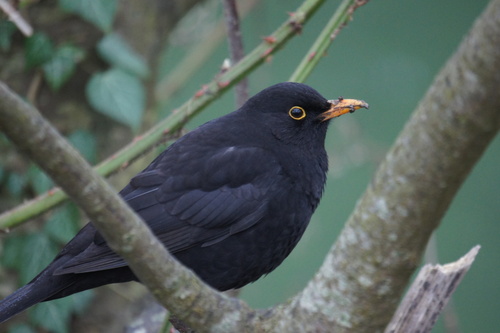
© Alex Press · CC BY · iNaturalist
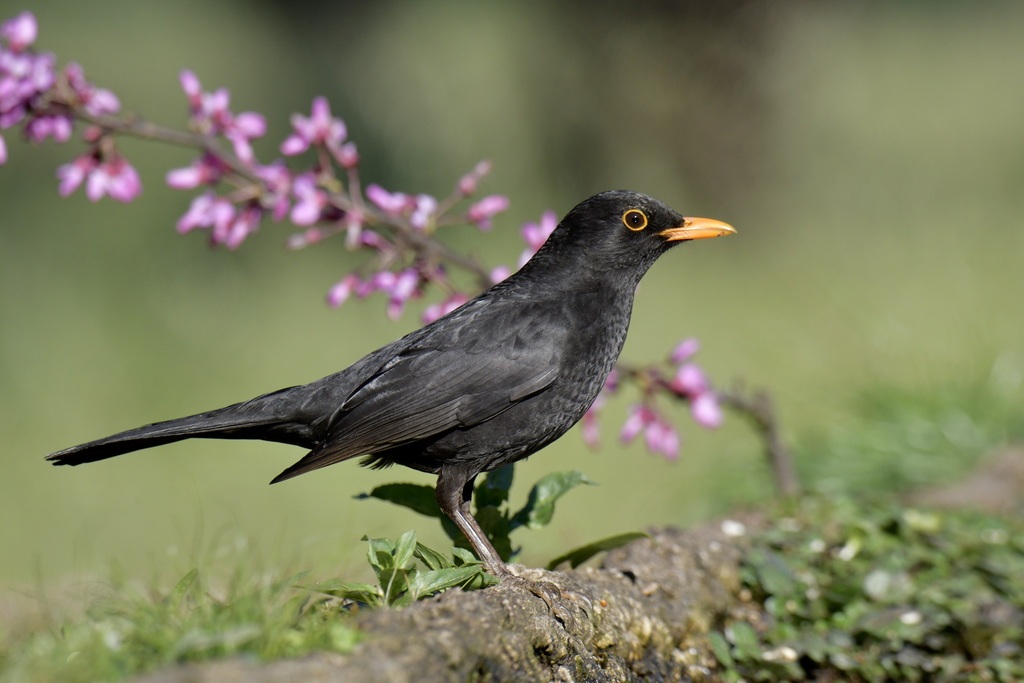
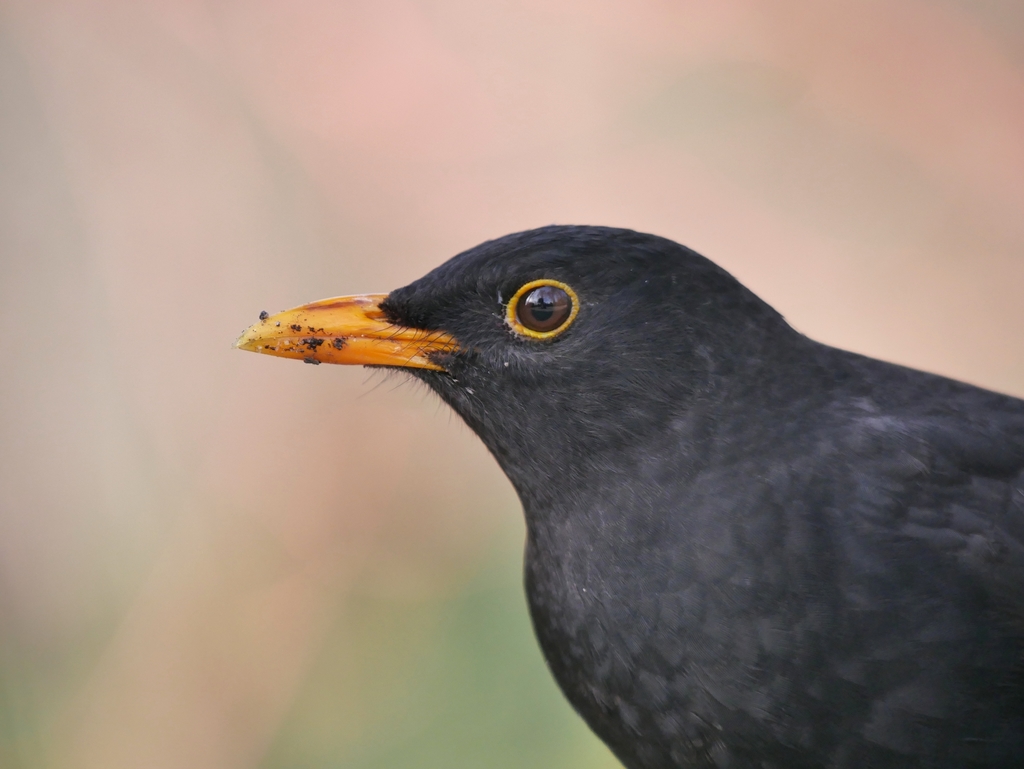


Especies relacionadasRelated species
Otras aves de la familia Turdidae y de órdenes cercanos.Other birds from the Turdidae family and nearby orders.
- LegendarioLegendary
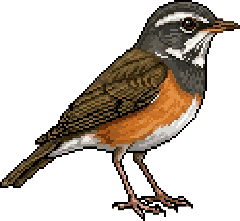 Zorzal rojigrísEyebrowed ThrushTurdus obscurus
- Poco comúnUncommon
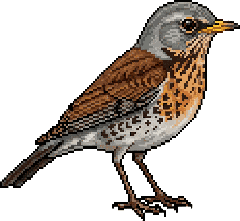 Zorzal realFieldfareTurdus pilaris
- Poco comúnUncommon
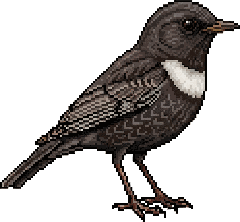 Mirlo capiblancoRing OuzelTurdus torquatus
- LegendarioLegendary
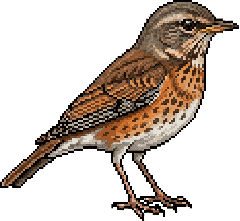 Zorzal de NaumannNaumann's ThrushTurdus naumanni
- LegendarioLegendary
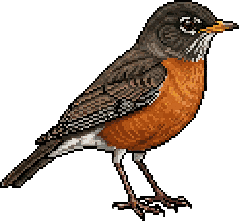 Zorzal americanoAmerican RobinTurdus migratorius
- ComúnCommon
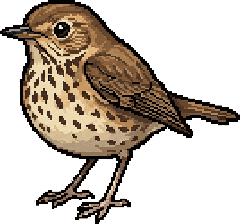 Zorzal comúnSong ThrushTurdus philomelos
- ComúnCommon
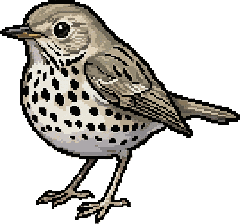 Zorzal charloMistle ThrushTurdus viscivorus
- LegendarioLegendary
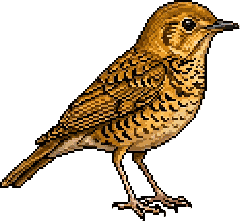 Zorzal doradoWhite's ThrushZoothera aurea
 Gratis, sin anuncios ni comprasFree, no ads, no purchases