 BirdPedy
Mirlo capiblancoRing Ouzel
En 46 provincias en octubre y en 8 en julioIn 46 provinces in October and 8 in July
Reporte de rarezaRarity report
Por qué es poco comúnWhy it is uncommonEspecialista de la alta montaña y migrante regular que destaca por la media luna blanca de su pecho y su comportamiento esquivo.High-mountain specialist and regular migrant that stands out for the white crescent on its breast and its elusive behavior.
Cada carrizo es un mes: su altura, las provincias con registros de 2020 a 2024.Each reed is a month: its height, the provinces with records from 2020 to 2024.- Provincias con registrosProvinces with records
- 50 de 52of 52
- En la appIn the app
- Todo el añoAll year
- EnvergaduraWingspan
- 38-42 cm38-42 cm
- LongitudLength
- 23-24 cm23-24 cm
- Lista Roja de EspañaSpanish Red List
- DD Datos insuficientesData Deficient

Información generalGeneral Information
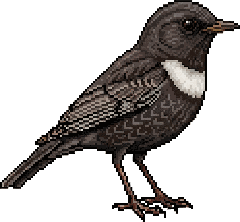
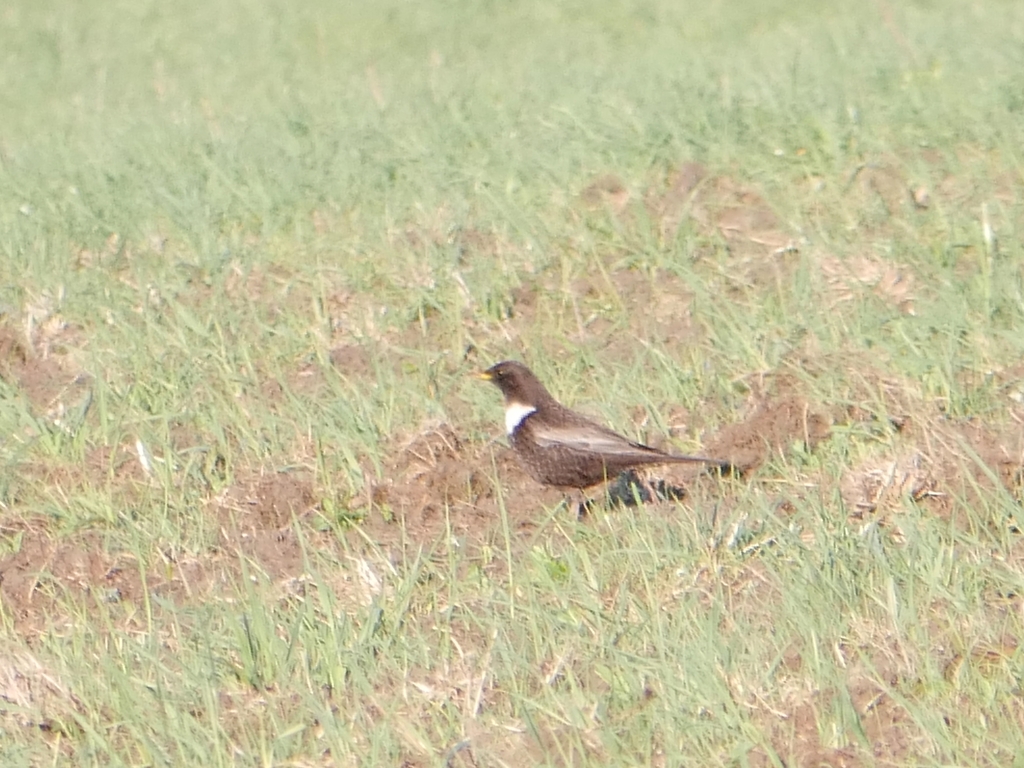
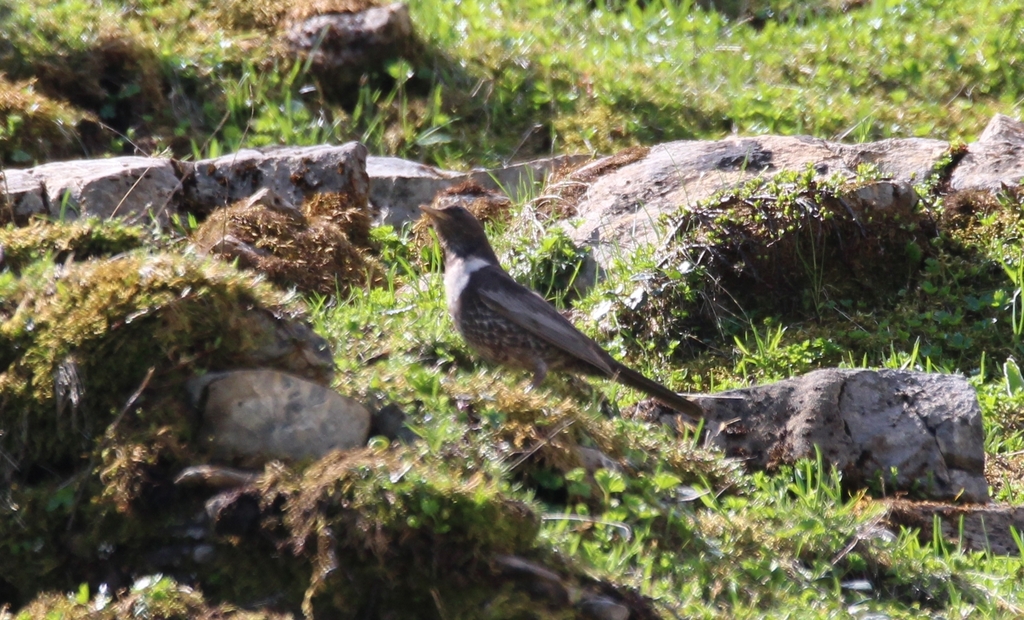
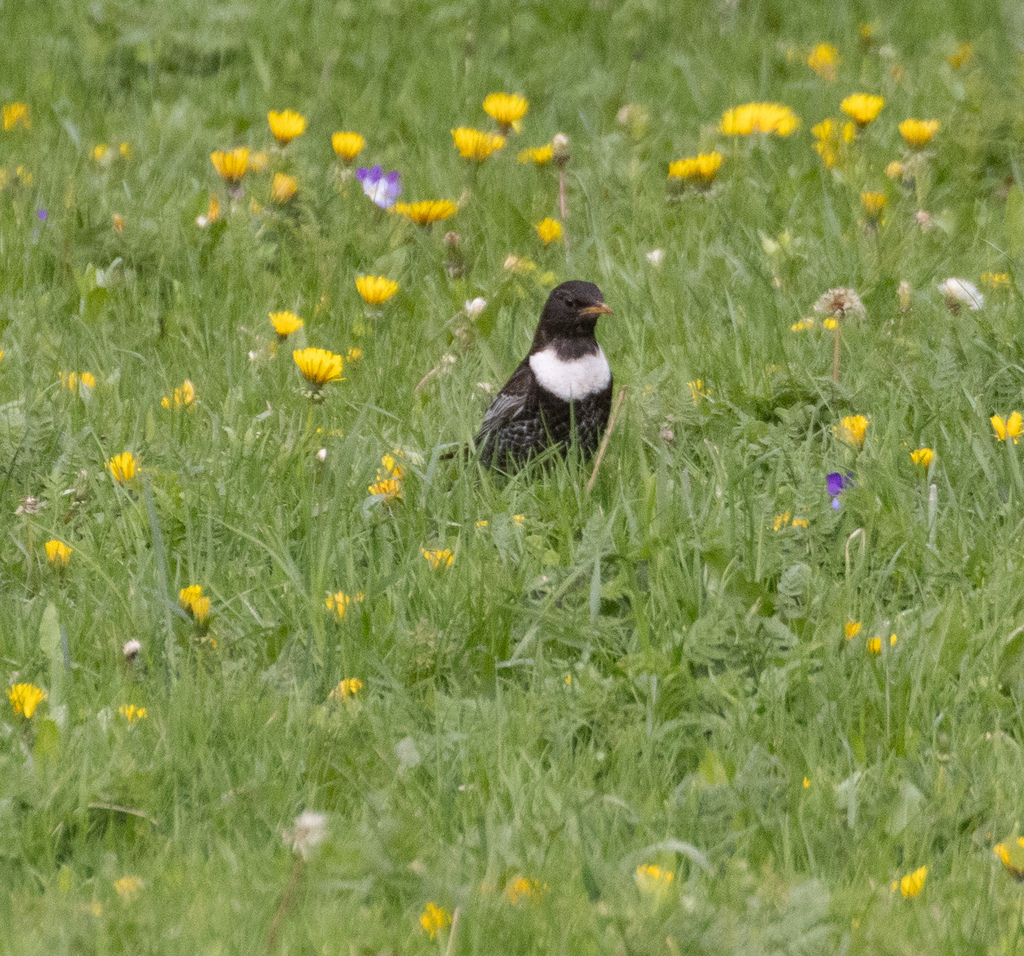
El mirlo capiblanco es muy parecido al mirlo común, del que se diferencia por la presencia de una característica media luna blanca en el pecho, que contrasta con el resto del plumaje oscuro. Típico de zonas norteñas o de áreas de montaña, en España se encuentra restringido como reproductor a los espacios de alta montaña del tercio norte peninsular, abundando sobre todo en Pirineos, donde se localiza en bosques abiertos de coníferas con abundante sotobosque. Como invernante ocupa zonas más bajas, especialmente en la mitad oriental peninsular.The Ring Ouzel is the 'rebel' of the high peaks. In Spain, it is a specialist of the high mountains (Pyrenees, Cantabrians) where it breeds in the alpine scrub. During winter, it moves to the Mediterranean deltas and mountain ranges appearing in lower elevations. It is a hardy bird that thrives in the most rugged environments. Its clear, lonely voice echoing through a mountain pass is a classic sound of the Spanish high country. It is a symbol of our alpine wilderness.
IdentificaciónIdentification
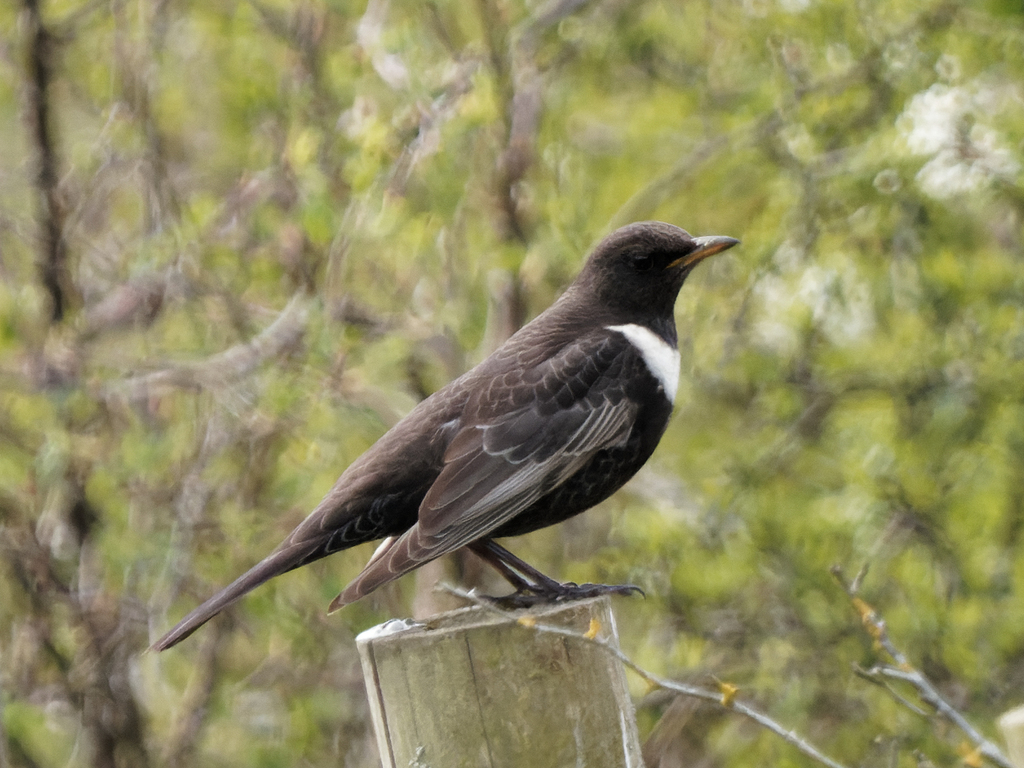
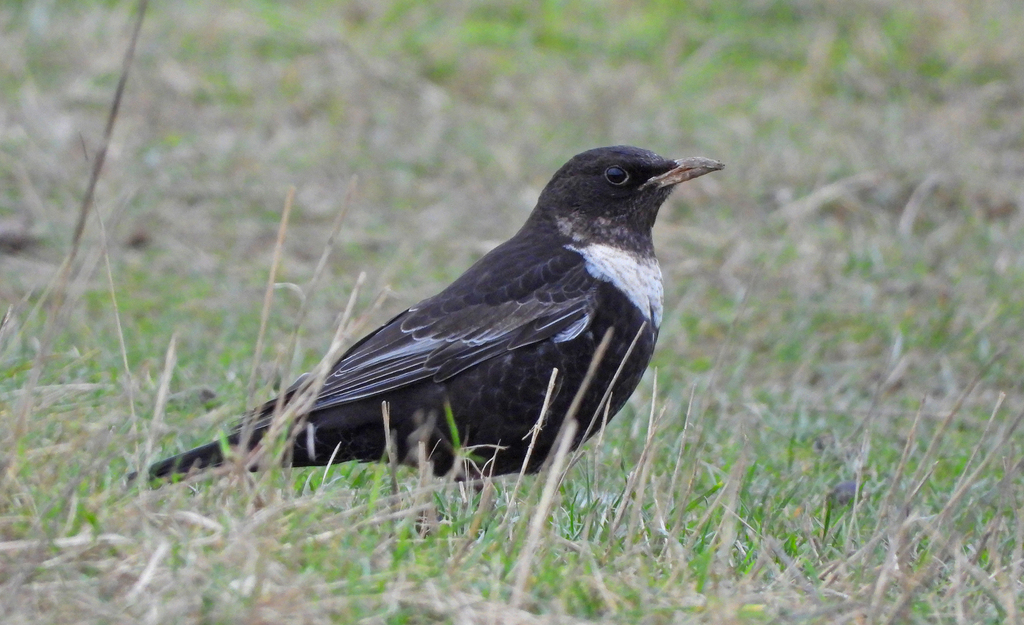
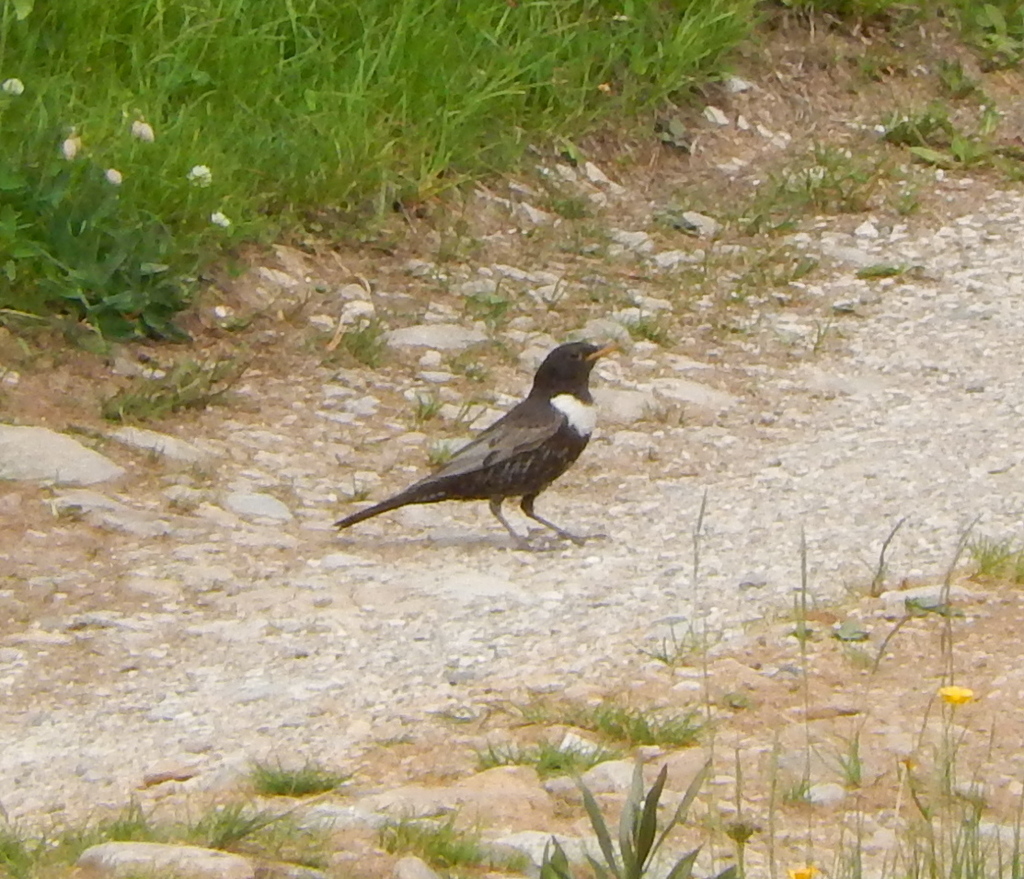
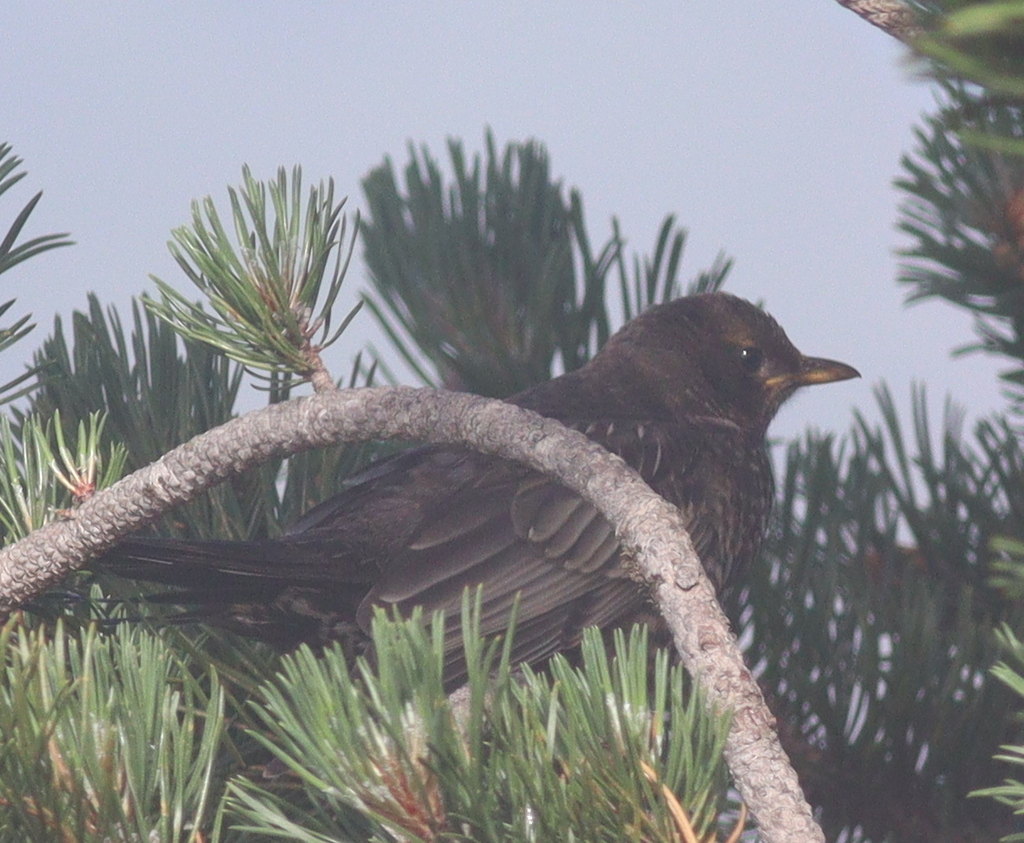
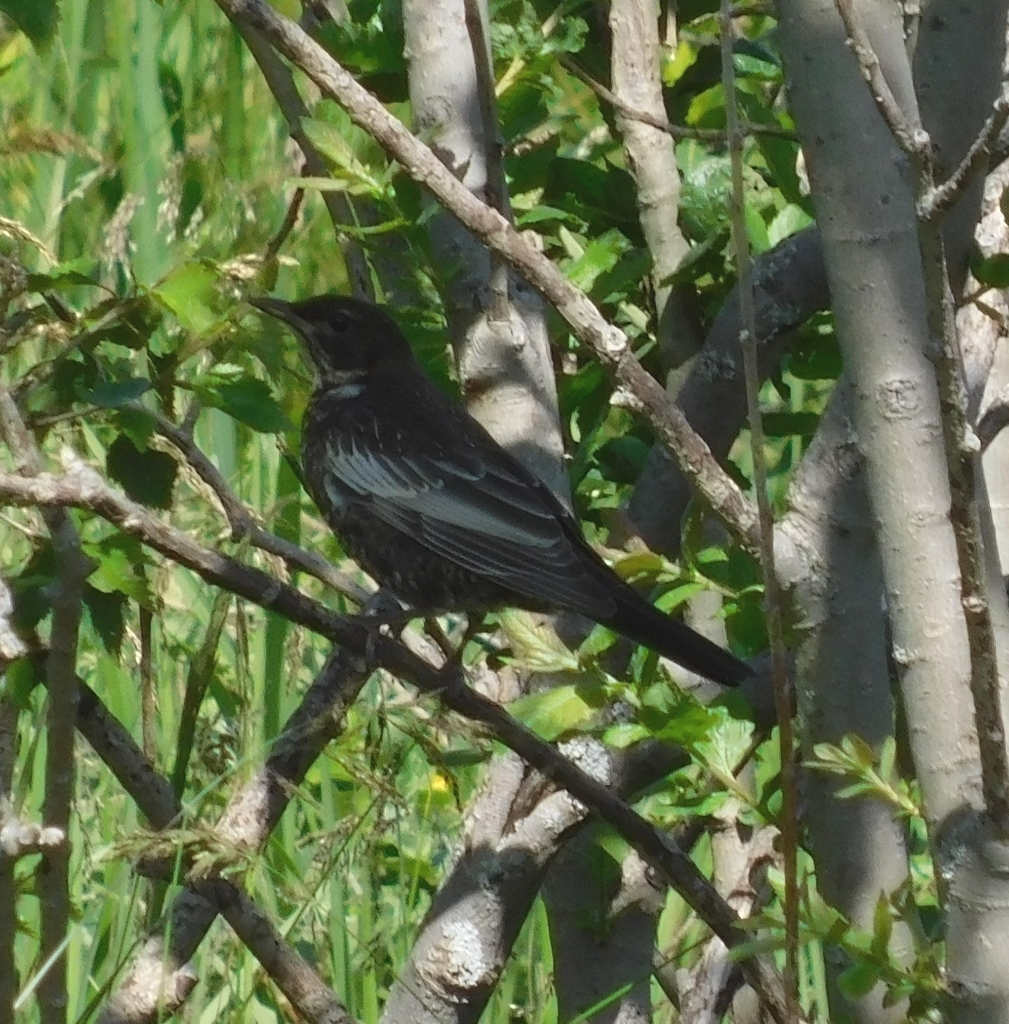
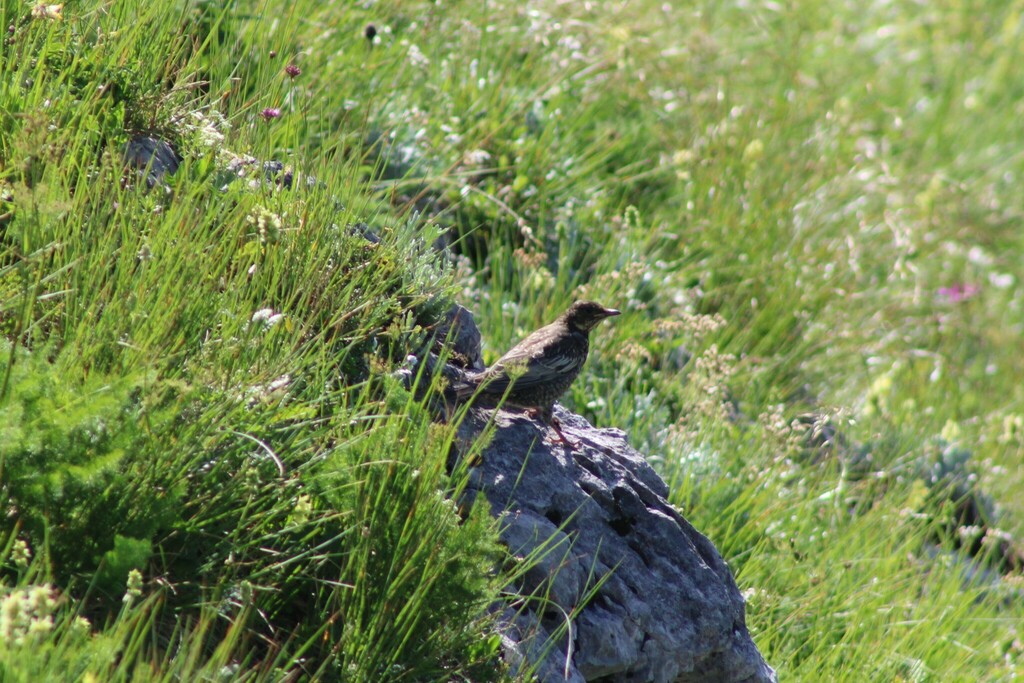
Túrdido de mediano tamaño, con aspecto similar al mirlo común. Presenta un plumaje característico de tonos oscuros, negros en el macho y pardos en la hembra, donde destacan la media luna blanca del pecho, el pico anaranjado y una mancha alar pálida. Las plumas ventrales y de los flancos poseen un reborde pálido característico. Tiene un vuelo rápido y directo.The mountain version of the Blackbird. It is similar in shape but has a diagnostic, broad white crescent on the breast. Adult males are jet-black with the white 'shield', while females are browner and have a less distinct crescent. In flight, it reveals pale wing panels. It has a wild, ringing song and a very shy nature.
DistribuciónDistribution
Como especie reproductora, su distribución se restringe a los grandes macizos montañosos del norte peninsular, con el área más extensa en Pirineos, además de núcleos menores y más localizados en la Cordillera Cantábrica y el Sistema Ibérico. Como invernante ocupa la zona meridional del sistema Ibérico, la zona oriental del sistema Bético y, más esporádicamente, las costas levantinas, Baleares y algunas sierras de Murcia y Andalucía oriental.Summer resident and breeder in Northern mountains (Pyrenees, Cantabrian Mtns, Ibérico). Common passage migrant and winterer in the Mediterranean and the South (Sistema Bético).
Textos reproducidos con permiso de laTexts translated and reproduced with permission from the Guía de Aves de España © SEO/BirdLife
Estado de conservaciónConservation Status
- EX
- RE
- CR
- EN
- VU
- NT
- LC
DD
Datos insuficientesData Deficient
Qué significa cada categoríaWhat each category means
- LC
- Preocupación menor: Taxón evaluado que no califica para categorías amenazadas. Especies abundantes y ampliamente distribuidasLeast Concern - Evaluated taxon that does not qualify for threatened categories. Widespread and abundant taxa
- NT
- Casi amenazada: No califica actualmente como amenazada, pero está cerca de calificar o es probable que califique en el futuro cercanoNear Threatened - Does not currently qualify as threatened, but is close to qualifying or likely to qualify in the near future
- VU
- Vulnerable: Enfrenta un alto riesgo de extinción en estado silvestre según los criterios A a E de IUCNVulnerable - Facing a high risk of extinction in the wild based on IUCN criteria A to E
- EN
- En peligro: Enfrenta un riesgo muy alto de extinción en estado silvestre según los criterios A a E de IUCNEndangered - Facing a very high risk of extinction in the wild based on IUCN criteria A to E
- CR
- En peligro crítico: Enfrenta un riesgo extremadamente alto de extinción en estado silvestre según los criterios A a E de IUCNCritically Endangered - Facing an extremely high risk of extinction in the wild based on IUCN criteria A to E
- DD
- Datos insuficientes: Información inadecuada para evaluar el riesgo de extinción basándose en distribución o estado poblacionalData Deficient - Inadequate information to assess extinction risk based on distribution and/or population status
- NE
- No evaluada: No ha sido evaluada aún contra los criterios de la Lista Roja de IUCNNot Evaluated - Has not yet been assessed against the IUCN Red List criteria
- RE
- Extinta regionalmente: El taxón ya no existe en la región específica, aunque puede sobrevivir en otros lugaresRegionally Extinct - Taxon no longer exists in the specific region, though it may survive elsewhere
- EX
- Extinta - No existe duda razonable de que ha muerto el último individuo del taxónExtinct - No reasonable doubt that the last individual of the taxon has died
TaxonomíaTaxonomy
- OrdenOrder
- Passeriformes
- FamiliaFamily
- Turdidae
Presencia en EspañaPresence in Spain
- HabitualRegular
- InvernanteWinter visitor
- ResidenteResident
En la app: todo el año.In the app: all year.
Dónde verlaWhere to see it
836 cuadrículas de 10 km con registros de 2020 a 2024. Toca un mes para ver dónde se ha visto.836 10 km squares with records from 2020 to 2024. Pick a month to see where it has been seen.
Cargando el mapa…Loading the map…
Dónde es regularWhere it is regular
Provincias con registros en al menos 3 de los 5 años algún mes, de más a menos frecuente, y sus mejores meses.Provinces with records in at least 3 of the 5 years in some month, from most to least frequent, and their best months.
- TeruelTerueloctubre, enero, febreroOctober, January, February
- JaénJaénoctubre, noviembre, diciembreOctober, November, December
- GranadaGranadadiciembre, noviembre, eneroDecember, November, January
- LleidaLleidajulio, junio, octubreJuly, June, October
- AlicanteAlicantenoviembre, diciembre, eneroNovember, December, January
- MálagaMálaganoviembre, diciembre, octubreNovember, December, October
- MurciaMurcianoviembre, febrero, diciembreNovember, February, December
- CastellónCastellónoctubre, noviembre, diciembreOctober, November, December
- HuescaHuescamayo, julio, octubreMay, July, October
- CuencaCuencaoctubre, enero, noviembreOctober, January, November
Ver las 41 provinciasSee all 41 provinces
- AlbaceteAlbacetenoviembre, octubre, diciembreNovember, October, December
- GironaGironajunio, octubre, noviembreJune, October, November
- SoriaSoriaoctubre, noviembre, abrilOctober, November, April
- HuelvaHuelvanoviembre, febrero, diciembreNovember, February, December
- AlmeríaAlmeríanoviembre, octubre, febreroNovember, October, February
- A CoruñaA Coruñaabril, noviembreApril, November
- NavarraNavarraoctubre, noviembre, abrilOctober, November, April
- CádizCádiznoviembre, diciembre, octubreNovember, December, October
- SegoviaSegoviaoctubreOctober
- GuipúzcoaGuipúzcoaabril, marzo, octubreApril, March, October
- GuadalajaraGuadalajaranoviembre, abrilNovember, April
- CantabriaCantabriaabril, octubre, julioApril, October, July
- SalamancaSalamancanoviembre, octubreNovember, October
- BalearesBalearic Islandsoctubre, diciembre, noviembreOctober, December, November
- BarcelonaBarcelonanoviembre, octubre, julioNovember, October, July
- AsturiasAsturiasabril, octubre, noviembreApril, October, November
- VizcayaVizcayaabril, octubreApril, October
- BurgosBurgosdiciembre, enero, noviembreDecember, January, November
- LeónLeónabril, noviembreApril, November
- ValenciaValenciaenero, noviembre, diciembreJanuary, November, December
- SevillaSevillanoviembreNovember
- ÁvilaÁviladiciembre, noviembre, eneroDecember, November, January
- TarragonaTarragonaoctubre, diciembre, noviembreOctober, December, November
- ÁlavaÁlavaoctubreOctober
- PalenciaPalenciaabril, junio, julioApril, June, July
- Las PalmasLas Palmasdiciembre, noviembreDecember, November
- MadridMadridoctubre, noviembre, abrilOctober, November, April
- ZamoraZamoranoviembre, octubreNovember, October
- BadajozBadajozdiciembre, octubreDecember, October
- CáceresCáceresnoviembre, octubre, eneroNovember, October, January
- ZaragozaZaragozaenero, marzo, abrilJanuary, March, April
Datos: registros en GBIF de 2020 a 2024 de Observation.org, eBird, iNaturalist y el ICO, descargados el 23/10/2026.Data: GBIF records from 2020 to 2024 from Observation.org, eBird, iNaturalist and the ICO, downloaded on 23/10/2026. GBIF.org (23 October 2026) GBIF Occurrence Download · doi:10.15468/dl.r5sf2a · CC BY-NC 4.0
GaleríaGallery

© William Stephens · CC BY · iNaturalist 
© Ani Sarkisyan · CC BY · iNaturalist 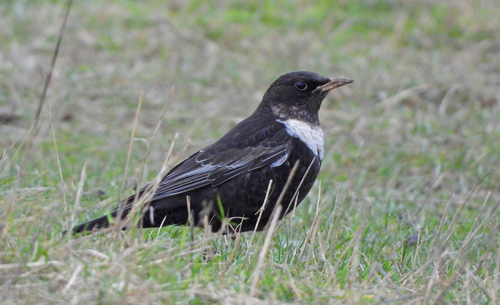
© Paul Lewis · CC BY · iNaturalist 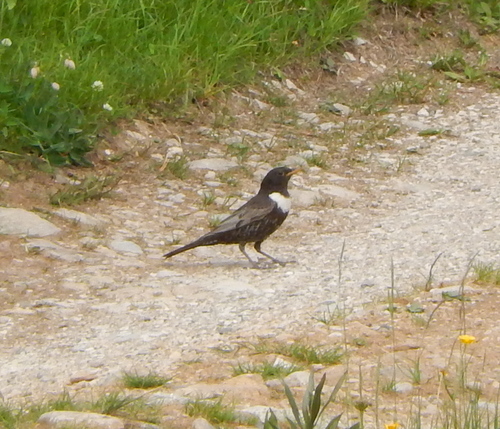
© Luca Fornasari · CC BY · iNaturalist 
© Alexis Tinker-Tsavalas · CC BY · iNaturalist 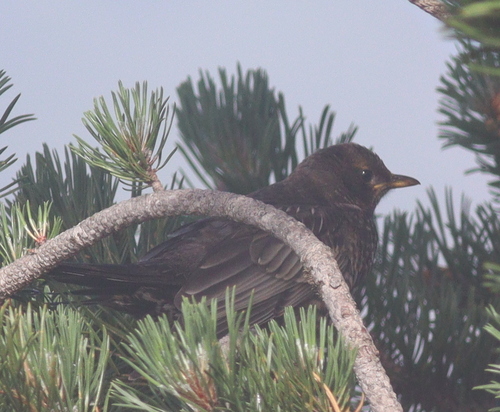
© Jan Ebr & Ivana Ebrová · CC BY · iNaturalist 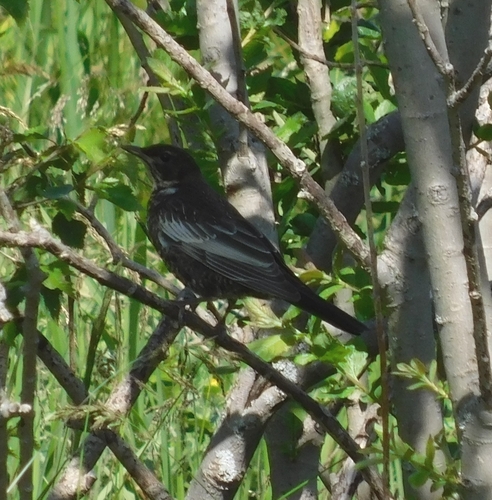
© Марат Адиев · CC BY · iNaturalist 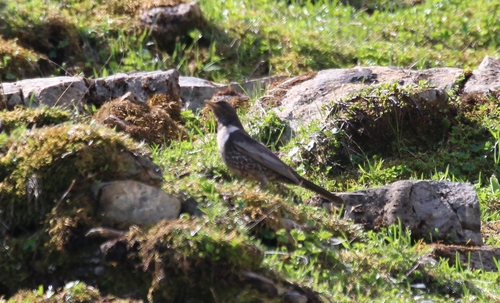
© Gergely Nigg · CC BY · iNaturalist 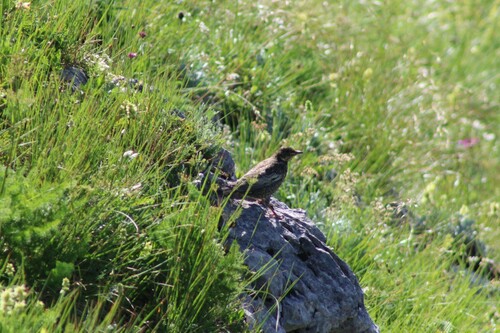
© Philip Schaffer · CC BY · iNaturalist 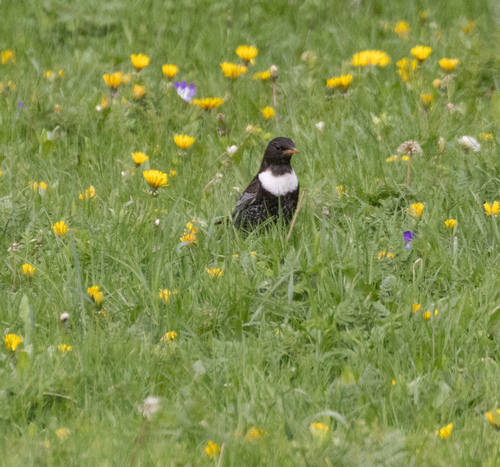
© avocat · CC BY · iNaturalist

Especies relacionadasRelated species
Otras aves de la familia Turdidae y de órdenes cercanos.Other birds from the Turdidae family and nearby orders.
- LegendarioLegendary
 Zorzal de NaumannNaumann's ThrushTurdus naumanni
- LegendarioLegendary
 Zorzal americanoAmerican RobinTurdus migratorius
- ComúnCommon
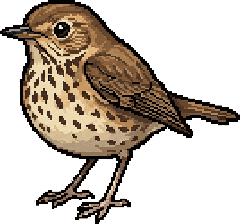 Zorzal comúnSong ThrushTurdus philomelos
- ComúnCommon
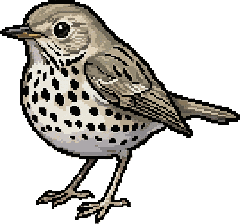 Zorzal charloMistle ThrushTurdus viscivorus
- LegendarioLegendary
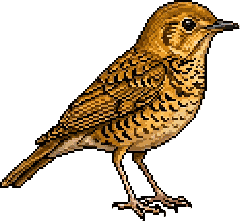 Zorzal doradoWhite's ThrushZoothera aurea
- Poco comúnUncommon
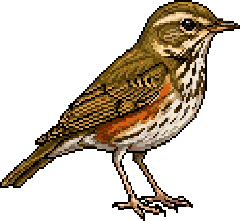 Zorzal alirrojoRedwingTurdus iliacus
- ComúnCommon
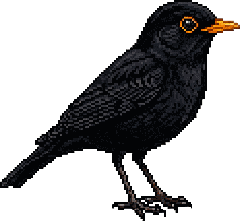 Mirlo comúnCommon BlackbirdTurdus merula
- LegendarioLegendary
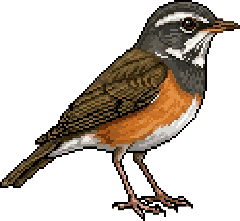 Zorzal rojigrísEyebrowed ThrushTurdus obscurus
 Gratis, sin anuncios ni comprasFree, no ads, no purchases