 BirdPedy
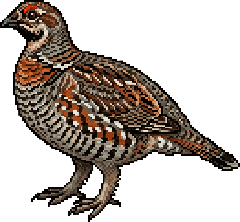
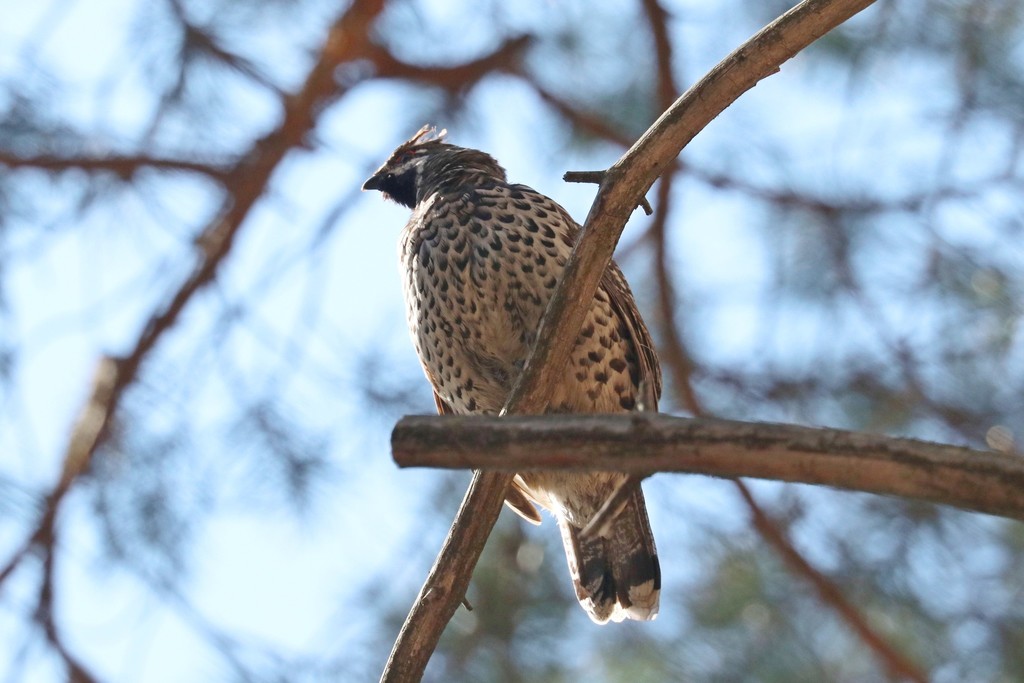
Grévol comúnHazel Grouse
Reporte de rarezaRarity report
Por qué es legendarioWhy it is legendaryNo hay ningún registro suyo en España de 2020 a 2024 en los datos de Observation.org, eBird, iNaturalist y el ICO publicados en GBIF. En la Lista de las aves de España de SEO/BirdLife (2022) está en la categoría B: solo se registró en estado natural entre 1800 y 1949.GBIF has no records of it in Spain from 2020 to 2024 (data from Observation.org, eBird, iNaturalist and ICO). In SEO/BirdLife's List of the Birds of Spain (2022) it is in category B: it was only recorded in the wild between 1800 and 1949.
- EnvergaduraWingspan
- No disponibleNot available
- LongitudLength
- 34-39 cm34-39 cm
- Lista Roja de EspañaSpanish Red List
- LC Preocupación menorLeast Concern

Estado de conservaciónConservation Status
- EX
- RE
- CR
- EN
- VU
- NT
- LC
Preocupación menorLeast Concern
Sin categoría en el Libro Rojo de las Aves de España 2021No category in the Red Book of the Birds of Spain 2021
Qué significa cada categoríaWhat each category means
- LC
- Preocupación menor: Taxón evaluado que no califica para categorías amenazadas. Especies abundantes y ampliamente distribuidasLeast Concern - Evaluated taxon that does not qualify for threatened categories. Widespread and abundant taxa
- NT
- Casi amenazada: No califica actualmente como amenazada, pero está cerca de calificar o es probable que califique en el futuro cercanoNear Threatened - Does not currently qualify as threatened, but is close to qualifying or likely to qualify in the near future
- VU
- Vulnerable: Enfrenta un alto riesgo de extinción en estado silvestre según los criterios A a E de IUCNVulnerable - Facing a high risk of extinction in the wild based on IUCN criteria A to E
- EN
- En peligro: Enfrenta un riesgo muy alto de extinción en estado silvestre según los criterios A a E de IUCNEndangered - Facing a very high risk of extinction in the wild based on IUCN criteria A to E
- CR
- En peligro crítico: Enfrenta un riesgo extremadamente alto de extinción en estado silvestre según los criterios A a E de IUCNCritically Endangered - Facing an extremely high risk of extinction in the wild based on IUCN criteria A to E
- DD
- Datos insuficientes: Información inadecuada para evaluar el riesgo de extinción basándose en distribución o estado poblacionalData Deficient - Inadequate information to assess extinction risk based on distribution and/or population status
- NE
- No evaluada: No ha sido evaluada aún contra los criterios de la Lista Roja de IUCNNot Evaluated - Has not yet been assessed against the IUCN Red List criteria
- RE
- Extinta regionalmente: El taxón ya no existe en la región específica, aunque puede sobrevivir en otros lugaresRegionally Extinct - Taxon no longer exists in the specific region, though it may survive elsewhere
- EX
- Extinta - No existe duda razonable de que ha muerto el último individuo del taxónExtinct - No reasonable doubt that the last individual of the taxon has died
TaxonomíaTaxonomy
- OrdenOrder
- Galliformes
- FamiliaFamily
- Phasianidae
Revisión científica de BirdPedyBirdPedy scientific review
Revisada por BirdPedy el 28/10/2026 ·Reviewed by BirdPedy on 28 October 2026 · Cómo revisamosHow we review
RarezaRarity
No hay ningún registro suyo en España de 2020 a 2024 en los datos de Observation.org, eBird, iNaturalist y el ICO publicados en GBIF [1, 2].
Sin registros no se puede medir, así que es una de las pocas excepciones fijadas a mano, y en BirdPedy es legendaria: la Lista de las aves de España de SEO/BirdLife de 2022 la incluye en la categoría B, la de las especies que solo se han registrado en estado natural entre 1800 y 1949 [3].
GBIF has no records of it in Spain from 2020 to 2024 (data from Observation.org, eBird, iNaturalist and ICO) [1, 2].
With no records it cannot be measured, so it is one of the few exceptions set by hand, and in BirdPedy it is legendary: SEO/BirdLife's List of the Birds of Spain (2022) places it in category B, for species only recorded in a natural state between 1800 and 1949 [3].
ReferenciasReferences
- GBIF.org (23/10/2026). Descarga de registros de aves de España, 2020-2024, con el día y la cuadrícula de 10 km de cada uno, para contar ocasiones y días.GBIF.org (23 October 2026). Occurrence download of birds in Spain, 2020-2024, with the day and 10 km square of each record, to count occasions and days. doi.org/10.15468/dl.bqdmdt
- GBIF.org (23/10/2026). Descarga de registros de aves de España, 2020-2024 (Observation.org, eBird, iNaturalist e ICO).GBIF.org (23 October 2026). Occurrence download of birds in Spain, 2020-2024 (Observation.org, eBird, iNaturalist and ICO). doi.org/10.15468/dl.r5sf2a
- Rouco, M. et al. (2022). Lista de las aves de España. Edición de 2022. SEO/BirdLife. Madrid.Rouco, M. et al. (2022). Lista de las aves de España (Checklist of the birds of Spain). 2022 edition. SEO/BirdLife. Madrid. seo.org
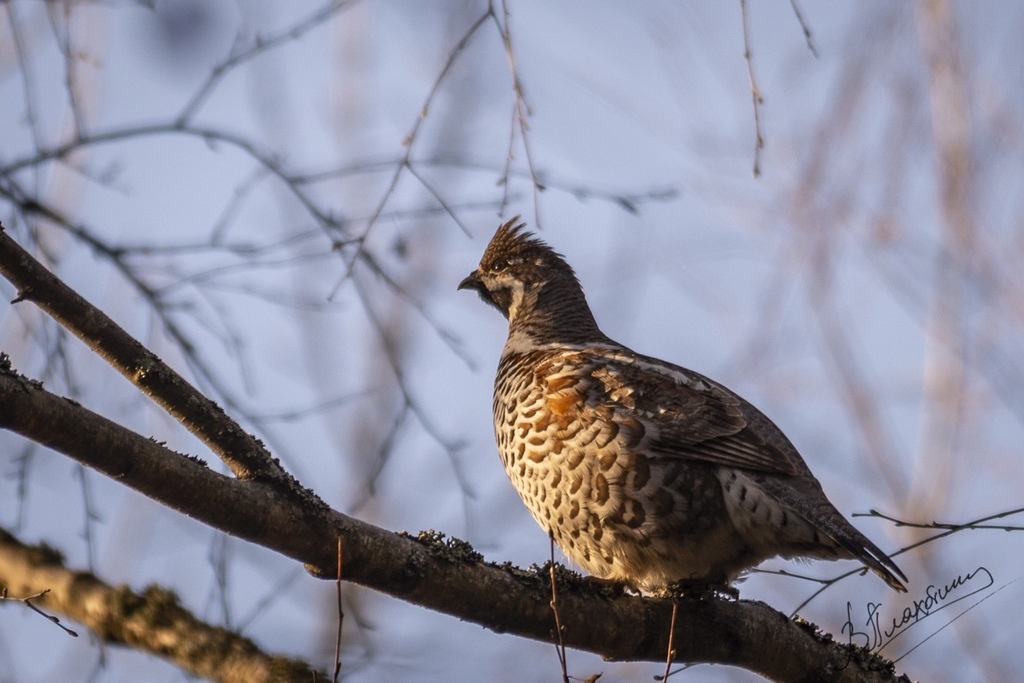
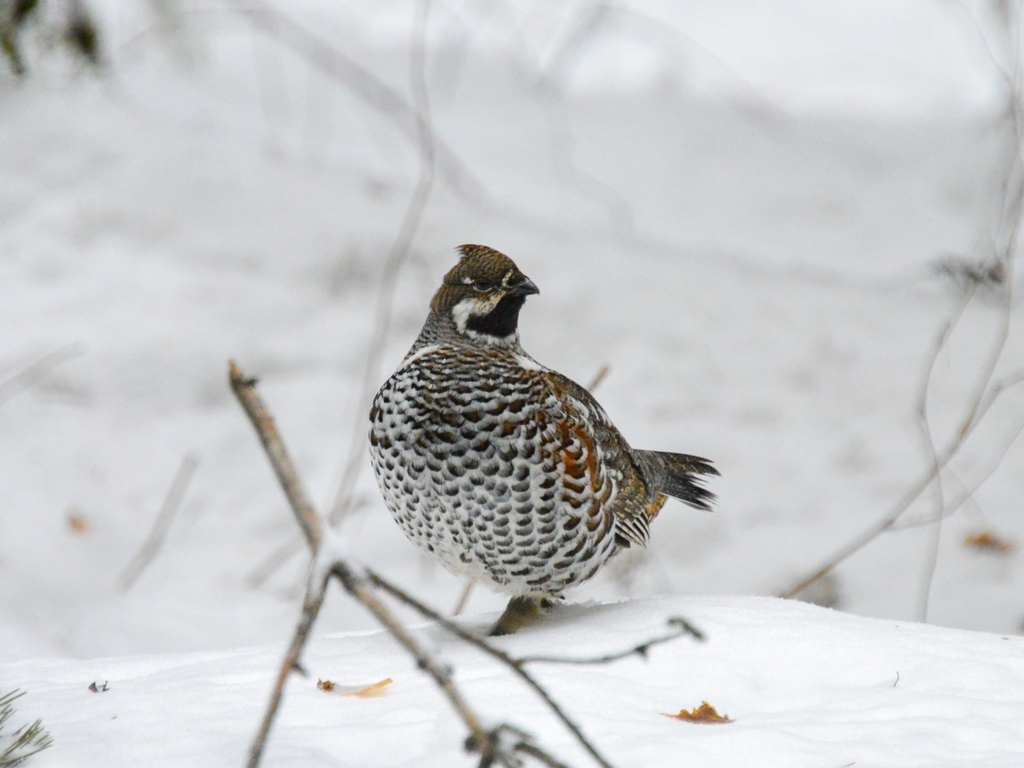
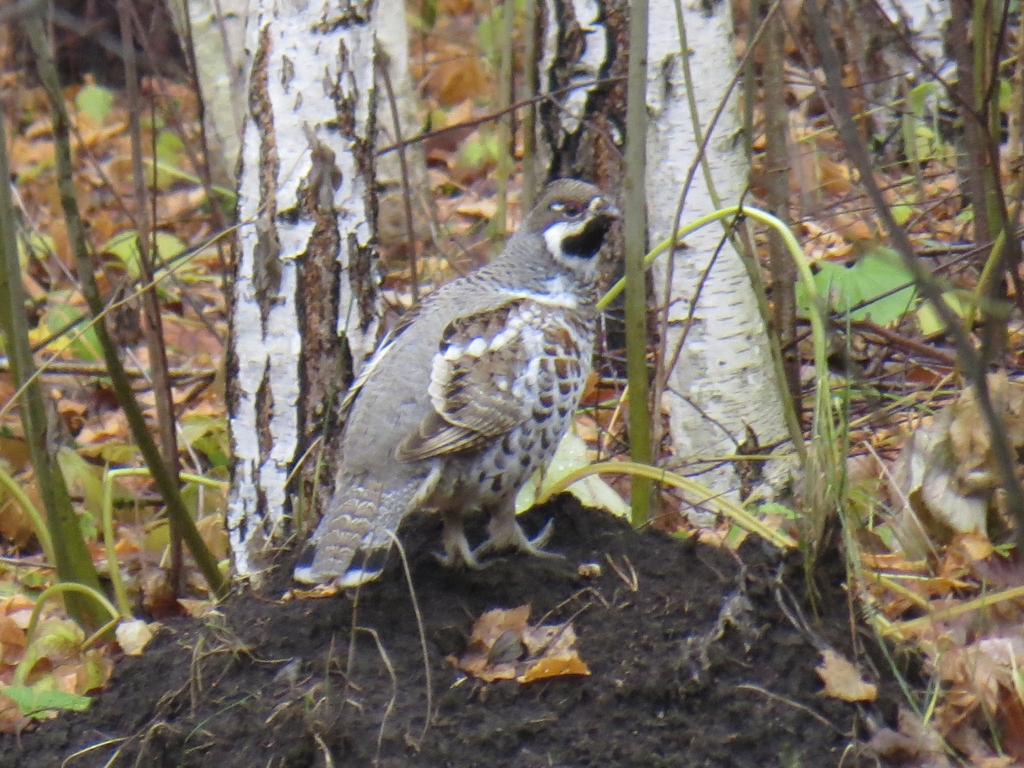
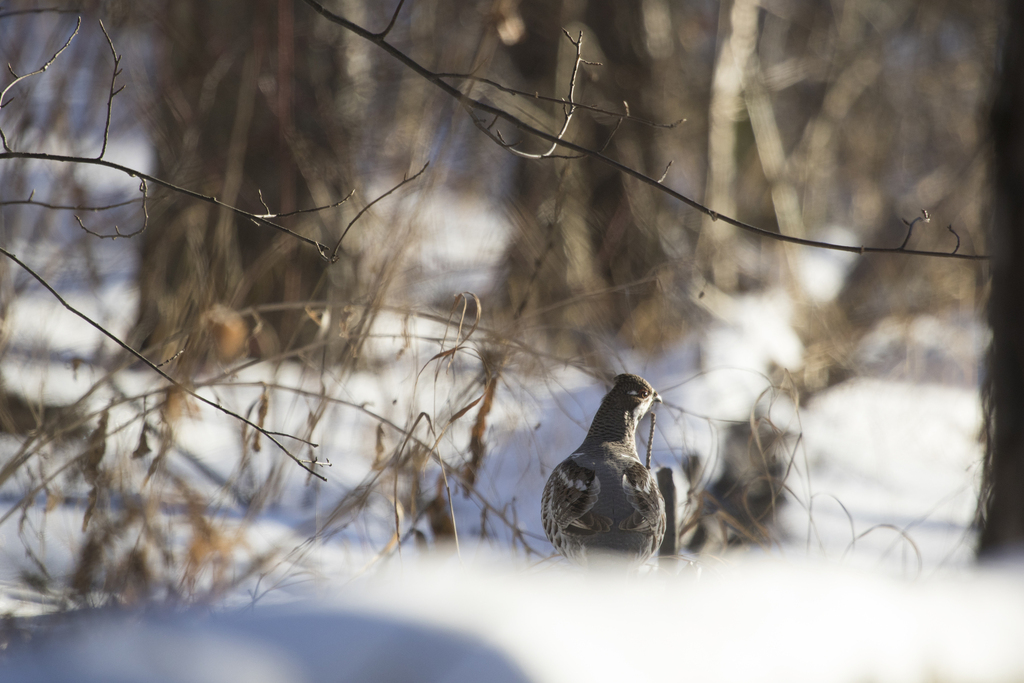
GaleríaGallery
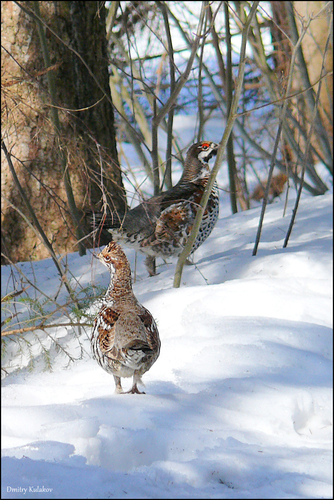
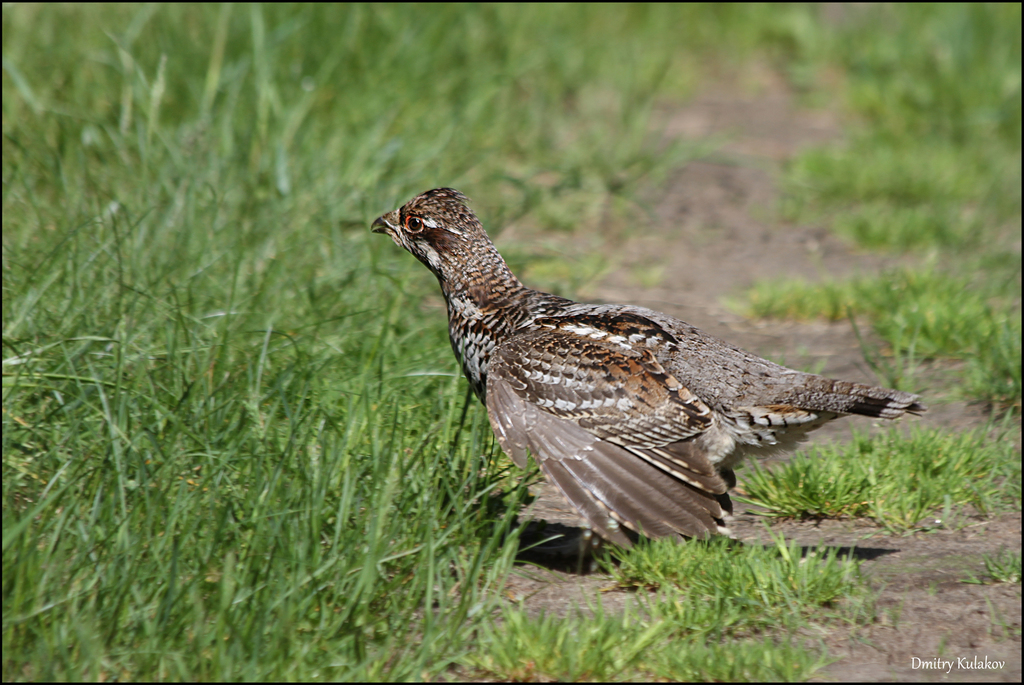
© Dmitry Kulakov · CC BY · iNaturalist 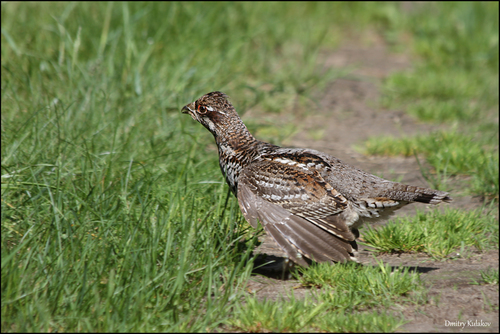
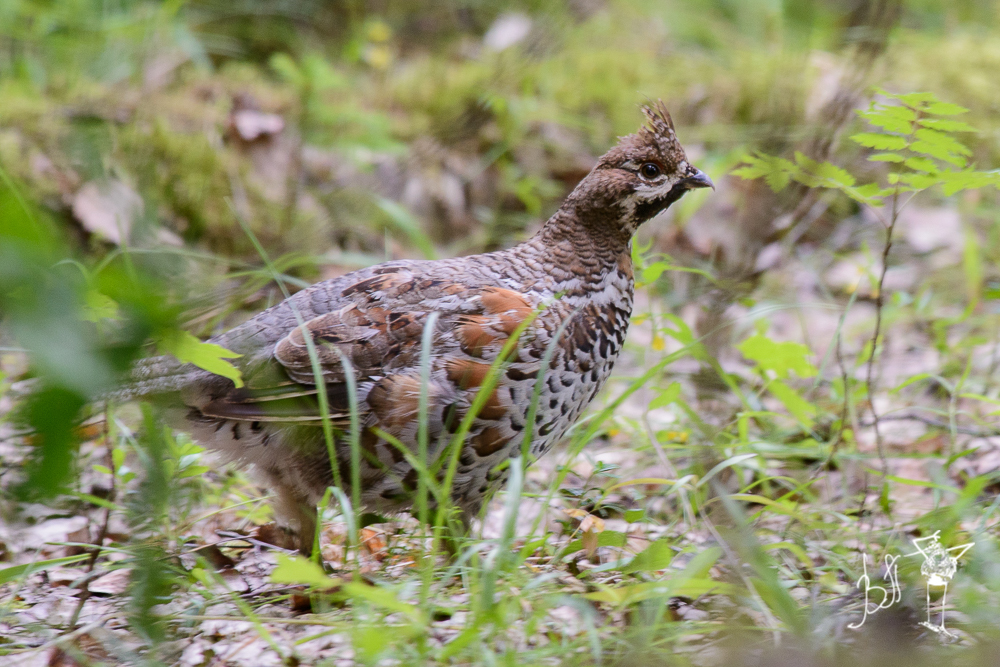
© Dmitry Kulakov · CC BY · iNaturalist 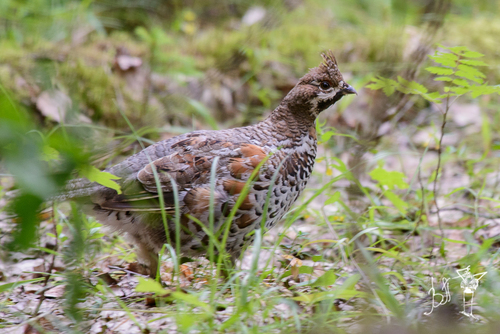
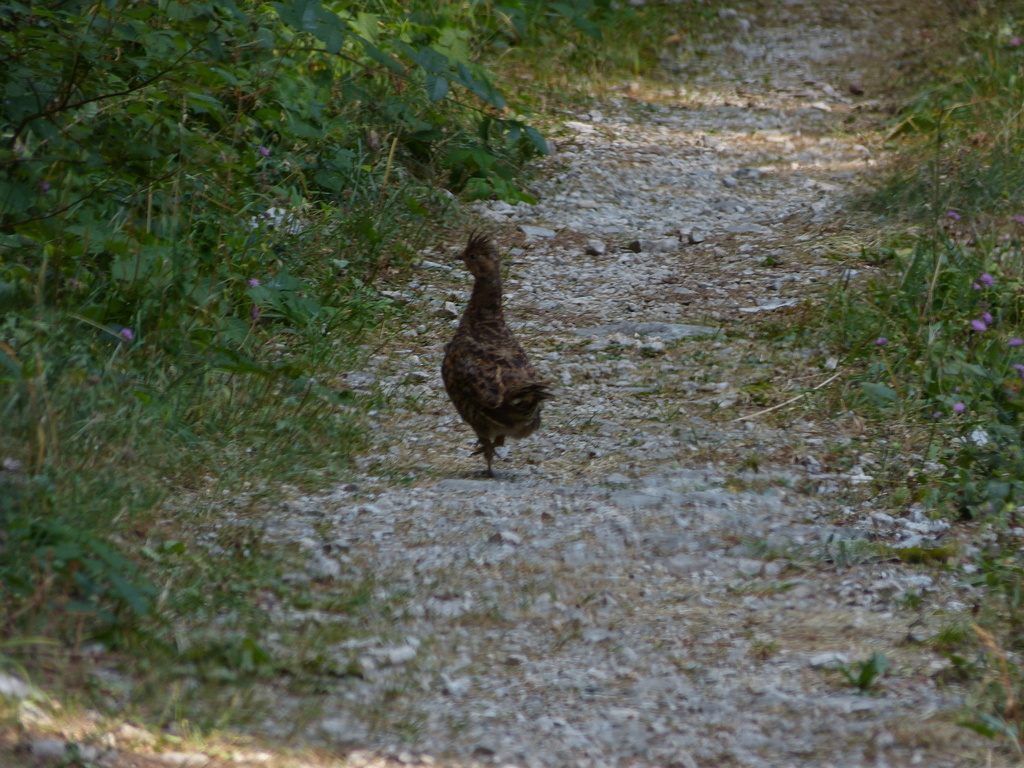
© Виктор · CC BY · iNaturalist 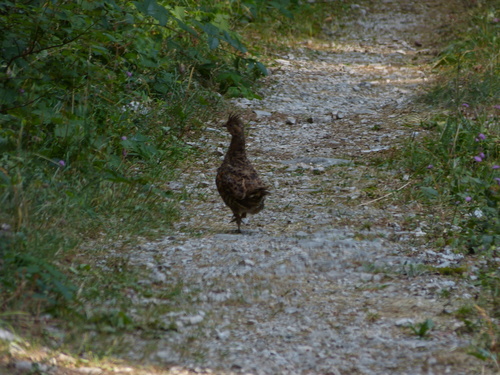
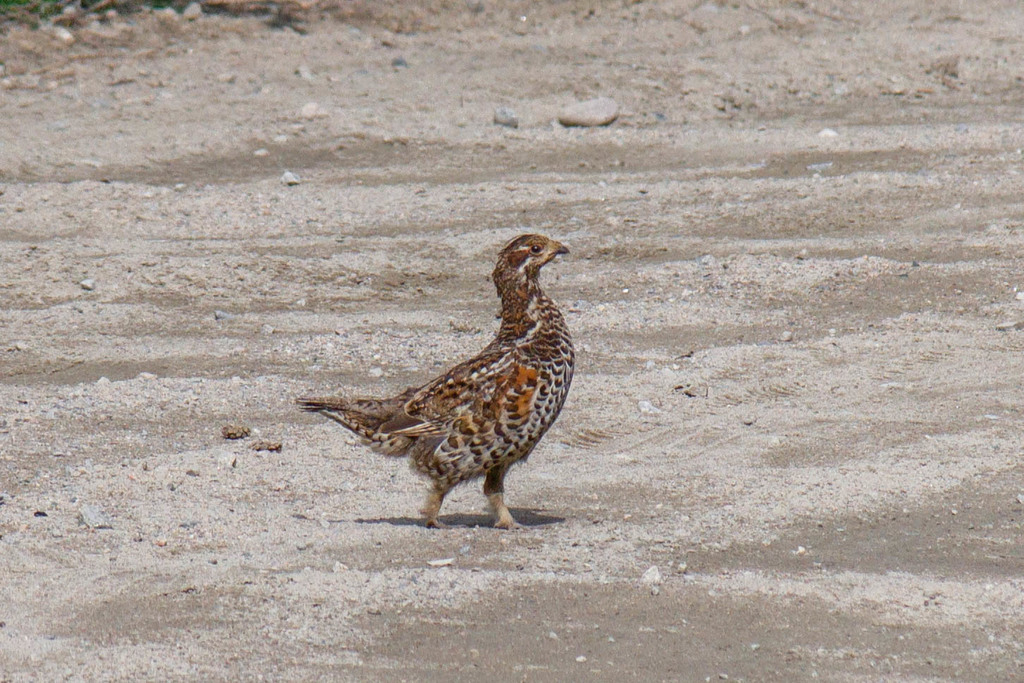
© Yves Bas · CC BY · iNaturalist 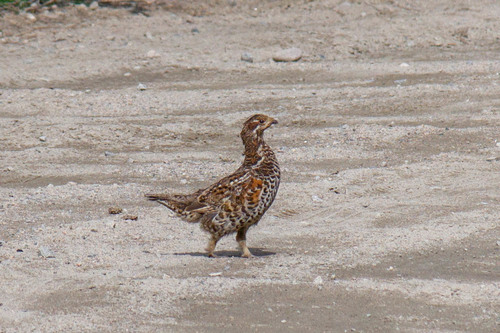
© Антон · CC BY · iNaturalist 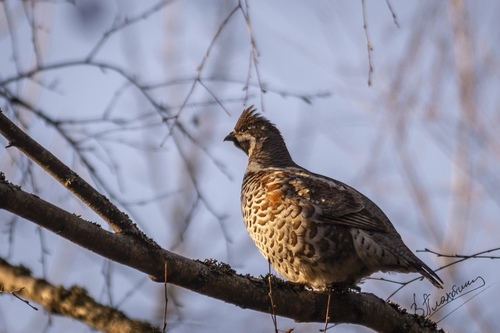
© Виктор · CC BY · iNaturalist 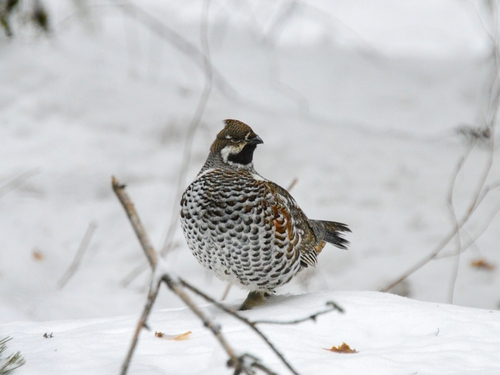
© Ирина Хохрякова · CC BY · iNaturalist 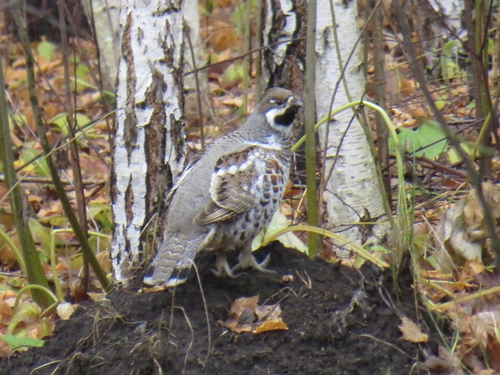
© polina567 · CC BY · iNaturalist 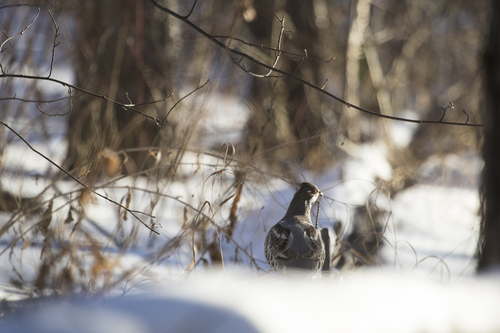
© Полина Полежанкина · CC BY · iNaturalist 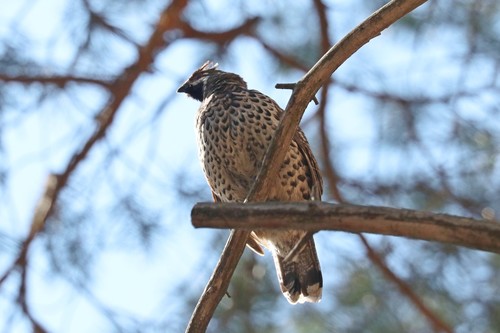
© Константин Селивёрстов · CC BY · iNaturalist
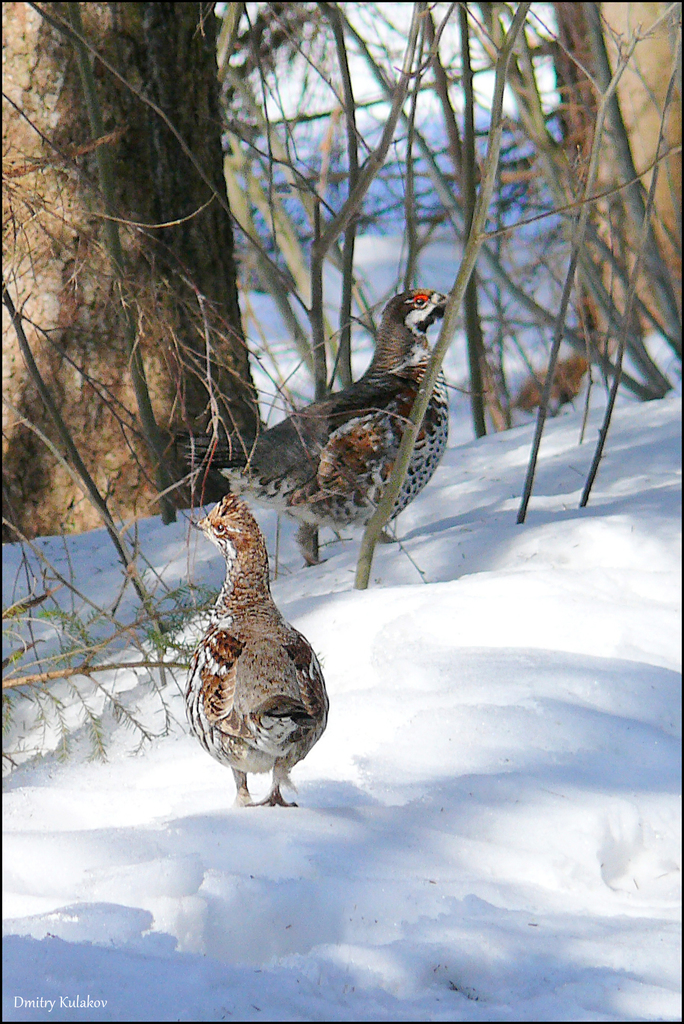
Especies relacionadasRelated species
Otras aves de la familia Phasianidae y de órdenes cercanos.Other birds from the Phasianidae family and nearby orders.
- ÉpicoEpic
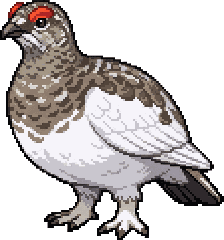 Lagópodo alpinoRock PtarmiganLagopus muta
- ÉpicoEpic
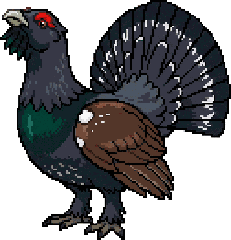 Urogallo comúnWestern CapercaillieTetrao urogallus
- ComúnCommon
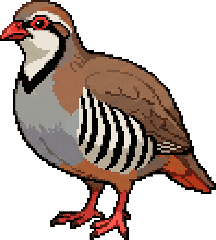 Perdiz rojaRed-legged PartridgeAlectoris rufa
- RaroRare
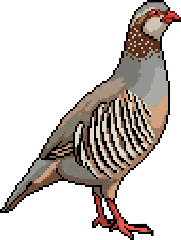 Perdiz morunaBarbary PartridgeAlectoris barbara
- RaroRare
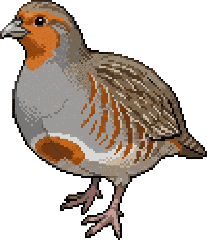 Perdiz pardillaGrey PartridgePerdix perdix
- ComúnCommon
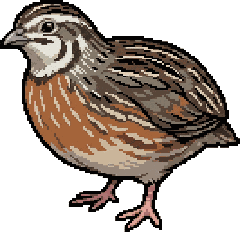 Codorniz comúnCommon QuailCoturnix coturnix
- Poco comúnUncommon
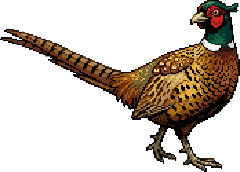 Faisán vulgarCommon PheasantPhasianus colchicus
- LegendarioLegendary
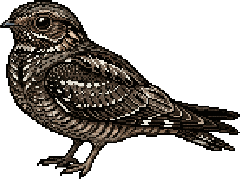 Añapero yanquiCommon NighthawkChordeiles minor
 Gratis, sin anuncios ni comprasFree, no ads, no purchases