 BirdPedy
Perdiz pardillaGrey Partridge
En 12 provincias en junio y en 7 en febreroIn 12 provinces in June and 7 in February
Reporte de rarezaRarity report
Por qué es raroWhy it is rareConfinada a pastizales de alta montaña y campiñas atlánticas del tercio norte peninsular. La subespecie ibérica (hispaniensis) se encuentra en franco declive y sus localizaciones son escasas y puntuales.Confined to high mountain grasslands and Atlantic countryside of the northern third. The Iberian subspecies is in sharp decline and locations are scarce.
Cada carrizo es un mes: su altura, las provincias con registros de 2020 a 2024.Each reed is a month: its height, the provinces with records from 2020 to 2024.- Provincias con registrosProvinces with records
- 15 de 52of 52
- En la appIn the app
- Todo el añoAll year
- EnvergaduraWingspan
- 45-48 cm45-48 cm
- LongitudLength
- 29-31 cm29-31 cm
- Lista Roja de EspañaSpanish Red List
- VU VulnerableVulnerable

Información generalGeneral Information
Aunque en Europa es un ave de llanura, en España es típica de montaña, y aparece restringida a los principales macizos montañosos del tercio norte peninsular, con tres núcleos principales aislados entre sí: Pirineos, Sistema Ibérico y Cordillera Cantábrica. En estas zonas ocupa mosaicos de matorral y pastizal, preferentemente por encima de los 1.600 metros de altitud. Muy gregaria, realiza movimientos altitudinales en invierno hacia los fondos de valle.While it is a lowland bird in most of Europe, in Spain it is a mountain specialist, restricted to the northern ranges (Pyrenees, Iberian System, and Cantabrian Range) above 1,600m. It performs altitudinal movements to valley floors in winter.
IdentificaciónIdentification
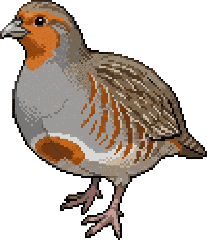
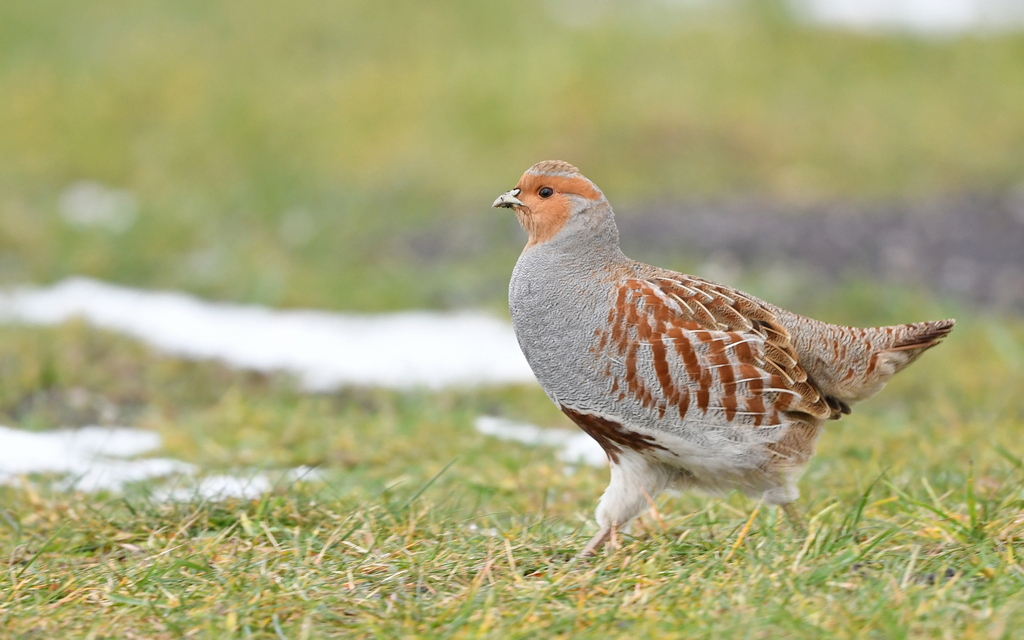
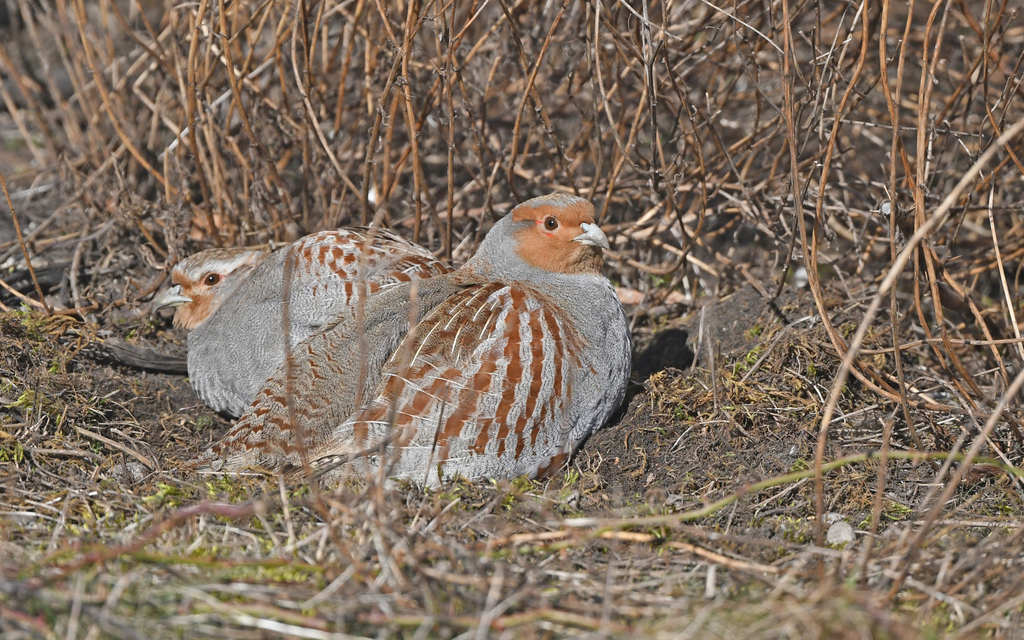
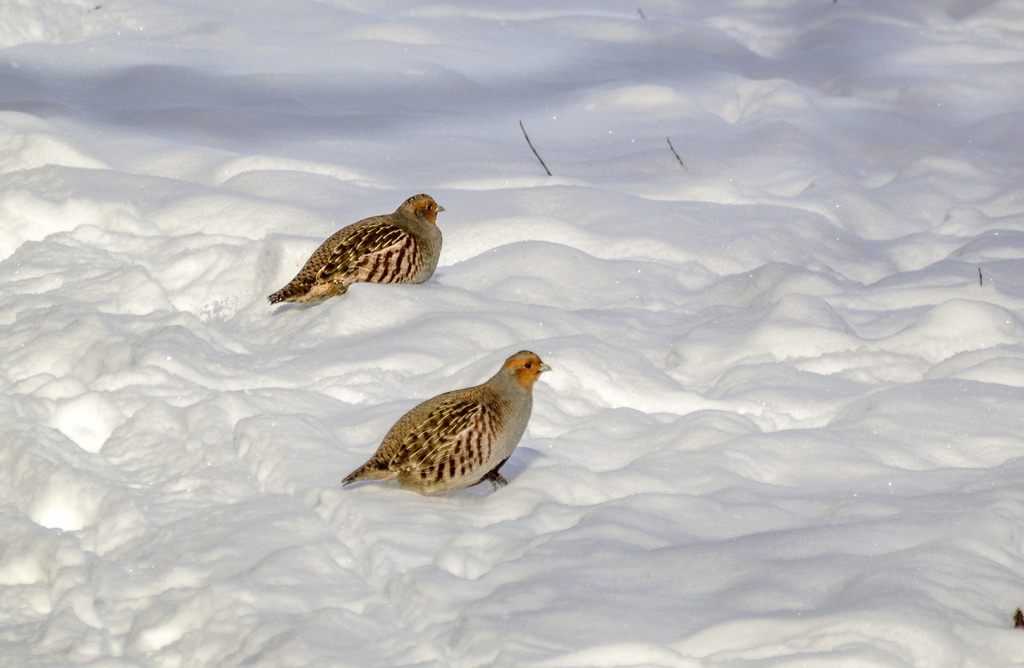
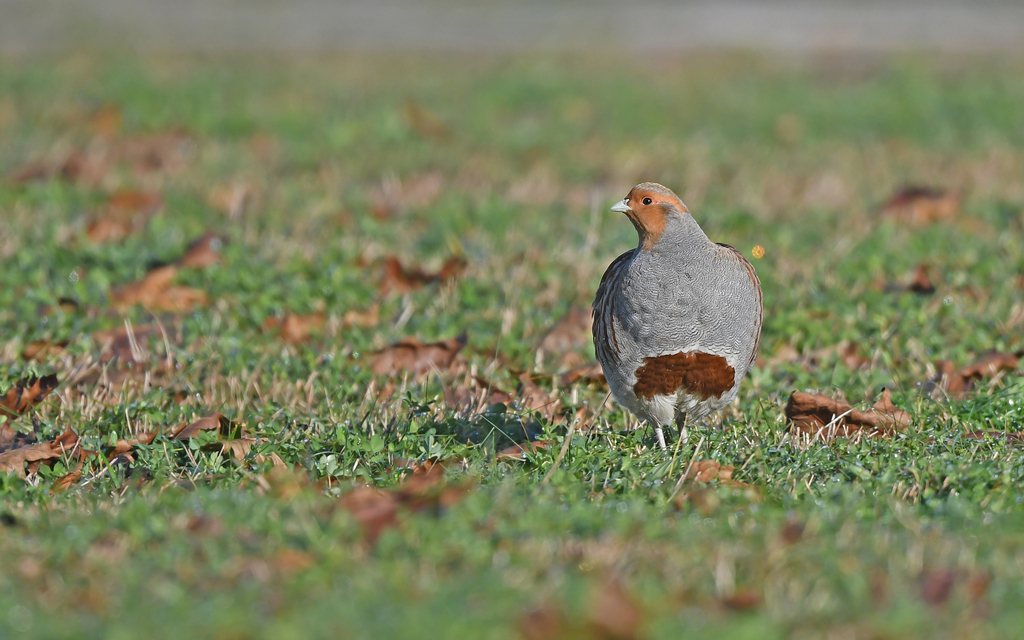
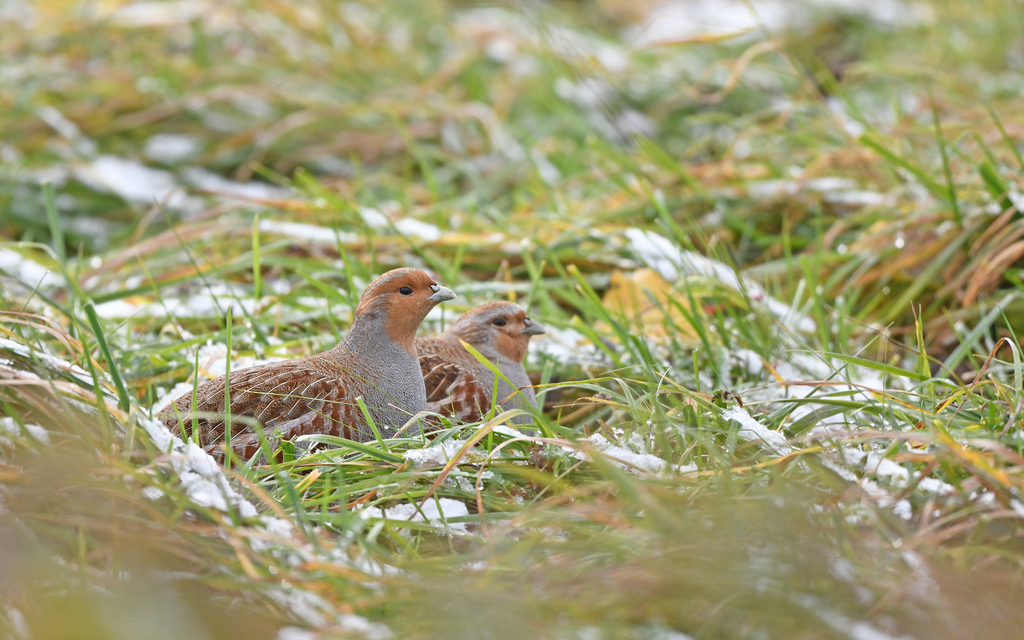
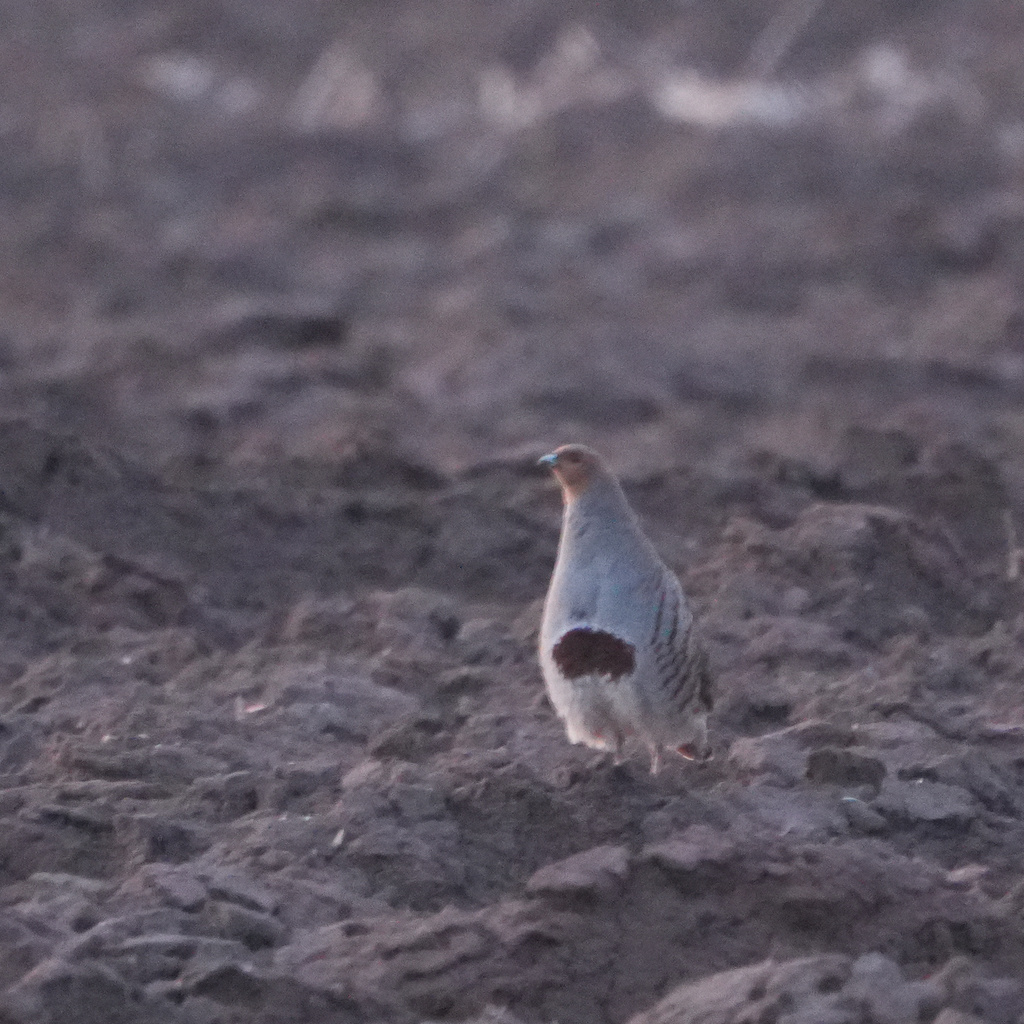
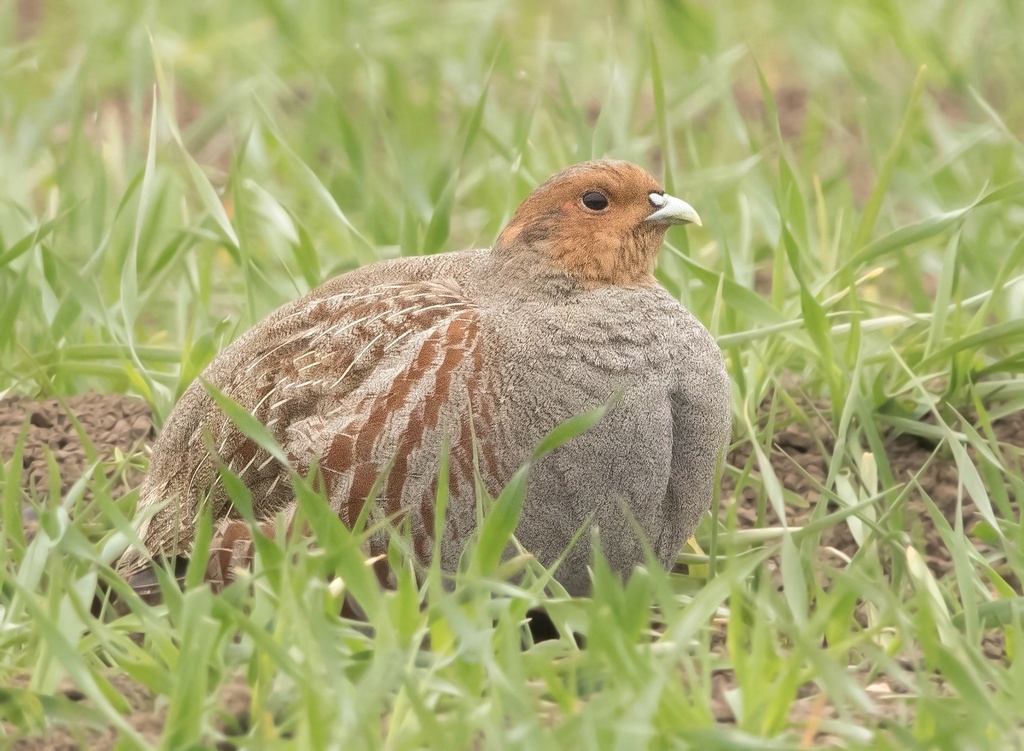
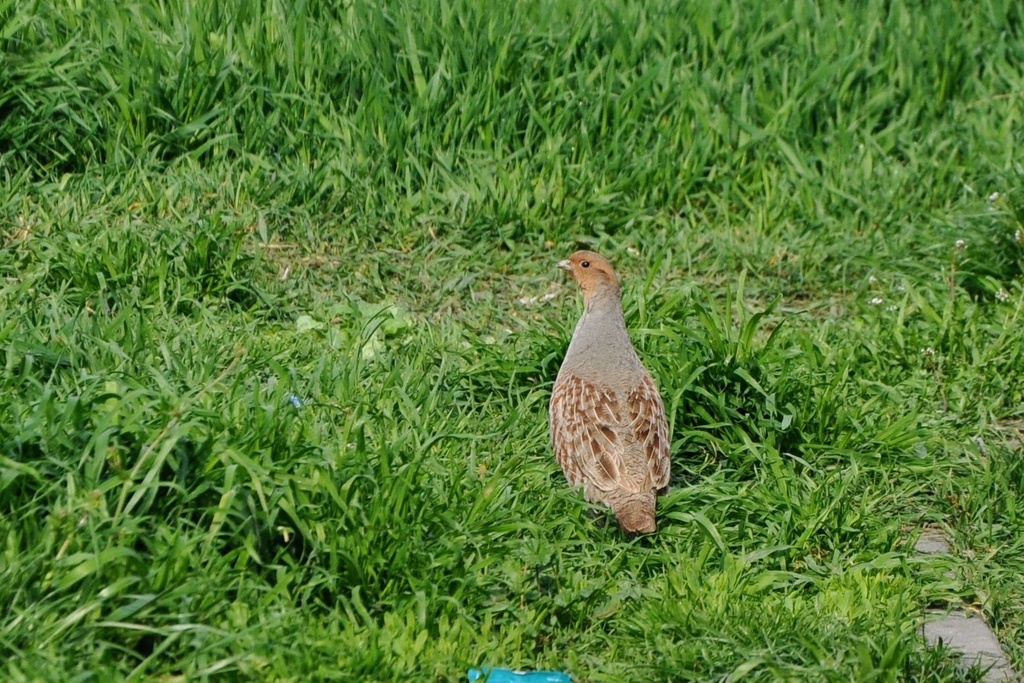
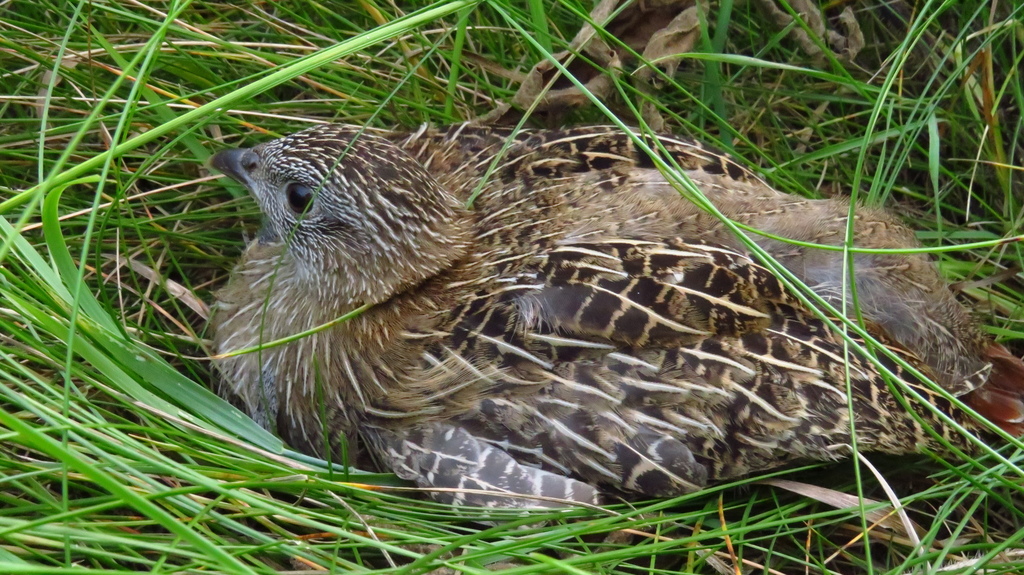
La perdiz pardilla es un ave rechoncha de mediano tamaño y coloración dominante grisácea, en la que destacan el dorso vermiculado y estriado de pardo, blanco y negro, la herradura ocre del vientre y la cara anaranjada. La cola es similar a la de otras perdices, con rectrices externas ocráceas. Ambos sexos son iguales. Los jóvenes, moteados de marrón pálido, son muy parecidos a una codorniz. Especie gregaria, terrestre y muy andadora, tiene un vuelo explosivo y ligero en el que alterna rápidos aleteos con cortos planeos a baja altura.A medium-sized, plump bird with a predominantly grayish color. Distinctive features include a finely vermiculated back, an orange-chestnut 'horseshoe' mark on the belly (more prominent in males), and an orange face. The tail has chestnut outer feathers. Juveniles are mottled brown and resemble quails. Highly gregarious and terrestrial, it has an explosive flight with alternating wingbeats and short low-altitude glides.
DistribuciónDistribution
En la Península Ibérica se encuentra la subespecie endémica hispaniensis, que se reparte únicamente por los macizos montañosos del tercio norte, donde presenta una distribución fragmentada y separada en tres núcleos principales: Pirineos, Sistema Ibérico occidental y Cordillera Cantábrica.The endemic subspecies 'hispaniensis' is found only in the northern third of the Peninsula in three isolated populations: Pyrenees, western Iberian System, and the Cantabrian Range.
Textos reproducidos con permiso de laTexts translated and reproduced with permission from the Guía de Aves de España © SEO/BirdLife
Estado de conservaciónConservation Status
- EX
- RE
- CR
- EN
- VU
- NT
- LC
VulnerableVulnerable
Qué significa cada categoríaWhat each category means
- LC
- Preocupación menor: Taxón evaluado que no califica para categorías amenazadas. Especies abundantes y ampliamente distribuidasLeast Concern - Evaluated taxon that does not qualify for threatened categories. Widespread and abundant taxa
- NT
- Casi amenazada: No califica actualmente como amenazada, pero está cerca de calificar o es probable que califique en el futuro cercanoNear Threatened - Does not currently qualify as threatened, but is close to qualifying or likely to qualify in the near future
- VU
- Vulnerable: Enfrenta un alto riesgo de extinción en estado silvestre según los criterios A a E de IUCNVulnerable - Facing a high risk of extinction in the wild based on IUCN criteria A to E
- EN
- En peligro: Enfrenta un riesgo muy alto de extinción en estado silvestre según los criterios A a E de IUCNEndangered - Facing a very high risk of extinction in the wild based on IUCN criteria A to E
- CR
- En peligro crítico: Enfrenta un riesgo extremadamente alto de extinción en estado silvestre según los criterios A a E de IUCNCritically Endangered - Facing an extremely high risk of extinction in the wild based on IUCN criteria A to E
- DD
- Datos insuficientes: Información inadecuada para evaluar el riesgo de extinción basándose en distribución o estado poblacionalData Deficient - Inadequate information to assess extinction risk based on distribution and/or population status
- NE
- No evaluada: No ha sido evaluada aún contra los criterios de la Lista Roja de IUCNNot Evaluated - Has not yet been assessed against the IUCN Red List criteria
- RE
- Extinta regionalmente: El taxón ya no existe en la región específica, aunque puede sobrevivir en otros lugaresRegionally Extinct - Taxon no longer exists in the specific region, though it may survive elsewhere
- EX
- Extinta - No existe duda razonable de que ha muerto el último individuo del taxónExtinct - No reasonable doubt that the last individual of the taxon has died
TaxonomíaTaxonomy
- OrdenOrder
- Galliformes
- FamiliaFamily
- Phasianidae
Presencia en EspañaPresence in Spain
- HabitualRegular
- ResidenteResident
En la app: todo el año.In the app: all year.
Dónde verlaWhere to see it
140 cuadrículas de 10 km con registros de 2020 a 2024. Toca un mes para ver dónde se ha visto.140 10 km squares with records from 2020 to 2024. Pick a month to see where it has been seen.
Cargando el mapa…Loading the map…
Dónde es regularWhere it is regular
Provincias con registros en al menos 3 de los 5 años algún mes, de más a menos frecuente, y sus mejores meses.Provinces with records in at least 3 of the 5 years in some month, from most to least frequent, and their best months.
- LeónLeóndiciembre, noviembre, febreroDecember, November, February
- ZamoraZamoraseptiembre, octubre, agostoSeptember, October, August
- HuescaHuescaoctubre, mayo, noviembreOctober, May, November
- LleidaLleidaagosto, junio, julioAugust, June, July
- AsturiasAsturiasagosto, septiembre, julioAugust, September, July
- GironaGironajunio, abril, octubreJune, April, October
- PalenciaPalenciajulioJuly
- CantabriaCantabriajunio, febrero, mayoJune, February, May
- BarcelonaBarcelonaseptiembreSeptember
Datos: registros en GBIF de 2020 a 2024 de Observation.org, eBird, iNaturalist y el ICO, descargados el 23/10/2026.Data: GBIF records from 2020 to 2024 from Observation.org, eBird, iNaturalist and the ICO, downloaded on 23/10/2026. GBIF.org (23 October 2026) GBIF Occurrence Download · doi:10.15468/dl.r5sf2a · CC BY-NC 4.0
GaleríaGallery

© Christoph Moning · CC BY · iNaturalist 
© Christoph Moning · CC BY · iNaturalist 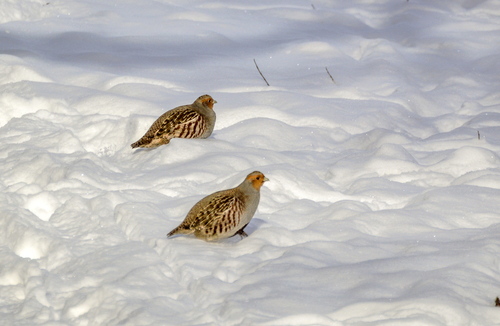
© Kazimieras Martinaitis · CC BY · iNaturalist 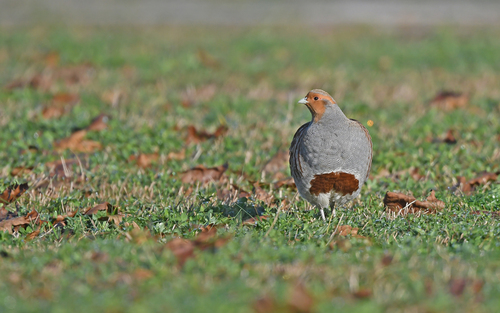
© Christoph Moning · CC BY · iNaturalist 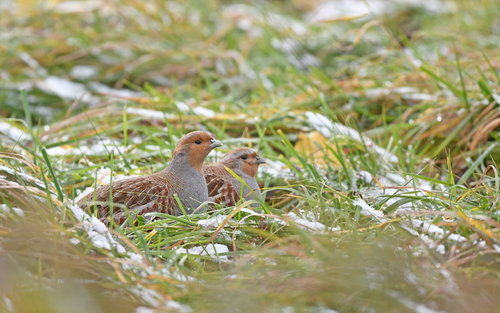
© Christoph Moning · CC BY · iNaturalist 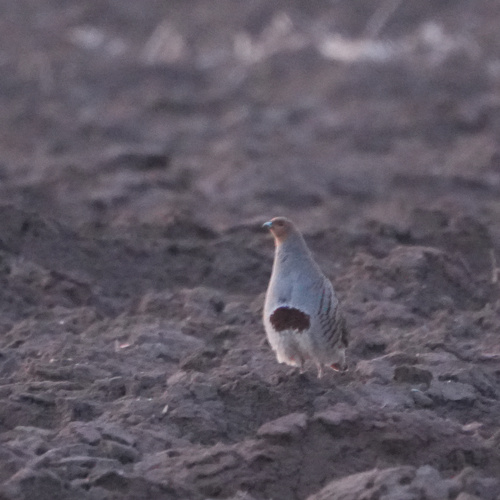
© Leon Haag-Fank · CC BY · iNaturalist 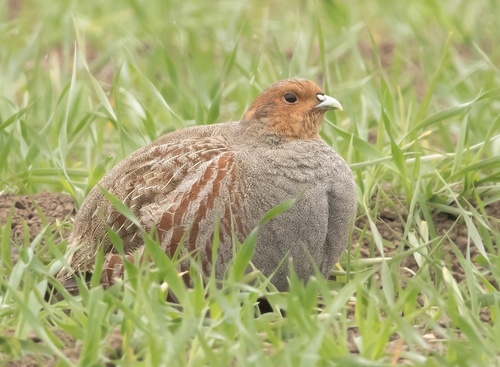
© Morgan Caygill · CC BY · iNaturalist 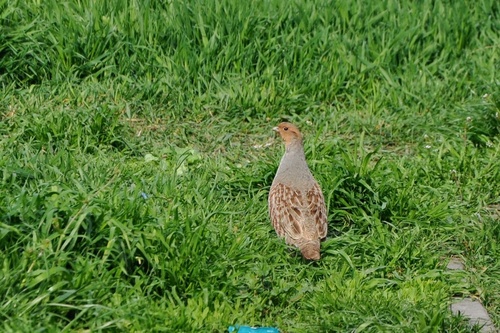
© Pavel Kacl · CC BY · iNaturalist 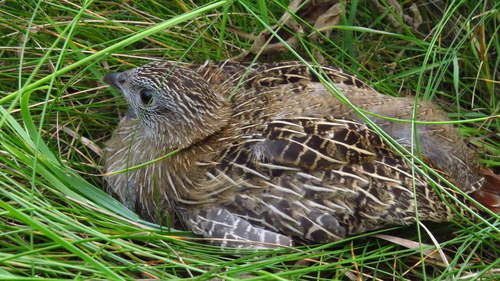
© Михаил Малышев · CC BY · iNaturalist
Especies relacionadasRelated species
Otras aves de la familia Phasianidae y de órdenes cercanos.Other birds from the Phasianidae family and nearby orders.
- ComúnCommon
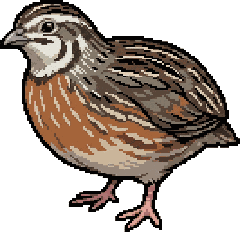 Codorniz comúnCommon QuailCoturnix coturnix
- Poco comúnUncommon
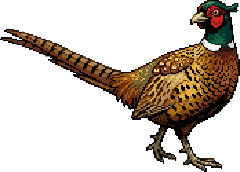 Faisán vulgarCommon PheasantPhasianus colchicus
- LegendarioLegendary
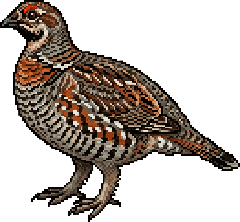 Grévol comúnHazel GrouseTetrastes bonasia
- ÉpicoEpic
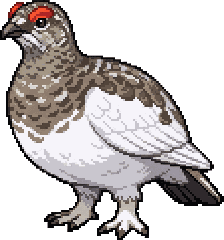 Lagópodo alpinoRock PtarmiganLagopus muta
- ÉpicoEpic
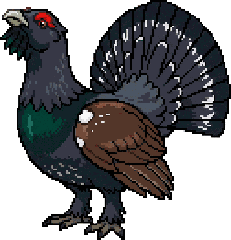 Urogallo comúnWestern CapercaillieTetrao urogallus
- ComúnCommon
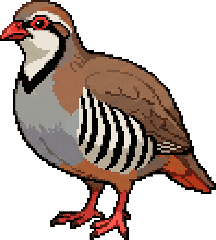 Perdiz rojaRed-legged PartridgeAlectoris rufa
- RaroRare
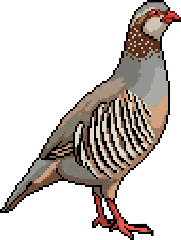 Perdiz morunaBarbary PartridgeAlectoris barbara
- LegendarioLegendary
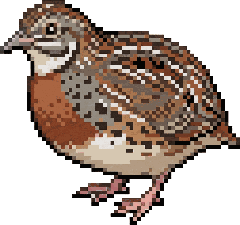 Torillo andaluzCommon ButtonquailTurnix sylvaticus
 Gratis, sin anuncios ni comprasFree, no ads, no purchases