 BirdPedy
Éider comúnCommon Eider
En 9 provincias en diciembre y en 1 en julioIn 9 provinces in December and 1 in July
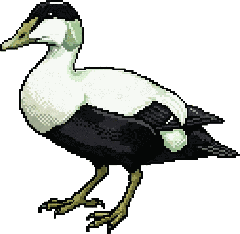
Reporte de rarezaRarity report
Por qué es raroWhy it is rarePato marino de origen ártico que llega a las costas del norte peninsular de forma puntual como invernante escaso y muy disperso.Marine duck of Arctic origin that reaches northern peninsular coasts occasionally as scarce winterer.
Cada carrizo es un mes: su altura, las provincias con registros de 2020 a 2024.Each reed is a month: its height, the provinces with records from 2020 to 2024.- Provincias con registrosProvinces with records
- 15 de 52of 52
- En la appIn the app
- Diciembre a eneroDecember to January
- EnvergaduraWingspan
- 95-105 cm95-105 cm
- LongitudLength
- 60-70 cm60-70 cm
- Lista Roja de EspañaSpanish Red List
- DD Datos insuficientesData Deficient

Información generalGeneral Information
El eider común es un pato de marcadas tendencias marinas, que se reproduce en las costas del norte de Europa. Para tapizar el somero nido que construye, la hembra emplea grandes cantidades de su propio plumón, un material ligero, suave y extremadamente cálido, que ha constituido tradicionalmente el relleno de los mejores edredones y sacos de dormir. Durante el invierno, unos pocos ejemplares de estas aves recalan en las costas del norte y este de la Península.The Common Eider is a true marine specialist. It is rarely seen far from the sea. While it is a common breeder on the northern European coasts, only a few individuals reach Spain during the winter. They are usually found in small groups along the northern and eastern coasts. It is a slow-moving, powerful duck that feeds on crabs and shellfish found on rocky coastlines.
IdentificaciónIdentification
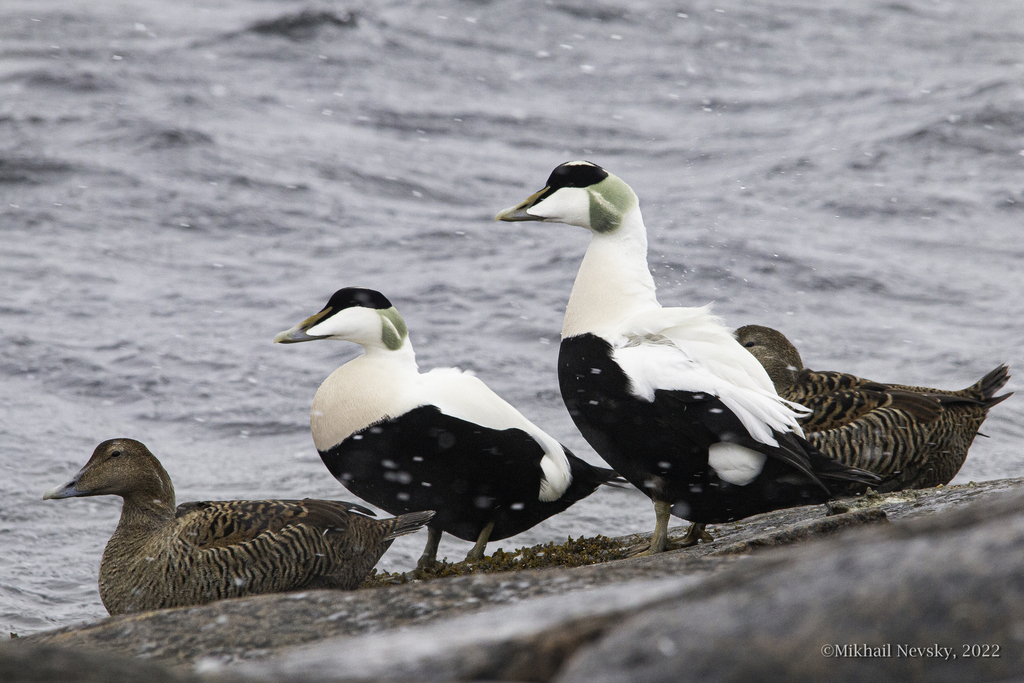
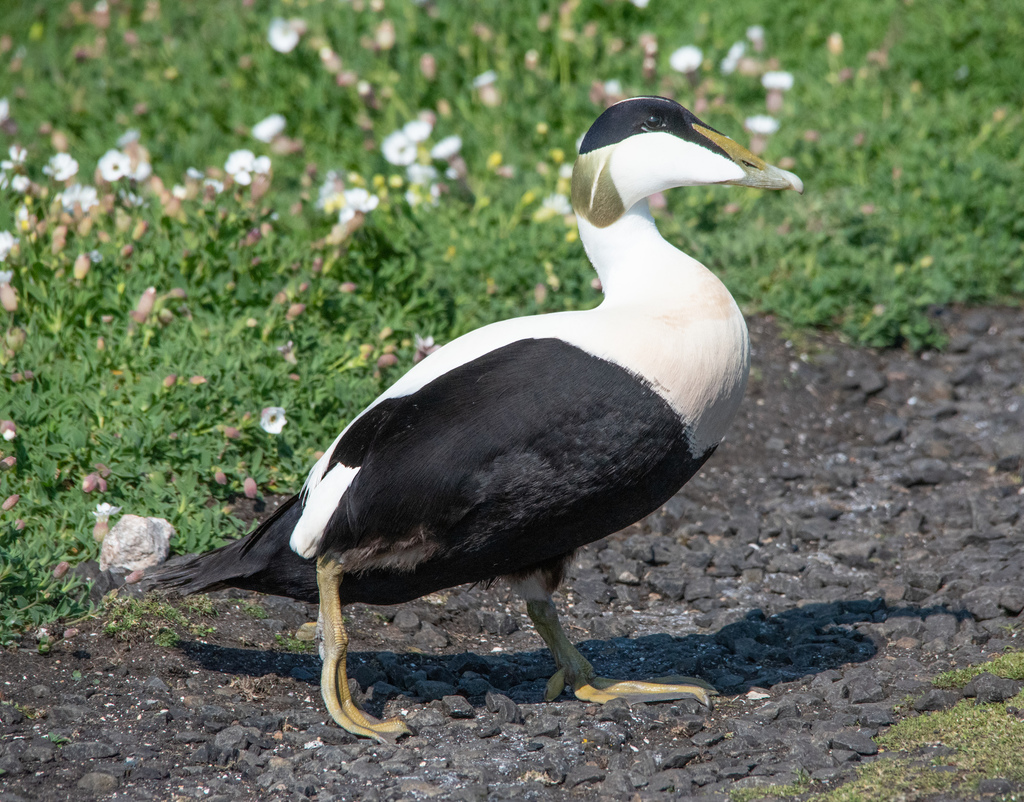
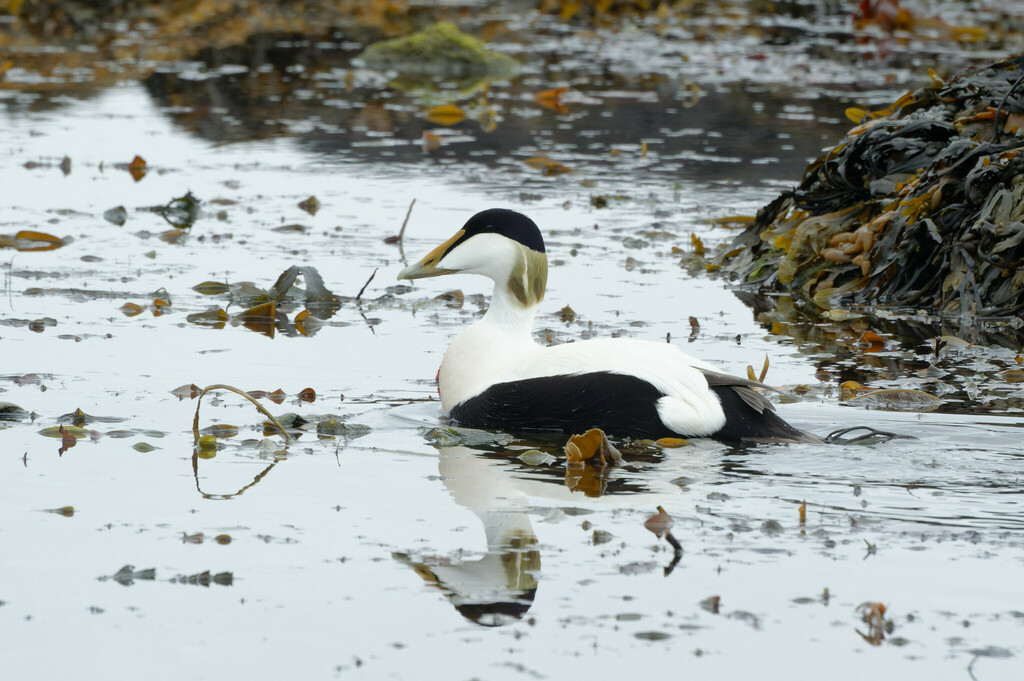
Esta anátida de mediano tamaño se caracteriza por poseer un pico muy ancho en la base, que confiere a su cabeza un peculiar aspecto de cuña. El macho adulto presenta el plumaje mayoritariamente blanco con tintes rosados, especialmente en el pecho, excepto los flancos, la popa y el capirote, que son negros. En el cuello y la nuca luce una coloración verdosa. La hembra, por su parte, es parda, con los centros de las plumas oscuros, por lo que ofrece un aspecto muy jaspeado. El extremo del pico es pálido, lo que la diferencia del joven, que es muy similar, aunque más oscuro. En vuelo, el macho adulto resulta muy pálido, con los extremos alares y la cola negros, en tanto que la hembra se ve parda.A large, robust sea duck with a very characteristic wedge-shaped head profile and a massive bill. Males are strikingly white with a pinkish flush on the breast, black flanks, and a black cap. They have a patch of sea-green on the nape. Females are heavily barred and mottled brownish-gray. It is famous for its exceptionally warm and light 'eiderdown,' which the female uses to line the nest in the Arctic.
DistribuciónDistribution
Aparece durante el invierno, generalmente, en grupos reducidos, en las comunidades del Cantábrico y en la costa atlántica de Galicia. La subespecie que se presenta en nuestro territorio es mollisima.Scarce winter visitor. Found mainly along the Cantabrian and Galician coasts, with occasional records in Catalonia. Subspecies 'mollissima'.
Textos reproducidos con permiso de laTexts translated and reproduced with permission from the Guía de Aves de España © SEO/BirdLife
Estado de conservaciónConservation Status
- EX
- RE
- CR
- EN
- VU
- NT
- LC
DD
Datos insuficientesData Deficient
Qué significa cada categoríaWhat each category means
- LC
- Preocupación menor: Taxón evaluado que no califica para categorías amenazadas. Especies abundantes y ampliamente distribuidasLeast Concern - Evaluated taxon that does not qualify for threatened categories. Widespread and abundant taxa
- NT
- Casi amenazada: No califica actualmente como amenazada, pero está cerca de calificar o es probable que califique en el futuro cercanoNear Threatened - Does not currently qualify as threatened, but is close to qualifying or likely to qualify in the near future
- VU
- Vulnerable: Enfrenta un alto riesgo de extinción en estado silvestre según los criterios A a E de IUCNVulnerable - Facing a high risk of extinction in the wild based on IUCN criteria A to E
- EN
- En peligro: Enfrenta un riesgo muy alto de extinción en estado silvestre según los criterios A a E de IUCNEndangered - Facing a very high risk of extinction in the wild based on IUCN criteria A to E
- CR
- En peligro crítico: Enfrenta un riesgo extremadamente alto de extinción en estado silvestre según los criterios A a E de IUCNCritically Endangered - Facing an extremely high risk of extinction in the wild based on IUCN criteria A to E
- DD
- Datos insuficientes: Información inadecuada para evaluar el riesgo de extinción basándose en distribución o estado poblacionalData Deficient - Inadequate information to assess extinction risk based on distribution and/or population status
- NE
- No evaluada: No ha sido evaluada aún contra los criterios de la Lista Roja de IUCNNot Evaluated - Has not yet been assessed against the IUCN Red List criteria
- RE
- Extinta regionalmente: El taxón ya no existe en la región específica, aunque puede sobrevivir en otros lugaresRegionally Extinct - Taxon no longer exists in the specific region, though it may survive elsewhere
- EX
- Extinta - No existe duda razonable de que ha muerto el último individuo del taxónExtinct - No reasonable doubt that the last individual of the taxon has died
TaxonomíaTaxonomy
- OrdenOrder
- Anseriformes
- FamiliaFamily
- Anatidae
Presencia en EspañaPresence in Spain
- HabitualRegular
- InvernanteWinter visitor
En la app: diciembre a enero.In the app: December to January.
Dónde verlaWhere to see it
32 cuadrículas de 10 km con registros de 2020 a 2024. Toca un mes para ver dónde se ha visto.32 10 km squares with records from 2020 to 2024. Pick a month to see where it has been seen.
Cargando el mapa…Loading the map…
Dónde es regularWhere it is regular
Provincias con registros en al menos 3 de los 5 años algún mes, de más a menos frecuente, y sus mejores meses.Provinces with records in at least 3 of the 5 years in some month, from most to least frequent, and their best months.
- CantabriaCantabriaenero, diciembre, noviembreJanuary, December, November
- TarragonaTarragonadiciembreDecember
Datos: registros en GBIF de 2020 a 2024 de Observation.org, eBird, iNaturalist y el ICO, descargados el 23/10/2026.Data: GBIF records from 2020 to 2024 from Observation.org, eBird, iNaturalist and the ICO, downloaded on 23/10/2026. GBIF.org (23 October 2026) GBIF Occurrence Download · doi:10.15468/dl.r5sf2a · CC BY-NC 4.0
GaleríaGallery
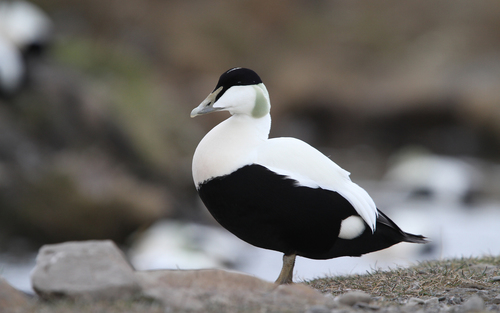
© Christoph Moning · CC BY · iNaturalist 
© Christoph Moning · CC BY · iNaturalist 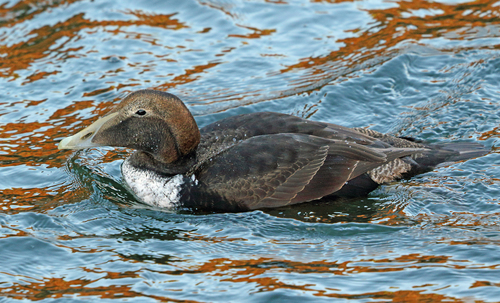
© Nigel Voaden · CC BY · iNaturalist 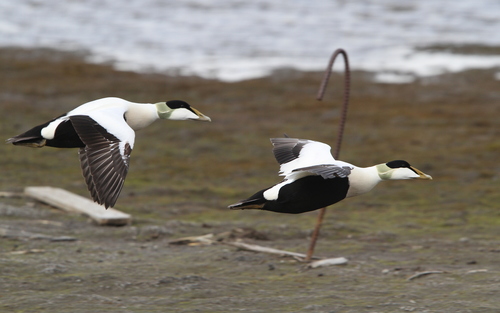
© Christoph Moning · CC BY · iNaturalist 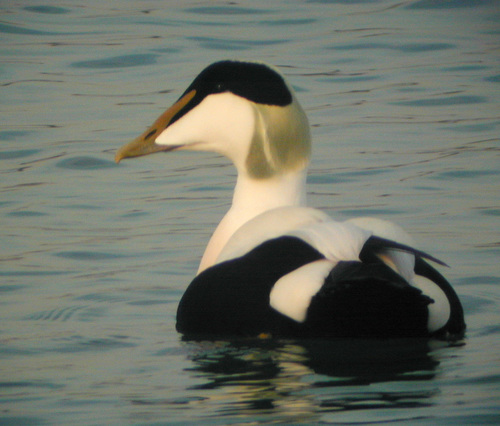
© Yves Bas · CC BY · iNaturalist 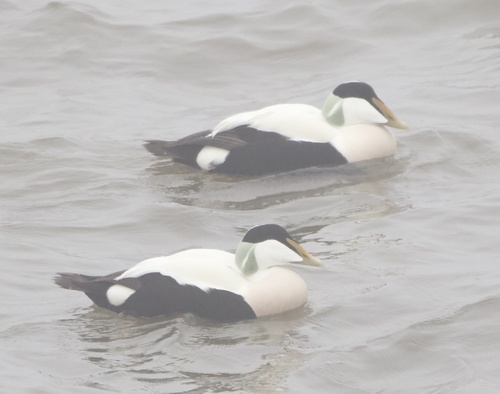
© Morgan Caygill · CC BY · iNaturalist 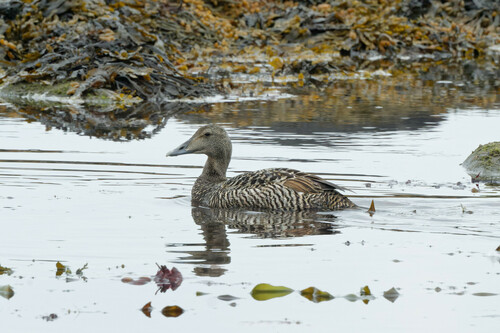
© Donald Davesne · CC BY · iNaturalist 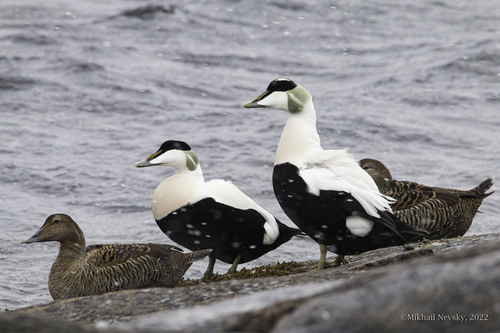
© Mikhail Nevsky · CC BY · iNaturalist 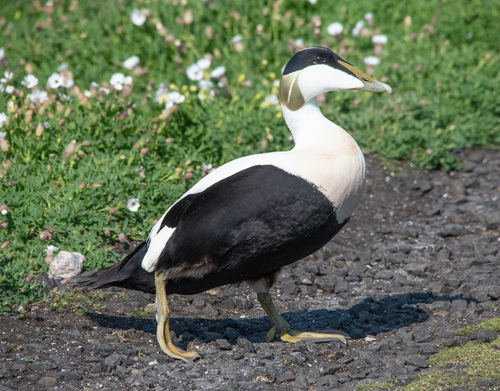
© Don Loarie · CC BY · iNaturalist 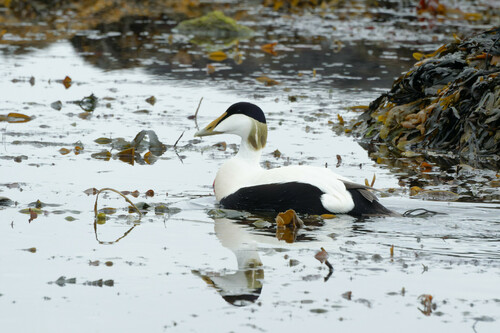
© Donald Davesne · CC BY · iNaturalist


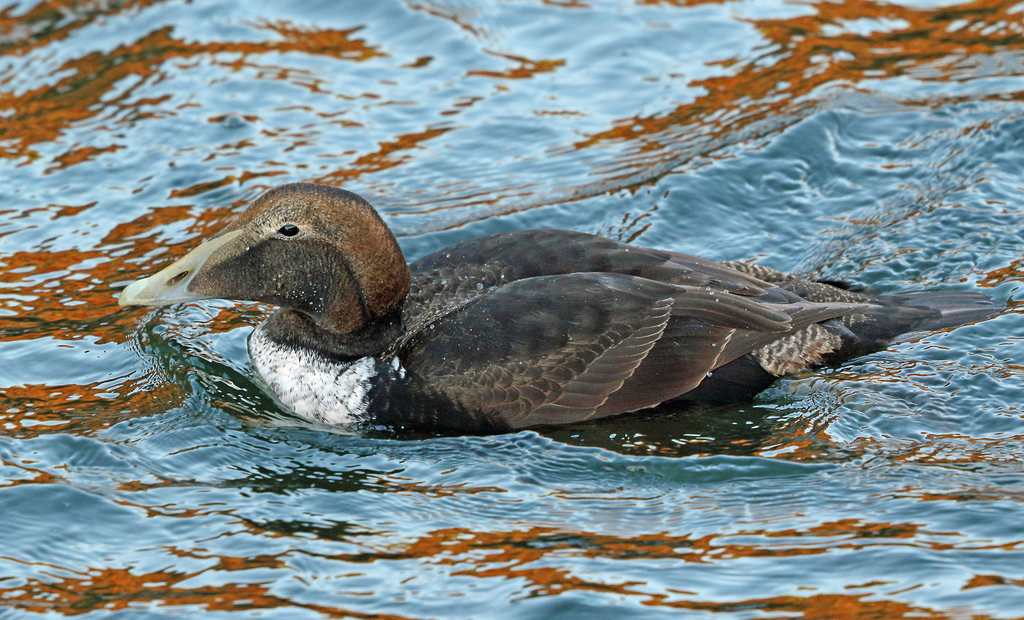


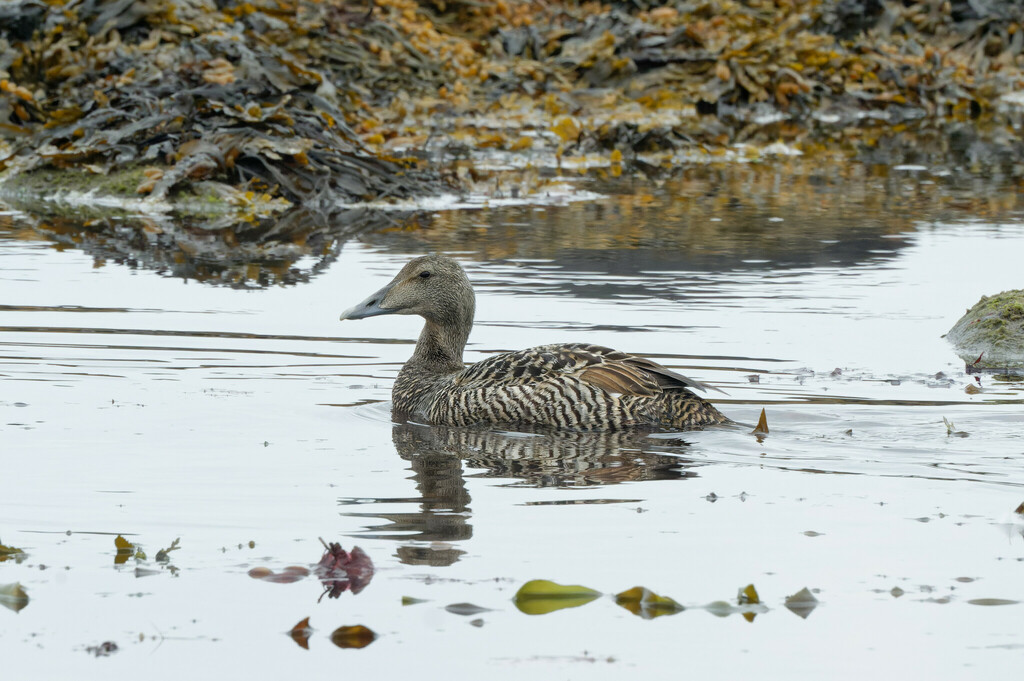
Especies relacionadasRelated species
Otras aves de la familia Anatidae y de órdenes cercanos.Other birds from the Anatidae family and nearby orders.
- LegendarioLegendary
 Negrón caretoSurf ScoterMelanitta perspicillata
- RaroRare
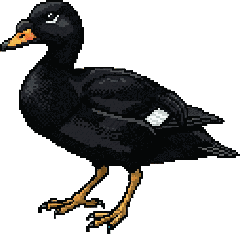 Negrón especuladoVelvet ScoterMelanitta fusca
- LegendarioLegendary
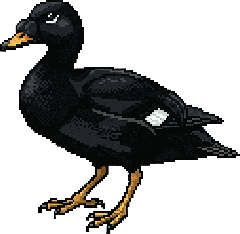 Negrón siberianoStejneger's ScoterMelanitta stejnegeri
- Poco comúnUncommon
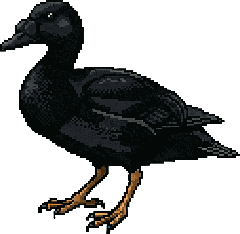 Negrón comúnCommon ScoterMelanitta nigra
- LegendarioLegendary
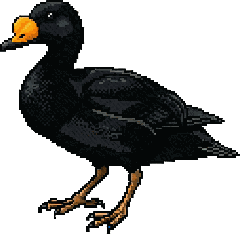 Negrón americanoBlack ScoterMelanitta americana
- RaroRare
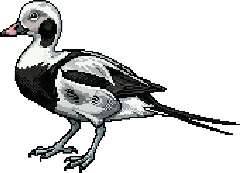 Pato haveldaLong-tailed DuckClangula hyemalis
- LegendarioLegendary
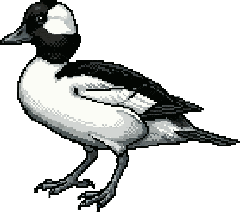 Porrón albeolaBuffleheadBucephala albeola
- LegendarioLegendary
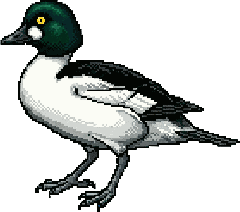 Porrón osculadoCommon GoldeneyeBucephala clangula
 Gratis, sin anuncios ni comprasFree, no ads, no purchases