 BirdPedy
Negrón americanoBlack Scoter
Reporte de rarezaRarity report
Por qué es legendarioWhy it is legendaryRareza transatlántica detectada en contadísimas ocasiones en las costas del norte de España (Galicia, Asturias). Su distinción del negrón común requiere una observación técnica muy detallada del diseño del pico.A transatlantic rarity recorded on very few occasions on the coasts of northern Spain (Galicia, Asturias). Telling it from the Common Scoter requires a very careful look at the bill pattern.
- En la appIn the app
- Octubre a marzoOctober to March
- EnvergaduraWingspan
- No disponibleNot available
- LongitudLength
- No disponibleNot available
- Lista Roja de EspañaSpanish Red List
- NE No evaluada en EspañaNot assessed in Spain

IdentificaciónIdentification
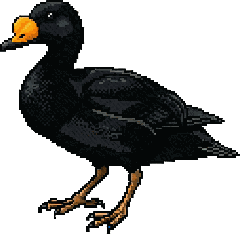
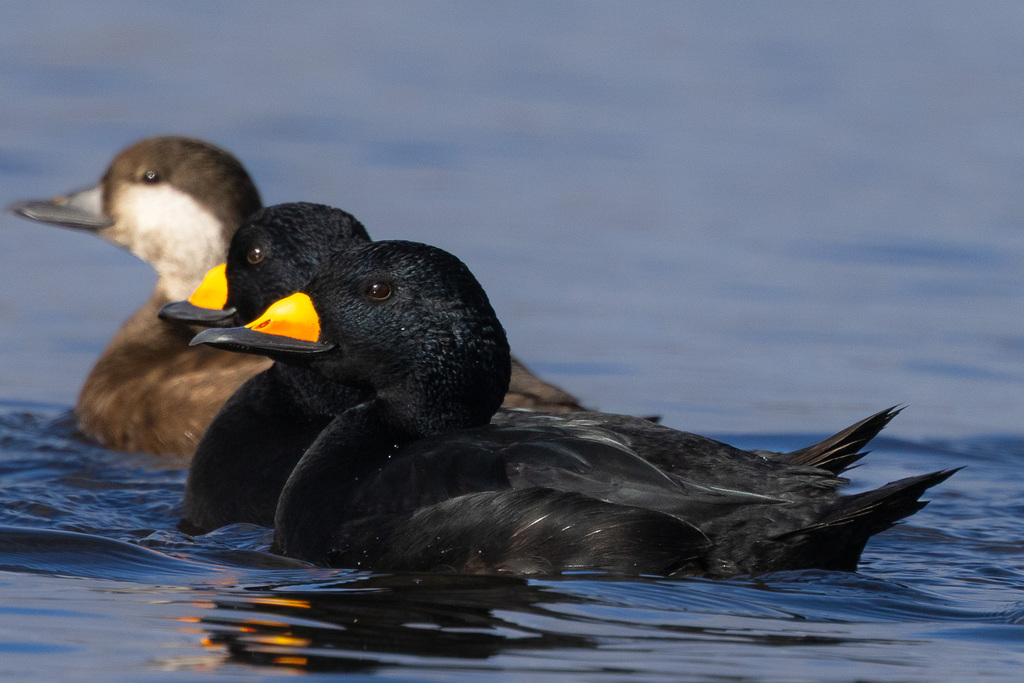
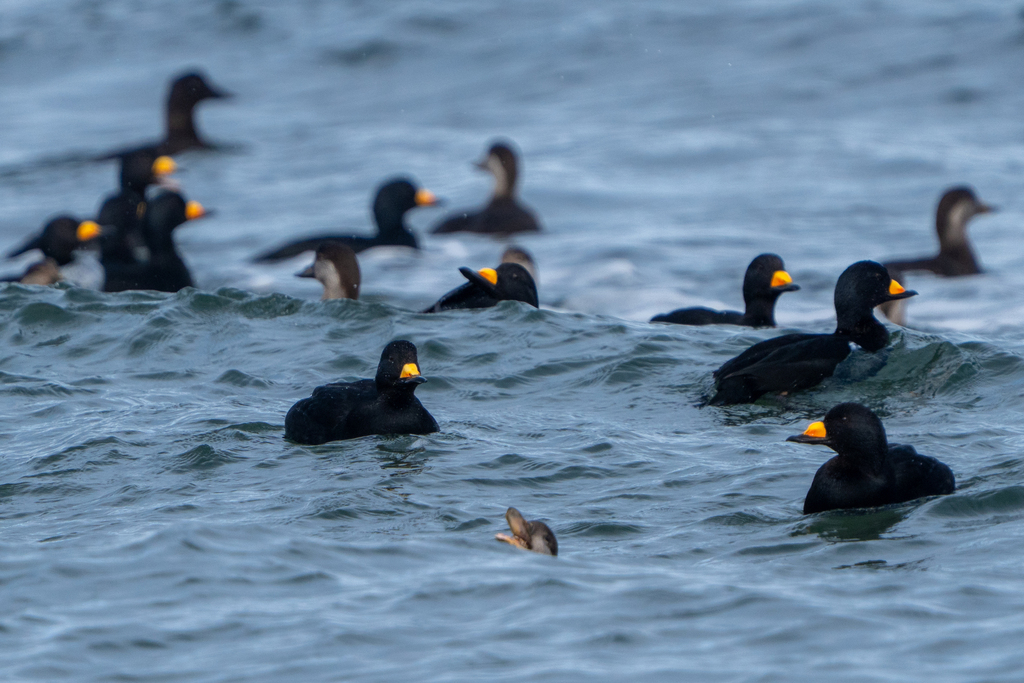
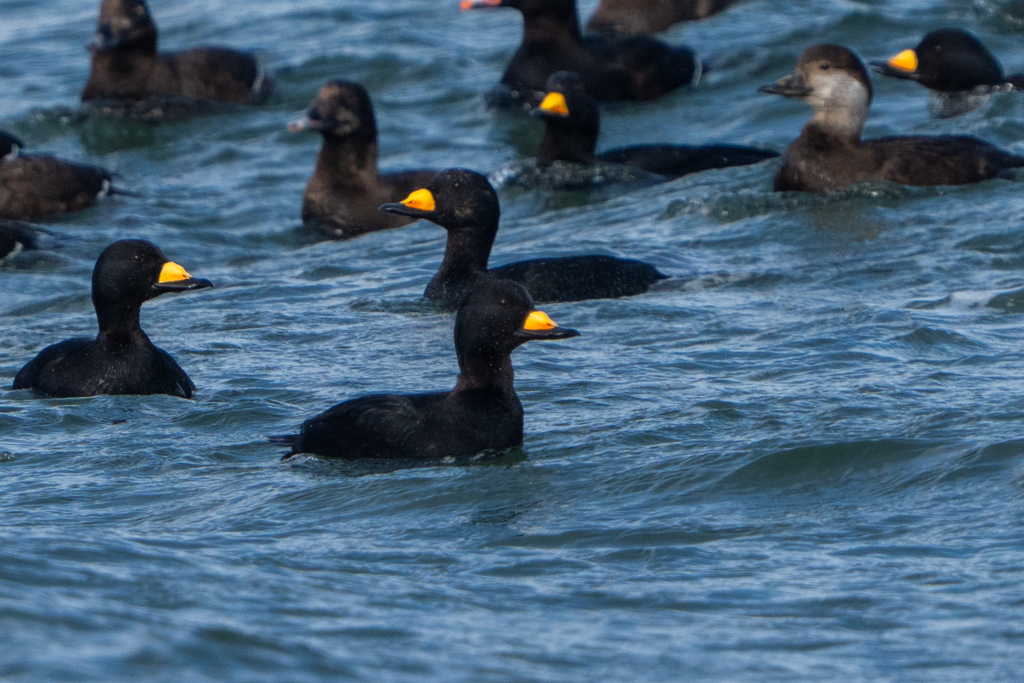
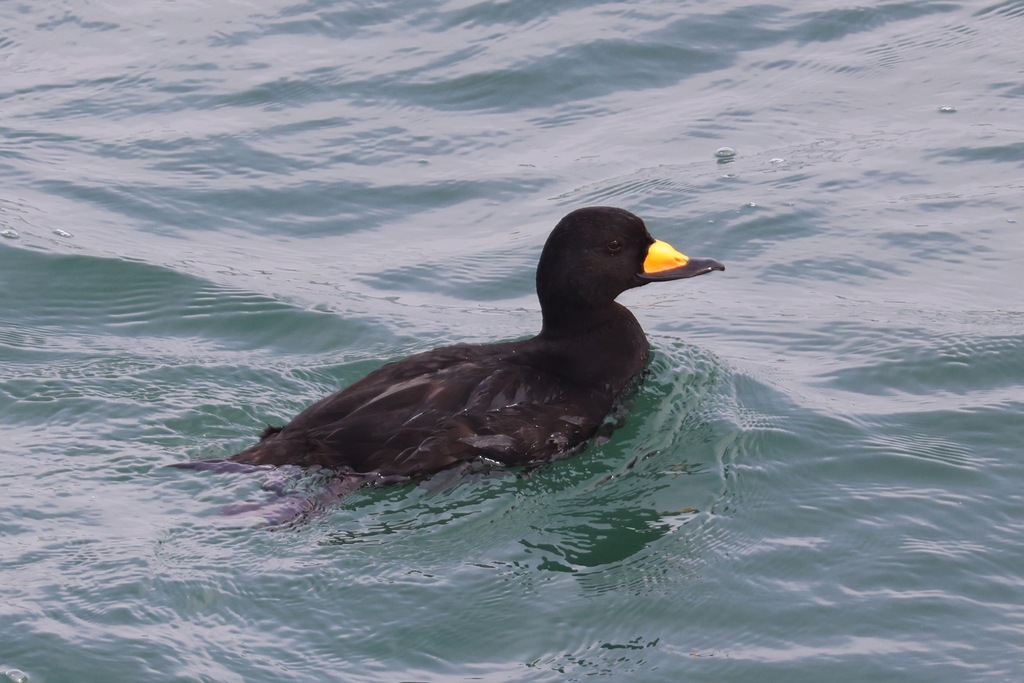
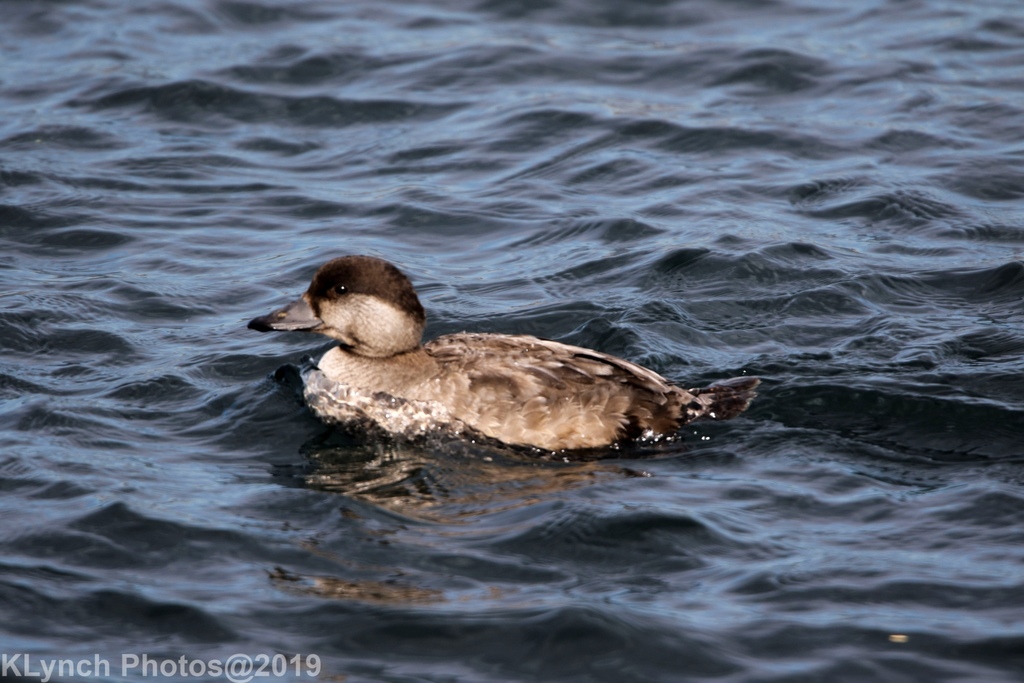
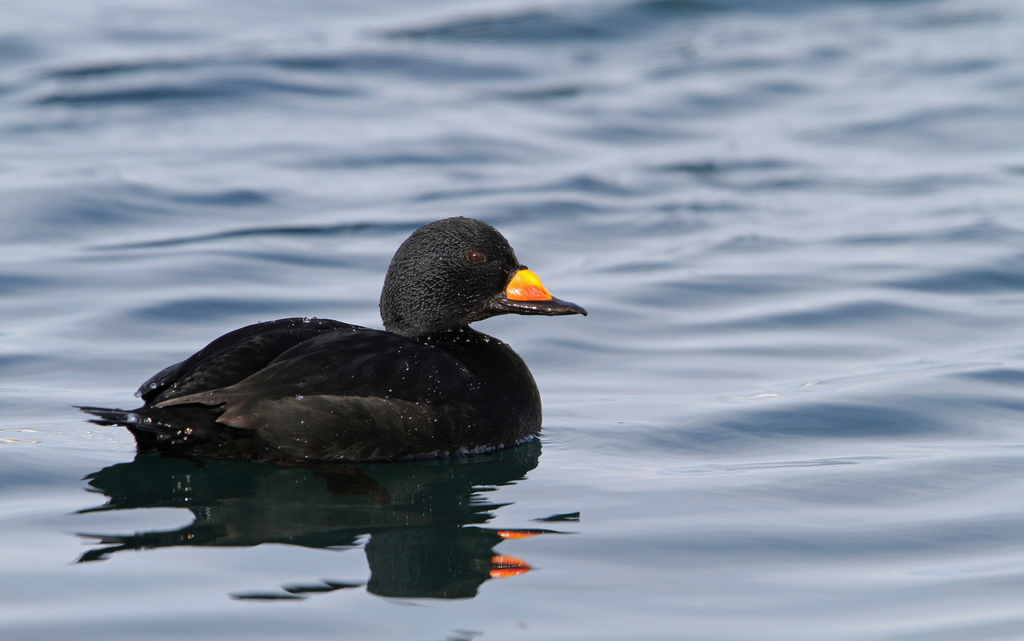
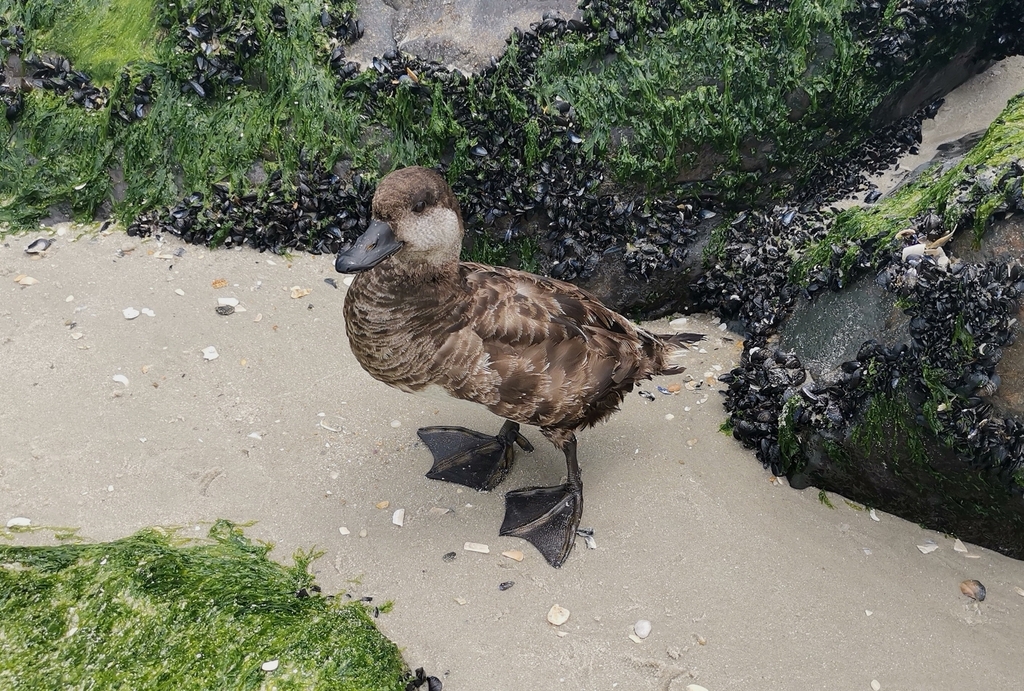
El negrón americano es muy parecido al negrón común, del que hasta hace poco se consideraba una simple subespecie. Los machos adultos se diferencian bien porque tienen el pico con una amplia mancha amarilla y carece, en cambio, de bultos negros en la base. Las hembras resultan indistinguibles en el campo de las del negrón común.Until recently considered a subspecies of the Common Scoter. Both sexes are nearly identical to the Common Scoter, but breeding males are distinguished by a much larger and almost entirely bright yellow-orange bill knob which lacks the black center found in Common Scoter. Females are indistinguishable from Common Scoter in the field. It is the North American version of our common sea duck.
DistribuciónDistribution
Hay muy pocas citas en Europa, algo más de una veintena, que se reparten entre las islas Británicas, Francia y otros países de la fachada atlántica. En España existen solo tres registros homologados, de los que dos corresponden a Asturias (Navia, en noviembre de 1986; y Villaviciosa, en octubre-noviembre de 1994) y uno a Galicia (ría de Corme y Laxe, en febrero-marzo de 2002).Very rare accidental visitor from North America. Only three homologated records for Spain: two from Asturias (1986, 1994) and one from Galicia (2002).
Textos reproducidos con permiso de laTexts translated and reproduced with permission from the Guía de Aves de España © SEO/BirdLife
Estado de conservaciónConservation Status
- EX
- RE
- CR
- EN
- VU
- NT
- LC
NE
No evaluada en EspañaNot assessed in Spain
Sin categoría en el Libro Rojo de las Aves de España 2021No category in the Red Book of the Birds of Spain 2021
Qué significa cada categoríaWhat each category means
- LC
- Preocupación menor: Taxón evaluado que no califica para categorías amenazadas. Especies abundantes y ampliamente distribuidasLeast Concern - Evaluated taxon that does not qualify for threatened categories. Widespread and abundant taxa
- NT
- Casi amenazada: No califica actualmente como amenazada, pero está cerca de calificar o es probable que califique en el futuro cercanoNear Threatened - Does not currently qualify as threatened, but is close to qualifying or likely to qualify in the near future
- VU
- Vulnerable: Enfrenta un alto riesgo de extinción en estado silvestre según los criterios A a E de IUCNVulnerable - Facing a high risk of extinction in the wild based on IUCN criteria A to E
- EN
- En peligro: Enfrenta un riesgo muy alto de extinción en estado silvestre según los criterios A a E de IUCNEndangered - Facing a very high risk of extinction in the wild based on IUCN criteria A to E
- CR
- En peligro crítico: Enfrenta un riesgo extremadamente alto de extinción en estado silvestre según los criterios A a E de IUCNCritically Endangered - Facing an extremely high risk of extinction in the wild based on IUCN criteria A to E
- DD
- Datos insuficientes: Información inadecuada para evaluar el riesgo de extinción basándose en distribución o estado poblacionalData Deficient - Inadequate information to assess extinction risk based on distribution and/or population status
- NE
- No evaluada: No ha sido evaluada aún contra los criterios de la Lista Roja de IUCNNot Evaluated - Has not yet been assessed against the IUCN Red List criteria
- RE
- Extinta regionalmente: El taxón ya no existe en la región específica, aunque puede sobrevivir en otros lugaresRegionally Extinct - Taxon no longer exists in the specific region, though it may survive elsewhere
- EX
- Extinta - No existe duda razonable de que ha muerto el último individuo del taxónExtinct - No reasonable doubt that the last individual of the taxon has died
TaxonomíaTaxonomy
- OrdenOrder
- Anseriformes
- FamiliaFamily
- Anatidae
Presencia en EspañaPresence in Spain
- InvernanteWinter visitor
- OcasionalOccasional
En la app: octubre a marzo.In the app: October to March.
Revisión científica de BirdPedyBirdPedy scientific review
Revisada por BirdPedy el 28/10/2026 ·Reviewed by BirdPedy on 28 October 2026 · Cómo revisamosHow we review
RarezaRarity
ReferenciasReferences
- GBIF.org (23/10/2026). Descarga de registros de aves de España, 2020-2024, con el día y la cuadrícula de 10 km de cada uno, para contar ocasiones y días.GBIF.org (23 October 2026). Occurrence download of birds in Spain, 2020-2024, with the day and 10 km square of each record, to count occasions and days. doi.org/10.15468/dl.bqdmdt
- GBIF.org (23/10/2026). Descarga de registros de aves de España, 2020-2024 (Observation.org, eBird, iNaturalist e ICO).GBIF.org (23 October 2026). Occurrence download of birds in Spain, 2020-2024 (Observation.org, eBird, iNaturalist and ICO). doi.org/10.15468/dl.r5sf2a
GaleríaGallery
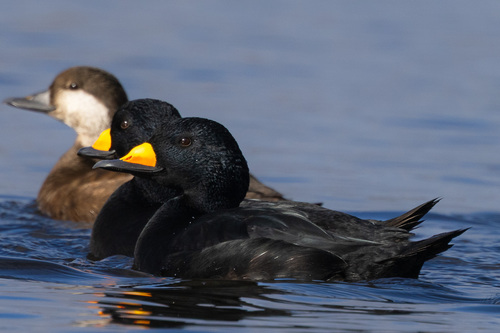
© Bjoern Rost · CC BY · iNaturalist 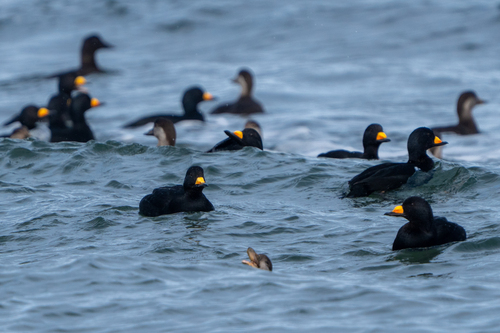
© Pete Lypkie · CC BY · iNaturalist 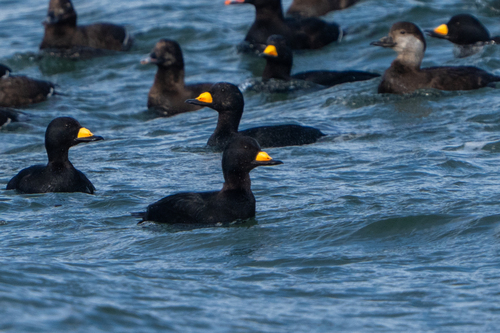
© Pete Lypkie · CC BY · iNaturalist 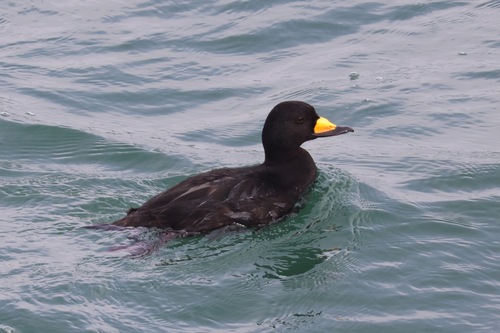
© Rachel Lee Harper · CC BY · iNaturalist 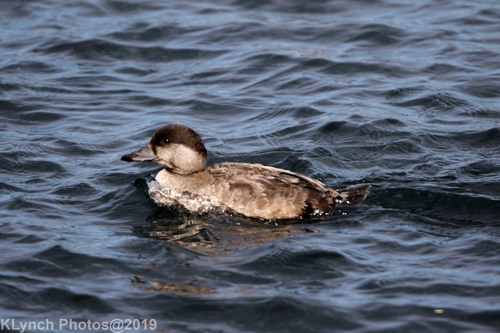
© Kevin Lynch · CC BY · iNaturalist 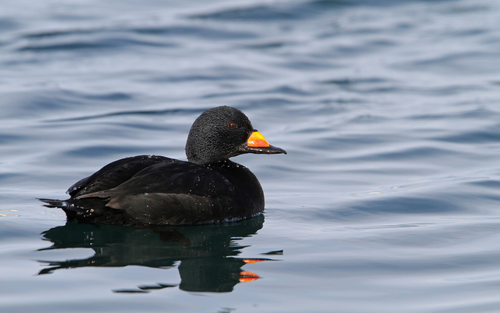
© Christoph Moning · CC BY · iNaturalist 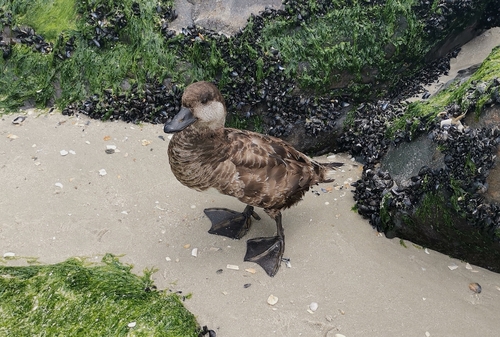
© Cheryl Stinchcomb · CC BY · iNaturalist
Especies relacionadasRelated species
Otras aves de la familia Anatidae y de órdenes cercanos.Other birds from the Anatidae family and nearby orders.
- RaroRare
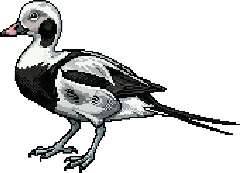 Pato haveldaLong-tailed DuckClangula hyemalis
- LegendarioLegendary
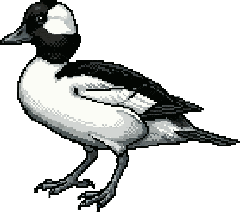 Porrón albeolaBuffleheadBucephala albeola
- LegendarioLegendary
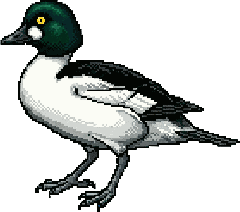 Porrón osculadoCommon GoldeneyeBucephala clangula
- LegendarioLegendary
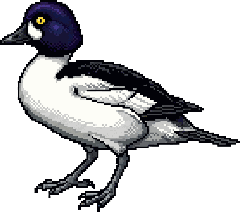 Porrón islándicoBarrow's GoldeneyeBucephala islandica
- LegendarioLegendary
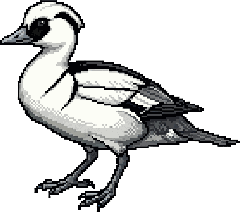 Serreta chicaSmewMergellus albellus
- ÉpicoEpic
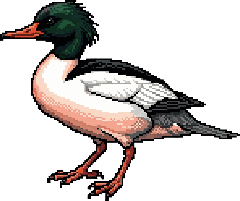 Serreta grandeCommon MerganserMergus merganser
- RaroRare
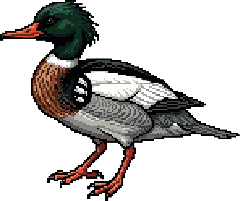 Serreta medianaRed-breasted MerganserMergus serrator
- ÉpicoEpic
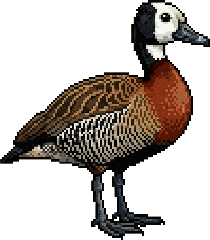 Suirirí cariblancoWhite-faced Whistling DuckDendrocygna viduata
 Gratis, sin anuncios ni comprasFree, no ads, no purchases