 BirdPedy
Pato haveldaLong-tailed Duck
En 4 provincias en noviembre y sin registros un mes del añoIn 4 provinces in November, and no records in one month of the year
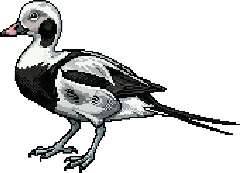
Reporte de rarezaRarity report
Por qué es raroWhy it is rarePrecioso pato ártico de larga cola. Llega como invernante muy escaso y puntual a las rías bajas gallegas y costas del Cantábrico, siendo un objetivo muy buscado por los observadores de aves marinas.A beautiful long-tailed Arctic duck. It arrives as a very scarce, occasional winter visitor to the Galician Rías Baixas and the Cantabrian coasts, and is a prized target for seabird watchers.
Cada carrizo es un mes: su altura, las provincias con registros de 2020 a 2024.Each reed is a month: its height, the provinces with records from 2020 to 2024.- Provincias con registrosProvinces with records
- 7 de 52of 52
- En la appIn the app
- Noviembre a abrilNovember to April
- EnvergaduraWingspan
- 65-82 cm65-82 cm
- LongitudLength
- 39-47 cm39-47 cm
- Lista Roja de EspañaSpanish Red List
- LC Preocupación menorLeast Concern

Información generalGeneral Information
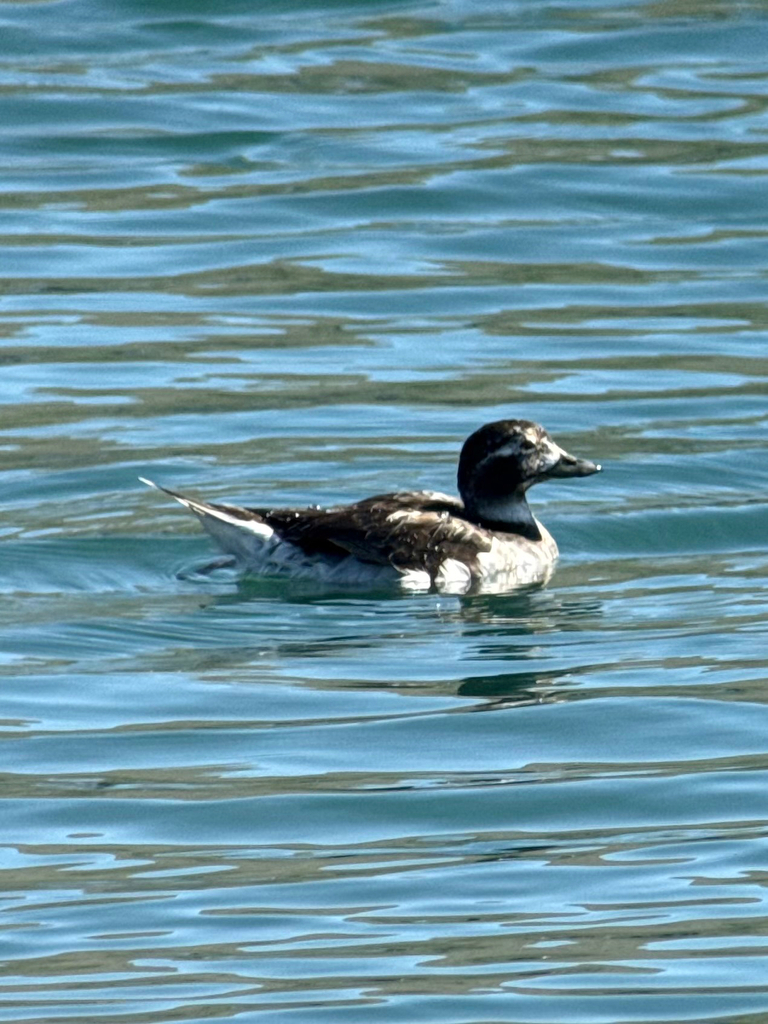
Pocas veces es posible contemplar en las costas ibéricas durante el invierno a un bello y pequeño pato de tendencias marinas que, hasta hace poco tiempo, era considerado una verdadera rareza en nuestro territorio. Se trata del pato havelda, un habitante de las frías tundras y montañas del norte del continente, que inverna en los litorales del mar Báltico y del mar del Norte.The Long-tailed Duck is a beautiful visitor from the High Arctic. Until recently, it was considered a major rarity in Spain, but better coverage has shown it to be a regular (though still very scarce) winterer. It is a specialist of the cold, deep waters of the north. Its presence adds a touch of the Arctic to our winter bays. Its nervous, jerky movements and beautiful winter plumage make it a favorite for coastal birders.
IdentificaciónIdentification
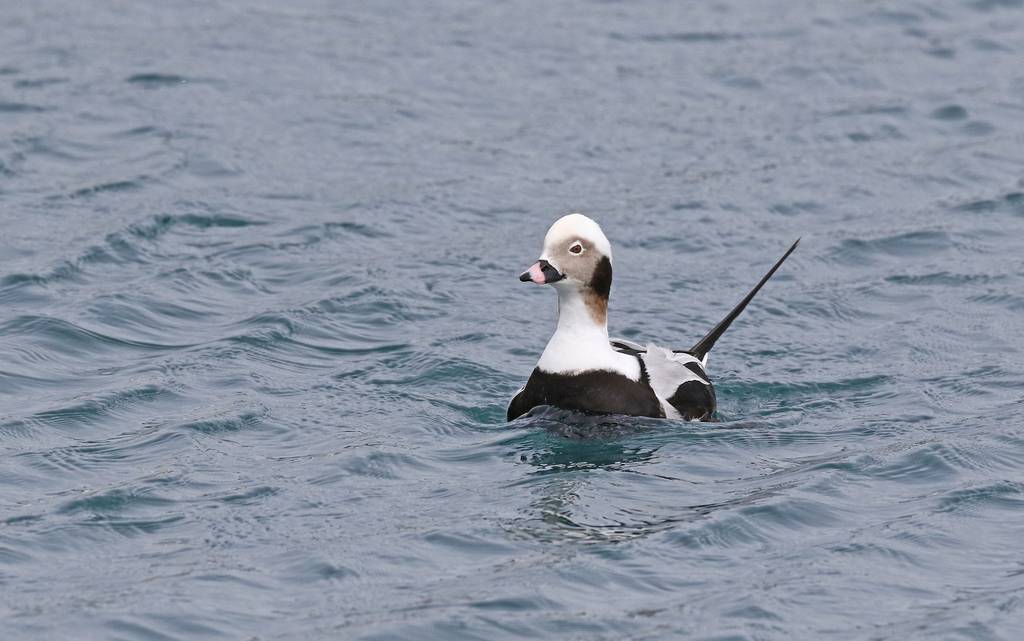
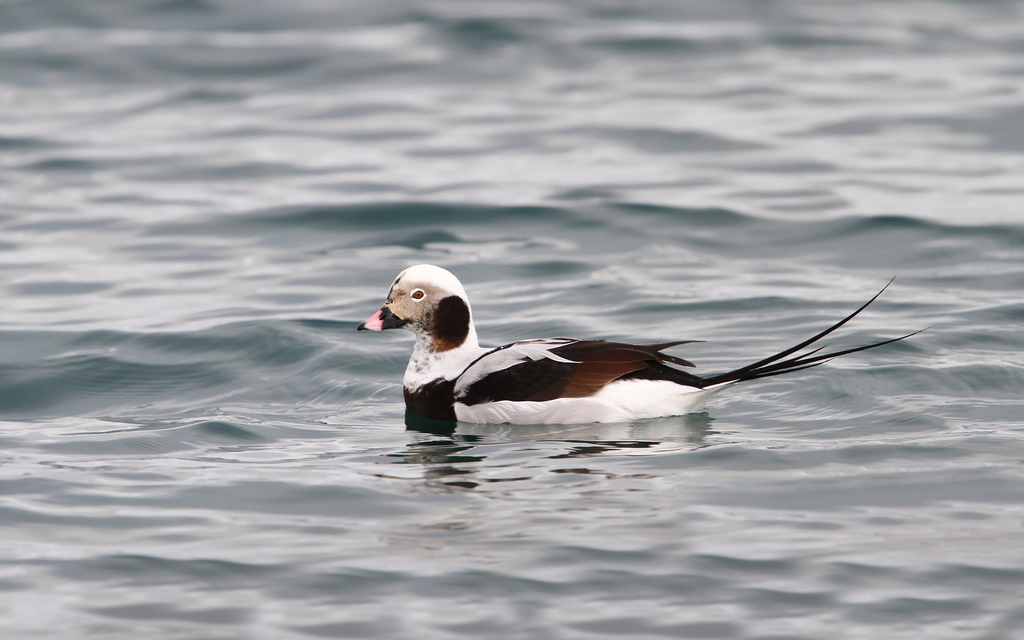
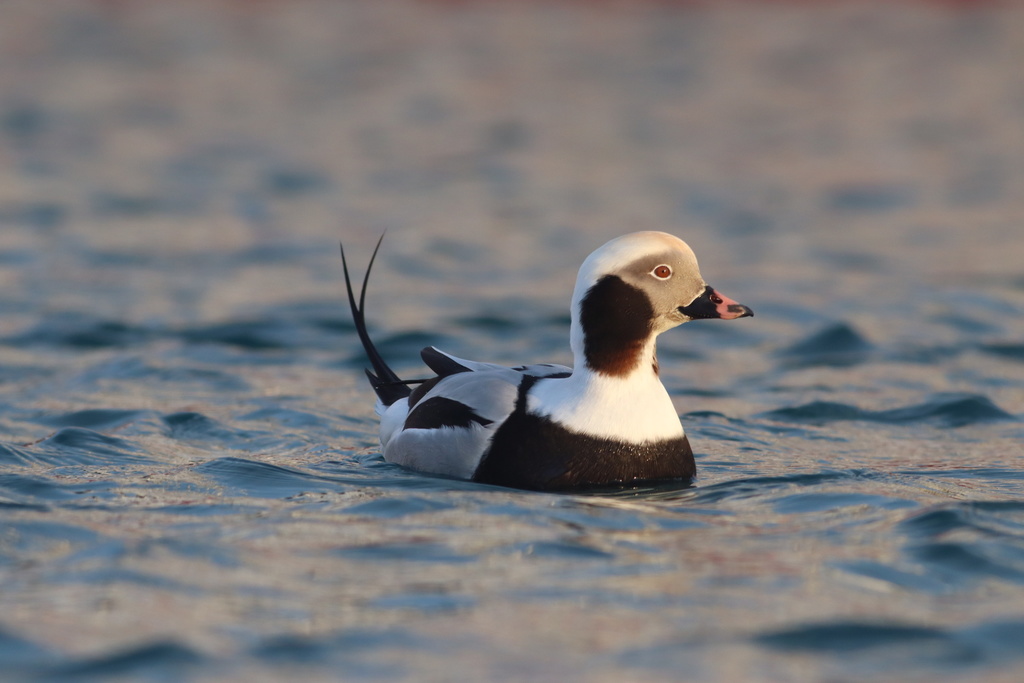
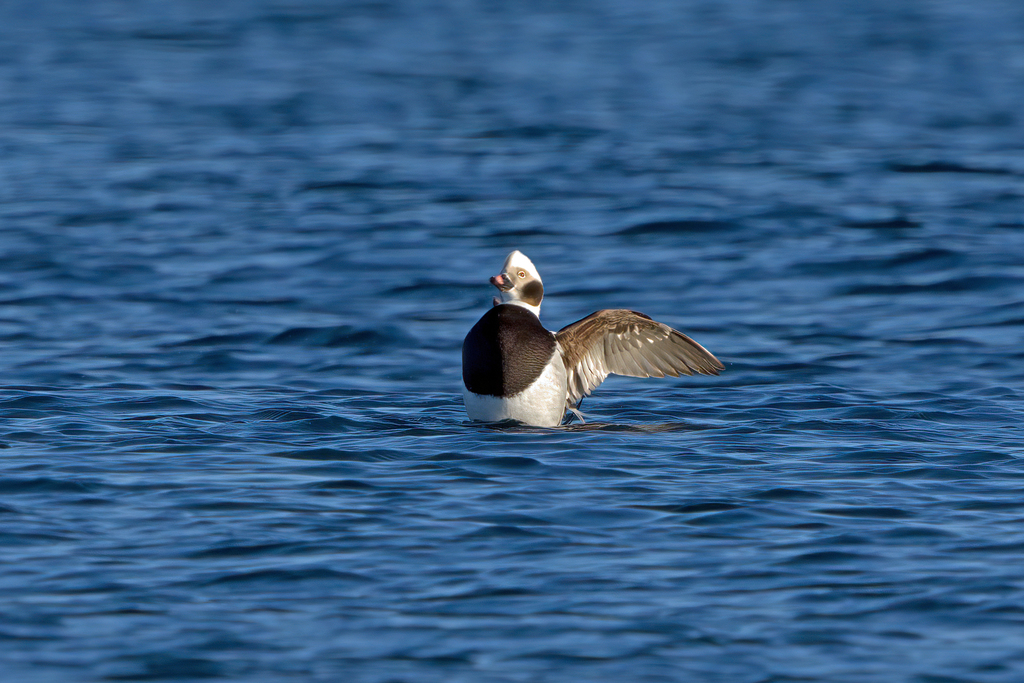
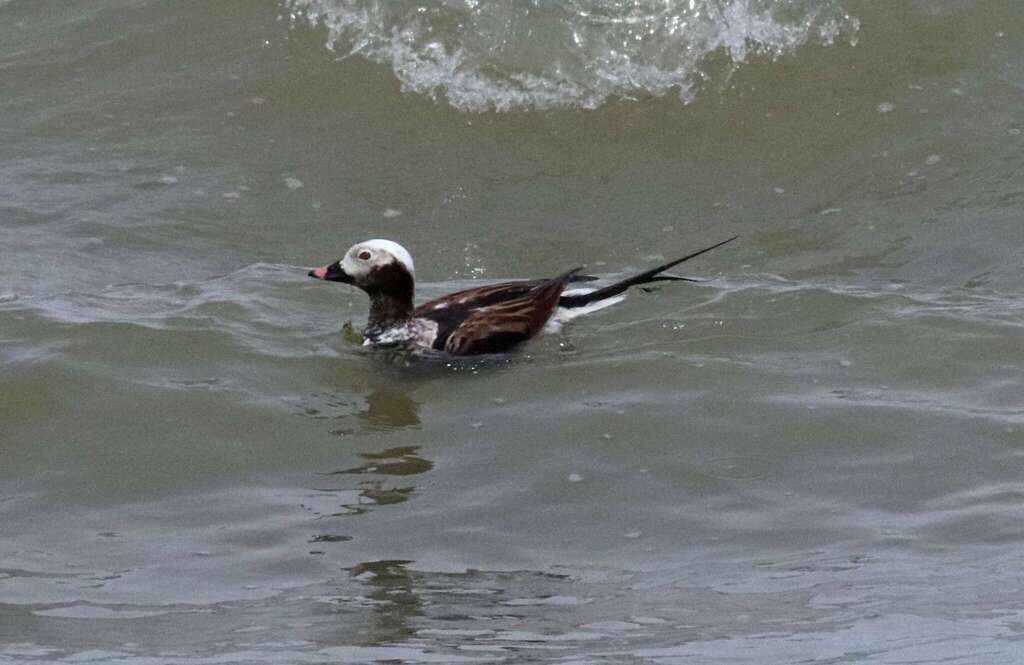
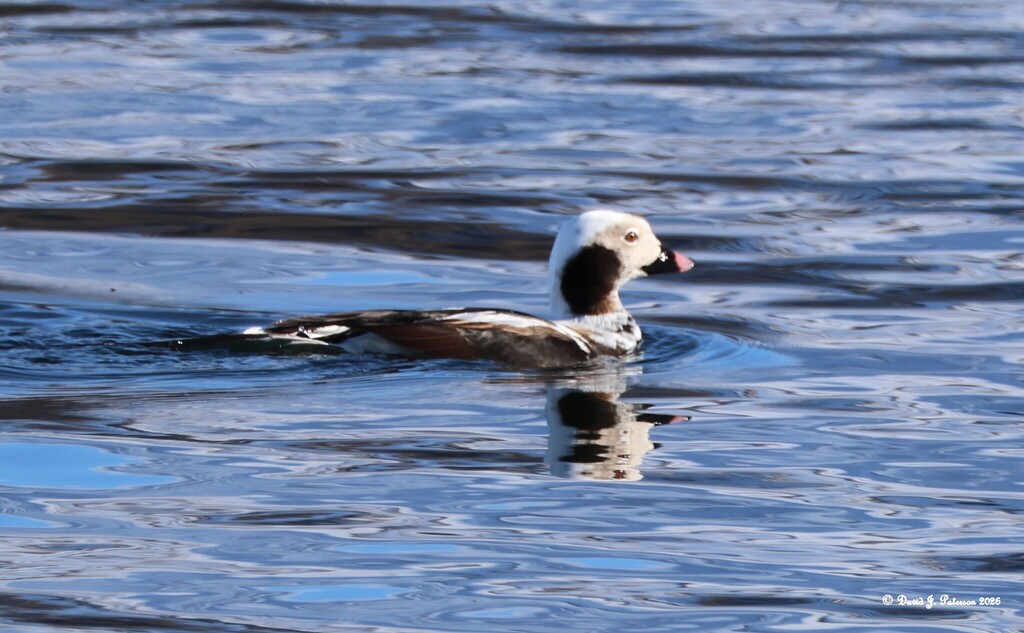
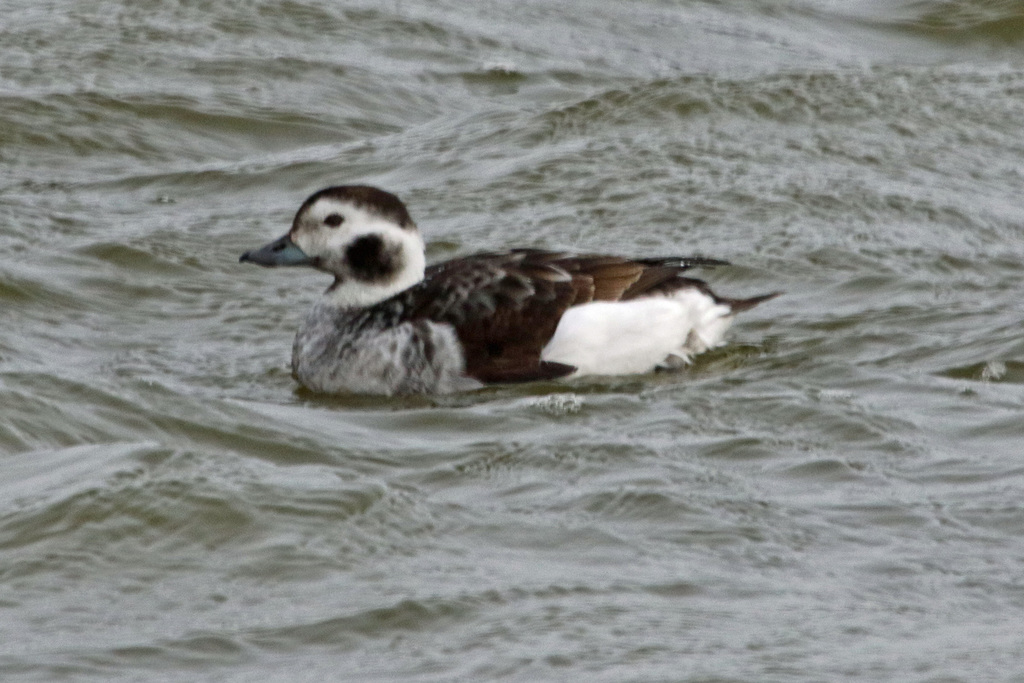
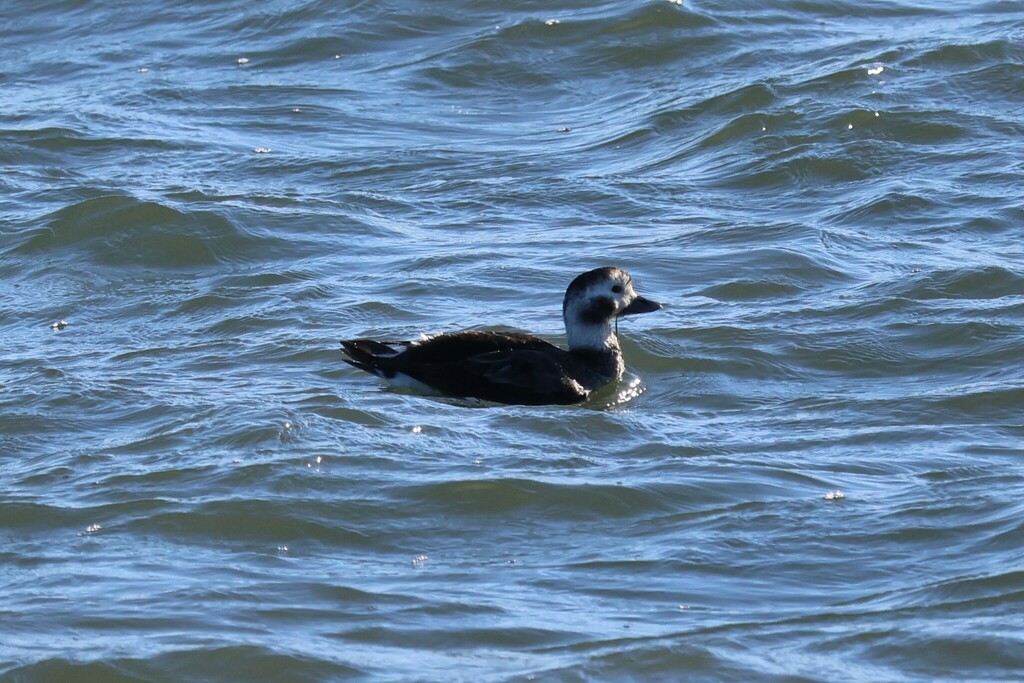
Este pato pequeño y de aspecto delicado se caracteriza por poseer un pico corto y una larga cola en todos los plumajes y edades. El macho adulto, en invierno, es un ave inconfundible, pues exhibe la cabeza y el cuello de color blanco, en vivo contraste con los carrillos y el pecho oscuros. El manto es grisáceo y aparece surcado longitudinalmente por una banda negra que parte de la base del cuello y se prolonga hasta la larga cola. En verano luce una tonalidad mucho más oscura en casi todo el plumaje, que se torna negro en el pecho, el cuello y la cabeza salvo una zona ante y una pequeña franja en el ojo, y bastante oscuro en el dorso, donde las plumas aparecen orladas de ante. Las partes inferiores son grisáceas y la cola, negra. El plumaje nupcial de las hembras resulta más discreto, y en él dominan los tonos marrones en el pecho, el cuello y la cabeza y un diseño similar al del macho, aunque más apagado, en las regiones dorsales. La cola es ostensiblemente más corta que en los machos adultos. En invierno, las hembras presentan una cierta variedad de plumajes, que tienen en común los tonos blanquecinos de la cara (a excepción de las mejillas, marrones), una coloración blanquecina o grisácea en las regiones ventrales y el dorso más bien castaño con algún tono rojizo. Los jóvenes son bastante pardos, y sus partes inferiores muestran una variación gradual de color desde el blanco de la popa hasta los tonos parduzcos en el cuello.A small, incredibly elegant and active sea duck. It has a very short bill and a distinctive long, pointed tail (longer in males). Its plumage changes dramatically with the seasons and is one of the most complex in the bird world. In winter, males are striking with a white head and neck, black breast, and a dark cheek patch. They are remarkably vocal, with a loud, yodelling call. They are deep divers, capable of reaching depths of 60 meters.
DistribuciónDistribution
Aparece durante el invierno de forma muy escasa en las costas peninsulares, sobre todo en el Cantábrico y el Atlántico, aunque también se ha observado algún ejemplar en embalses de Asturias, en lagunas de Gerona y en Cádiz. Es accidental en Baleares y en aguas interiores.Scarce but regular winter visitor. Found mainly on the Cantabrian and Galician coasts. Exceptional in the Balearics and inland reservoirs. Most records from December to February.
Textos reproducidos con permiso de laTexts translated and reproduced with permission from the Guía de Aves de España © SEO/BirdLife
Estado de conservaciónConservation Status
- EX
- RE
- CR
- EN
- VU
- NT
- LC
Preocupación menorLeast Concern
Qué significa cada categoríaWhat each category means
- LC
- Preocupación menor: Taxón evaluado que no califica para categorías amenazadas. Especies abundantes y ampliamente distribuidasLeast Concern - Evaluated taxon that does not qualify for threatened categories. Widespread and abundant taxa
- NT
- Casi amenazada: No califica actualmente como amenazada, pero está cerca de calificar o es probable que califique en el futuro cercanoNear Threatened - Does not currently qualify as threatened, but is close to qualifying or likely to qualify in the near future
- VU
- Vulnerable: Enfrenta un alto riesgo de extinción en estado silvestre según los criterios A a E de IUCNVulnerable - Facing a high risk of extinction in the wild based on IUCN criteria A to E
- EN
- En peligro: Enfrenta un riesgo muy alto de extinción en estado silvestre según los criterios A a E de IUCNEndangered - Facing a very high risk of extinction in the wild based on IUCN criteria A to E
- CR
- En peligro crítico: Enfrenta un riesgo extremadamente alto de extinción en estado silvestre según los criterios A a E de IUCNCritically Endangered - Facing an extremely high risk of extinction in the wild based on IUCN criteria A to E
- DD
- Datos insuficientes: Información inadecuada para evaluar el riesgo de extinción basándose en distribución o estado poblacionalData Deficient - Inadequate information to assess extinction risk based on distribution and/or population status
- NE
- No evaluada: No ha sido evaluada aún contra los criterios de la Lista Roja de IUCNNot Evaluated - Has not yet been assessed against the IUCN Red List criteria
- RE
- Extinta regionalmente: El taxón ya no existe en la región específica, aunque puede sobrevivir en otros lugaresRegionally Extinct - Taxon no longer exists in the specific region, though it may survive elsewhere
- EX
- Extinta - No existe duda razonable de que ha muerto el último individuo del taxónExtinct - No reasonable doubt that the last individual of the taxon has died
TaxonomíaTaxonomy
- OrdenOrder
- Anseriformes
- FamiliaFamily
- Anatidae
Presencia en EspañaPresence in Spain
- HabitualRegular
- InvernanteWinter visitor
En la app: noviembre a abril.In the app: November to April.
Dónde verlaWhere to see it
18 cuadrículas de 10 km con registros de 2020 a 2024. Toca un mes para ver dónde se ha visto.18 10 km squares with records from 2020 to 2024. Pick a month to see where it has been seen.
Cargando el mapa…Loading the map…
Dónde es regularWhere it is regular
Provincias con registros en al menos 3 de los 5 años algún mes, de más a menos frecuente, y sus mejores meses.Provinces with records in at least 3 of the 5 years in some month, from most to least frequent, and their best months.
- CantabriaCantabriafebrero, eneroFebruary, January
- A CoruñaA Coruñadiciembre, febrero, noviembreDecember, February, November
Datos: registros en GBIF de 2020 a 2024 de Observation.org, eBird, iNaturalist y el ICO, descargados el 23/10/2026.Data: GBIF records from 2020 to 2024 from Observation.org, eBird, iNaturalist and the ICO, downloaded on 23/10/2026. GBIF.org (23 October 2026) GBIF Occurrence Download · doi:10.15468/dl.r5sf2a · CC BY-NC 4.0
GaleríaGallery
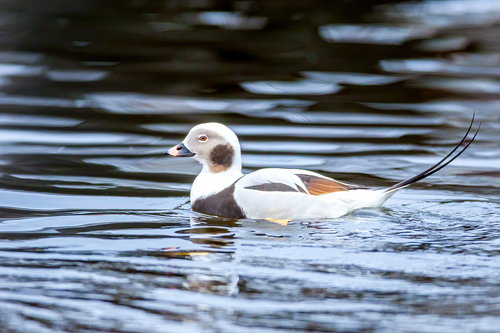
© egorbirder · CC BY · iNaturalist 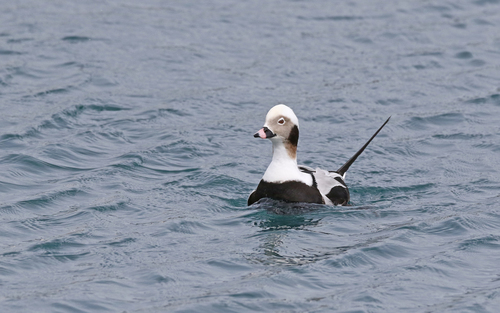
© Christoph Moning · CC BY · iNaturalist 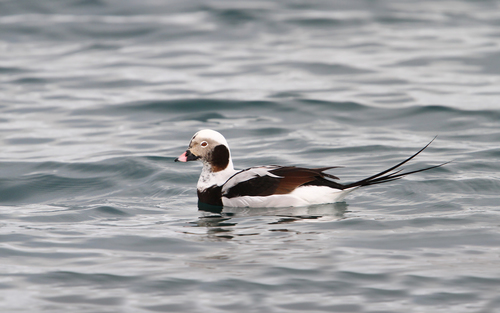
© Christoph Moning · CC BY · iNaturalist 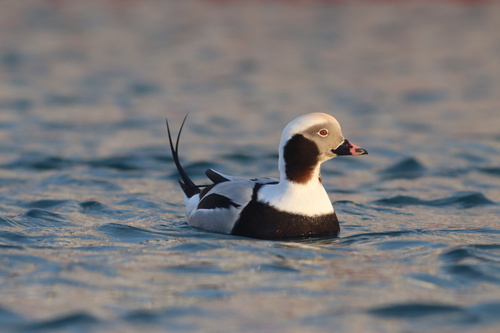
© Vsevolod Rudyi · CC BY · iNaturalist 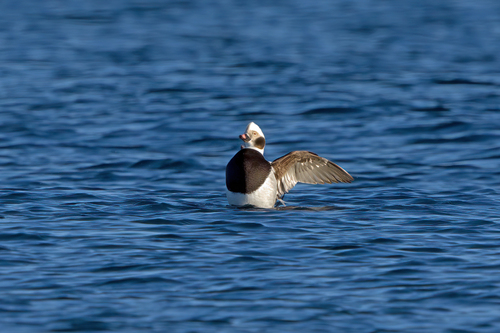
© Nigel Voaden · CC BY · iNaturalist 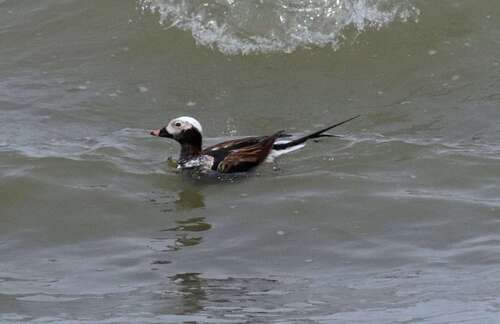
© Pavel Smirnov · CC BY · iNaturalist 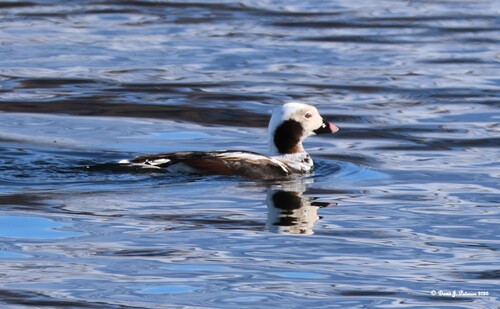
© David Paterson · CC BY · iNaturalist 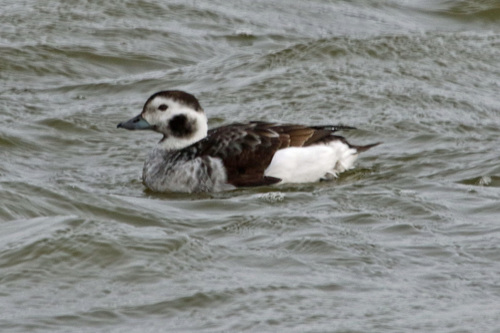
© Roy Lowry · CC BY · iNaturalist 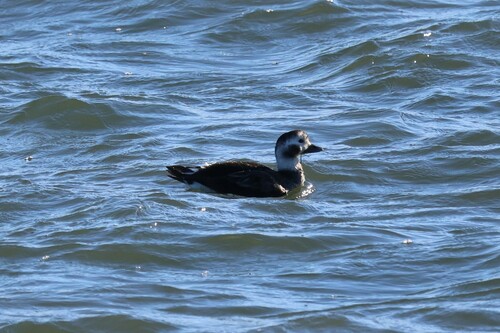
© Diego González Dopico · CC BY · iNaturalist 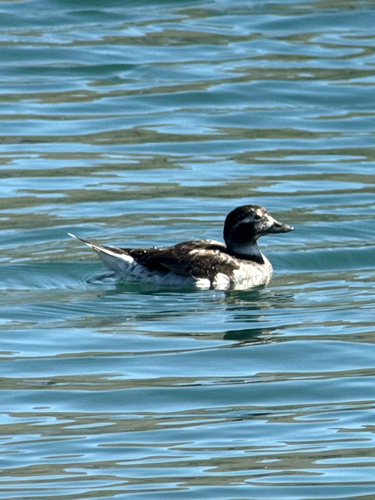
© Ingvild Riska · CC BY · iNaturalist
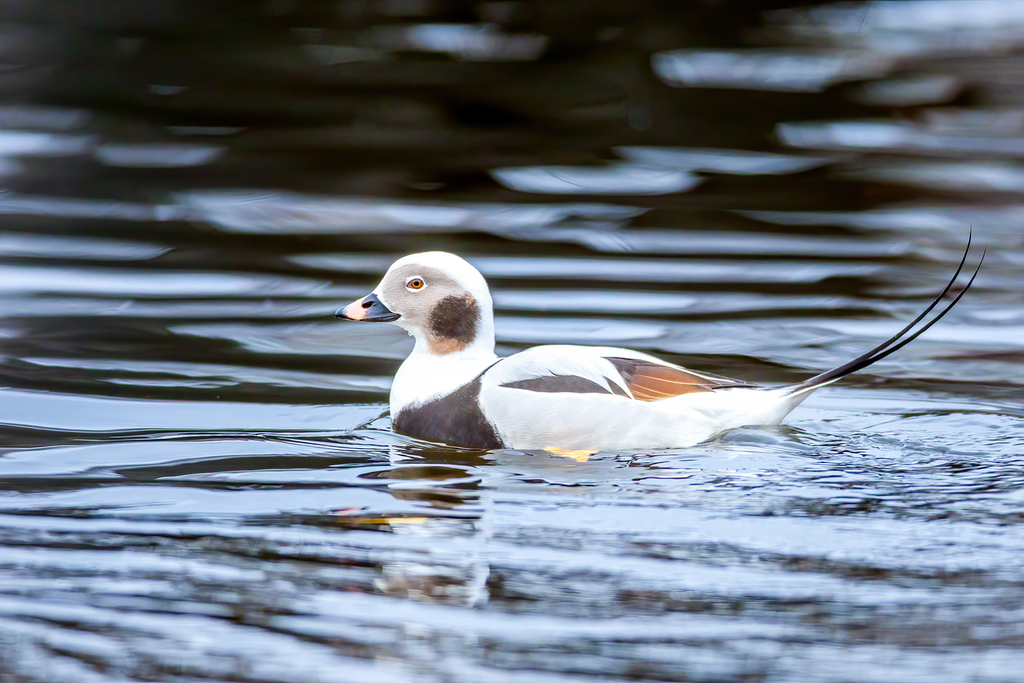
Especies relacionadasRelated species
Otras aves de la familia Anatidae y de órdenes cercanos.Other birds from the Anatidae family and nearby orders.
- LegendarioLegendary
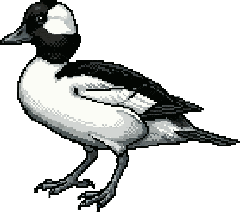 Porrón albeolaBuffleheadBucephala albeola
- LegendarioLegendary
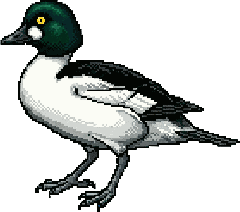 Porrón osculadoCommon GoldeneyeBucephala clangula
- LegendarioLegendary
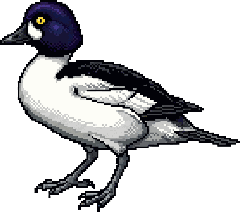 Porrón islándicoBarrow's GoldeneyeBucephala islandica
- LegendarioLegendary
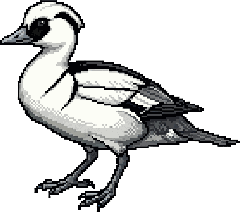 Serreta chicaSmewMergellus albellus
- ÉpicoEpic
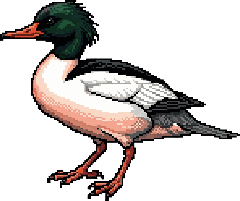 Serreta grandeCommon MerganserMergus merganser
- RaroRare
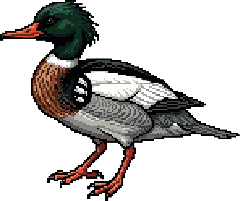 Serreta medianaRed-breasted MerganserMergus serrator
- ÉpicoEpic
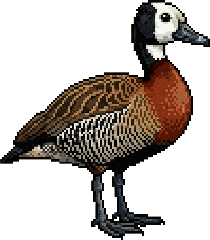 Suirirí cariblancoWhite-faced Whistling DuckDendrocygna viduata
- LegendarioLegendary
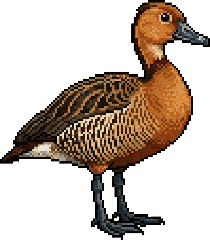 Suirirí bicolorFulvous Whistling DuckDendrocygna bicolor
 Gratis, sin anuncios ni comprasFree, no ads, no purchases