 BirdPedy
Negrón comúnCommon Scoter
En 22 provincias en noviembre y en 6 en junioIn 22 provinces in November and 6 in June
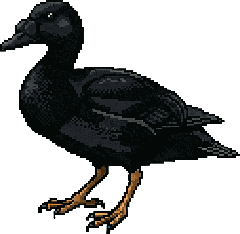
Reporte de rarezaRarity report
Por qué es poco comúnWhy it is uncommonEl pato marino más frecuente durante la invernada en España. Gregario en el mar, se observa principalmente frente a las costas atlánticas y cantábricas, a menudo en grandes bandos distantes de la orilla.The most frequent sea duck in winter in Spain. Gregarious at sea, it is seen mainly off the Atlantic and Cantabrian coasts, often in large flocks far from the shore.
Cada carrizo es un mes: su altura, las provincias con registros de 2020 a 2024.Each reed is a month: its height, the provinces with records from 2020 to 2024.- Provincias con registrosProvinces with records
- 28 de 52of 52
- En la appIn the app
- Septiembre a abrilSeptember to April
- EnvergaduraWingspan
- 70-84 cm70-84 cm
- LongitudLength
- 44-54 cm44-54 cm
- Lista Roja de EspañaSpanish Red List
- NE No evaluada en EspañaNot assessed in Spain

Información generalGeneral Information
A lo largo del invierno, no es infrecuente observar en las inmediaciones de las costas cántabro-atlánticas o en el litoral gaditano pequeños grupos de unas aves negras que se zambullen activamente a la búsqueda de moluscos. Se trata de negrones comunes, unos patos de tendencias marinas que todos los años aparecen en cierto número en las costas ibéricas, donde esperarán hasta que las condiciones climáticas sean más favorables en las altas latitudes donde se reproducen.The Common Scoter is a true bird of the open ocean. It spends most of the winter far from land, diving for shellfish and crustaceans. It only comes to shore during storms or to rest in large estuaries like the Gulf of Cadiz or the Cantabrian rías. It is a summer visitor from the Arctic tundra to our winter seas. Large numbers move through the Strait of Gibraltar during migration.
IdentificaciónIdentification
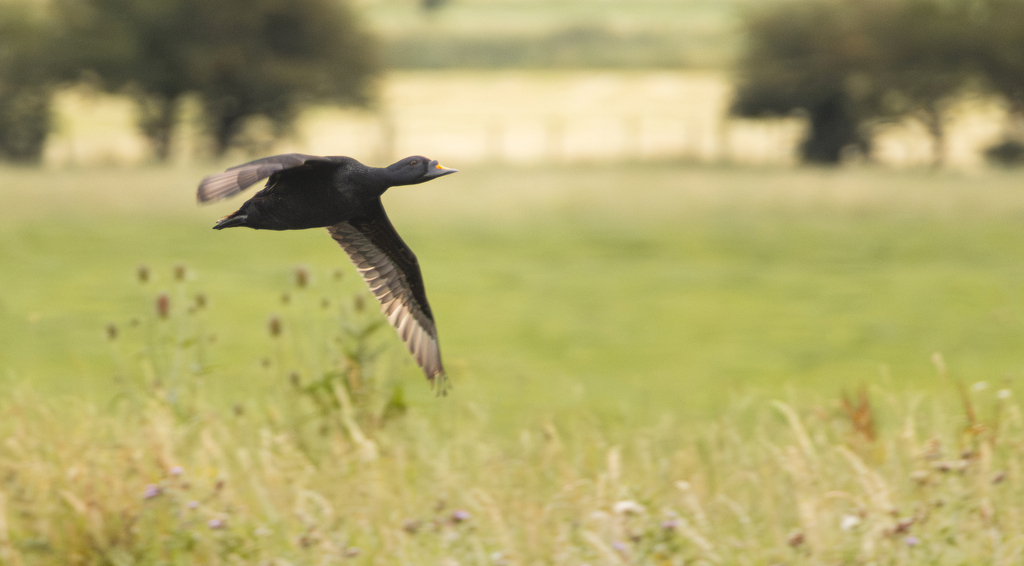
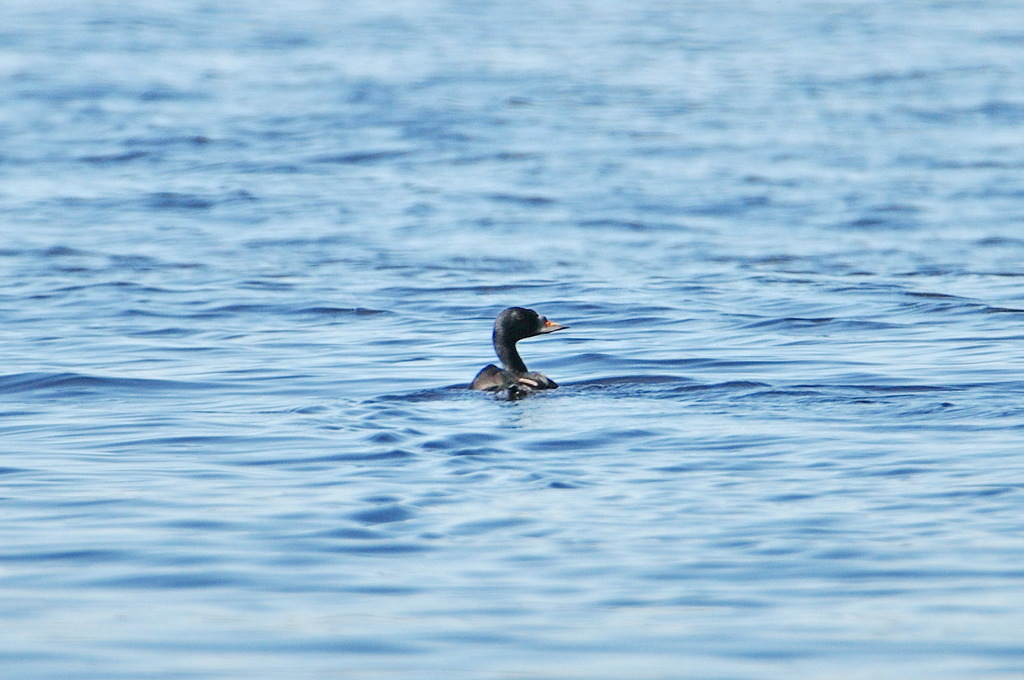
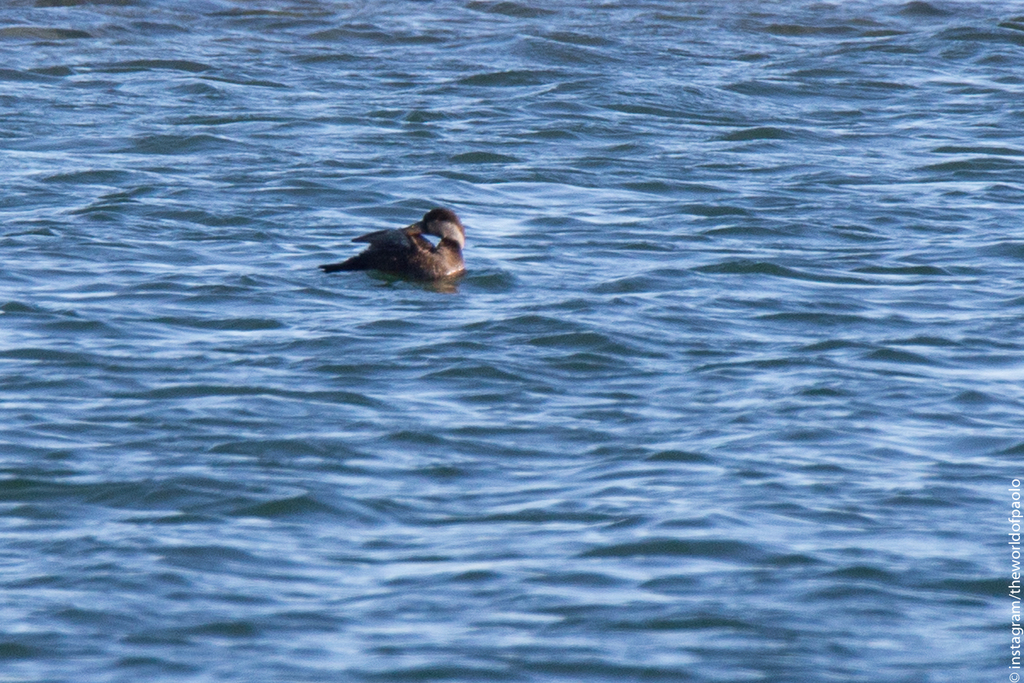
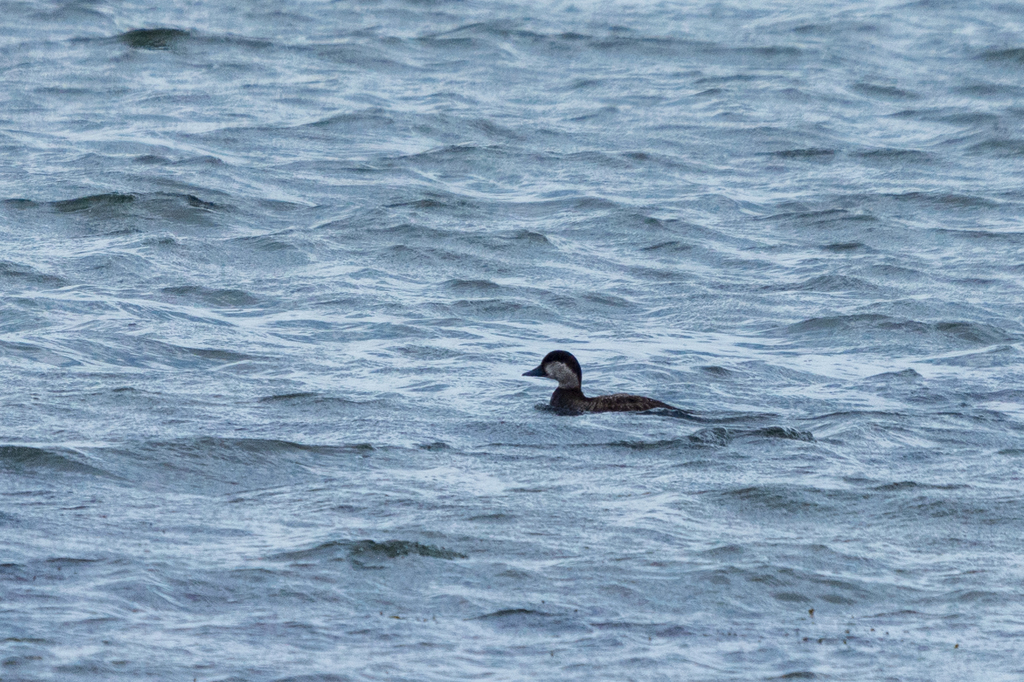
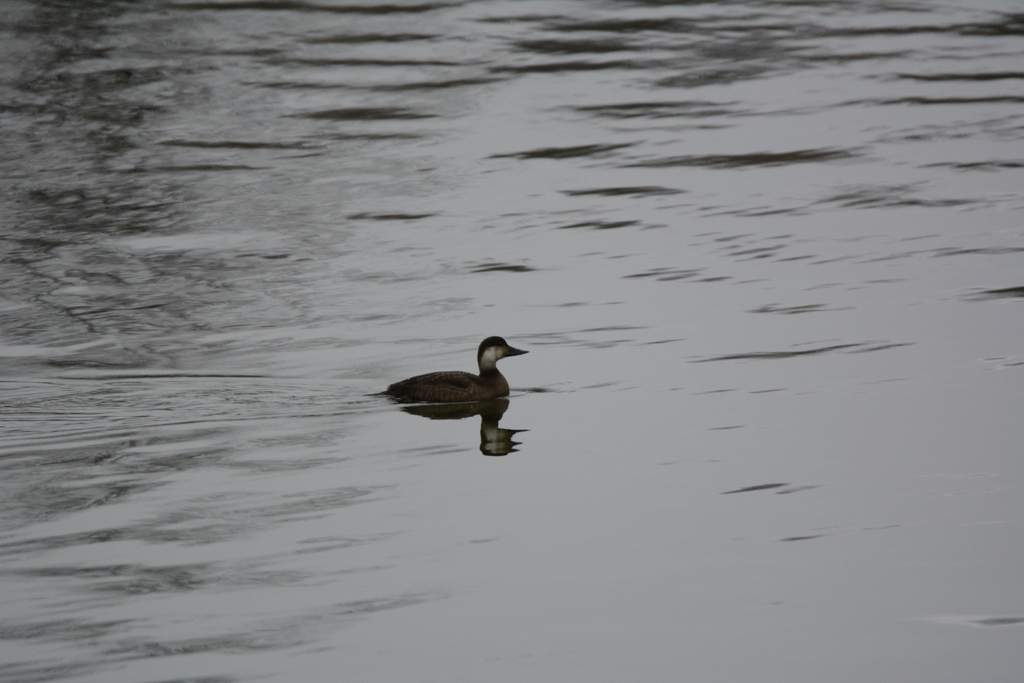
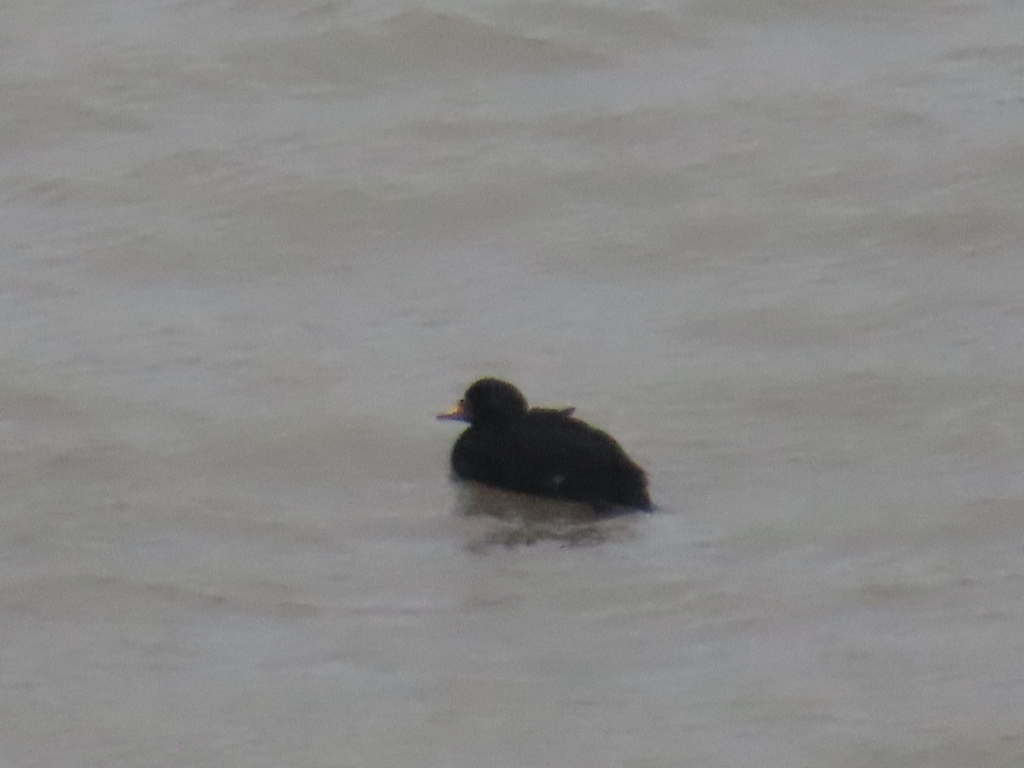
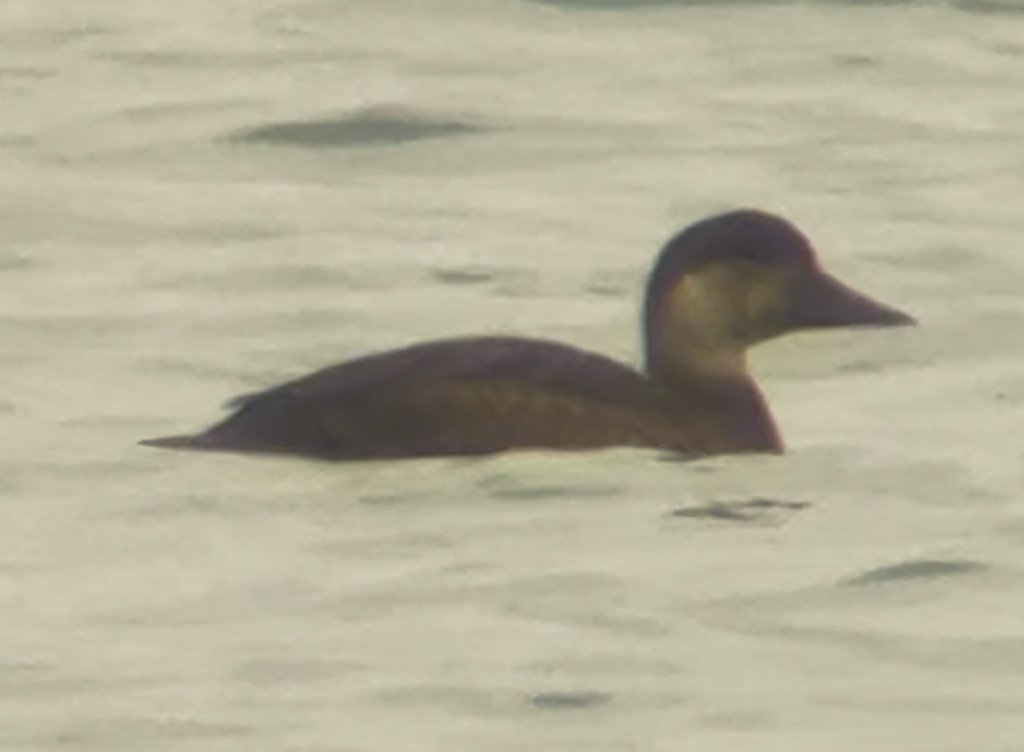
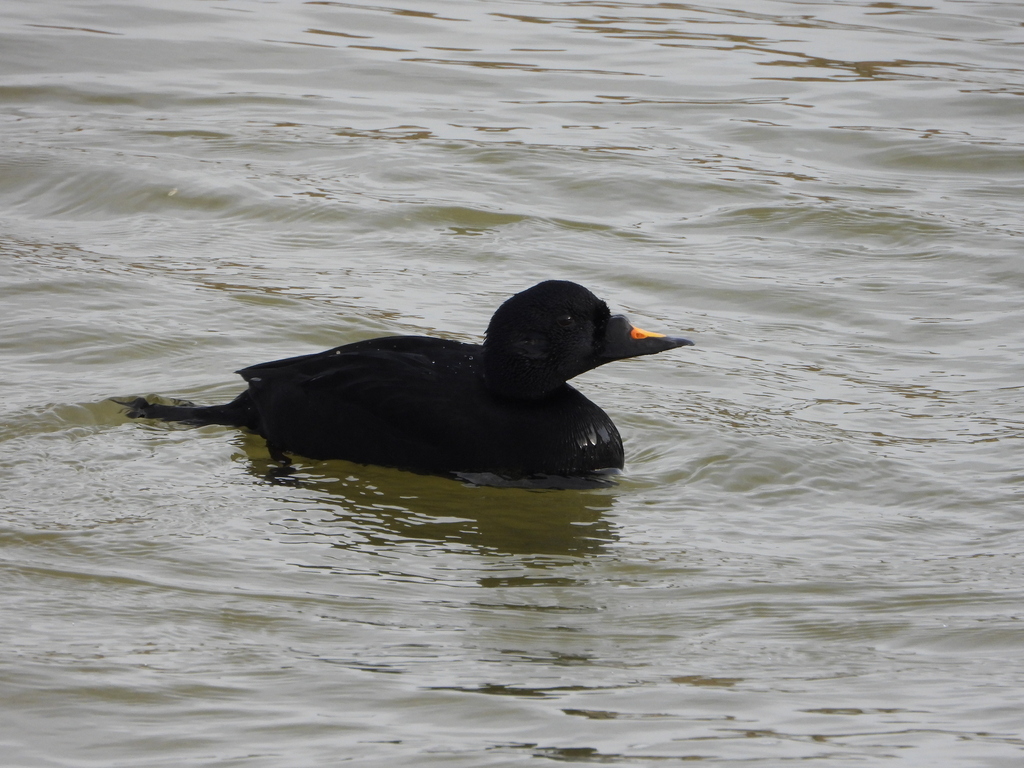
Se trata de un pato marino de ancho pico, larga cola apuntada y plumaje muy oscuro. El macho adulto es completamente negro, a excepción de una porción del pico, que es anaranjada. En vuelo se ve muy oscuro, aunque con las primarias algo pálidas. La hembra es gris pardo muy oscuro, con las mejillas y parte del cuello de color marrón claro. El joven, aunque similar a la hembra, resulta ligeramente más oscuro. En vuelo ambos presentan las primarias algo más pálidas.A medium-sized, entirely black sea duck with a long, pointed tail. Males have a diagnostic bright orange-yellow patch on their otherwise black bill. Females are a uniform dark brownish-gray with noticeably pale, grayish cheeks. It is the most common of the scoters in Spain, often seen in large, bobbing rafts far out at sea or flying in long, low lines over the waves.
DistribuciónDistribution
Se presenta durante el invierno y la época de paso en aguas del Cantábrico y el Atlántico (un buen número inverna en el norte de Portugal), así como del golfo de Cádiz y, más escasamente, las costas levantinas. En nuestro territorio está presente mayoritariamente la subespecie nigra, pero hay algunas citas de la subespecie americana.Widespread winter visitor and migrant. Common along the Cantabrian, Atlantic, and Southwest (Cadiz) coasts. More local on the Mediterranean. Subspecies 'nigra'.
Textos reproducidos con permiso de laTexts translated and reproduced with permission from the Guía de Aves de España © SEO/BirdLife
Estado de conservaciónConservation Status
- EX
- RE
- CR
- EN
- VU
- NT
- LC
NE
No evaluada en EspañaNot assessed in Spain
Qué significa cada categoríaWhat each category means
- LC
- Preocupación menor: Taxón evaluado que no califica para categorías amenazadas. Especies abundantes y ampliamente distribuidasLeast Concern - Evaluated taxon that does not qualify for threatened categories. Widespread and abundant taxa
- NT
- Casi amenazada: No califica actualmente como amenazada, pero está cerca de calificar o es probable que califique en el futuro cercanoNear Threatened - Does not currently qualify as threatened, but is close to qualifying or likely to qualify in the near future
- VU
- Vulnerable: Enfrenta un alto riesgo de extinción en estado silvestre según los criterios A a E de IUCNVulnerable - Facing a high risk of extinction in the wild based on IUCN criteria A to E
- EN
- En peligro: Enfrenta un riesgo muy alto de extinción en estado silvestre según los criterios A a E de IUCNEndangered - Facing a very high risk of extinction in the wild based on IUCN criteria A to E
- CR
- En peligro crítico: Enfrenta un riesgo extremadamente alto de extinción en estado silvestre según los criterios A a E de IUCNCritically Endangered - Facing an extremely high risk of extinction in the wild based on IUCN criteria A to E
- DD
- Datos insuficientes: Información inadecuada para evaluar el riesgo de extinción basándose en distribución o estado poblacionalData Deficient - Inadequate information to assess extinction risk based on distribution and/or population status
- NE
- No evaluada: No ha sido evaluada aún contra los criterios de la Lista Roja de IUCNNot Evaluated - Has not yet been assessed against the IUCN Red List criteria
- RE
- Extinta regionalmente: El taxón ya no existe en la región específica, aunque puede sobrevivir en otros lugaresRegionally Extinct - Taxon no longer exists in the specific region, though it may survive elsewhere
- EX
- Extinta - No existe duda razonable de que ha muerto el último individuo del taxónExtinct - No reasonable doubt that the last individual of the taxon has died
TaxonomíaTaxonomy
- OrdenOrder
- Anseriformes
- FamiliaFamily
- Anatidae
Presencia en EspañaPresence in Spain
- HabitualRegular
- InvernanteWinter visitor
En la app: septiembre a abril.In the app: September to April.
Dónde verlaWhere to see it
171 cuadrículas de 10 km con registros de 2020 a 2024. Toca un mes para ver dónde se ha visto.171 10 km squares with records from 2020 to 2024. Pick a month to see where it has been seen.
Cargando el mapa…Loading the map…
Dónde es regularWhere it is regular
Provincias con registros en al menos 3 de los 5 años algún mes, de más a menos frecuente, y sus mejores meses.Provinces with records in at least 3 of the 5 years in some month, from most to least frequent, and their best months.
- A CoruñaA Coruñaagosto, septiembre, octubreAugust, September, October
- PontevedraPontevedradiciembre, agosto, eneroDecember, August, January
- CantabriaCantabriadiciembre, noviembre, eneroDecember, November, January
- LugoLugonoviembre, agosto, septiembreNovember, August, September
- AsturiasAsturiasnoviembre, octubre, diciembreNovember, October, December
- GuipúzcoaGuipúzcoanoviembre, diciembre, octubreNovember, December, October
- VizcayaVizcayanoviembre, octubre, septiembreNovember, October, September
- TarragonaTarragonafebrero, enero, diciembreFebruary, January, December
- ValenciaValenciadiciembre, febrero, noviembreDecember, February, November
- MálagaMálagaenero, diciembre, noviembreJanuary, December, November
Ver las 16 provinciasSee all 16 provinces
- CádizCádizdiciembre, noviembre, eneroDecember, November, January
- AlmeríaAlmeríadiciembreDecember
- HuelvaHuelvaenero, noviembre, abrilJanuary, November, April
- MurciaMurciadiciembreDecember
- BarcelonaBarcelonadiciembreDecember
- AlicanteAlicantenoviembreNovember
Datos: registros en GBIF de 2020 a 2024 de Observation.org, eBird, iNaturalist y el ICO, descargados el 23/10/2026.Data: GBIF records from 2020 to 2024 from Observation.org, eBird, iNaturalist and the ICO, downloaded on 23/10/2026. GBIF.org (23 October 2026) GBIF Occurrence Download · doi:10.15468/dl.r5sf2a · CC BY-NC 4.0
GaleríaGallery
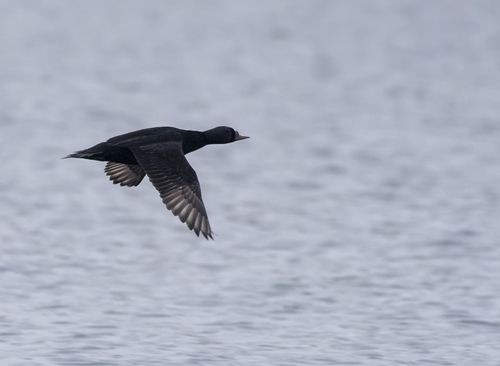
© Griha Hasanov · CC BY · iNaturalist 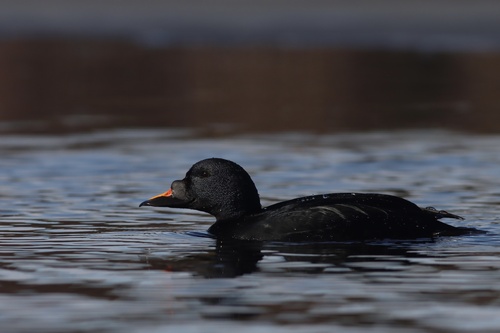
© Vsevolod Rudyi · CC BY · iNaturalist 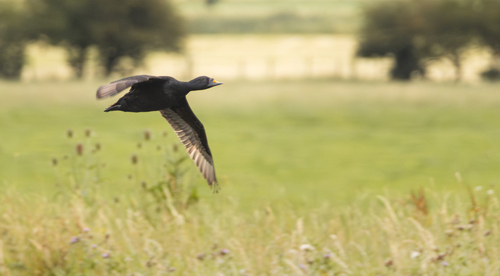
© Owen · CC BY · iNaturalist 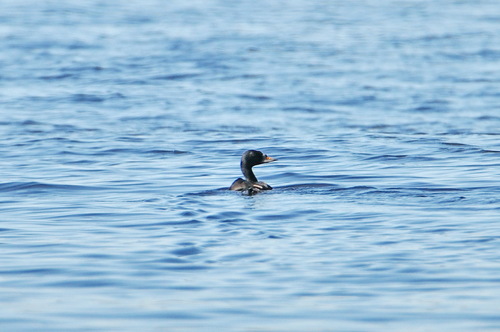
© Viktor N. Chekan · CC BY · iNaturalist 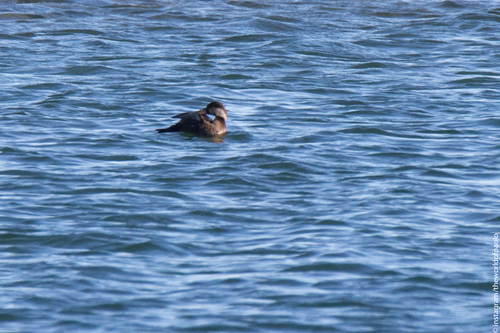
© Paolo Zucca · CC BY · iNaturalist 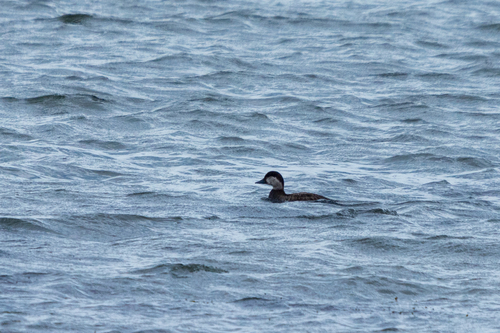
© Людмила Алимова · CC BY · iNaturalist 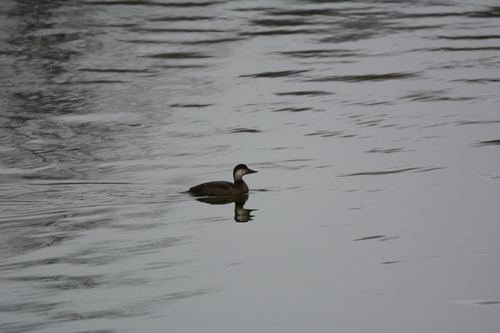
© Ульяна Лалак · CC BY · iNaturalist 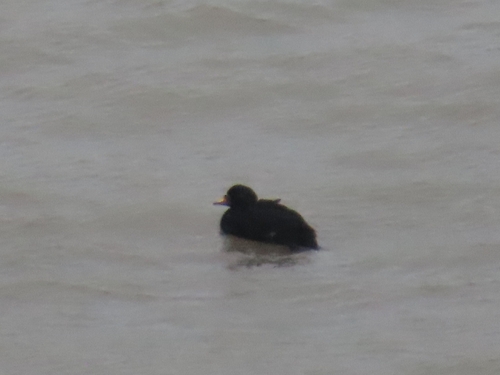
© Robin Fokker · CC BY · iNaturalist 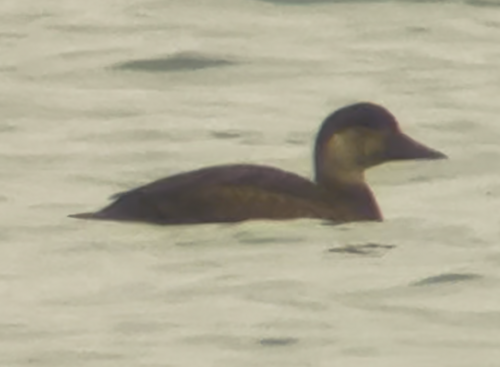
© Paolo Zucca · CC BY · iNaturalist 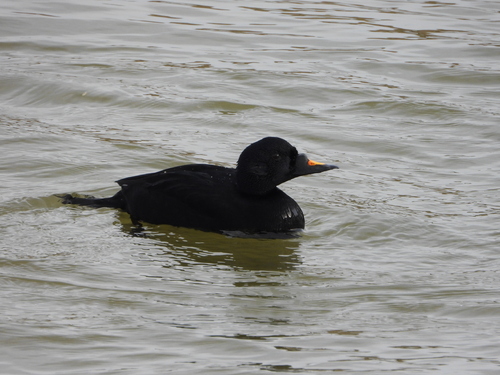
© Maria · CC BY · iNaturalist
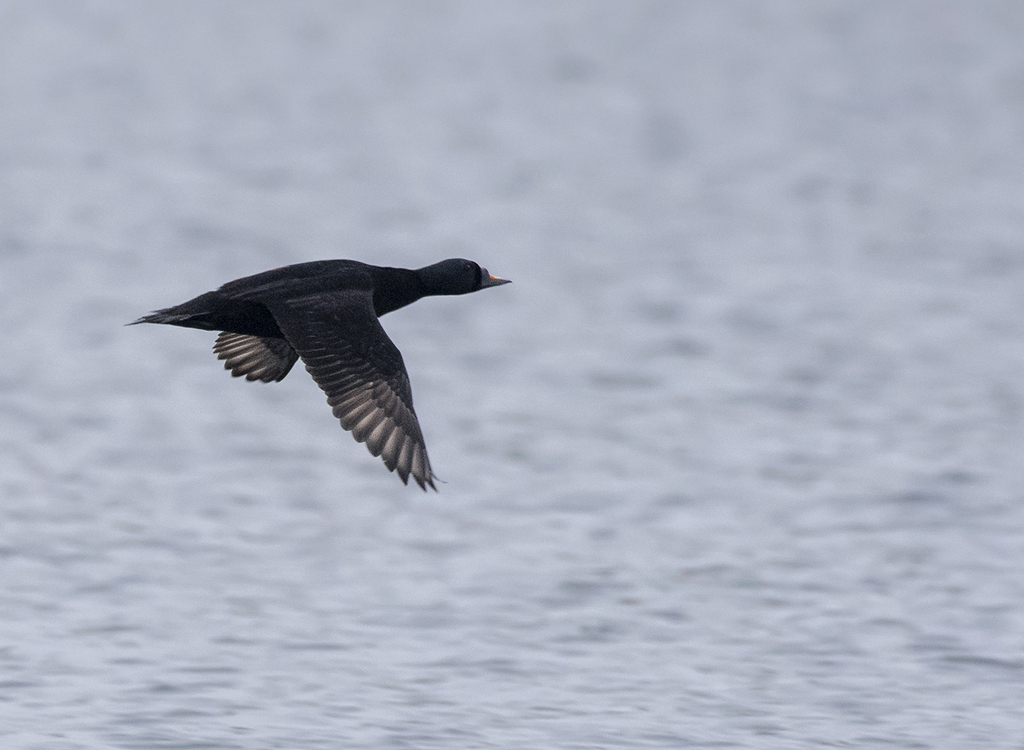

Especies relacionadasRelated species
Otras aves de la familia Anatidae y de órdenes cercanos.Other birds from the Anatidae family and nearby orders.
- LegendarioLegendary
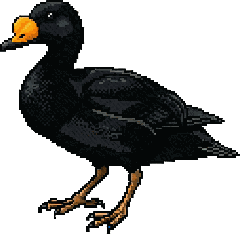 Negrón americanoBlack ScoterMelanitta americana
- RaroRare
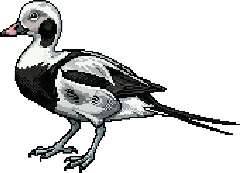 Pato haveldaLong-tailed DuckClangula hyemalis
- LegendarioLegendary
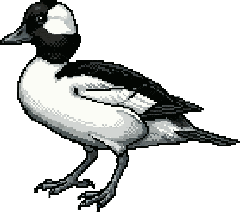 Porrón albeolaBuffleheadBucephala albeola
- LegendarioLegendary
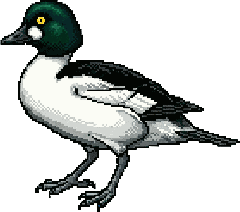 Porrón osculadoCommon GoldeneyeBucephala clangula
- LegendarioLegendary
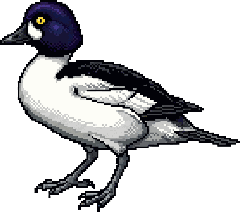 Porrón islándicoBarrow's GoldeneyeBucephala islandica
- LegendarioLegendary
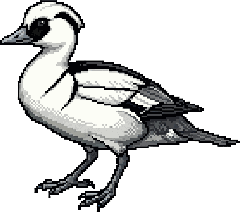 Serreta chicaSmewMergellus albellus
- ÉpicoEpic
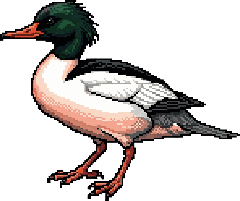 Serreta grandeCommon MerganserMergus merganser
- RaroRare
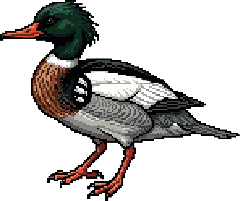 Serreta medianaRed-breasted MerganserMergus serrator
 Gratis, sin anuncios ni comprasFree, no ads, no purchases