 BirdPedy
Roquero solitarioBlue Rock Thrush
En 50 provincias en abril y en 46 en eneroIn 50 provinces in April and 46 in January
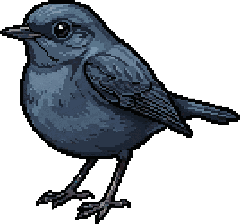
Reporte de rarezaRarity report
Por qué es comúnWhy it is commonEntre 2020 y 2024 se vio en España en 7.351 ocasiones distintas, repartidas en 1.827 días, todos los años (datos de Observation.org, eBird, iNaturalist y el ICO publicados en GBIF). En la provincia mediana, 1 de cada 760 registros de aves es suyo. En la guía de aves de SEO/BirdLife figura como habitual en España.Between 2020 and 2024 it was seen in Spain on 7,351 separate occasions, spread over 1,827 days, every year (data from Observation.org, eBird, iNaturalist and ICO published on GBIF). In the median province, 1 in every 760 bird records is of this species. SEO/BirdLife's bird guide lists it as regular in Spain.
Cada carrizo es un mes: su altura, las provincias con registros de 2020 a 2024.Each reed is a month: its height, the provinces with records from 2020 to 2024.- Provincias con registrosProvinces with records
- 51 de 52of 52
- En la appIn the app
- Todo el añoAll year
- EnvergaduraWingspan
- 33-37 cm33-37 cm
- LongitudLength
- 21-23 cm21-23 cm
- Lista Roja de EspañaSpanish Red List
- LC Preocupación menorLeast Concern

Información generalGeneral Information
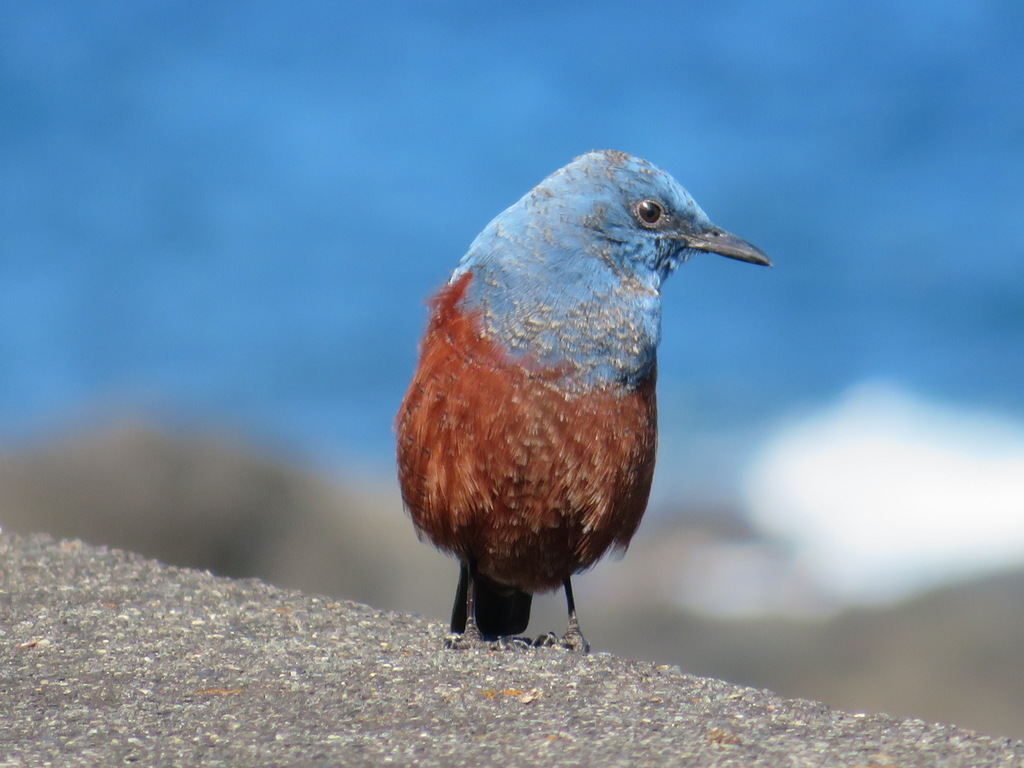
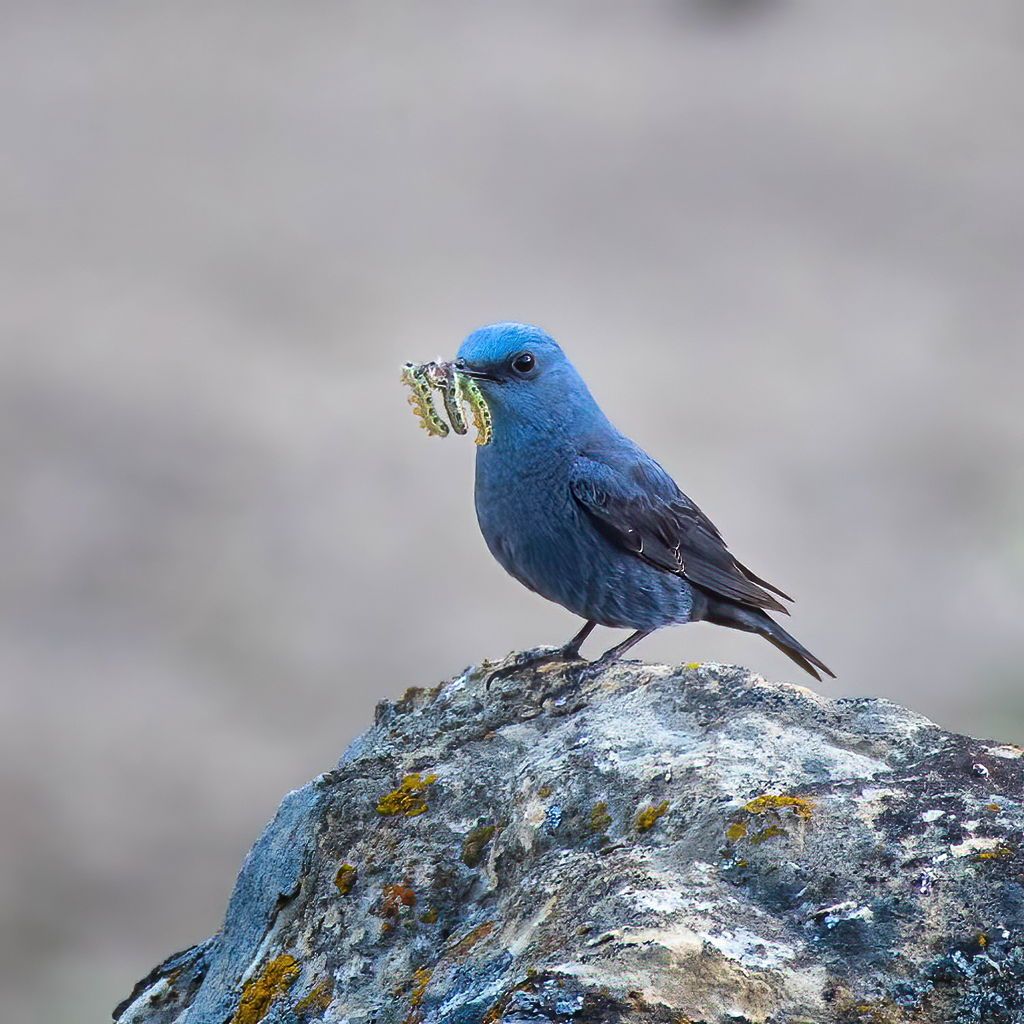
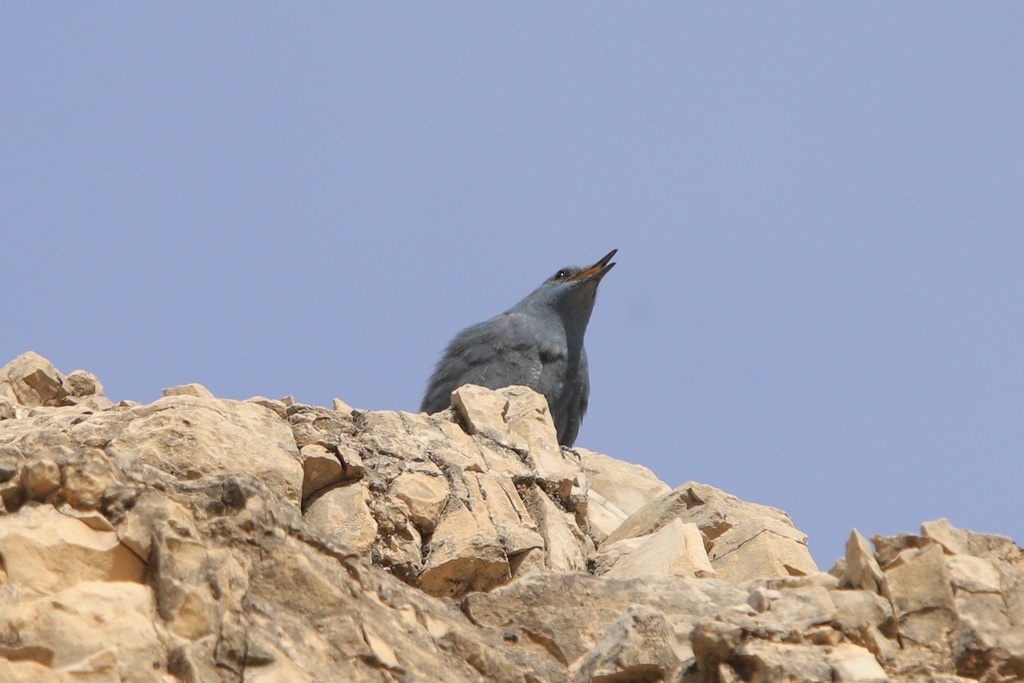
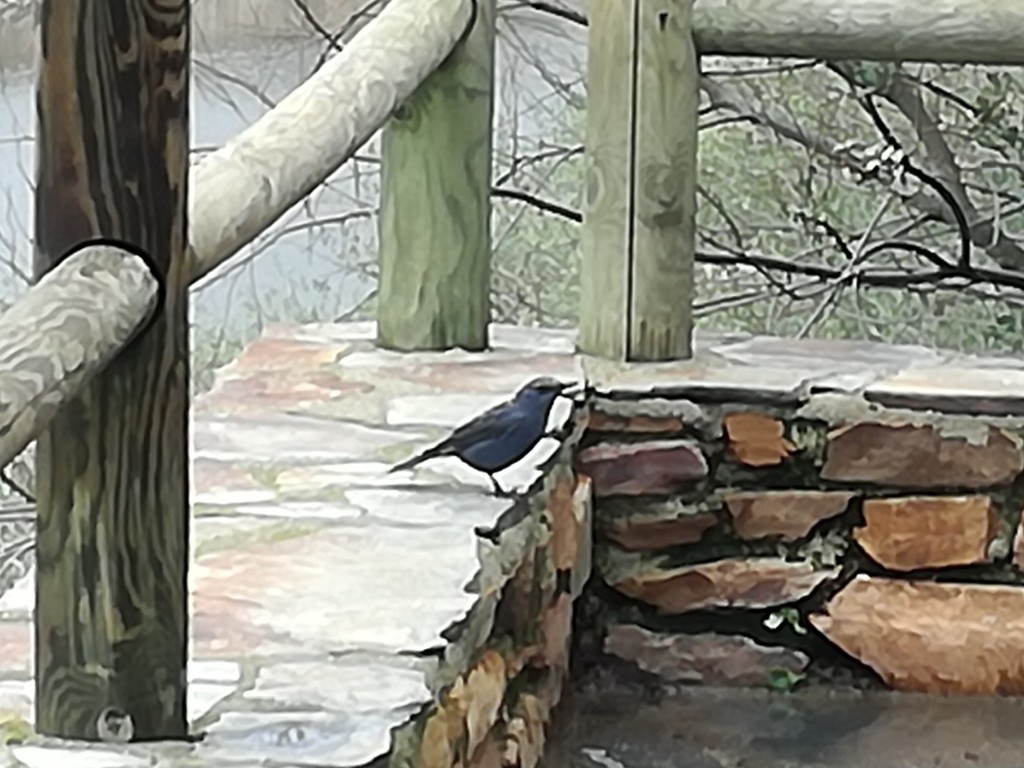
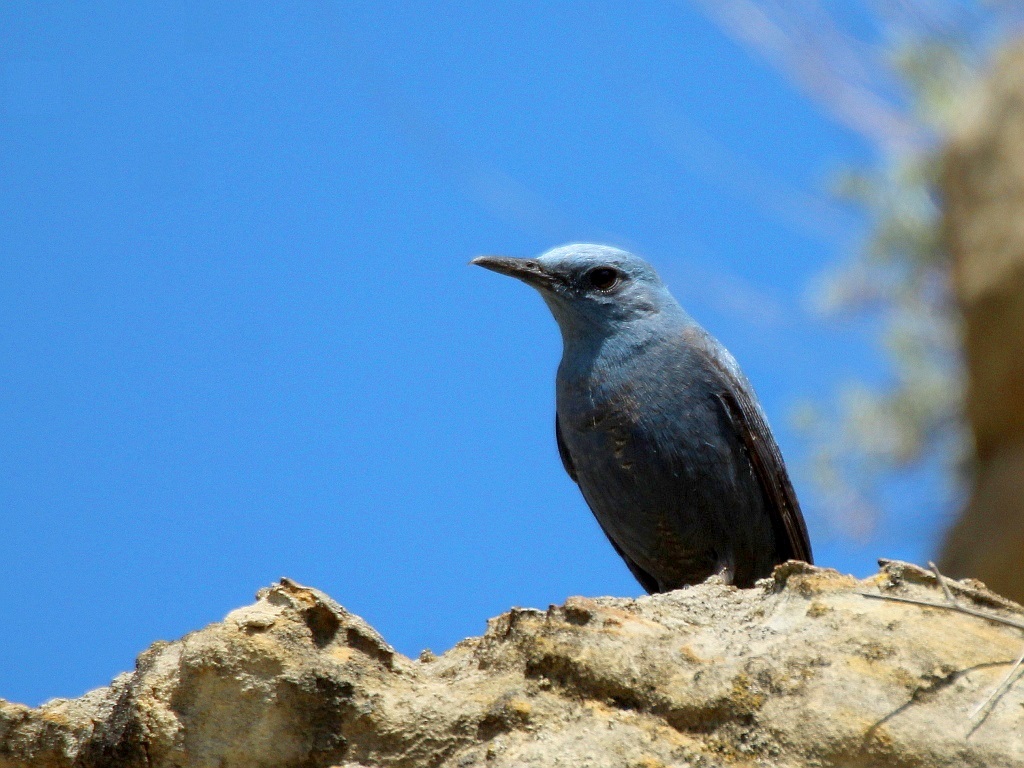
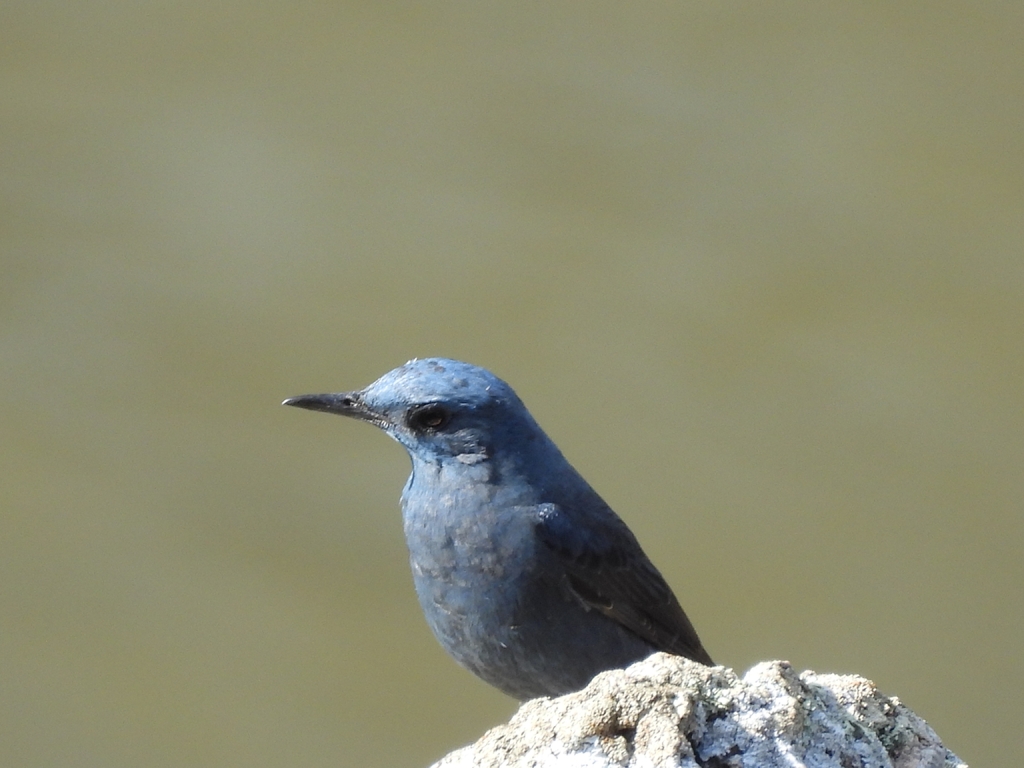
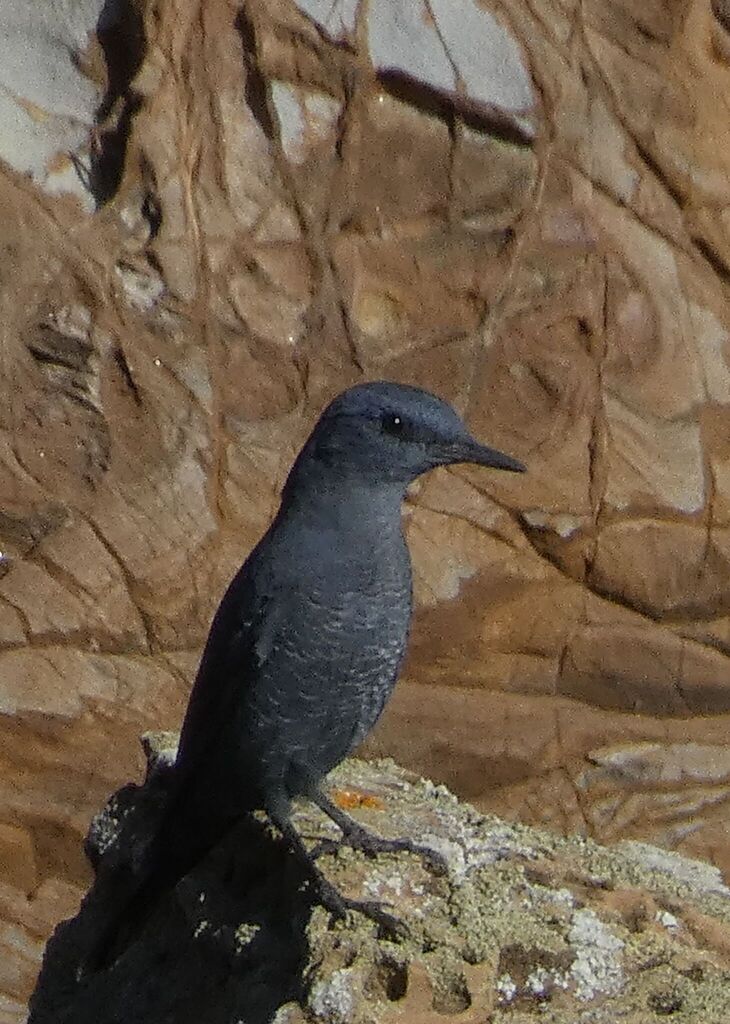
El nombre popular de roquero es bien expresivo de la preferencia de este pájaro por zonas rocosas. Se suele ver posado, erguido en puntos dominantes de roquedos. El macho resulta inconfundible por su color azul oscuro, mientras que la hembra tiene un plumaje más discreto y es más tímida.As its name suggests, this bird is a true rock-dweller. It is the quintessential bird of Mediterranean gorges, sea cliffs, and castle ruins. While the Common Rock Thrush stays in the high peaks, the Blue Rock Thrush thrives in the sun-baked, lower altitude ravines and coastal areas. It is a hardy resident in most of its Spanish range, adding a touch of vibrant blue to our most rugged landscapes.
IdentificaciónIdentification
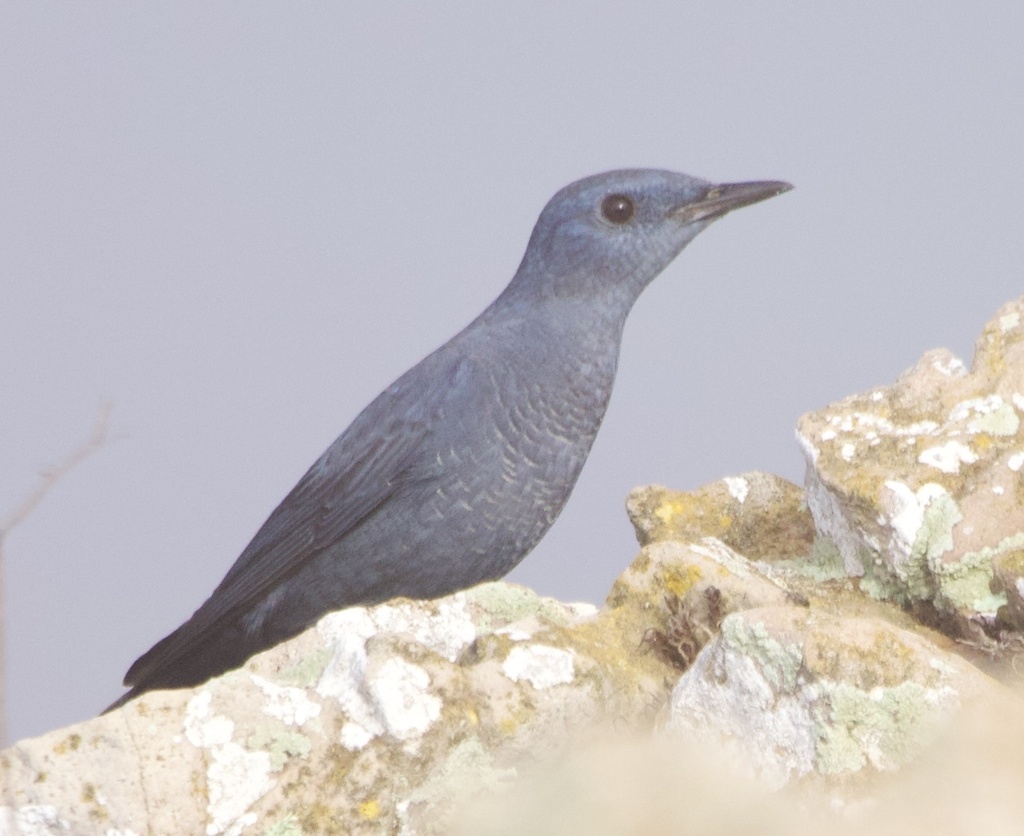
Los roqueros solitarios se reconocen con facilidad. El macho posee un plumaje azul oscuro muy característico. La hembra tiene una librea gris o gris-parda, y en las partes inferiores presenta un suave jaspeado con motas blancas. Se pueden confundir con los mirlos, pero estos son más grandes y corpulentos, y los roqueros mucho más estilizados y colilargos. Además, a diferencia de aquellos, suelen habitar en zonas rocosas. Es frecuente verlo posado en lo alto de una roca, recortado sobre el paisaje de fondo.The male is unmistakable with its solid, deep indigo-blue plumage that can look blackish in poor light. The female is more discreet, with grayish-brown upper parts and fine scaly mottling on the breast. It has a more slender silhouette and a longer tail than common thrushes or blackbirds, which it often resembles from a distance. It has a very upright posture and a habit of nervously flicking its tail and wings.
DistribuciónDistribution
El roquero solitario manifiesta una acusada preferencia por los cañones, acantilados y montañas de la España seca o mediterránea, aunque también aparece en acantilados costeros del norte y sistema Central, por donde se adentra hacia Extremadura. Resulta común en toda la cara sur del Pirineo, el Sistema Ibérico norte y sur, los Montes de Toledo, Las Villuercas, Sierra Morena, las sierras béticas, Baleares, Ceuta y Melilla. Sin embargo, escasea en la Cordillera Cantábrica, los montes galaicos, en las grandes mesetas agrícolas de Castilla y León y Castilla-La Mancha y las depresiones del Guadiana y el Guadalquivir. Las poblaciones españolas se asignan a la subespecie solitarius.Widespread throughout the 'Dry Spain'—canyons, cliffs, and mountain ranges of the Mediterranean and central regions. Common in the southern Pyrenees, Ebro Valley, Central and Iberian Systems, Extremadura, and Andalusia. Present in the Balearics, Ceuta, and Melilla. Absent from Canary Islands. Subspecies 'solitarius'.
Textos reproducidos con permiso de laTexts translated and reproduced with permission from the Guía de Aves de España © SEO/BirdLife
Estado de conservaciónConservation Status
- EX
- RE
- CR
- EN
- VU
- NT
- LC
Preocupación menorLeast Concern
Qué significa cada categoríaWhat each category means
- LC
- Preocupación menor: Taxón evaluado que no califica para categorías amenazadas. Especies abundantes y ampliamente distribuidasLeast Concern - Evaluated taxon that does not qualify for threatened categories. Widespread and abundant taxa
- NT
- Casi amenazada: No califica actualmente como amenazada, pero está cerca de calificar o es probable que califique en el futuro cercanoNear Threatened - Does not currently qualify as threatened, but is close to qualifying or likely to qualify in the near future
- VU
- Vulnerable: Enfrenta un alto riesgo de extinción en estado silvestre según los criterios A a E de IUCNVulnerable - Facing a high risk of extinction in the wild based on IUCN criteria A to E
- EN
- En peligro: Enfrenta un riesgo muy alto de extinción en estado silvestre según los criterios A a E de IUCNEndangered - Facing a very high risk of extinction in the wild based on IUCN criteria A to E
- CR
- En peligro crítico: Enfrenta un riesgo extremadamente alto de extinción en estado silvestre según los criterios A a E de IUCNCritically Endangered - Facing an extremely high risk of extinction in the wild based on IUCN criteria A to E
- DD
- Datos insuficientes: Información inadecuada para evaluar el riesgo de extinción basándose en distribución o estado poblacionalData Deficient - Inadequate information to assess extinction risk based on distribution and/or population status
- NE
- No evaluada: No ha sido evaluada aún contra los criterios de la Lista Roja de IUCNNot Evaluated - Has not yet been assessed against the IUCN Red List criteria
- RE
- Extinta regionalmente: El taxón ya no existe en la región específica, aunque puede sobrevivir en otros lugaresRegionally Extinct - Taxon no longer exists in the specific region, though it may survive elsewhere
- EX
- Extinta - No existe duda razonable de que ha muerto el último individuo del taxónExtinct - No reasonable doubt that the last individual of the taxon has died
TaxonomíaTaxonomy
- OrdenOrder
- Passeriformes
- FamiliaFamily
- Muscicapidae
Presencia en EspañaPresence in Spain
- HabitualRegular
- ResidenteResident
En la app: todo el año.In the app: all year.
Dónde verlaWhere to see it
2.335 cuadrículas de 10 km con registros de 2020 a 2024. Toca un mes para ver dónde se ha visto.2,335 10 km squares with records from 2020 to 2024. Pick a month to see where it has been seen.
Cargando el mapa…Loading the map…
Dónde es regularWhere it is regular
Provincias con registros en al menos 3 de los 5 años algún mes, de más a menos frecuente, y sus mejores meses.Provinces with records in at least 3 of the 5 years in some month, from most to least frequent, and their best months.
- JaénJaéndiciembre, enero, febreroDecember, January, February
- MálagaMálagajunio, octubre, septiembreJune, October, September
- BalearesBalearic Islandsjunio, julio, octubreJune, July, October
- CáceresCáceresabril, mayo, marzoApril, May, March
- AlmeríaAlmeríaoctubre, noviembre, septiembreOctober, November, September
- GranadaGranadaabril, mayo, junioApril, May, June
- GuadalajaraGuadalajarajunio, mayo, abrilJune, May, April
- CeutaCeutanoviembre, enero, febreroNovember, January, February
- SegoviaSegoviamayo, abril, junioMay, April, June
- CastellónCastellónoctubre, enero, mayoOctober, January, May
Ver las 48 provinciasSee all 48 provinces
- BadajozBadajozmayo, abril, marzoMay, April, March
- CuencaCuencaagosto, mayo, abrilAugust, May, April
- TeruelTerueljunio, septiembre, abrilJune, September, April
- AlbaceteAlbacetediciembre, enero, febreroDecember, January, February
- AlicanteAlicantejunio, mayo, abrilJune, May, April
- SoriaSoriaabril, mayo, junioApril, May, June
- La RiojaLa Riojamayo, junio, abrilMay, June, April
- MurciaMurciaoctubre, noviembre, diciembreOctober, November, December
- CádizCádizoctubre, septiembre, noviembreOctober, September, November
- BarcelonaBarcelonajunio, julio, mayoJune, July, May
- HuescaHuescaenero, noviembre, diciembreJanuary, November, December
- ÁvilaÁvilajunio, septiembre, mayoJune, September, May
- ValenciaValenciamayo, junio, abrilMay, June, April
- LleidaLleidaenero, septiembre, diciembreJanuary, September, December
- ZaragozaZaragozaoctubre, mayo, febreroOctober, May, February
- CórdobaCórdobaoctubre, agosto, junioOctober, August, June
- ToledoToledonoviembre, febrero, marzoNovember, February, March
- SalamancaSalamancamarzo, junio, abrilMarch, June, April
- ÁlavaÁlavajunio, abril, mayoJune, April, May
- GironaGironajunio, mayo, octubreJune, May, October
- TarragonaTarragonaabril, octubre, junioApril, October, June
- ZamoraZamoramayo, abril, marzoMay, April, March
- MadridMadridjunio, octubre, mayoJune, October, May
- Ciudad RealCiudad Realoctubre, enero, abrilOctober, January, April
- SevillaSevillaoctubre, febrero, diciembreOctober, February, December
- VizcayaVizcayajunio, julio, mayoJune, July, May
- HuelvaHuelvaseptiembre, octubre, mayoSeptember, October, May
- OurenseOurensemayoMay
- NavarraNavarrajulio, mayo, octubreJuly, May, October
- LeónLeónjunio, abril, mayoJune, April, May
- BurgosBurgosenero, junio, julioJanuary, June, July
- ValladolidValladolidjunio, marzo, julioJune, March, July
- CantabriaCantabriajulio, mayo, junioJuly, May, June
- PontevedraPontevedranoviembre, mayo, julioNovember, May, July
- AsturiasAsturiasjunio, mayo, agostoJune, May, August
- A CoruñaA Coruñaabril, marzo, junioApril, March, June
- LugoLugoabril, mayoApril, May
- GuipúzcoaGuipúzcoajunio, abrilJune, April
Datos: registros en GBIF de 2020 a 2024 de Observation.org, eBird, iNaturalist y el ICO, descargados el 23/10/2026.Data: GBIF records from 2020 to 2024 from Observation.org, eBird, iNaturalist and the ICO, downloaded on 23/10/2026. GBIF.org (23 October 2026) GBIF Occurrence Download · doi:10.15468/dl.r5sf2a · CC BY-NC 4.0
GaleríaGallery

© Marco Mussita · CC BY · iNaturalist 
© Ani Sarkisyan · CC BY · iNaturalist 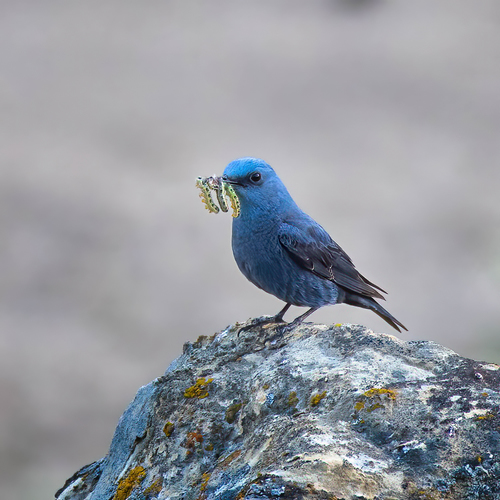
© egorbirder · CC BY · iNaturalist 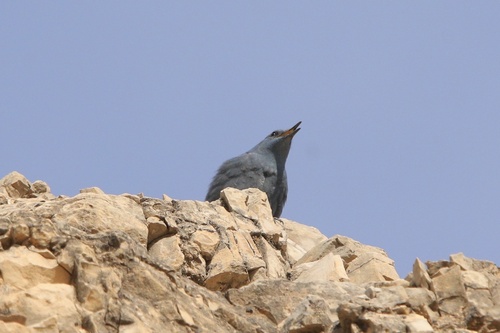
© eloise kerroux · CC BY · iNaturalist 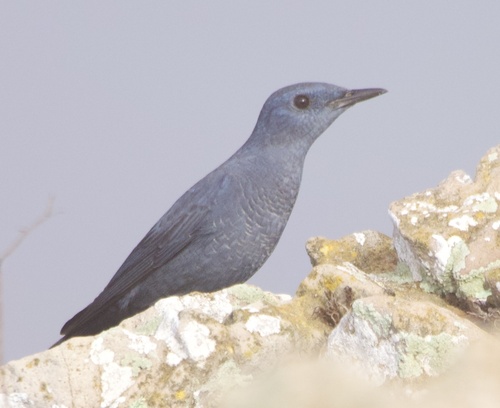
© Morgan Caygill · CC BY · iNaturalist 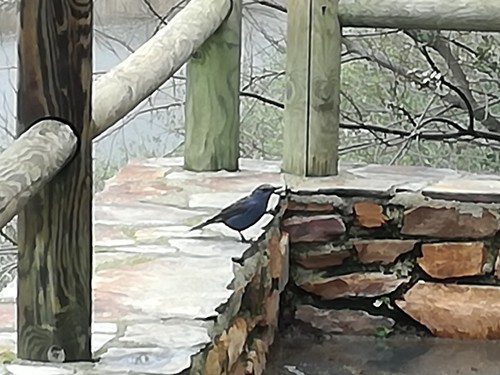
© Sara Navarro · CC BY · iNaturalist 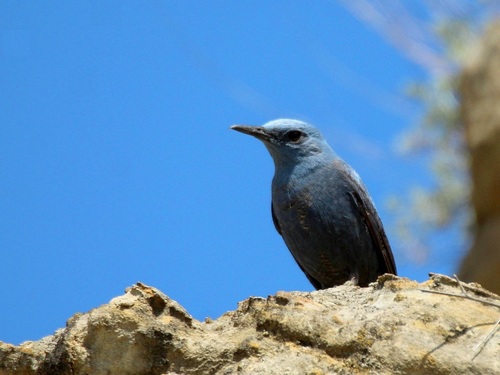
© Andrew Bazdyrev · CC BY · iNaturalist 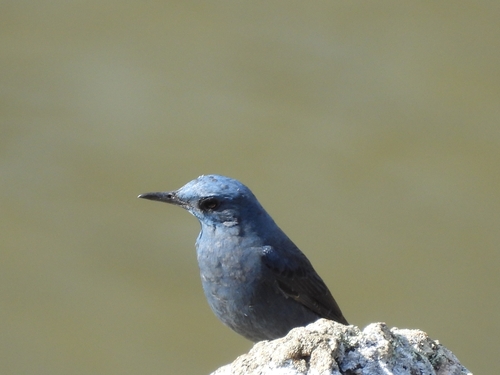
© David Pereira · CC BY · iNaturalist 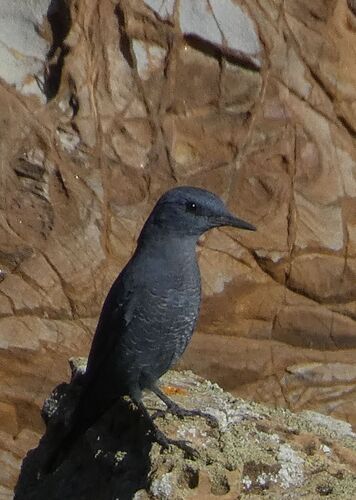
© Yves Bas · CC BY · iNaturalist

Especies relacionadasRelated species
Otras aves de la familia Muscicapidae y de órdenes cercanos.Other birds from the Muscicapidae family and nearby orders.
- ComúnCommon
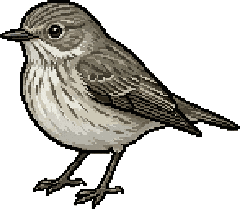 Papamoscas grisSpotted FlycatcherMuscicapa striata
- Poco comúnUncommon
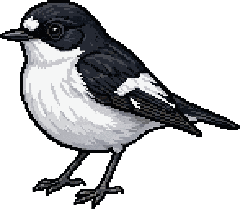 Papamoscas cerrojilloEuropean Pied FlycatcherFicedula hypoleuca
- LegendarioLegendary
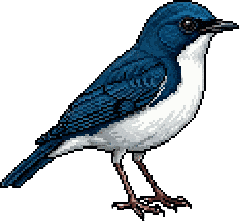 Ruiseñor azulSiberian Blue RobinLarvivora cyane
- ÉpicoEpic
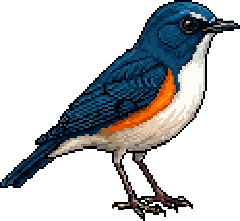 Ruiseñor coliazulRed-flanked BluetailTarsiger cyanurus
- ÉpicoEpic
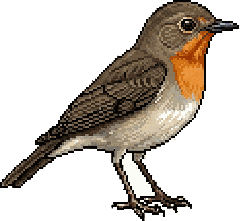 Papamoscas papirrojoRed-breasted FlycatcherFicedula parva
- LegendarioLegendary
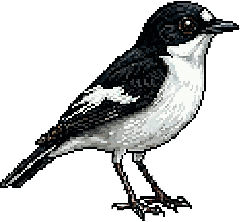 Papamoscas semiacollaradoSemi-collared FlycatcherFicedula semitorquata
- ÉpicoEpic
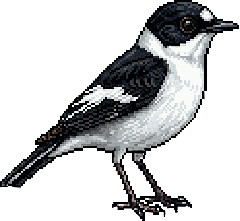 Papamoscas acollaradoCollared FlycatcherFicedula albicollis
- LegendarioLegendary
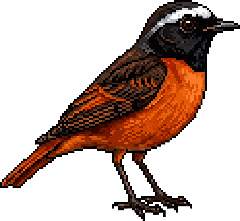 Colirrojo diademadoMoussier's RedstartPhoenicurus moussieri
 Gratis, sin anuncios ni comprasFree, no ads, no purchases