 BirdPedy
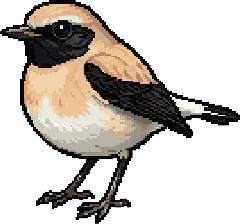
Collalba rubia occidentalWestern Black-eared Wheatear
En 42 provincias en abril y en 1 en eneroIn 42 provinces in April and 1 in January
Reporte de rarezaRarity report
Por qué es poco comúnWhy it is uncommonEstival ligada a relieves áridos, laderas con piedras y arbustos dispersos. Aunque bien distribuida por la zona mediterránea, sus densidades son moderadas y localizadas.Summer linked to arid reliefs, slopes with stones, and scattered shrubs. Modest and localized densities.
Cada carrizo es un mes: su altura, las provincias con registros de 2020 a 2024.Each reed is a month: its height, the provinces with records from 2020 to 2024.- Provincias con registrosProvinces with records
- 43 de 52of 52
- En la appIn the app
- Marzo a octubreMarch to October
- EnvergaduraWingspan
- 25-27 cm25-27 cm
- LongitudLength
- 14 cm14 cm
- Lista Roja de EspañaSpanish Red List
- NT Casi amenazadaNear Threatened

Información generalGeneral Information
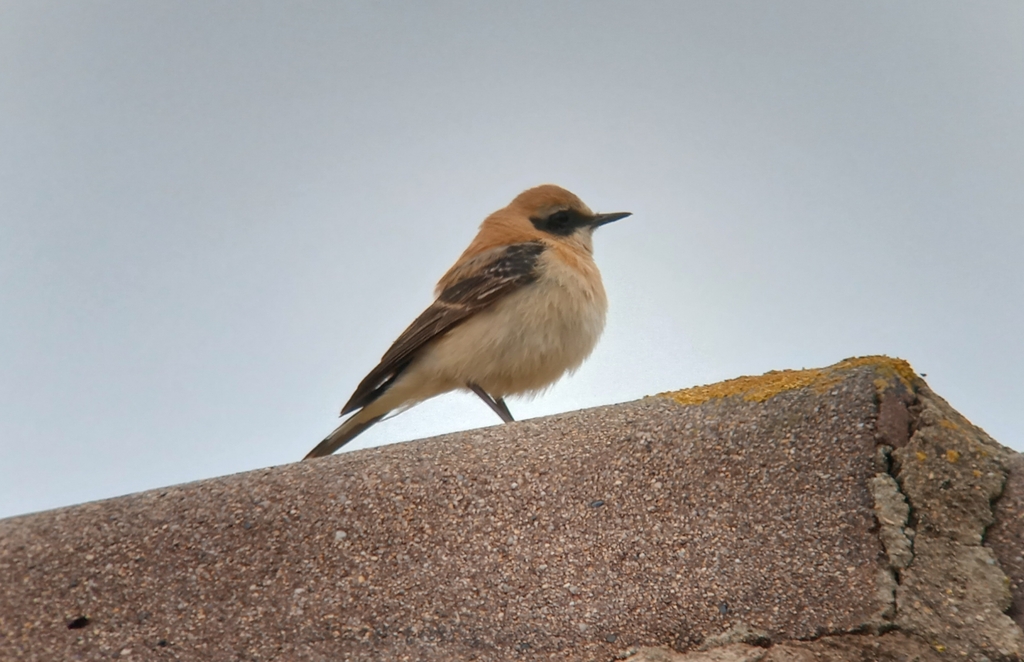
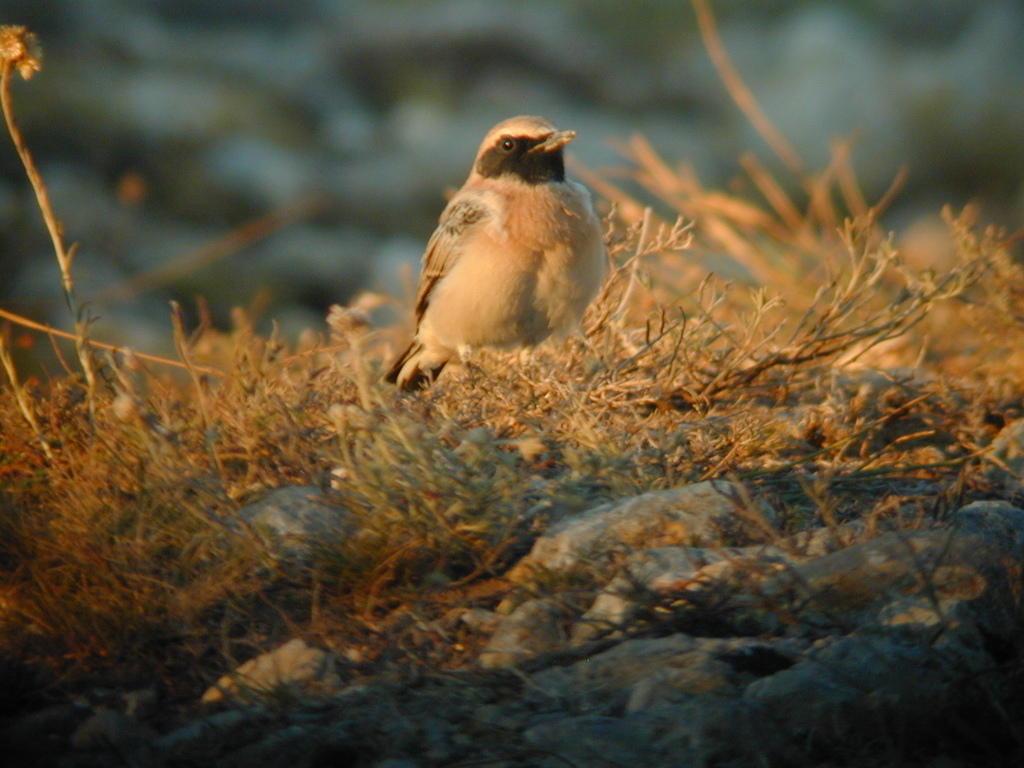
La collalba rubia occidental es una pequeña ave de característico diseño blanquinegro. Se trata de un migrante transahariano, distribuido como reproductor por los países mediterráneos occidentales. En nuestro país está presente por toda la región mediterránea, donde resulta habitual, aunque no abundante. Aquí ocupa terrenos abiertos y secos, con matorral o arbolado disperso. Hasta 2022 la collalba rubia se consideraba que tenía dos subespecies, la occidental Oenanthe hispanica hispanica y la oriental Oenanthe hispanica melanoleuca, hasta que esta última se elevó a categoría de especie, pasando a ser ambas monotípicas.The Western Black-eared Wheatear is a symbol of the hot Mediterranean summer. Its striking black-and-white (or black-and-cream) plumage makes it one of our most recognizable songbirds. It is a trans-Saharan migrant, arriving when the heat begins. It occupies some of Spain's most rugged and beautiful landscapes. In 2022, it was split into two separate species, with 'Occidental' being the one found in Spain. It is a classic feature of our dry hillsides.
IdentificaciónIdentification
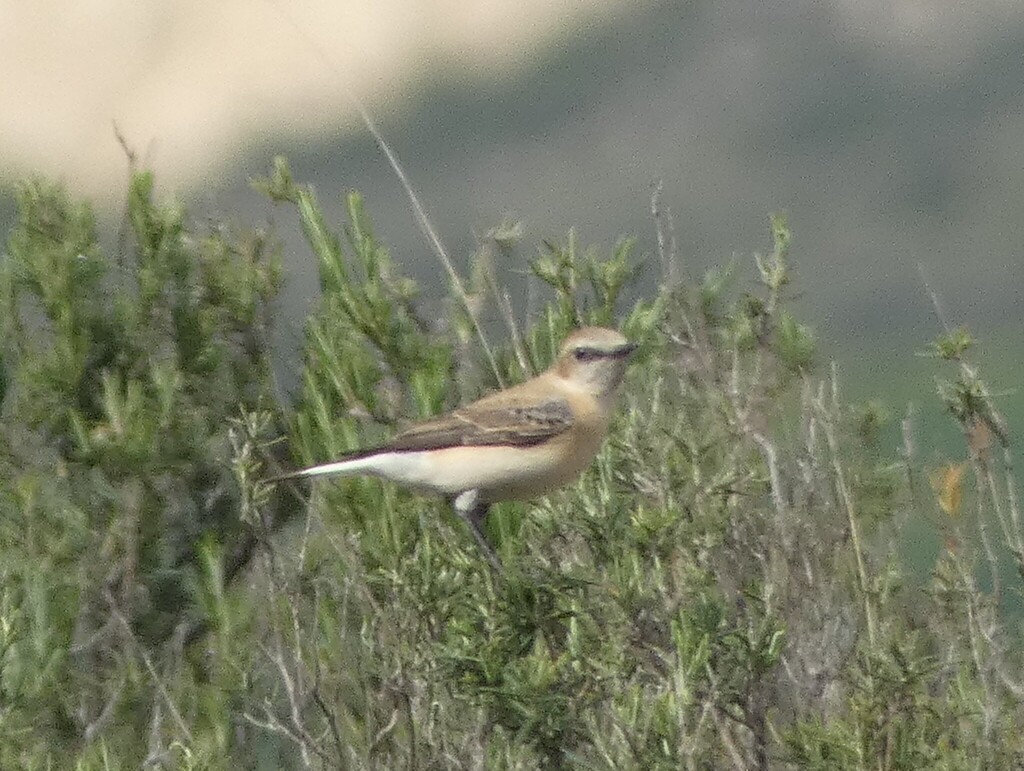
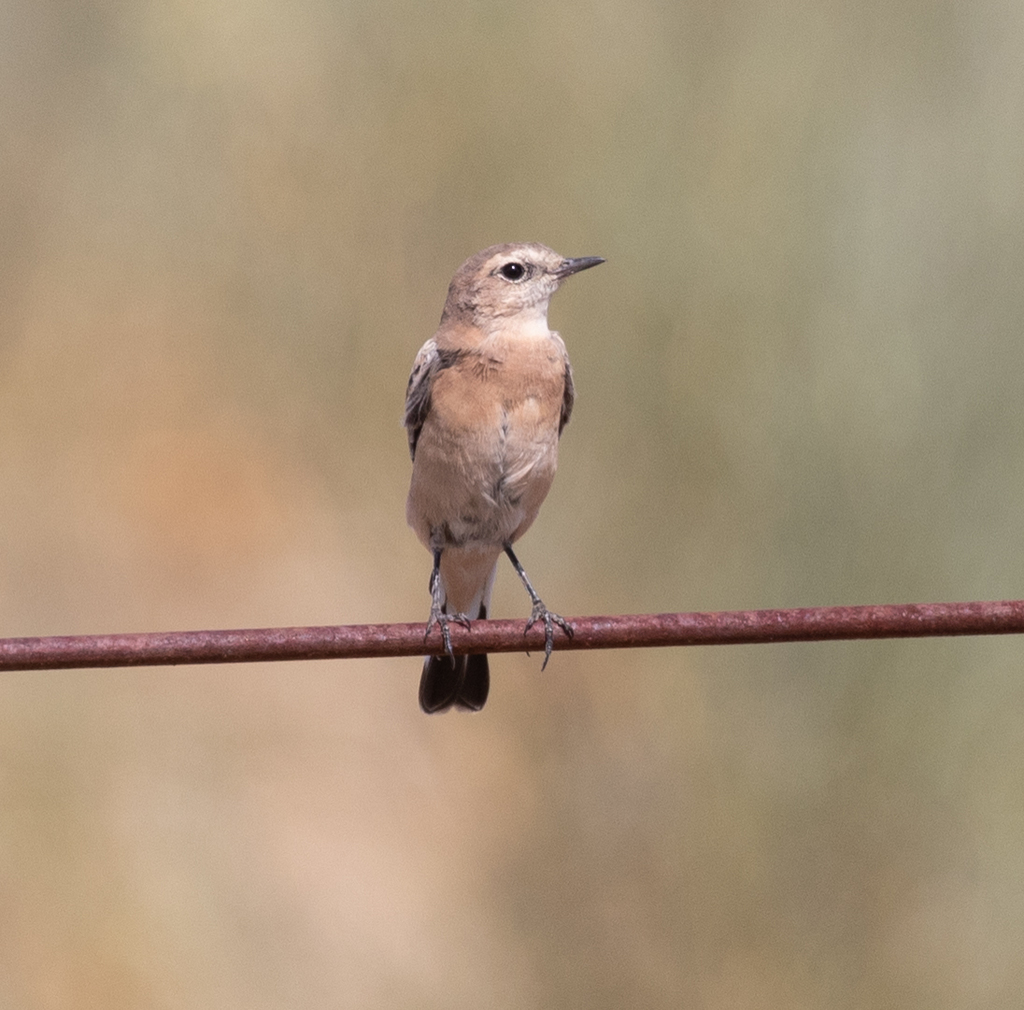
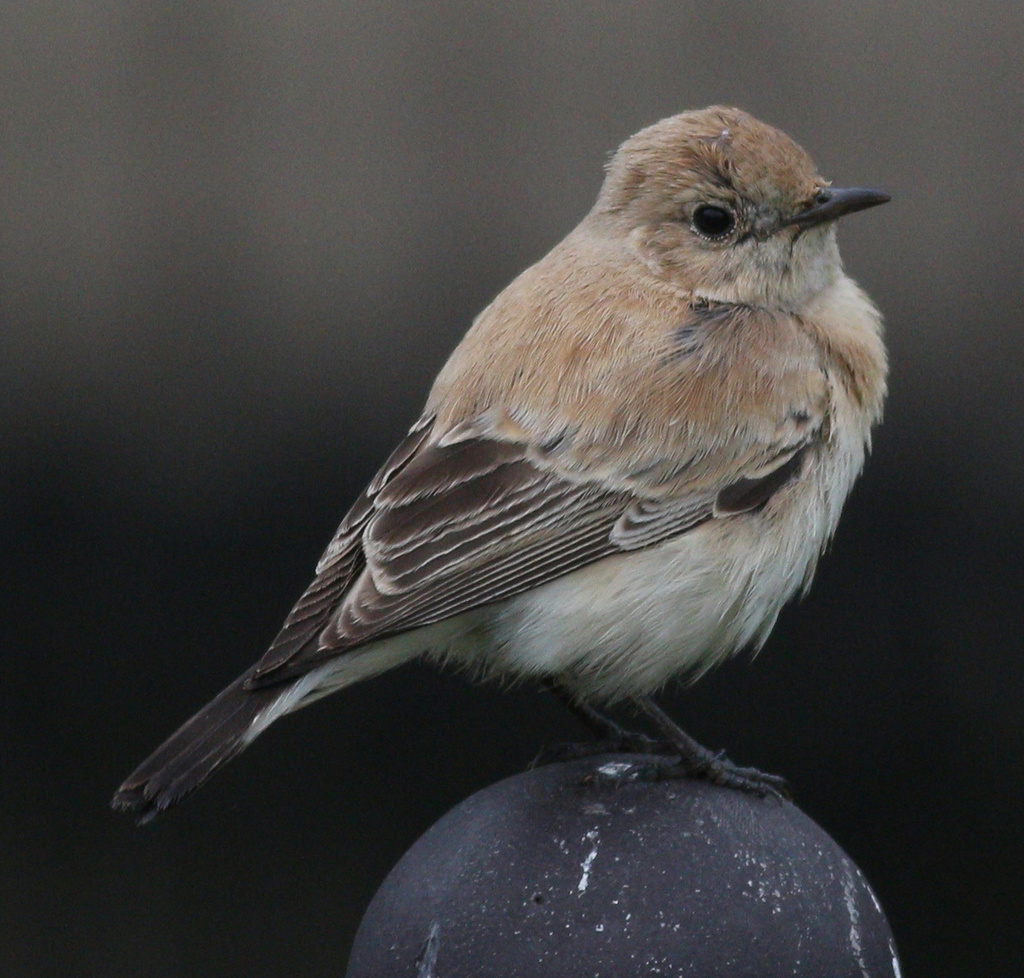
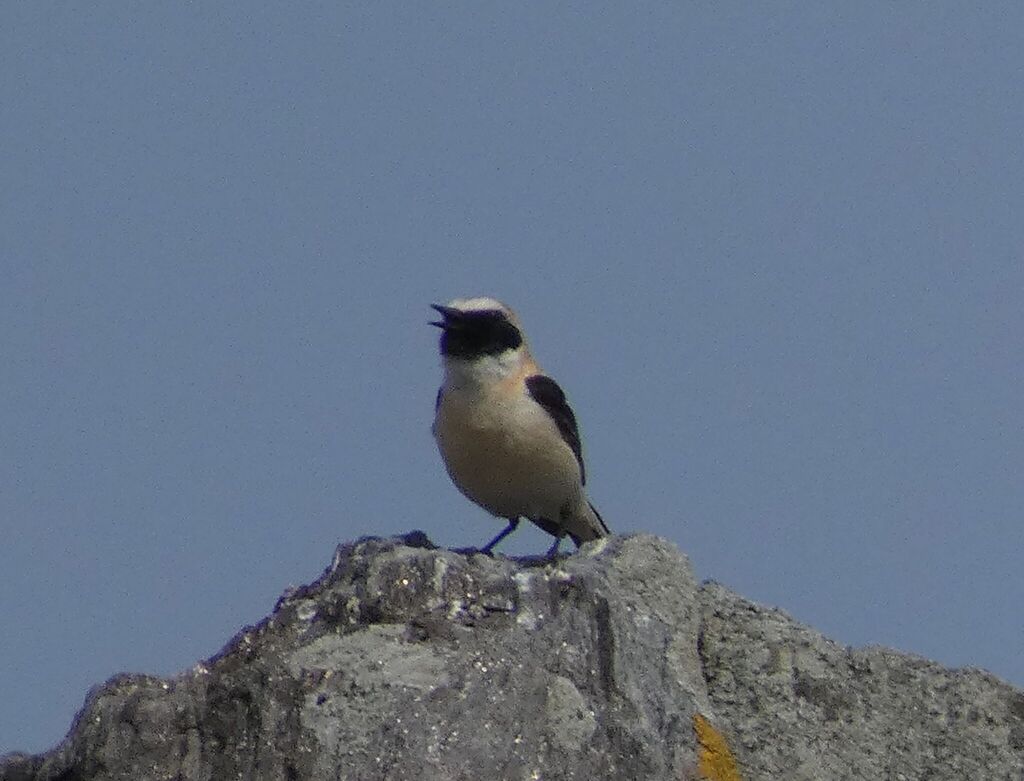
Ave de pequeño tamaño y aspecto elegante. Los machos muestran un marcado contraste entre el negro de las alas y el antifaz y los tonos blancos-ocres del dorso y del vientre. Las hembras son parecidas a los machos, aunque de aspecto más pardo. Existen dos morfos con coloración diferente en la garganta, en un caso blanca y en otro negra. La especie resulta similar a la collalba gris, de la que se diferencia por la ausencia de lista superciliar y por el diseño de la cola, con más blanco en los bordes. Es aún más semejante a la collalba rubia oriental (Oenanthe melanoleuca), elevada a rango de especie en 2022 y considerada en España como una rareza.One of the most elegant birds of the Mediterranean. Males are stunningly contrasted, with an all-black mask (or throat) and wings against a pure white or warm cream body. It features the same white-and-black 'T-pattern' tail as other wheatears. Females are more subtle, in tones of sandy brown. It is a specialist of hot, dry, and rocky environments, from vineyards to steep hillsides. Until recently considered a subspecies, it is now a full species distinct from the Eastern form.
DistribuciónDistribution
La collalba rubia occidental se encuentra bien repartida por toda la región mediterránea como reproductora, faltando en zonas de clima atlántico y de alta montaña como Galicia, toda la región cantábrica, las áreas más septentrionales de Castilla y León, Navarra, Aragón y Cataluña y en los archipiélagos Balear y Canario.Found across the Mediterranean regions of Spain. Common but localized in hot, dry, open habitats with scattered scrub or trees. Absent from the humid north and high mountain tops. Summer visitor (migratory).
Textos reproducidos con permiso de laTexts translated and reproduced with permission from the Guía de Aves de España © SEO/BirdLife
Estado de conservaciónConservation Status
- EX
- RE
- CR
- EN
- VU
- NT
- LC
Casi amenazadaNear Threatened
Qué significa cada categoríaWhat each category means
- LC
- Preocupación menor: Taxón evaluado que no califica para categorías amenazadas. Especies abundantes y ampliamente distribuidasLeast Concern - Evaluated taxon that does not qualify for threatened categories. Widespread and abundant taxa
- NT
- Casi amenazada: No califica actualmente como amenazada, pero está cerca de calificar o es probable que califique en el futuro cercanoNear Threatened - Does not currently qualify as threatened, but is close to qualifying or likely to qualify in the near future
- VU
- Vulnerable: Enfrenta un alto riesgo de extinción en estado silvestre según los criterios A a E de IUCNVulnerable - Facing a high risk of extinction in the wild based on IUCN criteria A to E
- EN
- En peligro: Enfrenta un riesgo muy alto de extinción en estado silvestre según los criterios A a E de IUCNEndangered - Facing a very high risk of extinction in the wild based on IUCN criteria A to E
- CR
- En peligro crítico: Enfrenta un riesgo extremadamente alto de extinción en estado silvestre según los criterios A a E de IUCNCritically Endangered - Facing an extremely high risk of extinction in the wild based on IUCN criteria A to E
- DD
- Datos insuficientes: Información inadecuada para evaluar el riesgo de extinción basándose en distribución o estado poblacionalData Deficient - Inadequate information to assess extinction risk based on distribution and/or population status
- NE
- No evaluada: No ha sido evaluada aún contra los criterios de la Lista Roja de IUCNNot Evaluated - Has not yet been assessed against the IUCN Red List criteria
- RE
- Extinta regionalmente: El taxón ya no existe en la región específica, aunque puede sobrevivir en otros lugaresRegionally Extinct - Taxon no longer exists in the specific region, though it may survive elsewhere
- EX
- Extinta - No existe duda razonable de que ha muerto el último individuo del taxónExtinct - No reasonable doubt that the last individual of the taxon has died
TaxonomíaTaxonomy
- OrdenOrder
- Passeriformes
- FamiliaFamily
- Muscicapidae
Presencia en EspañaPresence in Spain
- EstivalSummer visitor
- HabitualRegular
En la app: marzo a octubre.In the app: March to October.
Dónde verlaWhere to see it
1.726 cuadrículas de 10 km con registros de 2020 a 2024. Toca un mes para ver dónde se ha visto.1,726 10 km squares with records from 2020 to 2024. Pick a month to see where it has been seen.
Cargando el mapa…Loading the map…
Dónde es regularWhere it is regular
Provincias con registros en al menos 3 de los 5 años algún mes, de más a menos frecuente, y sus mejores meses.Provinces with records in at least 3 of the 5 years in some month, from most to least frequent, and their best months.
- TeruelTeruelmayo, abril, junioMay, April, June
- ZaragozaZaragozajunio, mayo, abrilJune, May, April
- LleidaLleidamayo, abril, junioMay, April, June
- SegoviaSegoviamayo, abril, junioMay, April, June
- AlmeríaAlmeríaabril, junio, mayoApril, June, May
- CuencaCuencaagosto, abril, mayoAugust, April, May
- GuadalajaraGuadalajaramayo, abril, junioMay, April, June
- CastellónCastellónabril, mayo, junioApril, May, June
- HuescaHuescamayo, abril, junioMay, April, June
- MurciaMurciaabril, mayo, julioApril, May, July
Ver las 40 provinciasSee all 40 provinces
- AlbaceteAlbacetemayo, abril, junioMay, April, June
- NavarraNavarraabril, mayo, junioApril, May, June
- GranadaGranadamayo, junio, abrilMay, June, April
- AlicanteAlicanteabril, mayo, junioApril, May, June
- JaénJaénjulio, mayo, abrilJuly, May, April
- CádizCádizabril, mayo, junioApril, May, June
- La RiojaLa Riojamayo, abril, junioMay, April, June
- MálagaMálagaabril, septiembre, mayoApril, September, May
- SoriaSoriamayo, abril, junioMay, April, June
- CáceresCáceresjunio, mayo, abrilJune, May, April
- ToledoToledomayo, abril, junioMay, April, June
- ÁlavaÁlavajunio, julio, mayoJune, July, May
- HuelvaHuelvajunio, marzo, mayoJune, March, May
- BadajozBadajozjunio, mayo, julioJune, May, July
- ÁvilaÁvilajunio, mayo, abrilJune, May, April
- ValladolidValladolidjunio, julio, abrilJune, July, April
- ZamoraZamoraabril, agosto, mayoApril, August, May
- TarragonaTarragonajunio, mayo, abrilJune, May, April
- ValenciaValenciajunio, mayo, abrilJune, May, April
- Ciudad RealCiudad Realabril, junio, mayoApril, June, May
- GironaGironamayo, junio, agostoMay, June, August
- CórdobaCórdobamarzo, junio, abrilMarch, June, April
- SevillaSevillajulio, agosto, marzoJuly, August, March
- PalenciaPalenciaabril, junio, mayoApril, June, May
- SalamancaSalamancaagosto, mayo, julioAugust, May, July
- LeónLeónmayo, junioMay, June
- BalearesBalearic IslandsabrilApril
- MadridMadridmayo, abril, junioMay, April, June
- BurgosBurgosjulio, abril, mayoJuly, April, May
- BarcelonaBarcelonajunio, abril, julioJune, April, July
Datos: registros en GBIF de 2020 a 2024 de Observation.org, eBird, iNaturalist y el ICO, descargados el 23/10/2026.Data: GBIF records from 2020 to 2024 from Observation.org, eBird, iNaturalist and the ICO, downloaded on 23/10/2026. GBIF.org (23 October 2026) GBIF Occurrence Download · doi:10.15468/dl.r5sf2a · CC BY-NC 4.0
GaleríaGallery

© Karsten Ste · CC BY · iNaturalist 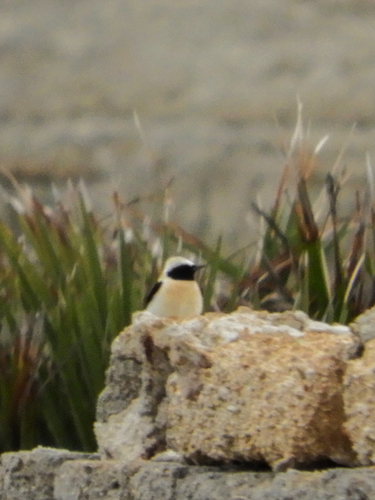
© Nicholas Moray Williams · CC BY · iNaturalist 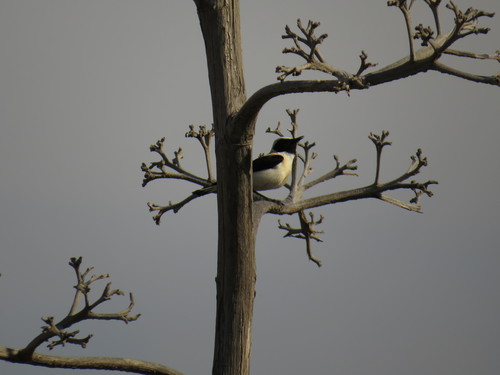
© Yves Bas · CC BY · iNaturalist 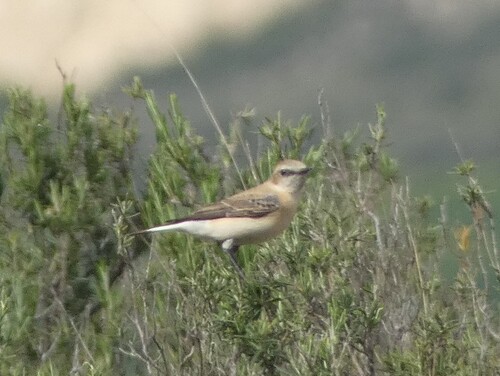
© luluchouette · CC BY · iNaturalist 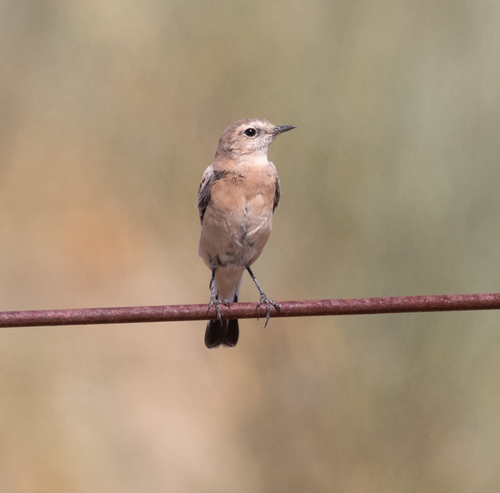
© avocat · CC BY · iNaturalist 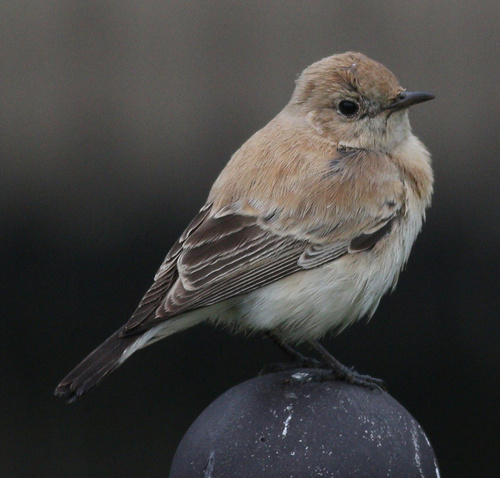
© Jan Ebr & Ivana Ebrová · CC BY · iNaturalist 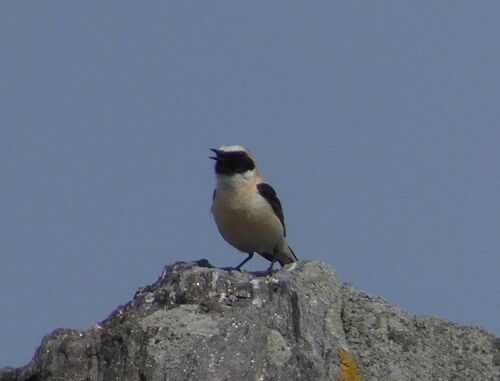
© Yves Bas · CC BY · iNaturalist 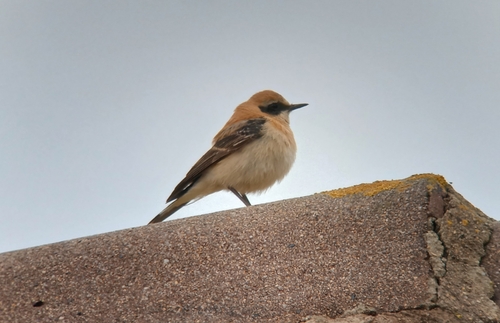
© Miguel Chardi · CC BY · iNaturalist 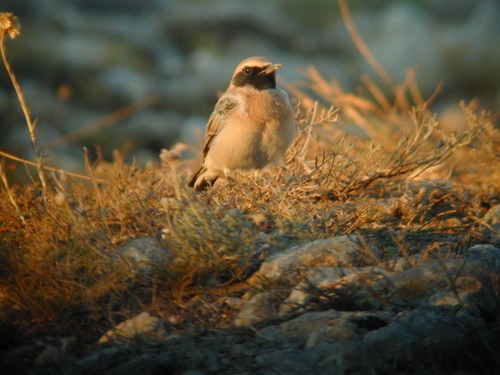
© Julien Renoult · CC BY · iNaturalist
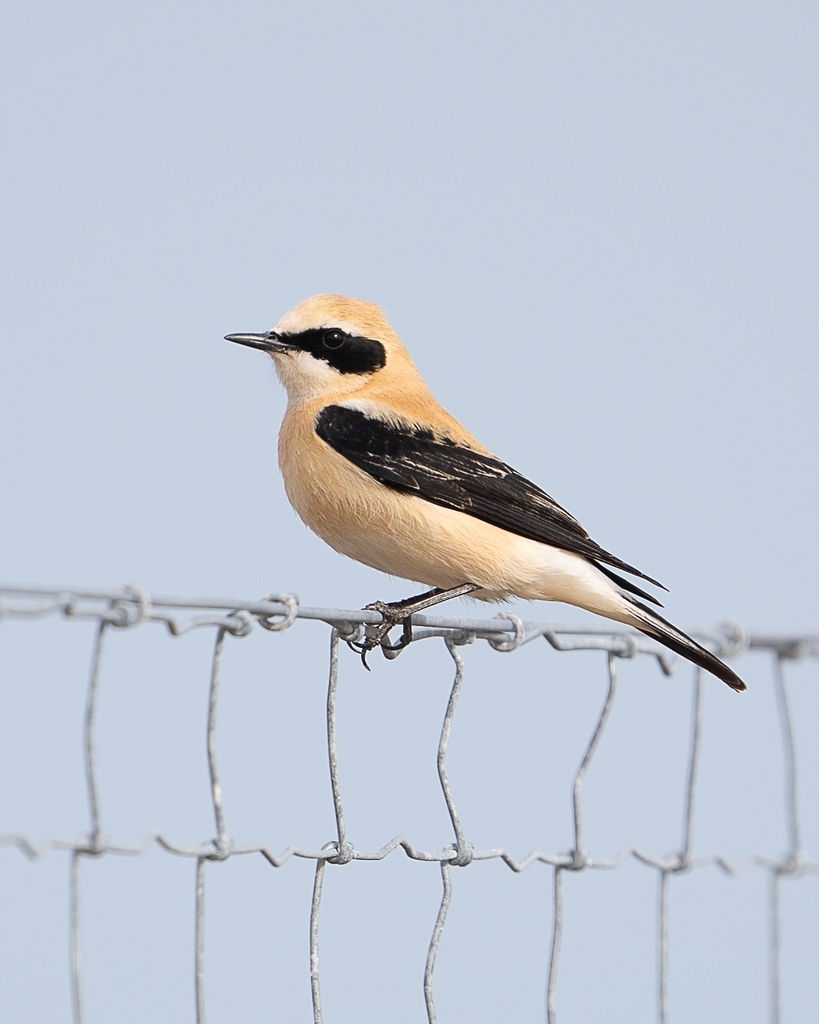
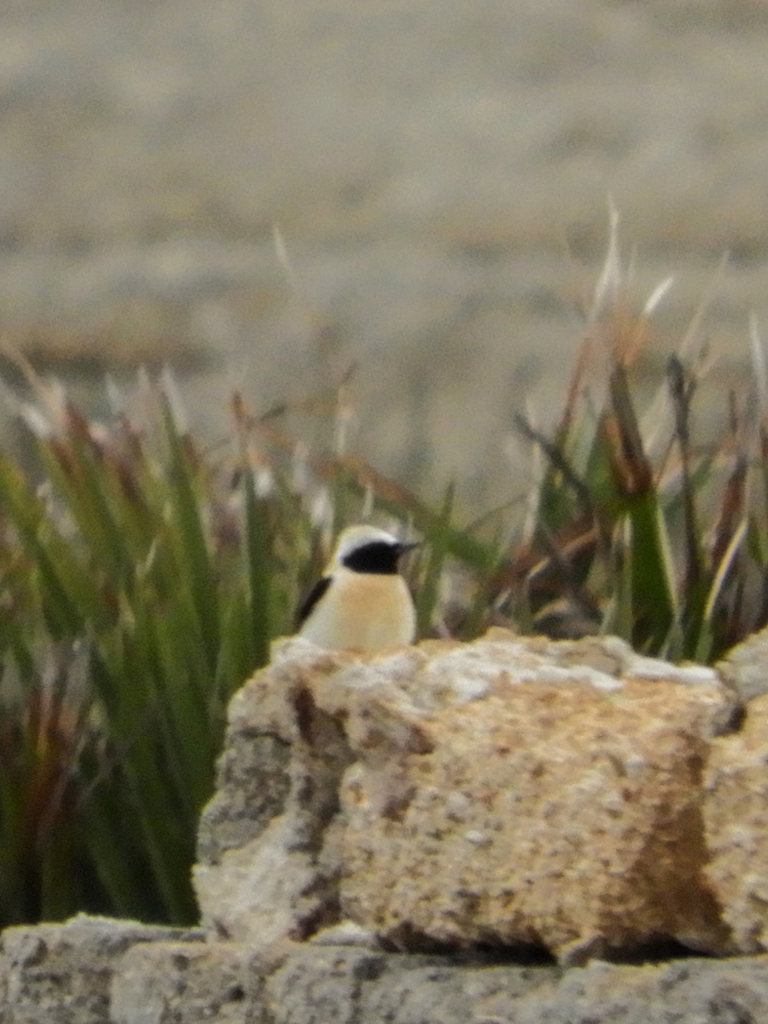
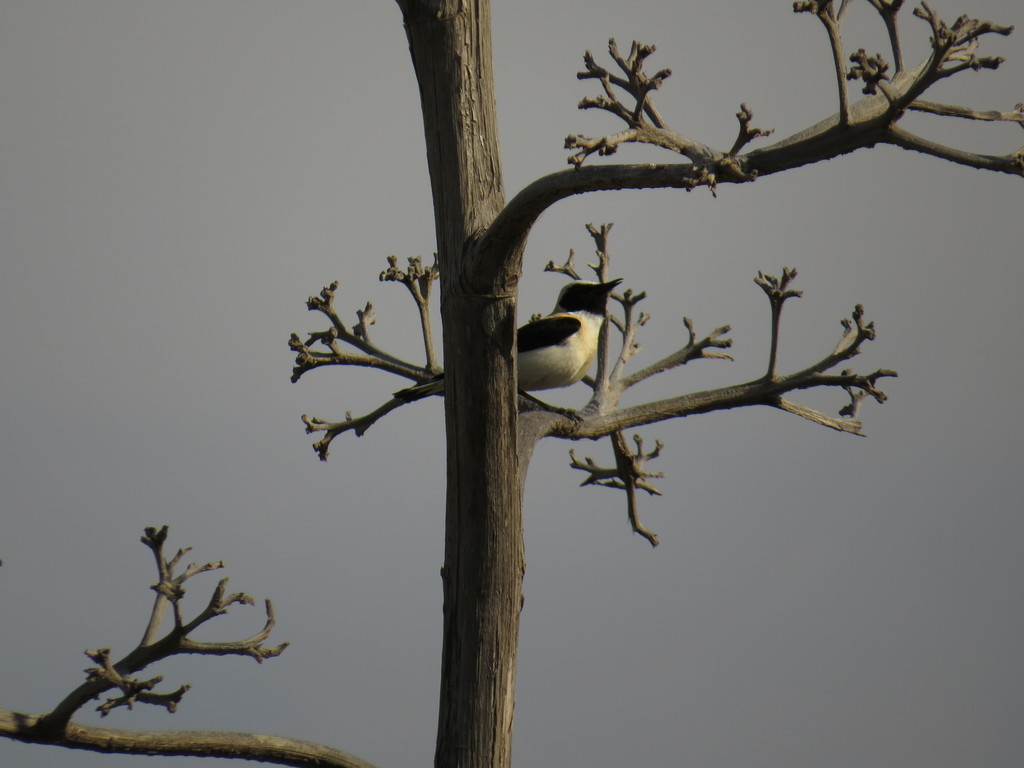
Especies relacionadasRelated species
Otras aves de la familia Muscicapidae y de órdenes cercanos.Other birds from the Muscicapidae family and nearby orders.
- Poco comúnUncommon
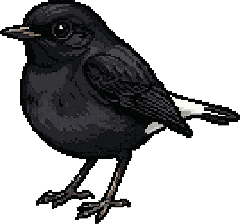 Collalba negraBlack WheatearOenanthe leucura
- Poco comúnUncommon
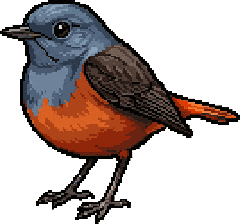 Roquero rojoCommon Rock ThrushMonticola saxatilis
- ComúnCommon
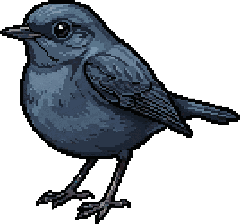 Roquero solitarioBlue Rock ThrushMonticola solitarius
- ComúnCommon
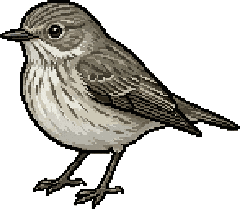 Papamoscas grisSpotted FlycatcherMuscicapa striata
- Poco comúnUncommon
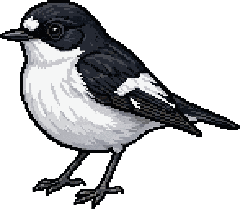 Papamoscas cerrojilloEuropean Pied FlycatcherFicedula hypoleuca
- LegendarioLegendary
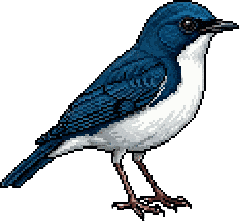 Ruiseñor azulSiberian Blue RobinLarvivora cyane
- ÉpicoEpic
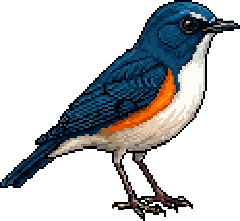 Ruiseñor coliazulRed-flanked BluetailTarsiger cyanurus
- ÉpicoEpic
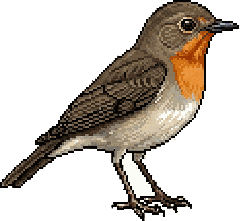 Papamoscas papirrojoRed-breasted FlycatcherFicedula parva
 Gratis, sin anuncios ni comprasFree, no ads, no purchases