 BirdPedy
Roquero rojoCommon Rock Thrush
En 43 provincias en mayo y sin registros 2 meses del añoIn 43 provinces in May, and no records in 2 months of the year
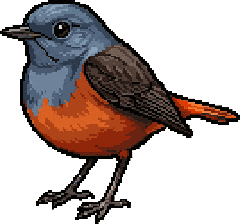
Reporte de rarezaRarity report
Por qué es poco comúnWhy it is uncommonEntre 2020 y 2024 se vio en España en 1.282 ocasiones distintas, repartidas en 851 días, todos los años (datos de Observation.org, eBird, iNaturalist y el ICO publicados en GBIF). En la provincia mediana, 1 de cada 8.700 registros de aves es suyo. En la guía de aves de SEO/BirdLife figura como habitual en España.Between 2020 and 2024 it was seen in Spain on 1,282 separate occasions, spread over 851 days, every year (data from Observation.org, eBird, iNaturalist and ICO published on GBIF). In the median province, 1 in every 8,700 bird records is of this species. SEO/BirdLife's bird guide lists it as regular in Spain.
Cada carrizo es un mes: su altura, las provincias con registros de 2020 a 2024.Each reed is a month: its height, the provinces with records from 2020 to 2024.- Provincias con registrosProvinces with records
- 47 de 52of 52
- En la appIn the app
- Marzo a octubreMarch to October
- EnvergaduraWingspan
- 33-37 cm33-37 cm
- LongitudLength
- 18,5 cm18.5 cm
- Lista Roja de EspañaSpanish Red List
- NT Casi amenazadaNear Threatened

Información generalGeneral Information
Ave típica de montaña, donde aparece en la época estival. Habita en parajes donde se alternan zonas de roquedos con otras de matorral y pastizales. El macho resulta inconfundible, con un bello diseño cromático, mientras que la hembra muestra una tonalidad más parda y discreta. A pesar de estar presente en gran parte de nuestros macizos montañosos, es una especie poco abundante.A classic high-mountain specialist that arrives in Spain for the summer. It inhabits rugged landscapes where rocky outcrops alternate with Alpine meadows and scrub. Despite being present in most of our major mountain ranges, it is never very abundant. It is a shy bird that is easily disturbed by human activity, making it an excellent indicator of well-preserved mountain wilderness.
IdentificaciónIdentification
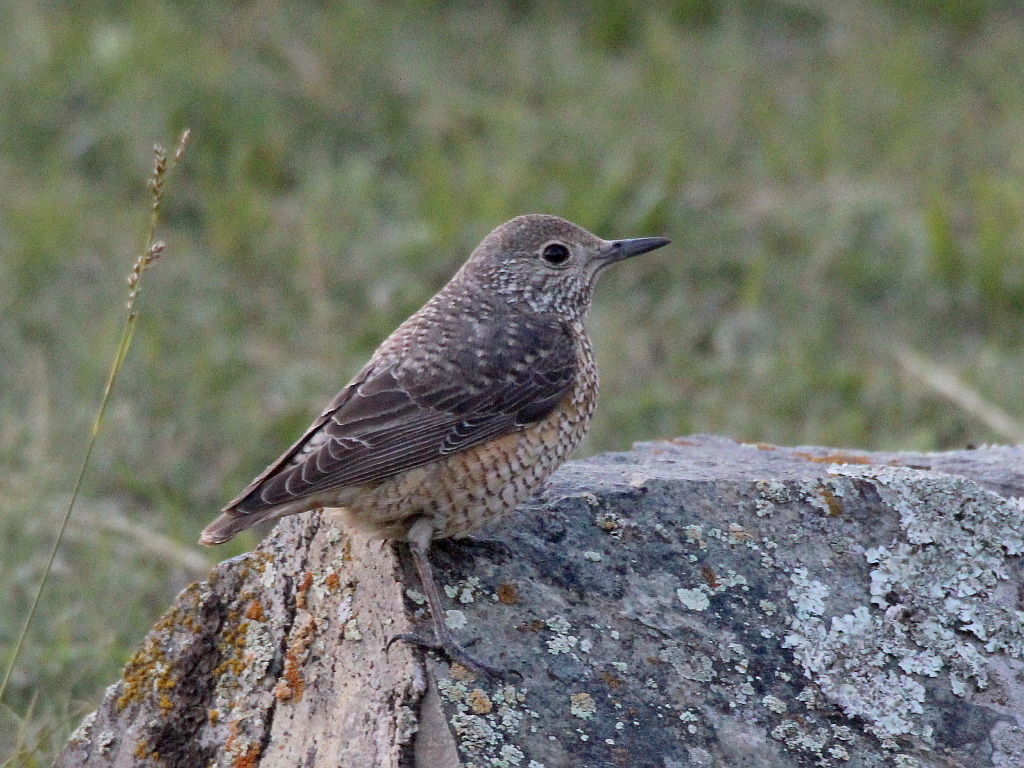
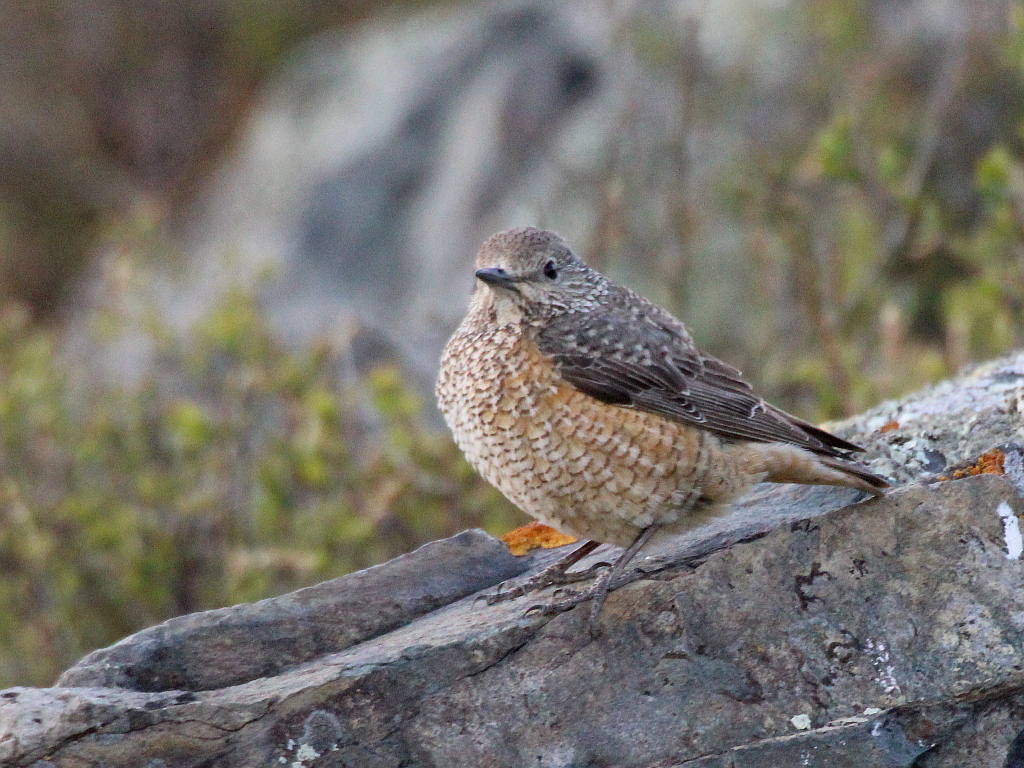
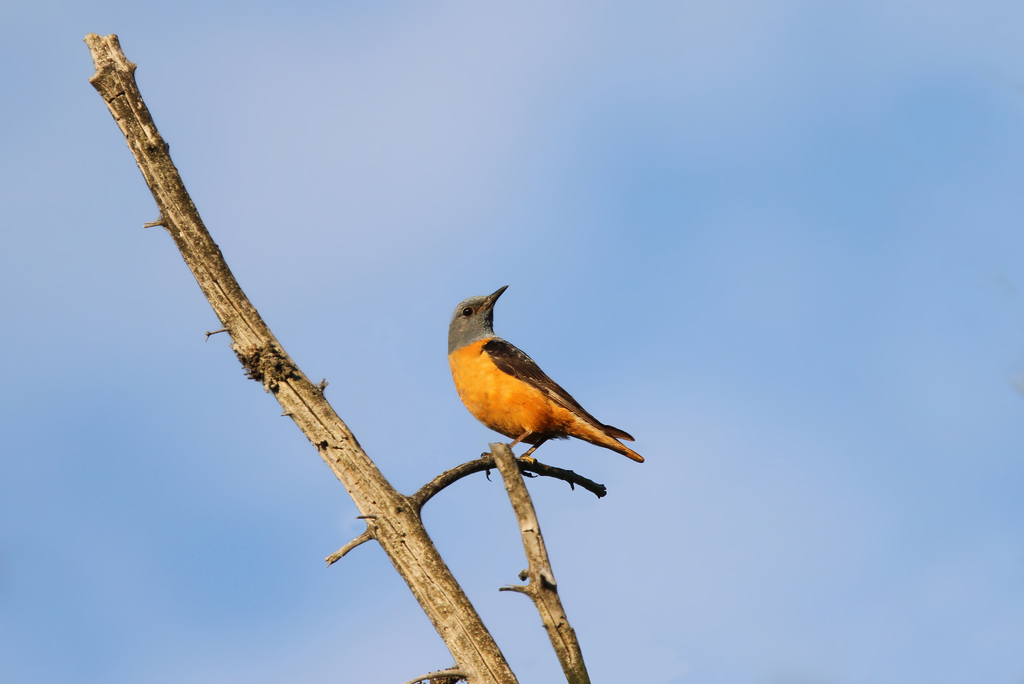
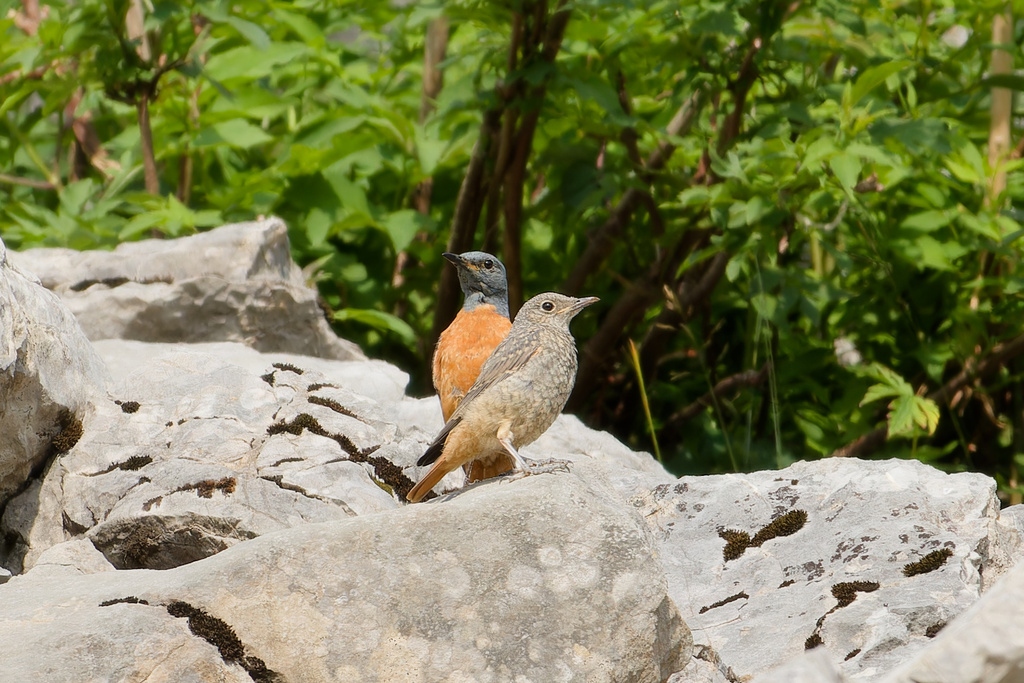
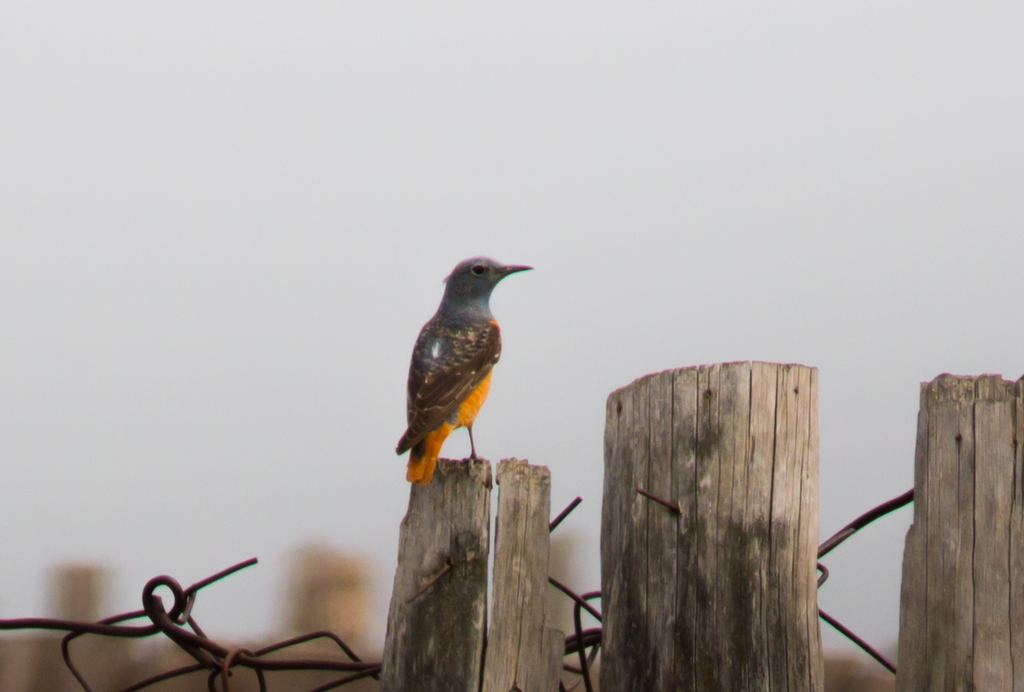
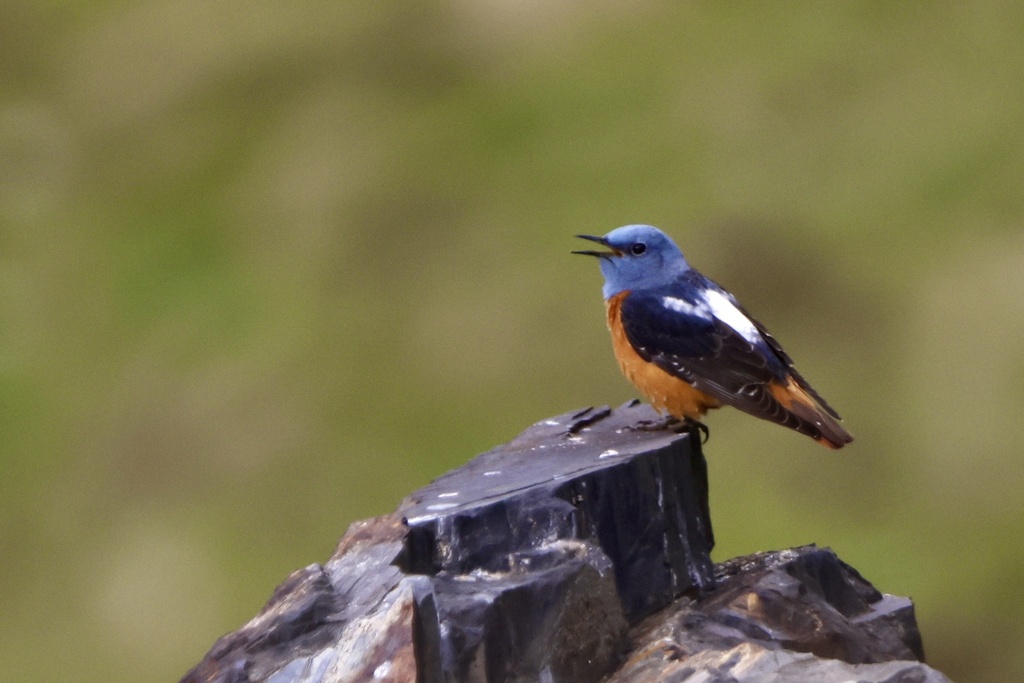
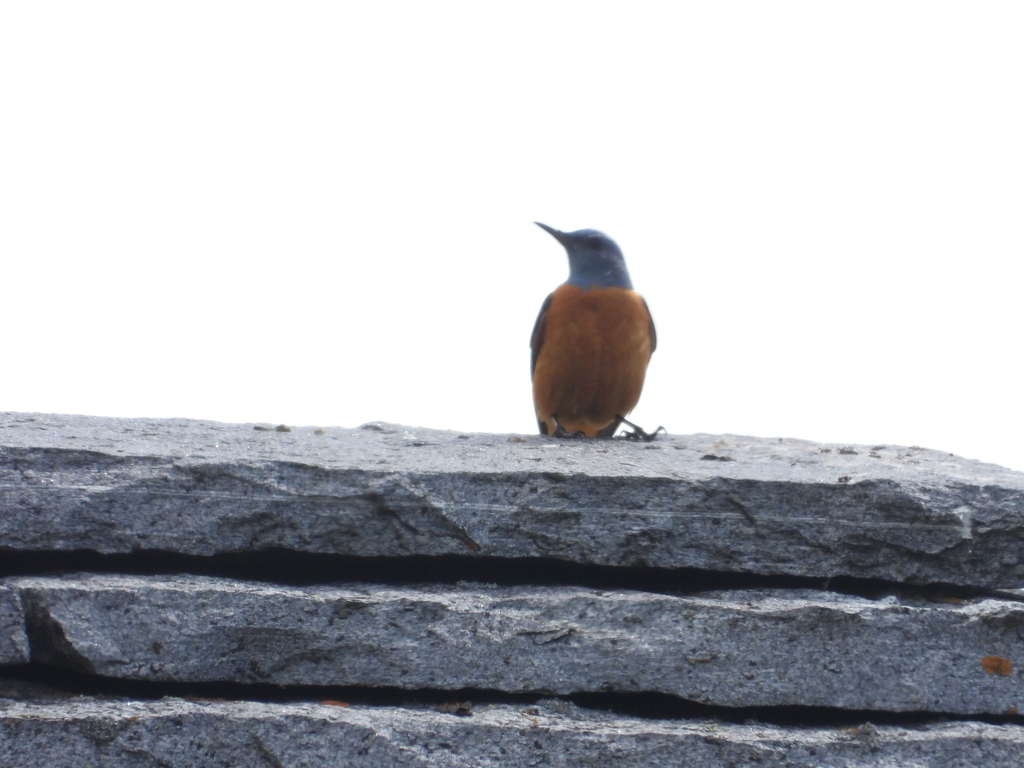
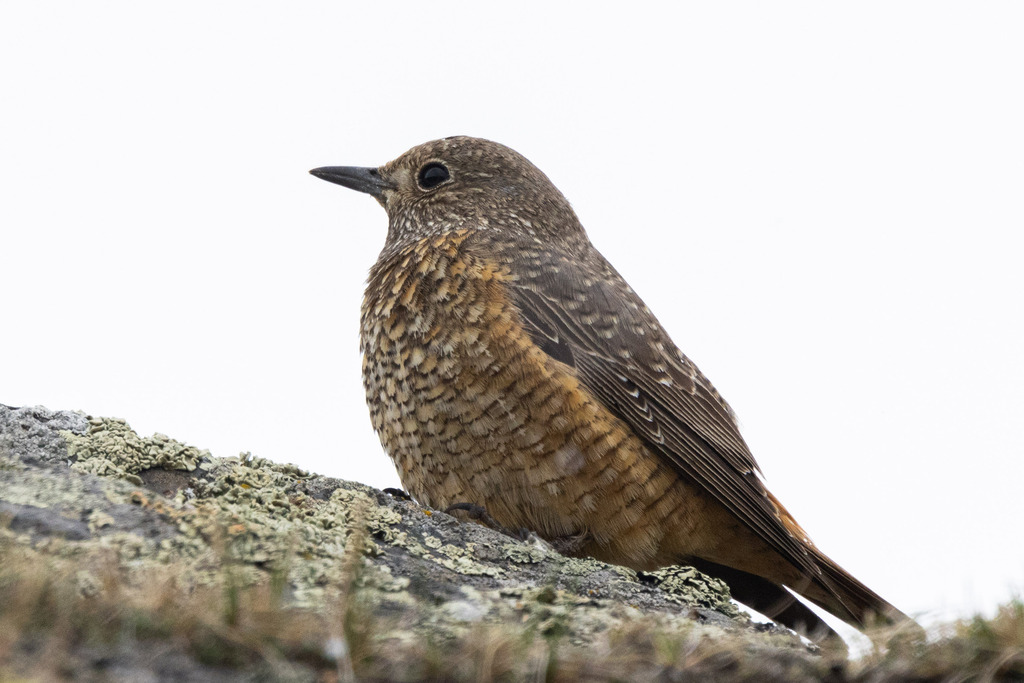
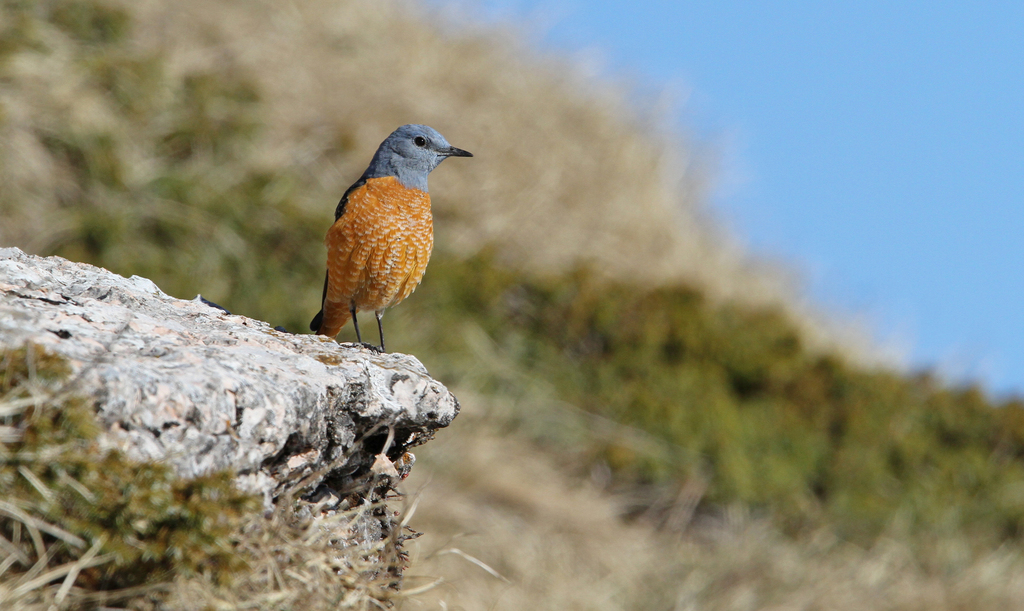
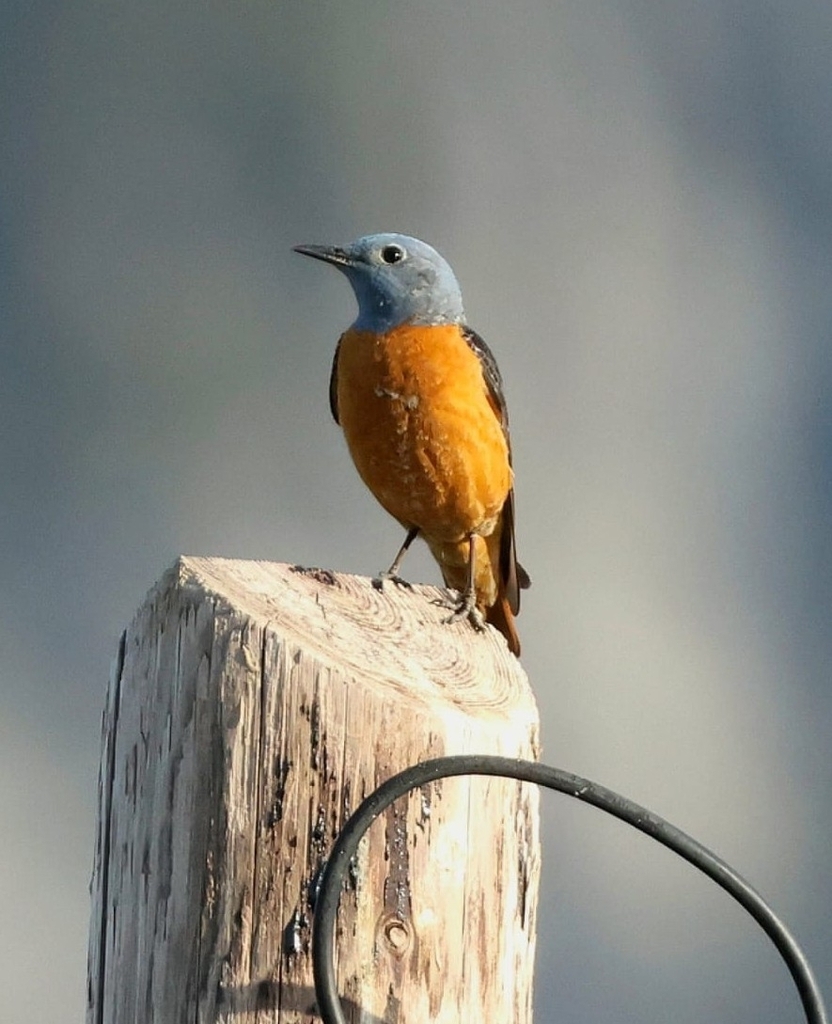
El roquero rojo macho exhibe un plumaje singular e inconfundible. Su cabeza y espalda lucen un color azul grisáceo, que contrasta notablemente con el naranja que cubre el pecho, el vientre y las infracobertoras caudales. Muestra una amplia mancha blanca en la parte posterior de la espalda, posee alas oscuras y tiene el pecho y la cola anaranjada, esta última con una banda central parda. Las hembras presentan la cola teñida de manera similar a los machos, pero su cuerpo es pardo, con las plumas terminadas en una banda clara que les otorga un aspecto vermiculado. Los jóvenes volantones resultan muy similares a las hembras.The male is one of the most spectacularly colored birds in Europe: it features a slate-blue head and back, which contrast vividly with an intense orange-red breast, belly, and tail. It has a diagnostic large white patch on its back. Wings are dark. Females are much more discreet, with mottled brownish-gray plumage and orange-tinged tails. Juveniles resemble females. Its song is a beautiful, fluting, thrush-like melody usually delivered from a high cliff edge.
DistribuciónDistribution
En la época estival se localiza en gran parte de la Cordillera Cantábrica, Pirineos, el Sistema Ibérico norte y sur, el Sistema Central y las sierras litorales del norte de la Comunidad Valenciana y Cataluña. En la mitad sur es un ave mucho más rara y solamente se detecta en puntos dispersos de las sierras béticas, desde la del Aljibe (Cádiz) hasta Sierra Aitana (Alicante), incluyendo Sierra Nevada, Cazorla y las sierras de Málaga. También aparece en la isla de Mallorca.Summer visitor. Found in the Pyrenees, Cantabrian Mts, Iberian System, and Central System. Much rarer in the south, restricted to high peaks of the Betic ranges (Sierra Nevada, Cazorla, etc.). Also present in Mallorca. Absent from Canary Islands.
Textos reproducidos con permiso de laTexts translated and reproduced with permission from the Guía de Aves de España © SEO/BirdLife
Estado de conservaciónConservation Status
- EX
- RE
- CR
- EN
- VU
- NT
- LC
Casi amenazadaNear Threatened
Qué significa cada categoríaWhat each category means
- LC
- Preocupación menor: Taxón evaluado que no califica para categorías amenazadas. Especies abundantes y ampliamente distribuidasLeast Concern - Evaluated taxon that does not qualify for threatened categories. Widespread and abundant taxa
- NT
- Casi amenazada: No califica actualmente como amenazada, pero está cerca de calificar o es probable que califique en el futuro cercanoNear Threatened - Does not currently qualify as threatened, but is close to qualifying or likely to qualify in the near future
- VU
- Vulnerable: Enfrenta un alto riesgo de extinción en estado silvestre según los criterios A a E de IUCNVulnerable - Facing a high risk of extinction in the wild based on IUCN criteria A to E
- EN
- En peligro: Enfrenta un riesgo muy alto de extinción en estado silvestre según los criterios A a E de IUCNEndangered - Facing a very high risk of extinction in the wild based on IUCN criteria A to E
- CR
- En peligro crítico: Enfrenta un riesgo extremadamente alto de extinción en estado silvestre según los criterios A a E de IUCNCritically Endangered - Facing an extremely high risk of extinction in the wild based on IUCN criteria A to E
- DD
- Datos insuficientes: Información inadecuada para evaluar el riesgo de extinción basándose en distribución o estado poblacionalData Deficient - Inadequate information to assess extinction risk based on distribution and/or population status
- NE
- No evaluada: No ha sido evaluada aún contra los criterios de la Lista Roja de IUCNNot Evaluated - Has not yet been assessed against the IUCN Red List criteria
- RE
- Extinta regionalmente: El taxón ya no existe en la región específica, aunque puede sobrevivir en otros lugaresRegionally Extinct - Taxon no longer exists in the specific region, though it may survive elsewhere
- EX
- Extinta - No existe duda razonable de que ha muerto el último individuo del taxónExtinct - No reasonable doubt that the last individual of the taxon has died
TaxonomíaTaxonomy
- OrdenOrder
- Passeriformes
- FamiliaFamily
- Muscicapidae
Presencia en EspañaPresence in Spain
- EstivalSummer visitor
- HabitualRegular
En la app: marzo a octubre.In the app: March to October.
Dónde verlaWhere to see it
689 cuadrículas de 10 km con registros de 2020 a 2024. Toca un mes para ver dónde se ha visto.689 10 km squares with records from 2020 to 2024. Pick a month to see where it has been seen.
Cargando el mapa…Loading the map…
Dónde es regularWhere it is regular
Provincias con registros en al menos 3 de los 5 años algún mes, de más a menos frecuente, y sus mejores meses.Provinces with records in at least 3 of the 5 years in some month, from most to least frequent, and their best months.
- ÁvilaÁvilajunio, mayo, julioJune, May, July
- CantabriaCantabriajulio, junio, agostoJuly, June, August
- HuescaHuescajulio, junio, mayoJuly, June, May
- LeónLeónmayo, junio, julioMay, June, July
- TeruelTerueljulio, junio, mayoJuly, June, May
- AsturiasAsturiasjunio, julio, mayoJune, July, May
- GuadalajaraGuadalajarajunio, mayo, abrilJune, May, April
- LleidaLleidajunio, julio, agostoJune, July, August
- SalamancaSalamancaseptiembre, junio, julioSeptember, June, July
- La RiojaLa Riojajunio, agosto, julioJune, August, July
Ver las 35 provinciasSee all 35 provinces
- MálagaMálagajunio, mayo, abrilJune, May, April
- GranadaGranadamayo, junio, julioMay, June, July
- BarcelonaBarcelonajulio, junio, agostoJuly, June, August
- PalenciaPalenciajulio, junio, agostoJuly, June, August
- SoriaSoriajunio, mayo, julioJune, May, July
- OurenseOurensejunio, agosto, julioJune, August, July
- CastellónCastellónjulio, junio, mayoJuly, June, May
- ÁlavaÁlavajulio, junioJuly, June
- SegoviaSegoviajunio, mayo, julioJune, May, July
- GironaGironajulio, junio, mayoJuly, June, May
- MadridMadridjunio, julio, mayoJune, July, May
- BurgosBurgosjunio, mayo, julioJune, May, July
- CáceresCáceresjulio, junio, mayoJuly, June, May
- ZaragozaZaragozamayo, junio, abrilMay, June, April
- NavarraNavarrajunio, mayo, julioJune, May, July
- CádizCádizjunio, mayo, julioJune, May, July
- AlmeríaAlmeríaoctubreOctober
- AlicanteAlicantejunio, julioJune, July
- JaénJaénjunioJune
- LugoLugoagostoAugust
- VizcayaVizcayajulio, junioJuly, June
- ValenciaValenciamayo, junioMay, June
- ZamoraZamorajulio, mayo, junioJuly, May, June
- TarragonaTarragonaabril, mayoApril, May
- BalearesBalearic IslandsabrilApril
Datos: registros en GBIF de 2020 a 2024 de Observation.org, eBird, iNaturalist y el ICO, descargados el 23/10/2026.Data: GBIF records from 2020 to 2024 from Observation.org, eBird, iNaturalist and the ICO, downloaded on 23/10/2026. GBIF.org (23 October 2026) GBIF Occurrence Download · doi:10.15468/dl.r5sf2a · CC BY-NC 4.0
GaleríaGallery

© Andrew Bazdyrev · CC BY · iNaturalist 
© Andrew Bazdyrev · CC BY · iNaturalist 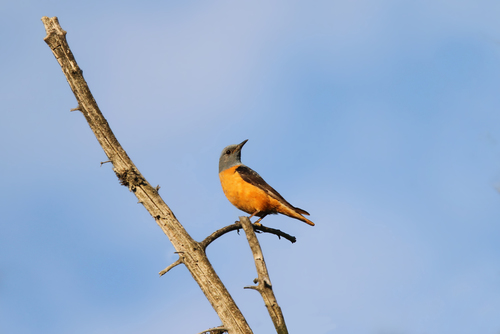
© Christoph Moning · CC BY · iNaturalist 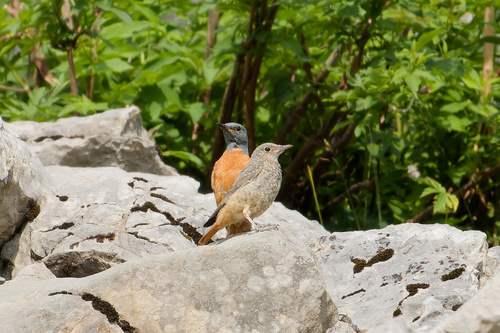
© Donald Davesne · CC BY · iNaturalist 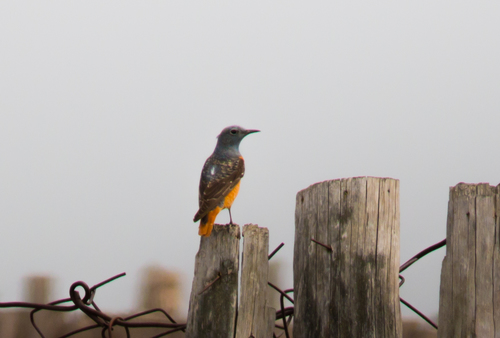
© Алина Урусова · CC BY · iNaturalist 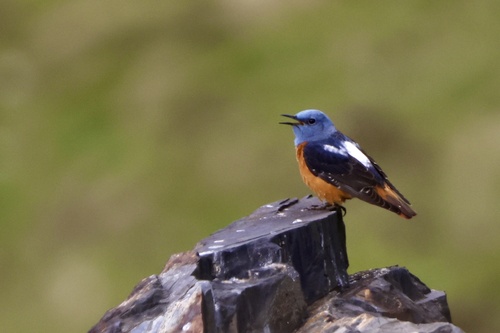
© Léo Souillard · CC BY · iNaturalist 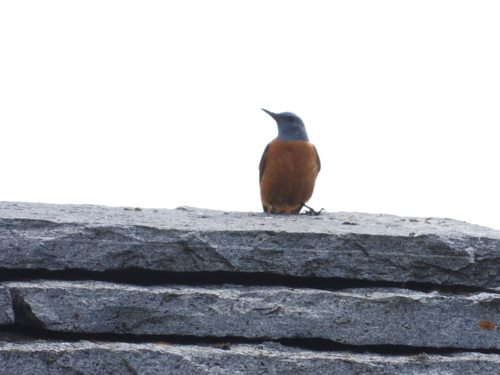
© Michael Bakker Paiva · CC BY · iNaturalist 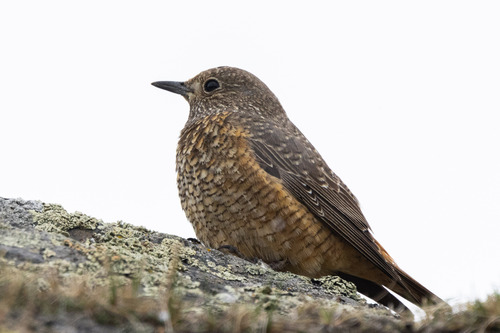
© Антон Лабачоў · CC BY · iNaturalist 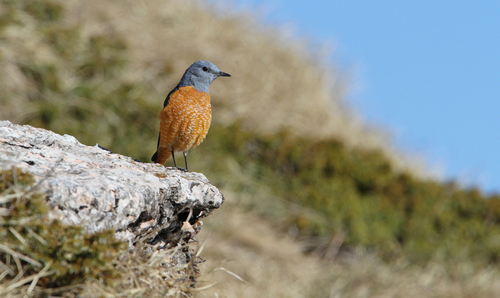
© Christoph Moning · CC BY · iNaturalist 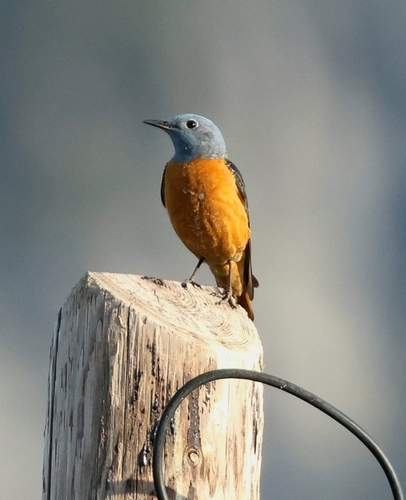
© Sandra Stewart · CC BY · iNaturalist
Especies relacionadasRelated species
Otras aves de la familia Muscicapidae y de órdenes cercanos.Other birds from the Muscicapidae family and nearby orders.
- ComúnCommon
 Roquero solitarioBlue Rock ThrushMonticola solitarius
- ComúnCommon
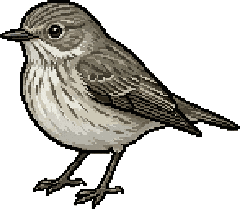 Papamoscas grisSpotted FlycatcherMuscicapa striata
- Poco comúnUncommon
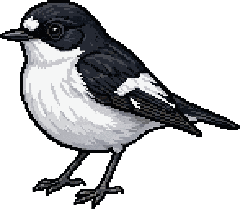 Papamoscas cerrojilloEuropean Pied FlycatcherFicedula hypoleuca
- LegendarioLegendary
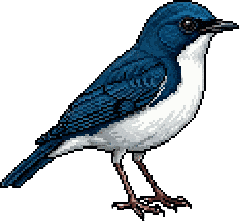 Ruiseñor azulSiberian Blue RobinLarvivora cyane
- ÉpicoEpic
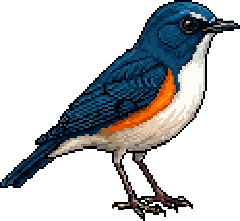 Ruiseñor coliazulRed-flanked BluetailTarsiger cyanurus
- ÉpicoEpic
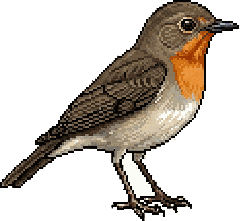 Papamoscas papirrojoRed-breasted FlycatcherFicedula parva
- LegendarioLegendary
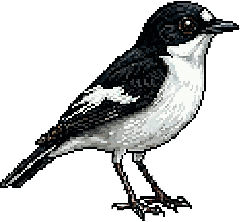 Papamoscas semiacollaradoSemi-collared FlycatcherFicedula semitorquata
- ÉpicoEpic
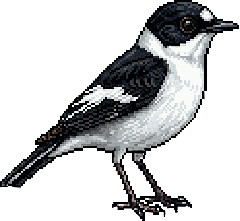 Papamoscas acollaradoCollared FlycatcherFicedula albicollis
 Gratis, sin anuncios ni comprasFree, no ads, no purchases