 BirdPedy
Avión roqueroCrag Martin
En 51 provincias en noviembre y en 48 en abrilIn 51 provinces in November and 48 in April
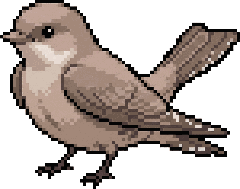
Reporte de rarezaRarity report
Por qué es comúnWhy it is commonEntre 2020 y 2024 se vio en España en 8.847 ocasiones distintas, repartidas en 1.827 días, todos los años (datos de Observation.org, eBird, iNaturalist y el ICO publicados en GBIF). En la provincia mediana, 1 de cada 220 registros de aves es suyo. En la guía de aves de SEO/BirdLife figura como habitual en España.Between 2020 and 2024 it was seen in Spain on 8,847 separate occasions, spread over 1,827 days, every year (data from Observation.org, eBird, iNaturalist and ICO published on GBIF). In the median province, 1 in every 220 bird records is of this species. SEO/BirdLife's bird guide lists it as regular in Spain.
Cada carrizo es un mes: su altura, las provincias con registros de 2020 a 2024.Each reed is a month: its height, the provinces with records from 2020 to 2024.- Provincias con registrosProvinces with records
- 51 de 52of 52
- En la appIn the app
- Todo el añoAll year
- EnvergaduraWingspan
- 33 cm33 cm
- LongitudLength
- 14 cm14 cm
- Lista Roja de EspañaSpanish Red List
- LC Preocupación menorLeast Concern

Información generalGeneral Information
Esta discreta golondrina, de tonos pardos y hábitos rupícolas, es la única presente todo el año en España. Nidifica en roquedos, así como en construcciones rurales, sobre todo puentes, y, recientemente, en núcleos urbanos. En invierno se reúne en dormideros, a veces integrados por miles de ejemplares, y desciende de las montañas a costas y humedales. Sus nidos se parecen mucho a los de golondrina común. Su apariencia más habitual es la de un pájaro pardo que vuela, con incesantes idas y venidas, junto a riscos y acantilados.The only swallow that stays with us in winter. It is a specialist of the rocks ('rupícola'), nesting in cliffs but also increasingly on bridges and urban buildings that mimic its natural habitat. In winter, it abandons the cold peaks to form large communal roosts (sometimes thousands of birds) in Mediterranean coastal wetlands. Its calm, floaty flight and brown tones are distinctive.
IdentificaciónIdentification
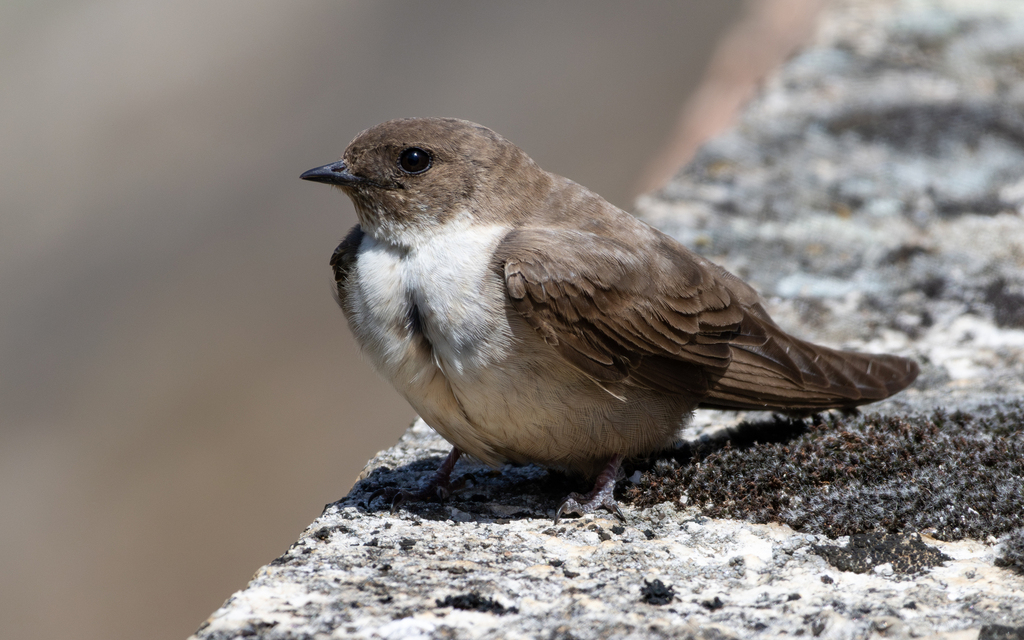
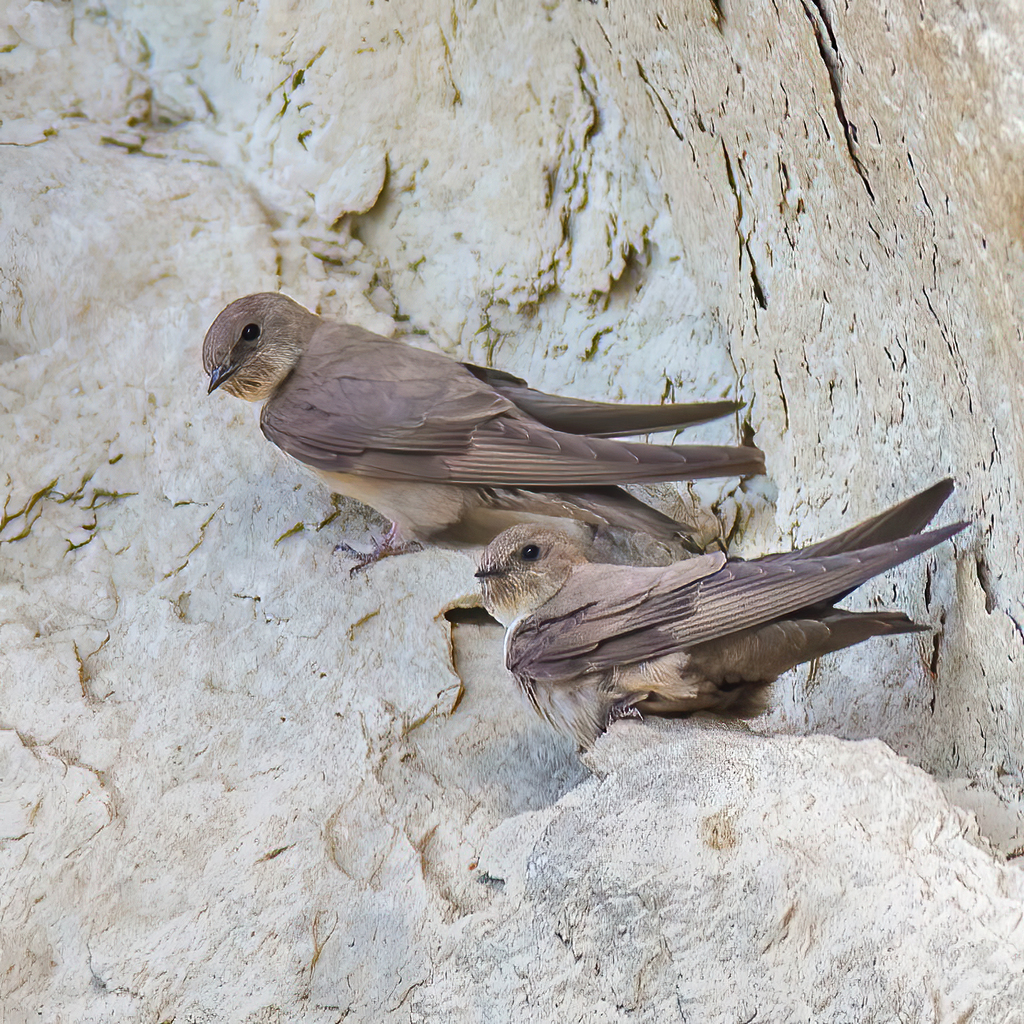
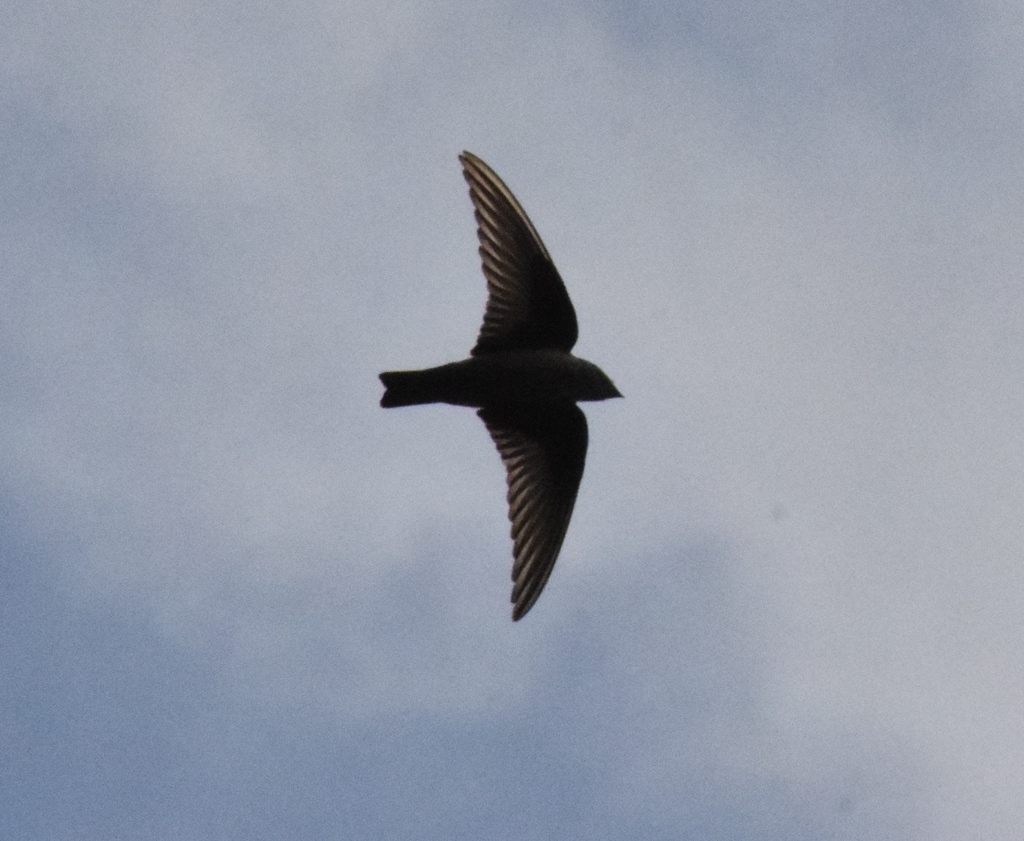
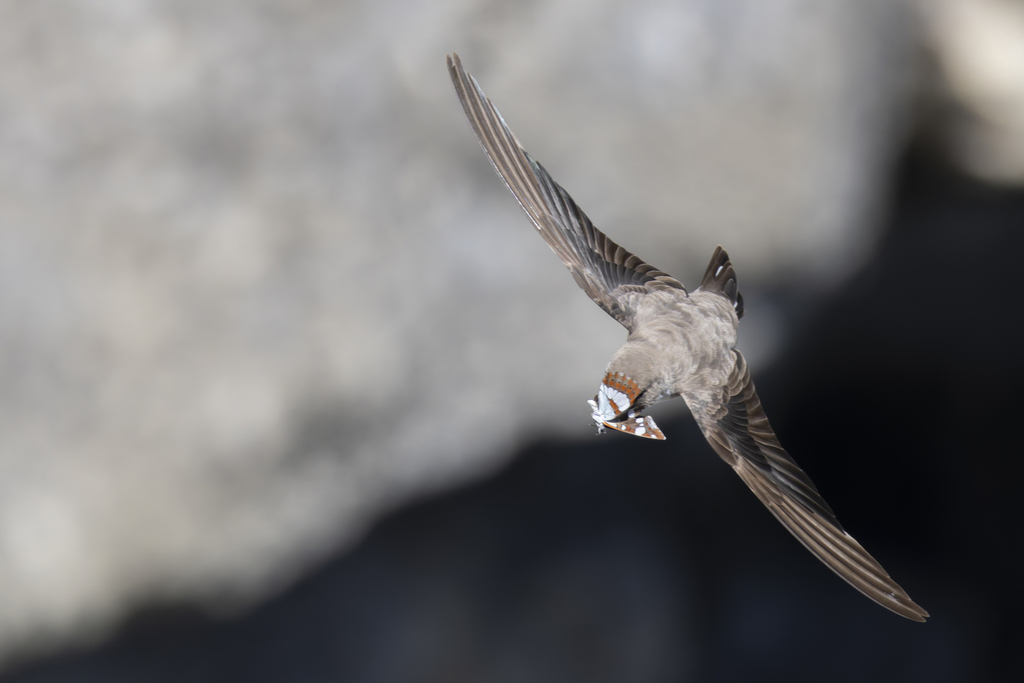
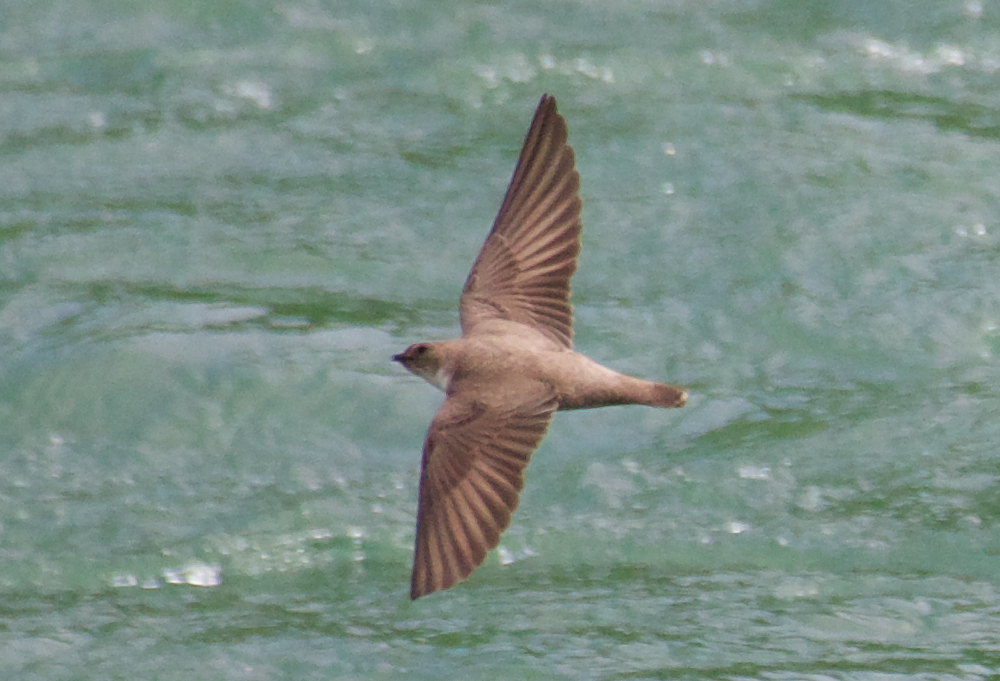
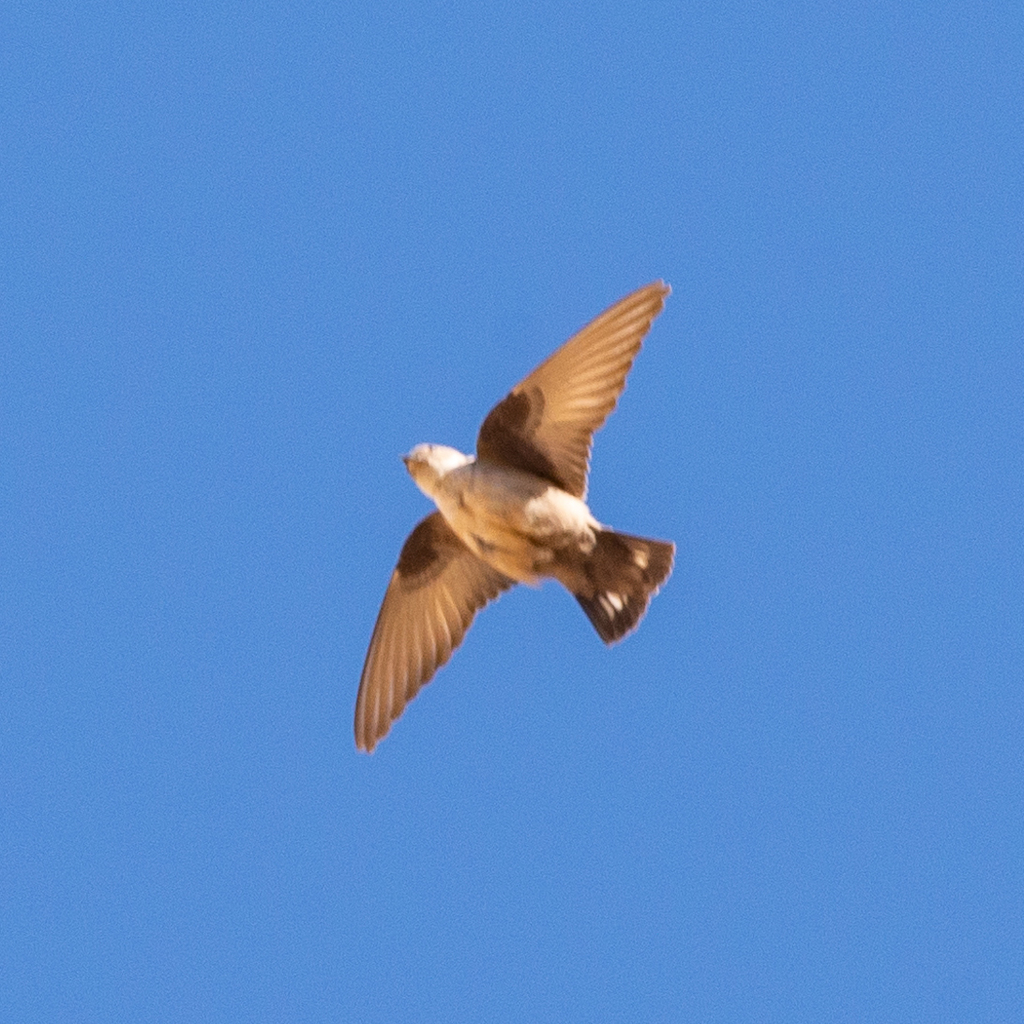
El avión roquero es la mayor golondrina española, aunque sólo un poco más grande que el resto. Exhibe un aspecto general pardo poco contrastado, con partes superiores de color pardo mate e inferiores de color pardo claro y límites difusos entre ambas. Sus alas, largas y apuntadas, destacan en vuelo por el color casi negro de la parte inferior y anterior. La cola, corta y sin horquilla, muestra una línea de manchas blancas, visibles solamente cuando está abierta. Tiene patas cortas y sin emplumar, boca muy ancha, y pico corto, plano y negro. La garganta es casi blanca, con algunas estrías oscuras. Se distingue del avión zapador porque este último presenta una ancha banda parda en el pecho. Ambos sexos son iguales. Los jóvenes, muy similares a los adultos, exhiben plumas ribeteadas en crema y una garganta más clara, con moteado difuso. Aunque esta ave suele observarse en vuelo y en grupos, no es raro verla posada, sobre todo en dormideros y descansaderos invernales. Se trata de la única golondrina residente en España.The largest Spanish swallow, only slightly larger than the others, with a robust build and relatively broad wings. It is almost entirely matte-brown with paler buff-brown underparts and faint throat streaking. Its short, square tail features a row of diagnostic white 'windows' visible only when fanned. Unlike other swallows, it is a year-round resident in Spain, often seen patrolling cliffs and mountain gorges. It rarely ventures far from vertical rock faces.
DistribuciónDistribution
El avión roquero ocupa la Península, Mallorca y Ceuta, siempre con ausencia en zonas llanas (ambas Mesetas y en las vegas de los grandes ríos), si bien puede ocupar también cursos fluviales escarpados, infraestructuras y edificios rurales y urbanos. En invierno abandona las zonas más frías y de montaña para concentrarse principalmente en el litoral mediterráneo entre Cádiz y Castellón.Widespread across the Peninsula, Mallorca, and Ceuta, but absent from the true plains (both Mesetas). Concentrates on the Mediterranean coast and southern Spain during winter. Common near cliffs, ravines, and large infrastructure.
Textos reproducidos con permiso de laTexts translated and reproduced with permission from the Guía de Aves de España © SEO/BirdLife
Estado de conservaciónConservation Status
- EX
- RE
- CR
- EN
- VU
- NT
- LC
Preocupación menorLeast Concern
Qué significa cada categoríaWhat each category means
- LC
- Preocupación menor: Taxón evaluado que no califica para categorías amenazadas. Especies abundantes y ampliamente distribuidasLeast Concern - Evaluated taxon that does not qualify for threatened categories. Widespread and abundant taxa
- NT
- Casi amenazada: No califica actualmente como amenazada, pero está cerca de calificar o es probable que califique en el futuro cercanoNear Threatened - Does not currently qualify as threatened, but is close to qualifying or likely to qualify in the near future
- VU
- Vulnerable: Enfrenta un alto riesgo de extinción en estado silvestre según los criterios A a E de IUCNVulnerable - Facing a high risk of extinction in the wild based on IUCN criteria A to E
- EN
- En peligro: Enfrenta un riesgo muy alto de extinción en estado silvestre según los criterios A a E de IUCNEndangered - Facing a very high risk of extinction in the wild based on IUCN criteria A to E
- CR
- En peligro crítico: Enfrenta un riesgo extremadamente alto de extinción en estado silvestre según los criterios A a E de IUCNCritically Endangered - Facing an extremely high risk of extinction in the wild based on IUCN criteria A to E
- DD
- Datos insuficientes: Información inadecuada para evaluar el riesgo de extinción basándose en distribución o estado poblacionalData Deficient - Inadequate information to assess extinction risk based on distribution and/or population status
- NE
- No evaluada: No ha sido evaluada aún contra los criterios de la Lista Roja de IUCNNot Evaluated - Has not yet been assessed against the IUCN Red List criteria
- RE
- Extinta regionalmente: El taxón ya no existe en la región específica, aunque puede sobrevivir en otros lugaresRegionally Extinct - Taxon no longer exists in the specific region, though it may survive elsewhere
- EX
- Extinta - No existe duda razonable de que ha muerto el último individuo del taxónExtinct - No reasonable doubt that the last individual of the taxon has died
TaxonomíaTaxonomy
- OrdenOrder
- Passeriformes
- FamiliaFamily
- Hirundinidae
Presencia en EspañaPresence in Spain
- HabitualRegular
- InvernanteWinter visitor
- ResidenteResident
En la app: todo el año.In the app: all year.
Dónde verlaWhere to see it
3.525 cuadrículas de 10 km con registros de 2020 a 2024. Toca un mes para ver dónde se ha visto.3,525 10 km squares with records from 2020 to 2024. Pick a month to see where it has been seen.
Cargando el mapa…Loading the map…
Dónde es regularWhere it is regular
Provincias con registros en al menos 3 de los 5 años algún mes, de más a menos frecuente, y sus mejores meses.Provinces with records in at least 3 of the 5 years in some month, from most to least frequent, and their best months.
- CádizCádiznoviembre, enero, diciembreNovember, January, December
- CastellónCastellónenero, diciembre, febreroJanuary, December, February
- HuescaHuescajulio, agosto, junioJuly, August, June
- ValenciaValenciaenero, diciembre, noviembreJanuary, December, November
- MálagaMálagaenero, noviembre, octubreJanuary, November, October
- AlicanteAlicantediciembre, enero, noviembreDecember, January, November
- JaénJaénfebrero, diciembre, eneroFebruary, December, January
- LleidaLleidaagosto, julio, junioAugust, July, June
- CáceresCáceresfebrero, abril, mayoFebruary, April, May
- BurgosBurgosmarzo, octubre, abrilMarch, October, April
Ver las 49 provinciasSee all 49 provinces
- CeutaCeutanoviembre, diciembre, octubreNovember, December, October
- CuencaCuencaagosto, junio, julioAugust, June, July
- GuadalajaraGuadalajarajunio, octubre, julioJune, October, July
- MurciaMurciaenero, diciembre, noviembreJanuary, December, November
- GranadaGranadaenero, noviembre, marzoJanuary, November, March
- SegoviaSegoviamayo, octubre, noviembreMay, October, November
- OurenseOurensefebrero, marzo, octubreFebruary, March, October
- TarragonaTarragonadiciembre, enero, febreroDecember, January, February
- SoriaSoriaabril, mayo, marzoApril, May, March
- PalenciaPalenciajulio, agosto, junioJuly, August, June
- ÁvilaÁvilajunio, julio, mayoJune, July, May
- La RiojaLa Riojaabril, junio, agostoApril, June, August
- TeruelTeruelagosto, marzo, julioAugust, March, July
- BalearesBalearic Islandsenero, febrero, diciembreJanuary, February, December
- AlbaceteAlbaceteagosto, julio, octubreAugust, July, October
- AlmeríaAlmeríaenero, febrero, noviembreJanuary, February, November
- AsturiasAsturiasagosto, julio, junioAugust, July, June
- LeónLeónagosto, junio, julioAugust, June, July
- HuelvaHuelvanoviembre, diciembre, eneroNovember, December, January
- BarcelonaBarcelonaenero, febrero, marzoJanuary, February, March
- ZamoraZamoraoctubre, marzo, mayoOctober, March, May
- GironaGironaagosto, marzo, febreroAugust, March, February
- CantabriaCantabriajulio, junio, febreroJuly, June, February
- BadajozBadajozmayo, marzo, diciembreMay, March, December
- SalamancaSalamancajunio, julio, agostoJune, July, August
- ÁlavaÁlavajunio, agosto, julioJune, August, July
- NavarraNavarrajulio, agosto, abrilJuly, August, April
- A CoruñaA Coruñafebrero, marzo, abrilFebruary, March, April
- ZaragozaZaragozamarzo, junio, febreroMarch, June, February
- LugoLugojunio, agosto, abrilJune, August, April
- CórdobaCórdobaenero, junio, agostoJanuary, June, August
- GuipúzcoaGuipúzcoaenero, mayo, diciembreJanuary, May, December
- MadridMadridfebrero, marzo, noviembreFebruary, March, November
- VizcayaVizcayajunio, marzo, abrilJune, March, April
- PontevedraPontevedraabril, julio, mayoApril, July, May
- SevillaSevillajunio, enero, julioJune, January, July
- ToledoToledofebrero, noviembre, junioFebruary, November, June
- Ciudad RealCiudad Realjunio, octubre, abrilJune, October, April
- ValladolidValladolidmarzo, junio, noviembreMarch, June, November
Datos: registros en GBIF de 2020 a 2024 de Observation.org, eBird, iNaturalist y el ICO, descargados el 23/10/2026.Data: GBIF records from 2020 to 2024 from Observation.org, eBird, iNaturalist and the ICO, downloaded on 23/10/2026. GBIF.org (23 October 2026) GBIF Occurrence Download · doi:10.15468/dl.r5sf2a · CC BY-NC 4.0
GaleríaGallery

© Ani Sarkisyan · CC BY · iNaturalist 
© Julia Moning · CC BY · iNaturalist 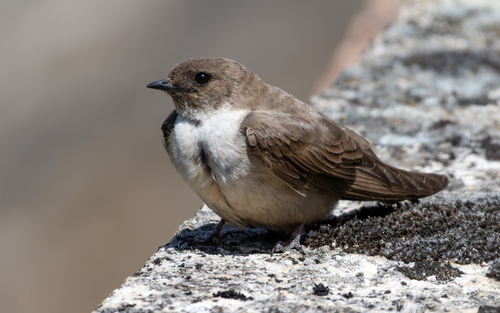
© Diego González Dopico · CC BY · iNaturalist 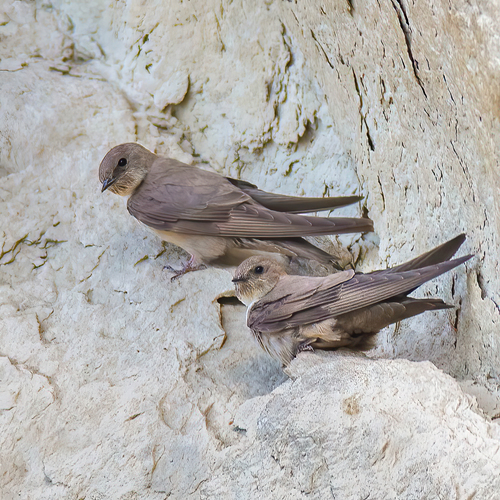
© egorbirder · CC BY · iNaturalist 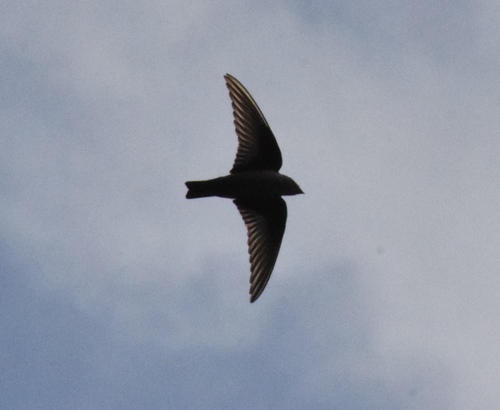
© Gergely Nigg · CC BY · iNaturalist 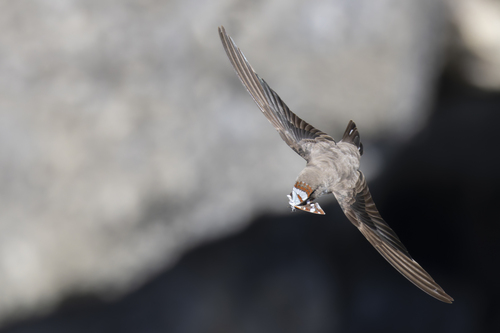
© Alexis Lours · CC BY · iNaturalist 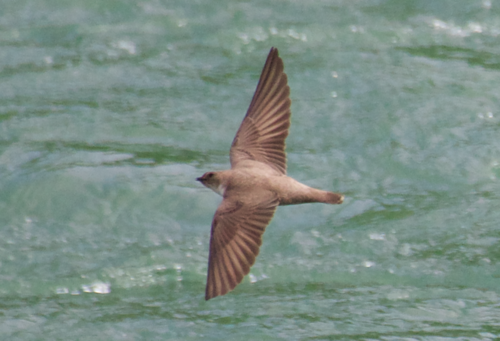
© Edoardo Nardelli · CC BY · iNaturalist 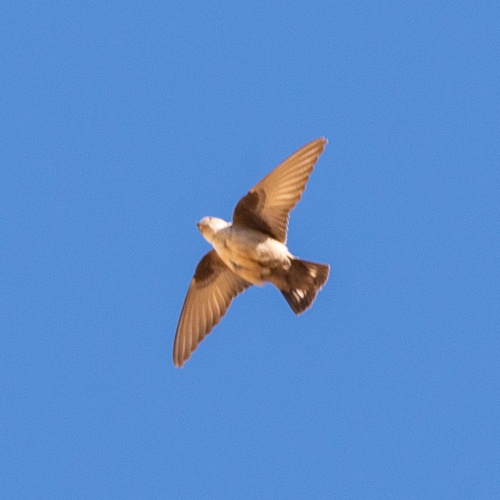
© euqirneto · CC BY · iNaturalist
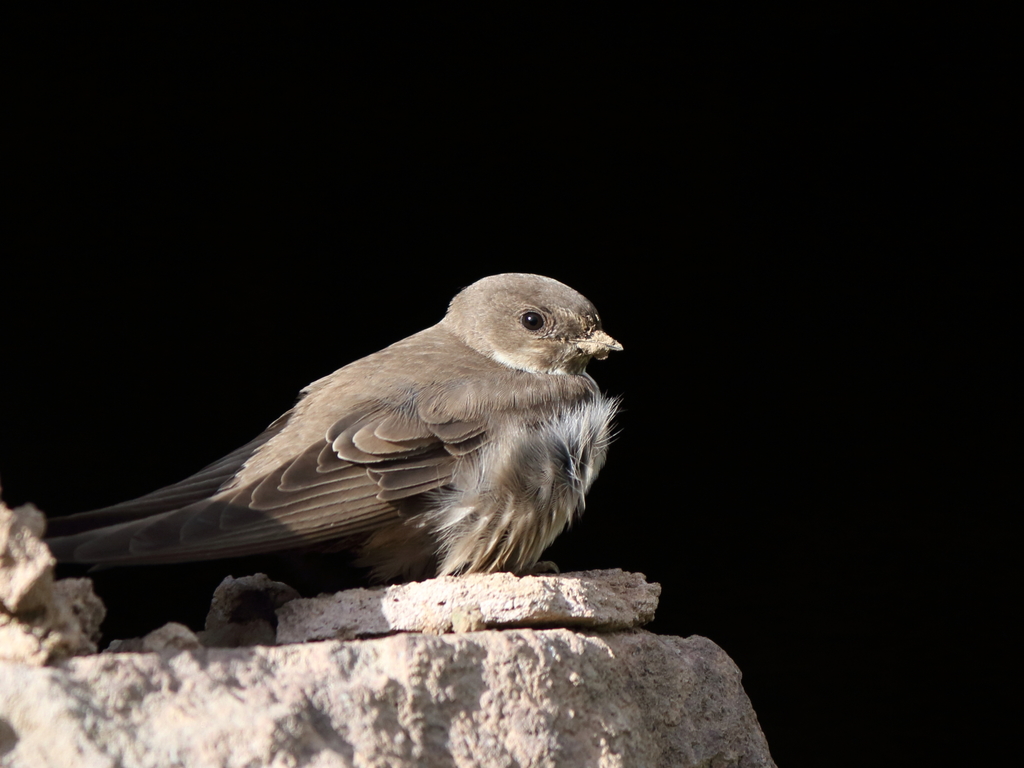

Especies relacionadasRelated species
Otras aves de la familia Hirundinidae y de órdenes cercanos.Other birds from the Hirundinidae family and nearby orders.
- ComúnCommon
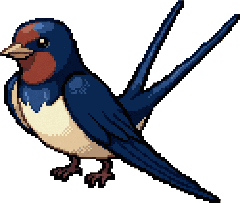 Golondrina comúnBarn SwallowHirundo rustica
- ComúnCommon
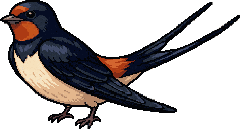 Golondrina dáuricaRed-rumped SwallowCecropis daurica
- ComúnCommon
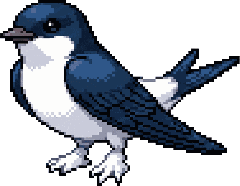 Avión común occidentalCommon House MartinDelichon urbicum
- LegendarioLegendary
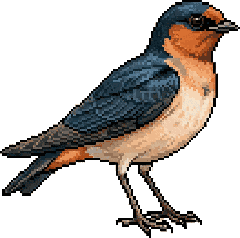 Golondrina puebleraCave SwallowPetrochelidon fulva
- LegendarioLegendary
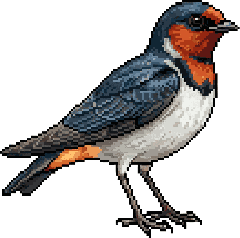 Golondrina risqueraCliff SwallowPetrochelidon pyrrhonota
- ComúnCommon
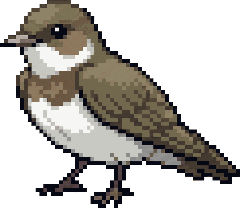 Avión zapadorSand MartinRiparia riparia
- Poco comúnUncommon
 Bisbita campestreTawny PipitAnthus campestris
- RaroRare
 Bisbita camineroBerthelot's PipitAnthus berthelotii
 Gratis, sin anuncios ni comprasFree, no ads, no purchases