 BirdPedy
Bisbita campestreTawny Pipit
En 48 provincias en abril y en 2 en noviembreIn 48 provinces in April and 2 in November
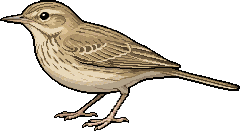
Reporte de rarezaRarity report
Por qué es poco comúnWhy it is uncommonEstival migradora de terrenos llanos, secos y calientes con vegetación rala. Bien distribuida por el interior peninsular pero en densidades naturales bajas y con una ventana temporal de observación limitada.Summer migrant of flat, dry, and hot terrain with sparse vegetation. Well distributed but in low natural densities.
Cada carrizo es un mes: su altura, las provincias con registros de 2020 a 2024.Each reed is a month: its height, the provinces with records from 2020 to 2024.- Provincias con registrosProvinces with records
- 50 de 52of 52
- En la appIn the app
- Marzo a octubreMarch to October
- EnvergaduraWingspan
- 27 cm27 cm
- LongitudLength
- 17 cm17 cm
- Lista Roja de EspañaSpanish Red List
- LC Preocupación menorLeast Concern

Información generalGeneral Information
Los bisbitas forman un grupo diverso de aves adaptadas a medios abiertos, muchas veces áridos, de todo el mundo. Sin embargo, las estepas ibéricas, ricas en otras aves, carecen de bisbitas nidificantes, a excepción del bisbita campestre, una especie común en las estepas continentales y parameras del norte y este de la Península, pero casi ausente en el cuadrante suroeste. De presencia estival, emite un sencillo y repetitivo canto, integrado por dos únicas notas.A specialist of the open, often arid plateaus and steppes. While most pipits love wet meadows or forests, the Tawny Pipit is a bird of the heat and the dust. It is a strictly summer visitor, arriving from sub-Saharan Africa. It is easily overlooked due to its 'washed-out' camouflage that blends perfectly with dry earth and fallow fields.
IdentificaciónIdentification
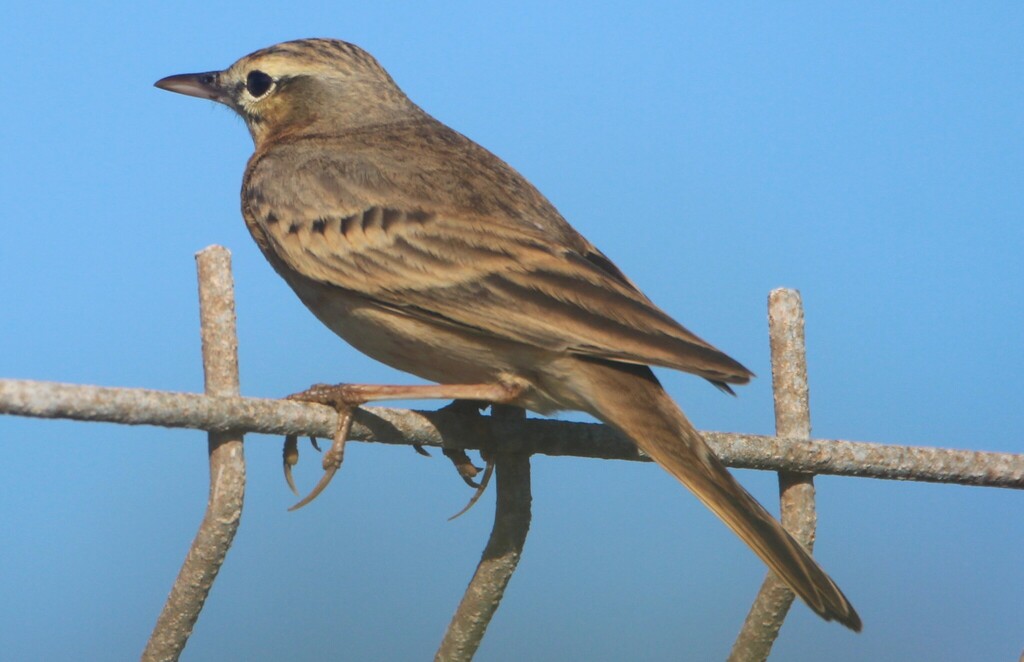
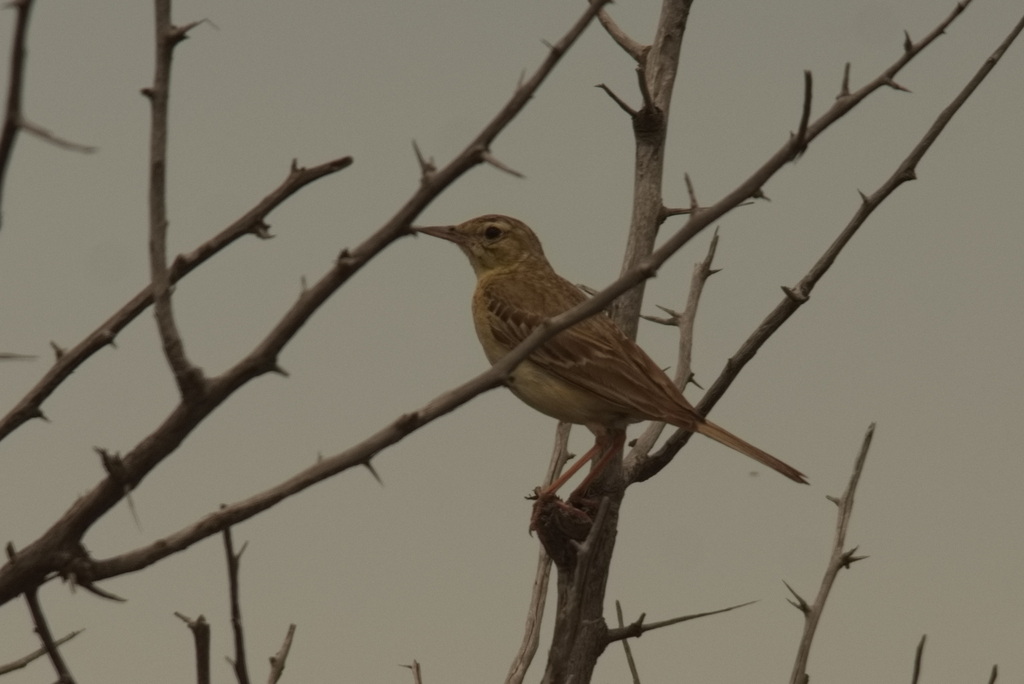
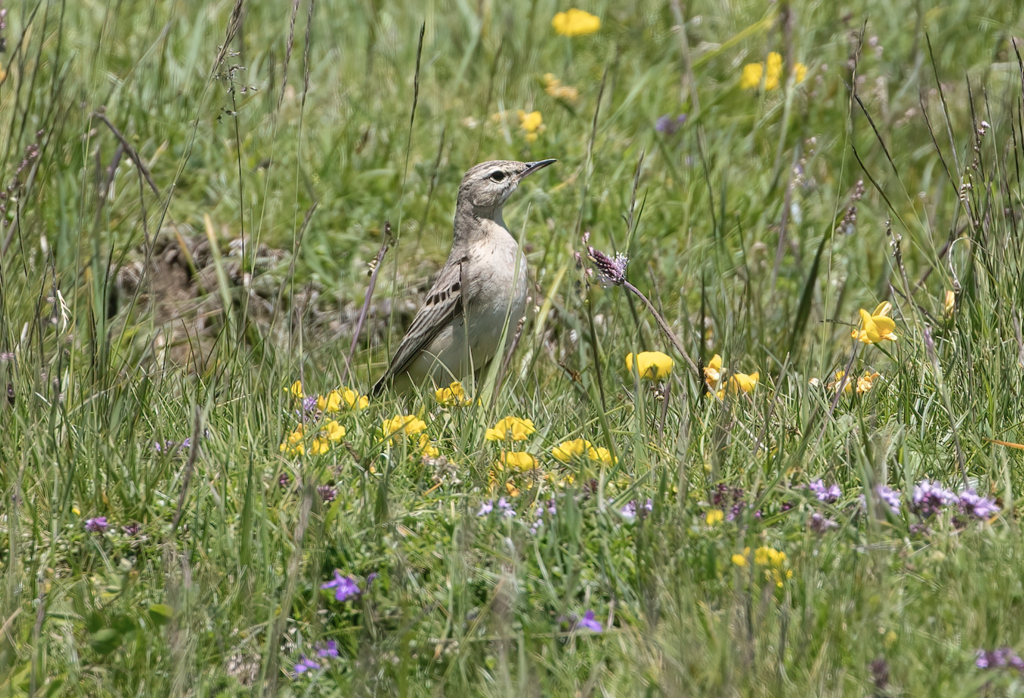
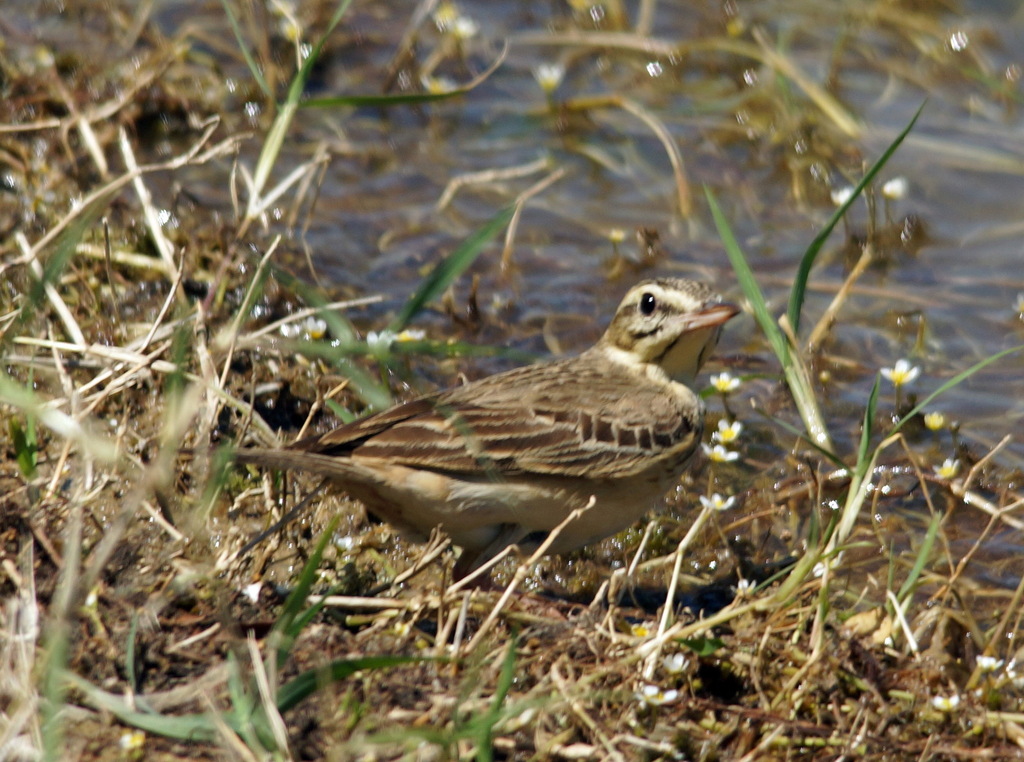
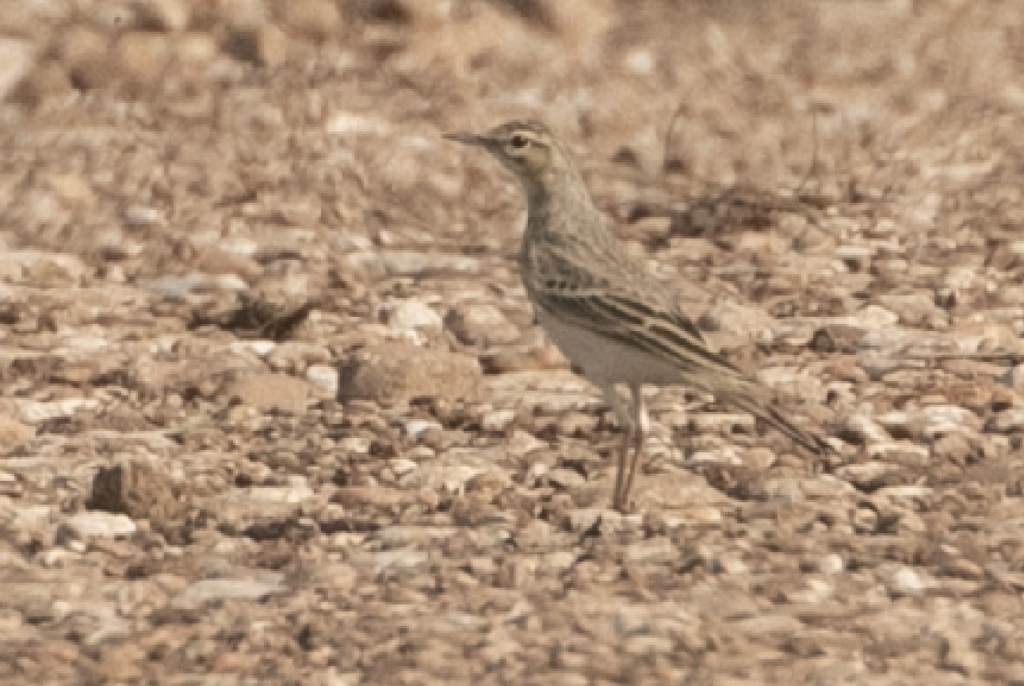
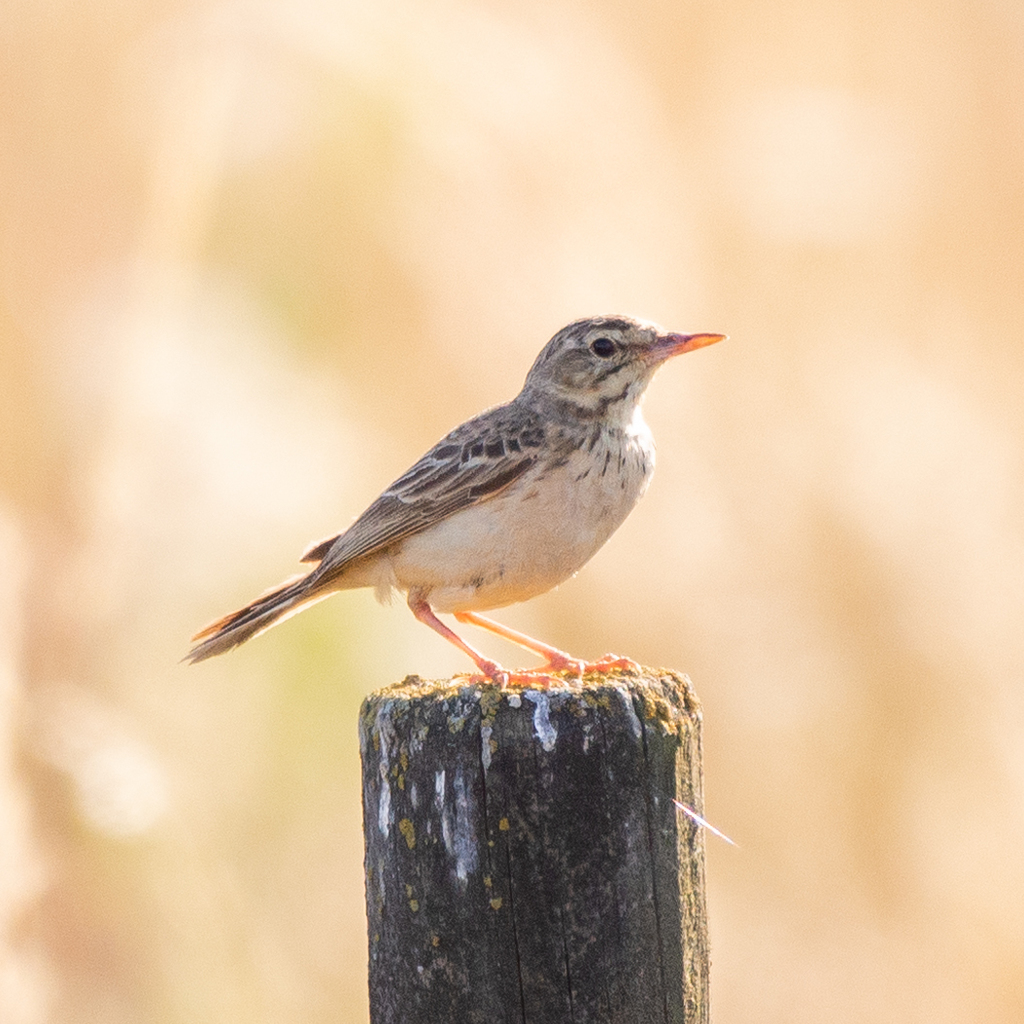
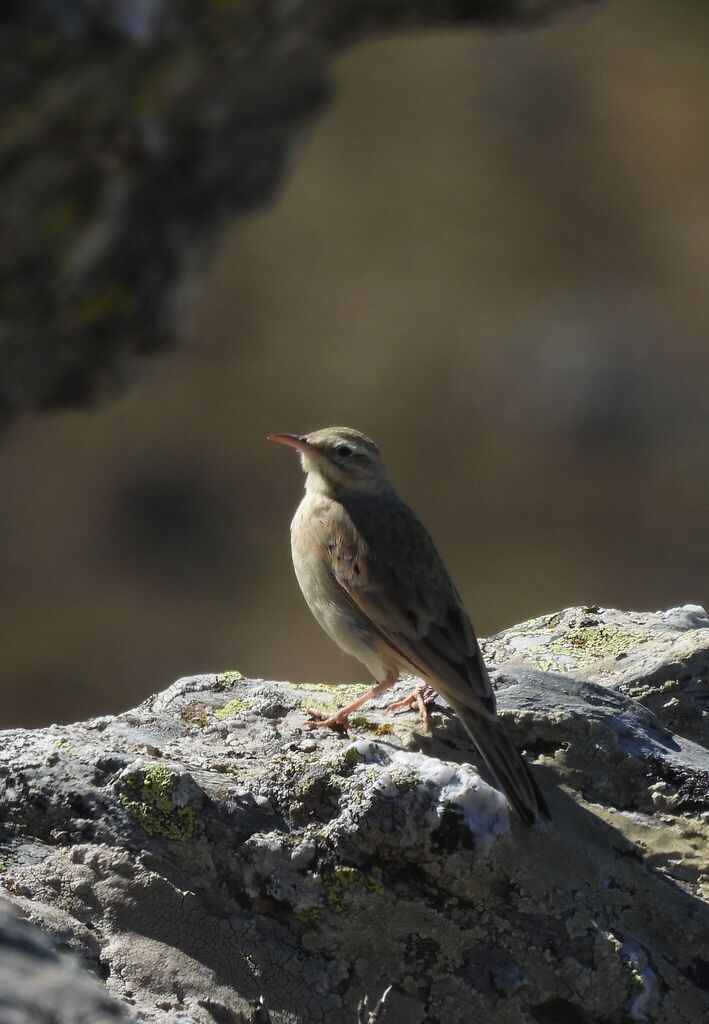
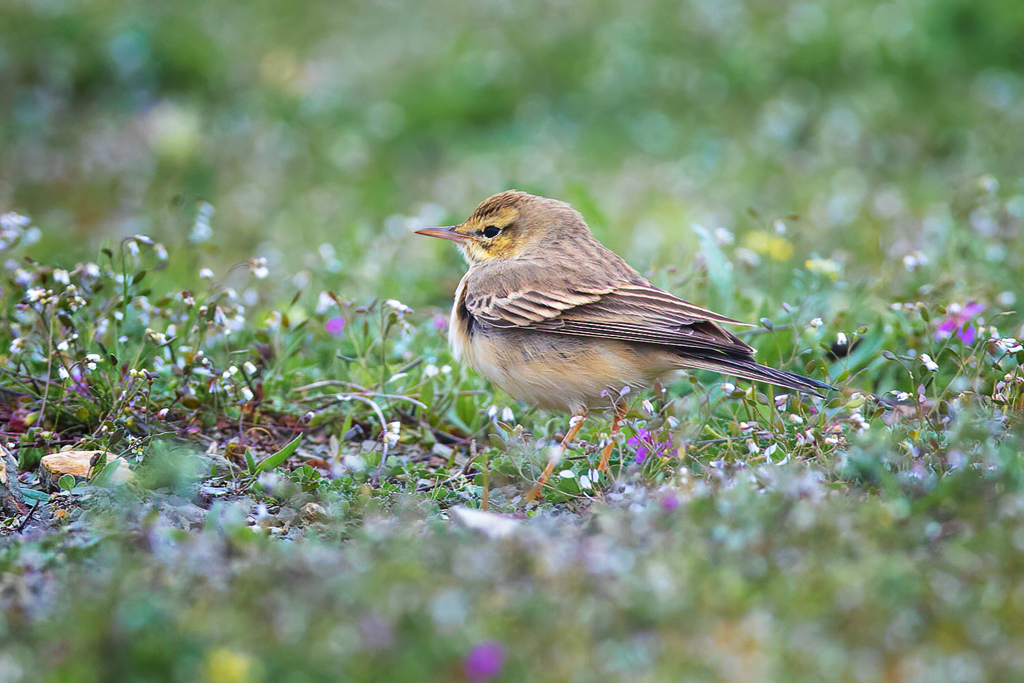
El bisbita campestre se caracteriza por su tamaño grande, aspecto de lavandera y coloración clara y lisa. Exhibe dorso gris arenoso, débilmente rayado, y partes inferiores de tono crema y sin estrías. Posee alas redondeadas, cola larga y con plumas externas blancas, pico anaranjado por abajo y oscuro por arriba y patas finas de color naranja amarillento. En la cabeza muestra varias líneas contrastadas: ceja clara, línea ocular oscura, bigotera blanca con borde inferior negro, y garganta blanca. Resulta singular entre nuestros bisbitas por sus tonos arenosos claros y por la ausencia de estrías en el pecho. Ambos sexos son iguales. Los jóvenes, diferentes a los adultos, recuerdan más a otros bisbitas por su dorso rayado y escamoso y, sobre todo, por el pecho intensamente estriado. El patrón de la cara, sin embargo, resulta similar al de los adultos y muy útil en la identificación. Se trata de un ave territorial que suele observarse en solitario y en el suelo, pues raramente vuela y prefiere moverse andando.A large, long-legged pipit with a remarkably pale, sandy-gray appearance and a very upright, wagtail-like posture. It has a nearly unstreaked, plain cream breast (unlike other pipits). The head features a bold white eyebrow (supercilium) and dark eye-line. It is a terrestrial bird that prefers to run along the ground rather than fly. Its song is a simple, repetitive two-note whistle.
DistribuciónDistribution
La subespecie campestris, la única que se observa en España, cría en la Meseta norte y el valle del Ebro, así como en montañas del este peninsular, Cádiz y Baleares. Falta o escasea en la cornisa cantábrica, Pirineos y gran parte de Galicia y del suroeste peninsular (grandes zonas de Extremadura), aunque no hay información suficiente en muchas cuadrículas de la mitad sur peninsular. En migración puede verse en toda la Península, Baleares y Canarias, y en este último archipiélago incluso parece invernar en bajo número.The subspecies campestris, the only one found in Spain, breeds on the northern Meseta and in the Ebro valley, as well as in the mountains of the eastern Peninsula, Cádiz and the Balearic Islands. It is absent or scarce along the Cantabrian coast, in the Pyrenees and in much of Galicia and the south-west of the Peninsula (large parts of Extremadura), although there is not enough information for many grid squares in the southern half of the Peninsula. On migration it can be seen throughout the Peninsula, the Balearics and the Canary Islands, and in the latter it even seems to winter in small numbers.
Textos reproducidos con permiso de laTexts translated and reproduced with permission from the Guía de Aves de España © SEO/BirdLife
Estado de conservaciónConservation Status
- EX
- RE
- CR
- EN
- VU
- NT
- LC
Preocupación menorLeast Concern
Qué significa cada categoríaWhat each category means
- LC
- Preocupación menor: Taxón evaluado que no califica para categorías amenazadas. Especies abundantes y ampliamente distribuidasLeast Concern - Evaluated taxon that does not qualify for threatened categories. Widespread and abundant taxa
- NT
- Casi amenazada: No califica actualmente como amenazada, pero está cerca de calificar o es probable que califique en el futuro cercanoNear Threatened - Does not currently qualify as threatened, but is close to qualifying or likely to qualify in the near future
- VU
- Vulnerable: Enfrenta un alto riesgo de extinción en estado silvestre según los criterios A a E de IUCNVulnerable - Facing a high risk of extinction in the wild based on IUCN criteria A to E
- EN
- En peligro: Enfrenta un riesgo muy alto de extinción en estado silvestre según los criterios A a E de IUCNEndangered - Facing a very high risk of extinction in the wild based on IUCN criteria A to E
- CR
- En peligro crítico: Enfrenta un riesgo extremadamente alto de extinción en estado silvestre según los criterios A a E de IUCNCritically Endangered - Facing an extremely high risk of extinction in the wild based on IUCN criteria A to E
- DD
- Datos insuficientes: Información inadecuada para evaluar el riesgo de extinción basándose en distribución o estado poblacionalData Deficient - Inadequate information to assess extinction risk based on distribution and/or population status
- NE
- No evaluada: No ha sido evaluada aún contra los criterios de la Lista Roja de IUCNNot Evaluated - Has not yet been assessed against the IUCN Red List criteria
- RE
- Extinta regionalmente: El taxón ya no existe en la región específica, aunque puede sobrevivir en otros lugaresRegionally Extinct - Taxon no longer exists in the specific region, though it may survive elsewhere
- EX
- Extinta - No existe duda razonable de que ha muerto el último individuo del taxónExtinct - No reasonable doubt that the last individual of the taxon has died
TaxonomíaTaxonomy
- OrdenOrder
- Passeriformes
- FamiliaFamily
- Motacillidae
Presencia en EspañaPresence in Spain
- EstivalSummer visitor
- HabitualRegular
En la app: marzo a octubre.In the app: March to October.
Dónde verlaWhere to see it
1.786 cuadrículas de 10 km con registros de 2020 a 2024. Toca un mes para ver dónde se ha visto.1,786 10 km squares with records from 2020 to 2024. Pick a month to see where it has been seen.
Cargando el mapa…Loading the map…
Dónde es regularWhere it is regular
Provincias con registros en al menos 3 de los 5 años algún mes, de más a menos frecuente, y sus mejores meses.Provinces with records in at least 3 of the 5 years in some month, from most to least frequent, and their best months.
- TeruelTerueljunio, julio, mayoJune, July, May
- SoriaSoriamayo, junio, julioMay, June, July
- CastellónCastellónjunio, mayo, julioJune, May, July
- NavarraNavarrajulio, junio, mayoJuly, June, May
- SegoviaSegoviamayo, julio, junioMay, July, June
- GuadalajaraGuadalajarajunio, julio, agostoJune, July, August
- ZaragozaZaragozajulio, junio, mayoJuly, June, May
- BurgosBurgosjulio, junio, mayoJuly, June, May
- La RiojaLa Riojajunio, mayo, julioJune, May, July
- CuencaCuencajunio, julio, agostoJune, July, August
Ver las 47 provinciasSee all 47 provinces
- BalearesBalearic Islandsjunio, mayo, julioJune, May, July
- LeónLeónjunio, mayo, julioJune, May, July
- HuescaHuescajulio, mayo, junioJuly, May, June
- GranadaGranadajulio, junio, mayoJuly, June, May
- CádizCádizmayo, abril, junioMay, April, June
- BadajozBadajozseptiembre, abril, mayoSeptember, April, May
- JaénJaénjulio, septiembreJuly, September
- OurenseOurensejulio, junio, agostoJuly, June, August
- ValladolidValladolidjulio, agosto, mayoJuly, August, May
- ÁlavaÁlavamayo, junio, julioMay, June, July
- LleidaLleidaseptiembre, mayo, abrilSeptember, May, April
- PalenciaPalenciajunio, mayo, julioJune, May, July
- ZamoraZamorajulio, junio, agostoJuly, June, August
- ÁvilaÁvilajunio, julio, mayoJune, July, May
- TarragonaTarragonamayo, junio, julioMay, June, July
- CórdobaCórdobaseptiembreSeptember
- AlbaceteAlbaceteseptiembre, julio, junioSeptember, July, June
- ToledoToledoseptiembre, abril, mayoSeptember, April, May
- CáceresCáceresseptiembre, abril, octubreSeptember, April, October
- SalamancaSalamancajunio, julio, septiembreJune, July, September
- SevillaSevillaseptiembre, octubre, agostoSeptember, October, August
- BarcelonaBarcelonajunio, julio, septiembreJune, July, September
- Ciudad RealCiudad Realseptiembre, abril, mayoSeptember, April, May
- MálagaMálagaseptiembre, junio, octubreSeptember, June, October
- GironaGironajunio, mayo, julioJune, May, July
- MadridMadridjulio, junio, mayoJuly, June, May
- HuelvaHuelvaseptiembre, marzo, mayoSeptember, March, May
- AlmeríaAlmeríajunio, septiembre, agostoJune, September, August
- Las PalmasLas Palmasfebrero, marzo, abrilFebruary, March, April
- AlicanteAlicantejunio, mayo, julioJune, May, July
- CantabriaCantabriajulio, agosto, junioJuly, August, June
- ValenciaValenciaseptiembre, junio, mayoSeptember, June, May
- MurciaMurciaseptiembre, abril, mayoSeptember, April, May
- PontevedraPontevedraagosto, junio, julioAugust, June, July
- GuipúzcoaGuipúzcoaseptiembreSeptember
- VizcayaVizcayaseptiembre, mayoSeptember, May
- AsturiasAsturiasjulio, junio, abrilJuly, June, April
Datos: registros en GBIF de 2020 a 2024 de Observation.org, eBird, iNaturalist y el ICO, descargados el 23/10/2026.Data: GBIF records from 2020 to 2024 from Observation.org, eBird, iNaturalist and the ICO, downloaded on 23/10/2026. GBIF.org (23 October 2026) GBIF Occurrence Download · doi:10.15468/dl.r5sf2a · CC BY-NC 4.0
GaleríaGallery
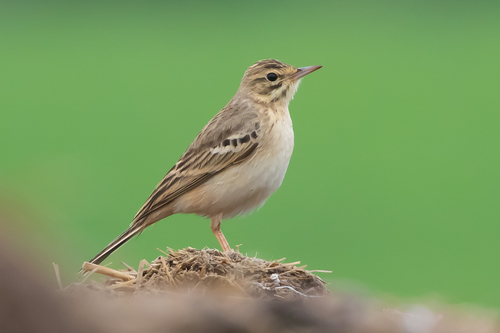
© Johannes S. · CC BY · iNaturalist 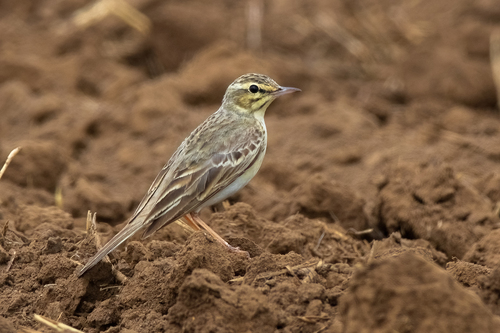
© egorbirder · CC BY · iNaturalist 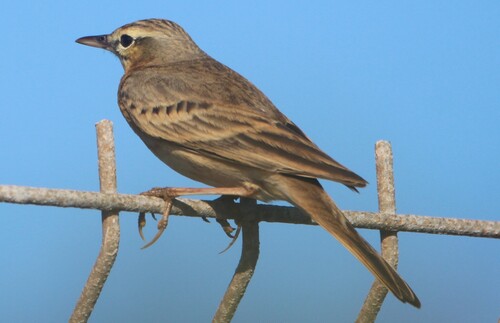
© Bastien Le Mort · CC BY · iNaturalist 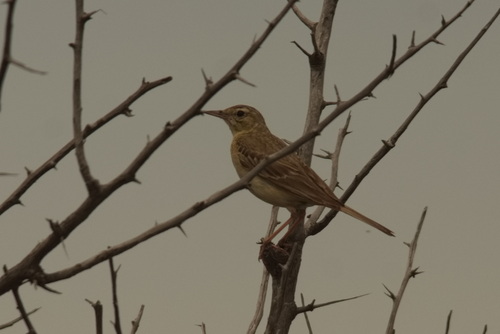
© SIA · CC BY · iNaturalist 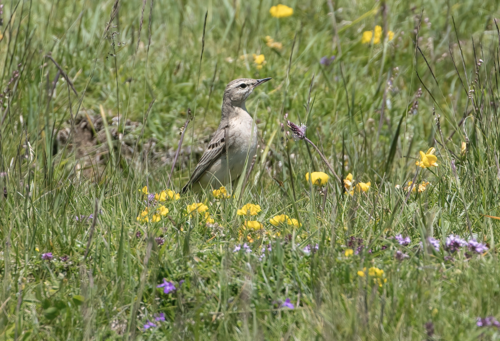
© Paolo Zucca · CC BY · iNaturalist 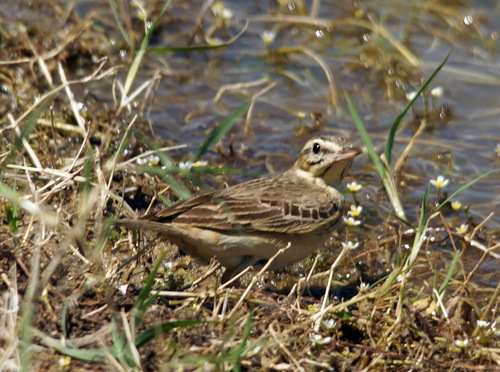
© SIA · CC BY · iNaturalist 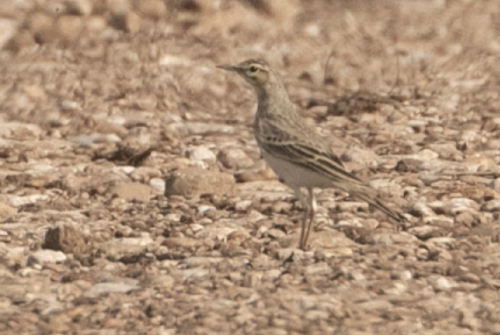
© Paolo Zucca · CC BY · iNaturalist 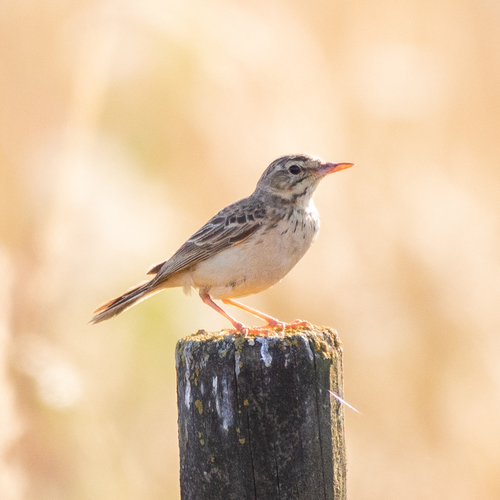
© euqirneto · CC BY · iNaturalist 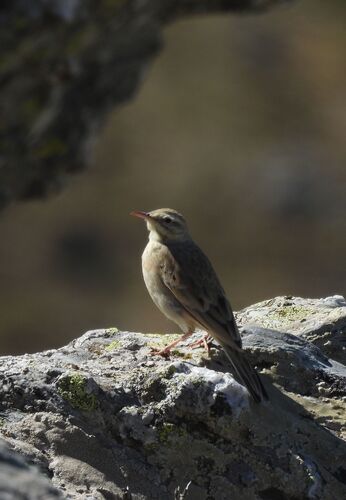
© Yves Bas · CC BY · iNaturalist 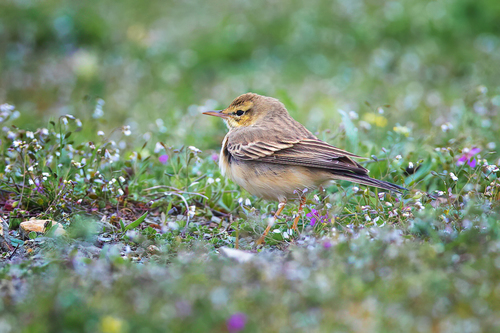
© egorbirder · CC BY · iNaturalist

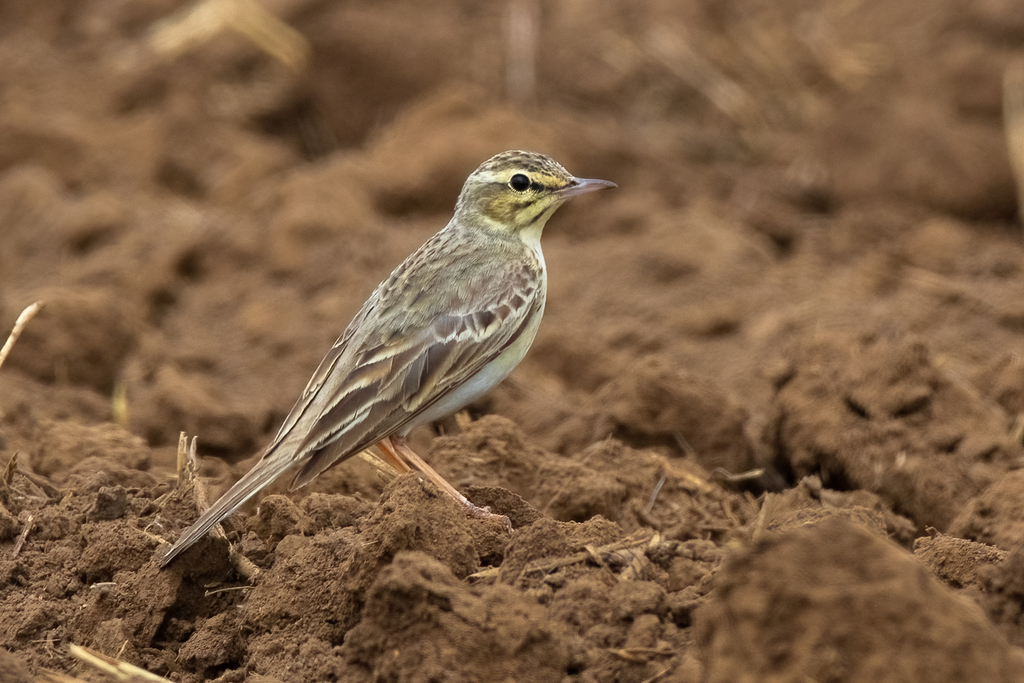
Especies relacionadasRelated species
Otras aves de la familia Motacillidae y de órdenes cercanos.Other birds from the Motacillidae family and nearby orders.
- RaroRare
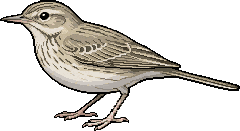 Bisbita camineroBerthelot's PipitAnthus berthelotii
- Poco comúnUncommon
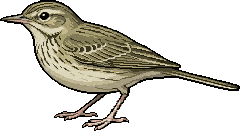 Bisbita arbóreoTree PipitAnthus trivialis
- ComúnCommon
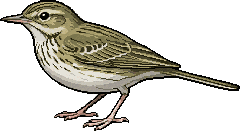 Bisbita pratenseMeadow PipitAnthus pratensis
- ComúnCommon
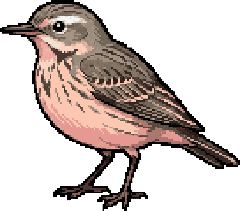 Bisbita alpinoWater PipitAnthus spinoletta
- ComúnCommon
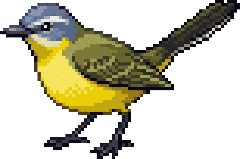 Lavandera boyeraWestern Yellow WagtailMotacilla flava
- ComúnCommon
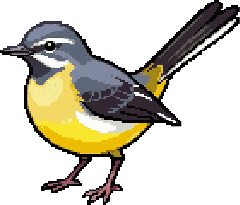 Lavandera cascadeñaGrey WagtailMotacilla cinerea
- ComúnCommon
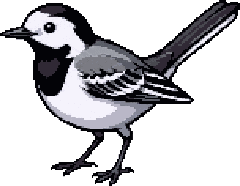 Lavandera blancaWhite WagtailMotacilla alba
- ÉpicoEpic
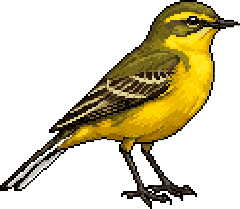 Lavandera de ChukotkaEast Siberian WagtailMotacilla tschutschensis
 Gratis, sin anuncios ni comprasFree, no ads, no purchases