 BirdPedy
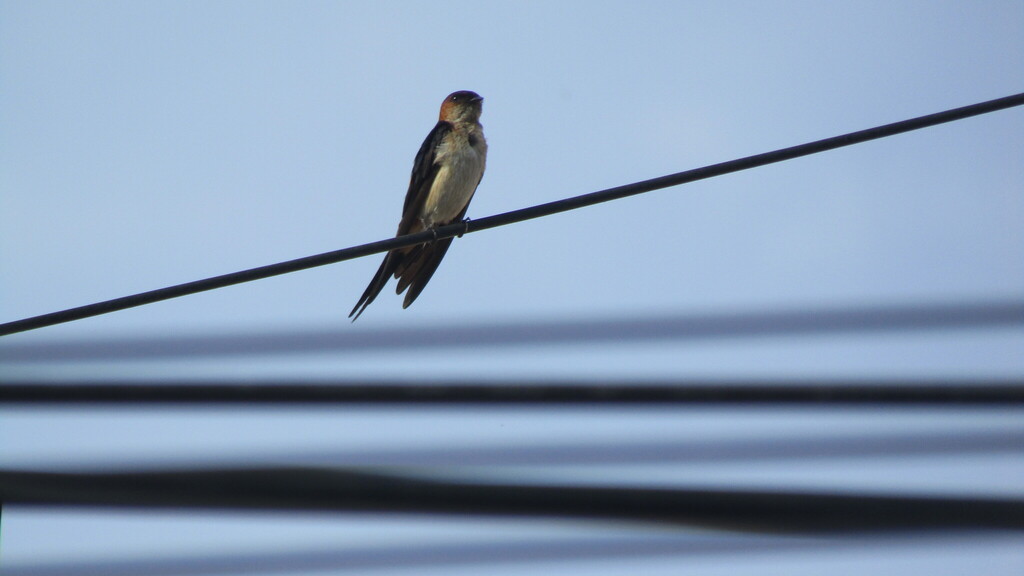
Golondrina dáuricaRed-rumped Swallow
En 52 provincias en abril y en 18 en eneroIn 52 provinces in April and 18 in January
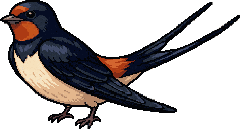
Reporte de rarezaRarity report
Por qué es comúnWhy it is commonEntre 2020 y 2024 se vio en España en 5.587 ocasiones distintas, repartidas en 1.564 días, todos los años (datos de Observation.org, eBird, iNaturalist y el ICO publicados en GBIF). En la provincia mediana, 1 de cada 770 registros de aves es suyo. En la guía de aves de SEO/BirdLife figura como habitual en España.Between 2020 and 2024 it was seen in Spain on 5,587 separate occasions, spread over 1,564 days, every year (data from Observation.org, eBird, iNaturalist and ICO published on GBIF). In the median province, 1 in every 770 bird records is of this species. SEO/BirdLife's bird guide lists it as regular in Spain.
Cada carrizo es un mes: su altura, las provincias con registros de 2020 a 2024.Each reed is a month: its height, the provinces with records from 2020 to 2024.- Provincias con registrosProvinces with records
- 52 de 52of 52
- En la appIn the app
- Marzo a octubreMarch to October
- EnvergaduraWingspan
- 33 cm33 cm
- LongitudLength
- 17 cm17 cm
- Lista Roja de EspañaSpanish Red List
- LC Preocupación menorLeast Concern

Información generalGeneral Information
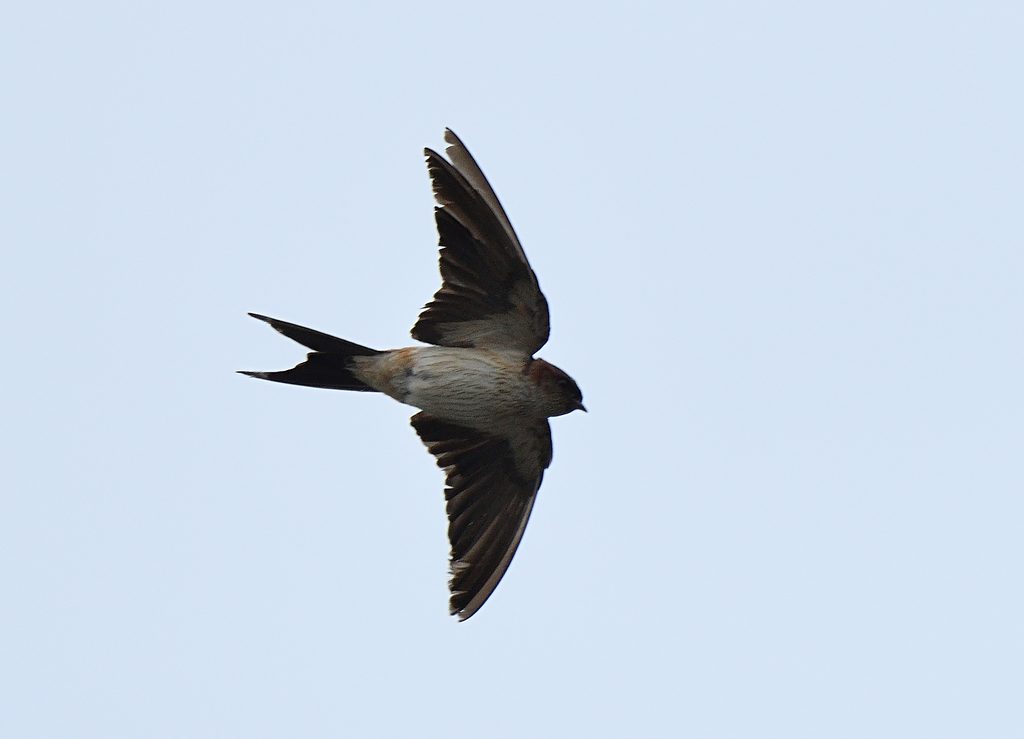
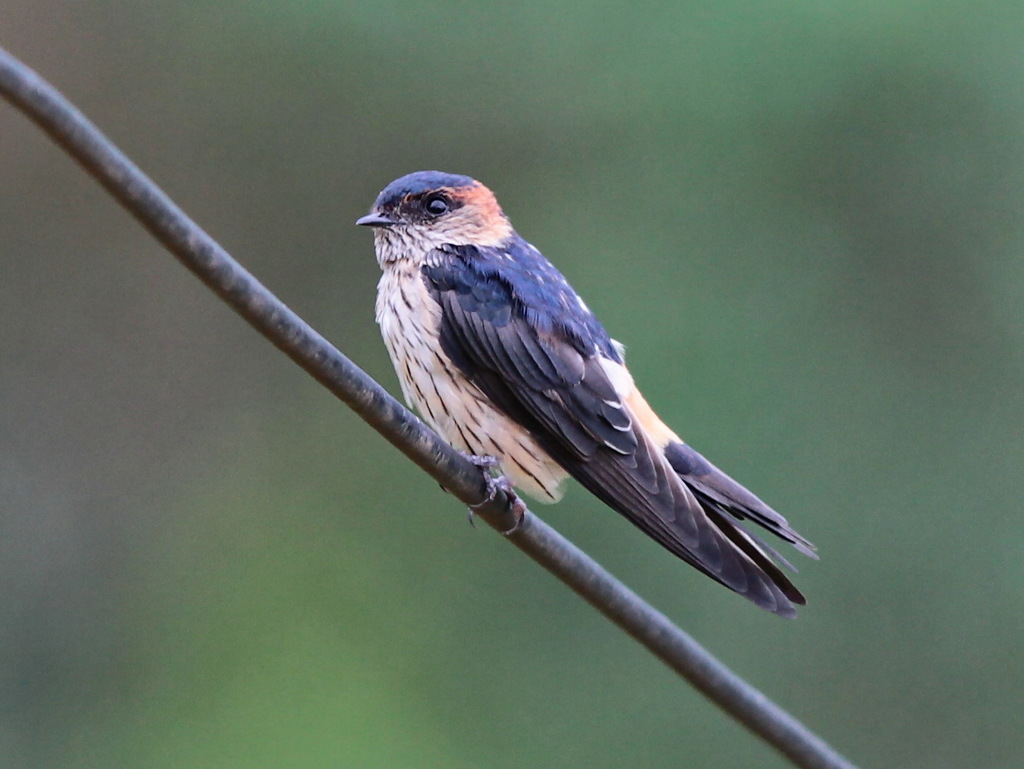
Especie de procedencia africana y asiática, y de costumbres más agrestes que la golondrina común, se ha expandido con gran éxito por la Península Ibérica a lo largo del siglo XX. Bien asentada en el suroeste peninsular, su expansión hacia el norte y el este aún continúa. Su nido, en forma de iglú invertido y con entrada a modo de túnel, es bastante característico. La presencia de esta golondrina ha facilitado la entrada a otro colonizador africano, el vencejo cafre, que utiliza sus nidos para criar.A wilder and more 'rugged' cousin of the Barn Swallow. It builds a very sophisticated 'igloo-shaped' mud nest with a long entrance tunnel, usually under bridges or on cliff faces. Its expansion into Spain has been spectacular, moving from the south to colonize almost the entire Peninsula and even the Balearics. Its nests are often taken over by the rare White-rumped Swift.
IdentificaciónIdentification
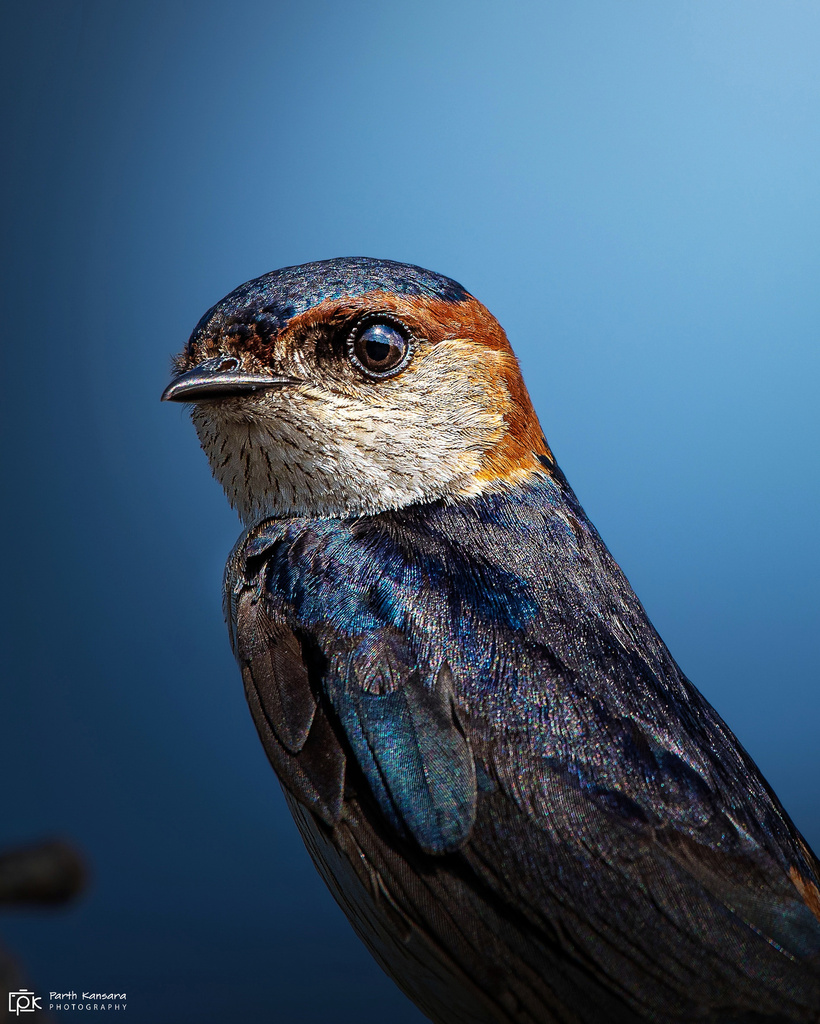
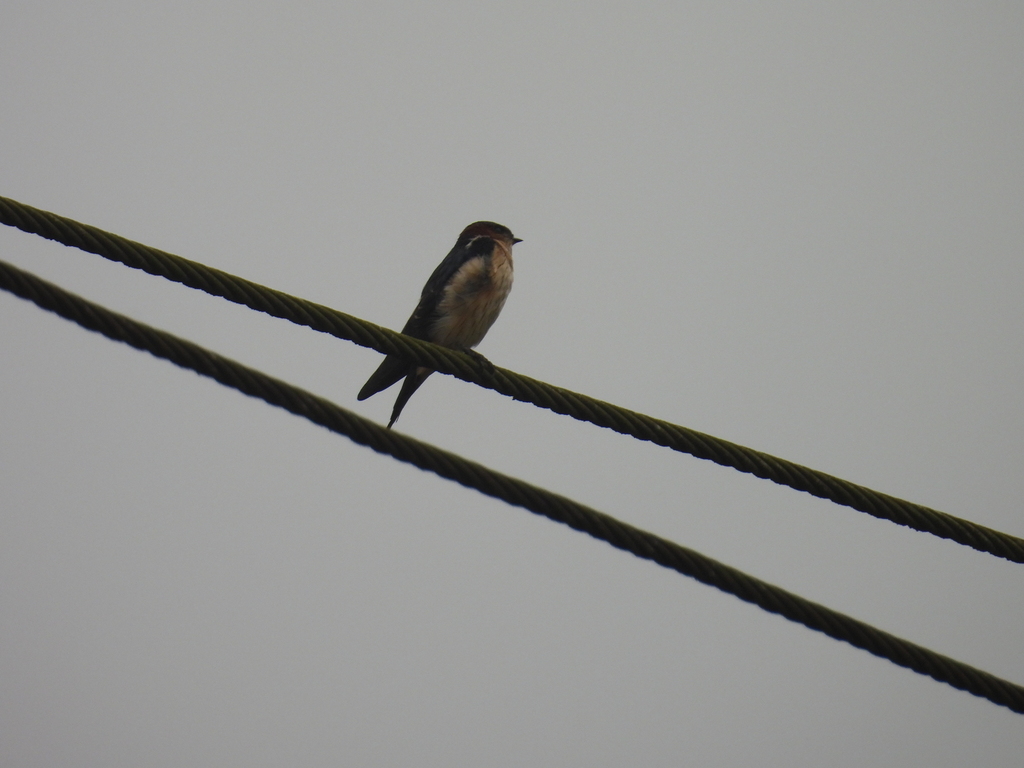
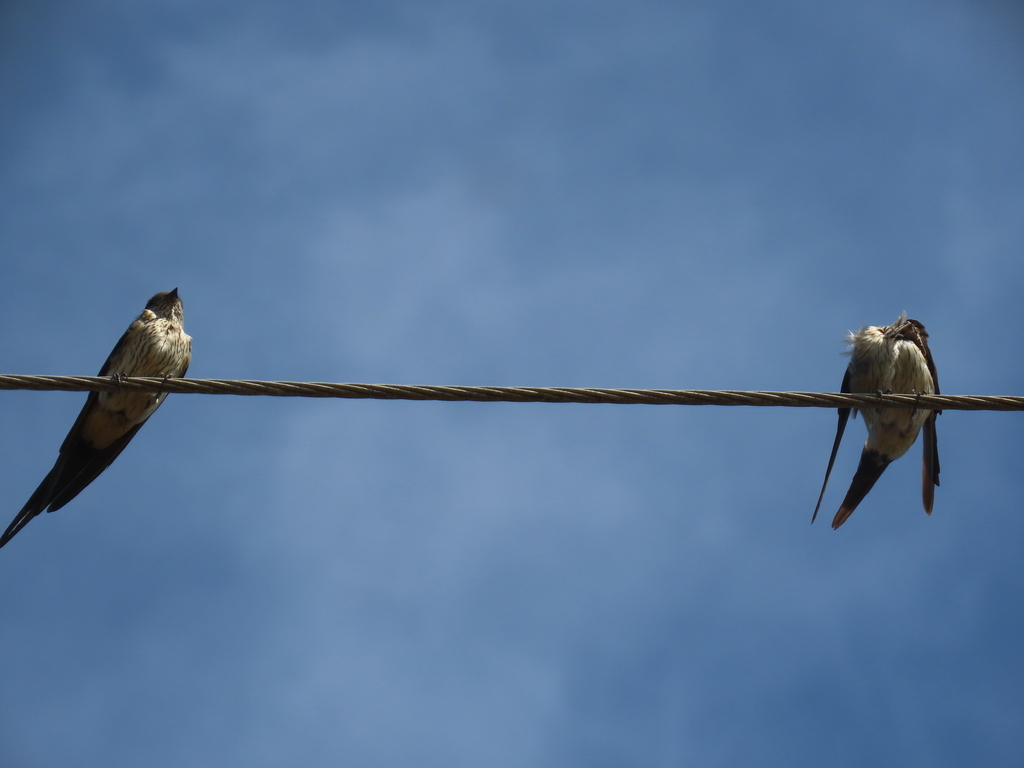
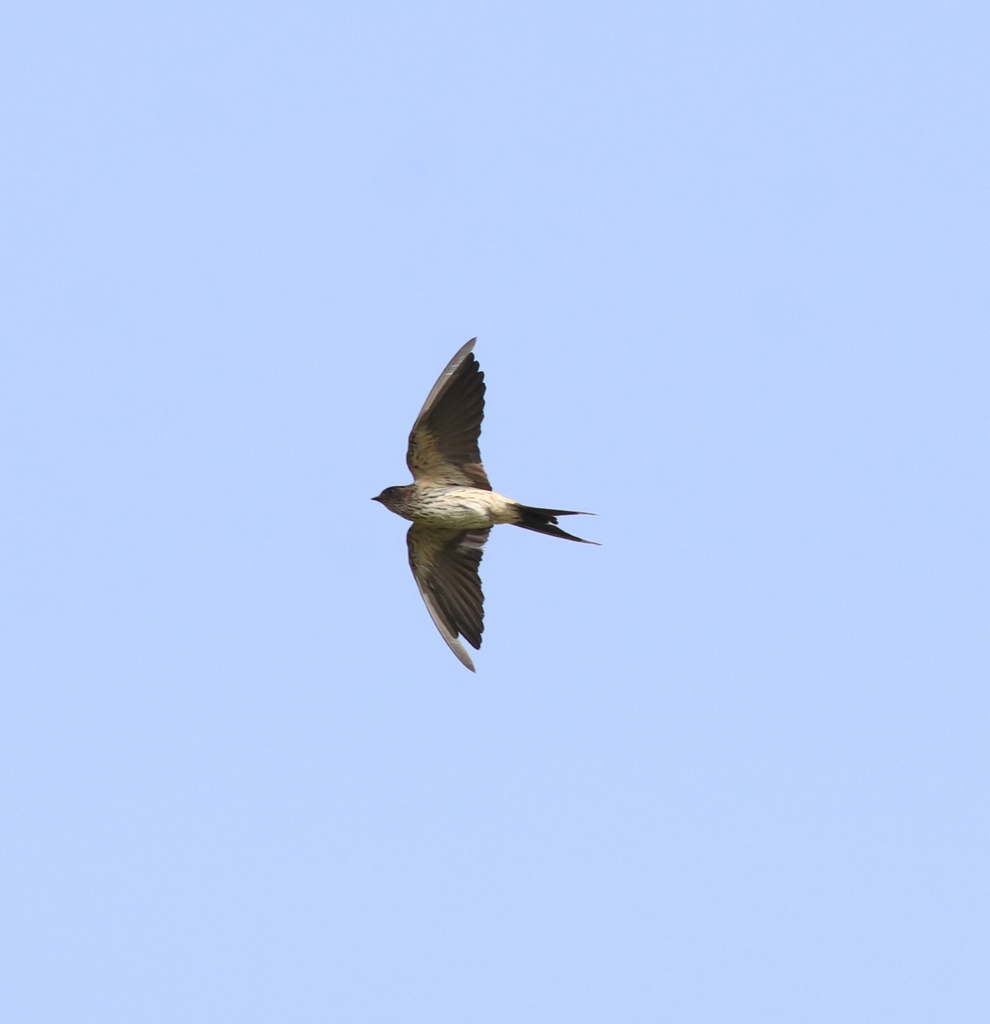
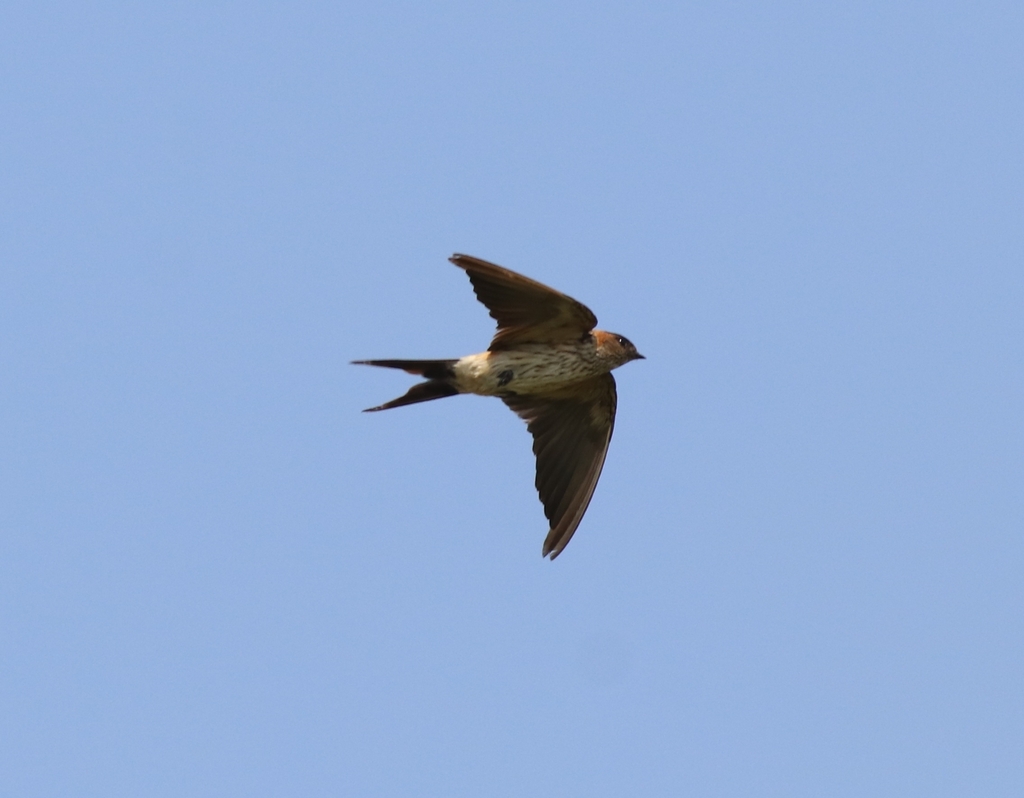
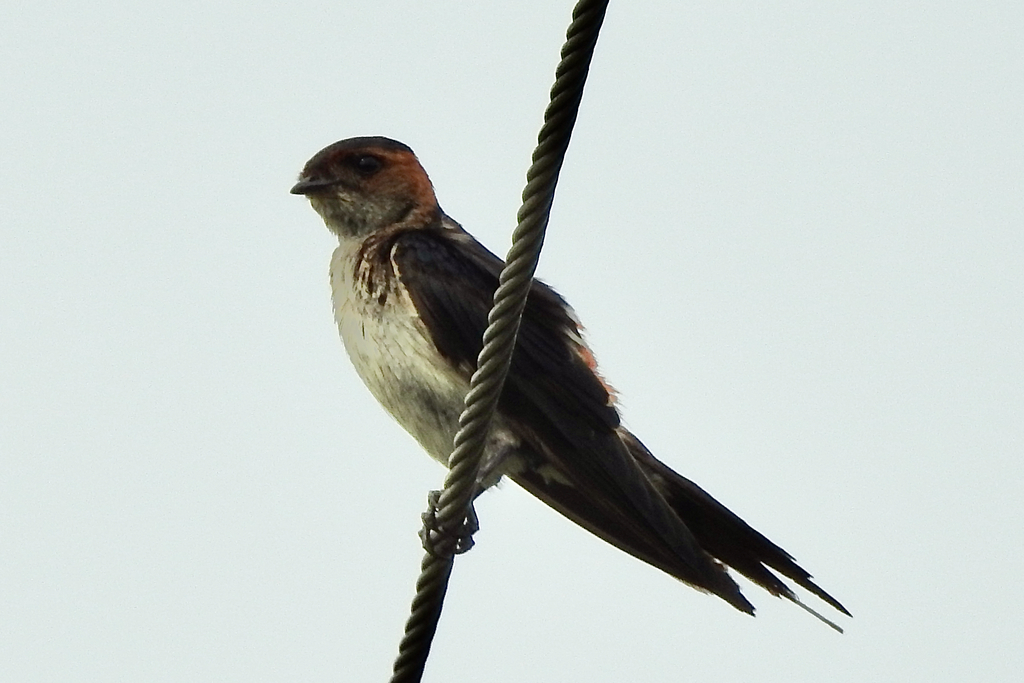
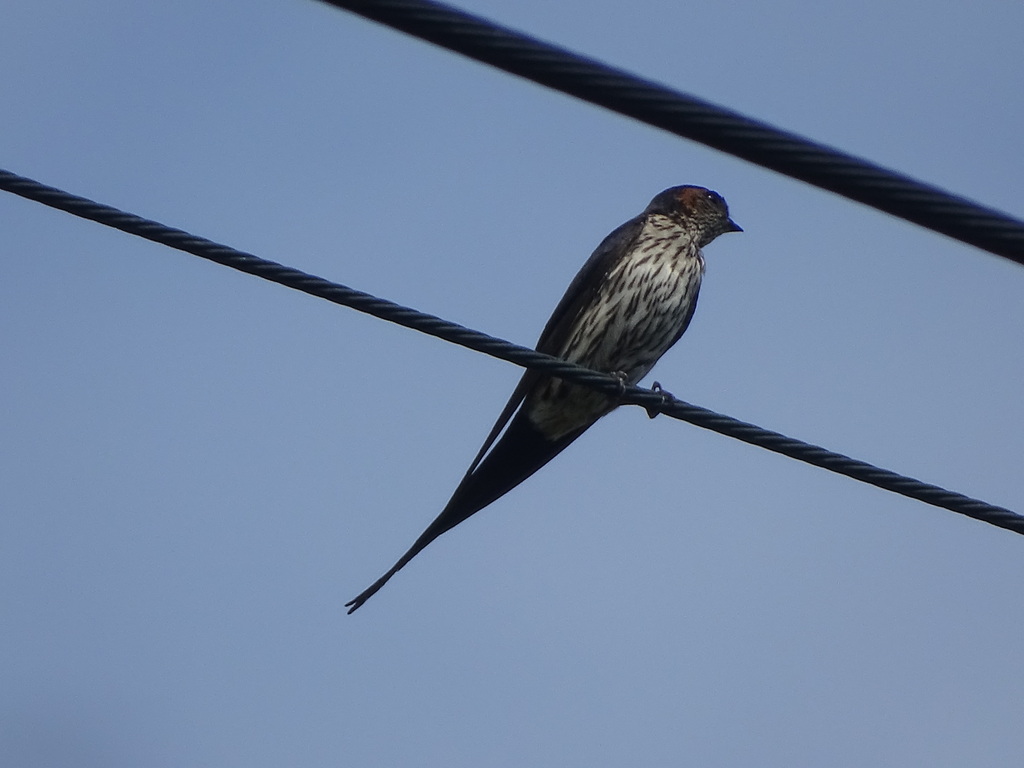
De apariencia similar a la golondrina común, exhibe dorso negro, con reflejos azulados, y vientre blanco sucio, con flancos anaranjados y algunas rayas tenues. Los rasgos más característicos de la especie son la nuca y la cara anaranjadas, del mismo color que el obispillo. Las alas, largas y apuntadas, también muestran tonos naranjas en la parte inferior delantera. Posee una cola muy larga y muy ahorquillada, de color negro uniforme, tanto por arriba como por abajo. Tiene patas cortas sin emplumar, boca muy ancha, y pico corto, plano y negro. Ambos sexos son iguales. Los jóvenes presentan en el dorso plumaje negro mate, con plumas ribeteadas en blanco, siendo las zonas naranjas de menor intensidad; incluso el obispillo parece blanco en ocasiones. Esta ave se observa frecuentemente cerca de puentes y roquedos, y exhibe un vuelo ágil, rápido y acrobático.Similar in shape to the Barn Swallow but with a distinct orange-buff rump and a pale orange-buff collar/nape. It lacks the long tail streamers of the Barn Swallow (tail is deeply forked but more uniform) and has a pale, lightly streaked breast instead of a dark collar. It is a colonizer from Africa and Asia that has successfully expanded across Iberia during the 20th century. Its flight is more gliding and hawk-like than the Barn Swallow's.
DistribuciónDistribution
La subespecie rufula, poco rayada en el pecho y el vientre, es la presente en España. Esta golondrina ocupa la Península, Ceuta y Melilla, y se concentra de forma casi uniforme por Andalucía, Extremadura, Madrid, Toledo, Ciudad Real, Ávila, Salamanca y Zamora, con núcleos dispersos por el resto del territorio ibérico, en especial a lo largo del litoral mediterráneo. Cría también en Galicia, Asturias y Cantabria, así como en en Mallorca y Menorca. La primera cita española data de 1921 en Cádiz. Desde entonces, su expansión ha sido constante, resultando especialmente intensa entre 1950 y 1980.Summer visitor. Well-established in the southwest (Andalusia, Extremadura, center) and currently expanding north and east. Also breeds in Galicia, Asturias, and the Balearics. Subspecies 'rufula'.
Textos reproducidos con permiso de laTexts translated and reproduced with permission from the Guía de Aves de España © SEO/BirdLife
Estado de conservaciónConservation Status
- EX
- RE
- CR
- EN
- VU
- NT
- LC
Preocupación menorLeast Concern
Qué significa cada categoríaWhat each category means
- LC
- Preocupación menor: Taxón evaluado que no califica para categorías amenazadas. Especies abundantes y ampliamente distribuidasLeast Concern - Evaluated taxon that does not qualify for threatened categories. Widespread and abundant taxa
- NT
- Casi amenazada: No califica actualmente como amenazada, pero está cerca de calificar o es probable que califique en el futuro cercanoNear Threatened - Does not currently qualify as threatened, but is close to qualifying or likely to qualify in the near future
- VU
- Vulnerable: Enfrenta un alto riesgo de extinción en estado silvestre según los criterios A a E de IUCNVulnerable - Facing a high risk of extinction in the wild based on IUCN criteria A to E
- EN
- En peligro: Enfrenta un riesgo muy alto de extinción en estado silvestre según los criterios A a E de IUCNEndangered - Facing a very high risk of extinction in the wild based on IUCN criteria A to E
- CR
- En peligro crítico: Enfrenta un riesgo extremadamente alto de extinción en estado silvestre según los criterios A a E de IUCNCritically Endangered - Facing an extremely high risk of extinction in the wild based on IUCN criteria A to E
- DD
- Datos insuficientes: Información inadecuada para evaluar el riesgo de extinción basándose en distribución o estado poblacionalData Deficient - Inadequate information to assess extinction risk based on distribution and/or population status
- NE
- No evaluada: No ha sido evaluada aún contra los criterios de la Lista Roja de IUCNNot Evaluated - Has not yet been assessed against the IUCN Red List criteria
- RE
- Extinta regionalmente: El taxón ya no existe en la región específica, aunque puede sobrevivir en otros lugaresRegionally Extinct - Taxon no longer exists in the specific region, though it may survive elsewhere
- EX
- Extinta - No existe duda razonable de que ha muerto el último individuo del taxónExtinct - No reasonable doubt that the last individual of the taxon has died
TaxonomíaTaxonomy
- OrdenOrder
- Passeriformes
- FamiliaFamily
- Hirundinidae
- SinónimosSynonyms
- Cecropis rufula
Presencia en EspañaPresence in Spain
- EstivalSummer visitor
- HabitualRegular
En la app: marzo a octubre.In the app: March to October.
Dónde verlaWhere to see it
3.130 cuadrículas de 10 km con registros de 2020 a 2024. Toca un mes para ver dónde se ha visto.3,130 10 km squares with records from 2020 to 2024. Pick a month to see where it has been seen.
Cargando el mapa…Loading the map…
Dónde es regularWhere it is regular
Provincias con registros en al menos 3 de los 5 años algún mes, de más a menos frecuente, y sus mejores meses.Provinces with records in at least 3 of the 5 years in some month, from most to least frequent, and their best months.
- MurciaMurciaagosto, septiembre, julioAugust, September, July
- JaénJaénagosto, septiembre, julioAugust, September, July
- AlmeríaAlmeríaagosto, julio, junioAugust, July, June
- CórdobaCórdobaagosto, julio, septiembreAugust, July, September
- HuelvaHuelvaagosto, julio, septiembreAugust, July, September
- GranadaGranadaagosto, julio, septiembreAugust, July, September
- CáceresCáceresagosto, julio, septiembreAugust, July, September
- AlicanteAlicanteagosto, septiembre, julioAugust, September, July
- BadajozBadajozseptiembre, agosto, julioSeptember, August, July
- MálagaMálagaagosto, julio, septiembreAugust, July, September
Ver las 51 provinciasSee all 51 provinces
- SevillaSevillaagosto, septiembre, junioAugust, September, June
- ToledoToledoagosto, julio, junioAugust, July, June
- CádizCádizseptiembre, julio, agostoSeptember, July, August
- Ciudad RealCiudad Realagosto, septiembre, julioAugust, September, July
- CastellónCastellónseptiembre, agosto, julioSeptember, August, July
- AlbaceteAlbaceteagosto, julio, junioAugust, July, June
- GuadalajaraGuadalajarajulio, agosto, junioJuly, August, June
- ÁvilaÁvilaagosto, julio, septiembreAugust, July, September
- MadridMadridagosto, septiembre, julioAugust, September, July
- SalamancaSalamancaagosto, julio, junioAugust, July, June
- CeutaCeutaabrilApril
- CuencaCuencaagosto, septiembre, junioAugust, September, June
- OurenseOurenseagosto, julio, septiembreAugust, July, September
- ZamoraZamoraagosto, julio, junioAugust, July, June
- Las PalmasLas Palmasmarzo, abril, febreroMarch, April, February
- GironaGironaagosto, septiembre, julioAugust, September, July
- LleidaLleidajulio, agosto, mayoJuly, August, May
- TarragonaTarragonajulio, junio, agostoJuly, June, August
- ValenciaValenciaseptiembre, agosto, junioSeptember, August, June
- TeruelTeruelseptiembre, julio, agostoSeptember, July, August
- HuescaHuescaagosto, junio, julioAugust, June, July
- PontevedraPontevedramayo, agosto, junioMay, August, June
- BarcelonaBarcelonaagosto, septiembre, junioAugust, September, June
- PalenciaPalenciajulio, junio, agostoJuly, June, August
- LugoLugojunio, agosto, mayoJune, August, May
- La RiojaLa Riojajulio, mayo, abrilJuly, May, April
- SegoviaSegoviaabril, julio, junioApril, July, June
- A CoruñaA Coruñamayo, septiembre, junioMay, September, June
- ZaragozaZaragozajulio, agosto, mayoJuly, August, May
- BurgosBurgosagosto, septiembre, octubreAugust, September, October
- LeónLeónmayo, junio, agostoMay, June, August
- SoriaSoriamayo, junio, agostoMay, June, August
- BalearesBalearic Islandsmayo, abril, marzoMay, April, March
- AsturiasAsturiasmayo, junio, septiembreMay, June, September
- ValladolidValladolidseptiembre, abril, agostoSeptember, April, August
- CantabriaCantabriajunio, julio, agostoJune, July, August
- ÁlavaÁlavajunio, mayo, abrilJune, May, April
- GuipúzcoaGuipúzcoaseptiembre, mayoSeptember, May
- NavarraNavarrajunio, julio, mayoJune, July, May
- VizcayaVizcayaagosto, abrilAugust, April
- Santa Cruz de TenerifeSanta Cruz de TenerifeabrilApril
Datos: registros en GBIF de 2020 a 2024 de Observation.org, eBird, iNaturalist y el ICO, descargados el 23/10/2026.Data: GBIF records from 2020 to 2024 from Observation.org, eBird, iNaturalist and the ICO, downloaded on 23/10/2026. GBIF.org (23 October 2026) GBIF Occurrence Download · doi:10.15468/dl.r5sf2a · CC BY-NC 4.0
GaleríaGallery
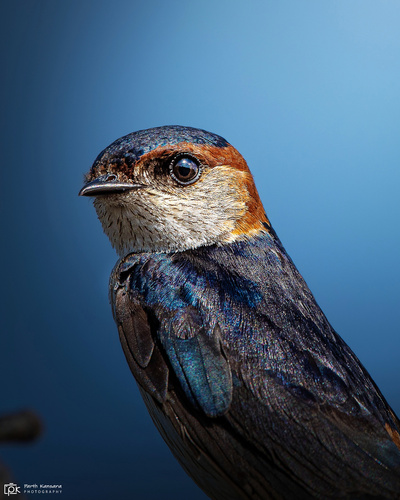
© Parth Kansara · CC BY · iNaturalist 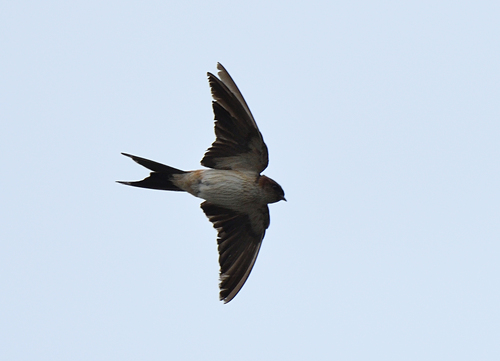
© sunnyjosef · CC BY · iNaturalist 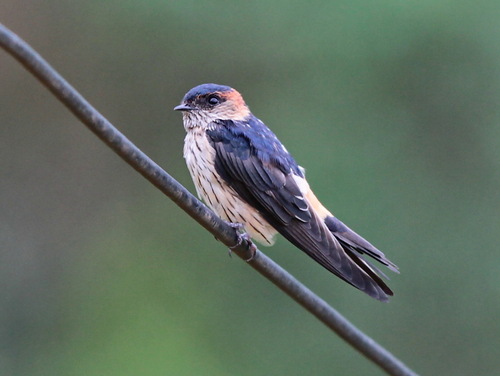
© Ian Dugdale · CC BY · iNaturalist 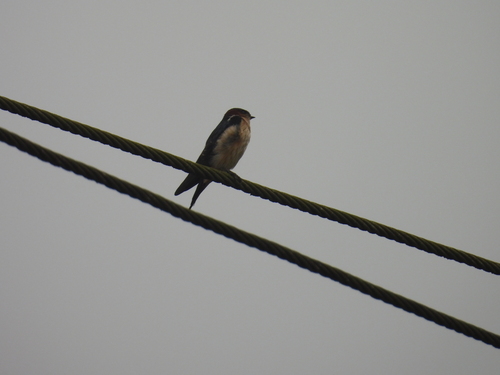
© Surabhi Srivastava · CC BY · iNaturalist 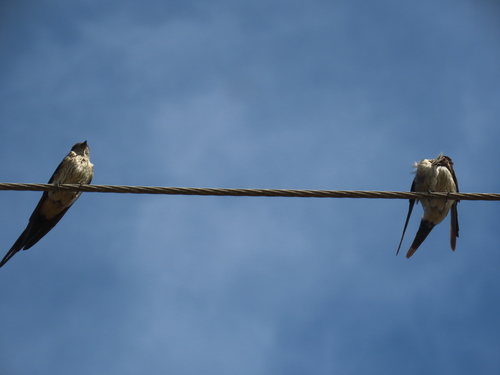
© Navaneeth Sini George · CC BY · iNaturalist 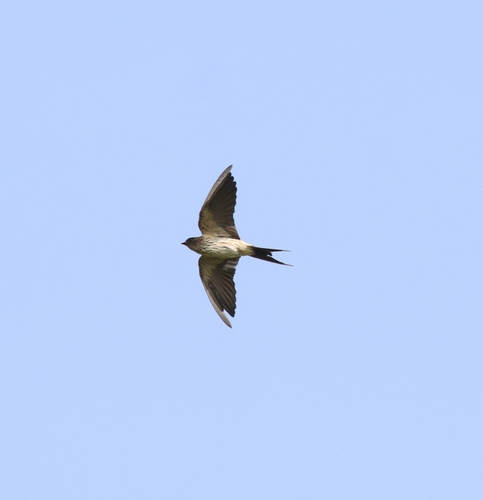
© Afsar Nayakkan · CC BY · iNaturalist 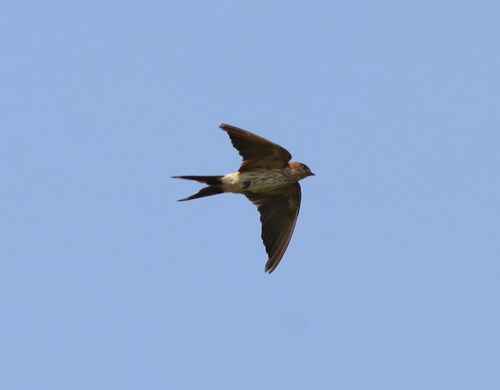
© Afsar Nayakkan · CC BY · iNaturalist 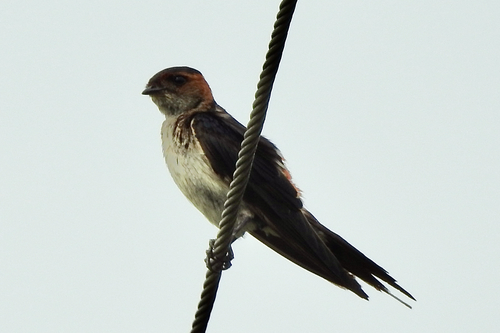
© Hopeland · CC BY · iNaturalist 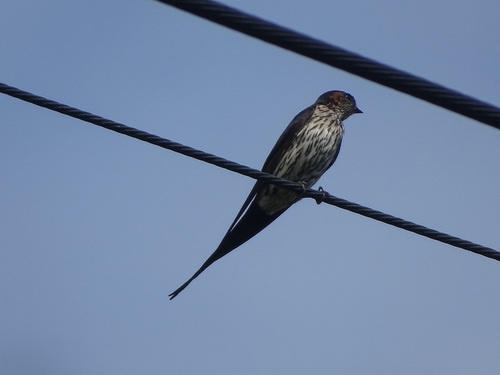
© 祐 · CC BY · iNaturalist 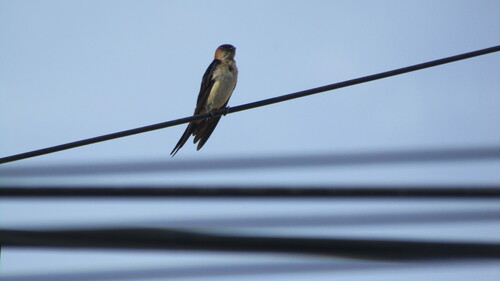
© Ram Dayal Vaishnav · CC BY · iNaturalist
Especies relacionadasRelated species
Otras aves de la familia Hirundinidae y de órdenes cercanos.Other birds from the Hirundinidae family and nearby orders.
- ComúnCommon
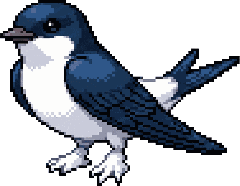 Avión común occidentalCommon House MartinDelichon urbicum
- LegendarioLegendary
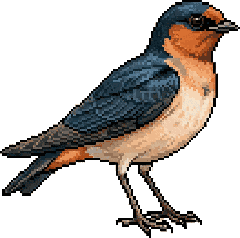 Golondrina puebleraCave SwallowPetrochelidon fulva
- LegendarioLegendary
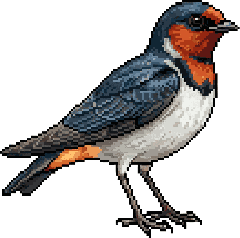 Golondrina risqueraCliff SwallowPetrochelidon pyrrhonota
- ComúnCommon
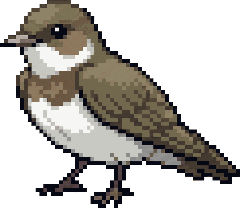 Avión zapadorSand MartinRiparia riparia
- ComúnCommon
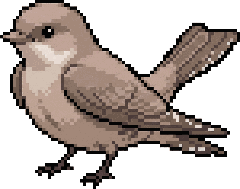 Avión roqueroCrag MartinPtyonoprogne rupestris
- ComúnCommon
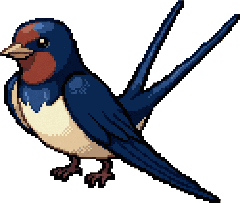 Golondrina comúnBarn SwallowHirundo rustica
- Poco comúnUncommon
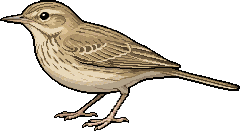 Bisbita campestreTawny PipitAnthus campestris
- RaroRare
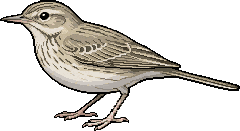 Bisbita camineroBerthelot's PipitAnthus berthelotii
 Gratis, sin anuncios ni comprasFree, no ads, no purchases